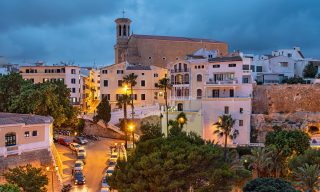
Centro De Interpretacion De Las Fortificaciones, Pamplona
Castle, City Walls and Museum in Pamplona
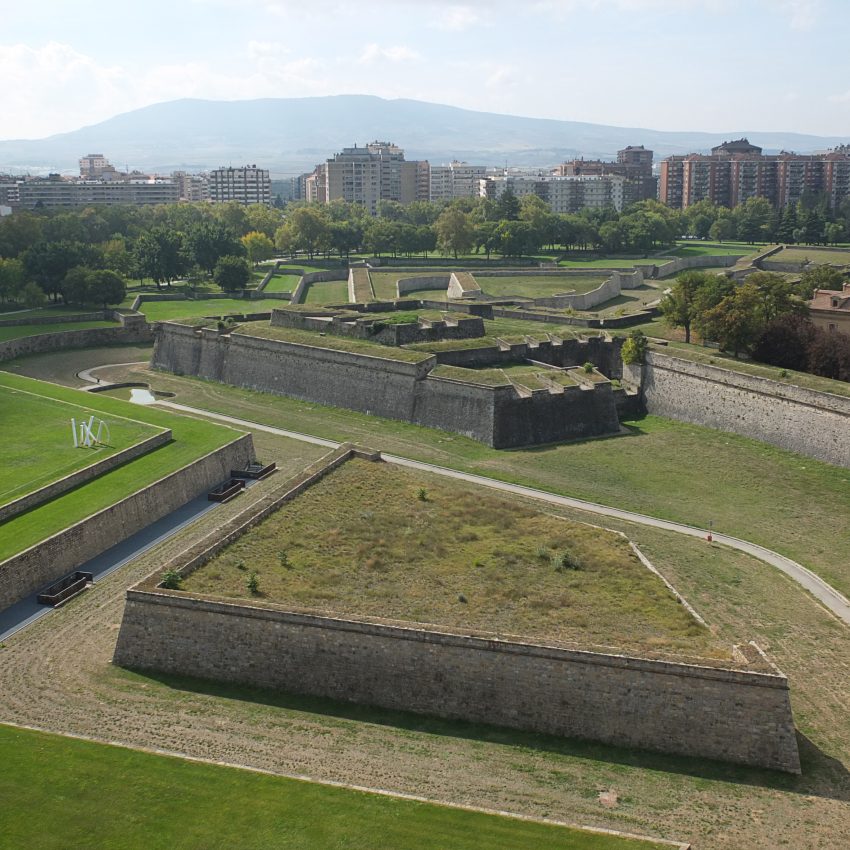
In the heart of Pamplona surrounded by the gardens near the Plaza de Toros, the Centro de Interpretacion de las Fortificaciones de Pamplona explains why this city looks and feels like a fortress. Set inside the old barracks of San Bartolome Fort, within the walls themselves, it uses detailed drawings, models, short films and interactive screens to bring the story of Pamplona's defensive system to life, making it one of the best places to visit in Pamplona if you are curious about military history and urban planning.
A visit here is not just about looking at panels indoors. Once you have explored the interpretation rooms, you can follow a marked 5 kilometre walk along the fortifications, stepping out onto bastions, ramparts and green embankments that once defended the city. The centre's audiovisual content gives you the tools to read what you are seeing outside: how the bastions (baluartes) were designed, why the walls were shaped the way they were and how they would have functioned in times of war. It is a highlight of any walking tour of Pamplona that connects the old town, the citadel and surrounding parks.
Table of Contents
- History and Significance of the Centro de Interpretacion de las Fortificaciones de Pamplona
- Things to See and Do in the Centro de Interpretacion de las Fortificaciones de Pamplona
- How to Get to the Centro de Interpretacion de las Fortificaciones de Pamplona
- Practical Tips on Visiting the Centro de Interpretacion de las Fortificaciones de Pamplona
- Where to Stay close to the Centro de Interpretacion de las Fortificaciones de Pamplona
- Is the Centro de Interpretacion de las Fortificaciones de Pamplona Worth Visiting?
- FAQs for Visiting Centro de Interpretacion de las Fortificaciones de Pamplona
- Nearby Attractions to the Centro de Interpretacion de las Fortificaciones de Pamplona
History and Significance of the Centro de Interpretacion de las Fortificaciones de Pamplona
Pamplona's identity as a fortress city is written in its walls. For centuries, ramparts, bastions and outworks dictated where streets could run and how the city grew. The Centro de Interpretacion de las Fortificaciones de Pamplona was created to help visitors and locals understand this hidden logic, using a space embedded in the walls themselves to tell the story from the inside. Being housed in former barracks adds authenticity: you are learning about the defences in a place once occupied by the soldiers who manned them.
Inside, the centre uses a mix of historic drawings, architectural plans and explanatory diagrams to show how Pamplona’s fortifications evolved over time. You can see how advances in artillery and siege warfare led to the development of angled bastions instead of simple straight walls, and how ditches, moats and outerworks were layered to slow attackers. The audiovisual presentations and interactive screens make it easier to visualise complex layouts, turning what might otherwise be abstract lines on a map into three-dimensional structures in your mind.
By the time you leave the exhibition spaces, you have a clear sense of how and why the city’s walls were constructed the way they were. That understanding transforms your experience of walking the actual ramparts: instead of just strolling through a park-like landscape, you can pick out specific features, recognise bastions and curtains, and imagine the fields of fire defenders would have commanded. In this way, the Centro de Interpretacion serves as both a compact museum and a gateway to a much larger open-air monument.
Things to See and Do in the Centro de Interpretacion de las Fortificaciones de Pamplona
Begin in the main interpretation rooms, where information panels, historic maps and drawings explain the evolution of Pamplona’s defences from medieval walls to more sophisticated bastioned fronts. Short films provide an overview of the city’s strategic position and show animated sequences of how attacks and defences might have played out, which is especially helpful if you are new to military architecture.
Interactive screens let you explore specific areas of the walls in more detail, zooming in on bastions and structures you can later visit on foot. These tools are ideal for understanding the “how and why” behind the construction of the baluartes: why they are angled, how they overlap their fields of fire and how ditches, counterscarps and covered ways worked together as a system. Take your time here; the more you absorb indoors, the richer your experience will be outside.
After you have explored the interior displays, head out to follow the suggested 5 kilometre walk along the fortifications. This route threads along sections of wall, past bastions and through landscaped areas near the Plaza de Toros and surrounding gardens. With the centre's explanations fresh in your mind, you will start to recognise structures that might otherwise blend into the scenery. Bring a camera or simply enjoy the changing views over Pamplona and its parks as you walk the line that once defined the city's edge.
How to Get to the Centro de Interpretacion de las Fortificaciones de Pamplona
Most visitors arrive in Pamplona via Pamplona Airport or larger regional airports such as Bilbao or San Sebastián, then travel into the city by bus, taxi or hire car. For the best deals and a seamless booking experience, check out these flights to Pamplona on Booking.com. Once in the centre, the interpretation centre is within easy walking distance of the Plaza de Toros and adjacent gardens.
If you are travelling by train, Pamplona's main station connects the city with Madrid, Barcelona and other Spanish hubs.Train schedules and bookings can be found on Omio. From the station, take a local bus or taxi into the historic centre, then follow signs towards the bullring and surrounding parks; the Centro de Interpretacion de las Fortificaciones de Pamplona is located within the walls in this area.
Arriving by car, follow the main roads into Pamplona and park in a central car park near the old town or bullring.If you are looking to rent a car in Spain I recommend having a look at Discover Cars, first, as they compare prices and review multiple car rental agencies for you. From there it is a short walk through the gardens and streets around the Plaza de Toros to reach the centre’s entrance, which you can then use as the starting point for the longer fortifications walk.
Practical Tips on Visiting the Centro de Interpretacion de las Fortificaciones de Pamplona
- Suggested tips: Visit the centre first and then walk the walls; the explanations and models will make the outdoor fortifications much easier to understand.
- Best time to visit: Late morning or mid-afternoon works well; if you plan to do the full 5 km walk, aim for cooler parts of the day, especially in summer.
- Entrance fee: Adults €3.00
- Opening hours: 11am-2pm & 5-7pm Tue-Sun Apr-Oct, 10am-2pm & 4-6pm Nov-Mar
- Official website: https://www.pamplona.es/entidades/centro-de-interpretacion-de-las-fortificaciones-de-pamplona
- How long to spend: Allow 45-60 minutes inside the centre, plus 1.5-2 hours if you plan to walk a substantial section of the fortifications afterward.
- Accessibility: The interpretation rooms inside the walls are generally manageable, though some areas may involve steps or uneven surfaces; the outdoor route along the fortifications includes slopes and sections that may be less accessible.
- Facilities: Expect basic visitor services such as information panels, possibly toilets and nearby access to cafés and bars around the Plaza de Toros for refreshments.
- Photography tip: Inside, photograph models and diagrams to refer to during your wall walk; outside, use elevated points on the fortifications to capture views over parks, bastions and the old town.
- Guided tours: Look for guided tours or audio guides that combine the centre and the fortifications walk, as expert commentary can deepen your understanding of military design.
- Nearby food options: Take advantage of cafés and restaurants near the Plaza de Toros and central streets to grab a drink or meal before or after your visit and walk.
Where to Stay close to the Centro de Interpretacion de las Fortificaciones de Pamplona
Staying in central Pamplona makes it easy to visit the interpretation centre and explore the fortifications on foot. A convenient and elegant option overlooking Plaza del Castillo is Gran Hotel La Perla, which leaves you a short stroll from the Plaza de Toros area and the start of the fortifications walk. For a quieter base near the cathedral and city walls, Pamplona Catedral Hotel places you close to both historic sights and sections of the ramparts. If you prefer to stay near green spaces while remaining central, Hotel Tres Reyes Pamplona offers easy access to La Taconera Park, the Ciudadela and the paths linking into the fortification route.
Is the Centro de Interpretacion de las Fortificaciones de Pamplona Worth Visiting?
If historic visits and city-defence stories interest you, the Centro de Interpretacion de las Fortificaciones de Pamplona is definitely worth visiting. It turns what might seem like simple grassy banks and stone walls into a readable textbook of military engineering, explaining not just what you see but why it was built that way. Combined with the chance to follow a 5 kilometre walk along the fortifications themselves, it offers a satisfying mix of learning and fresh air, and adds real depth to your understanding of Pamplona beyond its festivals and old town squares.
What Other Travellers Say...

Ciudadela de Pamplona is a 16th-century pentagonal fortress turned public green space with exhibition rooms; visitors praise its extensive fortifications and tunnels to explore, the attractive central park dotted with sculptures, and peaceful shaded areas ideal for walks, waiting by the nearby bus station, or spotting birds, chickens and many dog walkers—note some exhibition spaces may close for lunch but the grounds are free and open.


FAQs for Visiting Centro de Interpretacion de las Fortificaciones de Pamplona
Nearby Attractions to the Centro de Interpretacion de las Fortificaciones de Pamplona
- Plaza de Toros de Pamplona: The city's bullring and focal point of the San Fermín festivities, located right by the surrounding gardens.
- La Taconera Park: Pamplona's historic central park with sculptures and a mini zoo, ideal for extending your walk through the city's green spaces.
- Ciudadela de Pamplona: A star-shaped Renaissance fortress turned public park, offering more examples of the city's defensive heritage.
- Museum of Navarra: The regional museum in a former pilgrims' hospital, with collections from prehistory to Goya and 20th century art.
- Plaza del Castillo: Pamplona's main square and social hub, lined with cafés and arcades, perfect for a drink after exploring the walls and interpretation centre.
The Centro De Interpretacion De Las Fortificaciones appears in our Complete Guide to Visiting Pamplona!

Moira & Andy
Hey! We're Moira & Andy. From hiking the Camino to trips around Europe in Bert our campervan — we've been traveling together since retirement in 2020!
This website uses affiliate links which may earn a commission at no additional cost to you!
Planning Your Visit
11am-2pm & 5-7pm Tue-Sun Apr-Oct, 10am-2pm & 4-6pm Nov-Mar
Adults €3.00
Nearby Attractions
- Plaza de Toros de Pamplona (0.2) km
Bullring - Palacio de Navarra (0.4) km
Palace - Running of the Bulls Monument (0.4) km
Statue - Calle Estafeta (0.4) km
Street - Plaza del Castillo (0.4) km
Square - Albergue de Jesús y María (0.4) km
Church and Hostel - Catedral de Pamplona (0.5) km
Cathedral - Magdalena Bridge (0.5) km
Bridge - Ayuntamiento de Pamplona (0.6) km
Town Hall - Mirador de Caballo Blanco (0.6) km
Viewing Point