Calvari Steps in Pollensa, Pollenca
Historic Site and Viewing Point in Pollenca
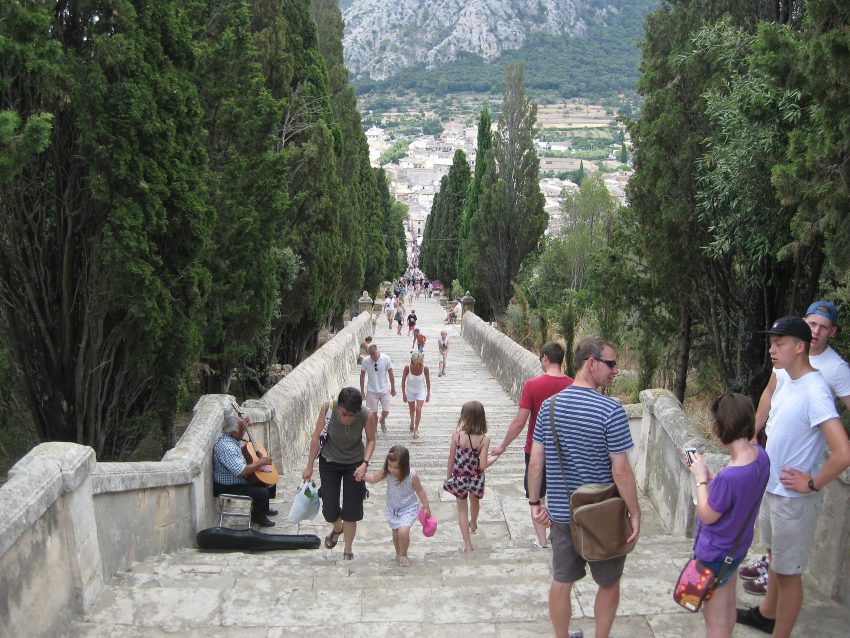
The Calvari Steps rise from the heart of Pollensa towards a small chapel on Calvari Hill, with 365 stone steps lined by cypress trees and traditional houses. Climbing this historic stairway is one of the best places to visit in Pollensa for travellers who want to combine gentle effort with big views and a strong sense of local tradition. From the top, you look out over the town, the surrounding countryside, and the distant bays, with the chapel offering a quiet space to pause and reflect.
All year round, the steps make a beautiful walk, but they are especially famous for their role in Pollensa's Good Friday ceremonies. On that day the hill becomes the stage for a dramatic reenactment of the Stations of the Cross and a solemn, torchlit procession that moves silently back down into the town. Between the everyday climb and the intensity of Holy Week, the Calvari Steps feel like a highlight of any walking tour of Pollensa and a powerful link between landscape, faith, and community.
Table of Contents
- History and Significance of the Calvari Steps
- Things to See and Do in the Calvari Steps
- How to Get to the Calvari Steps
- Practical Tips on Visiting the Calvari Steps
- Where to Stay close to the Calvari Steps
- Is the Calvari Steps Worth Visiting
- FAQs for Visiting Calvari Steps
- Nearby Attractions to the Calvari Steps
History and Significance of the Calvari Steps
Pollensa developed at the base of Calvari Hill, and over time this slope took on deep religious and symbolic meaning for the town. The stairway, sometimes called the Calvary Way, was laid out to create a formal route up to a hilltop chapel dedicated to the mysteries of the Passion. With 365 steps, one for each day of the year, it quickly became a focus for devotional walks, local processions, and quiet contemplation, tying the daily rhythm of the town to the shape of the hill above it.
The chapel at the summit is modest in scale but rich in atmosphere, and its position has made it an important place of pilgrimage within Pollensa. Over the centuries, generations have climbed the steps to pray, give thanks, and seek comfort, especially around Easter. The cypress trees that flank the stairway add a distinctly Mediterranean character, turning the climb into a shaded, almost theatrical ascent where each landing reveals a new perspective over the rooftops below.
Good Friday gives the Calvari Steps their most intense public role. The day begins with a reenactment of the Stations of the Cross along the road that winds up the rear of the hill, followed by a symbolic crucifixion at the top. From there, the figure of Christ is carefully taken down from the Cross, and a silent, torchlit procession begins its descent through the town. With hundreds of participants in cloaks, masks, and pointed hoods moving in near complete silence except for a slow drumbeat, the event leaves a lasting impression on anyone who witnesses it.
Things to See and Do in the Calvari Steps
The classic way to experience the Calvari Steps is simply to start at the bottom in Pollensa and climb steadily upwards. As you go, notice the changing views between the cypress trunks, the small landings where you can catch your breath, and the traditional houses that line parts of the route. The stone underfoot feels worn by centuries of footsteps, and even outside religious occasions the stairway carries a quiet sense of ritual as you count off the steps.
At the top, the chapel crowns the hill in a small square that opens to wide views. Step inside to enjoy the simple interior and the feeling of calm after the climb, then head back out to the viewpoints around the summit. On clear days you can see across the town to the surrounding countryside and towards the bays of northern Mallorca, making this one of the top sights in Pollensa for panoramic photography and sunset watching. Many visitors choose to sit for a while on the low walls or benches before heading back down.
If you are in Pollensa during Holy Week, consider planning your visit around Good Friday. The Stations of the Cross, symbolic crucifixion, and the night time procession down from the hill are among the most striking religious events on the island, blending medieval style costumes, torchlight, and deep silence. Outside Easter, the stairs are also used for smaller processions and local events, but even on an ordinary day the combination of town, hill, and chapel makes the Calvari Steps one of the must see places in Pollensa for anyone interested in the island interior.
How to Get to the Calvari Steps
Most visitors reach Pollensa by first travelling to Palma de Mallorca, with Palma de Mallorca Airport serving frequent flights from across Europe and beyond. For the best deals and a seamless booking experience, check out these flights to Pollenca on Booking.com. From the airport, buses, taxis, and rental cars can take you north towards Pollensa and the surrounding resorts.
Mallorca has no mainline train connection to Pollensa itself, so if you arrive in Spain by train you will need to continue by ferry or flight to the island and then switch to road transport for the final leg.Train schedules and bookings can be found on Omio. Once in Palma, regular buses run to Pollensa, stopping within walking distance of the historic centre where the Calvari Steps begin.
If you are driving, good roads link Palma with the north of the island and clear signs guide you towards Pollensa.If you are looking to rent a car in Spain I recommend having a look at Discover Cars, first, as they compare prices and review multiple car rental agencies for you. You can park in or near the old town and then follow local signs or a map to find the bottom of the Calvari Steps, which rise from residential streets up towards the hilltop chapel and are easily recognised once you are close.
Practical Tips on Visiting the Calvari Steps
- Suggested tips: Tackle the climb early in the morning or late in the afternoon to avoid the strongest sun, and bring water, especially in the warmer months.
- Best time to visit: Spring and autumn offer comfortable temperatures and clear views, while Good Friday provides the most powerful cultural experience if you do not mind crowds.
- Entrance fee: Free to climb the steps and visit the chapel donations for upkeep are appreciated.
- Opening hours: The stairway is accessible at all times the chapel is generally open during daytime hours and around services.
- How long to spend: Allow 1 to 2 hours for a relaxed ascent, time at the top, and an unhurried walk back down into the town.
- Accessibility: The 365 steps are steep and uneven in places, making the route unsuitable for wheelchairs and challenging for visitors with reduced mobility or knee issues.
- Facilities: There are no facilities on the stairway itself, but cafés, restaurants, and toilets are available in Pollensa before you start the climb or once you return.
- Photography tip: Pause on landings to frame cypress trunks, stone steps, and town views together, and aim for golden hour light for the most atmospheric shots at the summit.
- Guided tours: Local walking tours sometimes include the Calvari climb, adding context about the Good Friday rituals and the history of Pollensa.
- Nearby food options: Reward yourself after the descent with a drink or meal on Plaça Major or in nearby side streets, where numerous cafés and restaurants spill out onto the pavements.
Where to Stay close to the Calvari Steps
Staying in Pollensa’s old town puts the Calvari Steps almost on your doorstep, making it easy to climb them at sunrise, sunset, or during Good Friday events without worrying about transport. A characterful option is Jumele Boutique Hotel, tucked into the historic streets within walking distance of the base of the hill. Another appealing choice is Son Sant Jordi, a townhouse style hotel on or near the main square that lets you step out directly into the life of the town. If you prefer to sleep by the sea but still want convenient access to Pollensa and the Calvari Steps, Hotel Illa d Or in nearby Port de Pollença offers classic waterfront charm just a short drive away.
Is the Calvari Steps Worth Visiting
The Calvari Steps are definitely worth visiting if you enjoy combining gentle physical effort with history, views, and local tradition. The 365 stone steps, cypress trees, and hilltop chapel create a setting that feels both picturesque and deeply rooted in Pollensa’s identity. On Good Friday, the stairway becomes the spine of one of Mallorca’s most memorable processions, while on ordinary days it offers a peaceful climb and a sweeping panorama over the town and bay. For many visitors, a walk up Calvari Hill becomes one of the most vivid memories of their time in Pollensa.
What Other Travellers Say...

Calvary Chapel in Pollença perches above the town and is reached by a long stone stairway of 365 steps lined with cypress trees; visitors praise the climb for its houses and viewpoints along the way and note you can also reach it by road. The small, peaceful chapel at the top offers sweeping views of Pollença and the surrounding area, and there’s a tiny refreshment spot nearby selling drinks and snacks. The route is popular with walkers and busy on Sundays when the town holds a market, making it a rewarding stop for panoramic scenery and a tranquil pause.


FAQs for Visiting Calvari Steps
Nearby Attractions to the Calvari Steps
- Port de Pollença: A nearby seaside resort with a long promenade beaches and cafés ideal for relaxing after a day of climbing steps and exploring town streets.
- Mare de Deu dels Angels church: The main parish church of Pollensa with a grand Baroque interior and rich Templar and Hospitaller history.
- Convent and Cloister of Sant Domingo: A beautiful Baroque cloister and former convent that now hosts Pollensa Classical Music Festival and local fairs.
- Santuari del Puig de Maria: A hilltop monastery above Pollensa reached by a separate steep path with wide views over the bay and Tramuntana.
- Pont Roma: A well preserved Roman bridge on the outskirts of Pollensa offering a quiet glimpse into the island ancient past.
The Calvari Steps in Pollensa appears in our Complete Guide to Visiting Pollenca!

Moira & Andy
Hey! We're Moira & Andy. From hiking the Camino to trips around Europe in Bert our campervan — we've been traveling together since retirement in 2020!
This website uses affiliate links which may earn a commission at no additional cost to you!
Planning Your Visit
The stairway is accessible at all times the chapel is generally open during daytime hours and around services.
Free to climb the steps and visit the chapel donations for upkeep are appreciated.
Nearby Attractions
- Mare de Deu dels Angels Church (0.2) km
Church - Convent of Sant Domingo (0.3) km
Convent and Museum - Pont Roma (0.5) km
Historic Site - Santuari del Puig de Maria (1.2) km
Monastery - Santuari de Lluc (12.7) km
Monastery - Cap de Formentor Lighthouse (19.3) km
Lighthouse - Royal Carthusian Monastery, Valldemossa (38.4) km
Monastery - Capdepera Lighthouse (43.5) km
Lighthouse - Cuevas del Hams (45.3) km
Cave - Palma Aquarium (45.6) km
Aquarium