Cafe Pedrocchi, Padova
Historic Building in Padova
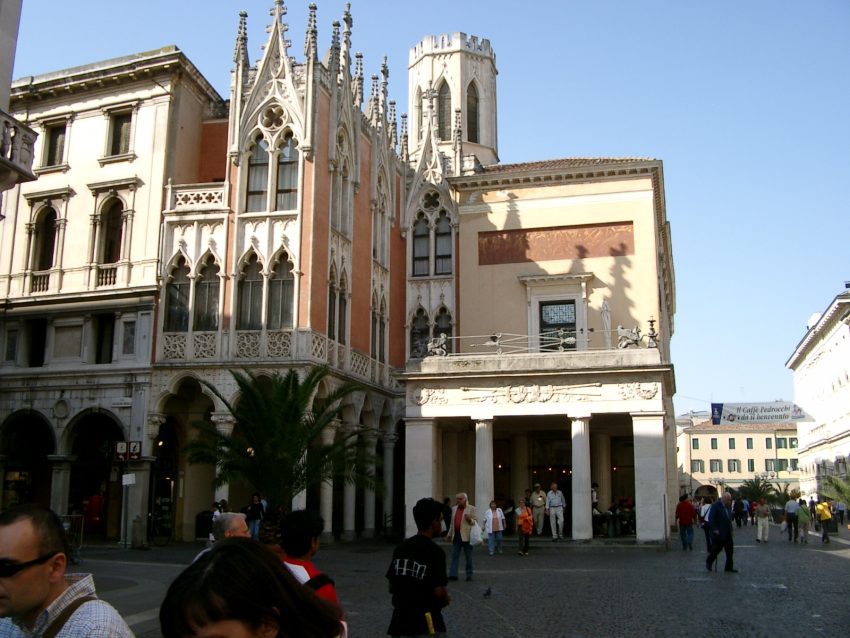
Caffè Pedrocchi is far more than just a place to grab a coffee; it is one of the best places to visit in Padua if you want to drink in the city's history as well as its espresso. Founded in the 18th century and redesigned in eclectic style by architect Giuseppe Jappelli, this grand café sits in the heart of the city, a short stroll from the university. Its salons and rooms, each decorated in different historical styles, still feel like a living stage set where conversations echo off marble, mirrors and chandeliers.
The café is also deeply entwined with Italian history. In 1848, it became a focal point for protests against Habsburg rule, and the “café without doors” - once famously open day and night - was a favourite haunt of writers, artists and thinkers from Stendhal and Lord Byron to Dario Fo. Today you can sit where they once did, sipping a coffee and watching students and locals pass by, making Caffè Pedrocchi a great place to visit on a walking tour of Padua when you need both atmosphere and a caffeine boost.
Table of Contents
- History and Significance of Caffè Pedrocchi
- Things to See and Do in the Caffè Pedrocchi
- How to Get to the Caffè Pedrocchi
- Practical Tips on Visiting the Caffè Pedrocchi
- Where to Stay close to the Caffè Pedrocchi
- Is the Caffè Pedrocchi Worth Visiting
- FAQs for Visiting Caffè Pedrocchi
- Nearby Attractions to the Caffè Pedrocchi
History and Significance of Caffè Pedrocchi
Caffè Pedrocchi was founded in the late 18th century by the Pedrocchi family, who gradually transformed a modest coffee house into one of the most prestigious cafés in northern Italy. Its real leap into legend came in the 19th century, when entrepreneur Antonio Pedrocchi commissioned architect Giuseppe Jappelli to expand and redesign the building. Jappelli responded with an ambitious project that combined multiple architectural styles, turning the café into a kind of three-dimensional portfolio of European taste - neoclassical exteriors, themed interior rooms and refined details everywhere you look.
The café's political importance is tied to the turbulent events of 1848, when revolutionary uprisings rippled across Europe. Caffè Pedrocchi became a gathering place for students, patriots and intellectuals opposed to Habsburg control, and it was here that one of the most famous incidents of the local revolt unfolded, with a student reportedly shot inside the café during protests. That story, and the café's reputation as a “house of ideas”, helped cement its role as a symbol of Padua's liberal and patriotic spirit.
Over the 19th and 20th centuries, Caffè Pedrocchi remained a meeting point for artists, writers and public figures. Visitors such as Stendhal, Lord Byron and, later, Dario Fo all contributed to its myth as a salon of conversation and creativity. Even today, the building's eclectic architecture and layered history make it stand out among Padua's landmarks, a place where you can feel both the elegance of the Belle Époque and the tension of the Risorgimento beneath the polished surfaces.
Things to See and Do in the Caffè Pedrocchi
Most visitors start in the main ground-floor café, where high ceilings, decorative columns and large windows give the space a bright, open feel. This is the perfect spot to order a classic espresso, a pastry or the café’s signature speciality and simply sit for a while, watching the ebb and flow of local life. The atmosphere is refined without feeling stiff, and the setting makes even a quick coffee feel like a small ceremony.
If the upper floors are open during your visit, head upstairs to explore the historic salons, each decorated in a different style - from neoclassical to more exotic inspirations. These rooms have hosted everything from literary gatherings to political discussions and formal receptions, and wandering through them gives you a sense of how important the café has been as a social hub. Look for period furnishings, mirrors and decorative details that tell the story of changing tastes over the centuries.
Do not rush your time here. Part of the charm of Caffè Pedrocchi is slowing down: taking a second coffee, sampling a dessert or simply admiring how the design of the rooms encourages conversation and lingering. Once you step back out into the streets of central Padua, you are only moments away from the university quarter, the main piazzas and several of the city's key sights, so it is easy to weave a stop here into a broader day of sightseeing.
How to Get to the Caffè Pedrocchi
Caffè Pedrocchi is located in central Padua, a short walk from the main piazzas and the historic university buildings. Most international visitors arrive via Venice Marco Polo or Treviso airports and then continue to Padua by train, shuttle or bus through Mestre or Venice, making it easy to add a visit here to a wider Veneto itinerary. For the best deals and a seamless booking experience, check out these flights to Padova on Booking.com.
If you are arriving by train, travel to Padova railway station on the main Venice-Milan and Venice-Bologna lines. Use Omnio to easily compare schedules, book train tickets, and find the best prices all in one place for a hassle-free journey across Italy. From the station, it is around a 15-20 minute walk into the historic centre: follow signs for the university and main squares, and you will find Caffè Pedrocchi close to key landmarks such as Palazzo Bo. Local buses and trams also connect the station with stops in and around the old town.
For those driving, Padua sits just off the A4 and A13 motorways, with clearly signed exits into the city and several car parks around the edge of the historic centre. If you are looking to rent a car in Italy I recommend having a look at Discover Cars, first, as they compare prices and review multiple car rental agencies for you. Park once, then explore the old town on foot; Caffè Pedrocchi is centrally located, so it is easy to reach as you move between the piazzas, churches and museums.
Practical Tips on Visiting the Caffè Pedrocchi
- Suggested tips: Take your time rather than popping in for a rushed espresso; the real pleasure here is lingering over a drink or snack and soaking up the atmosphere.
- Best time to visit: Late morning or late afternoon are ideal for a relaxed coffee; evenings can be livelier, with more locals stopping by before or after dinner.
- Entrance fee: There is no entrance fee; you simply pay for what you order in the café or restaurant.
- Opening hours: 8.00am to Middnight
- Official website: https://www.caffepedrocchi.it/
- How long to spend: Plan at least 30-60 minutes for a coffee and a look around; allow longer if you plan to explore the upstairs rooms or combine your stop with nearby sights.
- Accessibility: The main ground-floor café is generally accessible, though historic features may mean some areas have steps; access to upper floors for those with limited mobility can vary.
- Facilities: Expect table service, restrooms and sometimes a separate restaurant or event space; nearby streets are full of shops, banks and services.
- Photography tip: Capture both the exterior façade on the street and the interior atmosphere; discreet indoor shots work best when the café is not too crowded.
- Guided tours: Some city walking tours include a stop at Caffè Pedrocchi, often with stories about the 1848 uprisings and famous literary visitors.
- Nearby food options: While you can eat here, you are also within a short walk of countless trattorie, pizzerias and wine bars across the historic centre if you want a full meal before or after your visit.
Where to Stay close to the Caffè Pedrocchi
Staying close to Caffè Pedrocchi puts you right in the heart of Padua's historic centre, with the university, main squares and many key sights just a short walk away. A classic option is Hotel Majestic Toscanelli, tucked into the old streets only a few minutes from the café and the main piazzas. For a boutique feel with modern comforts, Le Camp Suite & Spa is also nearby, ideal if you want to combine sightseeing with some spa downtime. Another convenient choice is Hotel Europa Padova, which sits close to the historic centre and offers easy access on foot to Caffè Pedrocchi, the university and the major squares.
Is the Caffè Pedrocchi Worth Visiting
Caffè Pedrocchi is absolutely worth visiting, especially if you enjoy places where history and everyday life overlap. It is not just a pretty café but a symbol of Padua's intellectual and political past, a venue where artists and revolutionaries once shared the same space and where architecture was used to express ambition and taste. Sitting at one of its tables, you can almost imagine overhearing 19th-century debates about art, literature and independence.
Because of its central location, it is also an easy and natural stop during any exploration of the city. Whether you are mapping out the university, the main piazzas or Padua’s frescoed churches, you will likely pass close by. For many visitors, enjoying a drink here becomes one of the must-see places in Padua, a small ritual that ties together the city’s history, culture and café life in a single experience.
What Other Travellers Say...

Leoni del Pedrocchi, in Piazzetta Cappellato Pedrocchi 14 a Padova, sono quattro sculture di leoni poste all'ingresso del celebre Caffè Pedrocchi: facili da notare e molto amate dai padovani, sono copie di quelle al Campidoglio di Roma e rappresentano un classico punto per foto — spesso con bambini che salgono sulle loro spalle — e un simbolo vivido della lunga storia culturale che ha animato il luogo.


FAQs for Visiting Caffè Pedrocchi
Nearby Attractions to the Caffè Pedrocchi
- University of Padua and Palazzo del Bo: Historic university buildings just a short walk away, with guided tours of lecture halls and the famous anatomical theatre.
- Piazza delle Erbe and Piazza dei Frutti: Lively market squares where you can browse stalls by day and enjoy bars and cafés by evening.
- Piazza dei Signori: An elegant square framed by historic buildings, ideal for an aperitivo and people-watching.
- Padua Cathedral and Baptistery: The city's cathedral on Piazza Duomo, with a nearby baptistery filled with 14th-century frescoes.
- Palazzo della Ragione: The vast medieval “Salone” with frescoed walls and a historic covered market underneath, located between the main market squares.
The Cafe Pedrocchi appears in our Complete Guide to Visiting Padova!

Moira & Andy
Hey! We're Moira & Andy. From hiking the Camino to trips around Europe in Bert our campervan — we've been traveling together since retirement in 2020!
This website uses affiliate links which may earn a commission at no additional cost to you!
Planning Your Visit
8.00am to Middnight
There is no entrance fee; you simply pay for what you order in the café or restaurant.
Nearby Attractions
- Palazzo Bo (0.1) km
Historic Building and Palace - Palazzo della Ragione (0.2) km
Historic Building and Market - Piazza dei Signori (0.3) km
Square - Torre dell'Orologio (0.3) km
Tower - Chiesa degli Eremitani (0.4) km
Church - MUSME - Museum of the History of Medicine (0.4) km
Museum - Musei Civici di Padova (0.4) km
Historic Building and Museum - Roman Arena of Padua (0.4) km
Amphitheatre - Duomo di Padova (0.4) km
Cathedral - Palazzo Zuckermann (0.4) km
Historic Building and Museum