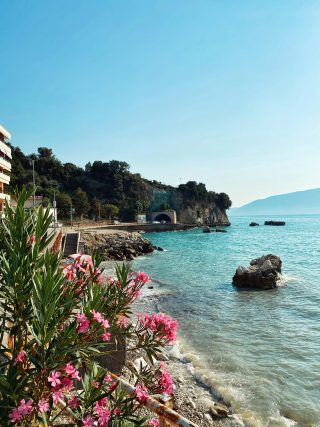
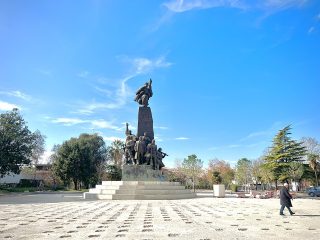
Byllis Archaeological Park
Ruins near Vlorë
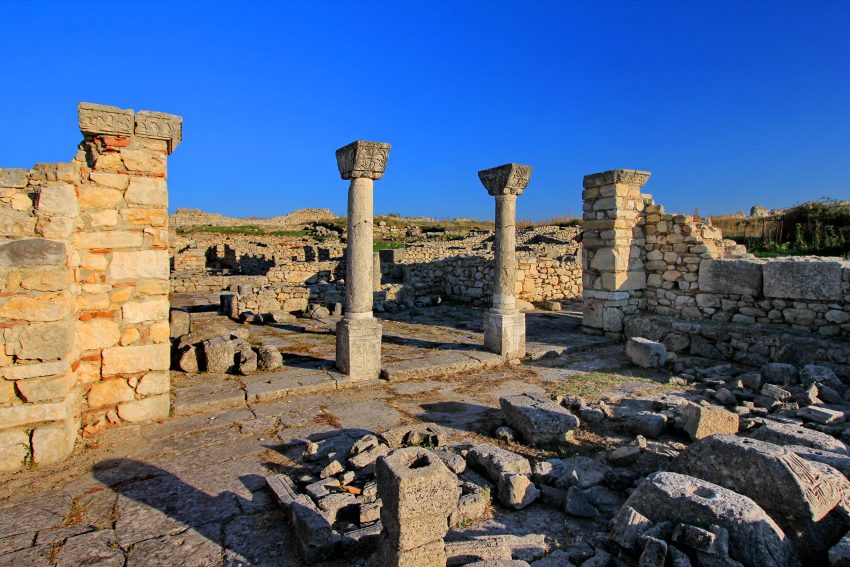
Perched on a broad hilltop above the Vjosa River valley, Byllis Archaeological Park is the kind of place that makes you slow down and look twice. You're walking through the footprint of an ancient city, with big Albanian skies overhead and ruins that sit naturally in the landscape rather than feeling “packaged.” It's an easy add-on if you're exploring southern Albania, and it makes a memorable half-day escape from the coast-especially if you're using Vlorë as a base and ticking off one of the top attractions in Vlorë along the way.
What I love most is how Byllis delivers both atmosphere and scale. The site spreads out across a plateau, so you get that rare combination of wide-open views and close-up details: cut-stone walls, theatre seating, basilica outlines, and fragments that hint at daily life across centuries. Even if your plan is a walking tour of Vlorë and you're mostly city-focused, Byllis is a strong “one-stop time travel” detour that adds depth to the region.
Table of Contents
- History and Significance of the Byllis Archaeological Park
- Things to See and Do in the Byllis Archaeological Park
- How to Get to the Byllis Archaeological Park
- Practical Tips on Visiting the Byllis Archaeological Park
- Where to Stay Close to the Byllis Archaeological Park
- Is the Byllis Archaeological Park Worth Visiting?
- For Different Travelers
- FAQs for Visiting Byllis Archaeological Park
- Nearby Attractions to the Byllis Archaeological Park
History and Significance of the Byllis Archaeological Park
Byllis began as the chief settlement of the Bylliones, an Illyrian community that built a fortified city on this commanding hillside in the 4th century BC. Over time, it developed the hallmarks of a Hellenistic city-organized streets, public spaces, and civic architecture-reflecting how this part of the Balkans sat at the crossroads of Illyrian traditions and wider Greek-speaking Mediterranean culture.
Under Roman rule, Byllis continued to matter strategically, and later it became a notable early-Christian centre, with churches and an episcopal complex rising inside the old urban fabric. The city's final destruction in the 6th century is often tied to Slavic incursions, after which the regional focus shifted and the old hilltop was gradually left to silence and grass-leaving today's visitors with a rare, unhurried archaeological landscape.
Things to See and Do in the Byllis Archaeological Park
Start with the site’s sense of “outline”: follow the surviving stretches of fortification and let the scale sink in. The walls once formed a long circuit around the city, and even where stones are missing, the line of the defences helps you read the ancient plan and understand why this hill was chosen in the first place.
Next, make time for the theatre area and the main civic zone. Even in partial ruins, the theatre’s seating and the city’s public spaces evoke a place designed for gatherings, announcements, and ceremony-an ancient community that expected to be seen and heard. From here, wandering becomes the point: pause at viewpoints over the valley, then continue toward the early-Christian remains, where basilica footprints and stonework hint at a later chapter of devotion and rebuilding on the same ground.
How to Get to the Byllis Archaeological Park
The closest major airport is Tirana International Airport (TIA); some travelers also route via Corfu International Airport (CFU) with onward connections into southern Albania. For the best deals and a seamless booking experience, check out these flights to Vlorë on Booking.com.
There's no practical train option for reaching Byllis, so plan around buses, taxis, or a private transfer for the last stretch.
By bus, the simplest approach is to travel first to Fier or Ballsh (both have regular intercity connections), then take a taxi onward to the site near Hekal; it saves time if you agree a return pickup, because services in the immediate area are limited.
If you're driving, aim for the Fier-Tepelenë corridor and follow signage toward Hekal and the archaeological park, then continue up to the hilltop entrance and parking area. If you are looking to rent a car in Albania I recommend having a look at Discover Cars, first, as they compare prices and review multiple car rental agencies for you.
Practical Tips on Visiting the Byllis Archaeological Park
- Entrance fee: 400 ALL (individual adult ticket).
- Opening hours: (Summer) 1 May – 31 October: Daily: 09:00–19:00. (Winter) 1 November – 30 April: Tuesday – Sunday: 09:00–16:00. Closed on Monday.
- Official website: https://apolloniaarchaeologicalpark.al/en/byllis-history/
- Best time to visit: Go in the first couple of hours after opening or later afternoon for softer light and a quieter feel, especially in warm months when the hilltop can be exposed.
- How long to spend: Allow 1.5-3 hours depending on how much you like to wander, linger at viewpoints, and read the site as a whole city rather than a single monument.
- Accessibility: Expect uneven ground, rocky paths, and gentle-to-moderate slopes across the plateau, so it’s challenging for wheelchairs and anyone who struggles on rough terrain.
- Facilities: Keep expectations simple-bring water and sun protection, and treat nearby Fier or Vlorë as your stop for cafés, rest breaks, and a proper meal afterward.
Where to Stay Close to the Byllis Archaeological Park
For the smoothest logistics, base yourself in Fier if Byllis is your main priority and you want short drive times, but choose Vlorë if you want to balance archaeology with seaside evenings, dining, and an easy hub for the wider coast.
In Fier, a central stay like Hotel Fieri puts you close to transport links and keeps the Byllis day trip straightforward. In Vlorë, Hotel Partner & SPA works well if you want to be near the city’s everyday energy and still have an easy road run inland. If you’re leaning into a relaxed coastal stay with a resort feel, Maritim Resort Marina Bay is a comfortable base for mixing beach time with a couple of big cultural outings.
Is the Byllis Archaeological Park Worth Visiting?
Yes-especially if you enjoy sites that feel expansive and real rather than tightly curated. Byllis rewards curious travelers with a full “ancient city on a hill” experience: big views, meaningful ruins, and the freedom to explore at your own pace, without crowds pushing you along.
What Other Travellers Say...

Byllis Archaeological Park sits above the Vjosa river valley near Hekal and offers expansive, peaceful ruins spanning multiple historical periods with sweeping views of Mount Tomorri, the river and the sea; visitors praise its quiet, well-maintained site, ample parking near the entrance, and dramatic vistas, though signage and on-site maintenance can be limited so bring water and be prepared for a short mountain walk.


For Different Travelers
Families with Kids
Byllis can work brilliantly for kids who like space to roam and “castle wall” style exploring, because the site feels like a giant outdoor adventure. Bring snacks, water, and a simple scavenger-hunt idea (walls, theatre, church ruins) to keep the visit fun and focused.
Couples & Romantic Getaways
If you want a quieter, more atmospheric outing than the beach, Byllis is ideal: dramatic landscapes, slow wandering, and plenty of viewpoints for photos together. Pair it with a long lunch back in Fier or Vlorë and you've got a day that feels both easy and substantial.
Budget Travelers
Byllis is a strong-value day trip because the ticket is modest and the main “wow” factor is the landscape and scale, not extras. The key is transport: share a taxi from Fier or Ballsh if you can, or team up with other travelers to split a round trip.
History Buffs
This is one of those places where the layers are the point-Illyrian roots, Hellenistic city planning, Roman-era continuity, and an early-Christian chapter written in basilica stone. Take your time reading the site as an urban footprint, and you’ll leave with a clearer sense of how this region connected to bigger Mediterranean worlds.
FAQs for Visiting Byllis Archaeological Park
Getting There
Tickets & Entry
Visiting Experience
Tours, Context & Itineraries
Photography
Accessibility & Facilities
Nearby Attractions to the Byllis Archaeological Park
- Apollonia Archaeological Park: A major ancient city site near Fier with impressive ruins and a museum, ideal as a second archaeological stop in the same region.
- Ardenica Monastery: A peaceful hilltop monastery with frescoes and a serene courtyard, perfect for a quieter cultural pause between bigger sites.
- Flag Square (Sheshi i Flamurit), Vlorë: The city's symbolic centre tied to Albanian independence, great for history context and people-watching.
- Kuzum Baba Hill, Vlorë: A panoramic viewpoint and spiritual site overlooking the bay, best near sunset for atmosphere.
- Zvernec Monastery: A photogenic monastery reached by a wooden footbridge across the lagoon, combining nature and heritage in a simple outing.
The Byllis Archaeological Park appears in our Complete Guide to Visiting Vlorë!

Moira & Andy
Hey! We're Moira & Andy. From hiking the Camino to trips around Europe in Bert our campervan — we've been traveling together since retirement in 2020!
This website uses affiliate links which may earn a commission at no additional cost to you!
Planning Your Visit
(Summer) 1 May - 31 October: Daily: 09:00-19:00.
(Winter) 1 November - 30 April: Tuesday - Sunday: 09:00-16:00.
Closed on Monday.
400 ALL (individual adult ticket).
Nearby Attractions
- Ancient city of Dimali (20.7) km
Ruins - Kanine Castle (21.3) km
Castle - Vlorë Ethnographic Museum (22.2) km
Museum - Muzeu Historik, Vlorë (22.3) km
Museum - Vlorë Museum of Historic Relics (22.3) km
Museum - Kuzum Baba Hill (22.3) km
Religious Building and Viewing Point - Sheshi i Flamurit (22.3) km
Monument - Tomb of Ismail Qemali (22.3) km
Tomb - Muradie Mosque (Lead Mosque) (22.4) km
Mosque - Muradie Mosque (22.4) km
Mosque