Braga Cathedral
Cathedral in Braga
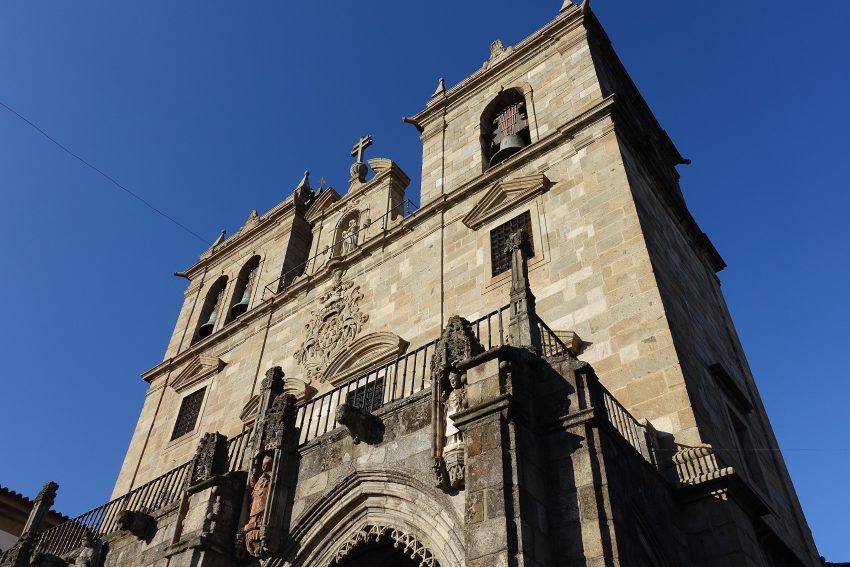
Standing proudly in the heart of Braga's old town, the Cathedral of Braga - or Sé de Braga - is one of the most important religious sites in Portugal and one of the must-see places in Braga for anyone interested in history, art, and faith. Older than the nation itself, this magnificent cathedral predates Portugal's founding and has been a centre of devotion and power for nearly a thousand years. From its Romanesque foundations to its gilded Baroque interiors, every corner of Sé de Braga tells a story of faith, artistry, and endurance.
Visiting the Cathedral feels like stepping into a living chronicle of Portuguese history. It's not just an architectural masterpiece but also a spiritual heart of the city - a great place to visit on a walking tour of Braga, where ancient stones whisper tales of kings, bishops, and pilgrims who once passed through its grand portals.
Table of Contents
History and Significance of the Cathedral of Braga
The Cathedral of Braga holds the title of Portugal's first cathedral, consecrated on August 28, 1089, by Bishop Pedro and dedicated to the Virgin Mary. Built in the late 11th century - several decades before the establishment of Portugal as a nation - it symbolized Braga's importance as a centre of Christian faith and ecclesiastical authority. The cathedral's early prelates came from the Monasteries of Cluny in France, reflecting the strong cultural and religious ties between Portugal and medieval Europe.
Throughout its more than nine centuries of history, the cathedral has evolved architecturally, combining Romanesque, Gothic, Manueline, and Baroque styles. Its earliest features, such as the Romanesque Porta do Sol doorway, the ambulatory floor plan, and the apse of the cloister of Santo Amaro, remain integral to its identity. During the 15th century, the Gothic-style entrance porch and the elaborate wooden tomb of Infante D. Afonso, son of King João I and D. Filipa de Lencastre, were added, further enriching the cathedral’s legacy.
In the 16th century, under King Manuel I, new decorative elements were introduced - including a graceful Baptismal Font and the statue of Our Lady of the Milk, attributed to sculptor Nicolau Chanterenne. Later, the interior was adorned with Baroque gilded woodwork, monumental organs, and intricate altars, creating the cathedral’s current splendour.
The Chapel of Kings holds particular historical importance as the burial place of D. Henrique and D. Teresa, the parents of Portugal's first king, Afonso Henriques, linking Sé de Braga directly to the nation's royal lineage.
Things to See and Do in the Cathedral of Braga
Stepping through the cathedral’s main portal, visitors are greeted by a magnificent interior where centuries of craftsmanship converge. The Romanesque structure provides a sense of timeless solidity, while the Baroque embellishments fill the space with light and grandeur. Don’t miss the 15th-century Gothic portico and the twin bell towers that dominate Braga’s skyline. Inside, the gilded altarpieces and monumental organs are striking examples of Portuguese Baroque artistry.
Be sure to explore the Chapel of Kings, where the tombs of D. Henrique and D. Teresa rest - an emotional highlight for those interested in the origins of Portugal’s monarchy. The tomb of Infante D. Afonso, carved in the Gothic-Flemish style, is another notable feature, displaying the refined artistry of its time.
A visit to the Cathedral's Treasure Museum is essential for understanding its deep religious and historical significance. Among its many treasures is the cross used in the first Mass celebrated in Brazil by Pedro Álvares Cabral, a remarkable artifact linking Braga to Portugal's Age of Discovery. For those wishing to see the upper choir, outlying chapels, and bell towers, guided tours are available (some in English), offering access to areas not open to the general public.
How to Get There
The Cathedral of Braga is located in the historic centre, just a short walk from Praça da República and other main attractions. For those arriving by train, Braga’s central railway station connects easily with Porto and other major cities. Train schedules and bookings can be found on Omio. Travelers driving to Braga will find several parking options nearby, including free and paid lots close to the old town. If you are looking to rent a car in Portugal I recommend having a look at Discover Cars, first, as they compare prices and review multiple car rental agencies for you.
Practical Tips on Visiting the Cathedral of Braga
- Best time to visit the Cathedral of Braga: Early morning or late afternoon for a peaceful experience and softer interior lighting.
- Entrance fee in Euros: Entry to the main cathedral is free; a separate ticket (around €5) is required for the upper choir, chapels, and museum.
- Opening hours: Typically open daily, 9 am-12:30 pm and 2:30 pm-6 pm (check locally for updates).
- Official website: www.sebraga.pt
- How long to spend: 45-90 minutes, including the museum and guided tour.
- Accessibility: Main nave accessible; some upper areas reached only by stairs.
- Facilities: Restrooms, gift shop, and guided tour service.
- Photography tip: Capture the façade and bell towers in morning light; inside, focus on the gilded Baroque details and monumental organ pipes.
- Guided tours: Available daily; some guides speak English or French.
- Nearby food options: Cafés and restaurants nearby serve traditional northern Portuguese dishes like bacalhau and caldo verde.
Is the Cathedral of Braga Worth Visiting?
Absolutely. The Cathedral of Braga is one of the top attractions in Braga and an essential stop for understanding Portugal's cultural and religious heritage. Its fusion of architectural styles, royal connections, and spiritual ambiance make it a destination that transcends time. Whether you come for its history, art, or quiet beauty, Sé de Braga offers a profound glimpse into the soul of the nation.
What Other Travellers Say...

Santa Maria de Braga Cathedral on R. Dom Paio Mendes is a striking medieval monument mixing styles from its long build period, with a notable late Gothic entrance gallery; visitors praise its magnificent architecture and beautiful interior, recommend the combined cathedral-and-museum visit with reasonably priced tickets, note guided English tours are available, and highlight an impressive, well‑maintained organ that plays in the evenings, while advising respect for worshippers and awareness of service‑time closures.


FAQs for Visiting the Cathedral of Braga
Nearby Attractions to the Cathedral of Braga
- Theatro Circo - One of Portugal's most beautiful historic theatres, hosting cultural performances year-round.
- Jardim de Santa Bárbara - A picturesque Renaissance-style garden next to the Archbishop's Palace.
- Arco da Porta Nova - The city's iconic stone gateway marking the entrance to the old town.
- Biscainhos Museum - A Baroque palace showcasing art, furniture, and azulejos from the 17th and 18th centuries.
- Sameiro Sanctuary - A peaceful hilltop shrine offering panoramic views over Braga.
The Braga Cathedral appears in our Complete Guide to Visiting Braga!

Moira & Andy
Hey! We're Moira & Andy. From hiking the Camino to trips around Europe in Bert our campervan — we've been traveling together since retirement in 2020!
This website uses affiliate links which may earn a commission at no additional cost to you!
Planning Your Visit
9.30am-12.30pm & 2.30-6.30pm Apr-Oct, to 5.30pm Nov-Mar
Nearby Attractions
- Episcopal Palace (0.1) km
Palace - Santa Barbara Garden (0.2) km
Gardens - Pius XII & Medina Museum (0.2) km
Museum - Arco da Porta Nova (0.2) km
City Gate - Biscainhos Museum (0.3) km
Museum - Torre de Menagem (0.3) km
Tower - Theatro Circo (0.4) km
Theatre - Palácio do Raio (0.4) km
Historic Building and Museum - Praça da República (0.4) km
Square - Museu D. Diogo de Sousa (0.4) km
Museum