Blue Eye of Theth
Pool in Theth
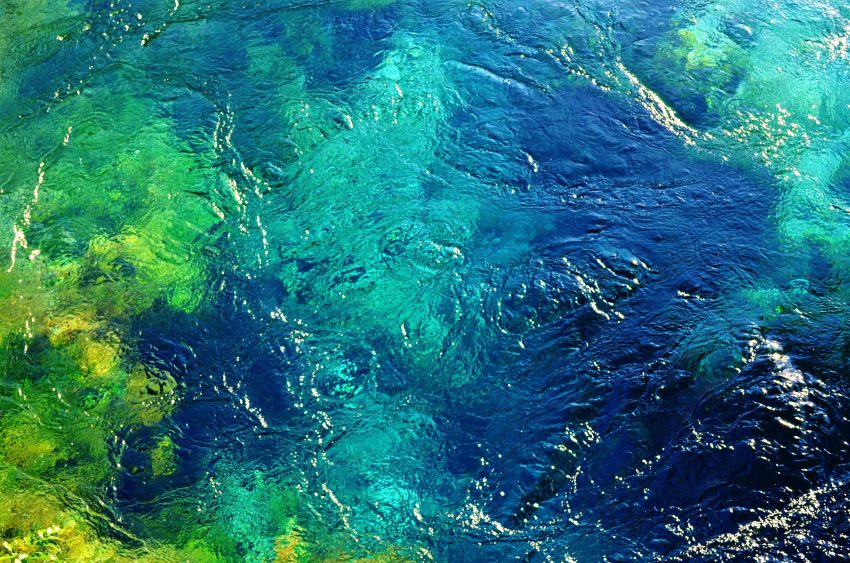
The Blue Eye of Theth (Syri i Kaltër i Thethit) is one of those places that feels almost too vivid to be real: a cold, crystal-clear spring pooled beneath a small waterfall, glowing in shades of turquoise and deep blue. Tucked into the folds of the Albanian Alps, it's the kind of natural stop that makes you slow down, sit on a rock for a while, and listen to the water moving through the valley.
What makes it especially satisfying is that you earn it. The spring is reached on foot from the Nderlysaj side of Theth National Park, following a trail through river valleys and rocky paths, and it's widely considered one of the best places to visit in Theth for hikers who want a high-reward half-day outing. It also fits neatly into a walking tour of Theth if you're building your days around scenic routes rather than road-hopping between viewpoints.
Table of Contents
- History and Significance of the Blue Eye of Theth
- Things to See and Do in the Blue Eye of Theth
- How to Get to the Blue Eye of Theth
- Practical Tips on Visiting the Blue Eye of Theth
- Where to Stay Close to the Blue Eye of Theth
- Is the Blue Eye of Theth Worth Visiting?
- For Different Travelers
- FAQs for Visiting Blue Eye of Theth
- Nearby Attractions to the Blue Eye of Theth
History and Significance of the Blue Eye of Theth
The Blue Eye's “history” is less about human construction and more about geology and landscape. In the karst terrain of the Albanian Alps, water travels through limestone systems, re-emerging as springs that can be startlingly clear, intensely cold, and richly coloured depending on depth, minerals, and light.
Locally, places like this become landmarks in their own right: a meeting point on hot days, a photo stop on classic hiking routes, and a natural reset button after a dusty walk. In Theth, the Blue Eye has become one of the signature nature experiences that helps define the valley as an outdoor destination, alongside waterfalls, canyons, and long-distance trails.
Things to See and Do in the Blue Eye of Theth
The main event is the pool itself, where the colour shifts as you move around it, from bright turquoise at the edges to darker blues near the deeper centre. Take a few minutes to view it from different angles before you commit to photos, because the best perspective often depends on the sun and the shadow line from the surrounding cliffs and trees.
If you’re comfortable on uneven ground, explore the immediate area around the spring for small cascades, smooth rock shelves, and natural “sitting spots” that make perfect picnic breaks. Many visitors bring snacks and linger, especially if they arrive early before the trail feels busy.
Swimming is possible, but think of it as a quick plunge rather than a long soak. The water is extremely cold even in summer, so a brief dip or just wading at the edge is often the most enjoyable way to experience it without turning the visit into a test of endurance.
How to Get to the Blue Eye of Theth
The Blue Eye of Theth is reached by hiking, most commonly starting from Nderlysaj (often marked around the Blue Eye parking area) and following the valley trail to the spring. The walk is generally treated as a moderate hike on rocky terrain, and many people plan it as a half-day outing from Theth.
For flights, most travellers use Tirana International Airport (TIA), while Podgorica (TGD) in Montenegro can be geographically closer if you're already travelling in that direction and are happy with a border crossing. For the best deals and a seamless booking experience, check out these flights to Theth on Booking.com.
There is no practical train route to Theth or Nderlysaj, so public transport is usually a combination of road transfers, minibuses, and local taxis in season.
By bus, the usual approach is to get to Shkodër first and then continue by seasonal minibus/furgon or arranged transfer toward Theth and the Nderlysaj trailhead, depending on where you're staying.
Driving gives you the most flexibility for timing and trailhead access, especially if you want to start early and avoid the busiest part of the day. If you are looking to rent a car in Albania I recommend having a look at Discover Cars, first, as they compare prices and review multiple car rental agencies for you.
Practical Tips on Visiting the Blue Eye of Theth
- Entrance fee: Free.
- Opening hours: 24 Hours
- Best time to visit: Start early in the morning for cooler hiking conditions and a calmer, more photogenic atmosphere at the pool.
- How long to spend: Plan 3-5 hours total including the hike, plus extra time if you want a longer break at the spring.
- Accessibility: The route involves uneven, rocky paths and some slippery sections near water, so it’s not ideal for limited mobility.
- Facilities: Bring water and snacks; facilities are limited on the trail, and any cafés or shops are typically back in Theth/Nderlysaj.
Where to Stay Close to the Blue Eye of Theth
For a culture-heavy itinerary, base yourself in central Theth near the church and traditional guesthouses so you can walk to village sights in the evenings; if your trip prioritises transport links and an easier arrival/departure, staying in Shkodër before and after Theth is usually the smoothest plan.
In Theth itself, Bujtina Polia is a strong option if you want to be close to the village core and keep mornings simple for early starts. If you prefer a more hotel-style base with comfortable facilities after long hikes, Hotel Jezerca Theth is well suited to travellers who want a little more structure at the end of the day. For a quieter guesthouse feel that still works well for hiking plans, Guesthouse Prrockaj Theth is another practical choice for a nights-in-the-mountains stay.
Is the Blue Eye of Theth Worth Visiting?
Yes, especially if you enjoy places where the journey is part of the experience. The Blue Eye of Theth delivers a rare combination of dramatic alpine scenery, genuinely striking water colour, and a hike that feels adventurous without being extreme.
It's also a high-value stop in Theth because it pairs well with other nearby walks, and the spring itself is distinctive enough that it doesn't feel like “just another pretty river spot” once you arrive.
What Other Travellers Say...

View of the canyon, reached via a small wooden bridge near Grunas, offers a rewarding panorama over the Theth River gorge; visitors say the walk to the lookout can be a little dicey and there are no barriers, but the view is worth it, and from the bridge you can continue a steep 150m climb to Grunas waterfall (about 30 minutes) or follow the river toward Nderlysay and the Blue Eye, taking care to stay on the left-side trail to avoid ending up on the hot tarmac road.


For Different Travelers
Families with Kids
For families, the key is pacing and expectations. The hike can be very doable with older kids who like walking and scrambling, but it’s best approached as an outdoor adventure rather than a “quick attraction,” with plenty of water, snacks, and regular breaks.
At the spring, keep a close eye near slippery rocks and fast-moving water, and consider sticking to safe viewing spots rather than trying to get right to the edge. If you time it early, the calmer atmosphere also makes it easier to manage the walk and the stop at the pool.
Couples & Romantic Getaways
This is a great shared outing if you like quiet nature moments that feel earned. Start early, take your time on the trail, and plan a simple picnic so you can linger without rushing back the moment you arrive.
If you want a more romantic feel, avoid peak midday when the trail can feel busiest and focus instead on the softer light and calmer vibe in the morning or later afternoon, when the valley feels more secluded.
Budget Travelers
The Blue Eye of Theth is an excellent budget-friendly highlight because the main costs are simply getting yourself to Theth and the trailhead. Pack your own food, carry a refillable bottle, and you can turn it into a full half-day experience with minimal spending.
If you're watching costs, consider basing in Theth and hiking rather than relying on multiple paid transfers, and group your hikes so you're not paying repeatedly to reposition to different trailheads.
FAQs for Visiting Blue Eye of Theth
Getting There
Tickets & Entry
Visiting Experience
Tours, Context & Itineraries
Photography
Accessibility & Facilities
Food & Breaks Nearby
Safety & Timing
Nearby Attractions to the Blue Eye of Theth
- Grunas Waterfall: A scenic cascade on an easier trail that's ideal to pair with the Blue Eye on a two-hike day.
- Grunas Canyon: A dramatic limestone canyon with striking rock walls and viewpoints that show off Theth's rugged geology.
- Theth Church: A photogenic village landmark that anchors the classic “postcard view” of Theth valley.
- Lock-in Tower (Kulla e Ngujimit): A powerful cultural site linked to local history and traditions, offering context beyond landscapes.
- Valbona Pass trail: The start of the famous Theth-Valbona hike, with big mountain scenery and a true alpine feel even on shorter sections.
The Blue Eye of Theth appears in our Complete Guide to Visiting Theth!

Moira & Andy
Hey! We're Moira & Andy. From hiking the Camino to trips around Europe in Bert our campervan — we've been traveling together since retirement in 2020!
This website uses affiliate links which may earn a commission at no additional cost to you!
Planning Your Visit
24 Hours
Free.
Nearby Attractions
- Nderlysa Village (2.4) km
Village - Grunas Canyon (3.7) km
Natural Phenomenon - Theth Lock-in Tower (3.8) km
Tower - Theth Church (4.0) km
Church - Ethnographic Museum of Dukagjini (4.1) km
Museum - Theth Waterfall (4.4) km
Waterfalls - Theth Village (4.8) km
Village - Valbona Pass (7.4) km
Hike - Valbonë Valley National Park (17.9) km
National Park - Drisht Castle (29.0) km
Castle, Ruins and Village