Zell am See, Austria: The Ultimate Travel Guide 2026
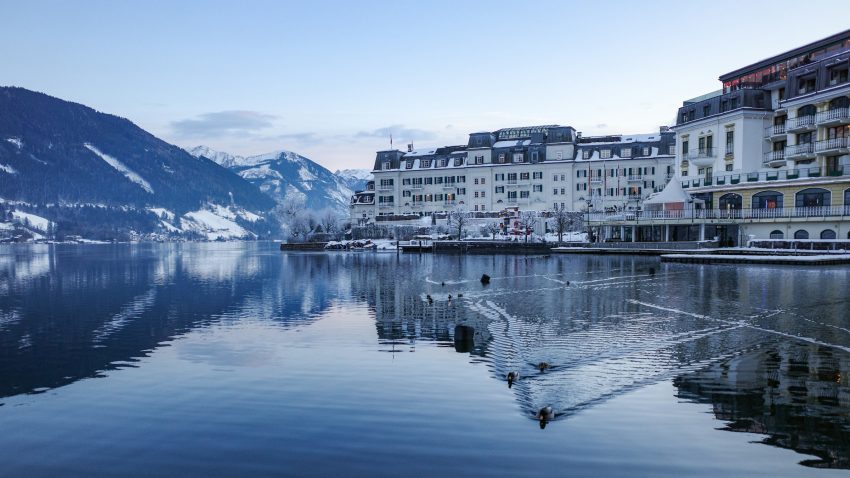
Zell am See is a classic Alpine lakeside town in the Pinzgau area of Salzburg Land, where a walkable old centre meets a broad waterfront promenade and mountain views in every direction. It’s the kind of place that works equally well for a relaxed weekend-coffee by the lake, a gentle cruise, a sunset stroll-or as a base for bigger mountain days with cable cars and high viewpoints close at hand.
What makes visiting Zell am See especially easy is how compact it feels: you can go from the train station to the lake, shops, restaurants, and boat piers in minutes, then be up on the slopes or hiking trails shortly after. The lake (Zeller See) sets the pace in summer with swimming spots and paddleboarding, while the surrounding peaks bring cooler air, panoramic routes, and a steady menu of scenic lifts.
If you're planning a multi-day stay, Zell am See also pairs naturally with nearby Kaprun for glacier access and spa time, and it's a convenient hub for day trips across the wider Salzburg Land valleys. Whether you come for snow sports, warm-weather lake days, or shoulder-season quiet, the town's mix of water, mountains, and easy logistics makes it a reliable all-rounder.
Table of Contents
- History of Zell am See
- Best things to do and See in Zell am See
- Zell am See Lake Promenade and Seepromenade Walk
- Zell am See Old Town
- Zell am See Schmittenhöhe Cable Car and Viewpoints
- Zell am See Boat Cruise on Zeller See
- Zell am See Swimming and Beach Areas
- Zell am See-Kaprun: Kaprun Castle
- Zell am See-Kaprun: Tauern Spa Kaprun
- Zell am See-Kaprun: Kitzsteinhorn Glacier
- Zell am See: Cycling Around the Lake and Valley Paths
- Zell am See: Hikes to Local Viewpoints
- 8 Best Day Trips from Zell am See
- Where to Stay in Zell am See
- Best Time to Visit Zell am See
- How to get to Zell am See
History of Zell am See
Zell am See in Early Settlement and the Middle Ages
The area around Zell am See was settled early due to its freshwater resources and natural routes through the Alps. Over time, small farming and fishing communities developed, and the settlement grew in importance as regional trade and ecclesiastical influence expanded. During the Middle Ages, local administration and church institutions shaped land use, with agriculture, forestry, and lake-based livelihoods forming the backbone of daily life.
Zell am See in the Early Modern Period
In the early modern era, Zell am See evolved as a market-oriented community serving surrounding valleys. Craft trades and seasonal movement of goods supported gradual growth, while Alpine living remained defined by weather, terrain, and the rhythms of farming. The town’s built fabric—church, central streets, and traditional houses—became more established as local governance and regional connections strengthened.
Zell am See in the 19th Century: Transport and Tourism Beginnings
The 19th century brought major change as improved transport links made Alpine towns more accessible. As travel culture expanded, Zell am See began attracting visitors drawn by mountain scenery and the lake. Early tourism developed alongside existing livelihoods, with guesthouses and services appearing to meet demand from summer travellers seeking fresh air and picturesque landscapes.
Zell am See in the 20th Century: Winter Sports and Modern Resort Identity
Across the 20th century, Zell am See increasingly became known for winter sports, with infrastructure such as lifts, pistes, and hospitality expanding the visitor season beyond summer. The town’s identity shifted toward a year-round resort model, supported by broader economic development and the growth of Alpine tourism. This period also saw modernization of services, accommodation, and public spaces.
Zell am See Today
Today, Zell am See balances its historic town character with contemporary resort amenities. Tourism remains central, but the community also reflects modern Alpine life—focused on sustainability, outdoor recreation, and maintaining a high-quality public realm around the lake and in the old centre. The result is a destination that feels both traditional and well-equipped for modern travel.

Moira & Andy
Hey! We're Moira & Andy. From hiking the Camino to trips around Europe in Bert our campervan — we've been traveling together since retirement in 2020!
Visiting Zell am See for the first time and wondering what are the top places to see in the city? In this complete guide, I share the best things to do in Zell am See on the first visit. To help you plan your trip, I have also included an interactive map and practical tips for visiting!
This website uses affiliate links which earn a small commission at no additional cost to you.
Best things to do and See in Zell am See
1. Zell am See Lake Promenade and Seepromenade Walk
A lakeside walk is the simplest way to understand Zell am See: the water is almost always in view, with mountains framing the horizon and plenty of benches, piers, and photo angles. Start near the town centre and follow the promenade for an easy, flat stroll that works in any season.
In summer, this is prime time for a slow afternoon—ice cream, a swim stop, and sunset light on the peaks. In winter, the same route feels calmer and atmospheric, especially around dusk when lights reflect on the lake.
2. Zell am See Old Town (Altstadt) and Strolling the Centre
Zell am See’s old town is compact and enjoyable for a few hours of wandering: traditional façades, small squares, local shops, and a steady choice of cafés and restaurants. It’s ideal on arrival day or whenever the weather turns, because you can keep things relaxed without needing transport.
Spend time browsing local food stores and stopping for coffee and cake, then loop back toward the lakefront for views. Even in peak season, the centre remains manageable on foot and easy to combine with other activities.
3. Zell am See Schmittenhöhe Cable Car and Viewpoints
Schmittenhöhe is the signature mountain above Zell am See, offering big panoramas over the lake and surrounding peaks. In warmer months, it’s a gateway to ridge walks and family-friendly trails; in winter, it’s central to the ski area with a wide spread of pistes.
Allow time at the top for viewpoints and a short hike to soak in the scenery rather than rushing back down. Costs and hours: Ticket prices and operating times vary by season and weather; expect higher peak-season pricing and typical daytime operation (morning to late afternoon). Check the official lift schedule before you go.
4. Zell am See Boat Cruise on Zeller See
A boat trip is one of the most relaxing ways to experience Zell am See, giving you a different perspective on the town, the shoreline, and the mountain amphitheatre around the water. It’s especially good on hot days when you want a breeze, or on a rest day between hikes.
Choose a short round trip for easy sightseeing or time it for late afternoon when the light is softer. Costs and hours: Cruises are seasonal, typically running from late spring through early autumn with daytime departures; fares depend on route length and ticket type. Confirm the current timetable at the pier.
5. Zell am See Swimming and Beach Areas (Lido/Seebad)
On warm summer days, swimming is a major draw, with designated bathing areas offering lawns, access points, and facilities that make lake time comfortable. It’s a great option for families and anyone who wants a low-effort day without leaving town.
Arrive earlier in peak weeks to claim a good spot, and bring water shoes if you prefer extra comfort at the shoreline. Costs and hours: Managed lido areas typically charge an entry fee and operate on set summer hours (generally daytime into early evening), while some lake access points are free; check the specific venue on the day.
6. Zell am See-Kaprun: Kaprun Castle (Burg Kaprun)
Within about 10 km, Kaprun Castle is a quick cultural detour that contrasts nicely with lake-and-mountain days. The castle setting is compact and photogenic, and it’s an easy add-on if you’re already heading toward Kaprun for other activities.
It’s best paired with a café stop or a short walk nearby, making it a half-day plan rather than an all-day commitment. Costs and hours: Entry fees and opening times vary by season and event programming; expect limited hours outside summer and special openings during exhibitions—verify locally before visiting.
7. Zell am See-Kaprun: Tauern Spa Kaprun
Tauern Spa is a strong choice when you want recovery time: warm pools, sauna areas, and mountain views that still feel connected to the landscape. It’s ideal after skiing or a long hike, and it works well in bad weather when outdoor plans are less appealing.
Plan for at least a few hours so you can actually unwind rather than rushing through. Costs and hours: Tickets are typically priced by duration (e.g., a few hours vs. day entry), and opening hours usually run from morning into evening; check the current rates and sauna access rules before you go.
8. Zell am See-Kaprun: Kitzsteinhorn Glacier (via Kaprun)
For high-alpine scenery close to Zell am See, the Kitzsteinhorn is the headline trip: dramatic terrain, viewpoints, and a very different feel from the lakeside. It’s a great option in summer for cooler air and in winter for snow-sure conditions.
Because it’s a bigger outing, start early and watch the weather—visibility makes a huge difference to the experience. Costs and hours: Lift tickets are premium-priced compared with lower mountains and vary by season; operating hours are daytime and can change due to wind and conditions, so check the lift status before setting out.
9. Zell am See: Cycling Around the Lake and Valley Paths
Cycling is an easy way to cover more ground while staying close to town, with scenic stretches along the lake and flatter valley routes that suit casual riders. It’s a satisfying half-day activity that still leaves time for a swim or café stop.
If you prefer less effort, consider an e-bike so you can add gentle climbs without turning it into a workout. Costs and hours: Bike rentals are widely available with pricing by half-day/day; shops typically operate daytime hours and may require ID/deposit—confirm with the rental provider.
10. Zell am See: Hikes to Local Viewpoints (Thumersbach and Forest Trails)
For a quieter side of Zell am See, head toward the Thumersbach side of the lake or choose forest trails that climb to small viewpoints. These routes often feel less busy than the main lift-accessed areas and can be tailored to your fitness and time.
Go in the morning for clearer air and steadier weather, and bring a light layer even in summer—shade and altitude can cool things quickly. Costs and hours: Hiking trails are generally free and accessible all day; always check local conditions after heavy rain or early/late season snow.