Vienna, Austria: The Ultimate Travel Guide 2026
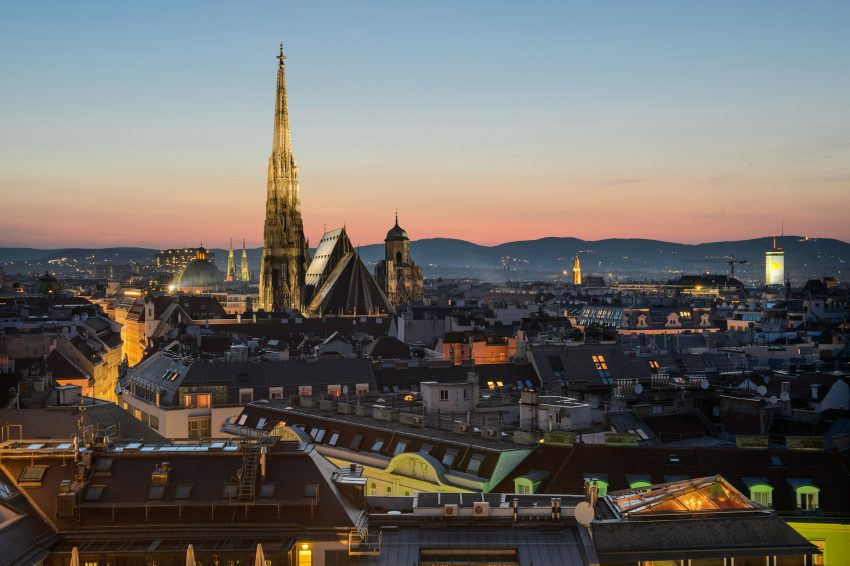
Vienna is a grand, walkable capital where imperial architecture, coffeehouse culture, and contemporary creativity sit side by side. Set in northeastern Austria along the Danube, the city is easy to navigate by tram and U-Bahn, with distinct neighborhoods that shift quickly from palace-lined boulevards to lively local markets and vineyard-dotted hills on the edge of town.
A visit to Vienna can be as classic or as modern as you want: spend a morning in world-class museums, linger over cake and espresso in a traditional café, then finish the day with a concert, a wine tavern evening, or a riverside stroll. The city's rhythm is relaxed but polished, and it rewards travelers who mix “must-sees” with unplanned time to wander courtyards, arcades, and side streets.
Vienna also works brilliantly for short breaks because many highlights cluster close to the center, while day-to-day logistics are simple. Tickets, timetables, and signage are generally straightforward, English is widely understood in visitor areas, and the public transport network makes it easy to base yourself in one district and explore widely without a car.
Table of Contents
- History of Vienna
- Vienna in Roman and Early Medieval Times
- Vienna in the Babenberg Era
- Vienna under the Habsburgs
- Vienna in the Baroque and Enlightenment
- Vienna in the 19th Century: Empire, Ringstrasse, and Modernization
- Vienna in the Early 20th Century: Cultural Peak and Upheaval
- Vienna during World War II and Occupation
- Vienna from 1955 to Today: Neutrality, Renewal, and Global City
- 28 Best places to See in Vienna
- Haas House
- Stephansdom
- Karntner Straße
- Graben Street
- Stephansplatz
- Church of the Teutonic Order
- Peterskirche
- Austrian National Library
- Imperial Crypt
- Mozarthaus
- Demel
- Hofburg Imperial Palace
- Michaelerplatz
- Albertina Museum
- Spanische Reitschule
- Haus der Musik
- State Opera House
- Ephesos Museum
- Neue Burg
- Burggarten
- Kunsthistorisches Museum
- Naturhistorisches Museum
- Volksgarten
- Rathausplatz
- Rathaus
- Leopold Museum
- Karlskirche
- Belvedere Palace
- 5 Best Day Trips from Vienna
- Where to Stay in Vienna
- Best Time to Visit Vienna
- How to get to Vienna
History of Vienna
Vienna in Roman and Early Medieval Times
Vienna’s story begins with the Roman frontier settlement of Vindobona, established to guard the Danube border. After Rome’s influence waned, the area passed through successive waves of migration and early medieval rule, gradually developing as a strategic trading and defensive point.
Vienna in the Babenberg Era (10th–13th Centuries)
In the Middle Ages, Vienna rose in importance under the Babenbergs, who helped shape it into a significant urban center. The city gained privileges, expanded its fortifications, and grew as a marketplace connected to regional and long-distance trade routes.
Vienna under the Habsburgs (1278–18th Century)
With the Habsburgs, Vienna became the political heart of a growing dynastic realm. The city faced major challenges, including repeated conflicts with the Ottoman Empire, most famously the sieges that tested its defenses and reshaped its military and civic planning. Over time, court culture, administration, and patronage of the arts turned Vienna into a leading European capital.
Vienna in the Baroque and Enlightenment (18th Century)
The 18th century brought sweeping architectural and cultural transformation. Grand palaces, churches, and formal urban projects flourished, while reforms in administration and education helped modernize civic life. Vienna’s musical reputation accelerated as composers, performers, and patrons converged in the city.
Vienna in the 19th Century: Empire, Ringstrasse, and Modernization
Vienna expanded dramatically in the 1800s, both in population and in urban form. The demolition of old fortifications enabled the creation of the Ringstrasse, lined with monumental institutions and residences that still define the city’s image. Industrialization and social change brought new infrastructure, public services, and political movements.
Vienna in the Early 20th Century: Cultural Peak and Upheaval
Around 1900, Vienna became a powerhouse of modern thought and design, with groundbreaking contributions in music, architecture, and the visual arts. The collapse of the empire after World War I transformed Vienna’s role and economy, while the interwar period saw ambitious social housing projects alongside political polarization.
Vienna during World War II and Occupation
World War II brought severe disruption, persecution, and destruction. After the war, Vienna was divided among Allied powers, and the city underwent reconstruction amid political tension and scarcity, gradually restoring institutions and daily life.
Vienna from 1955 to Today: Neutrality, Renewal, and Global City
Following the restoration of sovereignty in 1955, Vienna developed as a neutral meeting point between East and West and invested heavily in housing, transport, and cultural institutions. In recent decades it has strengthened its international profile, balancing heritage preservation with contemporary architecture, sustainability initiatives, and a vibrant festival and museum scene.

Moira & Andy
Hey! We're Moira & Andy. From hiking the Camino to trips around Europe in Bert our campervan — we've been traveling together since retirement in 2020!
Visiting Vienna for the first time and wondering what are the top places to see in the city? In this complete guide, I share the best things to do in Vienna on the first visit. To help you plan your trip, I have also included an interactive map and practical tips for visiting!
This website uses affiliate links which earn a small commission at no additional cost to you.
28 Best places to See in Vienna
This complete guide to Vienna not only tells you about the very best sights and tourist attractions for first-time visitors to the city but also provide insights into a few of our personal favorite things to do.
This is a practical guide to visiting the best places to see in Vienna and is filled with tips and info that should answer all your questions!
1. Haas House
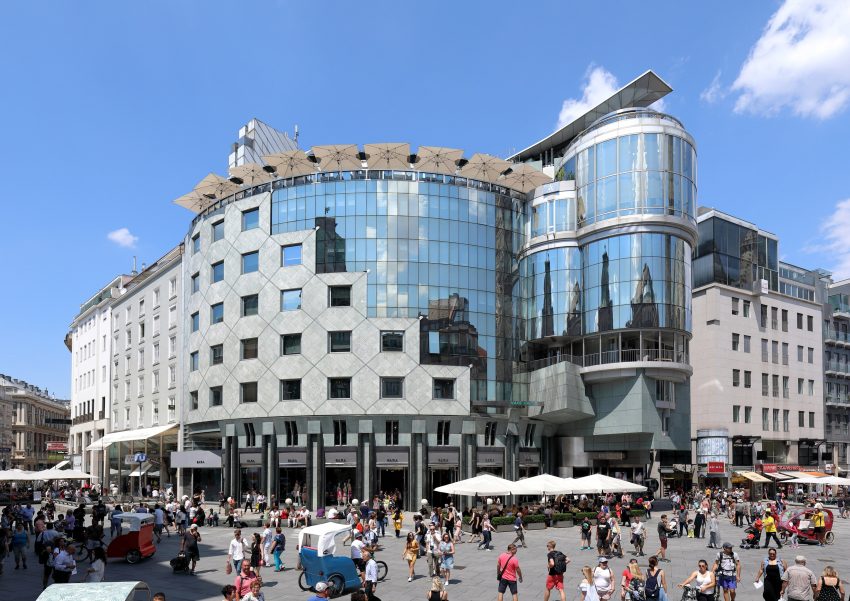
Location: Goldschmiedgasse 3, 1010 Wien, Austria | Hours: 24 Hours. | Price: Free. | Distance: 0.0km
2. Stephansdom
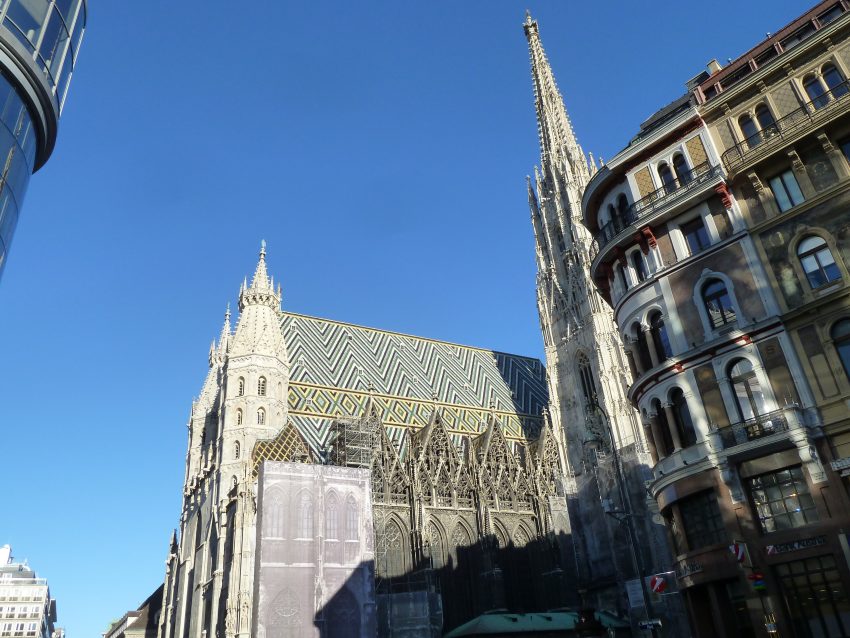
Location: Stephansplatz 3, 1010 Wien, Austria | Hours: Monday – Saturday: 09:00–11:30. Monday – Sunday: 13:00–16:30. | Price: Cathedral visit: Adults: €8; Children (up to 14): €3. All-Inclusive Ticket: Adults: €29; Children (6–14): €7. | Website | Distance: 0.1km

3. Karntner Straße
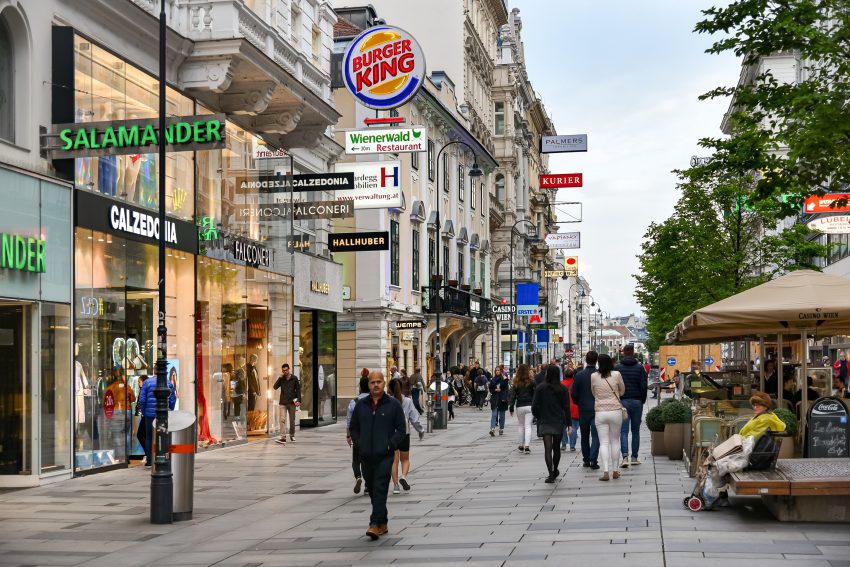
Location: Kärntner Str., 1010 Wien, Austria | Hours: 24 Hours. | Price: Free. | Distance: 0.1km
4. Graben Street
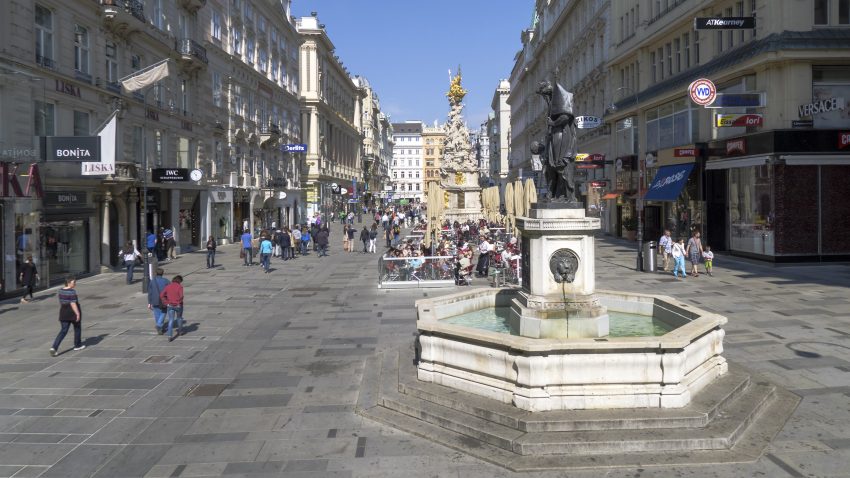
Location: Graben, 1010 Wien, Austria | Hours: 24 Hours. | Price: Free. | Website | Distance: 0.1km
5. Stephansplatz
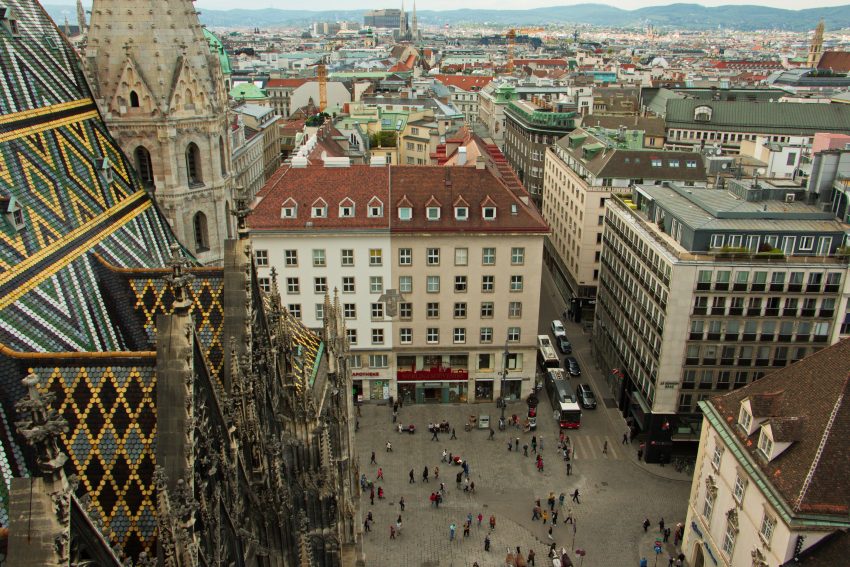
Location: Stephansplatz, 1010 Wien, Austria | Hours: 24 Hours. | Price: Free. | Distance: 0.1km
6. Church of the Teutonic Order
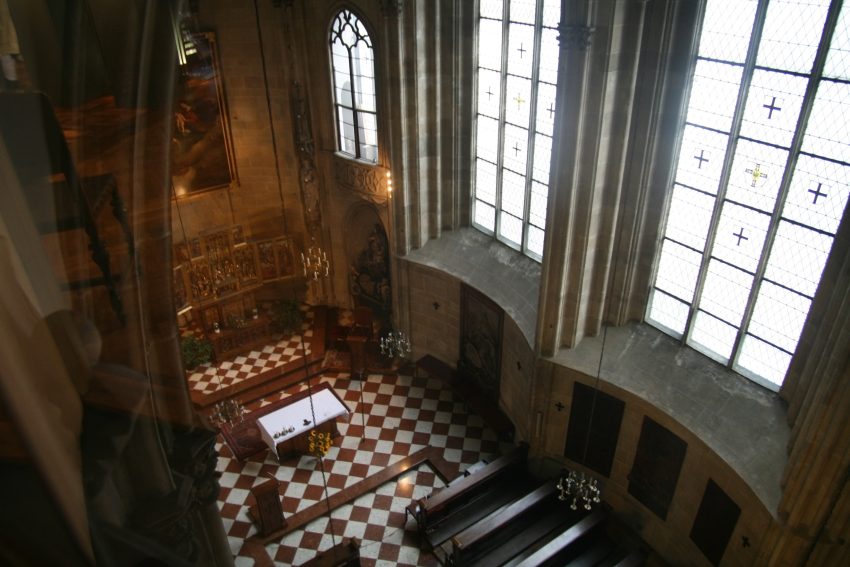
Location: Singerstraße 7, 1010 Wien, Austria | Hours: (Summer) July – September; Monday – Friday: 13:00–15:00 & Tuesday & Thursday: 13:00–17:00. Closed on Saturday, Sunday. (Winter) October – June; Monday – Saturday: 13:00–15:00 & Tuesday & Thursday: 13:00–17:00. Closed on Sunday. | Price: Adults: €7; Concessions: €5; Under 6: free. | Website | Distance: 0.2km
7. Peterskirche
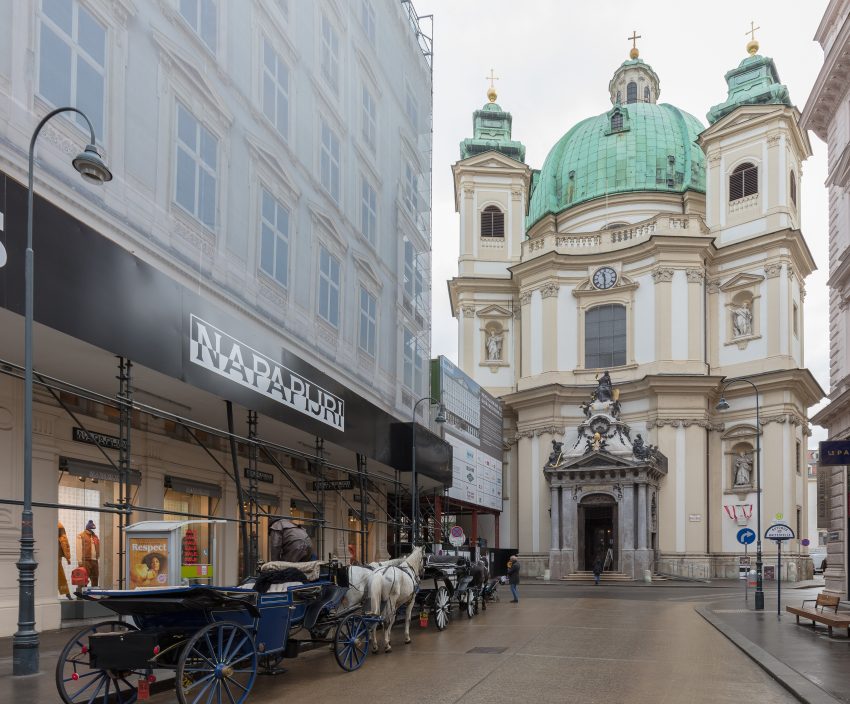
Location: Peterspl., 1010 Wien, Austria | Hours: Monday – Friday: 08:00–19:00. Saturday – Sunday: 09:00–19:00. | Price: Free; donations appreciated. | Website | Distance: 0.2km
8. Austrian National Library
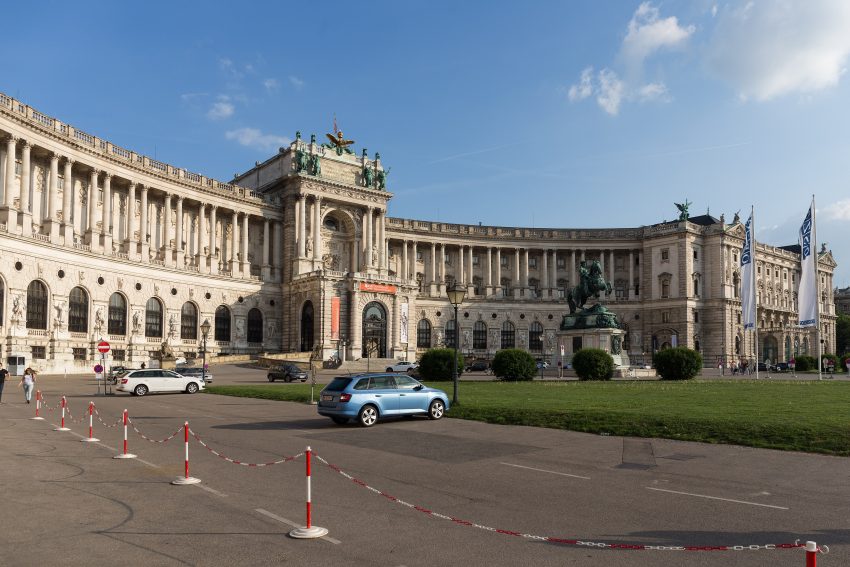
Location: Josefsplatz 1, 1010 Wien, Austria | Hours: (October – May) Tuesday – Wednesday: 09:00–18:00; Thursday: 09:00–21:00; Friday – Sunday: 09:00–18:00; Closed on Monday. (June – September) Monday – Wednesday: 09:00–18:00; Thursday: 09:00–21:00; Friday – Sunday: 09:00–18:00. | Price: Adults: €12; Reductions: €10; Under 19: free. | Website | Distance: 0.3km
9. Imperial Crypt
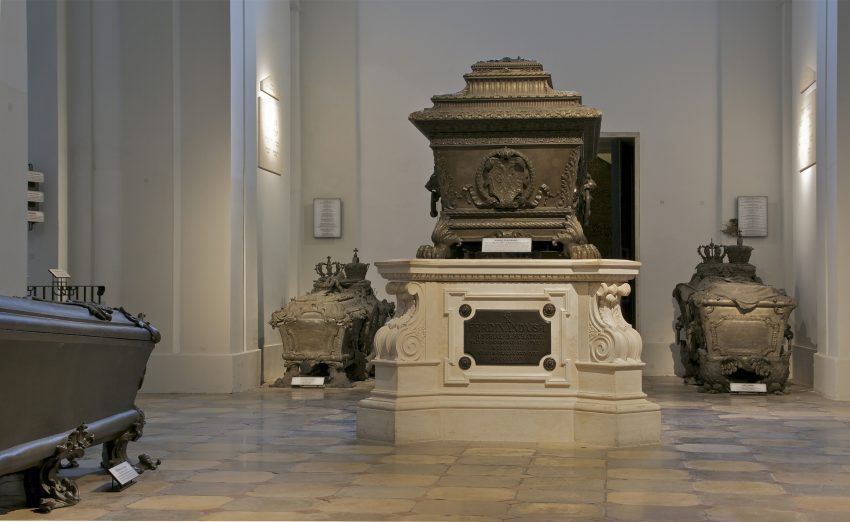
Location: Tegetthoffstraße 2, 1010 Wien, Austria | Hours: Daily: 10:00–18:00. | Price: Adults: €15; Reduced: €13; Ages 7–18: €8. | Website | Distance: 0.3km
10. Mozarthaus
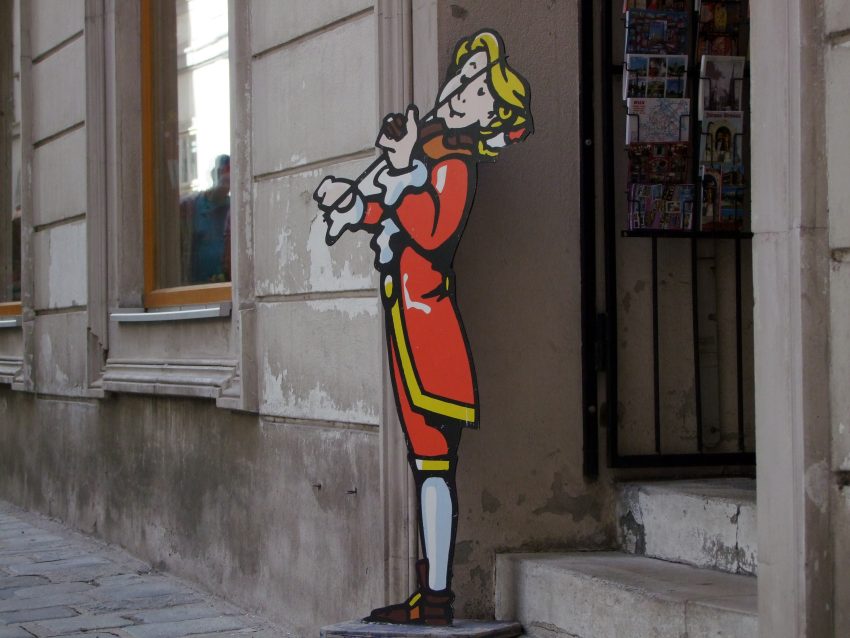
Location: Mozarthaus, Domgasse 5, 1010 Wien, Austria | Hours: Daily: 10:00–19:00. | Price: Adults: €16; Reduced: €12; Children and teenagers up to 19: €4.50; Family ticket (2 adults + up to 3 children): €35. | Website | Distance: 0.3km
11. Demel
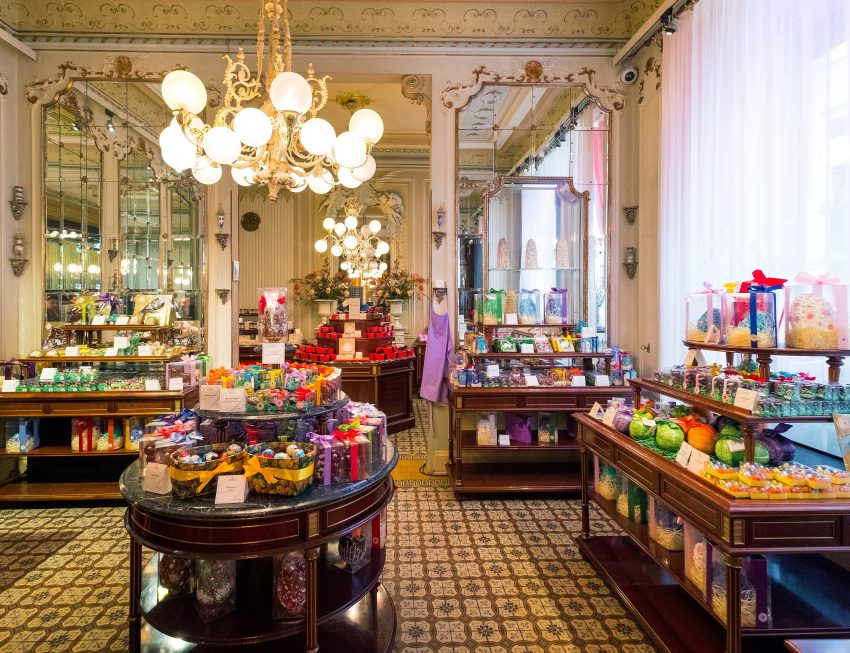
Location: Kohlmarkt 14, 1010 Wien, Austria | Hours: Daily: 10:00–19:00. | Price: Free (pay for food and drinks). | Website | Distance: 0.3km
12. Hofburg Imperial Palace
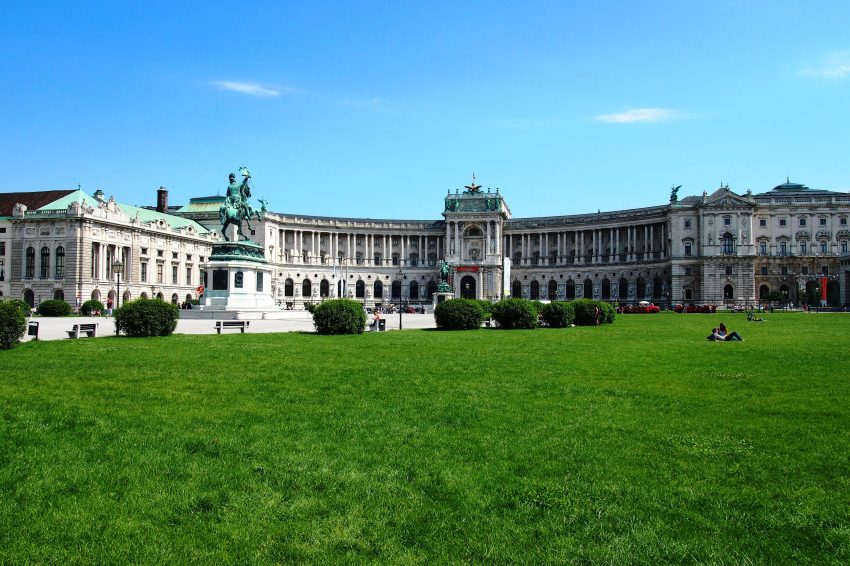
Location: 1010 Vienna, Austria | Hours: Daily: 09:00–17:30. | Price: Adults: €20; Children (6–18): €12; Students (19–25): €18; Under 6: free. | Website | Distance: 0.4km
13. Michaelerplatz
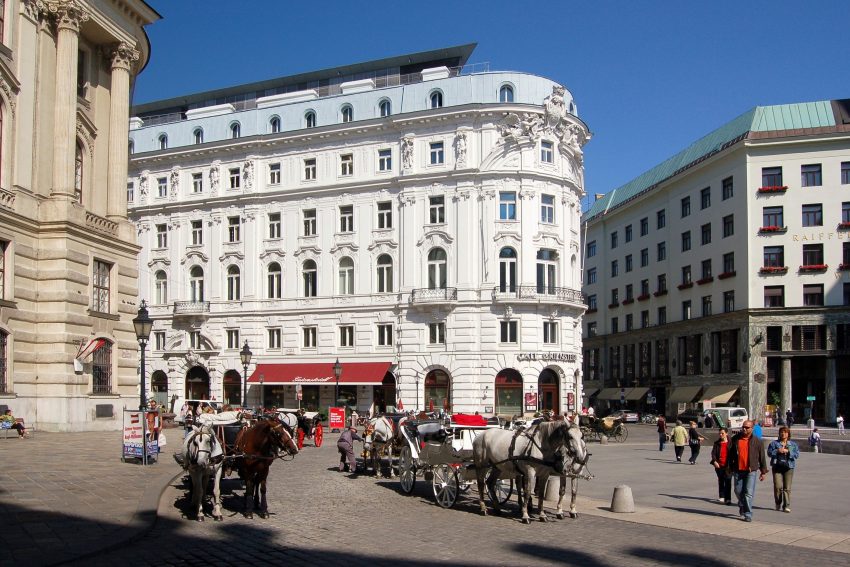
Location: Michaelerplatz, 1010 Wien, Austria | Hours: 24 Hours. | Price: Free. | Distance: 0.4km
14. Albertina Museum
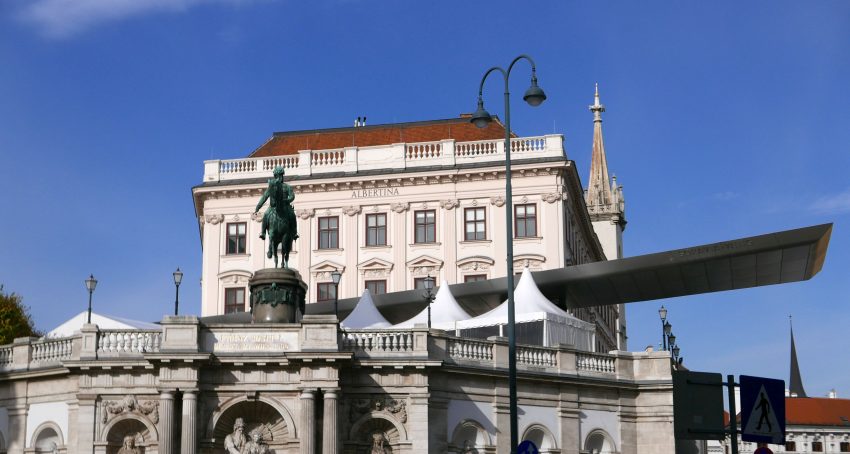
Location: Albertinapl. 1, 1010 Wien, Austria | Hours: Monday: 10:00–18:00. Tuesday: 10:00–18:00. Wednesday: 10:00–21:00. Thursday: 10:00–18:00. Friday: 10:00–21:00. Saturday: 10:00–18:00. Sunday: 10:00–18:00. | Price: Adults: €19.90; Seniors (65+): €15.90; Under 26: €15.90; Children under 19: free. | Website | Distance: 0.4km
15. Spanische Reitschule
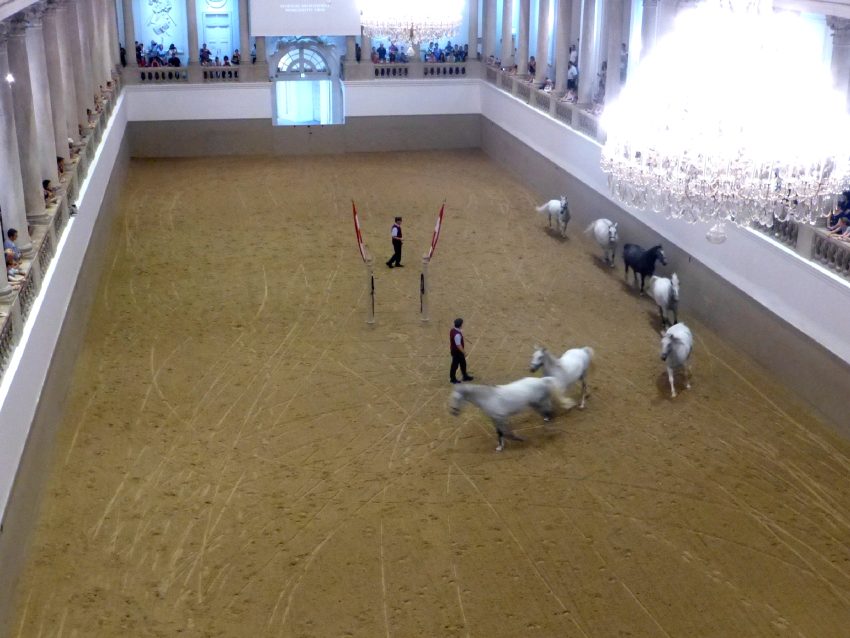
Location: Michaelerplatz 1, 1010 Wien, Austria | Hours: Monday – Sunday: 09:00–16:00. | Price: Guided tours: Adults €24; Seniors/students €19; Children (6–18) €13. Morning Exercise: Adults €17–€29 (season/category); Seniors/students €12–€21; Children (6–18) €10–€18. Performances: from €26 (varies by category). | Website | Distance: 0.4km
16. Haus der Musik
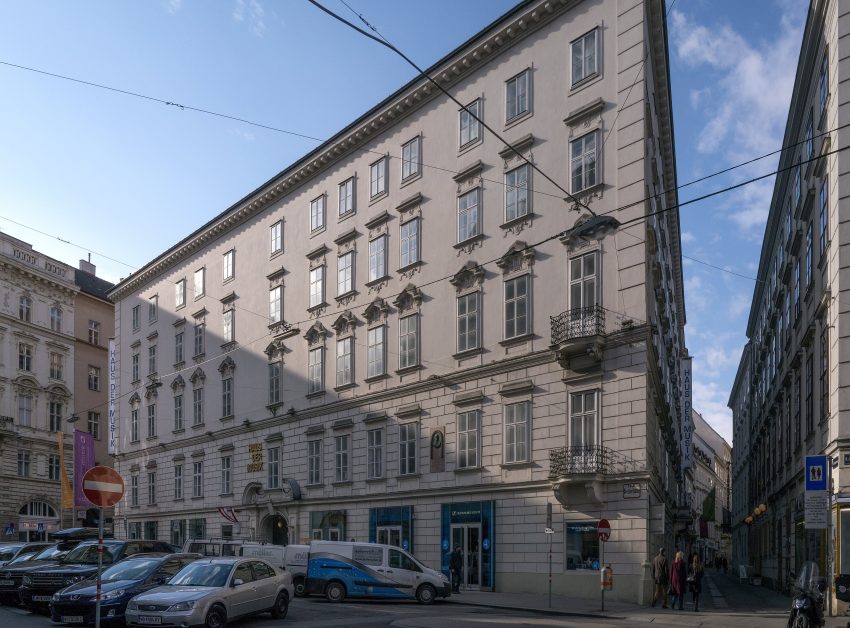
Location: Seilerstätte 30, 1010 Wien, Austria | Hours: Daily: 10:00–22:00. | Price: Adults: €19; Reduced: €15; Children under 12: €8; Children under 3: free; Family ticket (2 adults + up to 3 children under 12): €39. | Website | Distance: 0.5km
17. State Opera House
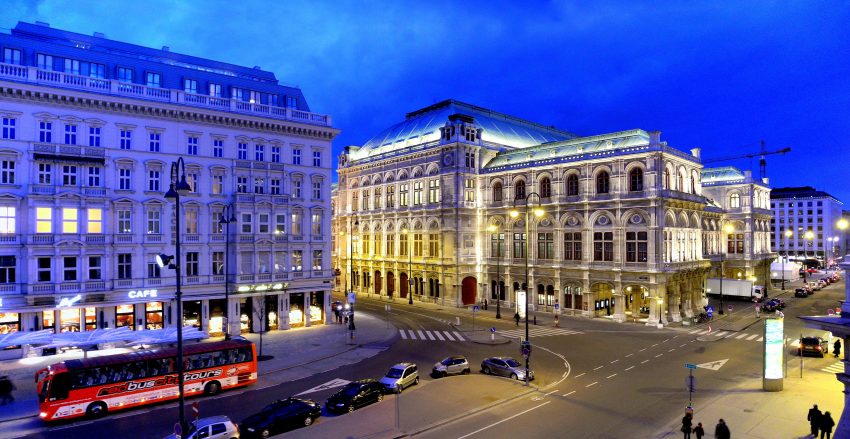
Location: Opernring 2, 1010 Wien, Austria | Hours: Monday – Saturday: 10:00–18:00. Sunday: 10:00–13:00. | Price: Guided tour prices: Adults: €15; Seniors: €11; Students/apprentices under 27: €9; Children (6+): €9; Under 6: free. | Website | Distance: 0.6km
18. Ephesos Museum
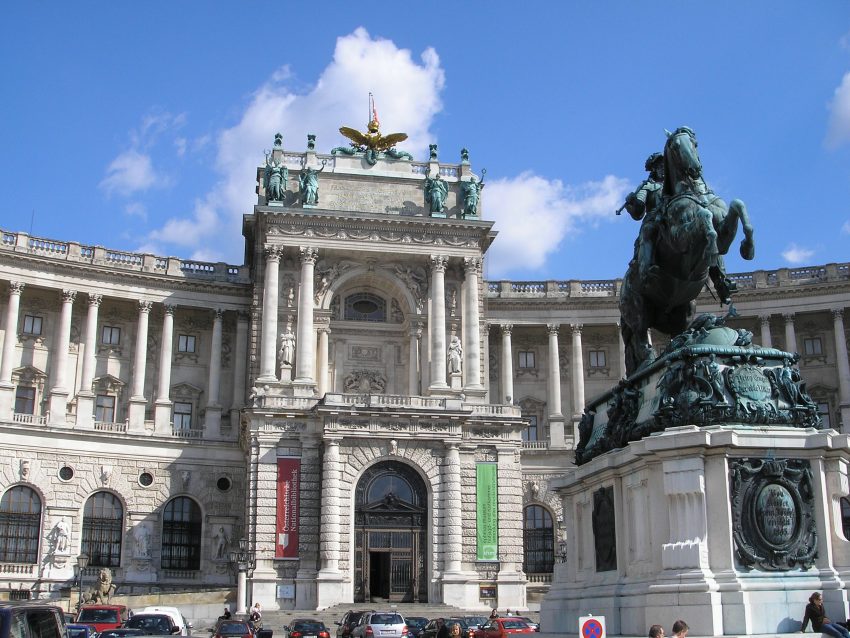
Location: Heldenplatz, 1010 Wien, Austria | Hours: Tuesday – Sunday: 10:00–18:00. Thursday: 10:00–20:00. Closed on Monday. | Price: Adults: €10; Seniors: €8; Reduced: €7.50; Under 19: free; Family ticket: €16. | Website | Distance: 0.6km
19. Neue Burg
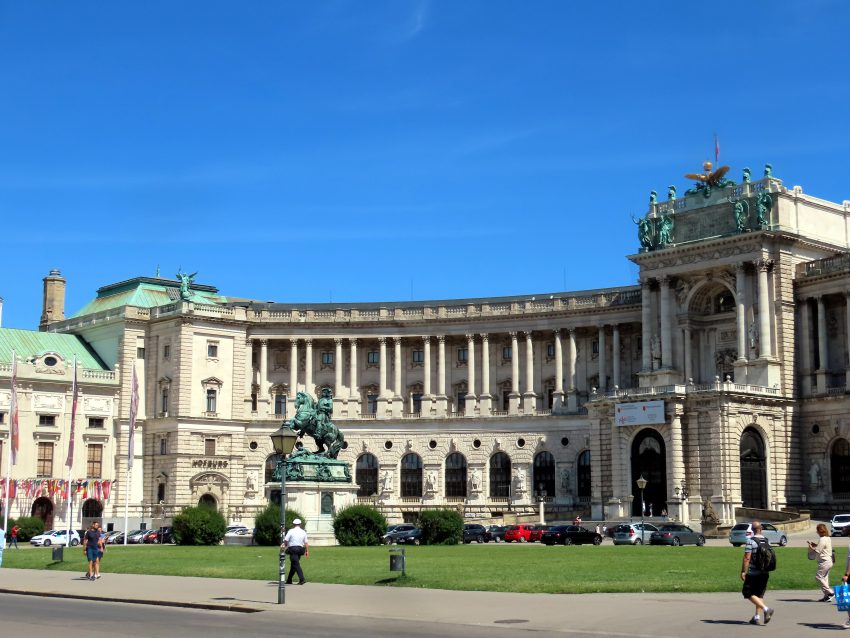
Location: Heldenplatz, 1010 Wien, Austria | Hours: Tuesday: 10:00–21:00. Wednesday – Sunday: 10:00–18:00. Closed on Monday. | Price: Adults: €16; Reduced: €12; Children and adolescents: free. | Website | Distance: 0.6km
20. Burggarten
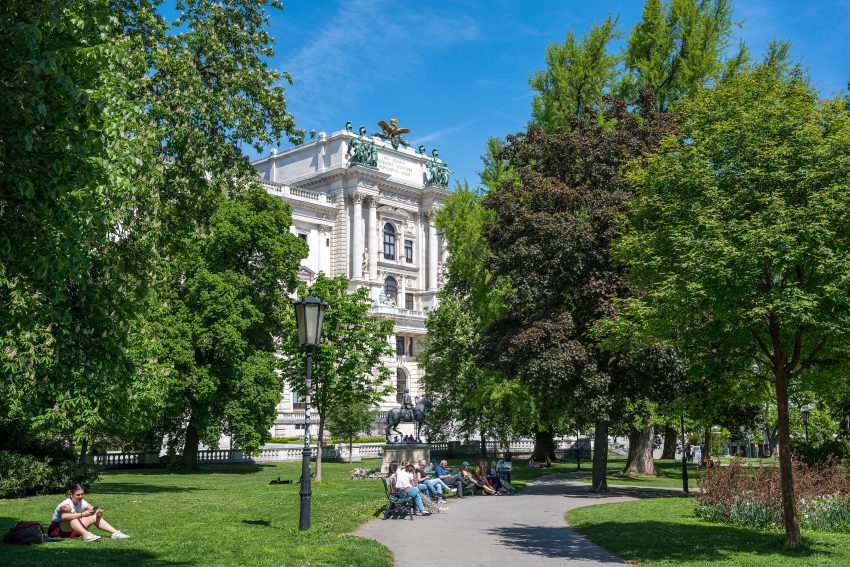
Location: Josefsplatz 1, 1010 Wien, Austria | Hours: 24 Hours. | Price: Free. | Website | Distance: 0.7km
21. Kunsthistorisches Museum
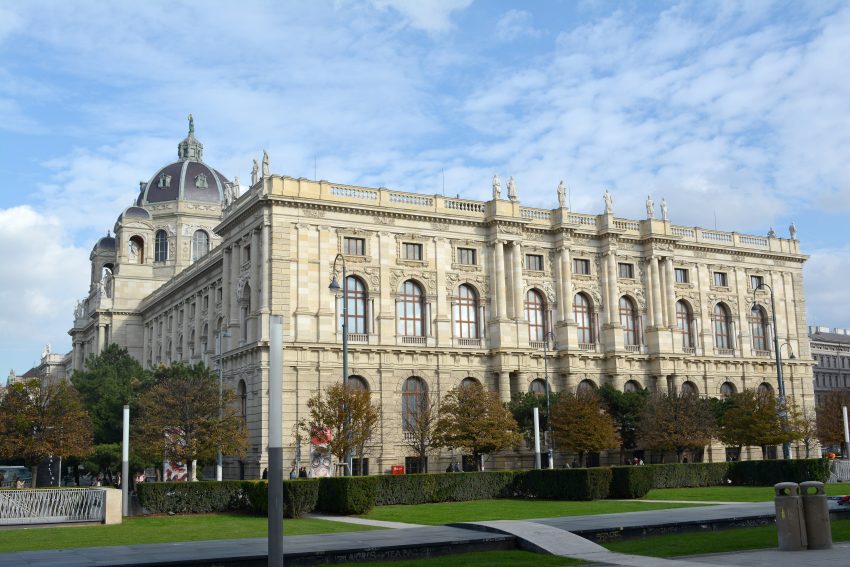
Location: Maria-Theresien-Platz, 1010 Wien, Austria | Hours: Tuesday – Sunday: 10:00–18:00. Thursday: 10:00–21:00. Closed on Monday. | Price: Adults: €22 online; €24 on site. Reduced: €19 online; €20 on site. Under 19: free. | Website | Distance: 0.8km
22. Naturhistorisches Museum
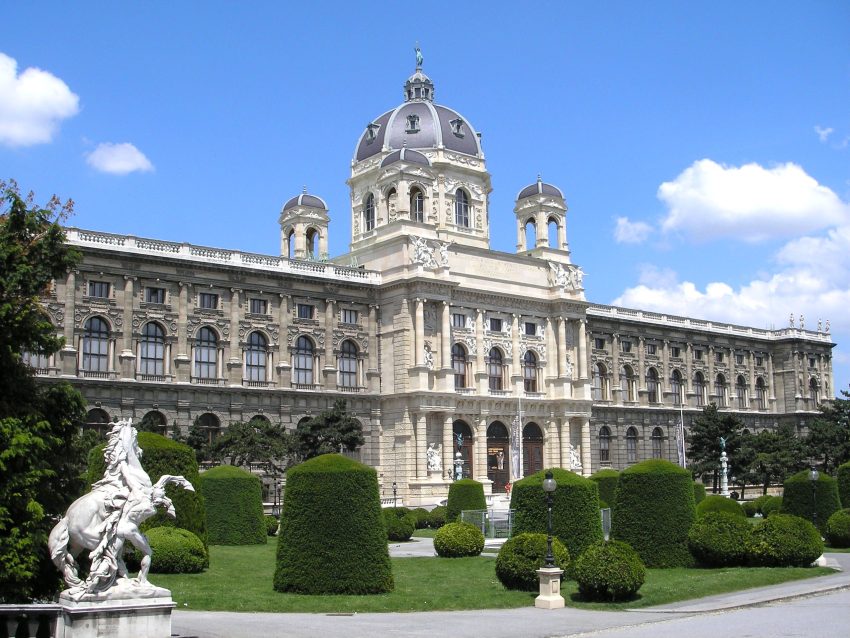
Location: Burgring 7, 1010 Wien, Austria | Hours: Monday: 09:00–18:00. Tuesday: Closed. Wednesday: 09:00–20:00. Thursday: 09:00–18:00. Friday: 09:00–18:00. Saturday: 09:00–18:00. Sunday: 09:00–18:00. | Price: Adults: €18; Reduced: €14; Under 19: free. | Website | Distance: 0.8km
23. Volksgarten
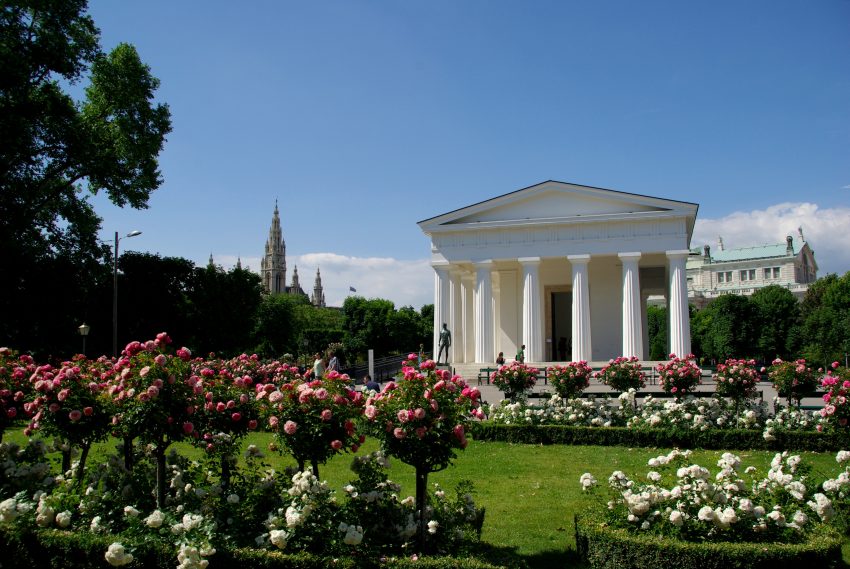
Location: 1010 Vienna, Austria | Hours: (Summer) March 1 – March 31: 07:00–19:00; April 1 – October 31: 06:00–22:00. (Winter) November 1 – February 28: 07:00–17:30. | Price: Free. | Website | Distance: 0.8km
24. Rathausplatz
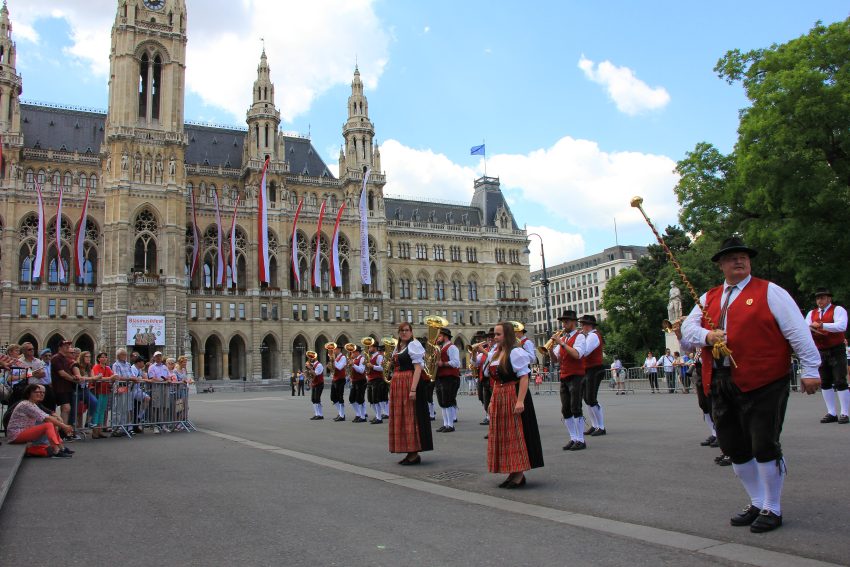
Location: Rathauspl., 1010 Wien, Austria | Hours: 24 Hours. | Price: Free. | Distance: 0.9km
25. Rathaus
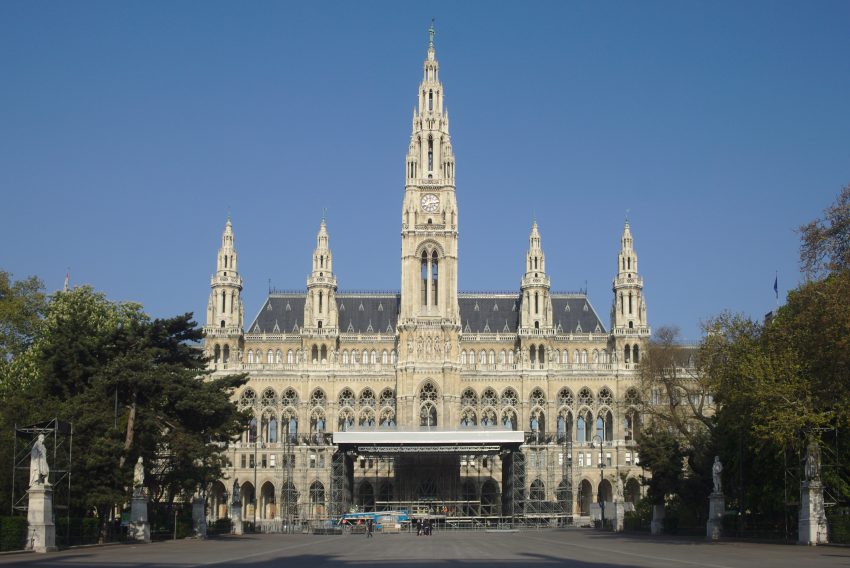
Location: Friedrich-Schmidt-Platz 1, 1010 Wien, Austria | Hours: Monday: 13:00. Wednesday: 13:00. Friday: 13:00. | Price: Free. | Website | Distance: 1.0km
26. Leopold Museum
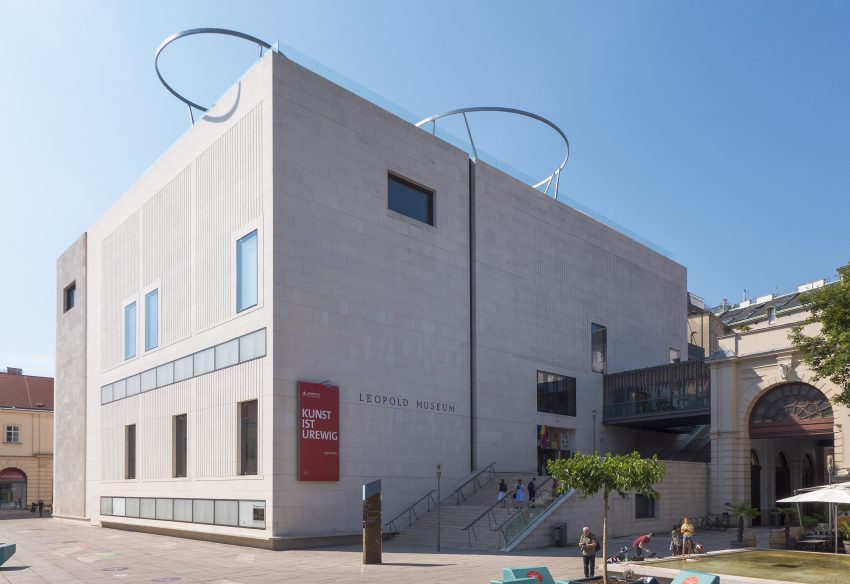
Location: Museumsplatz 1, 1070 Wien, Austria | Hours: Monday: 10:00–18:00. Tuesday: Closed. Wednesday: 10:00–18:00. Thursday: 10:00–18:00. Friday: 10:00–18:00. Saturday: 10:00–18:00. Sunday: 10:00–18:00. | Price: Adults: €19; Reduced: €16; Youth (under 19): €2.50; Children (under 7): free. | Website | Distance: 1.1km
27. Karlskirche
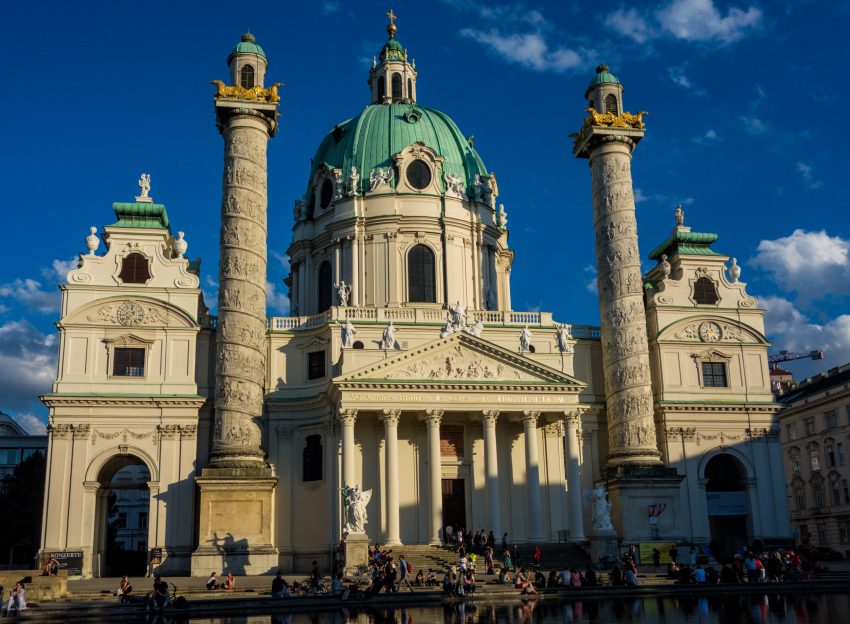
Location: Karlskirche, Karlsplatz 10, 1040 Wien, Austria | Hours: Monday – Saturday: 09:00–18:00. Sunday: 11:45–19:15. | Price: Adults: €9.50; Groups (6+): €8.50; Students: €6; Young people: €5; Children (10 and under): free. | Website | Distance: 1.1km
28. Belvedere Palace
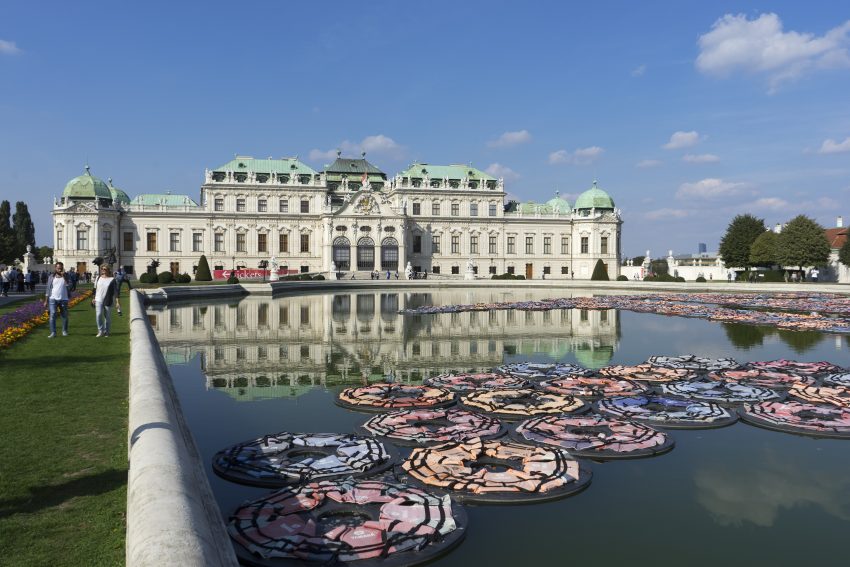
Location: 1030 Vienna, Austria | Hours: Daily: 10:00–18:00. | Price: Upper Belvedere: €19,50; Lower Belvedere: €16,50; 2 in 1 day ticket (Upper + Lower): €29,00; 3 in 1 day ticket (Upper + Lower + Belvedere 21): €32,00. | Website | Distance: 2.0km
Best Day Trips from Vienna
A day trip from Vienna offers the perfect opportunity to escape the urban rhythm and discover the surrounding region's charm. Whether you're drawn to scenic countryside, historic villages, or cultural landmarks, the area around Vienna provides a variety of easy-to-reach destinations ideal for a one-day itinerary. If you are looking to rent a car in Austria I recommend having a look at Discover Cars, first, as they compare prices and review multiple car rental agencies for you.
1. Mikulov

Visiting Mikulov
2. Melk
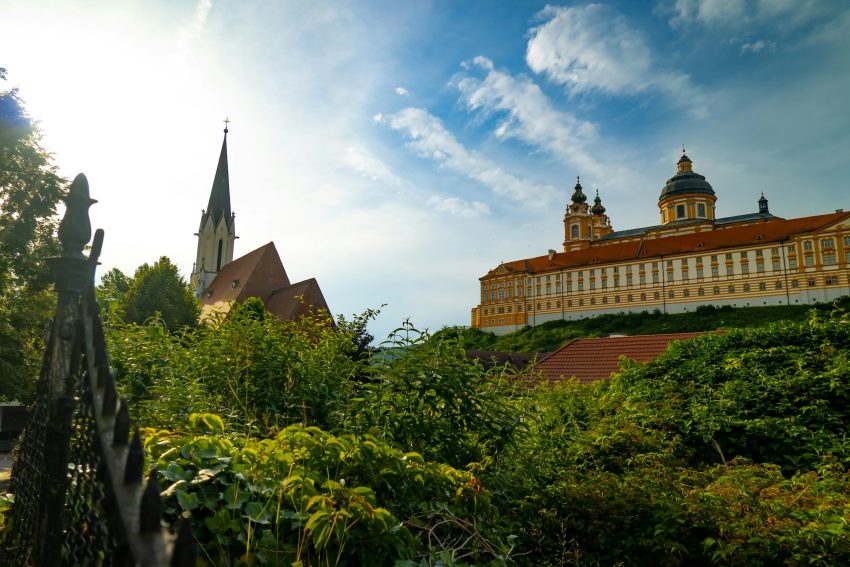
Visiting Melk
3. Brno

Visiting Brno
4. Graz
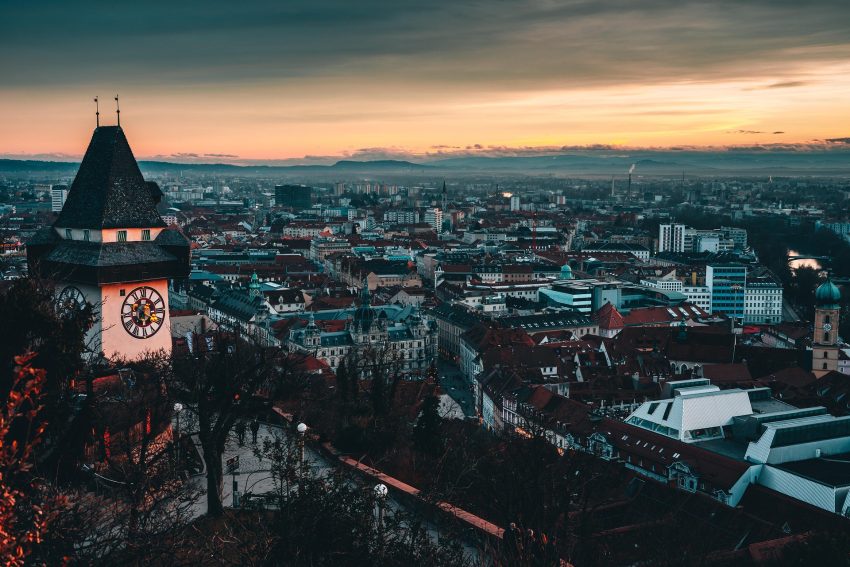
Visiting Graz
5. Linz
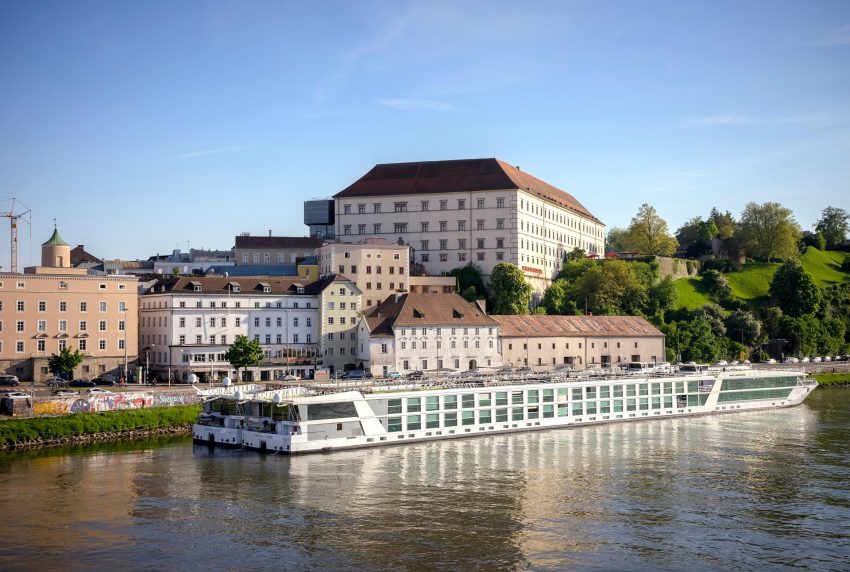
Visiting Linz
Where to Stay in Vienna
For a first visit, staying in Vienna’s Innere Stadt (1st District) is the most convenient choice because you can walk to major sights like Stephansdom, the Hofburg area, and many museums, while also having excellent U-Bahn and tram connections for everything else. A strong luxury option here is Hotel Sacher Wien, which is ideal if you want classic Viennese style, an unbeatable central location by the Opera, and top-tier service. For a refined, design-forward stay with a quieter feel but still in the heart of things, The Guesthouse Vienna works well thanks to its boutique scale and walkability to the Albertina and Ringstrasse.
If you want a slightly more local, neighborhood feel while remaining central, Leopoldstadt (2nd District) is excellent: it’s close to the Prater and Danube Canal, often offers better value, and still puts you minutes from the center by U-Bahn. SO/ Vienna is a great pick here for travelers who like contemporary design, skyline views, and quick access to both the historic core and the canal’s nightlife. For a stylish, comfortable base with easy transport links and a calmer evening atmosphere, Hotel Topazz & Lamée sits right on the edge of the 1st District and is well suited to visitors who want to be central without feeling surrounded by crowds all day.
For longer stays or repeat visitors, Neubau (7th District) is one of Vienna’s best areas: it’s creative, packed with cafés and small shops, and close to the MuseumsQuartier, making it ideal if you want culture by day and a lively but not overly touristy vibe at night. 25hours Hotel Vienna at MuseumsQuartier is a fun, well-located option here, especially if you value an on-site bar scene and an easy walk to major museums, while still being well connected by tram and U-Bahn for the rest of the city.
Using the our Hotel and Accomodation map, you can compare hotels and short-term rental accommodations in Vienna. Simply insert your travel dates and group size, and you’ll see the best deals for your stay.
Vienna Accommodation Map
Best Time to Visit Vienna
Vienna in Spring (March–May)
Spring is a rewarding time to visit as parks and palace gardens come back to life and café terraces begin to fill. Expect changeable days—cool mornings and milder afternoons—ideal for museum-hopping mixed with long walks around the Innere Stadt and along the Danube Canal.
Vienna in Summer (June–August)
Summer brings long daylight hours and an outdoor-focused city: open-air cinemas, riverside hangouts, and evening concerts. It can get hot, so plan sightseeing early and use afternoons for shaded gardens, museums, or a swim at the Danube Island. Festival highlights often include the Film Festival at Rathausplatz (summer open-air screenings and food stands) and frequent classical performances.
Vienna in Autumn (September–November) (Best)
Autumn is often the sweet spot: comfortable temperatures, golden light on the Ringstrasse, and a lively cultural calendar as concert seasons ramp up. It’s also a great period for wine tavern outings tied to the year’s harvest, with many locals heading to Heuriger evenings and vineyard walks.
Vienna in Winter (December–February)
Winter is cold and atmospheric, especially in December when Vienna’s Christmas markets transform major squares with lights, crafts, and seasonal treats. January and February are quieter and can be excellent for travelers focused on museums, opera, and cozy coffeehouses, with fewer crowds and a more local pace.
Annual Weather Overview
- January 4°C 43°F
- February 9°C 52°F
- March 12°C 58°F
- April 18°C 69°F
- May 21°C 73°F
- June 25°C 81°F
- July 28°C 85°F
- August 29°C 88°F
- September 24°C 80°F
- October 18°C 68°F
- November 10°C 53°F
- December 5°C 44°F
How to get to Vienna
Getting to Vienna by air
Nearest airports: Vienna International Airport (VIE) is the main gateway.
Airport to city: Use the City Airport Train (CAT) or ÖBB Railjet/S-Bahn services into the city. ÖBB info and tickets: https://www.oebb.at/en/
Getting to Vienna by train
Main stations: Wien Hauptbahnhof (central long-distance hub) and Wien Westbahnhof (some services).
Key operators and booking links: ÖBB (Austria) https://www.oebb.at/en/ ; Deutsche Bahn (Germany) https://www.bahn.com/en ; RegioJet (Central Europe) https://regiojet.com/ ; České dráhy (Czech Railways) https://www.cd.cz/en/
Getting to Vienna by Car
Driving notes: Vienna is well connected by motorways, but city driving can be slow due to traffic, one-way systems, and limited parking. If you plan to use motorways in Austria, you typically need a vignette (toll sticker/digital pass). In the inner districts, rely on garages or hotel parking and consider leaving the car parked while using public transport. If you are looking to rent a car in Austria I recommend having a look at Discover Cars, first, as they compare prices and review multiple car rental agencies for you.
Travelling around Vienna
Public transport: The U-Bahn, trams, and buses are frequent and cover nearly all visitor areas; day and multi-day passes are convenient.
Walking and cycling: Central Vienna is highly walkable, and cycling works well along the Danube Canal and Danube Island.
Regional trains: For quick trips to nearby sights, use ÖBB and S-Bahn services: https://www.oebb.at/en/