Syracuse, Italy: The Ultimate Travel Guide 2026
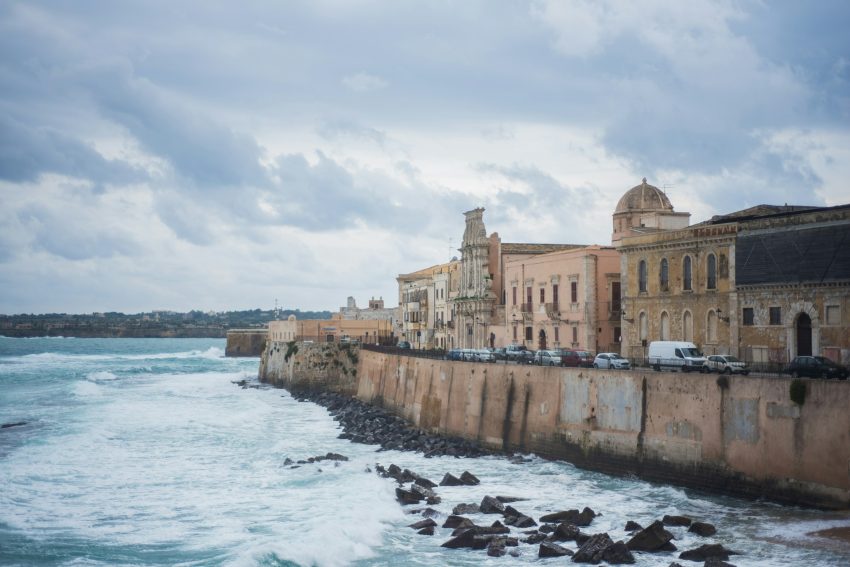
Syracuse is one of Sicily’s most rewarding coastal cities, set on the island’s sunlit southeast and wrapped in a mix of sea views, elegant streets, and lively local life. It’s a place where you can spend the morning wandering atmospheric lanes, pause for a long lunch of seafood and citrusy Sicilian flavors, then finish the day with a waterfront stroll as the light turns golden over the harbor.
The city is easy to enjoy at different paces: come for a weekend and focus on the old-town charm, or stay longer and use it as a base for nearby beaches, nature, and small towns in the surrounding area. Cafés and markets keep things feeling local, while the walkable core makes it simple to explore without constantly planning logistics.
Syracuse also suits travelers who like variety-architecture and museums, swimming spots close by, and a strong food scene that ranges from casual street bites to refined dining. Whether you're traveling as a couple, with friends, or as a family, it's a destination that balances relaxation with plenty to see and do in the immediate area.
Table of Contents
- History of Syracuse
- Syracuse in the Greek Foundation and Early Growth
- Syracuse in the Classical Peak and Rivalries
- Syracuse in the Hellenistic Era and Roman Conquest
- Syracuse in Late Antiquity and Byzantine Rule
- Syracuse in Medieval Transitions
- Syracuse in Early Modern to Modern Times
- Syracuse Today: Heritage, Culture, and Renewal
- Best things to do and See in Syracuse
- Syracuse: Explore Ortigia Island’s Lanes and Waterfront
- Syracuse: Visit the Duomo
- Syracuse: Discover the Archaeological Park of Neapolis
- Syracuse: See the Greek Theatre
- Syracuse: Walk into the Ear of Dionysius
- Syracuse: Tour the Roman Amphitheatre
- Syracuse: Browse the Ortigia Street Market
- Syracuse: Relax at Fonte Aretusa and the Seafront
- Syracuse: Swim at Cala Rossa or Nearby Seaside Platforms
- Syracuse: Take a Boat Trip Along the Coast and Sea Caves
- 10 Best Day Trips from Syracuse
- Where to Stay in Syracuse
- Best Time to Visit Syracuse
- How to get to Syracuse
History of Syracuse
Syracuse in the Greek Foundation and Early Growth (8th–6th centuries BCE)
Syracuse began as a Greek colony and quickly developed into a powerful city-state. Its natural harbors and fertile hinterland supported trade, shipbuilding, and agriculture, helping it expand in wealth and influence. As the population grew, the city developed distinct quarters and major public spaces that reflected Greek urban planning and civic life.
Syracuse in the Classical Peak and Rivalries (5th–4th centuries BCE)
During its classical height, Syracuse became one of the most important Greek cities in the western Mediterranean. It was shaped by intense regional competition and shifting alliances, with periods of strong leadership and ambitious building programs. Military pressures and political change left a lasting imprint on its institutions and monumental landscape.
Syracuse in the Hellenistic Era and Roman Conquest (3rd century BCE)
As power dynamics changed across the Mediterranean, Syracuse navigated diplomacy and conflict until it was ultimately drawn into Roman expansion. The Roman conquest marked a major turning point, bringing new administrative structures and integrating the city into a wider imperial economy. Despite the upheaval, Syracuse remained significant as a regional center.
Syracuse in Late Antiquity and Byzantine Rule (4th–9th centuries)
In late antiquity, Syracuse continued as an important urban hub, with Christianity reshaping religious and civic life. Under Byzantine influence, the city’s strategic value increased, and its defenses and administration adapted to new realities. Cultural continuity mixed with transformation as the city’s role evolved within a changing Mediterranean world.
Syracuse in Medieval Transitions (9th–15th centuries)
Medieval Syracuse experienced successive changes in rule, each leaving traces in governance, architecture, and daily life. Fortifications and coastal defenses became increasingly important, while trade and maritime activity continued to connect the city to broader networks. Over time, the urban fabric layered new styles over older foundations.
Syracuse in Early Modern to Modern Times (16th–20th centuries)
In the early modern period, Syracuse’s military and maritime importance encouraged further strengthening of its defenses and infrastructure. Later, modernization brought new neighborhoods and civic projects, while archaeological interest and cultural preservation grew. By the 20th century, Syracuse increasingly balanced contemporary life with the protection and celebration of its historic heritage.
Syracuse Today: Heritage, Culture, and Renewal (21st century)
Today, Syracuse is defined by the ongoing care of its historic sites and the vitality of its cultural calendar. Conservation, tourism, and local traditions coexist, with renewed attention to public spaces, waterfront areas, and museums. The city continues to evolve while keeping its layered past visible in streets, stones, and shoreline vistas.

Moira & Andy
Hey! We're Moira & Andy. From hiking the Camino to trips around Europe in Bert our campervan — we've been traveling together since retirement in 2020!
Visiting Syracuse for the first time and wondering what are the top places to see in the city? In this complete guide, I share the best things to do in Syracuse on the first visit. To help you plan your trip, I have also included an interactive map and practical tips for visiting!
This website uses affiliate links which earn a small commission at no additional cost to you.
Best things to do and See in Syracuse
1. Syracuse: Explore Ortigia Island’s Lanes and Waterfront
Ortigia is the atmospheric heart of Syracuse, where you can wander narrow lanes, discover small piazzas, and follow the sea-edge promenades. The experience is less about rushing between landmarks and more about letting the neighborhood unfold—baroque facades, hidden courtyards, and viewpoints that open suddenly onto bright water.
Spend time around the main squares, then loop along the waterfront for sunset. Early morning is perfect for photos and a quieter feel; evenings bring a lively dining scene with plenty of places for seafood and Sicilian classics.
2. Syracuse: Visit the Duomo (Cathedral) and Piazza Duomo
The Cathedral is one of the city’s most striking monuments, set in a grand square that feels like an open-air stage. Step inside to see how layers of architecture and sacred space come together, then linger outside to appreciate the changing light on the stonework.
Entry cost is typically around €2–€4 depending on areas open and any special access; hours commonly run roughly 10:00–18:00, with reduced hours on some days and during services. Visit mid-morning or late afternoon for a calmer experience and better light in the piazza.
3. Syracuse: Discover the Archaeological Park of Neapolis
This is the essential site for understanding Syracuse’s ancient scale, with major remains spread across a large, walkable park. Plan for a few hours and bring water in warm months—there’s a lot to see, and the paths can be sun-exposed.
Tickets are commonly around €10–€15; opening times often follow a daytime schedule such as 08:30–19:00 (last entry earlier), varying by season. Go early to avoid heat and groups, and consider pairing the visit with a relaxed lunch nearby.
4. Syracuse: See the Greek Theatre
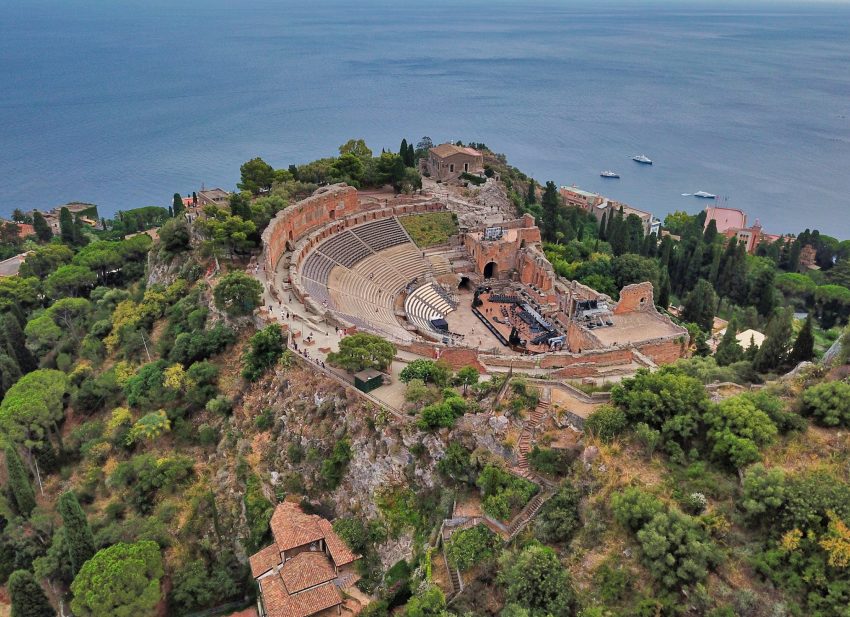
Within the archaeological park, the Greek Theatre is the headline monument—impressive for its scale and setting. Even without a performance, it’s worth time to sit, take in the geometry, and imagine the acoustics and crowds it once held.
If you visit during performance season, evening shows can be a highlight of a Syracuse trip, adding atmosphere you can’t replicate during daytime touring. Access is included with the archaeological park ticket; opening follows the park’s hours.
5. Syracuse: Walk into the Ear of Dionysius (Orecchio di Dionisio)
This dramatic limestone cave is famous for its shape and acoustics, and it’s one of the most memorable “wow” moments in the archaeological area. The interior is cool and echoing, making it a refreshing stop in summer.
It’s included in the archaeological park admission, with access during park opening hours. Take your time inside, then explore the surrounding quarry area to appreciate how the landscape was carved and reused over centuries.
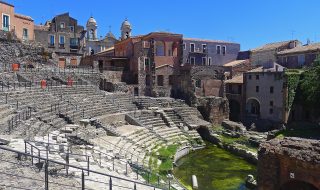
6. Syracuse: Tour the Roman Amphitheatre
The Roman Amphitheatre offers a different perspective from the Greek monuments, with a more rugged, excavated feel. It’s less about perfect preservation and more about reading the site—its scale, its layout, and how it fit into public life.
Because it’s part of the same archaeological complex, it’s easy to include without extra planning. Visit in the same session as the theatre and quarries, and pace yourself with shaded breaks where possible.
7. Syracuse: Browse the Ortigia Street Market (Mercato di Ortigia)
For a taste of everyday Syracuse, the Ortigia market is a lively stop for produce, spices, cheeses, and seafood. It’s ideal for a casual breakfast, a snack crawl, or picking up picnic supplies before heading to the sea.
Stalls generally operate in the morning, often roughly 07:30–13:30, with the busiest energy earlier in the day. Prices vary by vendor; bring cash and don’t be shy about asking what’s in season.
8. Syracuse: Relax at Fonte Aretusa and the Seafront
Fonte Aretusa is a small but iconic freshwater spring area near the waterfront, surrounded by greenery and a classic promenade feel. It’s a quick stop that works well between sightseeing and meals, and it’s especially pleasant in the softer light of late afternoon.
There’s no entry fee, and it’s accessible at all hours. Pair it with a longer waterfront walk to take in harbor views and watch boats come and go.
9. Syracuse: Swim at Cala Rossa or Nearby Seaside Platforms
Within easy reach of the old town, you can find spots for a quick dip—rocky edges, small coves, and seaside platforms that locals use in warm months. It’s not a wide sandy beach experience, but it’s perfect if you want to cool off without leaving the city.
Go with water shoes for comfort on rocks, and aim for calmer sea conditions. Early morning is best for clear water and fewer people; late afternoon can be beautiful but busier.
10. Syracuse: Take a Boat Trip Along the Coast and Sea Caves
A short boat trip is one of the best ways to appreciate Syracuse from the water, with views back to the skyline and opportunities to see sea caves and coastal formations. Many tours are timed for golden hour, which adds a dramatic glow to the stone and sea.
Prices vary by operator and duration, but expect roughly €15–€40 per person for common group outings; departures typically run multiple times daily in high season. Book ahead in summer weekends, and bring sun protection even for shorter trips.