San Gimignano, Italy: The Ultimate Travel Guide 2026
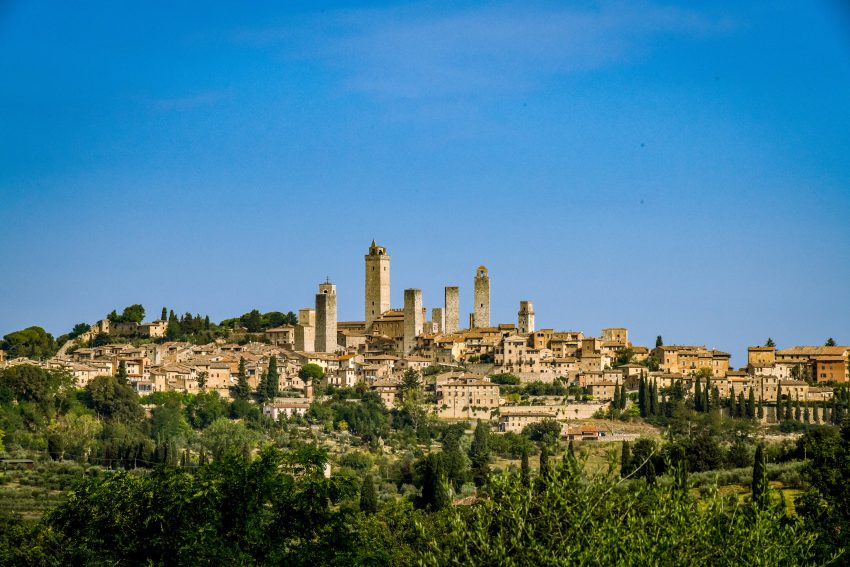
San Gimignano is one of Tuscany’s most atmospheric hill towns, celebrated for its skyline of medieval towers, golden-stone streets, and vineyard-draped countryside. It’s compact enough to explore on foot, yet packed with viewpoints, churches, small museums, and food stops that make it easy to fill a full day-or slow down and linger over long lunches with local Vernaccia wine.
A visit works best if you balance the famous highlights with quieter corners: climb a tower early, browse artisan shops as the day warms up, then step into a cool frescoed interior or a small gallery when the lanes get busiest. The surrounding area is equally rewarding, with short drives to wineries, olive groves, and postcard-perfect roads that feel quintessentially Tuscan.
San Gimignano also makes a strong base for exploring the Val d'Elsa and nearby Chianti edges, especially if you want a countryside stay without being far from restaurants and evening passeggiata. Come for the views and medieval drama, stay for the food-saffron, wild boar, pecorino-and the easy access to day trips across central Tuscany.
Table of Contents
- History of San Gimignano
- San Gimignano in Etruscan and Roman Times
- San Gimignano in the Early Middle Ages
- San Gimignano in the 12th–13th Centuries: Communal Power and Tower Building
- San Gimignano in the 14th Century: Crisis and Political Change
- San Gimignano under Florentine Influence
- San Gimignano in the 19th–20th Centuries: Preservation and Tourism
- San Gimignano Today
- Best things to do and See in San Gimignano
- San Gimignano: Piazza della Cisterna and Piazza del Duomo
- San Gimignano: Torre Grossa
- San Gimignano: Collegiata di Santa Maria Assunta
- San Gimignano: Palazzo Comunale and Civic Museum
- San Gimignano: Rocca di Montestaffoli and the Vernaccia Wine Experience
- San Gimignano: Sant’Agostino Church and fresco cycle
- San Gimignano: Via San Giovanni to Porta San Giovanni
- San Gimignano: Countryside winery visit within 10 km
- San Gimignano: Walk or bike the Via Francigena segments nearby
- San Gimignano: Day trip to Certaldo Alto
- 10 Best Day Trips from San Gimignano
- Where to Stay in San Gimignano
- Best Time to Visit San Gimignano
- How to get to San Gimignano
History of San Gimignano
San Gimignano in Etruscan and Roman Times
The earliest settlement in the area predates the Middle Ages, with Etruscan presence in the surrounding countryside and later Roman influence as routes and agriculture developed. Small rural communities and estates helped shape the landscape of cultivation that would remain central to local wealth.
San Gimignano in the Early Middle Ages
By the early medieval period, a fortified village emerged, benefiting from its position along important pilgrimage and trade routes. Religious institutions and local lords gained influence, and the town’s defensive character strengthened as regional rivalries intensified.
San Gimignano in the 12th–13th Centuries: Communal Power and Tower Building
San Gimignano’s most iconic era arrived with the rise of the commune and the prosperity of merchant families. Competing clans expressed status through tall tower-houses, creating the dramatic skyline that still defines the town. Civic institutions expanded, and major building campaigns produced churches, squares, and public works.
San Gimignano in the 14th Century: Crisis and Political Change
The 1300s brought severe disruption, including plague and economic contraction, which reduced population and slowed construction. Political pressures from stronger neighbors increased, and the town’s autonomy weakened as regional power consolidated.
San Gimignano under Florentine Influence (15th–18th Centuries)
As control shifted under Florentine dominance, San Gimignano became more stable but less politically independent. The town’s medieval fabric remained largely intact, in part because large-scale Renaissance rebuilding was limited compared with bigger cities.
San Gimignano in the 19th–20th Centuries: Preservation and Tourism
Modernization arrived gradually, while appreciation for medieval architecture grew. Restoration efforts and cultural recognition helped protect the historic center, and tourism expanded alongside renewed pride in local agriculture and wine production.
San Gimignano Today
Today the town’s identity blends living community with heritage stewardship. Its towers, fresco cycles, and civic spaces remain central, while contemporary hospitality and wine culture keep the local economy vibrant.

Moira & Andy
Hey! We're Moira & Andy. From hiking the Camino to trips around Europe in Bert our campervan — we've been traveling together since retirement in 2020!
Visiting San Gimignano for the first time and wondering what are the top places to see in the city? In this complete guide, I share the best things to do in San Gimignano on the first visit. To help you plan your trip, I have also included an interactive map and practical tips for visiting!
This website uses affiliate links which earn a small commission at no additional cost to you.
Best things to do and See in San Gimignano
1. San Gimignano: Piazza della Cisterna and Piazza del Duomo
These two adjoining squares are the heart of the town’s daily rhythm and the best place to understand its compact, vertical character. The architecture creates a natural stage set: stone palazzi, tower silhouettes, and café terraces that are ideal for people-watching.
Visit early for softer light and fewer groups, then return in the evening when the atmosphere becomes more local. From here you can easily branch into side streets for artisan shops, small wine bars, and quieter viewpoints.
2. San Gimignano: Torre Grossa (tower climb)
Climbing Torre Grossa is the classic San Gimignano experience, rewarding you with sweeping views over rooftops, vineyards, and the rolling Tuscan horizon. The ascent is via stairs, and the payoff is a true sense of why the town’s towers became symbols of prestige.
Entry is typically via the civic museum complex; expect timed or capacity-limited access during busy periods. Allow time to enjoy the top platform and then explore the adjacent museum rooms for context on civic life and art.
3. San Gimignano: Collegiata di Santa Maria Assunta (Duomo) and frescoes
The Collegiata is a must for its vivid fresco cycles that wrap the interior with narrative scenes, offering one of the most memorable art experiences in town. It’s an excellent counterbalance to the outdoor crowds—cool, contemplative, and visually rich.
If you enjoy medieval painting, take time to look closely at details and sequencing; it’s easy to rush, but the storytelling is the point. Modest dress is recommended, and visiting earlier in the day can mean a calmer interior.
4. San Gimignano: Palazzo Comunale and Civic Museum
The Civic Museum provides a deeper look at San Gimignano’s communal identity and artistic heritage, often paired with access to Torre Grossa. The rooms and galleries help connect the town’s beauty to the civic pride that shaped it.
Plan at least an hour if you like art and historic interiors. If you’re traveling in peak season, buy combined tickets when available to streamline entry and reduce waiting.
5. San Gimignano: Rocca di Montestaffoli and the Vernaccia Wine Experience
Just outside the densest lanes, the Rocca area offers open space, breezes, and excellent views—perfect when the center feels crowded. It’s also closely tied to the town’s signature white wine, Vernaccia di San Gimignano, making it a natural place to connect scenery with local flavor.
Depending on the season, you may find wine-focused exhibits or tastings nearby, and the surrounding paths are great for a short walk. Sunset here can be especially rewarding for photographers.
6. San Gimignano: Sant’Agostino Church and fresco cycle
Sant’Agostino is often quieter than the Duomo and is prized for its frescoes and serene interior. It’s a strong choice if you want a more reflective art stop away from the busiest corridors.
Give yourself time to sit and absorb the space; the calm is part of the appeal. Pair it with a slow wander through the adjacent streets, which tend to feel less tour-driven.
7. San Gimignano: Via San Giovanni to Porta San Giovanni (the classic stroll)
This is the town’s main spine and the route most visitors naturally follow, lined with shops, gelaterie, and viewpoints that reveal towers at different angles. Walking it end-to-end helps you orient yourself and spot the side lanes worth exploring.
To make it more enjoyable, do it twice: once early for photos and once later for browsing. If you’re shopping for local products, look for Vernaccia wine, saffron, and regional ceramics.
8. San Gimignano: Countryside winery visit within 10 km (Vernaccia tasting)
The landscape around San Gimignano is made for short winery excursions—vineyards, cypress-lined drives, and tasting rooms that highlight Vernaccia alongside reds and olive oil. A tasting adds a sensory layer to your visit and breaks up a day of stone streets with open countryside.
Many wineries require reservations, especially in high season, and tastings often come in tiers (basic flight vs. paired with snacks or a full lunch). If you’re driving, plan a designated driver or book a transfer.
9. San Gimignano: Walk or bike the Via Francigena segments nearby
San Gimignano connects naturally to the spirit of the Via Francigena, and nearby segments offer rewarding half-day walks through fields, woods, and gentle ridgelines. It’s a great way to experience the area beyond the walls without committing to a long trek.
Start early to avoid midday heat in warmer months, and bring water—services can be sparse on rural stretches. If you prefer cycling, e-bikes are a practical option given the rolling terrain.
10. San Gimignano: Day trip to Certaldo Alto (within ~10 km)
Certaldo Alto is a small historic hilltop that pairs beautifully with San Gimignano: quieter lanes, brick-and-stone architecture, and a distinctly local feel. It’s an easy add-on if you want a second medieval center without the same level of crowds.
Spend a few hours wandering, stopping for a coffee or aperitivo, and enjoying viewpoints over the Val d’Elsa. It works well in the late afternoon, especially if you want a calmer evening atmosphere after a busy day in San Gimignano.