Quimper, France: The Ultimate Travel Guide 2026
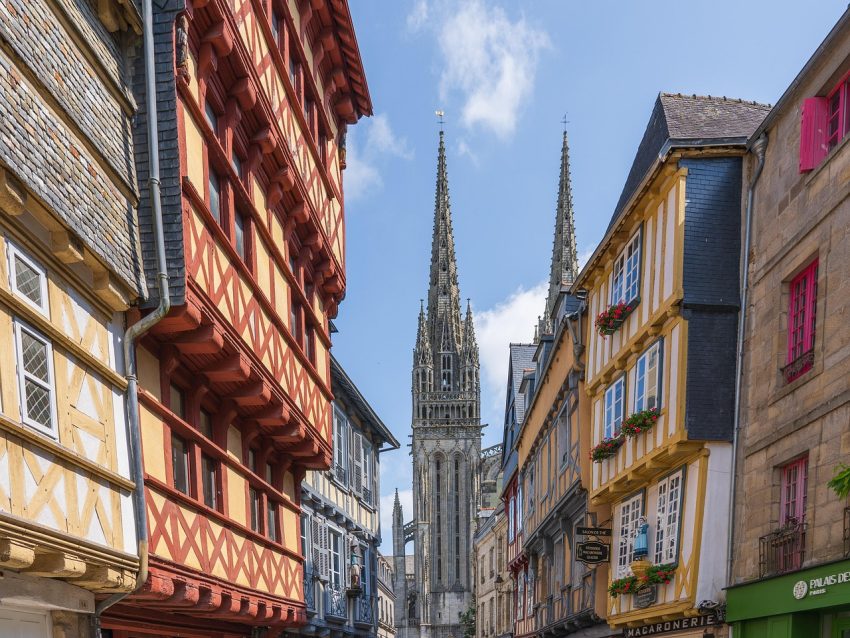
Quimper is one of the most atmospheric towns in Brittany, known for its half-timbered houses, winding cobbled lanes, and strong Breton identity. The town feels effortlessly welcoming, with the Odet River running through its center and bridges connecting one picturesque view to the next. It’s a place best explored slowly-wandering from artisan shops to crêperies, pausing to listen to street musicians or admire a ceramic storefront. The city has a calm, creative spirit that shines through in its local markets and colorful façades.
One of Quimper's standout features is its vibrant cultural life. You'll find small galleries, regional craft shops, and regular festivals celebrating Breton music and dance, especially during summer months. It's also the heart of Quimper faïence pottery, a tradition that's still alive in studios and boutiques around town. Whether you're enjoying a cider in a shaded square or walking the riverside promenades, Quimper leaves a lasting impression with its graceful mix of tradition and artistic flair.
History of Quimper
Quimper: Celtic Roots and Early Christianity
Quimper’s story begins with its ancient Celtic origins, where it served as a key settlement for the Cornouaille region. The area was inhabited by the Osismii, a Gallic tribe, long before Roman influence reached the region. Its name is thought to come from the Breton word kemper, meaning “confluence,” in reference to the meeting of rivers that shaped the early town’s geography. With the arrival of early Christian missionaries in the 5th century, most notably Saint Corentin, Quimper became one of the earliest episcopal seats in Brittany, establishing its spiritual and cultural importance in the region.
The presence of the bishopric attracted pilgrims and religious development, setting the stage for the town’s later role as a religious and political center. Early churches and sacred sites were established, many of which were later replaced or built upon during medieval expansion. Even today, these foundations define the spiritual identity of Quimper.
Quimper: Medieval Growth and Episcopal Power
During the Middle Ages, Quimper developed into a fortified town centered around its cathedral and bishop’s palace. The construction of Saint-Corentin Cathedral, begun in the 13th century, symbolized its prominence in the region. Gothic architecture and religious art flourished, and the town grew as an administrative and ecclesiastical hub. Stone ramparts and timber-framed houses were built, many of which still line the narrow streets of the old town today.
Quimper’s medieval prosperity came largely from its ecclesiastical status and its trade in goods like linen and pottery. While it avoided some of the conflict that plagued other Breton towns, it was affected by shifts in regional power and alliances, particularly during the War of Breton Succession in the 14th century. Despite these tensions, Quimper maintained relative autonomy and continued to flourish as a cultural and commercial center.
Quimper: Renaissance to Revolution
In the 16th and 17th centuries, Quimper expanded further, both physically and economically. It became well-known for faïence pottery, a tin-glazed earthenware that remains a hallmark of the town’s identity. The Renaissance also brought a wave of artistic and religious influence, enriching the town’s churches, convents, and public buildings. Though Quimper remained primarily ecclesiastical in nature, it was not immune to the national events shaping France, including the religious wars of the 16th century.
During the French Revolution, like many towns with deep religious roots, Quimper experienced a period of upheaval. The cathedral was damaged, religious institutions were suppressed, and local power structures shifted. However, the town retained much of its built heritage and identity, and post-revolutionary reconstruction was swift.
Quimper: 19th Century Revival and Regional Identity
The 19th century brought renewal to Quimper. The cathedral was restored, transportation links were improved, and the town became a regional center once again. Quimper embraced its Breton heritage, preserving the language, costumes, and customs that had begun to fade elsewhere in France. The rise of Romanticism in literature and art helped cast Brittany—and Quimper in particular—as a place of picturesque tradition and cultural depth.
At the same time, Quimper’s pottery industry flourished, with workshops and decorative art gaining national fame. The town also developed a strong identity in music and folklore, hosting early iterations of Breton cultural festivals and encouraging the preservation of traditional dance and costume.
Quimper: 20th Century to Present
In the 20th century, Quimper weathered both World Wars with moderate damage. After World War II, the town experienced a new wave of modernization while still protecting its medieval heart. Urban development extended its residential areas, but the city remained proud of its heritage and committed to preserving its historic center.
Today, Quimper is a vibrant blend of the old and the new. Its rich history is visible in its architecture, pottery, religious art, and festivals. As a modern town that holds tight to its Breton identity, Quimper stands as both a cultural capital and a living museum of Brittany’s past.

Moira & Andy
Hey! We're Moira & Andy. From hiking the Camino to trips around Europe in Bert our campervan — we've been traveling together since retirement in 2020!
Visiting Quimper for the first time and wondering what are the top places to see in the city? In this complete guide, I share the best things to do in Quimper on the first visit. To help you plan your trip, I have also included an interactive map and practical tips for visiting!
This website uses affiliate links which earn a small commission at no additional cost to you.
15 Best places to See in Quimper
This complete guide to Quimper not only tells you about the very best sights and tourist attractions for first-time visitors to the city but also provide insights into a few of our personal favorite things to do.
This is a practical guide to visiting the best places to see in Quimper and is filled with tips and info that should answer all your questions!
1. Quimper Ramparts
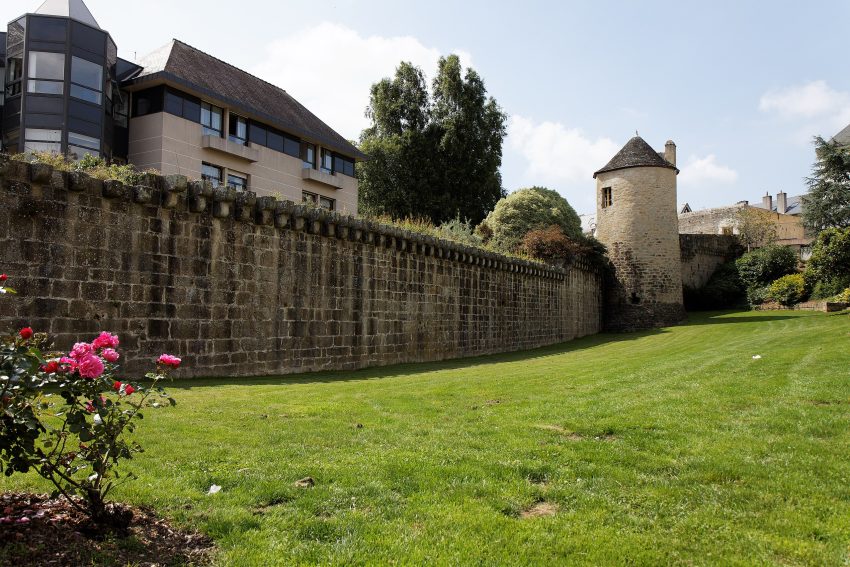
Location: Rue des Douves, 29000 Quimper, France | Hours: Accessible at all times; individual sites such as gates can be visited during a normal walking day. | Price: Free; the rampart remnants are viewed outdoors in public streets. | Distance: 0.3km

2. Theatre Max Jacob
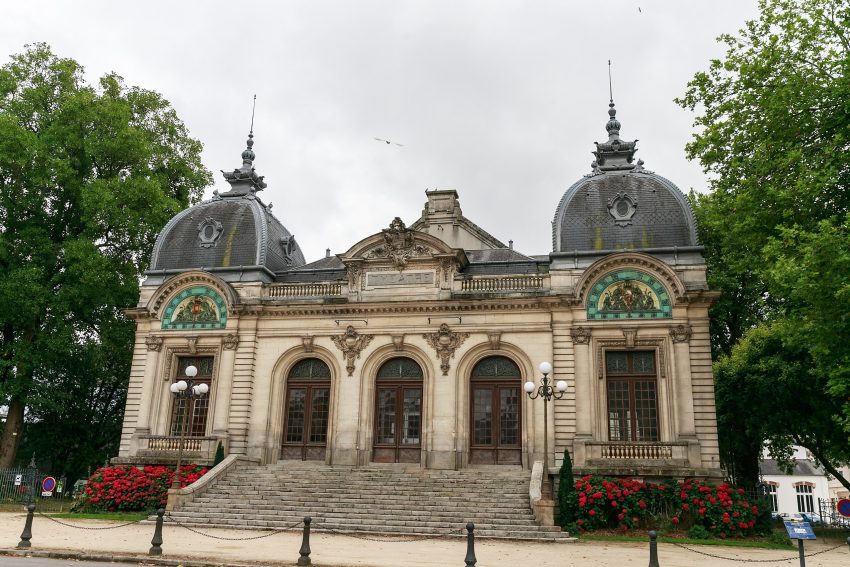
Location: Théâtre Max Jacob, Boulevard Dupleix, Quimper, France | Hours: Varies by performance schedule and restoration access; confirm current arrangements before visiting. | Price: Varies by performance; during restoration, entry depends on programming and access. | Distance: 0.3km
3. Hotel de Boisbilly
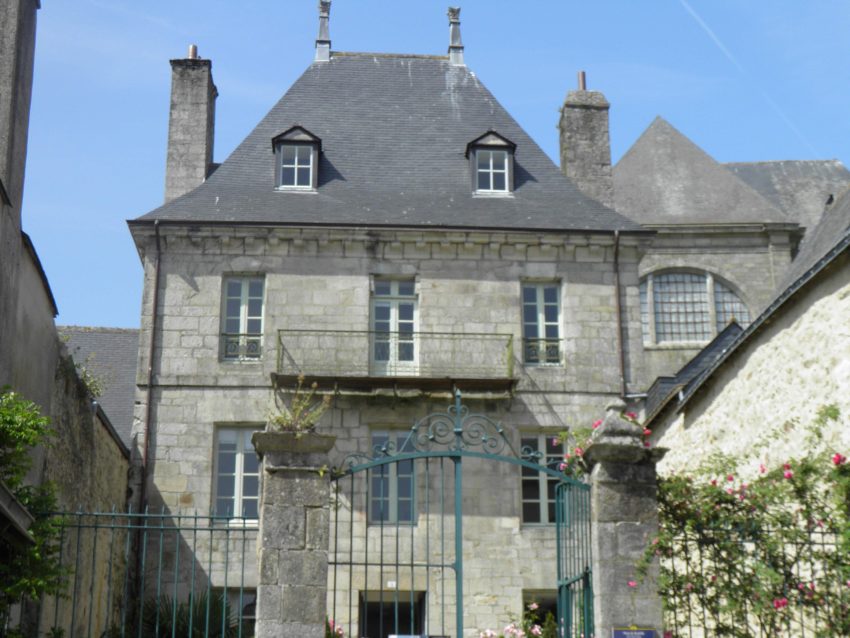
Location: Maison du Patrimoine, Rue ar Barzh Kadiou, Quimper, France | Hours: "Varies by exhibition schedule and day; check current opening times locally before visiting. | Price: Free. | Website | Distance: 0.4km
4. Jardin de l’Eveche
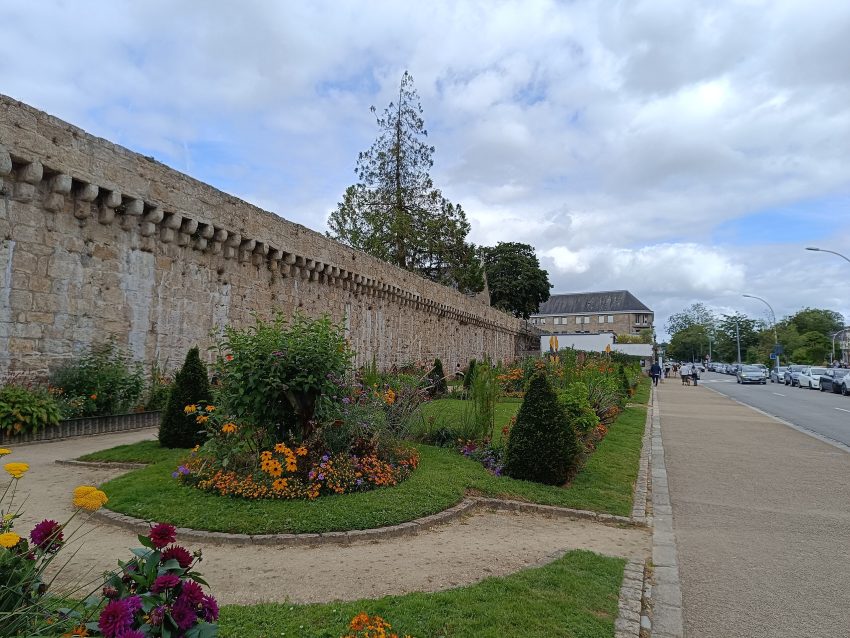
Location: L’Ephémère, jardin de l’Evêché, Boulevard Amiral de Kerguélen, Quimper, France | Hours: Generally open daily; event timings vary seasonally, especially June to September. | Price: Free. | Distance: 0.4km
5. Musée des Beaux-Arts de Quimper
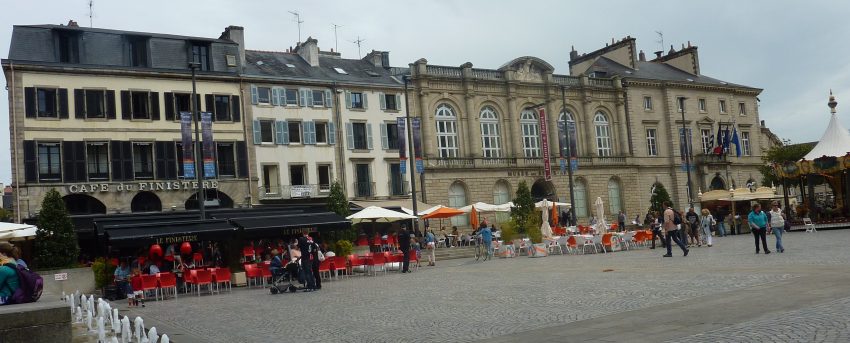
Location: Musée des Beaux-Arts, Place Saint Corentin, Quimper, France | Hours: Main museum closed until spring 2026 Daily: 10:00 - 18:00. Closed Sunday and public holidays. | Price: Adults: €5.00 | Website | Distance: 0.4km
6. Quimper Cathedral
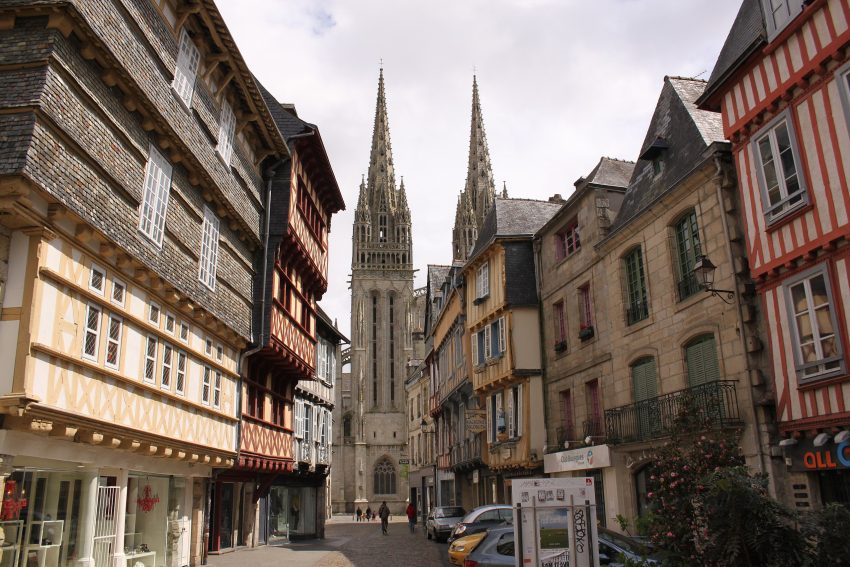
Location: Quimper Cathedral, Place Saint Corentin, Quimper, France | Hours: Winter: Monday to Saturday from 9.45 to 12.00 and from 13.30 to 18.30; Summer: Monday to Saturday from 9.45 to 18.30; Sunday and holidays from 14.00 to 18.30. | Price: Free entry (donations appreciated). | Website | Distance: 0.4km
7. Musée Départemental Breton
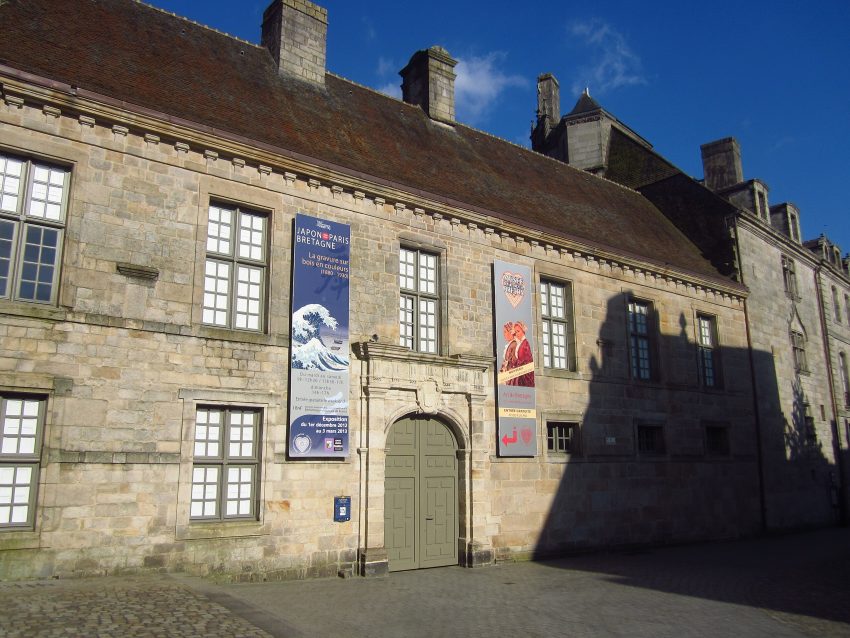
Location: Musée Départemental Breton, Rue du Roi Gradlon, Quimper, France | Hours: Daily: from 9:00 - 12:30 and from 1:30pm to 5pm - Sundays from 2pm to 5pm . | Price: Adults: €5 (Free on Saturdays and Sundays in Winter) | Website | Distance: 0.5km
8. Place Terre au Duc
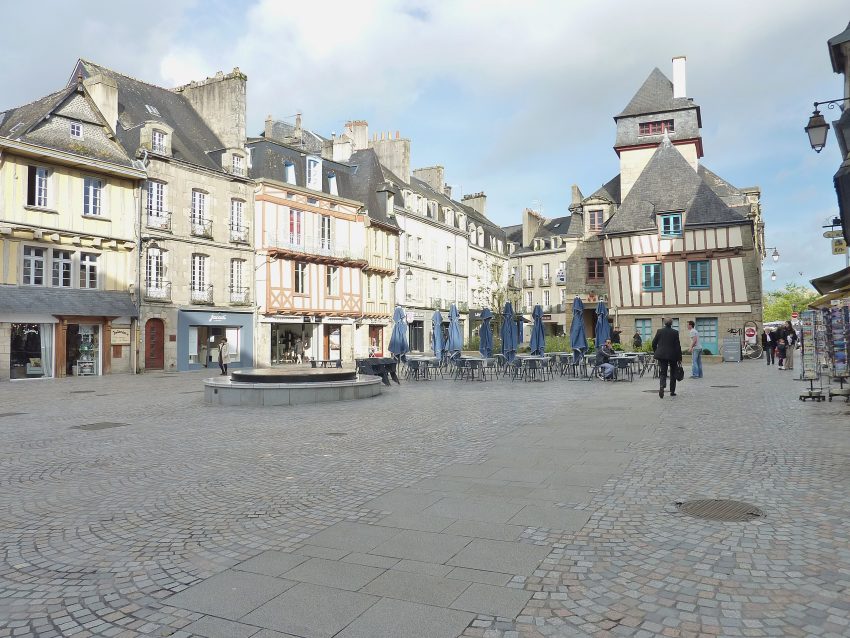
Location: Place Terre au Duc, Quimper, France | Hours: Accessible at all times as a public square; individual cafés and shops keep their own hours. | Price: Free. | Distance: 0.7km
9. Pont Medard
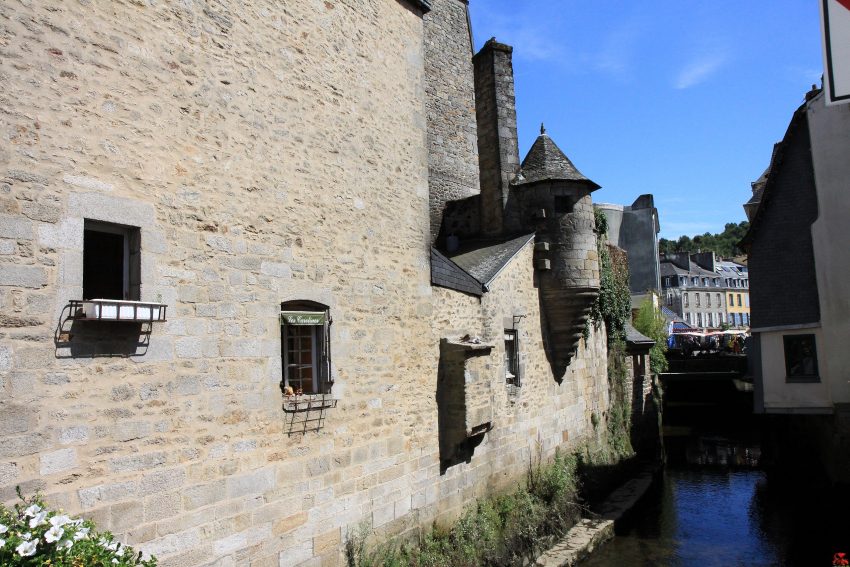
Location: Pont Medard, Quimper, France | Hours: Open at all times as a public crossing. | Price: Free. | Distance: 0.7km
10. Place Terre au Duc
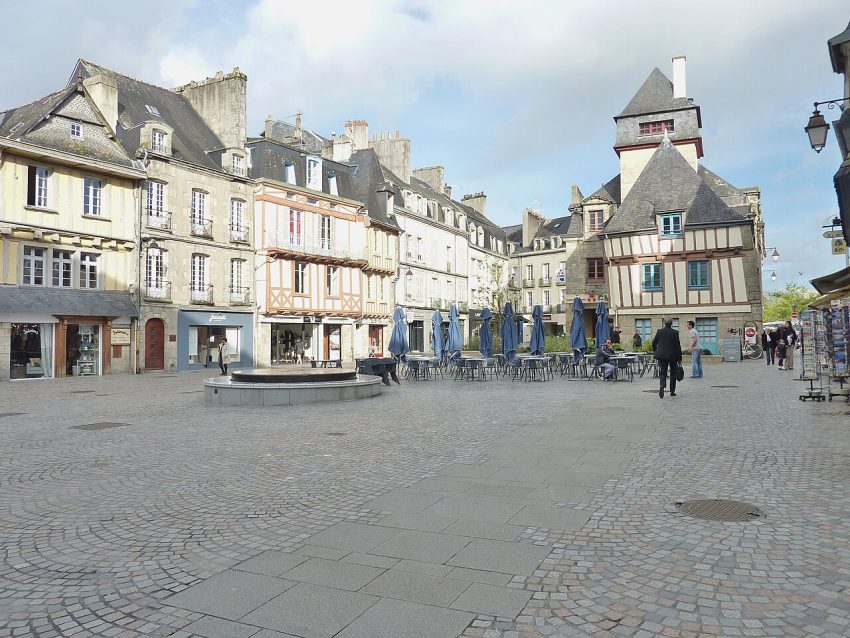
Location: Place Terre au Duc, Quimper, France | Hours: 24 Hours | Price: Free. | Website | Distance: 0.7km
11. Mont Frugy
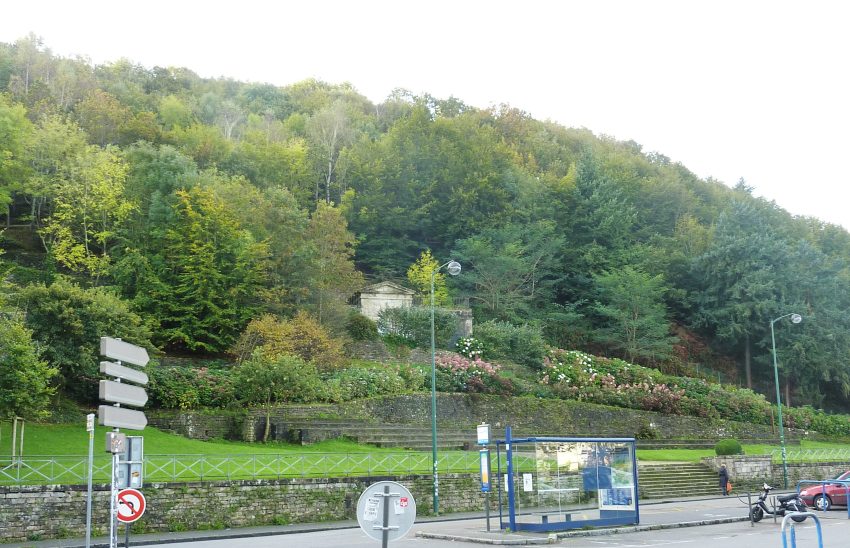
Location: Mont Frugy, Quimper, France | Hours: Generally open daily; event timings vary seasonally, especially June to September. | Price: Free. | Distance: 0.7km
12. Couvent des Ursulines de Quimper
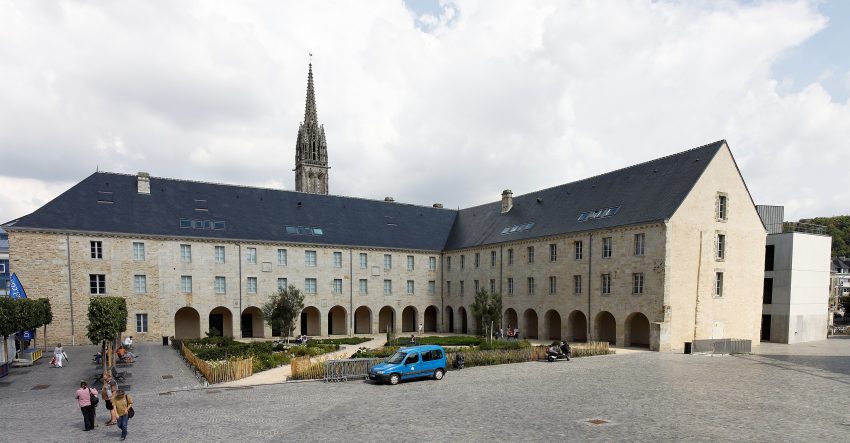
Location: 10 Rue de Falkirk, Quimper, France | Hours: Tuesday from 12:00 to 19:00 Wednesday from 10:00 to 19:00 Thursday from 12:00 to 19:00 Friday from 12:00 to 19:00 Saturday from 10:00 to 18:00 Sunday from 2:00 PM to 6:00 PM | Distance: 0.9km
13. Église Notre-Dame de Locmaria
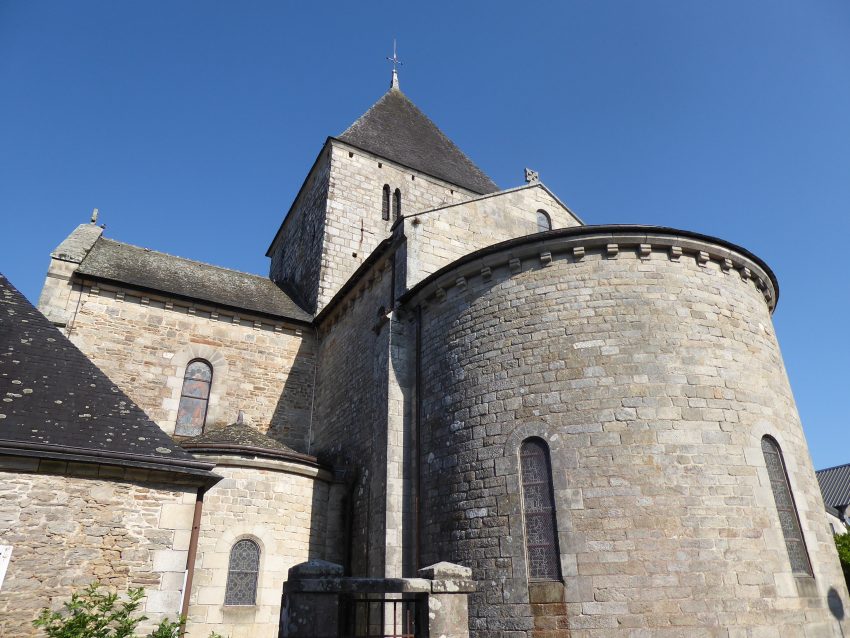
Location: Église Notre-Dame de Locmaria, Place Denis Berardier, Quimper, France | Hours: Varies depending on services and seasons; check current visiting hours locally before you go. | Price: Free to enter; donations may be welcomed. | Distance: 1.5km
14. Musée de la Faïence
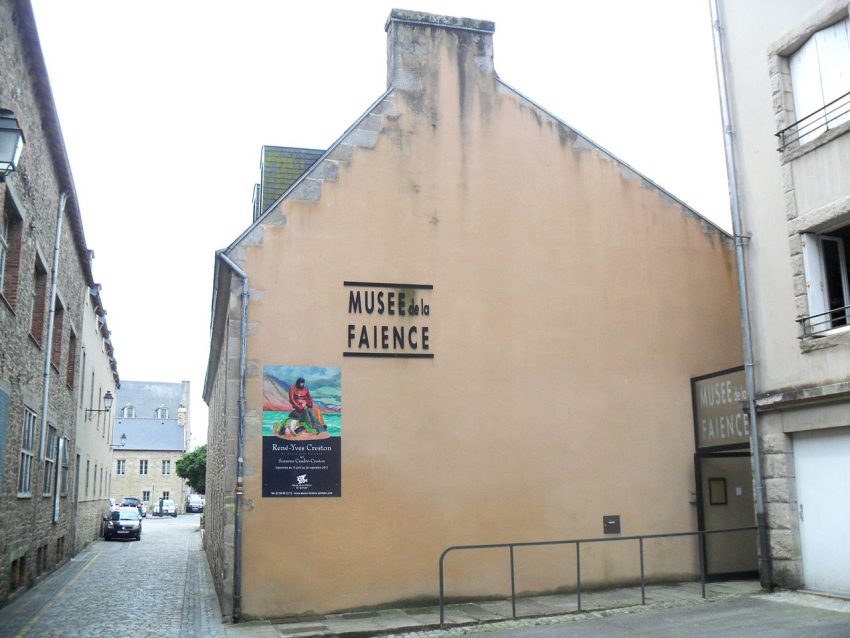
Location: Musée de la Faïence de Quimper, Rue Jean Baptiste Bousquet, Quimper, France | Hours: Daily: 10:00 - 18:00. Closed Sunday and public holidays. | Price: Adults: €5.00 | Website | Distance: 1.5km
15. Château de Lanniron
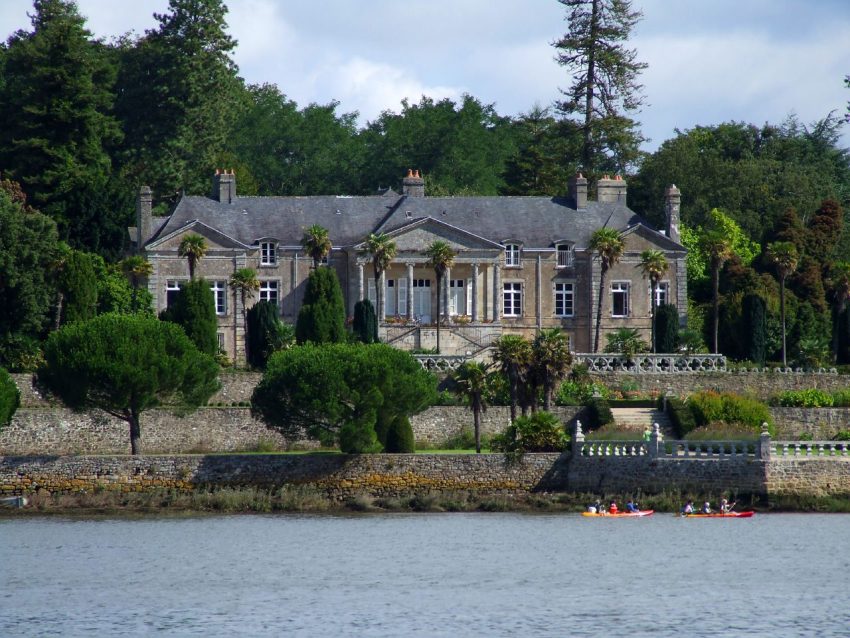
Location: L'Orangerie de Lanniron, Allée de Lanniron, Quimper, France | Hours: Seasonal hours are common; confirm the day’s opening times before you go. | Price: Varies by season and what is open; check current garden and site admission options before visiting. | Website | Distance: 2.6km
Best Day Trips from Quimper
A day trip from Quimper offers the perfect opportunity to escape the urban rhythm and discover the surrounding region's charm. Whether you're drawn to scenic countryside, historic villages, or cultural landmarks, the area around Quimper provides a variety of easy-to-reach destinations ideal for a one-day itinerary. If you are looking to rent a car in France I recommend having a look at Discover Cars, first, as they compare prices and review multiple car rental agencies for you.
1. Concarneau

Visiting Concarneau
2. Ville Close de Concarneau
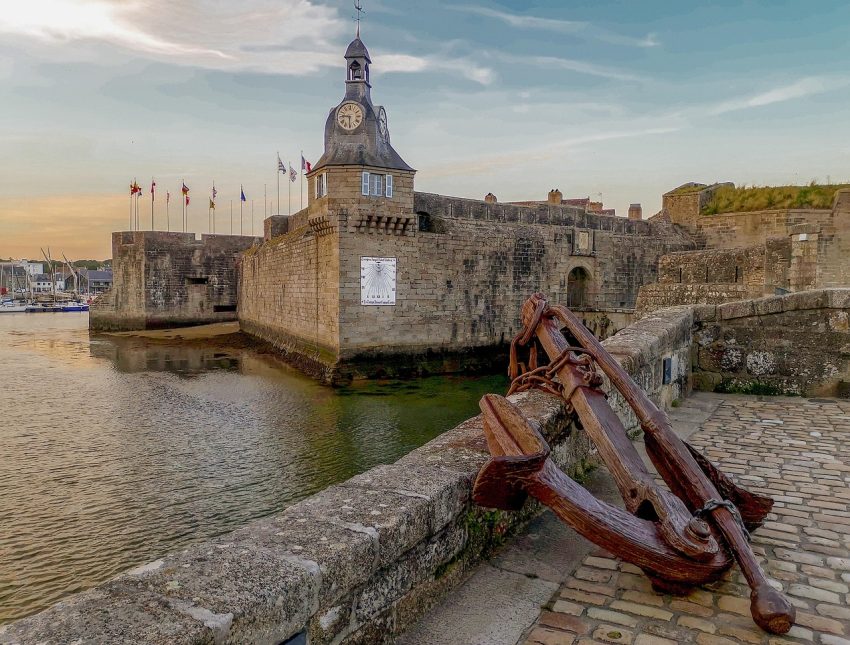
Location: Closed City of Concarneau 5 Rue Vauban 29900 Concarneau France | Hours: 24 Hours | Price: Free | Website | Distance: 19.4km
Visiting Ville Close de Concarneau
3. Château de Trévarez
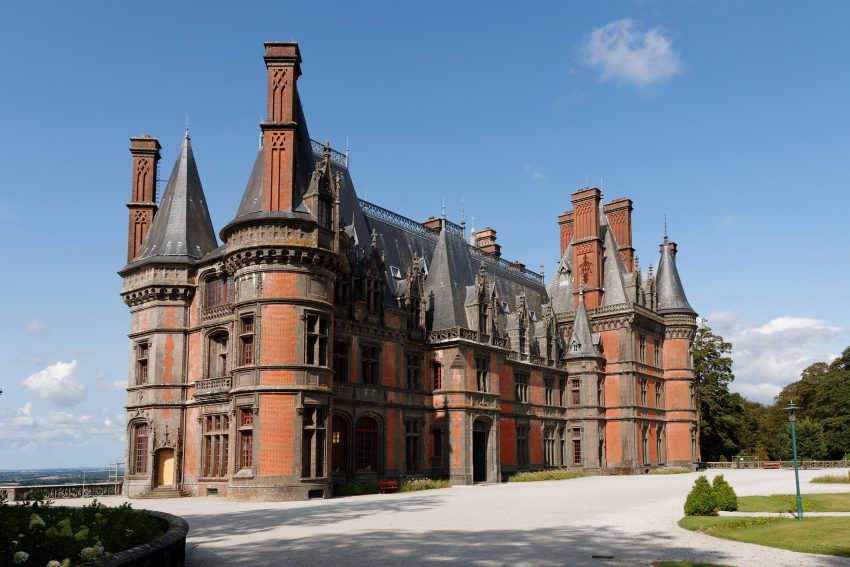
Location: Domaine de Trévarez, Domaine de Trévarez, Saint-Goazec, France | Hours: Daily: 15:00 to 20:30; Closed on Tuesdays | Price: €10 | Website | Distance: 27.7km
Visiting Château de Trévarez
4. Pont-Aven
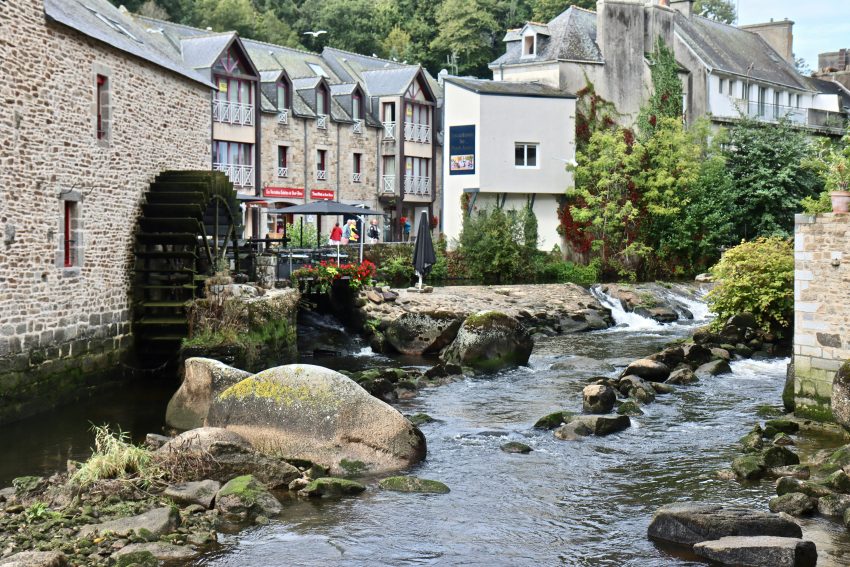
Location: Pont-Aven, France | Hours: Town streets are free; museum entry varies by season and exhibition. | Price: Outdoor areas are always accessible; museum, galleries, and shops keep their own schedules. | Distance: 30.4km
Visiting Pont-Aven
5. Pointe du Raz

Location: Pointe du Raz, Plogoff, France | Hours: Outdoor site accessible year-round; facilities and visitor services may be seasonal | Price: Free to access the headland; parking may be paid depending on the site’s current arrangements. | Website | Distance: 48.1km
Visiting Pointe du Raz
6. Brest
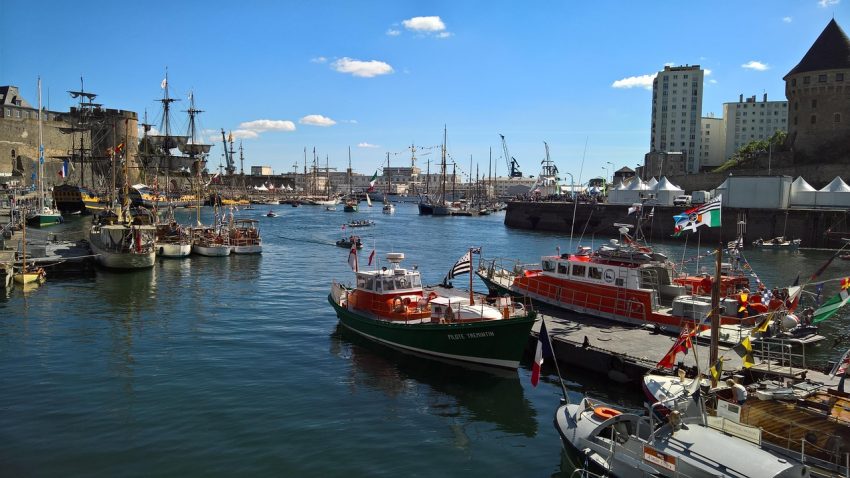
Visiting Brest
7. Carnac Stones
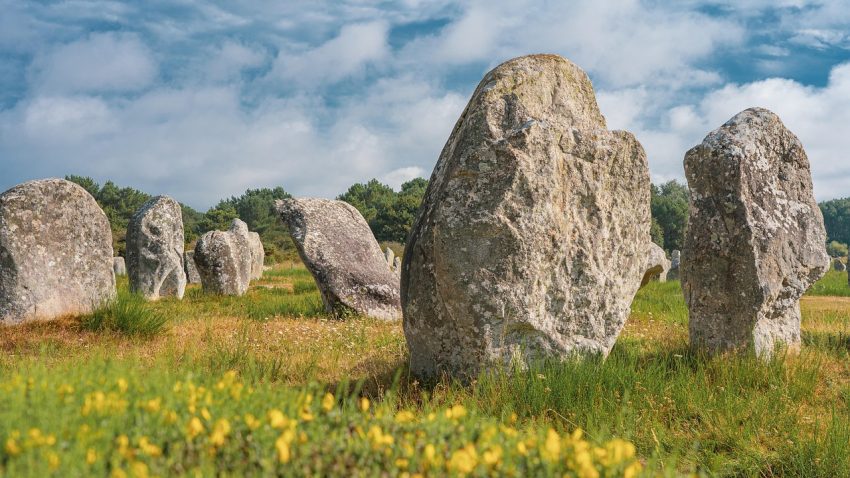
Location: Alignements of Carnac, Carnac, France | Hours: (Summer) 01 April – 30 June: 09:30–18:00; 01 July – 31 August: 09:30–19:00; 01 September – 30 September: 09:30–18:00. (Winter) 01 October – 31 March: 10:00–13:00 & 14:00–17:00. Closed on 01 January, 01 May & 25 December. | Price: Guided visit inside the alignments €13 (adult); €6 (ages 7–17); free under 7. | Website | Distance: 88.1km
Visiting Carnac Stones
8. Vannes
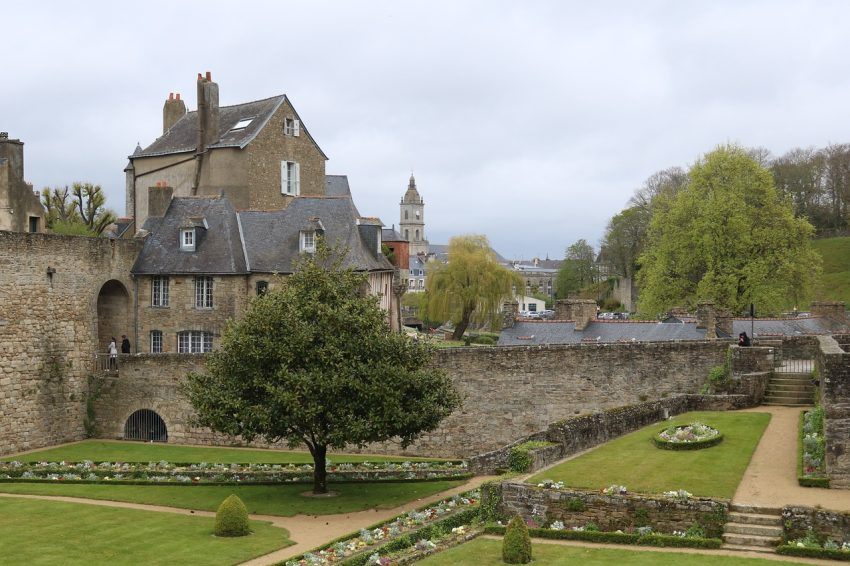
Visiting Vannes
9. Dinan
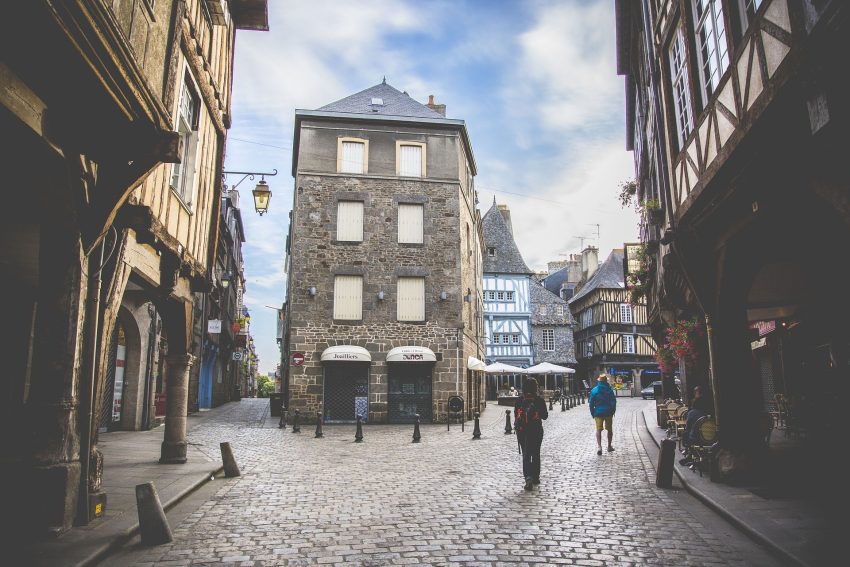
Visiting Dinan
Where to Stay in Quimper
In the winding lanes of Quimper’s medieval centre, timber-framed houses and cathedral spires provide a story-book backdrop for intimate boltholes. Hôtel Beaumont occupies a 19th-century mansion just off Place Saint-Corentin, with refined décor that complements its original woodwork and a discreet courtyard for morning coffee. Just a block away, Best Western Plus Hôtel Kregenn blends contemporary comforts—like a serene spa and polished marble bathrooms—with classic Breton charm, while Hôtel de la Corniche perches beside the cathedral garden, offering bright rooms and views of Quimper’s historic rooftops from its rooftop terrace.
Along the banks of the Odet River and around the modern shopping quarter of Résidence du Pluguffan, waterside properties and design-led hotels capture the town’s livelier side. Odalys City Quimper provides studio apartments with kitchenette facilities and river-view balconies, ideal for extended stays. A short stroll brings you to Ibis Styles Quimper, where colorful, graphic-print interiors energize bright family rooms, and bike rentals make it easy to explore the towpaths lining the Odet.
Venturing into the rolling countryside just beyond Quimper’s ring road, rural retreats and manor-house guesthouses await amid apple orchards and oak groves. Château de Soye welcomes guests into its stone salons and refined chambres d’hôtes, with manicured gardens and an outdoor pool shaded by chestnut trees. Nearby, Manoir de Kerhuel offers spacious suites in a converted 17th-century manor, a table d’hôtes serving hearty Breton fare, and scenic walking trails that wind through the surrounding farmland.
Using the our Hotel and Accomodation map, you can compare hotels and short-term rental accommodations in Quimper. Simply insert your travel dates and group size, and you’ll see the best deals for your stay.
Quimper Accommodation Map
Best Time to Visit Quimper
Quimper in Spring
Spring is a lovely time to visit Quimper, with mild temperatures, blooming gardens, and a refreshing buzz in the air as the city awakens from winter. From March to May, the half-timbered streets are quieter, and the riverside walks along the Odet become especially pleasant. It’s the perfect season for exploring the old town, visiting pottery workshops, and enjoying a peaceful visit to the Saint-Corentin Cathedral without the summer crowds.
The Quimper pottery museum begins its cultural programming in spring, and cafés open up their terraces. While it’s not high season for festivals, the atmosphere is lively enough to feel welcoming and uncrowded—ideal for travelers who enjoy slower-paced city discovery.
Quimper in Summer
Summer is the most festive and energetic time to experience Quimper. From June through August, the city comes alive with color, music, and movement. The highlight is the Festival de Cornouaille, usually held in July, a week-long celebration of Breton culture featuring traditional dance, bagpipes, costumes, and parades. It’s one of Brittany’s most iconic cultural events and brings a joyful energy to the entire city.
The weather is warm and sunny, perfect for wandering the medieval old town, attending open-air concerts, and enjoying cider and crêpes at outdoor markets. While summer is also the busiest season, the cultural richness and long days make it a fantastic time to explore Quimper.
Quimper in Autumn
Autumn in Quimper, particularly from September to October, is calm, colorful, and full of local flavor. The changing leaves cast a warm glow over the city’s rooftops and riverbanks, and the tourist numbers begin to drop, making it easier to enjoy museums and cafés at a relaxed pace. It’s also a great time for food lovers, as regional harvests bring seasonal dishes and ingredients to markets and restaurants.
Though the big summer festivals have passed, smaller cultural events and concerts continue, and the town retains a lively but laid-back charm. For those seeking a more intimate experience of Quimper and its Breton roots, autumn is a quietly rewarding season.
Quimper in Winter
Winter in Quimper is peaceful and atmospheric, especially during the festive season. From December through February, the streets are dressed in lights, and the Christmas market fills the town center with wooden chalets, mulled cider, and handmade gifts. It’s a cozy time to visit pottery workshops, museums, and bakeries serving buttery Breton pastries.
While temperatures are cool and rainfall is more frequent, the mood is warm and authentic. Winter is also a good time for those who want to enjoy Quimper’s cultural side without the crowds, as many locals remain active in music, art, and theater even during the off-season.
Annual Weather Overview
- January 9°C 52°F
- February 10°C 53°F
- March 12°C 57°F
- April 15°C 63°F
- May 16°C 64°F
- June 20°C 72°F
- July 22°C 76°F
- August 23°C 77°F
- September 21°C 73°F
- October 16°C 64°F
- November 13°C 59°F
- December 11°C 56°F
How to get to Quimper
Getting to Quimper by Air
Quimper is served by Quimper–Cornouaille Airport (UIP), located approximately 8 kilometers southwest of the city center. This airport primarily handles domestic flights, with regular services from Paris-Orly operated by Air France's regional subsidiary, HOP!. Upon arrival, travelers can reach the city center via taxi or car rental services available at the airport.
For international travelers, Brest Bretagne Airport (BES), situated about 90 kilometers north of Quimper, offers a wider range of domestic and limited international flights. From Brest, you can rent a car or take a train to Quimper.
Getting to Quimper by Train
Quimper's railway station, Gare de Quimper, is well-connected to major French cities. High-speed TGV trains run from Paris Montparnasse to Quimper, with a journey time of approximately 3.5 hours. These trains operate multiple times daily, providing a convenient option for travelers. You can use SNCF Connect to check schedules, compare routes, and purchase tickets for National (SNCF ) and regional trains (TER). For a more streamlined experience, we recommend using Omio, which allows you to easily compare prices, schedules, and book tickets for both National and Regional travel across all of Europe, all in one place.
Additionally, regional TER Bretagne trains connect Quimper to other Breton cities such as Brest, Lorient, and Rennes, facilitating easy exploration of the region.
Getting to Quimper by Car
Driving to Quimper offers flexibility and the opportunity to explore the scenic landscapes of Brittany. From Paris, the journey spans approximately 560 kilometers and takes around 5.5 to 6 hours via the A11 and A81 motorways, transitioning to the N165 national road towards Quimper. The route includes toll roads, so it's advisable to have a payment method ready for these fees. [care_hire_text]
Travelling around Quimper
Once in Quimper, the city offers various transportation options for getting around:
- Public Buses: The QUB network operates local bus services throughout Quimper and its suburbs, with routes connecting key areas, including the city center, train station, and residential neighborhoods.
- Walking and Cycling: Quimper’s compact city center is pedestrian-friendly, making walking an enjoyable way to explore. Bicycle rentals are also available for those who prefer cycling.
- Taxis and Ride-Sharing: Taxis are readily available, and ride-sharing services operate in the area, offering convenient options for short trips or travel outside regular public transport hours.
Navigating Quimper is straightforward, allowing visitors to experience the city’s rich cultural heritage and charming streets with ease.