Pollenca, Spain: The Ultimate Travel Guide 2026
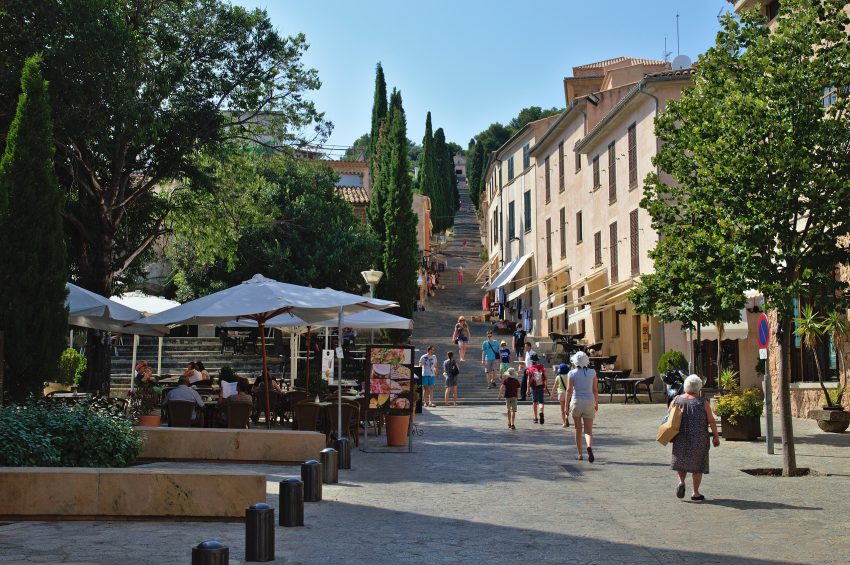
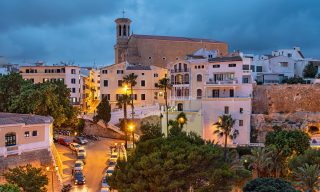
Nestled at the eastern edge of the Serra de Tramuntana, Pollença, also spelled as Pollenca or Pollensa, is a captivating rural town steeped in history. This charming Mallorcan town boasts a wealth of ancient architecture crafted from blonde stone, setting it apart from many other tourist-driven destinations. While tourism has long been a draw here, Pollensa has managed to embrace and adapt to it without sacrificing its authentic character.
The town’s inhabitants are predominantly locals, making it a favored haven for those seeking a more culturally immersive Mallorcan experience, away from the bustling tourist beach resorts. Pollença thrives on café culture, especially on Sunday mornings when Plaça Major transforms into a vibrant marketplace, drawing both locals and visitors for leisurely café gatherings. While boutique hotels are available in town, the lush countryside and surrounding hills offer luxury retreats and spacious villas for those seeking a quieter escape.
Rich in history, Pollença boasts numerous points of interest that beckon travelers from afar. Some noteworthy highlights include the ancient Roman bridge known as the ‘Pont Romà,’ the 18th-century Mare de Deu dels Angels church adorned with a renowned rose window, and the Convent de Sant Domingo. The picturesque countryside surrounding Pollença also features enchanting ancient monasteries.
A few kilometers to the north, you’ll find Pollença’s port, Port de Pollença, which boasts magnificent beaches and a diverse selection of restaurants and cafés for further relaxation and enjoyment.
History of Pollenca
Although the majority of the buildings in Pollenca were built in the 17th and 18th centuries, this is a town rich in history dating back to medieval times.
Roman times
In 123 B.C., the Romans landed in Mallorca and set up their base in an area close to what is now known as Alcúdia. Their settlement was named Pollentia, from which Pollenca later got its name. This was a time of peace on the island, until 440 A.D. when vandals caused destruction and those who survived the attack fled the island.
Pollença in the Middle Ages
Pollenca, as we know it today, was founded in the late 12th century by the Arabs who set up a settlement in its current location. After King Jaume I conquered Majorca between 1229 and 1231, Pollenca was gifted to the Knights Templar by the king. During this time, the church in the main square, Parròquia de la Mare de Déu del Àngels (Parish of Our Lady of the Angels) began to be built. Following a conspiracy led by the King of France, this period of calm and prosperity came to an end during the 14th century, and the knights fled the island.
From the 16th to the 20th century
From this time onwards, there were continued attacks on this part of the island by pirates and watchtowers such as the Atalaya de Albercutx were built along the coast. The most famous one took place in 1550 when Joan Mas led a small band of locals armed only with sticks to fight off the Moorish bandits. This is celebrated with La Patrona Festival each August. The Jesuits arrived in Pollença and in 1697 constructed the iconic church, Monti Sion, situated close to the foot of the Calvari steps.
The arrival of tourism
Until the early 1900s, Pollença was mainly an agricultural town and, in fact, its coastline was sparsely populated. It all changed with the turn of the century when its port town, Port de Pollença, was developed as a tourist hub, mainly thanks to the artists who arrived here attracted by its landscapes and light. The “Escuela Pictórica de Pollença” included famous Catalan painters such as Hermenegildo Anglada-Camarasa, Santiago Rusiñol or Joaquim Mir as well as local artist Dionis Bennassar. It was in the 1960s when the tourist boom really reached Pollença so much that around a 70% of the town’s economy today is based on this industry. However, Pollenca still remains very much untouched, providing a glimpse into the traditional life of the Mallorquins.

Moira & Andy
Hey! We're Moira & Andy. From hiking the Camino to trips around Europe in Bert our campervan — we've been traveling together since retirement in 2020!
Visiting Pollenca for the first time and wondering what are the top places to see in the city? In this complete guide, I share the best things to do in Pollenca on the first visit. To help you plan your trip, I have also included an interactive map and practical tips for visiting!
This website uses affiliate links which earn a small commission at no additional cost to you.
5 Best places to See in Pollenca
This complete guide to Pollenca not only tells you about the very best sights and tourist attractions for first-time visitors to the city but also provide insights into a few of our personal favorite things to do.
This is a practical guide to visiting the best places to see in Pollenca and is filled with tips and info that should answer all your questions!
1. Mare de Deu dels Angels Church
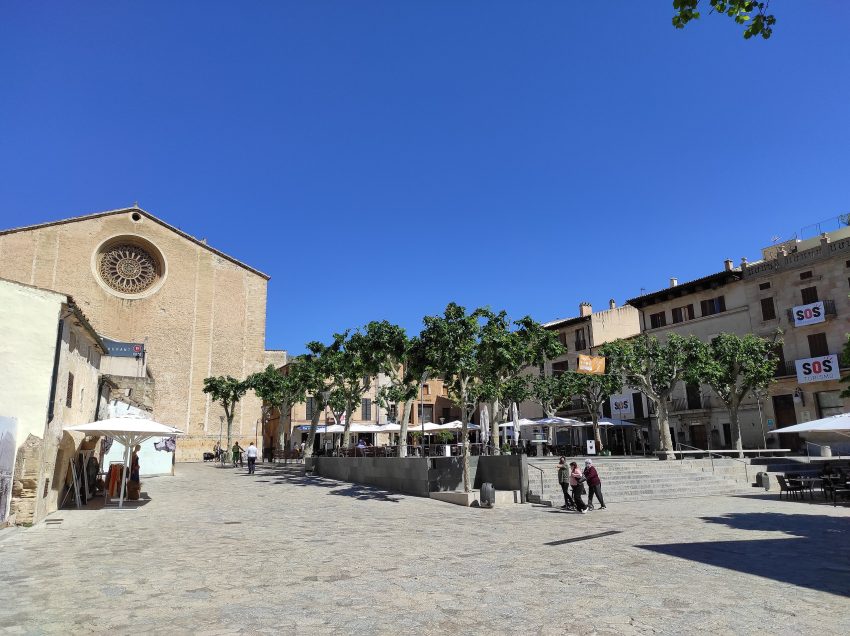
Location: Església Santa Maria de Pollença, Plaça Major, Pollença, Spain | Hours: Typically open during daytime and early evening, with extended access around services and feast days; exact hours can vary. | Price: Free entry; donations for the upkeep of the church and artworks are appreciated. | Distance: 0.0km

2. Calvari Steps in Pollensa
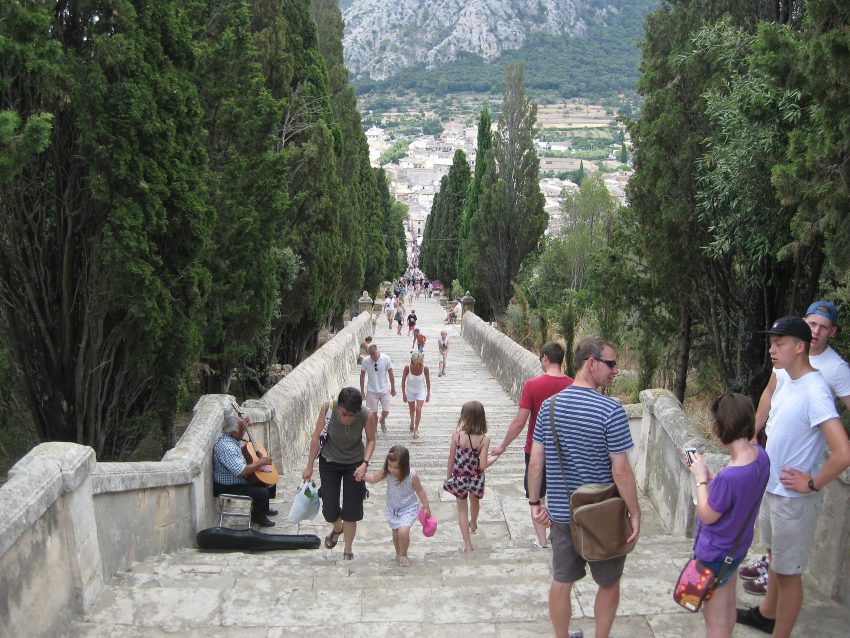
| Hours: The stairway is accessible at all times the chapel is generally open during daytime hours and around services. | Price: Free to climb the steps and visit the chapel donations for upkeep are appreciated. | Distance: 0.2km
3. Convent of Sant Domingo
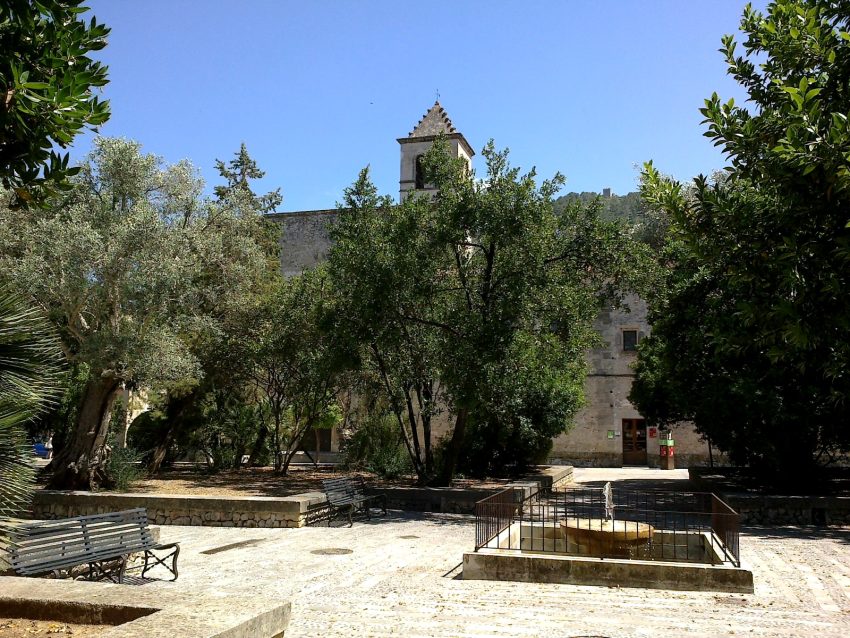
Location: Carrer de Sant Domingo, Pollença, Spain | Hours: May-October: Monday to Friday from 8.30 to 16.00. Sundays from 10.00 to 13.00. Saturdays and holidays closed. November-April: Monday to Friday from 8:00 to 10:30 and 11:00 to 15:00. Saturdays, Sundays and holidays closed. | Distance: 0.2km
4. Pont Roma
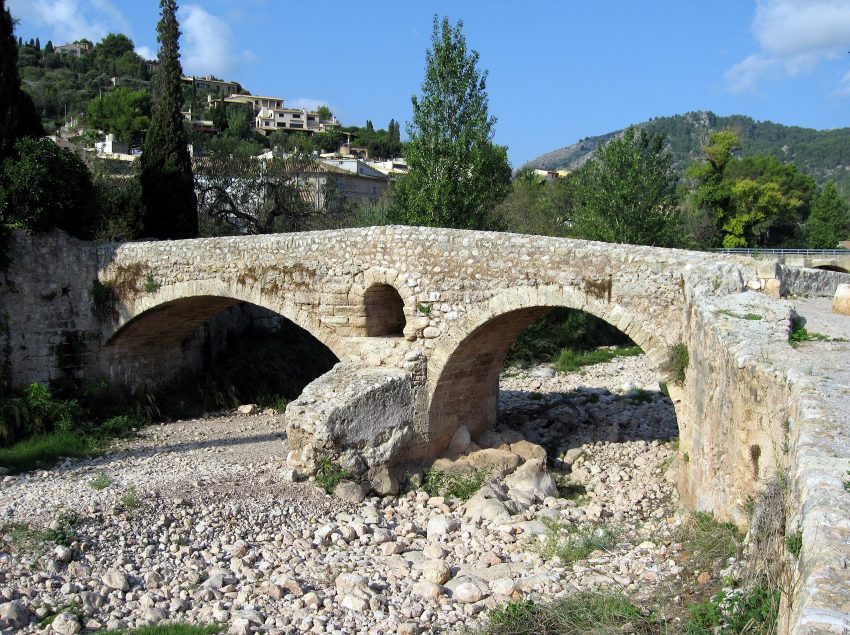
Location: Pont Romà, Carrer del Pont Romà, Pollença, Spain | Hours: Accessible at most times as an outdoor site | Price: Free to visit; the bridge and surroundings are accessible as an open historic site. | Distance: 0.6km
5. Santuari del Puig de Maria
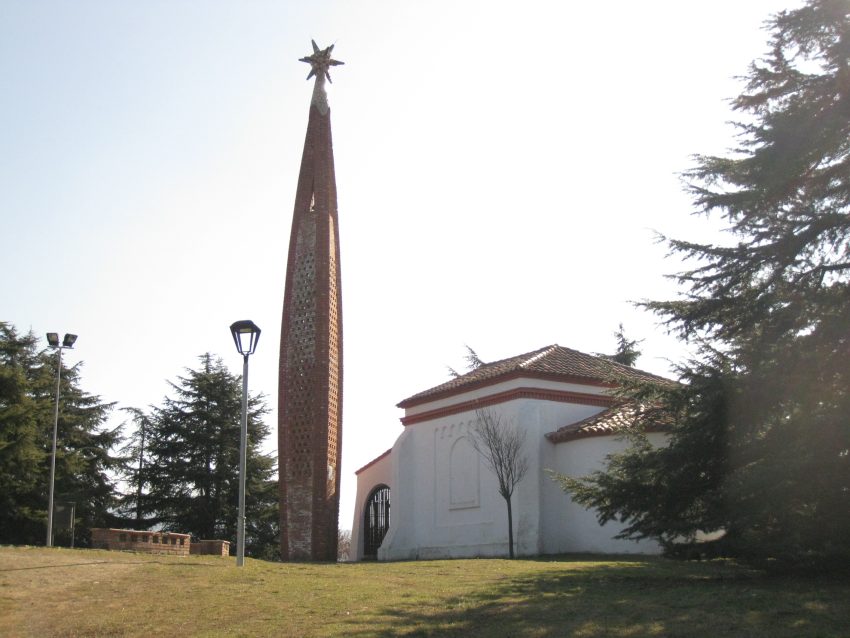
Location: Santuari de la Mare de Déu del Puig, Pollença, Spain | Hours: Opening times vary by season and event schedule. | Price: Expect a modest fee or free entry for the museum and cloister. | Distance: 1.0km
Best Day Trips from Pollenca
A day trip from Pollenca offers the perfect opportunity to escape the urban rhythm and discover the surrounding region's charm. Whether you're drawn to scenic countryside, historic villages, or cultural landmarks, the area around Pollenca provides a variety of easy-to-reach destinations ideal for a one-day itinerary. If you are looking to rent a car in Spain I recommend having a look at Discover Cars, first, as they compare prices and review multiple car rental agencies for you.
1. Santuari de Lluc
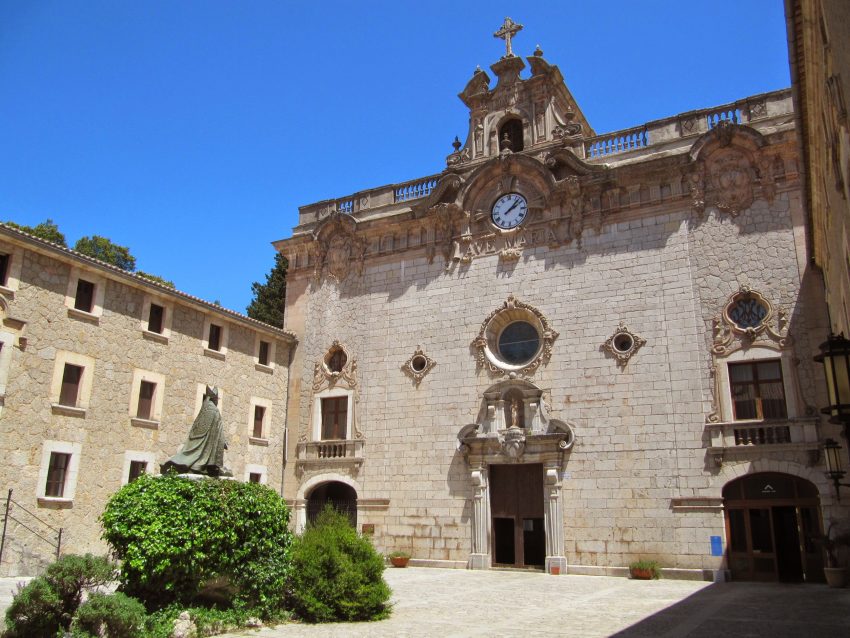
Location: Santuari de Lluc, Plaça dels Pelegrins, Lluc, Spain | Hours: You can visit the museum from 10:00 to 14:00 (except Saturdays), while the botanical gardens are open from 10:00 to 13:00 and 15:00 to 18:00. | Price: Adults: €5.00 | Website | Distance: 12.8km
Visiting Santuari de Lluc
2. Cap de Formentor Lighthouse
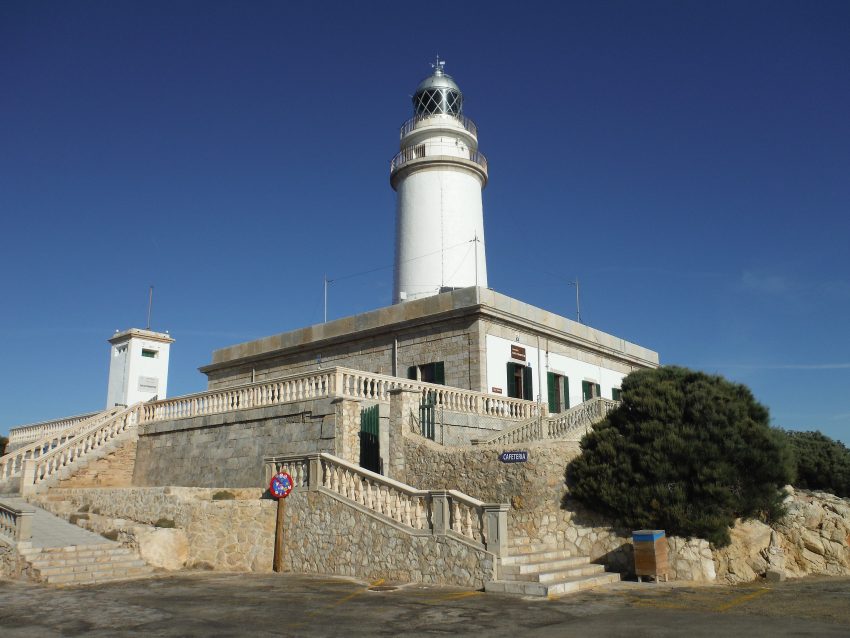
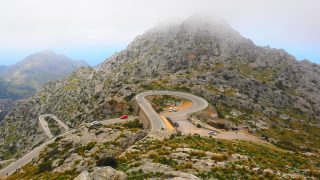
Location: Lighthouse of Cap de Formentor, Pollença, Spain | Hours: Access to the road and parking can be restricted at certain times | Price: Free to visit the viewpoints | Distance: 19.2km
Visiting Cap de Formentor Lighthouse
3. Cuevas del Hams

Location: Cuevas Dels Hams, Ctra. Ma-4020 Manacor–Porto Cristo, Porto Cristo, Spain | Hours: Daily: 10:00–17:00. | Price: Adults: €17; Children (3–12): €11; Under 3: free. | Website | Distance: 45.1km
Visiting Cuevas del Hams
4. Palma de Mallorca
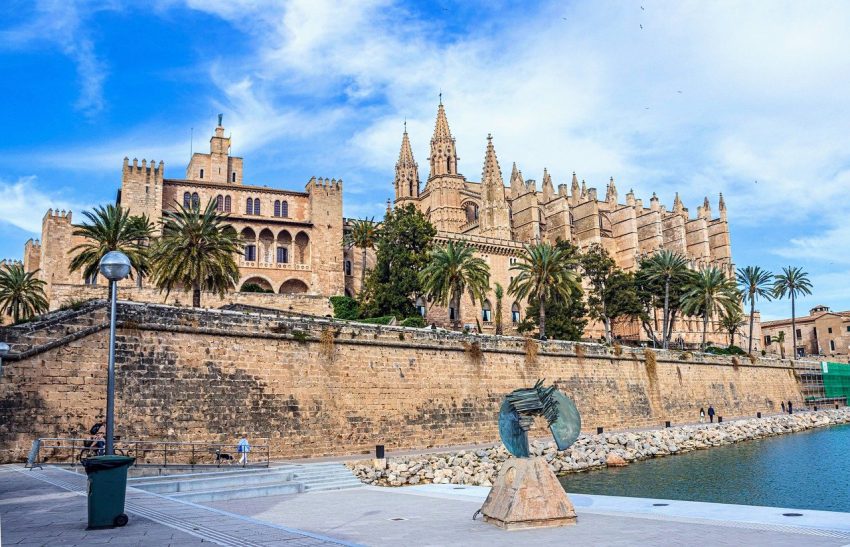
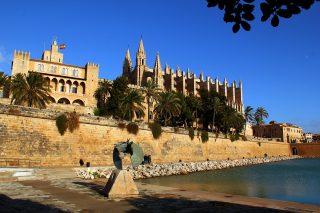
Visiting Palma de Mallorca
5. Cuevas del Drach
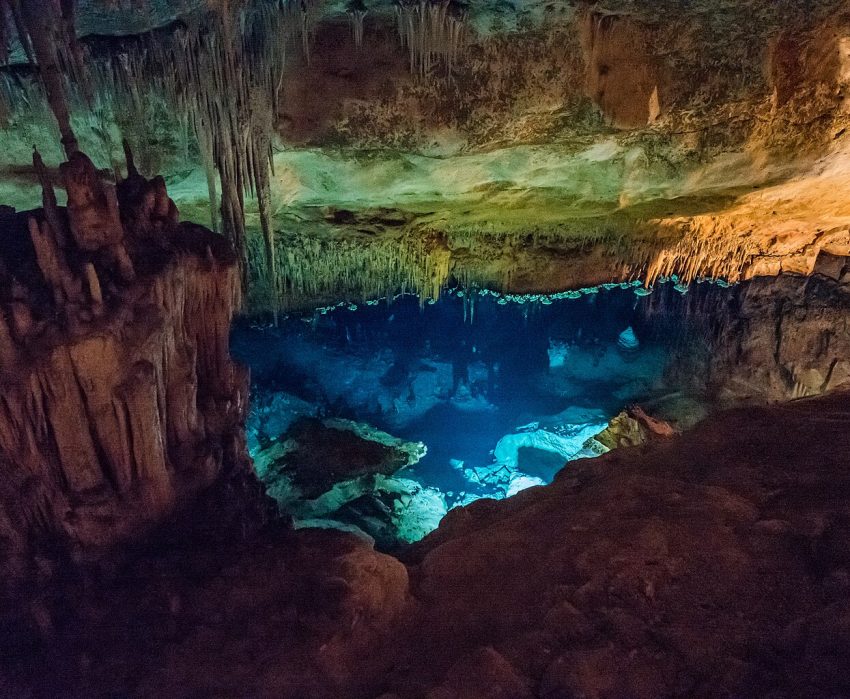
Location: Cuevas del Drach, Carretera de les Coves, Porto Cristo, Spain | Hours: 01 November to 12 March: 10:30 a.m., 12 p.m., 2 p.m. and 3:30 p.m. 13 March to 31 October: 10 a.m., 11 a.m., 12 p.m., 2 p.m., 3 p.m., 4 p.m. and 5 p.m. | Price: €16,50 | Website | Entrance, Music Concert and Boat Trip Tickets | Distance: 46.5km
Visiting Cuevas del Drach
6. Ciutadella de Menorca

Visiting Ciutadella de Menorca
7. Mahon

Visiting Mahon
Where to Stay in Pollenca
Staying in the historic town center offers access to boutique hotels, charming squares, and a vibrant cultural scene. For a beachside retreat, Puerto Pollensa provides seafront resorts and stunning views of the Mediterranean.
A 3 to 4-day stay is perfect for exploring Pollenca’s cobbled streets, visiting Cap de Formentor, and hiking in the Tramuntana Mountains. A 5-day stay allows for exploring nearby Alcudia, Cala San Vicente, or taking a boat trip along the coast.
Using the our Hotel and Accomodation map, you can compare hotels and short-term rental accommodations in Pollenca. Simply insert your travel dates and group size, and you’ll see the best deals for your stay.
Pollenca Accommodation Map
Best Time to Visit Pollenca
Visiting Pollenca in Spring
Spring, from March to May, is an ideal time to visit Pollenca. The weather is mild and pleasant, with temperatures ranging from 15°C to 25°C (59°F to 77°F). This season is perfect for exploring the town’s beautiful landscapes, enjoying outdoor activities, and witnessing the blooming flowers and vibrant greenery.
Visiting Pollenca in Summer
Summer, from June to August, is the peak tourist season in Pollenca. The weather is warm to hot, with temperatures often reaching 30°C (86°F) or higher. This is the best time to enjoy the town’s beaches, participate in water sports, and experience local festivals and events. The evenings are especially pleasant for strolling through the old town and dining outdoors.
Visiting Pollenca in Autumn
Autumn, from September to November, is another excellent time to visit Pollenca. The temperatures are cooler, ranging from 20°C to 25°C (68°F to 77°F), making it comfortable for sightseeing and outdoor activities. The autumn colors add a beautiful backdrop to the town’s landscapes, and the tourist crowds from summer have diminished, allowing for a more relaxed experience.
Visiting Pollenca in Winter
Winter, from December to February, is mild in Pollenca, with temperatures averaging between 10°C and 15°C (50°F to 59°F). This is the off-peak tourist season, offering a quieter and more relaxed atmosphere. Winter is a good time to explore indoor attractions, enjoy local cuisine, and experience the town’s charm without the crowds. The festive holiday decorations and events add charm to Pollenca during this season.
Annual Weather Overview
- January 13°C 60°F
- February 14°C 61°F
- March 15°C 63°F
- April 17°C 66°F
- May 21°C 74°F
- June 27°C 84°F
- July 30°C 89°F
- August 30°C 89°F
- September 26°C 82°F
- October 23°C 78°F
- November 18°C 68°F
- December 15°C 63°F
How to get to Pollenca
Getting to Pollenca By Plane
The Son Sant Joan Airport of Majorca is located about eight kilometres from the capital Palma. And Pollensa is located about 58 km. from the capital city Palma de Mallorca.
Getting to Pollenca By Car
Pollenca is conveniently reachable from Palma airport via the MA-13 motorway, offering a smooth 40-minute drive. To reach Pollenca, exit the MA-2200, which is clearly marked with signs pointing in the direction of Pollenca.
Getting to Pollenca By Train and Bus
Although there are no direct bus routes from the airport to Pollenca, you can take bus number 1 to the bus station located at Plaça Espanya. From there, you can board the 340 TIB bus, which departs once per hour and takes less than an hour to reach Pollenca.
Private Transfer to Pollenca
Arranging a private transfer to Pollença offers a comfortable and convenient way to travel to this charming town in the northern part of Mallorca. Private transfers can be booked in advance through numerous local and online companies, providing a seamless travel experience right from your arrival at the airport or from any point on the island. These services typically offer a choice of vehicles to suit different group sizes and preferences, ranging from luxury sedans to larger vans for families or groups. Drivers are professional and usually fluent in multiple languages, enhancing the travel experience with their local knowledge and tips about Pollença and its surroundings. Opting for a private transfer not only ensures that you bypass the stress of navigating public transportation or car rentals but also allows you to enjoy a personalized, direct route to your destination with all the comfort and privacy you desire. This service is particularly advantageous for those looking to maximize their holiday time in Pollenca, providing a swift, efficient, and relaxing start to your visit.