Linz, Austria: The Ultimate Travel Guide 2026
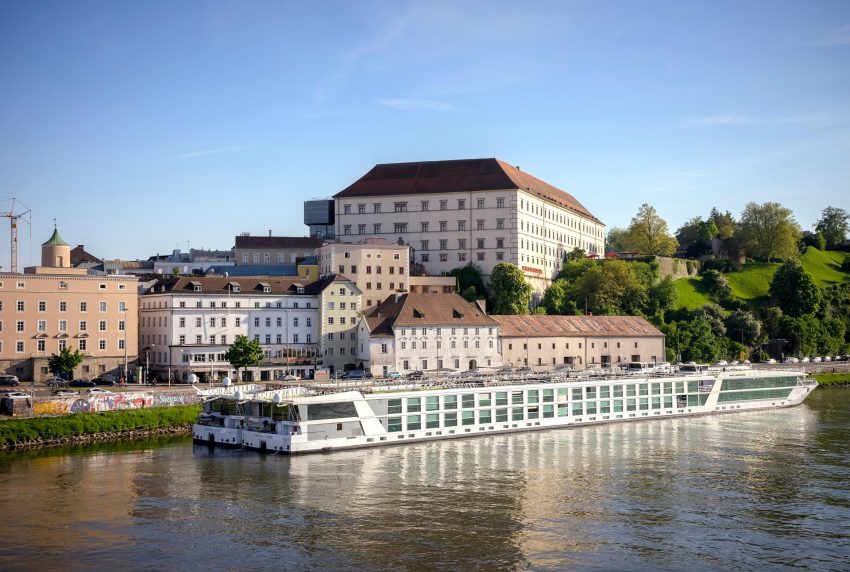
Linz is a lively Danube city that blends contemporary culture with an easy, walkable core, making it a great base for a short city break or a longer stay. You'll find a strong mix of museums, riverfront promenades, modern architecture, and classic Austrian cafés, with plenty to do both day and night. The city feels creative and student-influenced, yet it's also relaxed-ideal if you want culture without the crowds of larger capitals.
Set in Upper Austria, Linz works well for travelers who like to combine urban sightseeing with quick nature escapes. Within a short ride you can reach viewpoints, riverside cycling paths, and green hills, while the center offers a compact cluster of sights around the Hauptplatz and the Danube. It's also a convenient stop on many Austria itineraries, especially if you enjoy art, music, and design.
Plan at least two days to get a satisfying feel for Linz: one for the old town, museums, and the riverfront, and another for hilltop views, local food, and a deeper dive into the city's modern cultural scene. Evenings are particularly enjoyable along the Danube, where bars, restaurants, and seasonal events create a friendly atmosphere without feeling overly touristy.
Table of Contents
- History of Linz
- Early Linz: Roman Roots and the Birth of a Town
- Medieval Linz: Markets, Fortifications, and Civic Growth
- Renaissance and Baroque Linz: Courtly Influence and Cultural Flourishing
- Industrial Linz: 19th Century Transformation
- 20th Century Linz: Upheaval, Reconstruction, and Reinvention
- Contemporary Linz: Culture, Technology, and a Modern City Identity
- 19 Best places to See in Linz
- 6 Best Day Trips from Linz
- Where to Stay in Linz
- Best Time to Visit Linz
- How to get to Linz
History of Linz
Early Linz: Roman Roots and the Birth of a Town
Linz traces its earliest urban development to Roman times, when a settlement and fortification helped secure routes and trade along the river. Over time, the area grew into a strategic node for commerce and administration, laying the groundwork for a permanent town.
As the Roman era faded, Linz continued to develop through early medieval structures of power and trade. Its position on important routes supported markets and crafts, helping the settlement evolve from a fortified point into a recognizable urban community.
Medieval Linz: Markets, Fortifications, and Civic Growth
During the Middle Ages, Linz expanded as a market town with increasing civic organization. Trade, guild activity, and the strengthening of municipal rights contributed to a more complex urban identity, while fortifications and prominent buildings reflected rising importance.
Religious institutions and regional rulers influenced the city’s shape and economy, and Linz became a place where political authority and commercial life intersected. The medieval period established many of the patterns—central squares, trading functions, and civic administration—that still define the city’s core.
Renaissance and Baroque Linz: Courtly Influence and Cultural Flourishing
In the early modern period, Linz benefited from periods of courtly presence and administrative significance. This helped stimulate building projects and cultural life, with architectural styles shifting toward Renaissance and later Baroque tastes.
The city’s public spaces and representative buildings were enhanced, and Linz’s role as a regional center strengthened. These centuries left a visible legacy in churches, façades, and urban planning elements that continue to shape the city’s atmosphere.
Industrial Linz: 19th Century Transformation
The 19th century brought major economic and social change as industry expanded and infrastructure modernized. New transport links and industrial facilities reshaped employment, migration patterns, and the city’s physical footprint.
Linz increasingly became associated with manufacturing and technological development. This era also introduced new civic institutions and a growing middle class, which influenced education, culture, and public life.
20th Century Linz: Upheaval, Reconstruction, and Reinvention
The 20th century was marked by profound political upheavals and wartime impacts, followed by reconstruction and rapid modernization. Postwar decades saw renewed growth, with industry remaining important while the city also invested in public services and urban development.
Later in the century, Linz began to reposition itself culturally, supporting contemporary art, music, and new media. This shift helped broaden the city’s identity beyond industry, setting the stage for a more diverse and forward-looking cultural profile.
Contemporary Linz: Culture, Technology, and a Modern City Identity
In recent decades, Linz has strengthened its reputation for innovation in arts and technology, with institutions and events that emphasize digital culture and experimental creativity. Urban renewal projects and riverfront improvements have enhanced livability and visitor appeal.
Today, Linz balances its industrial heritage with a confident cultural scene, offering a mix of historical layers and modern experiences that continue to evolve year by year.

Moira & Andy
Hey! We're Moira & Andy. From hiking the Camino to trips around Europe in Bert our campervan — we've been traveling together since retirement in 2020!
Visiting Linz for the first time and wondering what are the top places to see in the city? In this complete guide, I share the best things to do in Linz on the first visit. To help you plan your trip, I have also included an interactive map and practical tips for visiting!
This website uses affiliate links which earn a small commission at no additional cost to you.
19 Best places to See in Linz
This complete guide to Linz not only tells you about the very best sights and tourist attractions for first-time visitors to the city but also provide insights into a few of our personal favorite things to do.
This is a practical guide to visiting the best places to see in Linz and is filled with tips and info that should answer all your questions!
1. Trinity Column
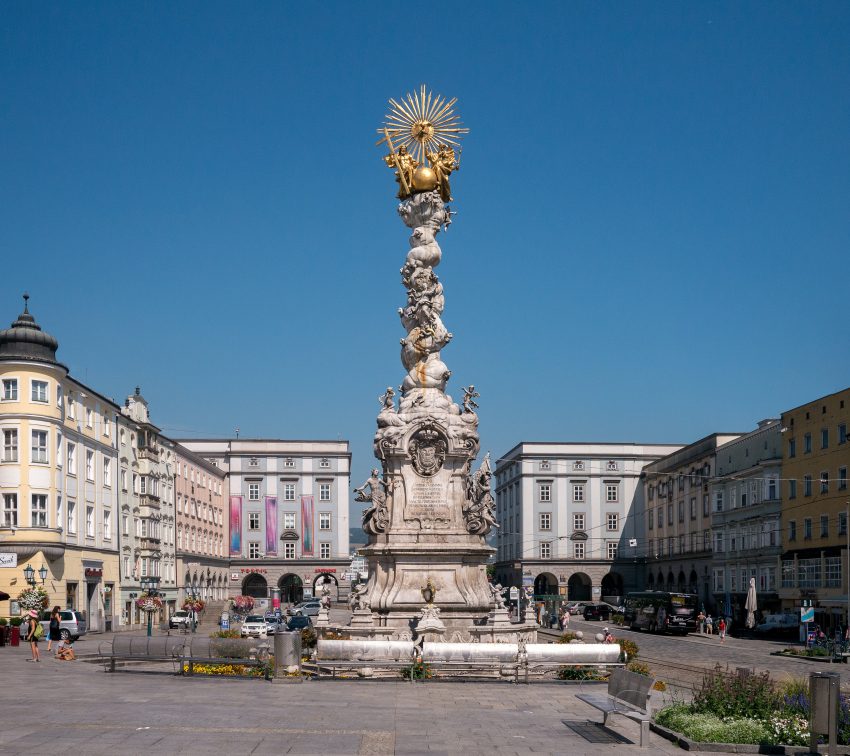
Location: Hauptpl., 4020 Linz, Austria | Hours: 24 Hours. | Price: Free. | Website | Distance: 0.1km

2. Keplerhaus
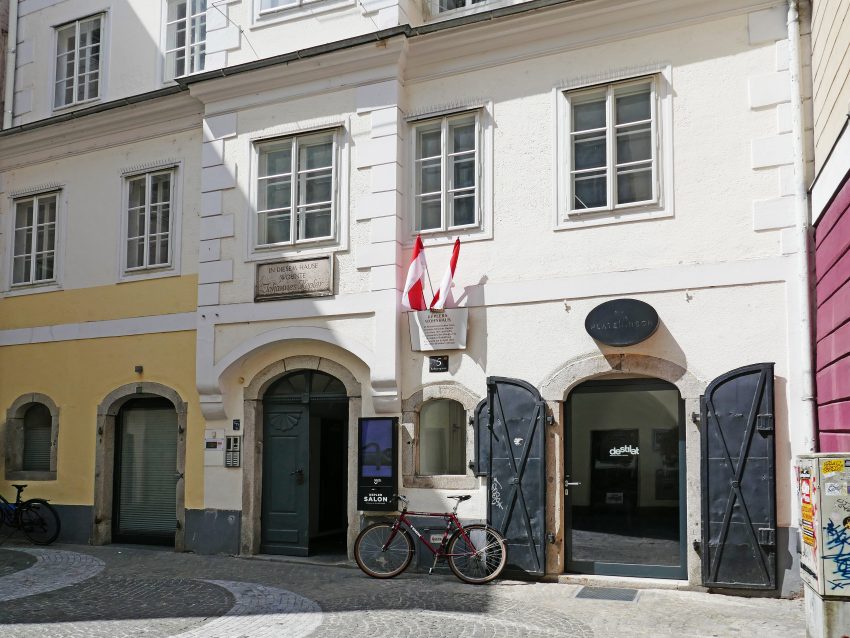
Location: Rathausgasse 3, 4020 Linz, Austria | Hours: Daily: 10:00–17:00. | Price: Free. | Website | Distance: 0.1km
3. Hauptplatz
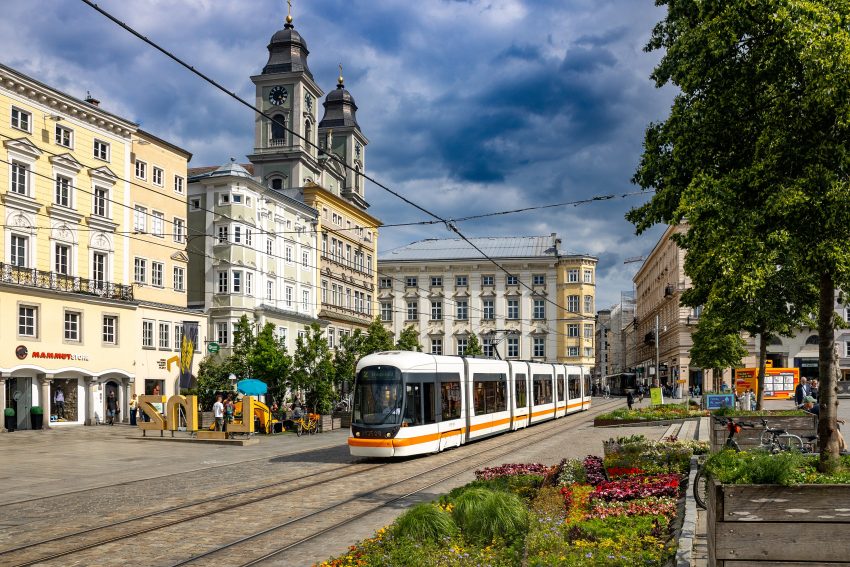
Location: Hauptpl., 4020 Linz, Austria | Hours: 24 Hours. | Price: Free. | Distance: 0.2km
4. Altes Rathaus
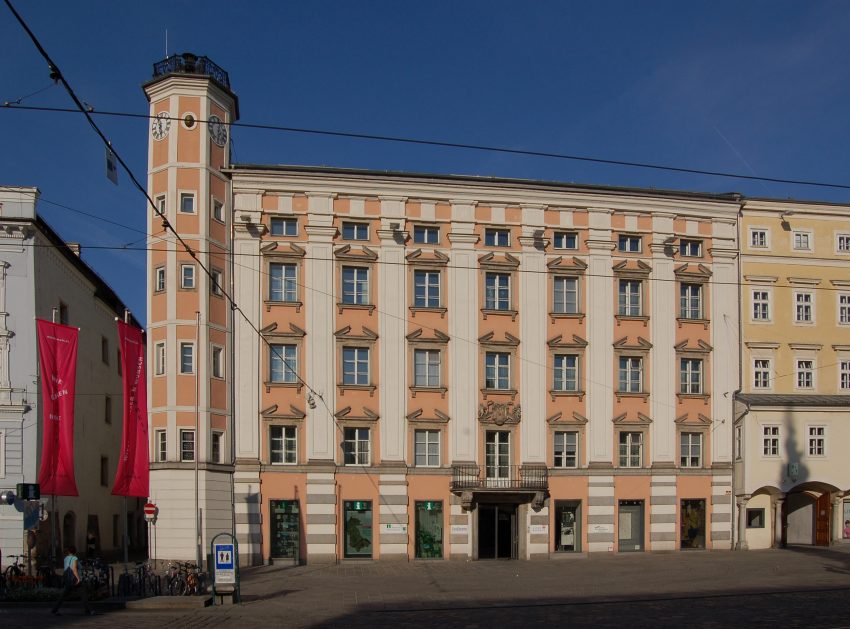
Location: Hauptpl. 1 - 5, 4041 Linz, Austria | Hours: Daily: 10:00–17:00. | Price: Free. | Website | Distance: 0.2km
5. Linz Castle
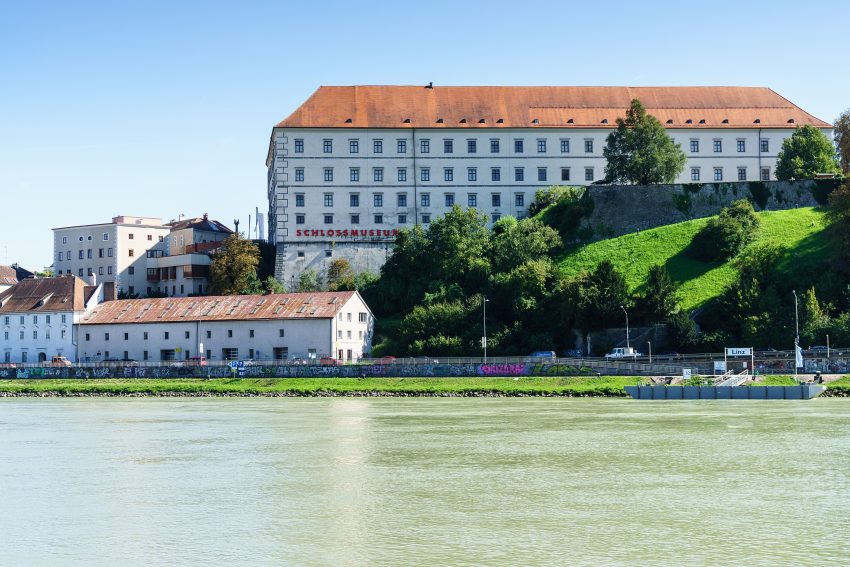
Location: Schlossberg 1, 4020 Linz, Austria | Hours: Tuesday – Sunday: 10:00–18:00. Closed on Monday. | Price: Adults: €6.50; Students: €3. | Website | Distance: 0.2km
6. Landhaus
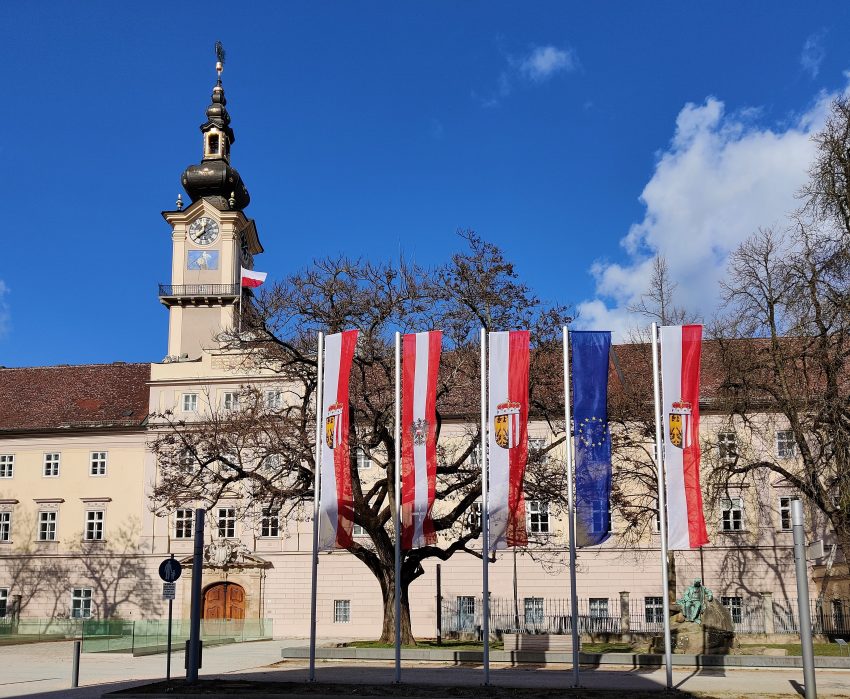
Location: Landhausplatz 1, 4020 Linz, Austria | Hours: Daily: 10:00–17:00. | Price: Free. | Website | Distance: 0.3km
7. Alter Dom
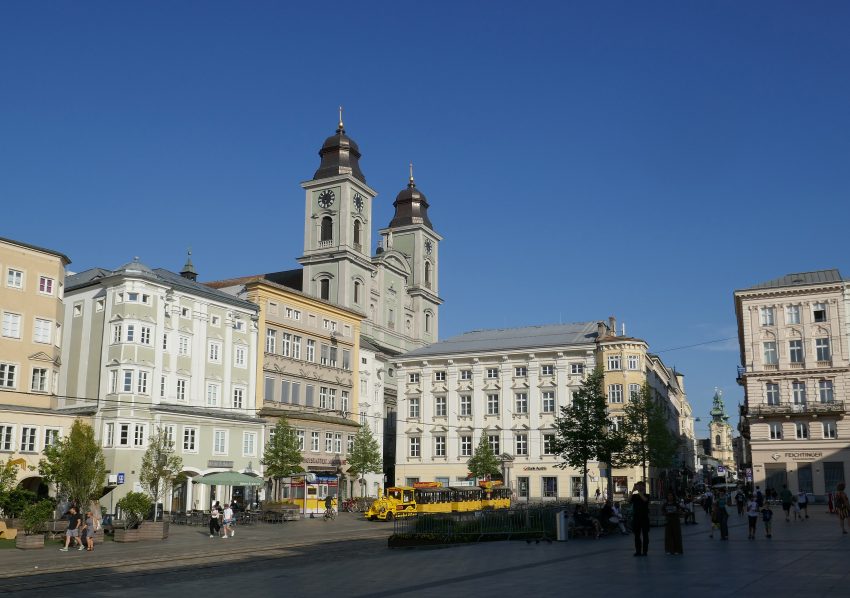
Location: Domgasse 3, 4020 Linz, Austria | Hours: Daily: 08:00–18:00. | Price: Free; donations appreciated. | Website | Distance: 0.3km
8. Doctor Bloch's Office
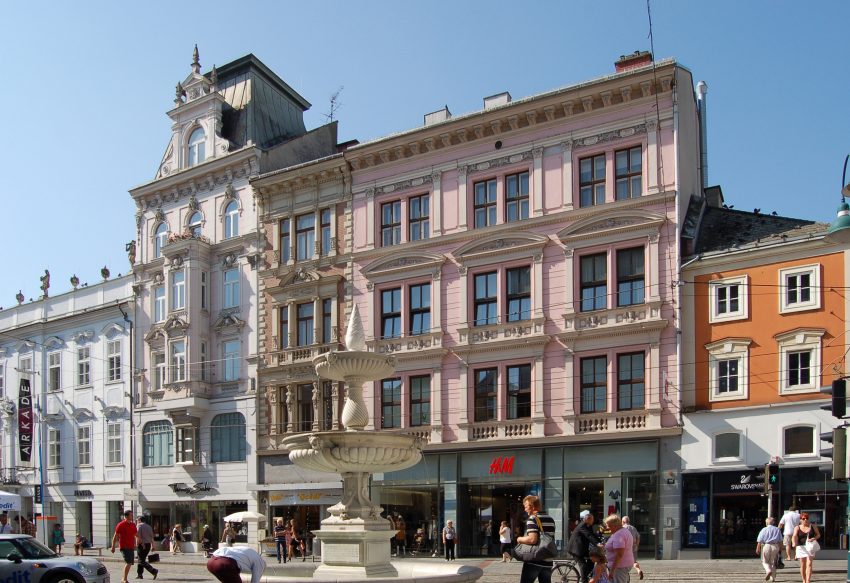
Location: Am Winterhafen 24, 4020 Linz, Austria | Hours: Check official website. | Price: Check official website. | Distance: 0.4km
9. Landestheater
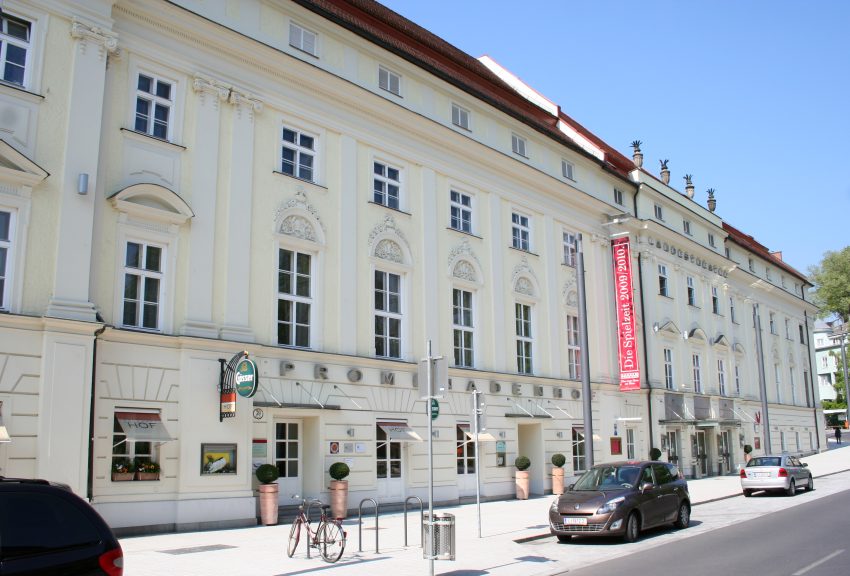
Location: Promenade 39, 4020 Linz, Austria | Hours: Monday – Friday: 09:00–18:00. Saturday: 09:00–12:30. Closed on Sunday. | Price: From €5 (varies by show and seating). | Website | Distance: 0.4km
10. Martinskirche
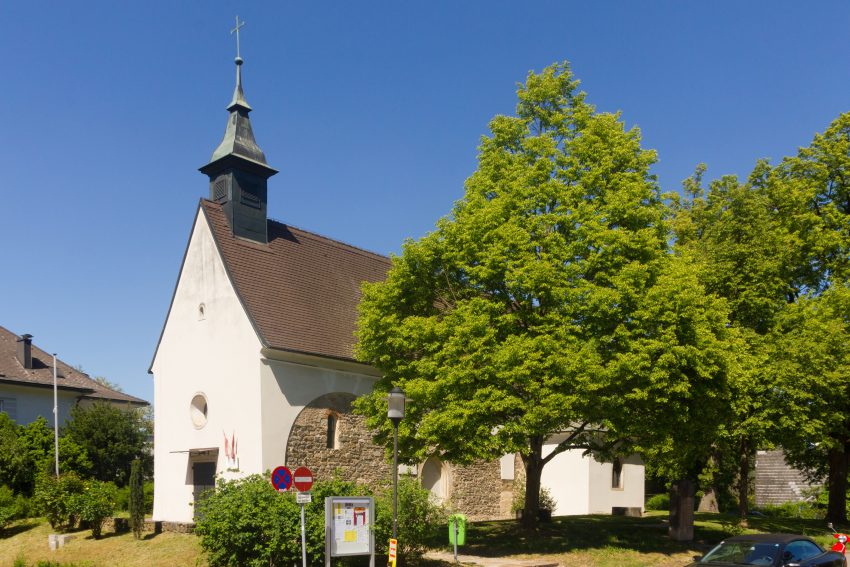
Location: 4020 Linz, Austria | Hours: Friday: 14:00–16:00. Sunday: 09:45–11:00. | Price: Free; donations appreciated. | Website | Distance: 0.5km
11. OK Center for Contemporary Art
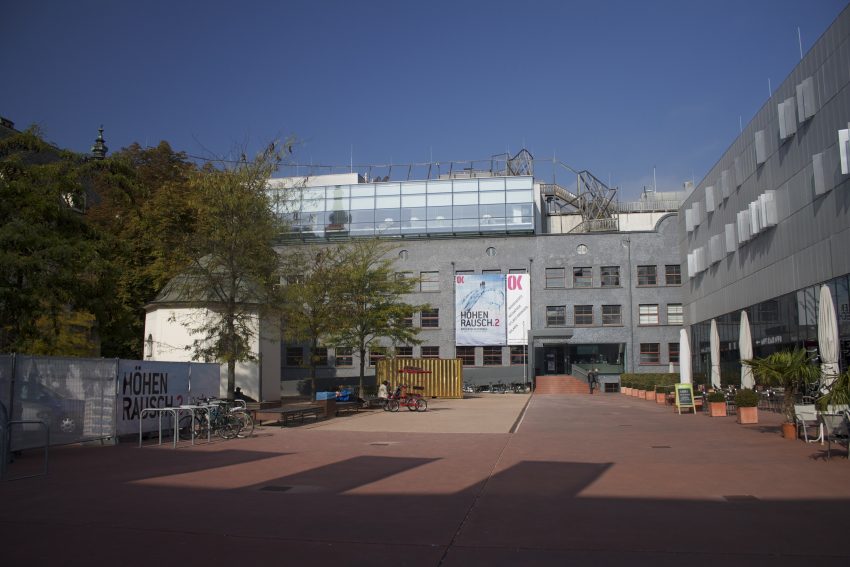
Location: OK-Platz 1, 4020 Linz, Austria | Hours: Tuesday – Sunday: 10:00–18:00. Closed on Monday. | Price: Check official website. | Website | Distance: 0.6km
12. Bischofshof
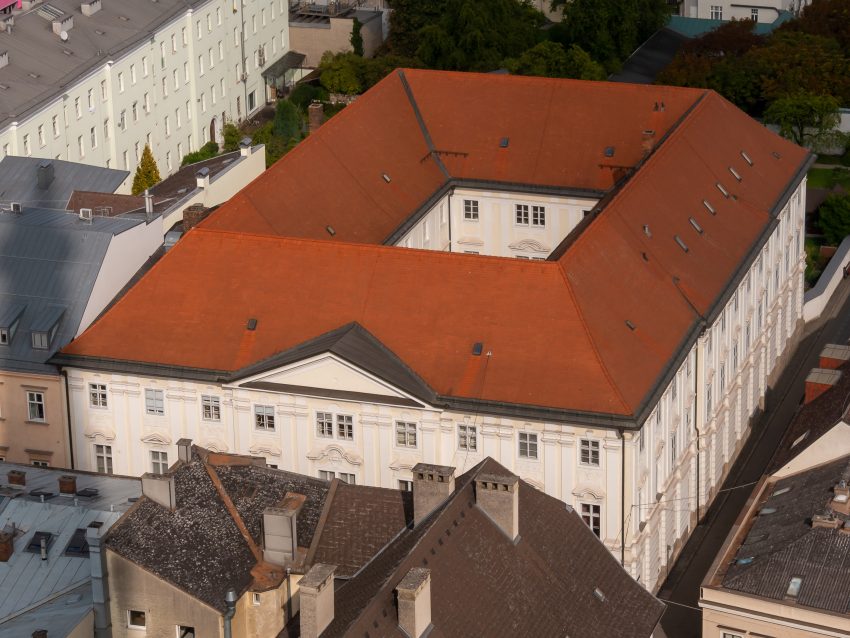
Location: Herrenstraße 19, 4020 Linz, Austria | Hours: Monday – Thursday: 07:45–17:00. Friday: 07:45–13:45. Closed on Saturday, Sunday. | Price: Free. | Website | Distance: 0.6km
13. Landesgalerie Linz
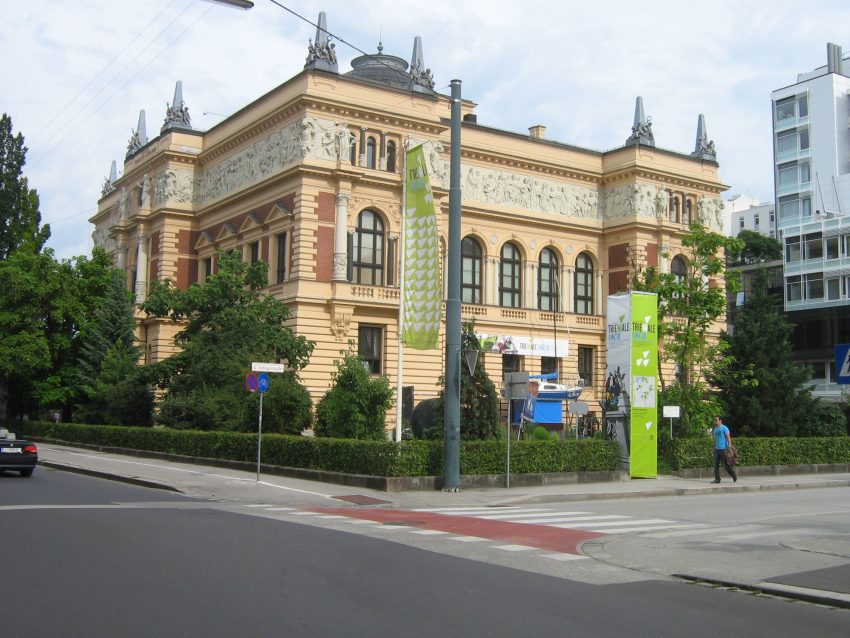
Location: OÖ Landes-Kultur GmbH, Museumstraße 14, 4010 Linz, Austria | Hours: Tuesday – Sunday: 10:00–18:00. Closed on Monday. | Price: Adults: €6.50; Reduced: €3; Groups (8+): €5; School groups: free. | Website | Distance: 0.6km
14. Ursulinenkirche
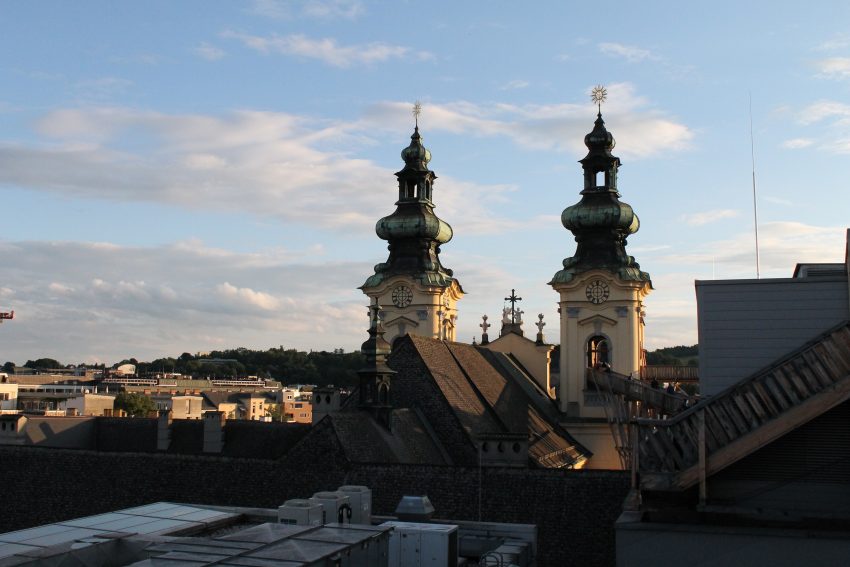
Location: Landstraße 31, 4020 Linz, Austria | Hours: Monday – Sunday: 08:00–19:00. | Price: Free. | Website | Distance: 0.6km
15. Mariendom
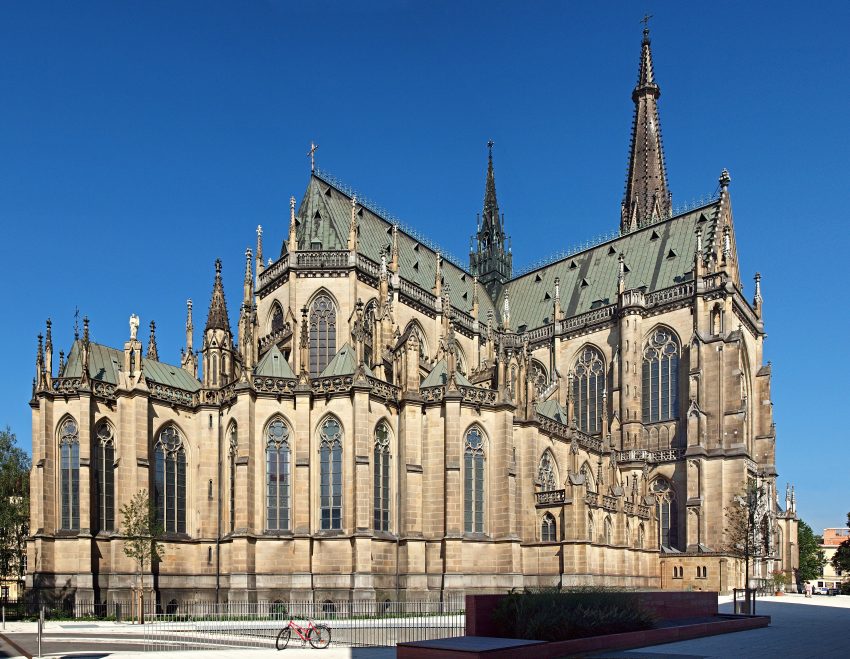
Location: Domplatz 1, 4020 Linz, Austria | Hours: Monday – Saturday: 08:00–19:00. Sunday: 08:00–19:15. | Price: Free; donations appreciated. | Website | Distance: 0.7km
16. Landstrasse
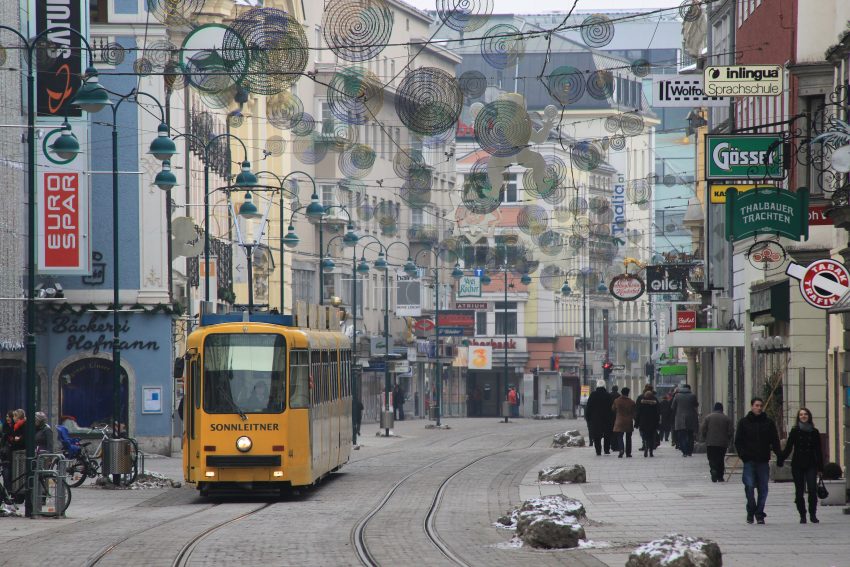
Location: Landstraße, 4020 Linz, Austria | Hours: 24 Hours. | Price: Free. | Distance: 1.0km
17. Botanical Garden
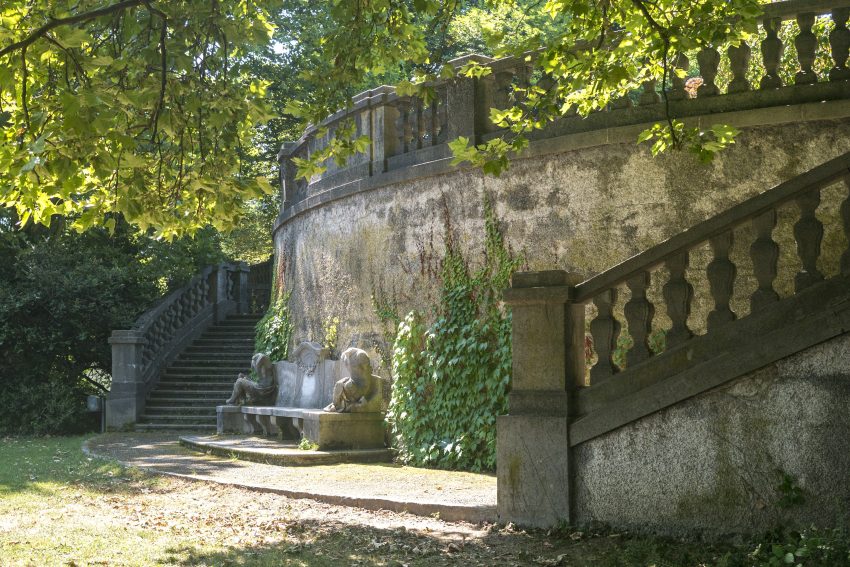
Location: Roseggerstraße 20, 4020 Linz, Austria | Hours: Daily: 09:00–16:00 (January – February & November – December). Daily: 09:00–17:00 (March & October). Daily: 09:00–19:00 (April – September). Closed on December 24, December 25, December 31, January 1. | Price: Adults: €4.10; Reduced: €3.00; Family ticket: €7.30; Children under 6: free. | Website | Distance: 1.4km
18. Linz Zoo

Location: Windflachweg 1, 4040 Linz, Austria | Hours: (Summer) April 1 – October 31; Daily: 09:00–18:00. (Winter) November 1 – March 31; Daily: 09:00–16:00. | Price: Adults: €13.00; Reduced: €10.00; Children (6–13): €7.00; Children (0–5): free. | Website | Distance: 1.7km
19. Linz Hauptbahnhof
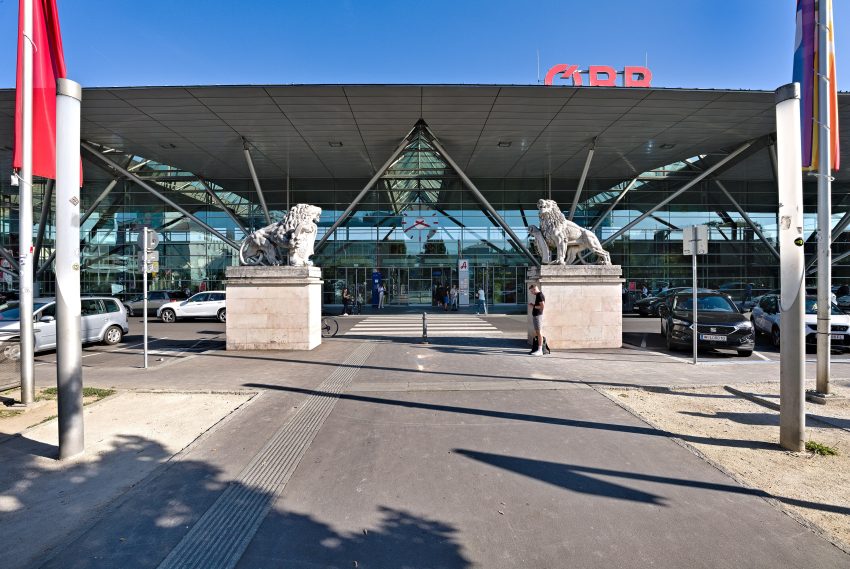
Location: 4020 Linz, Austria | Hours: Daily: Open 24 hours. | Price: Free. | Website | Distance: 1.8km
Best Day Trips from Linz
A day trip from Linz offers the perfect opportunity to escape the urban rhythm and discover the surrounding region's charm. Whether you're drawn to scenic countryside, historic villages, or cultural landmarks, the area around Linz provides a variety of easy-to-reach destinations ideal for a one-day itinerary. If you are looking to rent a car in Austria I recommend having a look at Discover Cars, first, as they compare prices and review multiple car rental agencies for you.
1. Český Krumlov
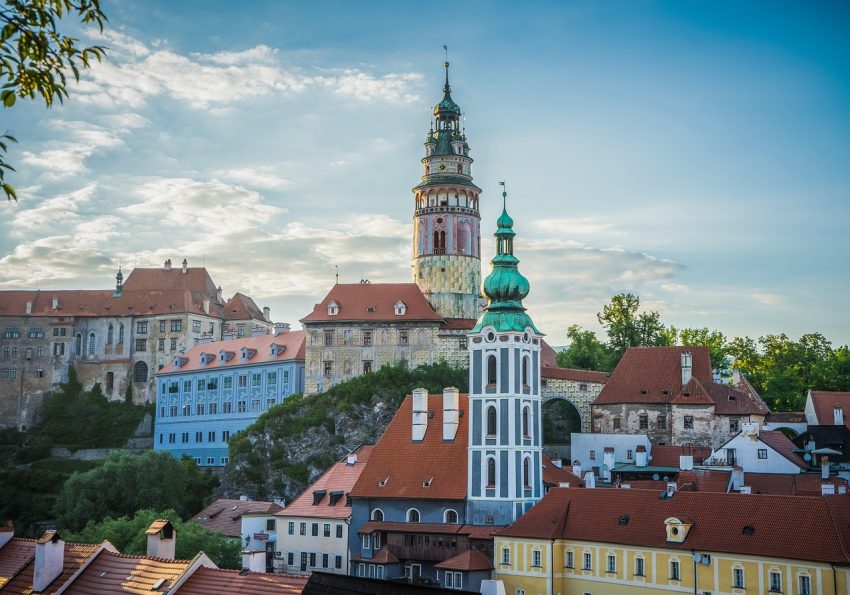
Visiting Český Krumlov
2. Melk
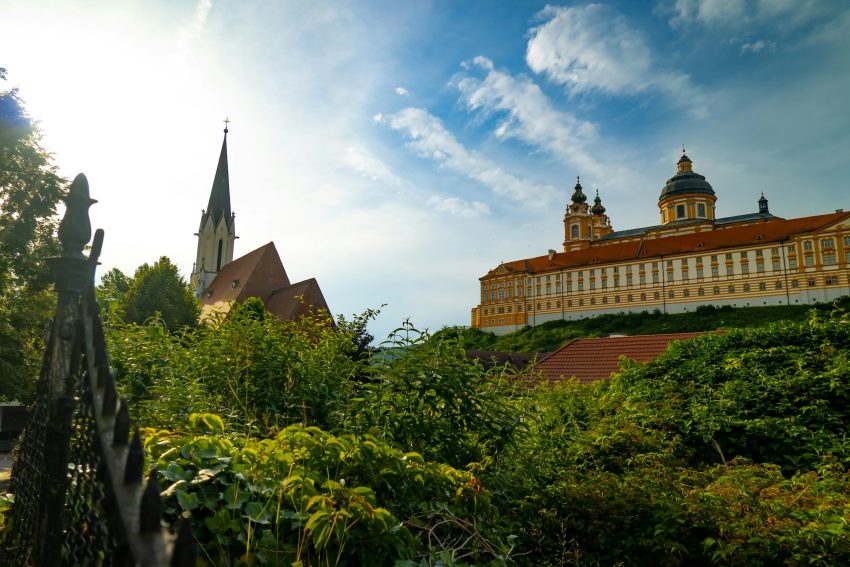
Visiting Melk
3. Hallstatt
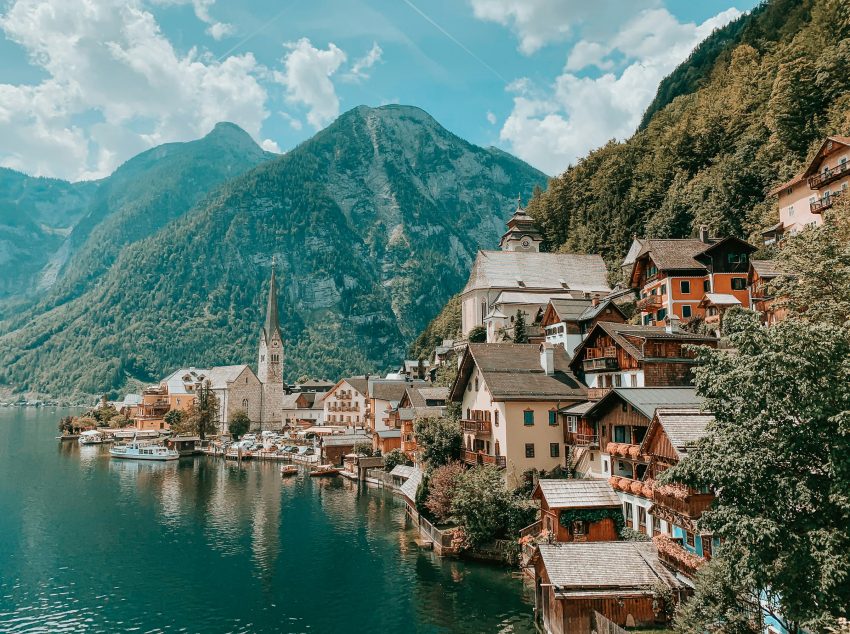
Visiting Hallstatt
4. Salzburg
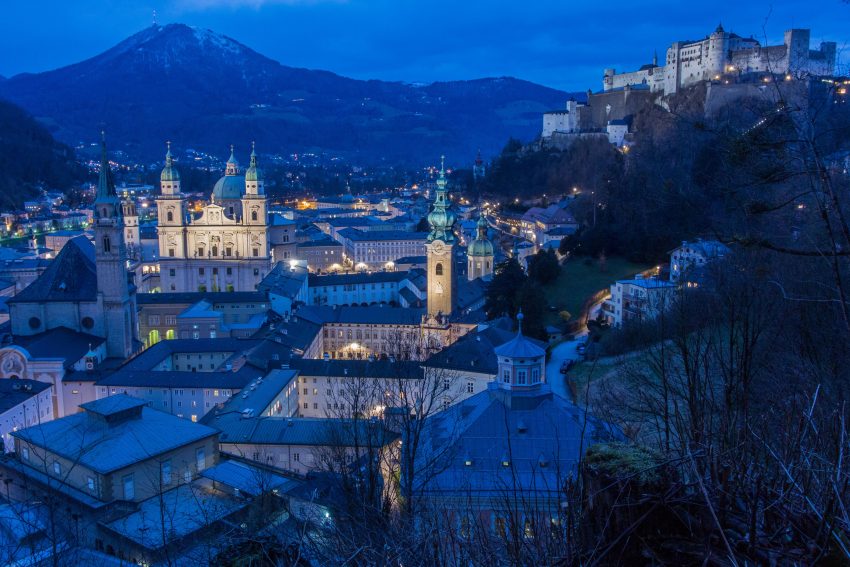
Visiting Salzburg
5. Vienna
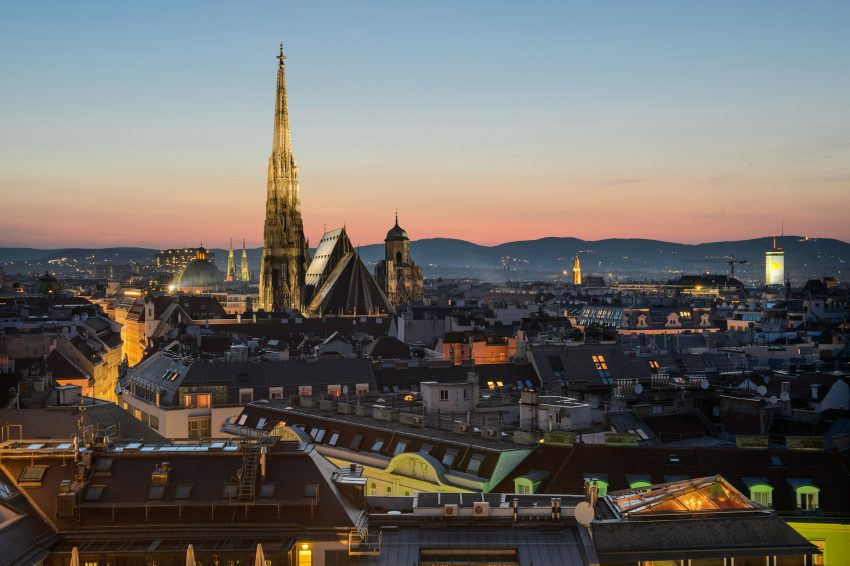
Visiting Vienna
6. Zell am See
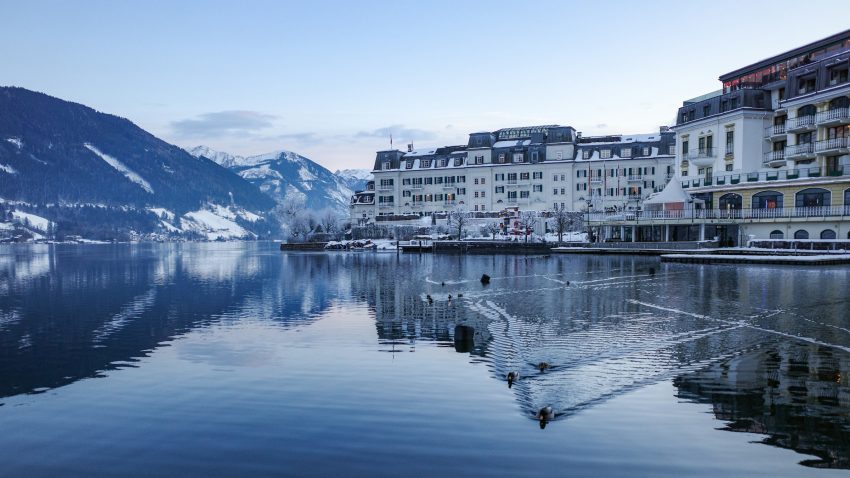
Visiting Zell am See
Where to Stay in Linz
For most visitors, the best area to stay in Linz is the city center around Hauptplatz and the old town, because you can walk to major sights, restaurants, and the Danube promenade in minutes, and you’ll have the easiest access to trams and buses. A comfortable, well-located option here is Austria Trend Hotel Schillerpark, which suits travelers who want dependable comfort and quick connections to shopping streets and cultural venues. If you prefer a more boutique feel with a central base for evenings out, Hotel Schwarzer Bär is a strong choice because it places you right in the heart of the action with an easy walk to the river and museums.
If you want a quieter stay with a slightly more local, residential feel while still being close to the center, consider the Danube-side and Urfahr/Pöstlingberg access area, which is great for morning walks and quick trips up to viewpoints. ARCOTEL Nike Linz works particularly well here because of its riverfront setting and easy access to both the promenade and central sights. For travelers arriving by train or who want maximum transport convenience, staying near Linz Hauptbahnhof can be practical; Park Inn by Radisson Linz is a good fit because it balances walkability to the center with straightforward onward connections for day trips.
Using the our Hotel and Accomodation map, you can compare hotels and short-term rental accommodations in Linz. Simply insert your travel dates and group size, and you’ll see the best deals for your stay.
Linz Accommodation Map
Best Time to Visit Linz
Linz in Spring
Spring is a pleasant time to visit as days gradually warm up and the city becomes more outdoor-friendly. It’s ideal for strolling the old town, walking the Danube paths, and taking short trips to viewpoints without peak-season crowds.
Linz in Summer (Best)
Summer brings the most reliable conditions for riverfront evenings, outdoor dining, and longer days for sightseeing. This is also when Linz feels most animated, with open-air events and a lively atmosphere along the Danube; if you want the fullest range of activities and late sunsets, summer is the easiest choice.
Linz in Autumn
Autumn is great for travelers who prefer cooler air and a calmer pace, with comfortable temperatures for museums and city walks. Cultural programming typically feels strong after summer, and the changing colors add a scenic touch to riverside routes and nearby hills.
Linz in Winter
Winter is best if you enjoy a cozy city break with seasonal lights, warm cafés, and festive markets. The Linz Christmas Market is a highlight, and shorter days pair well with museum visits, concerts, and evenings focused on food and atmosphere.
Annual Weather Overview
- January 3°C 41°F
- February 7°C 49°F
- March 11°C 55°F
- April 17°C 66°F
- May 19°C 70°F
- June 24°C 78°F
- July 24°C 80°F
- August 24°C 80°F
- September 20°C 72°F
- October 15°C 63°F
- November 8°C 50°F
- December 4°C 44°F
How to get to Linz
Getting to Linz by air
Nearest airports: Linz Airport (LNZ) is the closest, with limited routes depending on season. For more flight options, many travelers use Vienna Airport (VIE), Salzburg Airport (SZG), or Munich Airport (MUC) and continue by train.
Airport to city: From Linz Airport, you can typically reach the city by taxi or local bus connections; if arriving via Vienna, Salzburg, or Munich, the simplest onward option is usually rail.
Getting to Linz by train
Main rail hub: Linz Hauptbahnhof is well connected for domestic and international services, making rail one of the most convenient ways to arrive.
Train operators (links): Use ÖBB for most Austrian routes: https://www.oebb.at/en/ . For cross-border and some international bookings, you may also use Deutsche Bahn: https://www.bahn.com/en .
Typical rail connections: Direct or easy connections commonly link Linz with Vienna, Salzburg, and Munich, and many long-distance services stop here.
Getting to Linz by Car
Driving routes: Linz is straightforward to reach via Austria's motorway network, with fast links toward Vienna and Salzburg and good regional roads for nearby towns.
Parking: Expect paid street parking in central areas and a network of garages; if you’re staying centrally, choosing a hotel with parking can save time.
Practical tips: Motorway driving in Austria generally requires a vignette (toll sticker/permit) for many vehicles, and winter conditions can require appropriate tires. If you are looking to rent a car in Austria I recommend having a look at Discover Cars, first, as they compare prices and review multiple car rental agencies for you.
Travelling around Linz
Public transport: The city is easy to navigate using trams and buses, and many central sights are walkable. For tickets and route planning, check Linz Linien: https://www.linzlinien.at/en/ .
Regional day trips: For nearby towns and regional rail, ÖBB is the primary operator: https://www.oebb.at/en/ .
On foot and by bike: The Danube paths are excellent for walking and cycling, especially in warmer months, and are a relaxing way to connect neighborhoods and viewpoints.