Kassel, Germany: The Ultimate Travel Guide 2026

Kassel is a city in northern Hesse, Germany, located on the Fulda River. It is the third-largest city in Hesse, with a population of approximately 200,000 people. The city has a rich cultural heritage, and it is known for its museums, parks, and historic landmarks. One of the most famous attractions in Kassel is the Bergpark Wilhelmshöhe, a UNESCO World Heritage Site that features the impressive Hercules monument and the Wilhelmshöhe Palace. The Bergpark is also home to the largest man-made cascading fountain in the world, the spectacular water features are turned on regularly during the summer months.
Another famous attraction in Kassel is the Documenta, an international contemporary art exhibition that takes place every five years. Documenta attracts art enthusiasts from around the world, and it is one of the most important contemporary art events in the world. Kassel is also home to several other museums, including the Fridericianum, which is one of the oldest public museums in Europe, and the Brothers Grimm Museum, which celebrates the lives and works of the famous Grimm Brothers who collected and published many fairy tales.
The city has a vibrant cultural scene, and it hosts several annual events, including the Kassel Documentary Film and Video Festival, the Kassel Literature Festival, and the Kassel Jazz Festival. The city also has a variety of restaurants, bars, and cafes, and it is known for its regional cuisine, including schnitzel, bratwurst, and apple wine.
Kassel has a strong industrial and economic base, with a focus on automotive manufacturing and engineering. The city is home to several universities and research institutions, which contribute to its innovative and forward-thinking culture.
Table of Contents
- History of Kassel
- Kassel’s Early Foundations
- Kassel in the Landgraviate of Hesse
- Kassel in the Reformation and Thirty Years’ War
- Kassel in the Age of Enlightenment and Napoleonic Era
- Kassel’s Industrial Growth and Wilhelminian Era
- Kassel through the World Wars
- Kassel’s Postwar Reconstruction and Modernization
- Kassel in the Contemporary Era
- 9 Best places to See in Kassel
- 12 Best Day Trips from Kassel
- Where to Stay in Kassel
- Best Time to Visit Kassel
- How to get to Kassel
History of Kassel
Kassel’s Early Foundations (8th–11th Centuries)
Kassel began as a small Frankish settlement around a royal court first mentioned in the late 8th century. Its name likely derives from “Chasella,” referring to a fortified place by a stream. By the 10th century the site had grown into a modest market center, with wooden fortifications and a nascent parish church serving local farmers and craftspeople.
Kassel in the Landgraviate of Hesse (12th–16th Centuries)
In 1180, Kassel became the principal residence of the Landgraves of Thuringia, later evolving into the capital of the newly formed Landgraviate of Hesse. Under Landgrave Henry I, the town’s earthen walls were replaced with stone ramparts, and its market privileges were expanded. Medieval guilds flourished here, trading in wool, wine, and metalwork. A charter granted in 1365 further formalized Kassel’s self-governance and legal autonomy.
Kassel in the Reformation and Thirty Years’ War (16th–17th Centuries)
The Reformation took hold in Kassel under Landgrave Philip I “the Magnanimous,” who officially embraced Protestantism in the 1520s. Kassel’s university, established in 1527, became an important center for Lutheran scholarship. During the Thirty Years’ War, the city endured sieges and occupation by imperial forces, leading to population decline and economic hardship—yet its fortifications held firm, and civic life gradually revived after the 1648 Peace of Westphalia.
Kassel in the Age of Enlightenment and Napoleonic Era (18th–Early 19th Centuries)
The 18th century ushered in a period of cultural flowering under the patronage of Landgraves William VIII and Frederick II. The Brothers Grimm collected folktales here, and Kassel’s museums and libraries expanded. Napoleonic upheavals at the turn of the 19th century saw the Electorate of Hesse dissolved and Kassel incorporated into the Kingdom of Westphalia under Jérôme Bonaparte, leading to administrative reforms and urban beautification projects inspired by Paris.
Kassel’s Industrial Growth and Wilhelminian Era (Mid–Late 19th Century)
After the Congress of Vienna restored the Electorate, Kassel capitalized on railway links established in the 1840s to become an industrial hub for machinery, textiles, and metal goods. Grand boulevards and Gründerzeit apartment blocks sprouted beyond the old walls. Public parks, such as the Karlsaue, were redesigned in landscaped style, reflecting the era’s optimism and economic expansion.
Kassel through the World Wars (20th Century)
In World War I, Kassel’s factories and military hospitals played key roles in Germany’s war effort. The interwar period saw both cultural experimentation—hosting avant-garde art exhibitions—and rising political tensions. During World War II, Kassel suffered extensive aerial bombardment, with over half of its buildings destroyed in 1943–1945. The iconic Landgrave’s Palace lay in ruins but became a symbol of postwar resolve.
Kassel’s Postwar Reconstruction and Modernization (Mid–Late 20th Century)
Reconstruction efforts in the 1950s and ’60s balanced modern architecture with careful restoration of surviving historic structures. New residential districts addressed housing shortages, and the restored downtown featured pedestrian zones and open plazas. Kassel’s reputation as an art capital was reborn with the launch of the first documenta exhibition in 1955, establishing a recurring international contemporary art showcase.
Kassel in the Contemporary Era (21st Century)
Today, Kassel integrates its layered past with forward-looking urban development. The city hosts documenta every five years, drawing global attention to its modern gallery spaces and renovated parks. Sustainable transport initiatives, riverside revitalization, and university-led research projects continue to shape Kassel’s identity as a vibrant cultural and scientific center.

Moira & Andy
Hey! We're Moira & Andy. From hiking the Camino to trips around Europe in Bert our campervan — we've been traveling together since retirement in 2020!
Visiting Kassel for the first time and wondering what are the top places to see in the city? In this complete guide, I share the best things to do in Kassel on the first visit. To help you plan your trip, I have also included an interactive map and practical tips for visiting!
This website uses affiliate links which earn a small commission at no additional cost to you.
9 Best places to See in Kassel
This complete guide to Kassel not only tells you about the very best sights and tourist attractions for first-time visitors to the city but also provide insights into a few of our personal favorite things to do.
This is a practical guide to visiting the best places to see in Kassel and is filled with tips and info that should answer all your questions!
1. Hessian State Museum

Location: Hessian State Museum, Kassel, Brüder-Grimm-Platz, Kassel, Germany | Hours: Tue–Sun and public holidays 10 am–5 pm | Price: Adults: 6 € | Website | Distance: 0.7km

2. Museum for Sepulchral Culture

Location: Museum für Sepulkralkultur, Weinbergstraße, Kassel, Germany | Hours: Tuesday - Sunday 10:00 a.m. – 5:00 p.m | Price: Adult €8.00 | Website | Distance: 0.7km
3. Grimm World

Location: GRIMMWELT Kassel gGmbH, Weinbergstraße, Kassel, Germany | Hours: 10am-6pm Tue-Sun, to 8pm Fri | Price: adult/concession €8/6 | Website | Distance: 0.8km
4. Neue Galerie

Location: New Gallery, Schöne Aussicht, Kassel, Germany | Hours: Tue–Sun and public holidays 10 am–5 pm | Price: Admission: 6 € Reduced rate 4 € Children and young people under 18 free admission | Distance: 1.0km
5. Museum of Natural History Ottoneum

Location: Natural History Museum, Steinweg, Kassel, Germany | Hours: Open Tuesday to Sunday; closed Mondays. 10:00 to 17:00 pm | Price: Adults: €5.00 | Website | Distance: 1.3km
6. Karlsaue Park

Location: Karlsaue, Auedamm, Kassel, Germany | Distance: 1.4km
7. Schloss Wilhelmshöhe

Location: Schloss Wilhelmshöhe, Weißensteinflügel, Schlosspark, Kassel, Germany | Hours: 10am-5pm Tue-Sun, to 8pm Wed | Price: adult/concession €6/4, Weissenstein wing incl tour €4/3, audioguide €3 | Website | Distance: 4.5km
8. Löwenburg Castle

Location: Löwenburg, Schloßpark, Kassel, Germany | Hours: Hours vary by season and restoration schedule; check ahead. | Price: adult/concession €4/3 | Website | Distance: 4.9km
9. Bergpark Wilhelmshöhe

Location: Bergpark Wilhelmshöhe, Kassel, Germany | Hours: 9am-sunset, visitor centre 10am-5pm May-Sep, to 4pm Sat & Sun Oct-Apr | Price: Access to the park is free; some attractions like Löwenburg may charge a small fee. | Website | Distance: 5.2km
Best Day Trips from Kassel
A day trip from Kassel offers the perfect opportunity to escape the urban rhythm and discover the surrounding region's charm. Whether you're drawn to scenic countryside, historic villages, or cultural landmarks, the area around Kassel provides a variety of easy-to-reach destinations ideal for a one-day itinerary. If you are looking to rent a car in Germany I recommend having a look at Discover Cars, first, as they compare prices and review multiple car rental agencies for you.
1. Schloss Wilhelmsthal

Location: Schloss Wilhelmsthal, Calden, Germany | Hours: 1 April–31 October Tue–Sun and public holidays 10 am–5 pm last tour at 4 pm 1 November–31 March Fri–Sun and public holidays 10 am–4 pm last tour at 3 pm | Price: 4 € Adults, Children and young people under 18 free admission | Website | Distance: 10.0km
Visiting Schloss Wilhelmsthal
2. Hannoversch Münden

Visiting Hannoversch Münden
3. Hessisch Lichtenau

Visiting Hessisch Lichtenau
4. Hofgeismar

Visiting Hofgeismar
5. Castle Sababurg
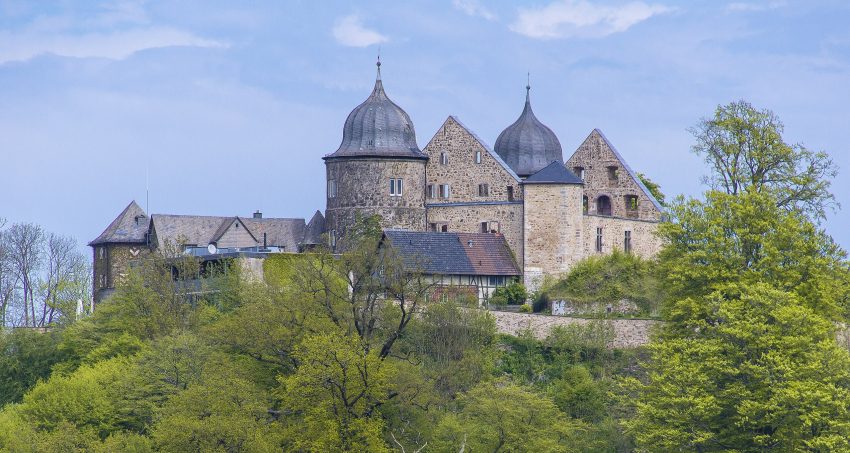
Location: Sleeping Beauty Castle Sababurg, Hofgeismar, Germany | Hours: April to the end of October, Fridays to Sundays and holidays from 10:00 to 18:00 | Price: Outdoors free on Saturdays and Sundays and on Hessian public holidays from 10:00 am to 6:00 pm. | Website | Distance: 26.0km
Visiting Castle Sababurg
6. Trendelburg

Visiting Trendelburg
7. Bad Wildungen

Visiting Bad Wildungen
8. Göttingen

Visiting Göttingen
9. Fürstenberg

Visiting Fürstenberg
10. Alsfeld
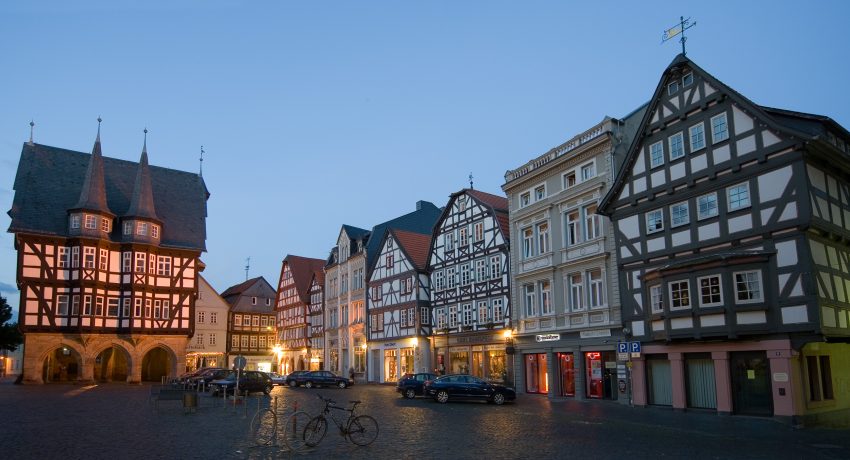
Visiting Alsfeld
11. Eisenach

Visiting Eisenach
12. Bodenwerder

Visiting Bodenwerder
Where to Stay in Kassel
Kassel’s compact city centre (Mitte) is the perfect base for first-time visitors. Here you’ll find pedestrianized streets lined with shops, cafés, and traditional half-timbered façades. Staying in this area means you’re a short stroll from the Königsplatz square, the Fridericianum museum, and the shopping arcades along Wilhelmshöher Allee. A comfortable option is Park Hotel Kassel, which blends modern rooms with a historic façade just off the main square.
Just west of the city centre lies the magnificent Bergpark Wilhelmshöhe, a UNESCO World Heritage site renowned for its cascading fountains and hilltop palace. Accommodations here offer tranquil, leafy surroundings and easy access to walking trails through ancient beech forests. For a touch of elegance, consider Schlosshotel Bad Wilhelmshöhe, housed in a former spa villa with park views and refined dining.
The area around Kassel Hauptbahnhof combines convenience with budget-friendly options. You’ll be steps from regional and long-distance trains, tram connections, and a variety of casual eateries. Night owls will appreciate late-night cafés and bars near the station forecourt. A reliable pick is A&O Kassel Hauptbahnhof, offering clean, no-frills rooms and dorms in a lively, well-connected spot.
For those drawn to Kassel’s artistic and academic side, the University quarter and Nordstadt district are ideal. This leafy neighbourhood hosts student cafés, galleries, and the German Academy of Fine Arts, along with frequent cultural events. It’s perfect if you enjoy a quieter, more local vibe in the evenings. A solid mid-range choice here is B&B Hotel Kassel, which offers simple, comfortable rooms just a tram ride from the heart of town.
Using the our Hotel and Accomodation map, you can compare hotels and short-term rental accommodations in Kassel. Simply insert your travel dates and group size, and you’ll see the best deals for your stay.
Kassel Accommodation Map
Best Time to Visit Kassel
Kassel, a city known for its rich cultural heritage and beautiful parks in Germany, offers different experiences throughout the year, depending on what you’re looking for in your visit. Each season has its unique attractions:
Spring (March to May)
Spring is a delightful time to visit Kassel as the city begins to bloom, especially in the famous Bergpark Wilhelmshöhe, one of Europe’s largest hillside parks. The weather is gradually warming up, making it pleasant for exploring outdoor attractions. The tourist crowds are still sparse, allowing for a more relaxed visit to popular sites like the Hercules monument and water features, which usually start operating in April.
Summer (June to August)
Summer is the peak season for tourism in Kassel, primarily because of the documenta, one of the world’s most significant exhibitions of contemporary art, which takes place every five years. The next documenta is scheduled for 2027. During the summer months, the weather is warm and sunny, perfect for enjoying the numerous parks and outdoor activities. The city buzzes with energy, and there are various cultural events and festivals to enjoy.
Autumn (September to November)
Autumn is another excellent time to visit Kassel, as the crowds diminish and the city’s parks turn into stunning hues of orange and yellow. The temperature cools down, creating ideal conditions for enjoying long walks in Bergpark Wilhelmshöhe or along the Fulda River. Additionally, autumn cultural events and fewer tourists make it a good time to explore museums and historical sites more thoroughly.
Winter (December to February)
Winter in Kassel is cold, with occasional snow, which adds a picturesque quality to the city’s landscapes. The Christmas market in Kassel is a particular highlight, offering traditional crafts, festive foods, and warm drinks. The cold weather is perfect for enjoying indoor cultural offerings like the Brothers Grimm Museum, where you can delve into the lives and works of the famous storytellers who once lived in Kassel.
Best Times to Visit
The best time to visit Kassel really depends on your interests:
- For outdoor activities and cultural festivals: Summer is ideal, especially if you’re interested in attending major art events like documenta (every five years).
- For pleasant weather and natural beauty without the crowds: Late spring and early autumn are fantastic, offering mild weather and the opportunity to see the city’s parks in bloom or in fall colors.
- For a festive atmosphere: Winter is wonderful, particularly in December when the Christmas market creates a magical holiday spirit.
Each season in Kassel offers something special, so choose the time that aligns best with your interests and the experiences you wish to have.
Annual Weather Overview
- January 3°C 42°F
- February 7°C 48°F
- March 11°C 55°F
- April 16°C 64°F
- May 19°C 69°F
- June 22°C 76°F
- July 25°C 80°F
- August 25°C 81°F
- September 22°C 74°F
- October 15°C 62°F
- November 8°C 50°F
- December 6°C 47°F
How to get to Kassel
Getting to Kassel by air
Major International Airports
The nearest major airport is Frankfurt Airport (FRA), approximately 150 km southwest of Kassel. Other viable options include Hannover Airport (HAJ) and Dortmund Airport (DTM), both within a two-hour drive.
Airport Transfer Options
From Frankfurt Airport, you can catch a regional train (RE) via the Fernbahnhof to Kassel-Wilhelmshöhe with one change at Frankfurt (Main) Hbf. Shuttle bus services and private transfers also run directly between the terminals and Kassel city center.
Getting to Kassel by train
Main Rail Operators
- Deutsche Bahn (DB): https://www.bahn.com
- Hessische Landesbahn (HLB): https://www.hlb-online.de
Typical Connections
- From Frankfurt: Hourly RE services from Frankfurt (Main) Hbf to Kassel-Wilhelmshöhe in about 1 h 45 min.
- From Berlin: ICE trains run several times daily to Kassel-Wilhelmshöhe, journey time around 3 h 30 min.
- From Cologne/Düsseldorf: IC or ICE to Frankfurt, then change for the direct RE onward to Kassel.
Getting to Kassel by Car
Motorways and Routes
Kassel lies at the junction of the A7 (Hamburg–Kassel–Würzburg) and A44 (Dortmund–Kassel). Exit at “Kassel-Nord” or “Kassel-Mitte” and follow local signage into town.
Parking in Kassel
Park & Ride facilities around the city edge connect via tram and bus to the center. Central garages include Marktgarage and Königsplatz-Parkhaus.
If you are looking to rent a car in Germany I recommend having a look at Discover Cars, first, as they compare prices and review multiple car rental agencies for you.Travelling around Kassel
Kassel’s compact core is best explored on foot, especially around Königsplatz and the Karlsaue park. The tram and bus network (KVG) covers all districts, with frequent services linking the Hauptbahnhof, university area, and Bergpark Wilhelmshöhe. The historic “Train of the Monuments” (Museumstraße) heritage tram is also a charming way to see key sights.