Hue, Vietnam: The Ultimate Travel Guide 2026

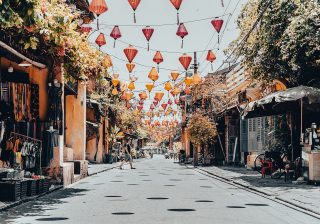
Hue is a city rich in history and stories. The Nguyen Dynasty kings established their feudal capital along Hue's fertile riverbanks and forested hills, leaving behind an impressive imperial legacy. However, this is just one of the many reasons to visit. Hue's exquisite cuisine is legendary, and its verdant streets are adorned with moss-covered pagodas, art déco mansions, and vibrant markets. The Perfume River meanders through the city, setting a relaxed pace that permeates the entire scene.
Table of Contents
- History of Hue
- 23 Best places to See in Hue
- Dong Ba Market
- Perfume River
- Phu Van Tower
- Nine Holy Cannons
- Noon Gate
- Meridian Gate
- The Royal Theatre
- Thai Hoa Palace
- Nhat Thanh Lau
- Hien Lam Pavilion
- The Royal Library
- Halls of the Mandarins
- Forbidden Purple City
- Hung Mieu Temple
- Mieu Temple
- Tu Phuong Vo Su Tower
- Dien Tho Residence
- Cung Truong Sanh
- Imperial Citadel
- Ho Quyen Arena
- Tomb of Tu Duc
- Thien Mu Pagoda
- Thanh Toan Bridge
- 7 Best Day Trips from Hue
- Where to Stay in Hue
- Best Time to Visit Hue
- How to get to Hue
History of Hue
Ancient Origins of Hue
Hue’s history dates back to ancient times when it was part of the Champa Kingdom. The region’s fertile lands and strategic location made it a significant area for various Vietnamese dynasties.
Hue and the Nguyen Dynasty
In the early 19th century, Hue became the imperial capital of Vietnam under the Nguyen Dynasty. Emperor Gia Long established the city as the political, cultural, and religious center of the nation. The construction of the Imperial City, a vast complex of palaces, temples, walls, and gates, symbolized the dynasty’s power and influence.
French Colonial Influence in Hue
During the mid-19th century, French colonial forces took control of Vietnam, including Hue. The city remained an important administrative center, with French architecture blending with traditional Vietnamese styles. The period saw significant changes in infrastructure and cultural exchanges.
Hue During the Vietnam War
Hue played a crucial role during the Vietnam War. The city was the site of the Battle of Hue in 1968, one of the longest and bloodiest battles of the war. The conflict caused extensive damage to the city and its historical monuments, many of which have since been restored.
Modern Day Hue
Today, Hue is recognized for its historical significance and cultural heritage. It is a UNESCO World Heritage Site, attracting visitors worldwide. The city’s rich history is preserved in its architecture, cuisine, and traditions, making it a vibrant destination for those looking to explore Vietnam’s past and present.

Moira & Andy
Hey! We're Moira & Andy. From hiking the Camino to trips around Europe in Bert our campervan — we've been traveling together since retirement in 2020!
Visiting Hue for the first time and wondering what are the top places to see in the city? In this complete guide, I share the best things to do in Hue on the first visit. To help you plan your trip, I have also included an interactive map and practical tips for visiting!
This website uses affiliate links which earn a small commission at no additional cost to you.
23 Best places to See in Hue
This complete guide to Hue not only tells you about the very best sights and tourist attractions for first-time visitors to the city but also provide insights into a few of our personal favorite things to do.
This is a practical guide to visiting the best places to see in Hue and is filled with tips and info that should answer all your questions!
1. Dong Ba Market
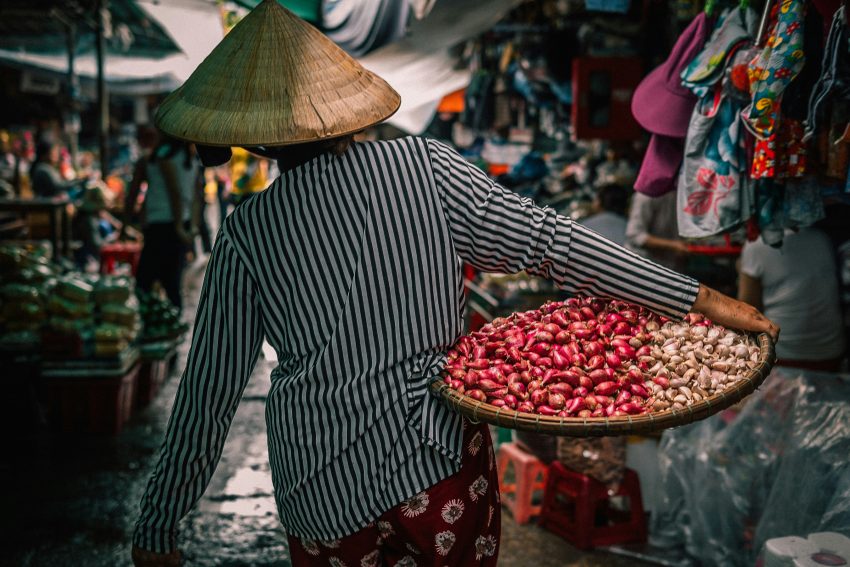
Location: Dong Ba Market, Phú Hòa, Huế, Thua Thien Hue, Vietnam | Hours: Day Market from 7.30AM - 5.30PM; Mon to Sun Night Market from 6:00PM - 5:00AM Next Day | Distance: 0.6km

2. Perfume River
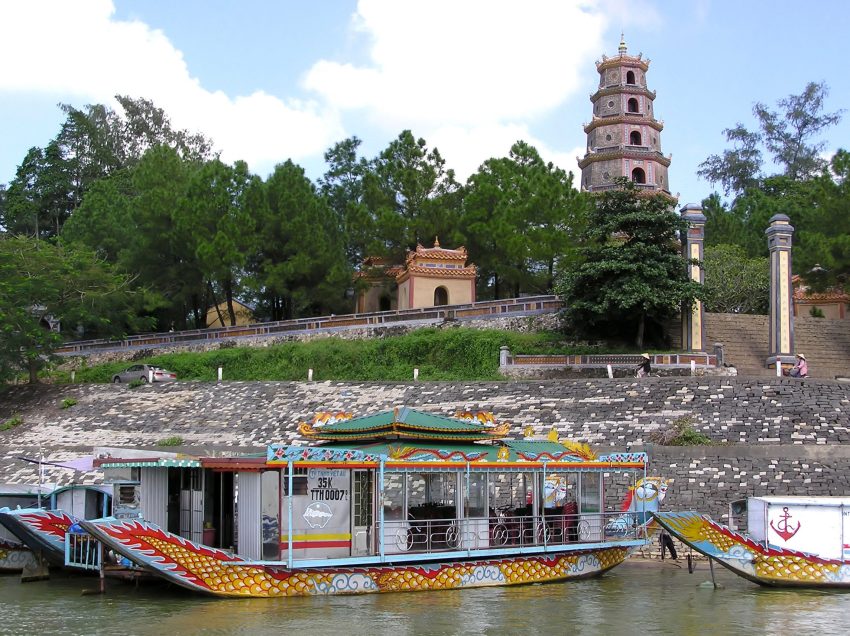
Location: Perfume River, Thua Thien Hue, Vietnam | Distance: 1.0km
3. Phu Van Tower
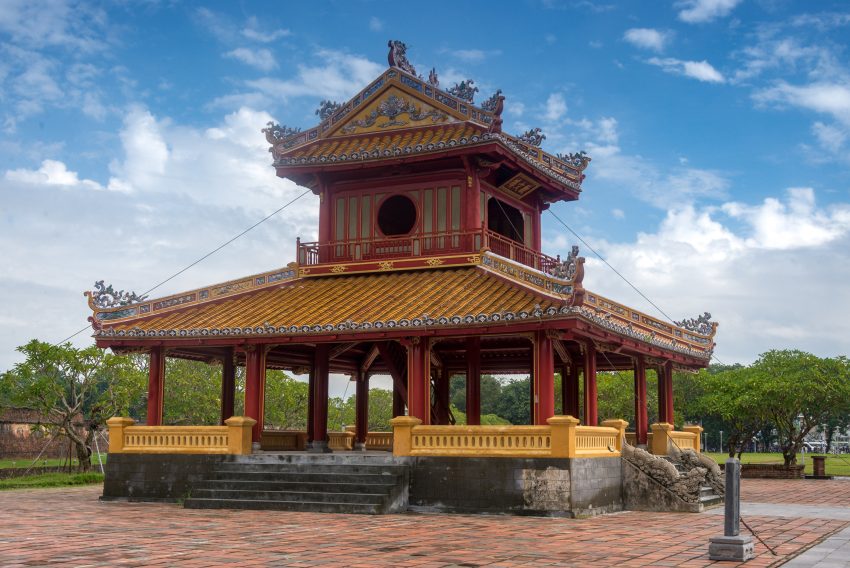
Location: Phu Van Lau, Lê Duẩn Phú Thuân Thành phố Huế Thừa Thiên Huế, Vietnam | Distance: 1.0km
4. Nine Holy Cannons
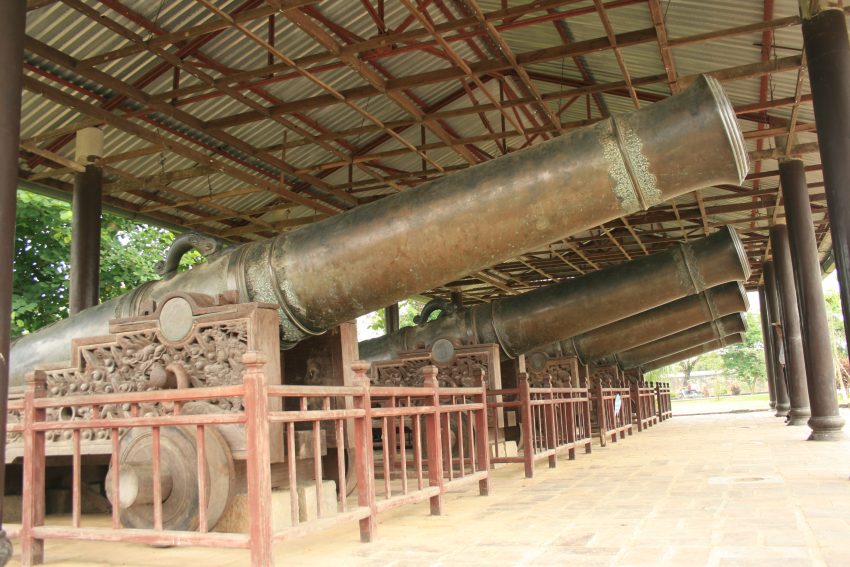
Location: Nine Holy Cannons, P, Thuận Thành, Huế, Thua Thien Hue, Vietnam | Distance: 1.0km
5. Noon Gate
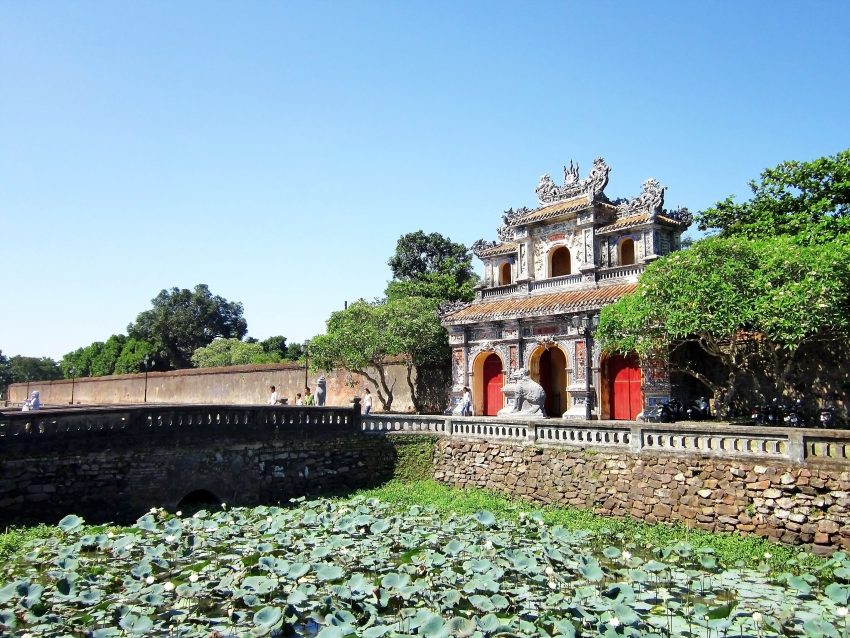
Location: Hien Nhon Gate, Đoàn Thị Điểm, Thuận Thành, Huế, Thua Thien Hue, Vietnam | Distance: 1.1km
6. Meridian Gate

Location: Meridian Gate, Thuận Thành, Huế, Hue City, Vietnam | Hours: (Summer) 16 March – 15 October; Daily: 06:30–18:00. (Winter) 16 October – 15 March; Daily: 07:00–17:30. | Price: 200,000 VND (adults); 40,000 VND (children 7–12); free for children under 7. | Website | Distance: 1.2km
7. The Royal Theatre
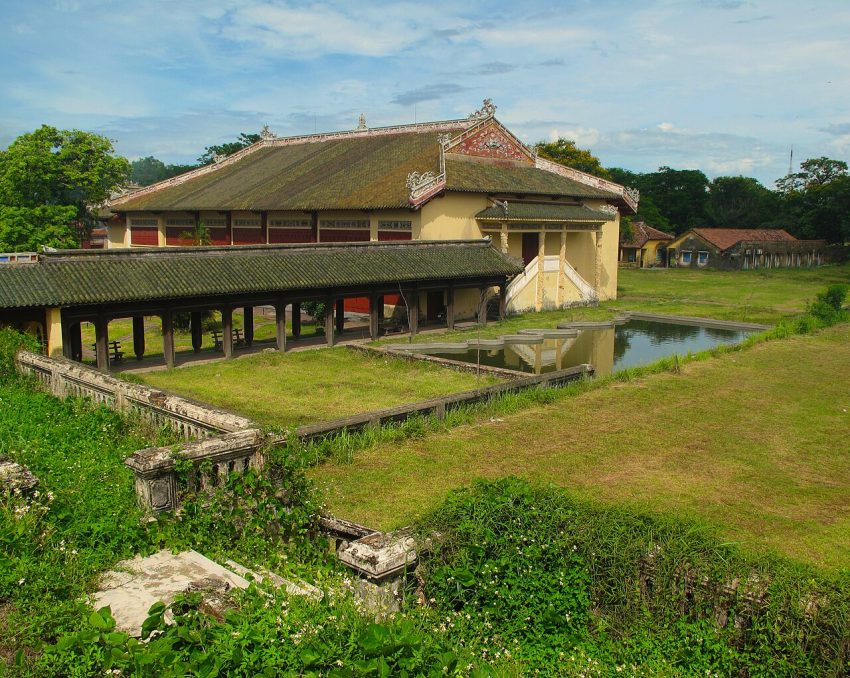
Location: Duyet Thi Duong Royal Theater FHCH+4C6, Đoàn Thị Điểm Phú Hậu Thành phố Huế Thừa Thiên Huế, Vietnam | Distance: 1.3km
8. Thai Hoa Palace
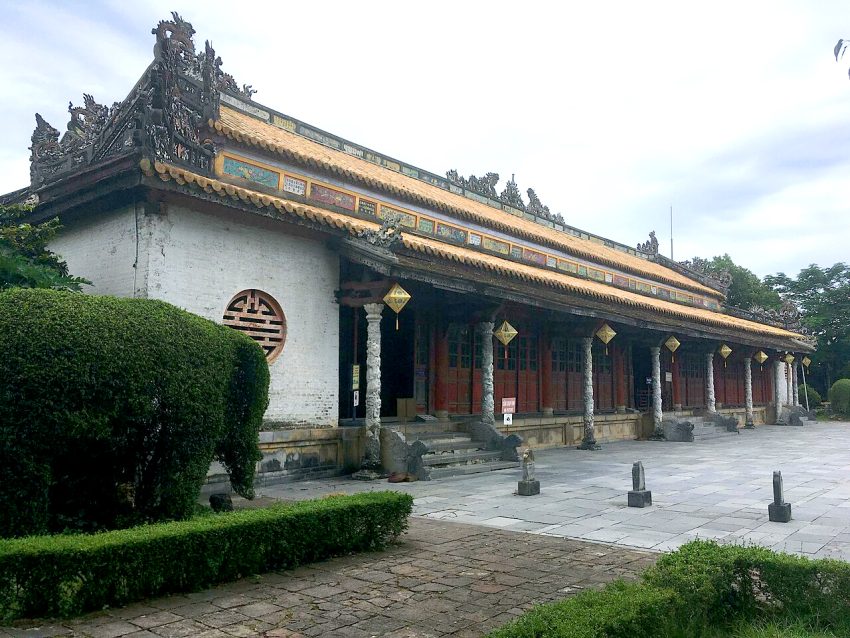
Location: Thái Hòa Palace, Hai Mươi Ba Tháng Tám, Thuận Thành, Huế, Thua Thien Hue, Vietnam | Distance: 1.3km
9. Nhat Thanh Lau
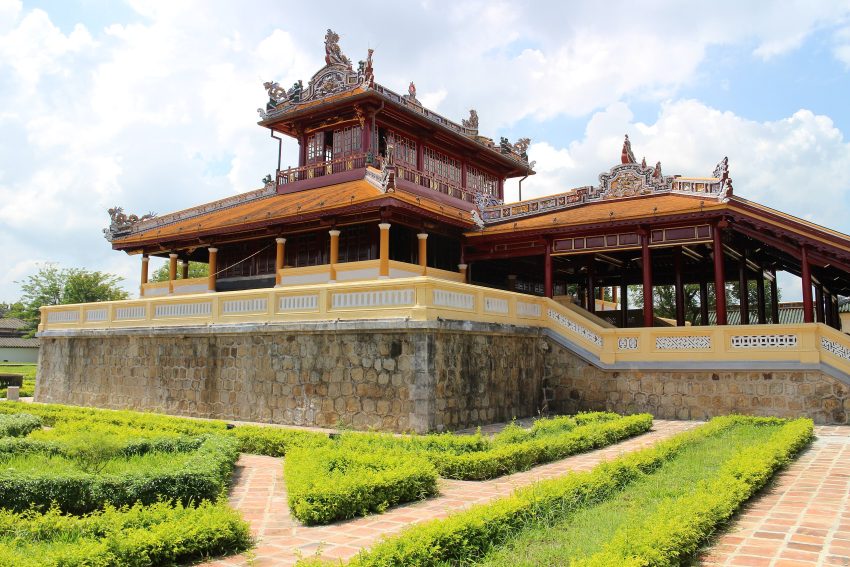
Location: Nhật Thành Lâu, Phú Hậu, Huế, Thua Thien Hue, Vietnam | Distance: 1.4km
10. Hien Lam Pavilion
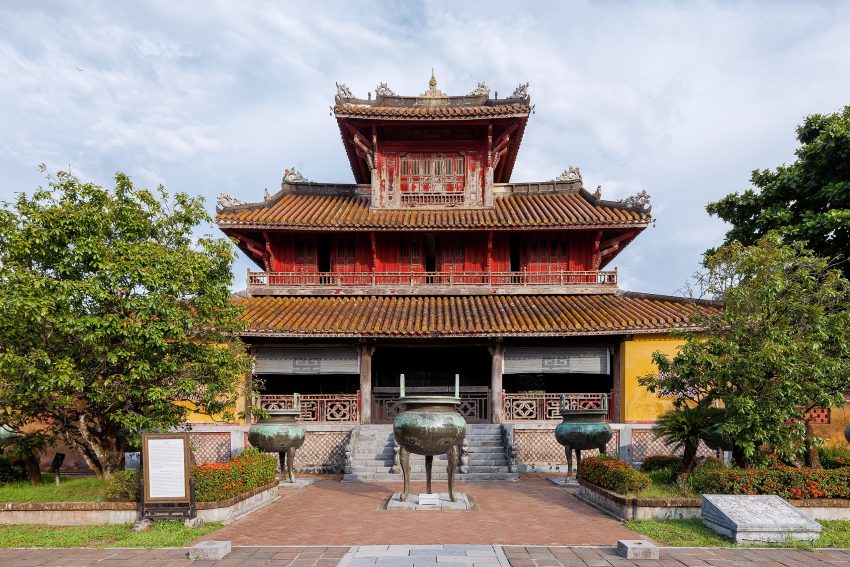
Location: Hien Lam Pavilion, Hai Mươi Ba Tháng Tám, Thuận Thành, Huế, Thua Thien Hue, Vietnam | Distance: 1.4km
11. The Royal Library
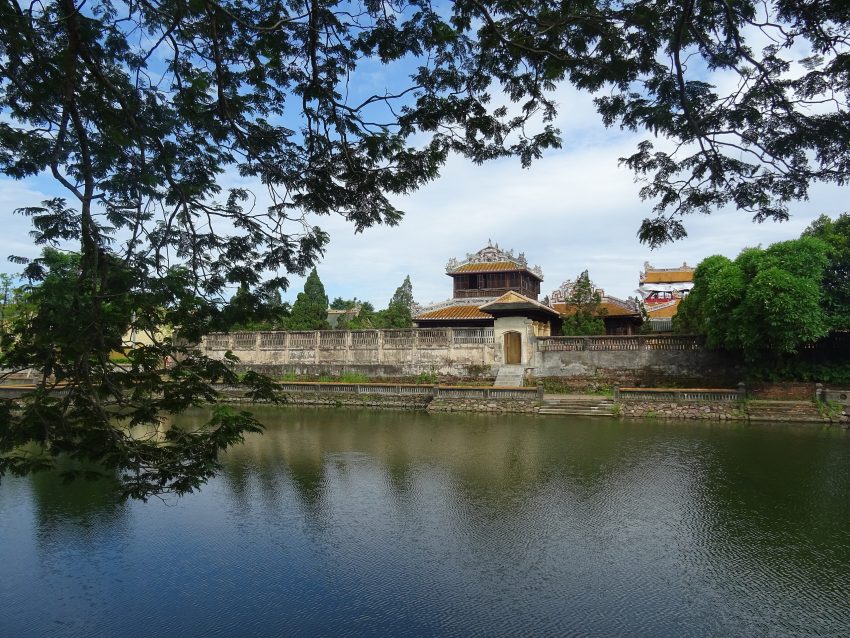
Location: Thai Binh Pavilion, Đoàn Thị Điểm Phú Hậu Thành phố Huế Thừa Thiên Huế, Vietnam | Distance: 1.4km
12. Halls of the Mandarins
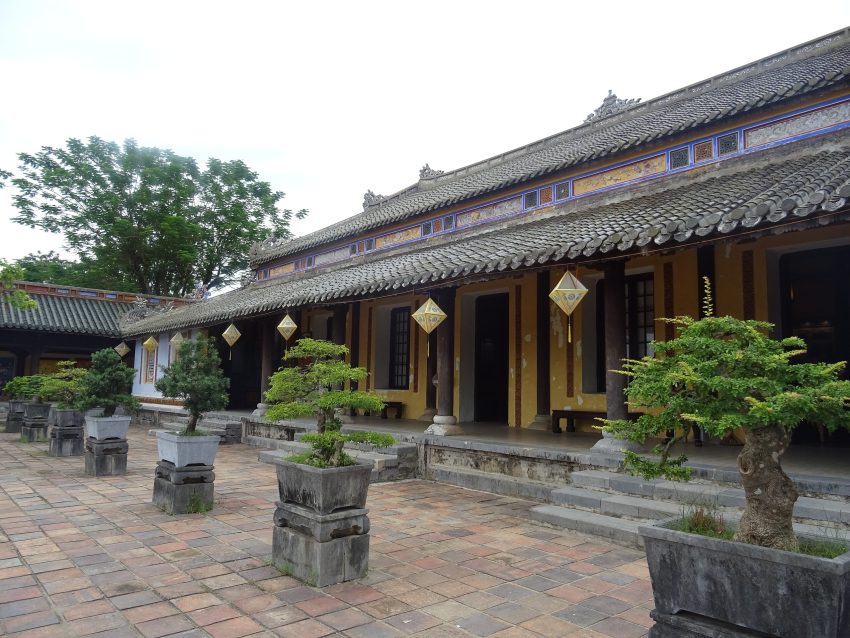
13. Forbidden Purple City
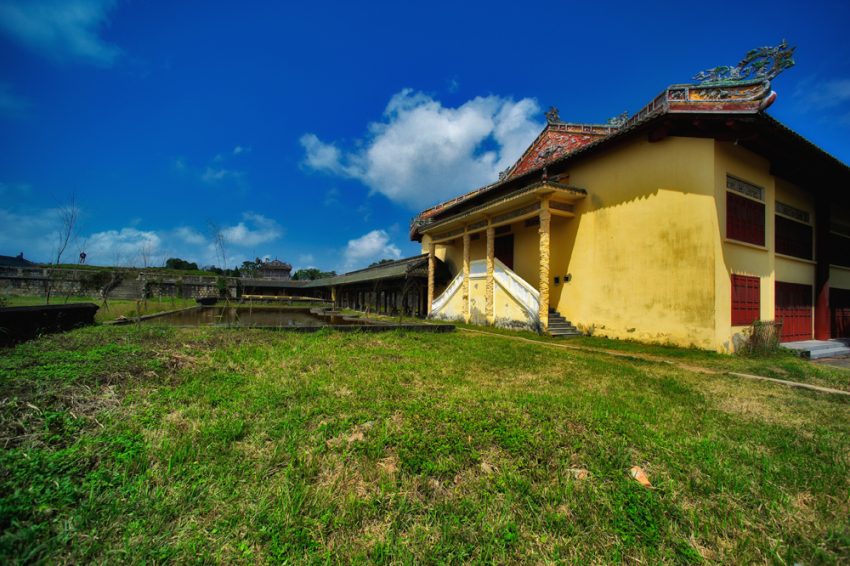
| Hours: Typically 7:00–17:00, with longer hours in peak season. | Price: Included within the general Imperial City ticket. | Distance: 1.4km
14. Hung Mieu Temple
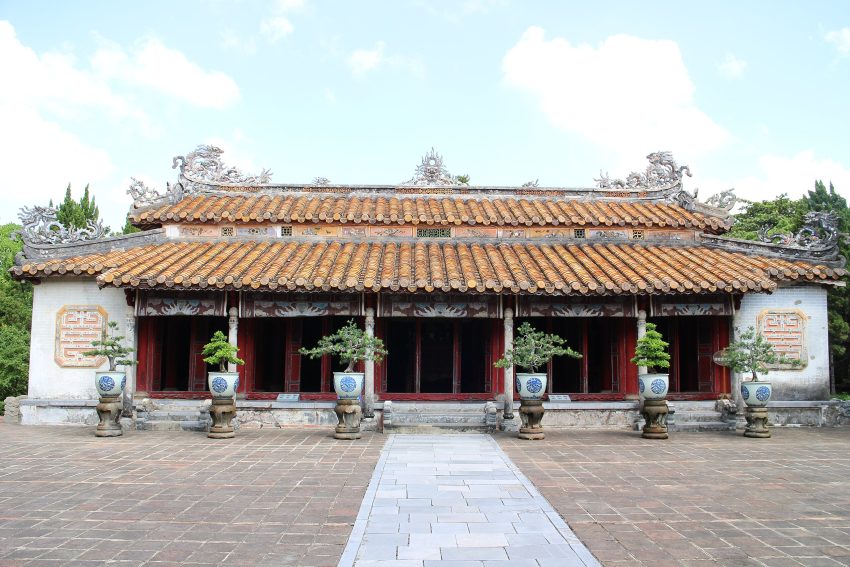
Location: Hung Mieu Temple, Lê Huân, Thuận Thành, Huế, Thua Thien Hue, Vietnam | Distance: 1.5km
15. Mieu Temple
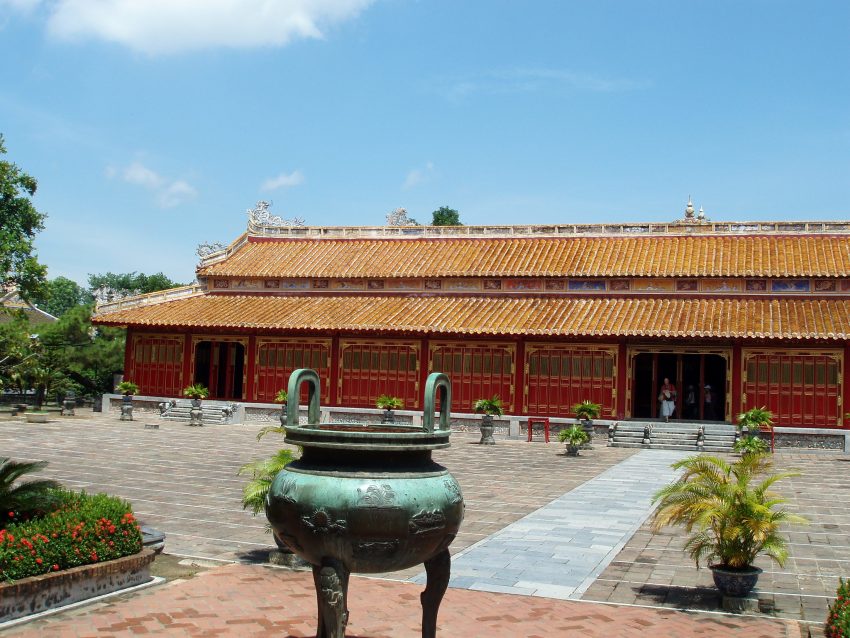
Location: The To Temple, Lê Huân Phú Hậu Thành phố Huế Thừa Thiên Huế, Vietnam | Distance: 1.5km
16. Tu Phuong Vo Su Tower
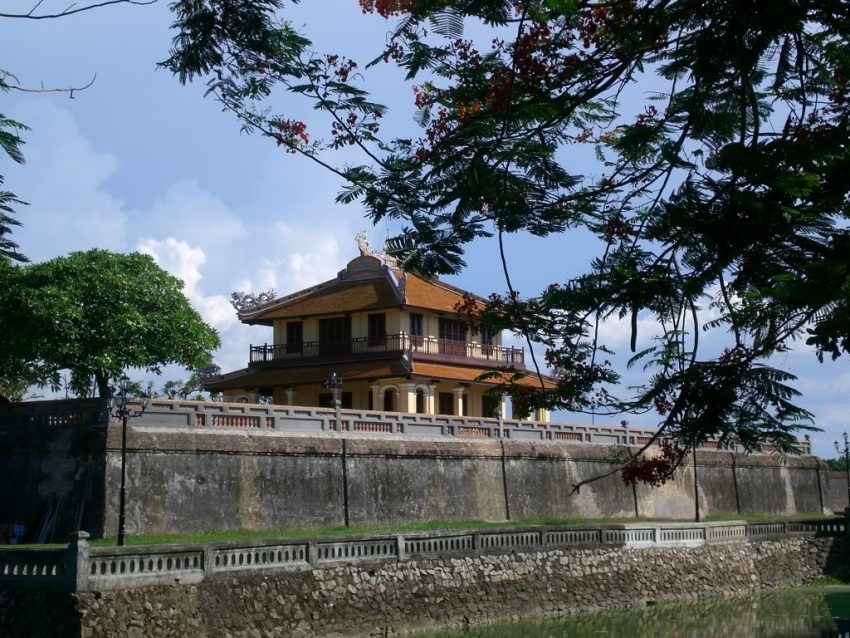
Location: Lầu Tứ Phương Vô Sự, Đặng Thái Thân, Thuận Thành, Huế, Thua Thien Hue, Vietnam | Distance: 1.6km
17. Dien Tho Residence
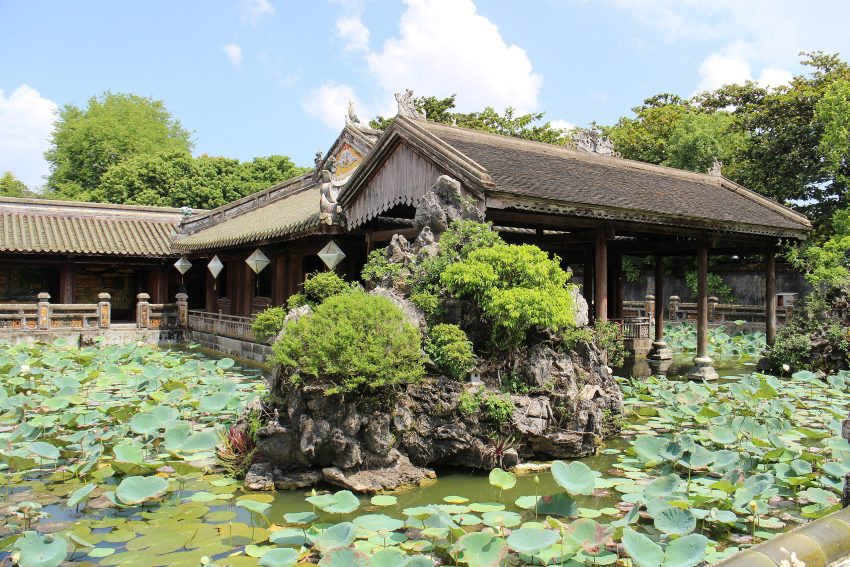
Location: Dien Tho Palace 75 Lê Huân Phú Hậu Thành phố Huế Thừa Thiên Huế, Vietnam | Distance: 1.6km
18. Cung Truong Sanh
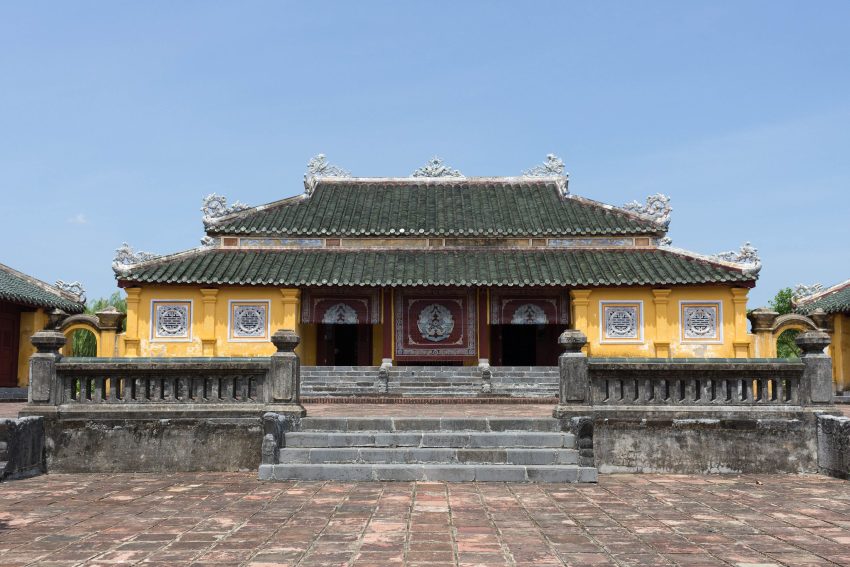
Location: Cung Trường Sanh, Lê Huân, Thuận Thành, Huế, Thua Thien Hue, Vietnam | Distance: 1.7km
19. Imperial Citadel
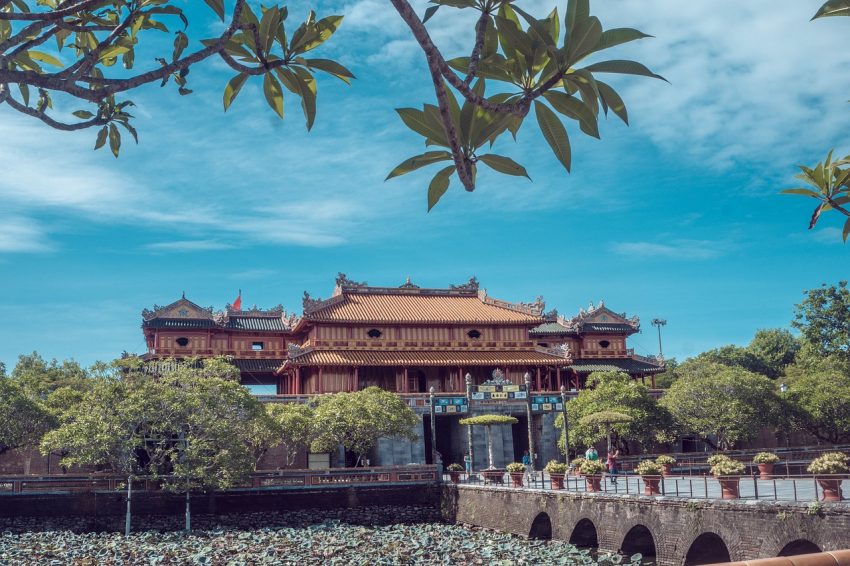
Location: Imperial City, Huế, Thua Thien Hue, Vietnam | Hours: April - September : from 6:30 AM to 18:00 October - March: 7:00 AM to 17:30 | Price: 200,000 (£7) | Website | Imperial Citadel Walking Tour | Distance: 2.1km
20. Ho Quyen Arena
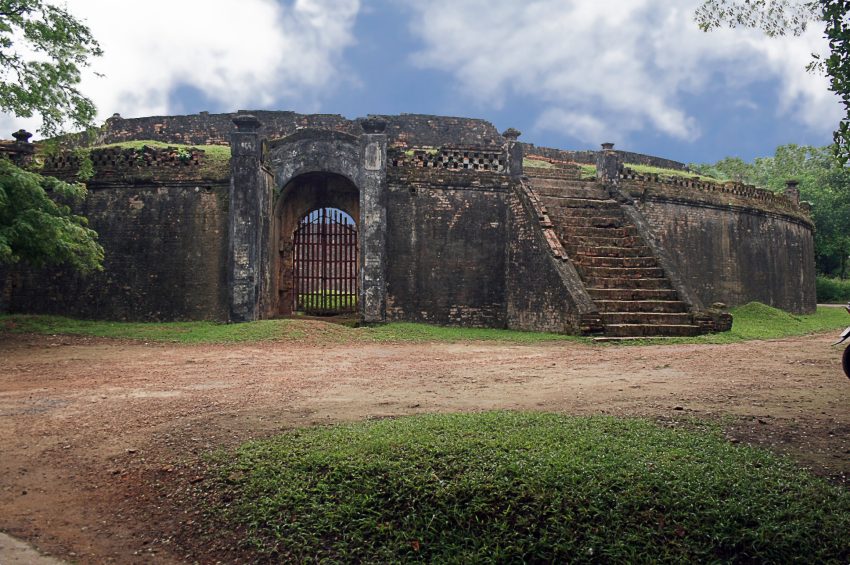
Location: Ho Quyen, Bùi Thị Xuân, Thủy Biều, Huế, Thua Thien Hue, Vietnam | Distance: 4.4km
21. Tomb of Tu Duc
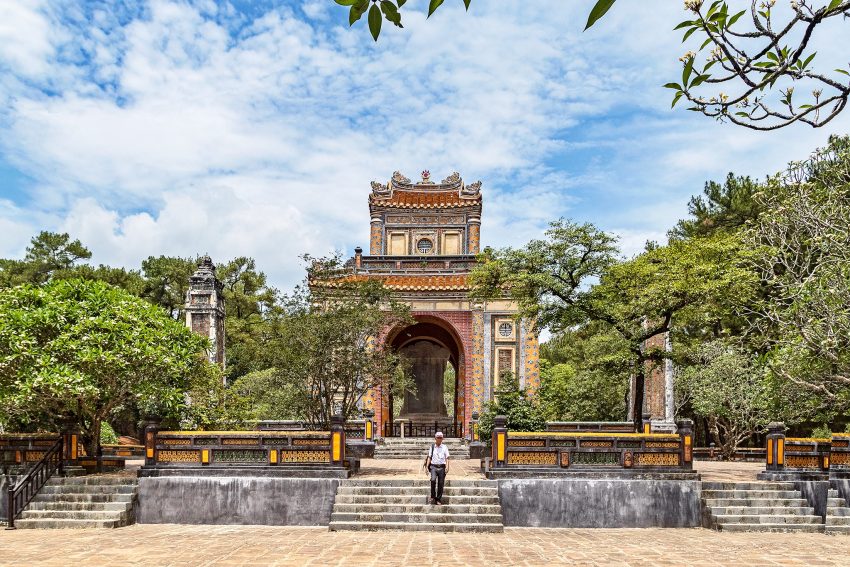
Location: Tu Duc Tomb, Cầu Đông Ba, thôn Thượng, Thủy Xuân, Huế, Thua Thien Hue, Vietnam | Hours: 7:30 am - 5:30 pm daily | Price: 150,000 VND per adult | Distance: 4.6km
22. Thien Mu Pagoda
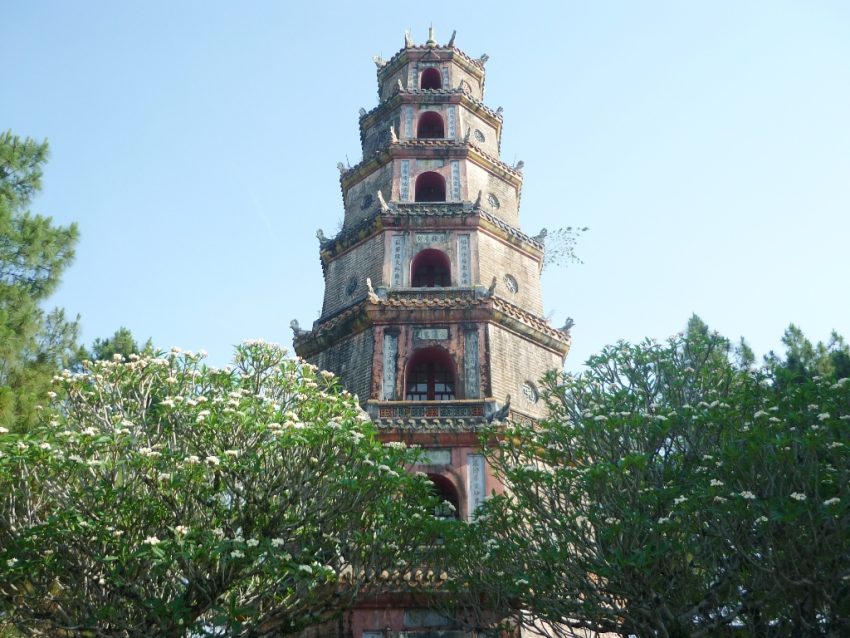
Location: Thien Mu Pagoda, Huế, Hương Long, Huế, Thua Thien Hue, Vietnam | Hours: 8AM–6PM | Price: Free | Distance: 5.1km
23. Thanh Toan Bridge
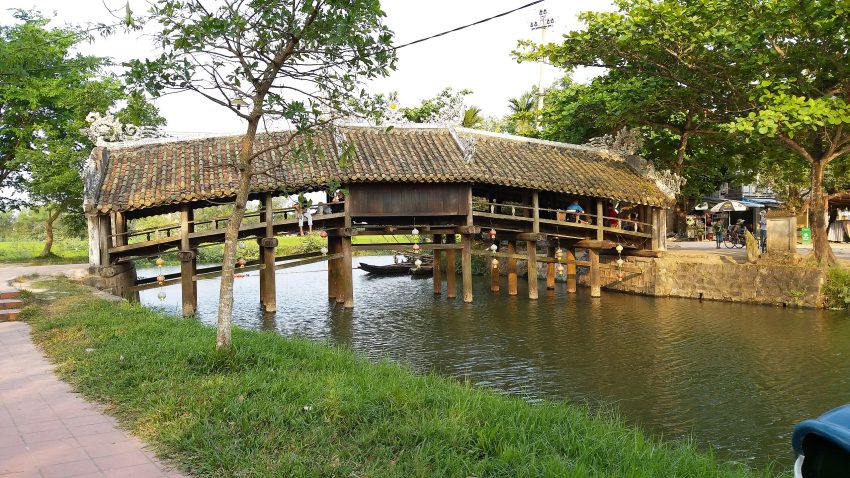
Location: Thanh Toàn Bridge, Lang Xá Bàu Hương Thủy Thừa Thiên Huế, Vietnam | Distance: 5.6km
Best Day Trips from Hue
A day trip from Hue offers the perfect opportunity to escape the urban rhythm and discover the surrounding region's charm. Whether you're drawn to scenic countryside, historic villages, or cultural landmarks, the area around Hue provides a variety of easy-to-reach destinations ideal for a one-day itinerary.
1. Mausoleum of Emperor Khai Dinh
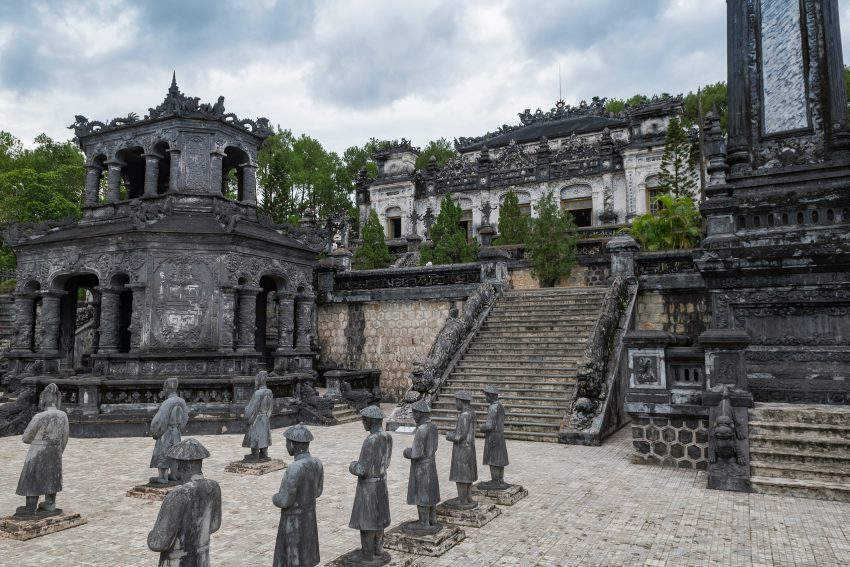
Location: Mausoleum of Emperor Khai Dinh, Thủy Bằng, Hương Thủy, Thua Thien Hue, Vietnam | Hours: 7 AM and 5 PM | Price: 150,000 VND Adult | Distance: 7.6km
Visiting Mausoleum of Emperor Khai Dinh
2. Minh Mang Tomb (Mausoleum of Minh Mang)
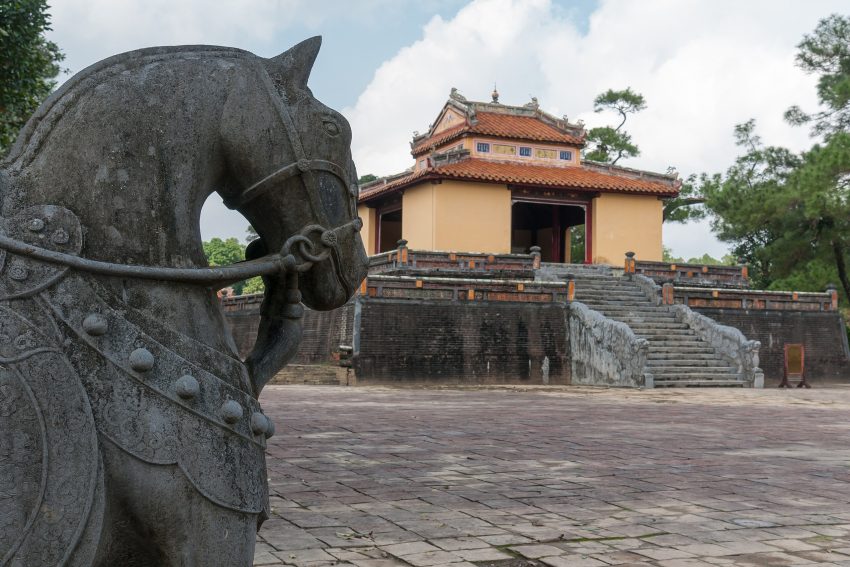
Location: Hiếu Lăng - lăng mộ Minh Mạng Đế, Hương Thọ, Hương Trà District, Thua Thien Hue, Vietnam | Hours: 7:30 am to 5 pm | Price: 150,000 VND Adults (Combined Tickets 420,000 VND) | Distance: 9.1km
Visiting Minh Mang Tomb (Mausoleum of Minh Mang)
3. Bach Ma National Park
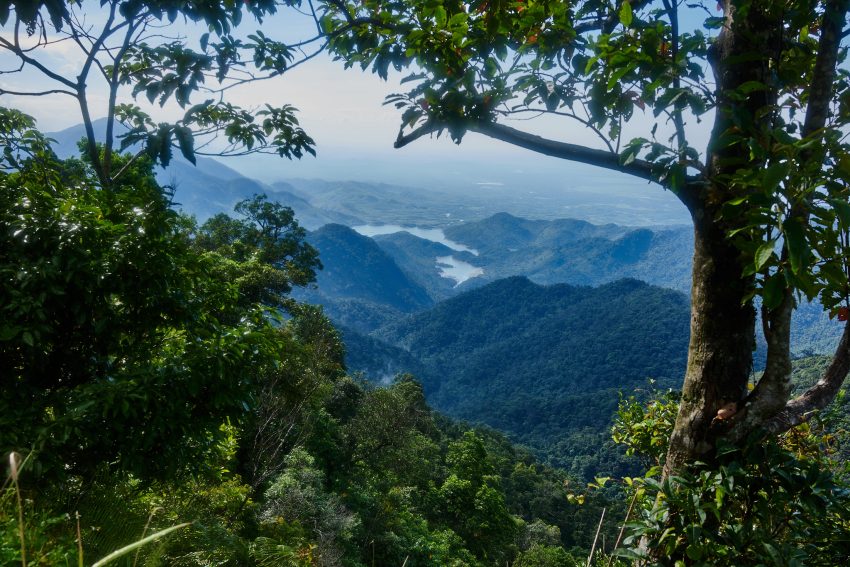
Location: Bạch Mã National Park, Lộc Trì, Phú Lộc, Thua Thien Hue, Vietnam | Distance: 42.7km
Visiting Bach Ma National Park
4. Hai Van Pass
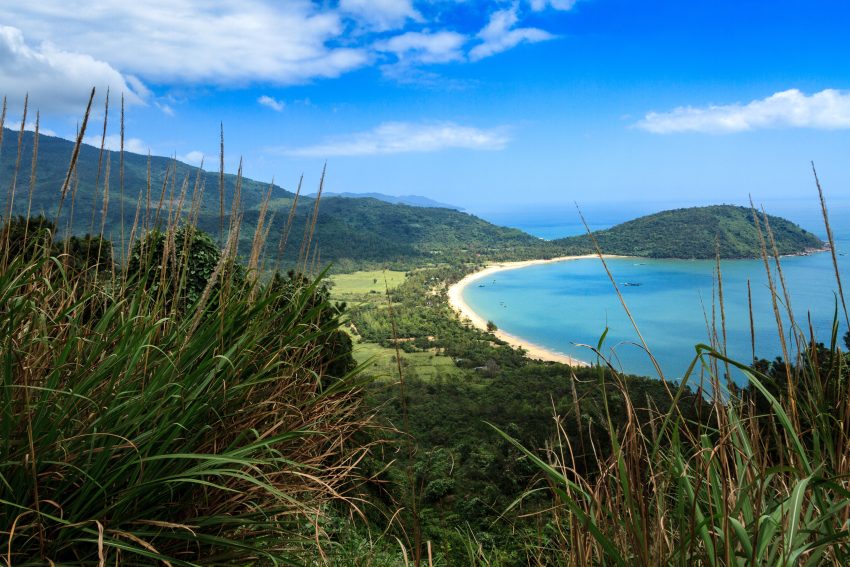
Location: Hải Vân Pass, Lăng Cô, Phú Lộc, Thua Thien Hue, Vietnam | Distance: 65.1km
Visiting Hai Van Pass
5. Da Nang
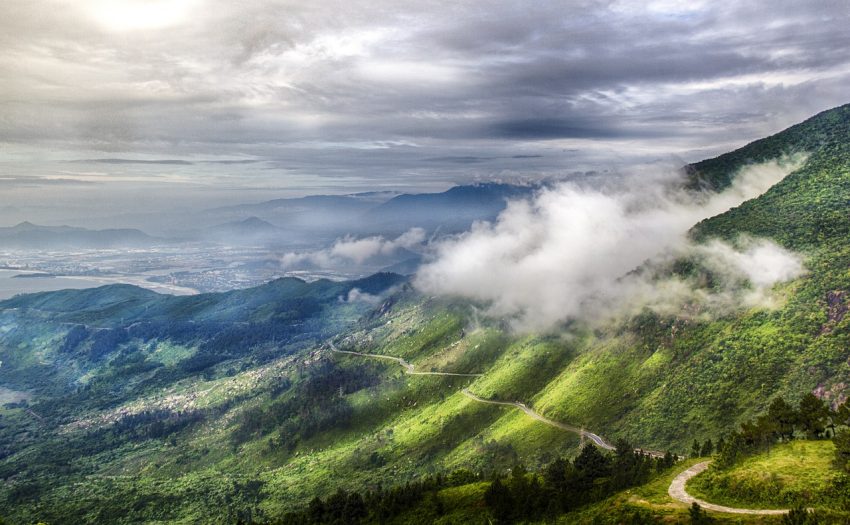
Visiting Da Nang
6. Vietnam’s Demilitarized Zone
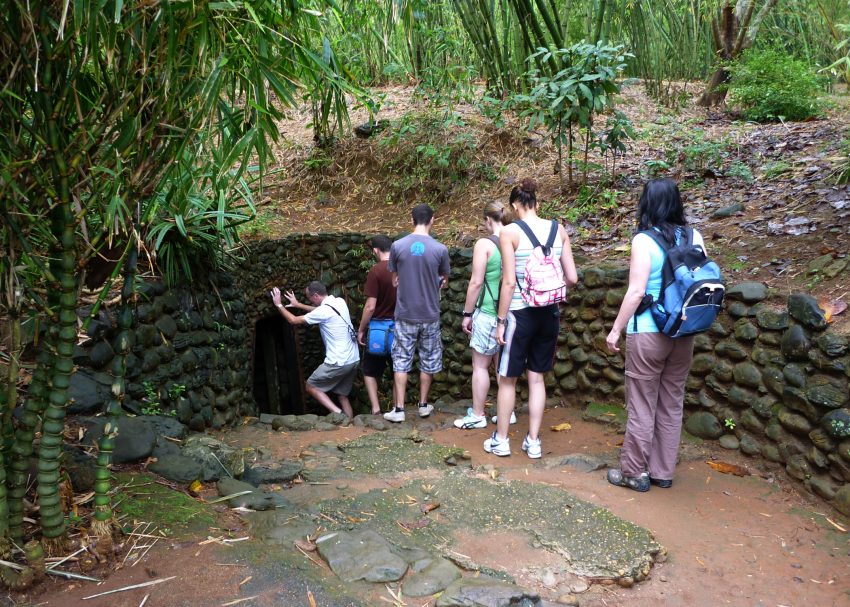
Visiting Vietnam’s Demilitarized Zone
7. Hoi An
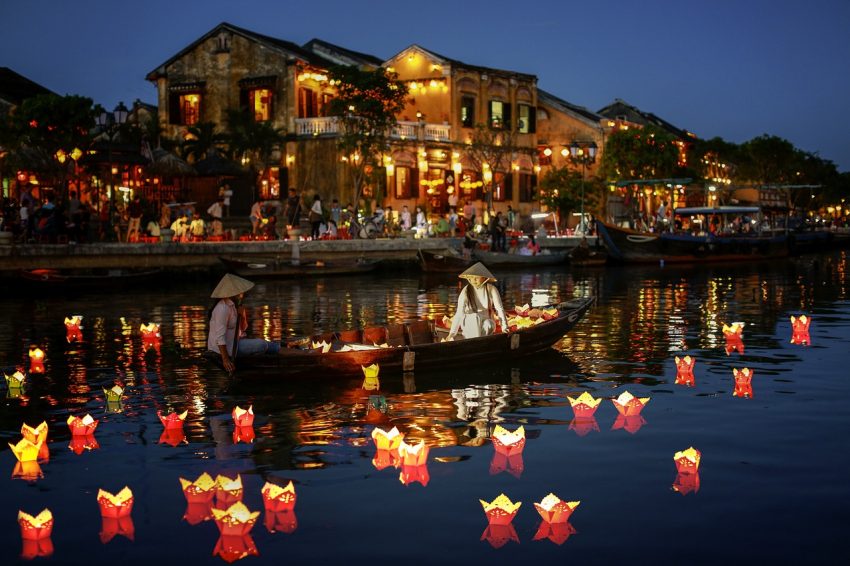
Visiting Hoi An
Where to Stay in Hue
Staying in the city center near the Perfume River offers easy access to the Imperial City, pagodas, and river cruises. For a quieter stay, guesthouses in the countryside near Thanh Toan Bridge provide a peaceful retreat.
A 2 to 3-day stay is ideal for exploring Hue’s historic sites and enjoying local cuisine. A 4-day stay allows for visits to DMZ sites, Bach Ma National Park, or nearby fishing villages.
Using the our Hotel and Accomodation map, you can compare hotels and short-term rental accommodations in Hue. Simply insert your travel dates and group size, and you’ll see the best deals for your stay.
Hue Accommodation Map
Best Time to Visit Hue
Visiting Hue in Spring
Spring, from March to April, is one of the best times to visit Hue. The weather is mild, with temperatures ranging from 20°C to 30°C (68°F to 86°F). The city experiences less rainfall during this period, making it ideal for exploring historical sites, enjoying outdoor activities, and experiencing local festivals.
Visiting Hue in Summer
Summer, from May to August, brings hot and humid weather to Hue, with temperatures often exceeding 35°C (95°F). While this season can be intense, it’s a great time to visit the city’s beaches and enjoy water activities. Additionally, summer festivals and vibrant markets offer a lively cultural experience.
Visiting Hue in Autumn
Autumn, from September to November, is another favorable time to visit Hue. The weather becomes cooler and more comfortable, with temperatures ranging from 25°C to 30°C (77°F to 86°F). This season also marks the beginning of the rainy season, but the showers are typically short and infrequent, adding a refreshing touch to the city’s lush landscapes.
Visiting Hue in Winter
Winter, from December to February, is the coolest season in Hue, with temperatures ranging from 15°C to 20°C (59°F to 68°F). While it can be chilly, this is an excellent time to explore the city’s historical and cultural sites without the crowds. The cooler weather makes walking tours and outdoor activities more enjoyable.
Annual Weather Overview
- January 24°C 78°F
- February 27°C 84°F
- March 28°C 87°F
- April 30°C 95°F
- May 30°C 96°F
- June 30°C 96°F
- July 30°C 95°F
- August 30°C 95°F
- September 30°C 91°F
- October 28°C 85°F
- November 26°C 83°F
- December 24°C 80°F
How to get to Hue
Traveling to Hue by Air
Hue is accessible by air through Phu Bai International Airport, located about 15 kilometers south of the city center. The airport offers both domestic flights from major cities like Hanoi and Ho Chi Minh City and some international flights. Upon arrival, you can take a taxi or shuttle bus to reach the city center.
Traveling to Hue by Train
You can travel to Hue by train via the North-South Railway, also known as the Reunification Express. The Hue Railway Station is centrally located, making it convenient for travelers. Trains from Hanoi and Ho Chi Minh City offer comfortable and scenic journeys, allowing you to enjoy Vietnam's landscapes along the way.
Traveling to Hue by Bus
Several bus companies operate services to Hue from various cities across Vietnam. The main bus station, located in the city center, provides easy access to local transportation. Buses are a cost-effective and flexible option for reaching Hue, with both day and night services available.
Traveling to Hue by Car
Driving to Hue is another option, especially if you prefer flexibility and comfort. The city is well-connected by road, with the National Highway 1A running through it. The journey from nearby cities like Da Nang and Hoi An offers scenic views of central Vietnam's countryside and coastal areas.