Exeter, England: The Ultimate Travel Guide 2026
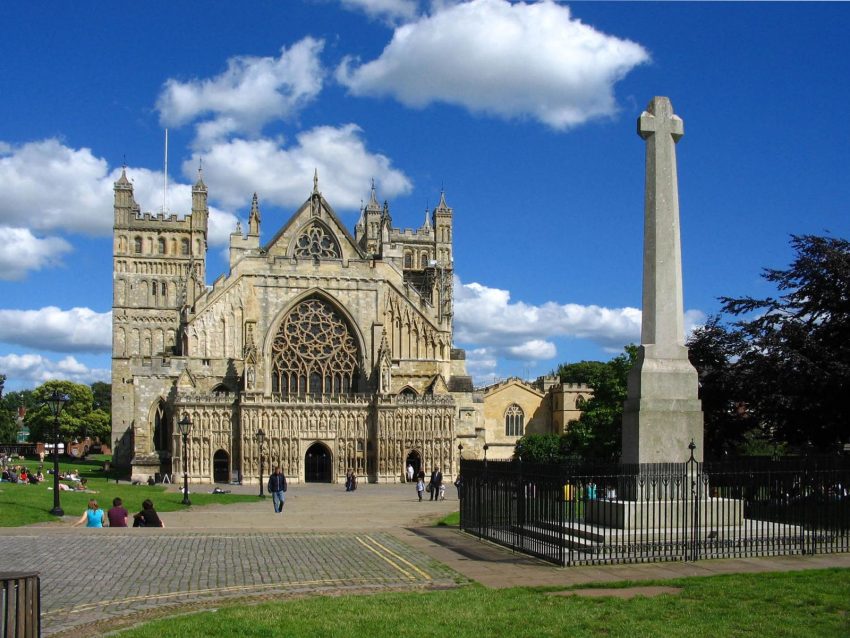
Exeter, located in the heart of Devon, offers a rewarding mix of city life and countryside charm. With its compact city centre, you can explore charming streets lined with independent shops, lively cafés, and a thriving arts scene. The city's impressive cathedral is a highlight, surrounded by green spaces perfect for relaxing, especially in warmer months. Visitors will find Exeter welcoming and walkable, making it easy to enjoy its character at a relaxed pace.
The city sits close to the River Exe, and the historic quayside is one of Exeter's most scenic spots. Here, you can hire a bike or kayak, browse antique shops, or simply enjoy the waterside pubs and restaurants. A short walk from the centre brings you to quiet paths along the Exeter Ship Canal, ideal for a peaceful afternoon. The quayside is also known for local markets and live events throughout the year.
Thanks to its location in the southwest, Exeter serves as a brilliant base for exploring Devon. The nearby countryside and coastlines, including Dartmoor National Park and the Jurassic Coast, are all within easy reach. Whether you're interested in outdoor adventures, cultural activities, or simply soaking up the atmosphere of a well-kept English city, Exeter offers a little bit of everything in a picturesque setting.
History of Exeter
Exeter in Prehistoric and Roman Times
Exeter’s story begins in prehistoric times, with evidence of settlement in the area dating back to the Bronze Age. However, its more documented history starts during the Roman occupation, when it became known as Isca Dumnoniorum. Around AD 55, the Romans established a legionary fortress here, complete with baths, walls, and grid-patterned streets. This early layout would influence Exeter’s later development. As a regional administrative centre, Roman Exeter flourished, playing a key role in trade and military operations in the southwest.
Exeter in the Anglo-Saxon and Norman Eras
Following the Roman withdrawal, Exeter saw Saxon settlement and grew into a fortified burh by the 9th century. It gained prominence under King Alfred and was one of the few cities defended against Viking raids. The construction of churches and a mint signalled its importance. In 1068, William the Conqueror laid siege to Exeter after it resisted Norman control. Once subdued, the Normans built Rougemont Castle, part of which still stands, cementing their presence and altering the city’s skyline.
Exeter in the Medieval and Tudor Periods
The medieval period was one of prosperity for Exeter, driven largely by the wool trade. The city walls were strengthened, and many medieval churches were built. Exeter Cathedral, begun in the early 12th century and largely completed in the Gothic style by the 14th century, became a symbol of its wealth and religious stature. In Tudor times, Exeter faced political unrest, most notably during the 1549 Prayer Book Rebellion, when the city held out against rebels who opposed religious reform. This period also saw the rise of its merchant class and development of the city’s underground passages.
Exeter from the 17th to 19th Century
Exeter played a strategic role during the English Civil War, changing hands between Royalists and Parliamentarians. Post-war recovery brought new Georgian townhouses, and the city maintained its position as a commercial hub. The Industrial Revolution affected Exeter less than northern cities, but it saw growth in industries like banking, brewing, and printing. The arrival of the railway in the 19th century further connected Exeter to other major centres, aiding economic expansion and population growth.
Exeter in the 20th Century to the Present
The 20th century brought both devastation and transformation. During World War II, Exeter suffered significant bombing in the 1942 Baedeker Blitz, which destroyed much of the historic centre. Post-war rebuilding blended modern architecture with surviving medieval and Georgian structures. In recent decades, Exeter has emerged as a cultural and academic centre, with its university boosting the city’s profile. Major redevelopment projects, like Princesshay shopping centre and the revitalisation of the quayside, have reshaped Exeter into a vibrant, modern city rooted in deep historical layers.

Moira & Andy
Hey! We're Moira & Andy. From hiking the Camino to trips around Europe in Bert our campervan — we've been traveling together since retirement in 2020!
Visiting Exeter for the first time and wondering what are the top places to see in the city? In this complete guide, I share the best things to do in Exeter on the first visit. To help you plan your trip, I have also included an interactive map and practical tips for visiting!
This website uses affiliate links which earn a small commission at no additional cost to you.
14 Best places to See in Exeter
This complete guide to Exeter not only tells you about the very best sights and tourist attractions for first-time visitors to the city but also provide insights into a few of our personal favorite things to do.
This is a practical guide to visiting the best places to see in Exeter and is filled with tips and info that should answer all your questions!
1. Exeter Castle (Rougemont Castle)
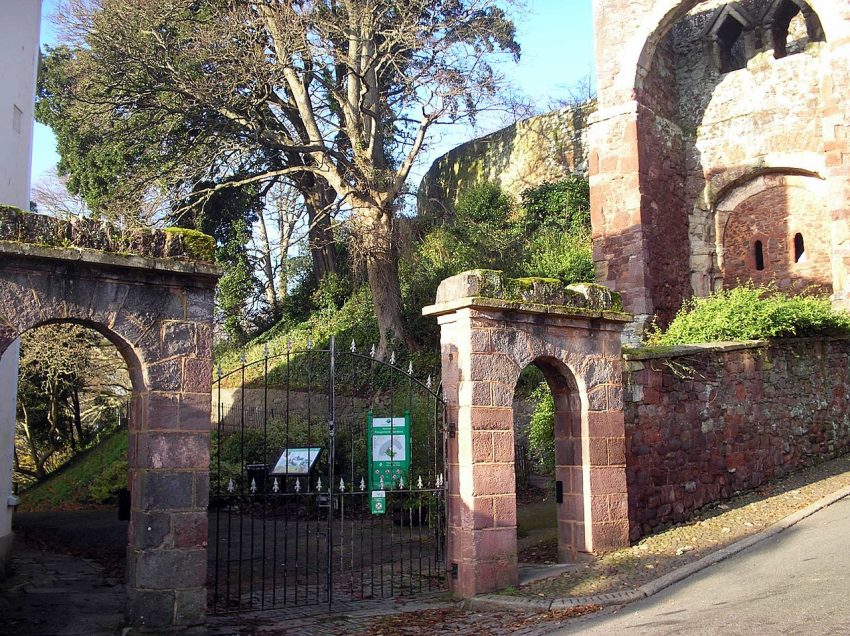
Location: Castle St, Exeter EX4 3PU | Distance: 0.1km

2. Underground Passages
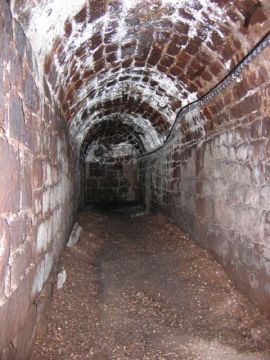
Location: 2 Paris Street, Exeter, Devon | Hours: 9.30am-5.30pm Mon-Sat, 10.30am-4pm Sun Jun-Sep, 10.30am-4.30pm Tue-Fri, 9.30am-5.30pm Sat, 11.30am-4pm Sun Oct-May | Price: adult/child £6/4 | Website | Distance: 0.1km
3. Northernhay Gardens
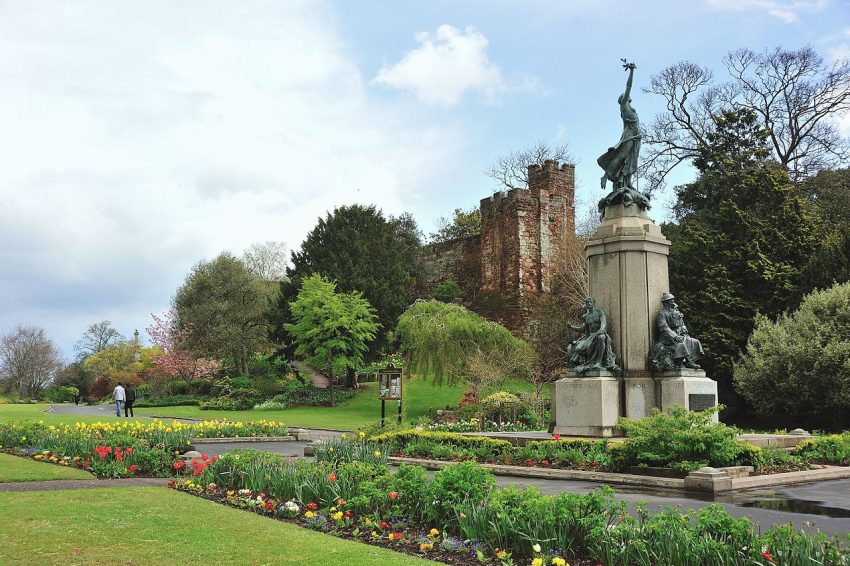
Location: Northernhay Gate, Exeter EX4 3SA | Hours: Open 7.30am till dusk. | Price: Free | Distance: 0.3km
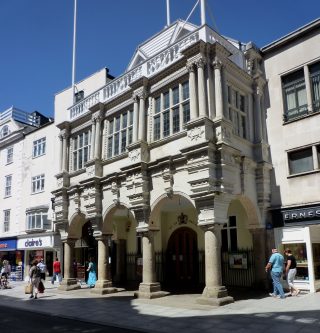
4. Exeter Guildhall
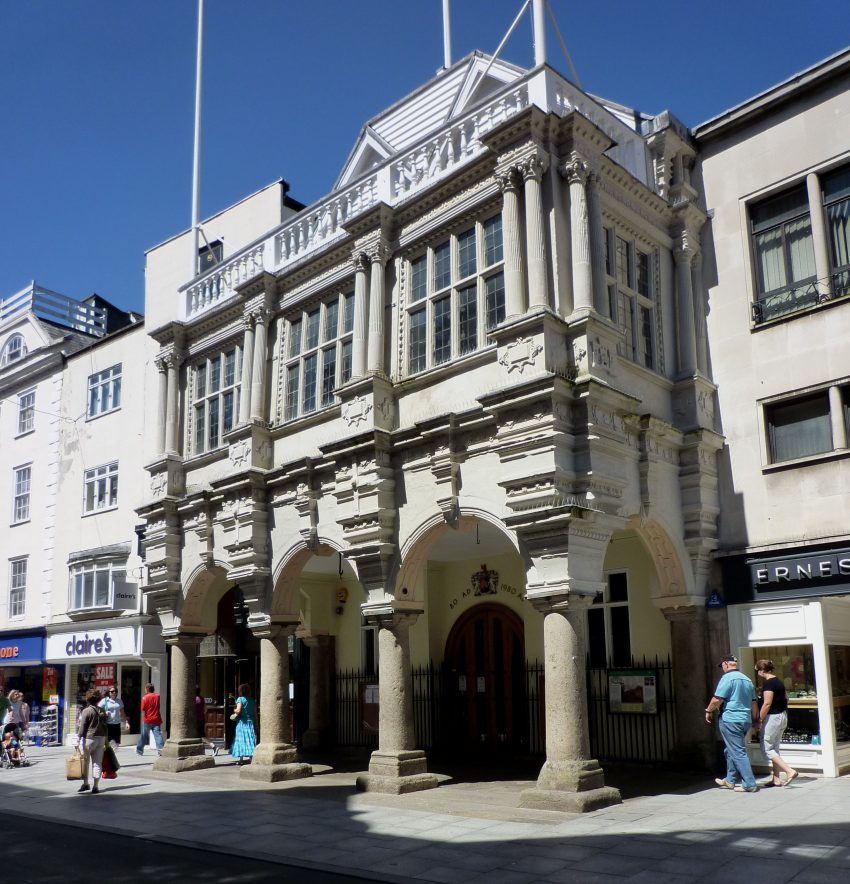
Location: 203 High Street, Exeter, Devon | Hours: The historic Guildhall remains very much a working building and is in frequent use for Mayoral functions, Council Meetings, Private hire, Weddings, etc. See website for more details. | Website | Distance: 0.4km
5. Royal Albert Memorial Museum

Location: RAM Museum Exeter, Royal Albert Memorial, Museum and Art Gallery, Queen St, Exeter, EX4 3RX | Hours: 10am-5pm Tue-Sun | Website | Distance: 0.4km
6. Exeter Cathedral
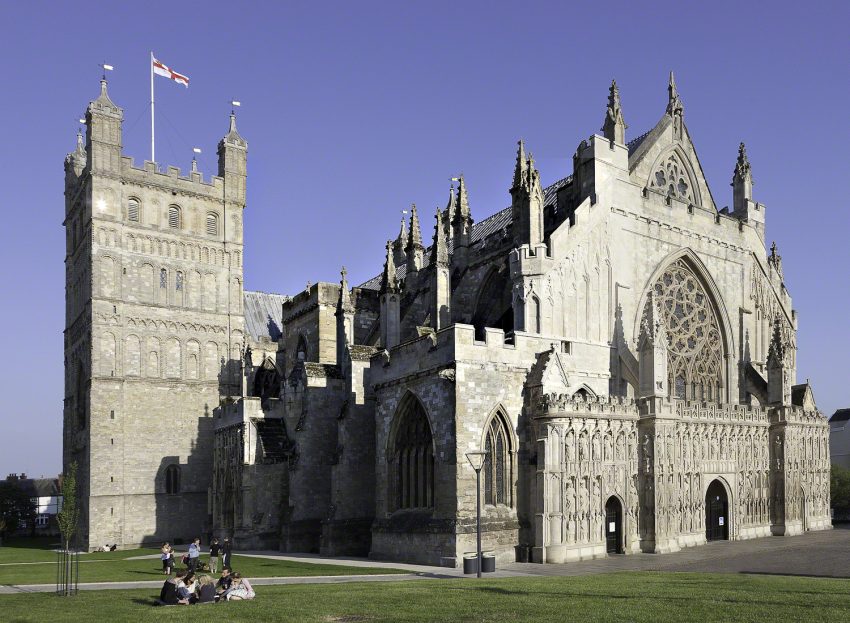
| Hours: 9am-5pm Mon-Sat, 11.30am-5pm Sun | Price: adult/child £7.50/free | Website | Distance: 0.4km
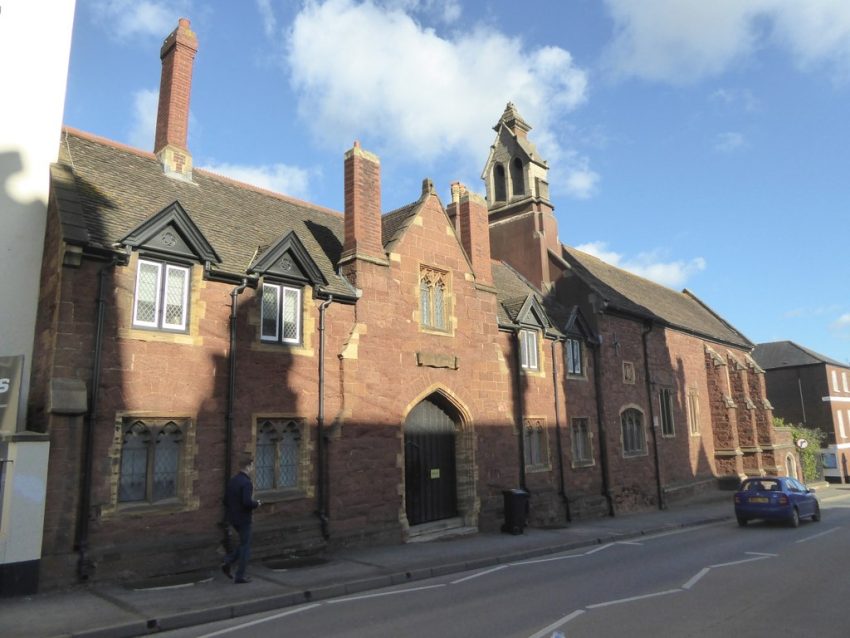
7. Wynard’s Almshouses
8. Exeter City Wall
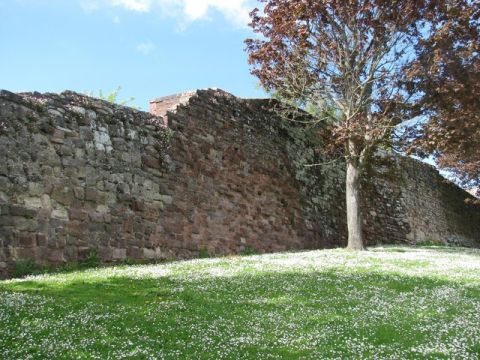
9. St Nicholas Priory
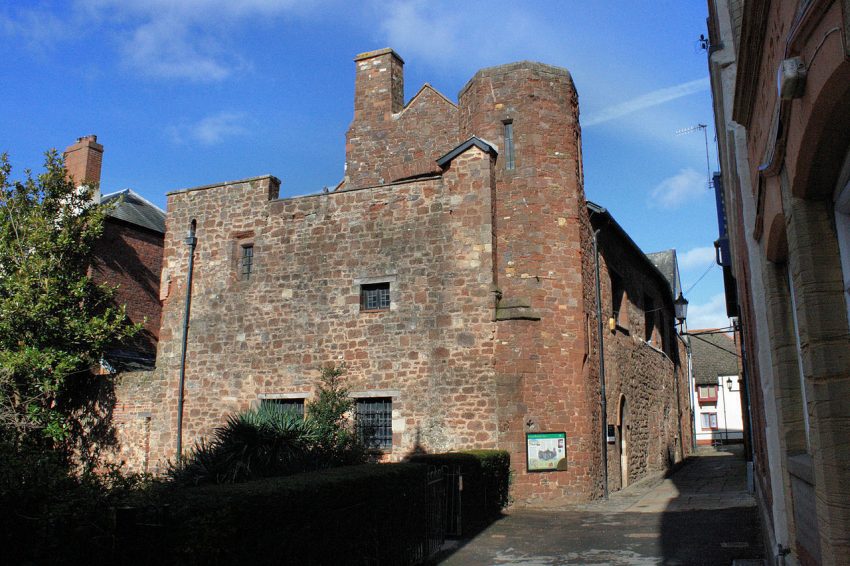
Location: St Nicholas Priory Mint Lane, Off Fore Street, Exeter, Devon, EX4 3BL | Hours: Monday Opening 10am-4pm | Price: Free | Website | Distance: 0.7km
10. Tuckers Hall
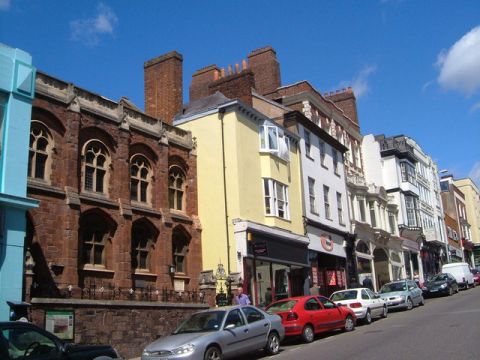
Location: 140 Fore Street, Exeter, Devon, EX4 3AN | Hours: Tuckers Hall will be open every Thursday and Saturday mornings every week. Opening hours will be from 10:30 until 13:00 on all days. | Distance: 0.8km
11. Exeter Customs House
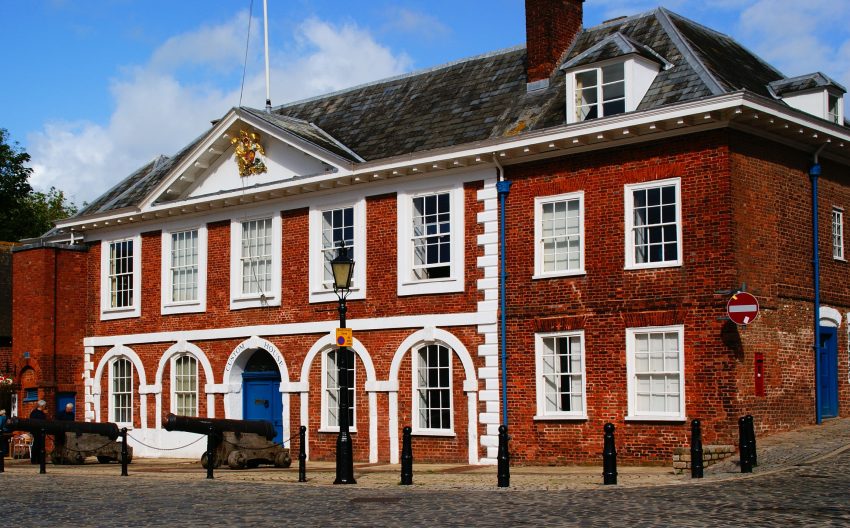
Location: 46 The Quay, Exeter, EX2 4AN | Hours: Monday - Sunday, 10.00am to 5.00pm | Price: Free | Website | Distance: 0.8km
12. Cricklepit Mill
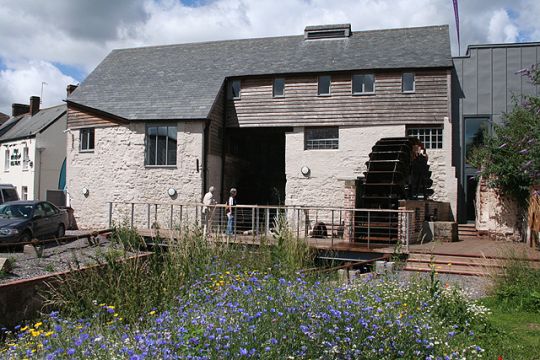
| Hours: The garden is open to the public Monday to Friday 9am - 5pm (except bank holidays). | Price: Free | Website | Distance: 0.9km
13. Exeter Ship Canal

14. Medieval Exe Bridge

Location: The Medieval Exe Bridge, Exeter, UK | Distance: 1.0km
Best Day Trips from Exeter
A day trip from Exeter offers the perfect opportunity to escape the urban rhythm and discover the surrounding region's charm. Whether you're drawn to scenic countryside, historic villages, or cultural landmarks, the area around Exeter provides a variety of easy-to-reach destinations ideal for a one-day itinerary.
1. Topsham Museum
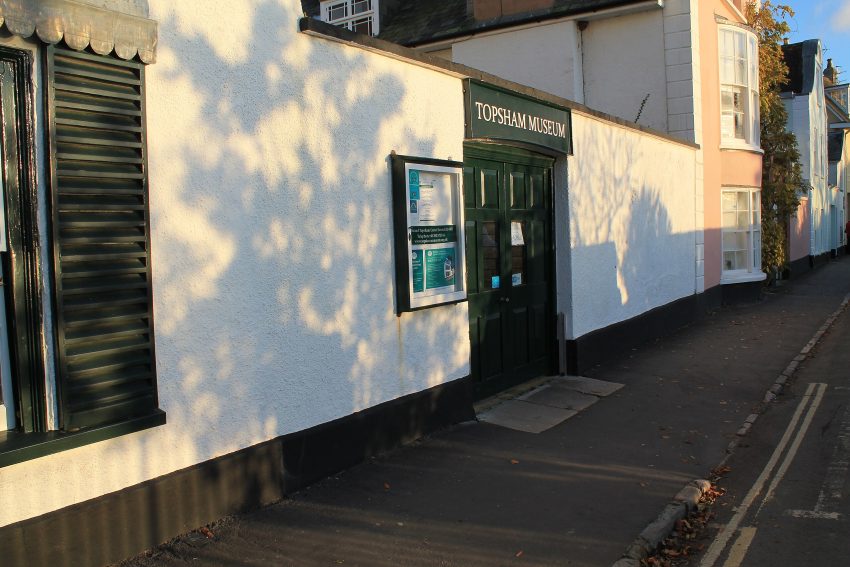
Location: 25 The Strand, Topsham, DEVON, EX3 0AX | Hours: Wednesday-Sunday between 2pm-5pm | Price: Free | Website | Distance: 6.9km
Visiting Topsham Museum
2. Powderham Castle
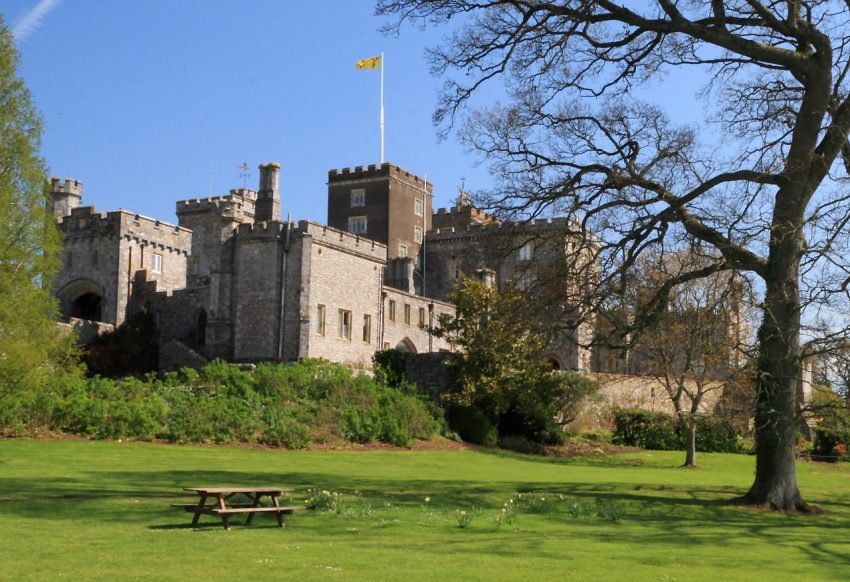
| Hours: 11am-4.30pm Sun-Fri Apr-Jun, Sep & Oct, to 5.30pm Jul & Aug | Price: adult/child £12.95/10.95 | Website | Distance: 10.4km
Visiting Powderham Castle
3. Torquay
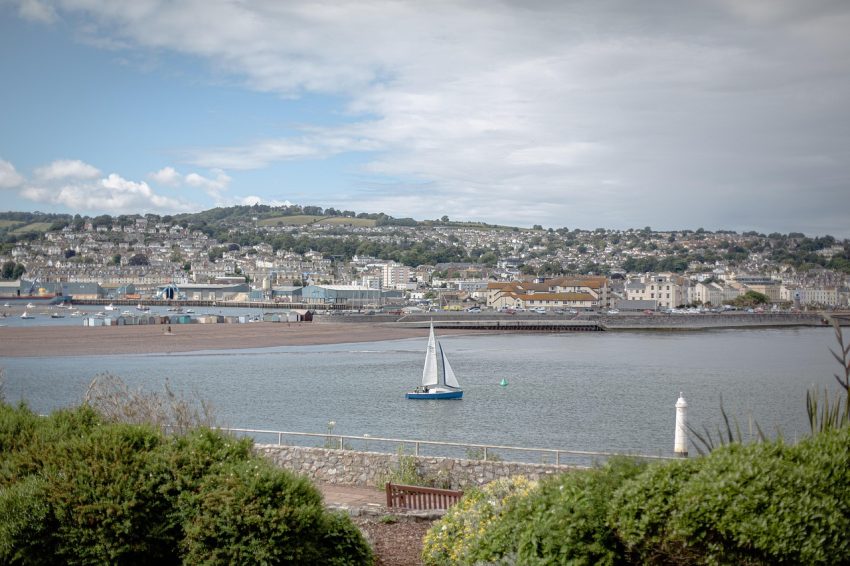
Visiting Torquay
4. Plymouth

Visiting Plymouth
5. Cardiff
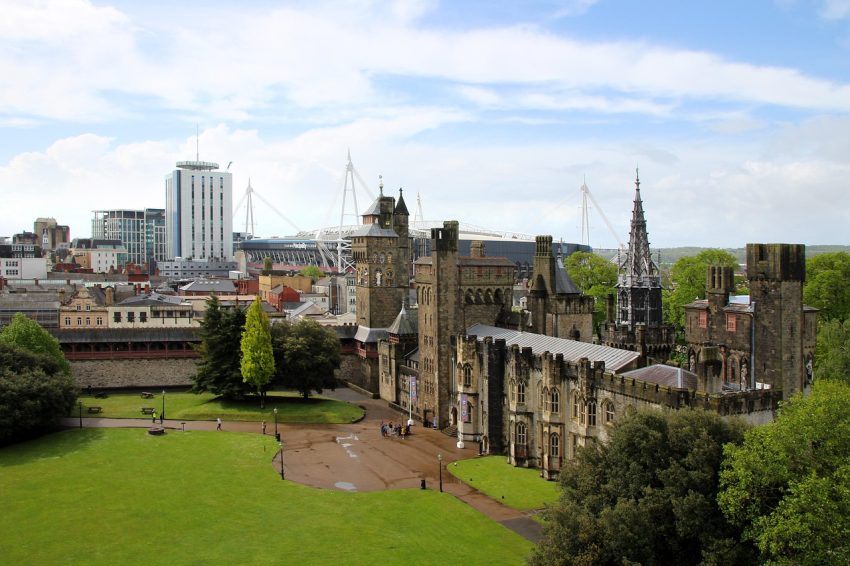
Visiting Cardiff
6. Newport
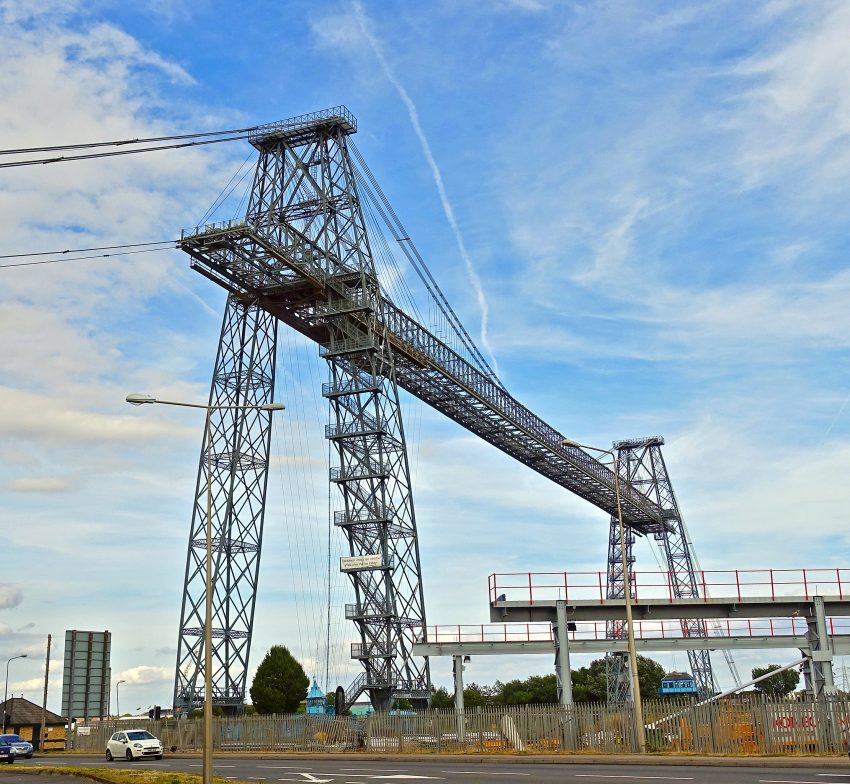
Visiting Newport
7. Swansea
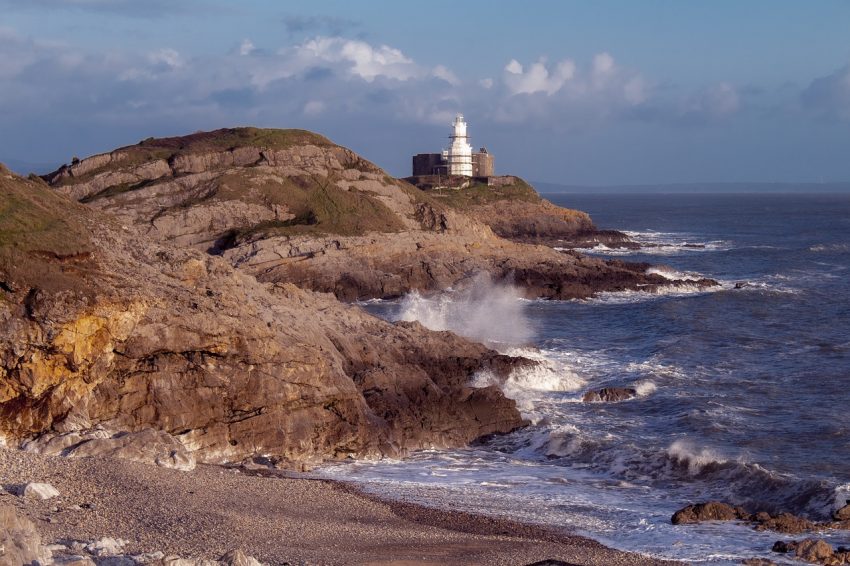
Visiting Swansea
8. Bristol

Visiting Bristol
9. Poole
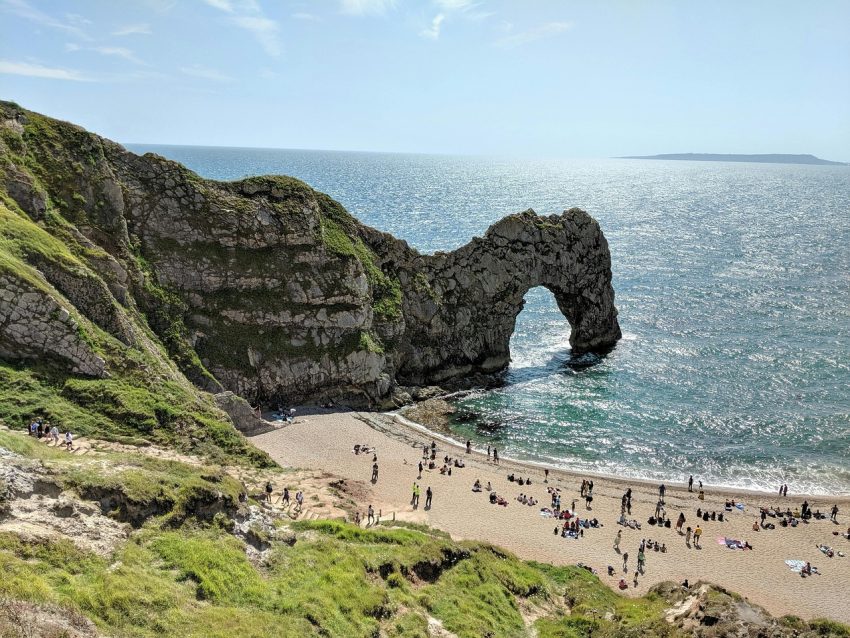
Visiting Poole
10. Bath
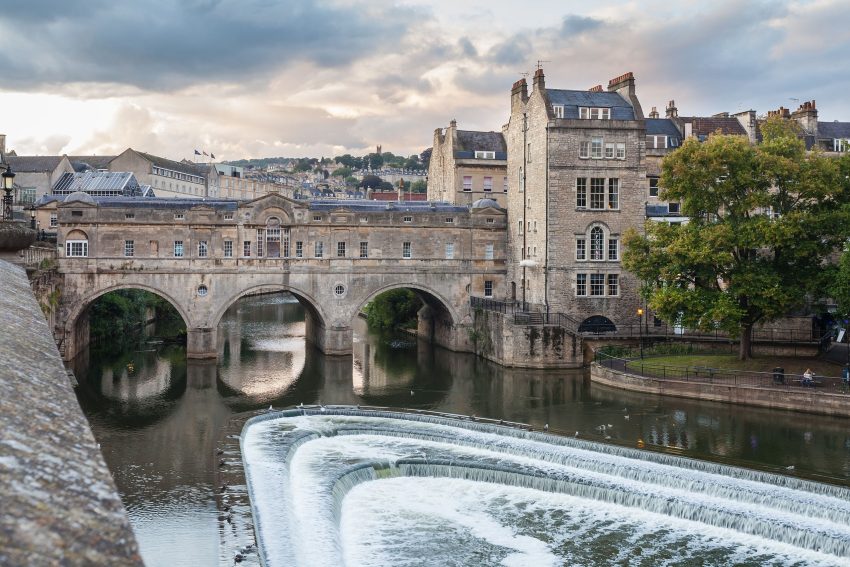
Visiting Bath
11. Chepstow

Visiting Chepstow
12. Tenby
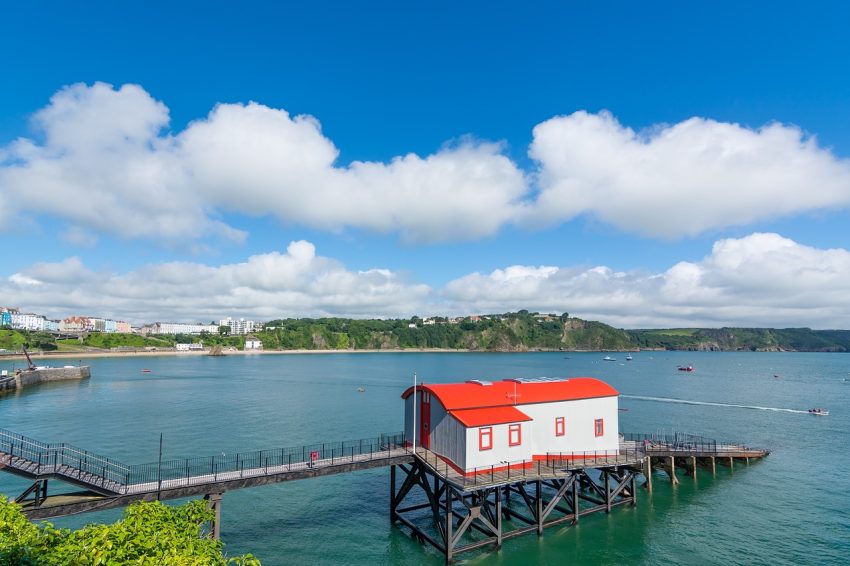
Visiting Tenby
Where to Stay in Exeter
Exeter city centre is the prime location for visitors who want to be close to the historic cathedral, the bustling Quay, and a variety of shops and restaurants. Here you can find a mix of charming boutique hotels and well-known chains. A popular choice in the heart of the city is The Rougemont Hotel, offering classic comfort and a convenient location just a short walk from Exeter Cathedral. For those seeking a modern stay, Jurys Inn Exeter provides contemporary rooms and easy access to the train station and city centre attractions.
For travellers who prefer a quieter environment with green spaces nearby, the area around Pennsylvania and Heavitree offers a relaxed suburban feel while still being close to the city centre. In this district, The Imperial Hotel is a historic hotel with elegant interiors and peaceful gardens. This area is also well connected by local bus routes, making it easy to explore Exeter without staying directly in the busy centre.
If you want to stay near the coast or enjoy scenic countryside, the outskirts of Exeter, such as the villages of Topsham and Exminster, provide charming accommodation options. The Globe Inn is a cozy pub hotel in a picturesque setting close to the Exe Estuary, popular for walkers and bird watchers. Meanwhile, Exeter Court Hotel offers comfortable rooms and convenient access to the city and the surrounding Devon countryside. These locations are ideal for visitors looking to combine a city visit with opportunities for outdoor activities.
Using the our Hotel and Accomodation map, you can compare hotels and short-term rental accommodations in Exeter. Simply insert your travel dates and group size, and you’ll see the best deals for your stay.
Exeter Accommodation Map
Best Time to Visit Exeter
Visiting Exeter in Spring
Spring in Exeter brings blooming gardens and mild temperatures, making it an ideal time for walking the city walls, exploring the historic quayside, or enjoying the vibrant colours in Northernhay Gardens. Events such as the Exeter Festival of South West Food and Drink, typically held in April, draw large crowds with local produce, street food, and chef demonstrations. This season also marks the start of open-air performances and markets, making the city centre lively without the full crowds of summer.
Visiting Exeter in Summer (Best)
Summer is the best time to visit Exeter. The city comes alive with festivals, riverside activity, and extended daylight hours perfect for sightseeing. The Exeter Respect Festival, held in June, celebrates diversity with music, food and performance, while July and August see Exeter’s Phoenix Arts Centre and Rougemont Gardens host open-air cinema nights and theatre. Warm weather allows for punting on the River Exe, and nearby beaches at Exmouth and Dawlish are within easy reach for a day trip.
Visiting Exeter in Autumn
Autumn in Exeter offers a quieter, more reflective experience as the student population returns and the leaves begin to turn. The city’s parks become richly coloured, and local pubs and cafés embrace the cosy atmosphere with seasonal menus. October hosts the Two Moors Festival nearby, which brings classical music to the region, and the Exeter Literary Festival often features talks and workshops in November. It’s also a great time to visit the cathedral before the winter rush.
Visiting Exeter in Winter
Winter in Exeter is festive and charming. The Exeter Cathedral Christmas Market, running from mid-November to December, transforms the cathedral green into a magical maze of chalets selling crafts, gifts, and mulled wine. The city’s historic core is lit beautifully, and shoppers enjoy late-night openings and seasonal cheer. While colder and darker, the city’s cultural offerings—indoor exhibitions, theatre at the Northcott, and warm cafés—make Exeter an appealing destination in the off-season.
Annual Weather Overview
- January 8°C 49°F
- February 9°C 52°F
- March 10°C 54°F
- April 13°C 60°F
- May 15°C 62°F
- June 19°C 70°F
- July 21°C 74°F
- August 23°C 77°F
- September 18°C 69°F
- October 15°C 62°F
- November 11°C 56°F
- December 10°C 54°F
How to get to Exeter
Traveling to Exeter by Train
Exeter is well-connected by train, with direct services from major cities like London, Bristol, and Birmingham. Exeter St David's and Exeter Central are the main stations.
Traveling to Exeter by Car
Exeter is accessible by car via the M5 motorway, which connects the city to the national road network. The A30 and A38 also provide routes into the city.
Traveling to Exeter by Bus
Several bus services operate to and from Exeter, offering an affordable and convenient way to travel. National Express and Megabus have routes connecting Exeter to other UK cities.
Traveling to Exeter by Plane
Exeter International Airport, located just outside the city, offers flights to and from various UK and European destinations. From the airport, you can reach the city by taxi or bus.