Cricklepit Mill, Exeter
Mill in Exeter
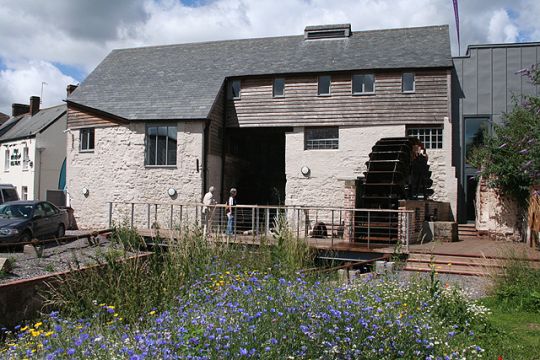
Cricklepit Mill in Exeter, England is a small heritage attraction near Exeter Quay, centred on a restored working watermill. The building brings together older stonework, later milling machinery, and a riverside setting that makes it easy to include in a short visit around the quay area. It sits close to the city centre, so it works well as a brief stop rather than a full-day outing.
The main reason to visit is the waterwheel and the chance to see traditional milling equipment in use on selected days. Visitors notice the sound and movement of the machinery, the restored interior, and the practical displays explaining how the mill operated. It suits people interested in local industry, family visits, and anyone who prefers a compact attraction with a clear sense of purpose over a larger museum experience.
History and Significance of Cricklepit Mill
Cricklepit Mill dates back to at least the 17th or 18th century, although the exact origins of the site may be older. Equipped with 19th-century milling machinery and an undershot waterwheel, it played an essential role in Exeter's milling industry, which relied on the controlled force of the river to grind grain for the city's population.
In the 1990s the mill was seriously damaged by fire, prompting a major restoration led by the Devon Historic Buildings Trust. Their work preserved the surviving fabric of the building and ensured that its original function could still be demonstrated. In 2004 the mill began a new chapter when it was purchased by the Devon Wildlife Trust with support from the National Lottery Heritage Fund. The Trust transformed the site into both a heritage attraction and their headquarters, combining historic preservation with environmental stewardship.
Today, Cricklepit Mill stands as a rare working example of Exeter's industrial heritage. Its mixture of architectural periods, restored waterpower machinery, and riverside surroundings make it one of the best places to visit in Exeter for anyone fascinated by traditional crafts and local history.
Things to See and Do in Cricklepit Mill
The highlight of any visit is the milling demonstration, where volunteer millers bring the undershot waterwheel and 19th-century machinery to life. Watching the gears turn and the grain begin to grind offers a direct connection to techniques that were central to Exeter life for centuries. It's an engaging and surprisingly atmospheric experience.
Inside the mill, visitors can explore the restored building, learning about its structure, the mechanics of milling, and the story of how waterpower shaped Exeter’s economy. Interpretation displays explain the mill’s construction, its machinery, and its survival through fire and restoration. The sound of water channelling beneath the wheel and the rhythmic creak of the machinery evoke a powerful sense of the past.
Outside, the mill’s courtyard and riverside setting provide a peaceful spot to pause. With wildlife-friendly planting and the River Exe nearby, it’s a lovely mixture of natural and historic charm, ideal for a short but meaningful stop during a wider exploration of the Quay area.
How to Get to Cricklepit Mill
Cricklepit Mill is located close to Exeter Quay, a short walk from the city centre. The nearest airports are Exeter Airport and Bristol Airport, both offering convenient regional and international flights. For the best deals and a seamless booking experience, check out these flights to Exeter on Booking.com.
Visitors arriving by rail can use Exeter St Thomas or Exeter Central railway stations, both of which are within walking distance of the Quay and riverside paths. Train schedules and bookings can be found on Omio.
Travelling by car is straightforward, with several nearby car parks around the Quay and riverside. From these, it is only a brief walk to reach the mill.
Practical Tips on Visiting Cricklepit Mill
- Best time to visit Cricklepit Mill: Visit on demonstration days to see the waterwheel and machinery in action.
- Entrance fee in Euros: Free entry; donations help support the mill and Devon Wildlife Trust.
- Opening hours: Open on selected days, especially during milling demonstrations; check ahead for schedules.
- Official website: Available through the Devon Wildlife Trust’s events and heritage pages.
- How long to spend: Around 30-45 minutes is ideal for exploring the mill and watching a milling session.
- Accessibility: The historic structure includes some narrow areas and steps; access may vary.
- Facilities: On-site courtyard, displays, and nearby visitor facilities at Exeter Quay.
- Photography tip: Capture the turning wheel from outside for the best view of the waterflow and machinery.
- Guided tours: Volunteer millers often explain the machinery and history during demonstrations.
- Nearby food options: Plenty of cafés and pubs at Exeter Quay, perfect for extending your visit.
Where to Stay close to Cricklepit Mill
Staying near Exeter Quay offers easy access to Cricklepit Mill and the city's riverside attractions. A classic and convenient choice is Leonardo Hotel Exeter, which provides modern comfort within walking distance of the Quay. For historic charm and boutique style, Hotel du Vin Exeter offers elegant rooms and peaceful gardens. Travellers seeking a central base can also consider Mercure Exeter Rougemont Hotel, well-positioned for exploring both the Quay and Exeter’s historic landmarks.
Add a Is Cricklepit Mill Worth Visiting?
Yes, Cricklepit Mill is absolutely worth visiting, especially for travellers who appreciate small-scale heritage sites where history is brought vividly to life. The working waterwheel, traditional milling demonstrations, and beautifully restored building make it one of the things to do in Exeter for an engaging and memorable experience.
What Other Travellers Say...
Devon Wildlife Trust at Cricklepit Mill on Commercial Road is a compact urban wildlife garden and visitor centre tucked near the quayside where you can spot birds, insects and a small wildlife pond, explore features like bug hotels, bird boxes and a stream, and learn about local conservation from friendly staff and volunteers; visitors praise its peacefulness and informative displays, enjoy examining the mill machinery from outside, and note occasional litter in the river.





FAQs for Visiting Cricklepit Mill
The Cricklepit Mill appears in our Complete Guide to Visiting Exeter!

Moira & Andy
Hey! We're Moira & Andy. From hiking the Camino to trips around Europe in Bert our campervan — we've been traveling together since retirement in 2020!
This website uses affiliate links which may earn a commission at no additional cost to you!
Planning Your Visit
The garden is open to the public Monday to Friday 9am – 5pm (except bank holidays).
Free
Nearby Attractions
- Exeter Customs House (0.1) km
Historic Building and Tourist Office - Medieval Exe Bridge (0.2) km
Bridge - Tuckers Hall (0.2) km
Historic Building - Exeter Ship Canal (0.3) km
Canal - St Nicholas Priory (0.3) km
Historic Building, Historic Site and Museum - Exeter Cathedral (0.4) km
Cathedral - Exeter Guildhall (0.5) km
Historic Building - Exeter City Wall (0.5) km
City Gate and City Walls - Wynard’s Almshouses (0.5) km
Historic Building - Royal Albert Memorial Museum (0.7) km
Museum