Exeter Castle (Rougemont Castle)
Castle in Exeter
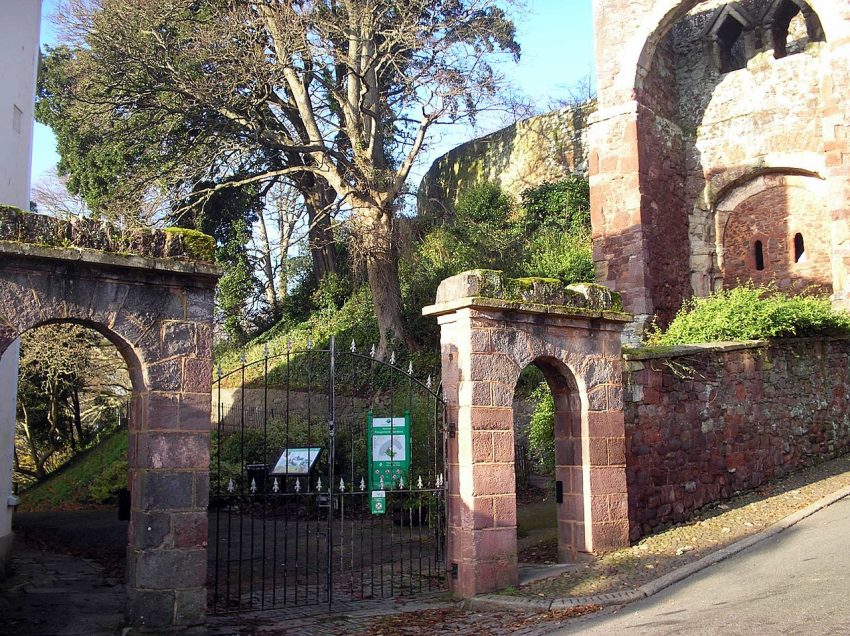
Exeter Castle, also known as Rougemont Castle, sits on the northern edge of Exeter city centre in Exeter, England. It is a Norman castle site and one of the city's most recognisable historic landmarks. Visitors mainly come to see the surviving gatehouse, built in red stone and set against the old Roman city walls.
The castle matters as much for what has happened here as for what remains. It has served military, civic, and judicial roles over the centuries, and today the grounds are best known for their setting beside Northernhay and Rougemont Gardens. The site works well for visitors who want a short, practical stop focused on architecture, local history, and a quiet walk through the surrounding gardens rather than a full castle tour.
History and Significance of Rougemont Castle
Construction of Rougemont Castle began in or shortly after 1068, directly following Exeter's rebellion against William the Conqueror. The Normans chose a commanding position in the northern corner of the Roman walls, making strategic use of ancient fortifications that had protected the city for nearly a millennium. The name “Rougemont” comes from the red volcanic stone of the hill, used in the castle's earliest structures.
In 1136 the castle endured a three-month siege by King Stephen during the civil conflict later known as The Anarchy. Its sturdy gatehouse and well-defended walls played a major role in the city’s resilience. Later centuries added more layers of significance: the castle is even mentioned in Shakespeare’s Richard III, referencing the king’s visit in 1483, a detail that underscores its place in national as well as local history.
The castle's judicial role became central from at least 1607, when Devon's county court was established within the grounds. One of the most poignant episodes occurred in 1682, when the three Devon Witches-the last individuals in England executed for witchcraft-were tried at the Exeter Assizes. By the late 18th century the interior buildings were demolished to create a new courthouse, with additional wings added in the 19th and early 20th centuries. After the courts moved out in 2004, the site was sold with plans to redevelop it into a cultural hub.
Things to See and Do in Rougemont Castle
The Norman gatehouse is the centrepiece of any visit. Its massive archway, red-stone walls, and defensive design reflect the strength and confidence of the Norman builders. Standing beneath it, visitors can easily imagine the sounds of soldiers, horses, and citizens passing through over nine centuries.
Within the castle perimeter, the open spaces and surviving foundations help illustrate how the site evolved from fortress to civic centre. Interpretation panels often highlight the judicial history of the Assizes, including the stories of the Devon Witches. Although the original interior buildings were lost in the 1770s, the modern courtyard preserves the layout and provides a calm, atmospheric space to explore.
The surrounding green spaces are equally compelling. Northernhay Gardens and Rougemont Gardens form a picturesque buffer around the castle's walls, dotted with memorials, lush lawns, and shaded paths. The combination of stone fortification and garden landscape makes this area one of the best places to visit in Exeter for travellers seeking both history and tranquillity.
How to Get to Rougemont Castle
Rougemont Castle is located just northeast of Exeter's city centre and is easy to reach on foot from the High Street. The closest airports are Exeter Airport and Bristol Airport, both offering convenient domestic and international connections. For the best deals and a seamless booking experience, check out these flights to Exeter on Booking.com.
Exeter Central railway station is only a few minutes' walk away, with regular train services from London Waterloo, Exmouth, Barnstaple, and other regional hubs. Train schedules and bookings can be found on Omio.
Travelling by car is straightforward, with several car parks nearby, including those around Queen Street and the city centre. Once parked, the castle is a short stroll uphill alongside Northernhay Gardens.
Practical Tips on Visiting Rougemont Castle
- Best time to visit Rougemont Castle: Spring and summer are ideal for combining the castle visit with a walk through Northernhay and Rougemont Gardens.
- Entrance fee in Euros: Access to the gatehouse exterior and surrounding gardens is free.
- Opening hours: The gatehouse exterior and public paths can be viewed year-round; interior access depends on events or private bookings.
- Official website: Available through Exeter City Council and the castle's event listings.
- How long to spend: Around one hour is enough to explore the gatehouse and gardens, longer if you pair it with nearby museums.
- Accessibility: The paths around the gardens are generally accessible, though some slopes and uneven surfaces exist near the gatehouse.
- Facilities: Benches, lawns, and gardens surround the castle; cafés and shops are a short walk away in the city centre.
- Photography tip: Capture the gatehouse from the garden side in the morning light when the red stone glows warmly.
- Guided tours: Often included in local heritage and walking tours focusing on medieval and Norman Exeter.
- Nearby food options: Numerous cafés and pubs along Queen Street, Gandy Street, and the High Street.
Where to Stay close to Rougemont Castle
The area surrounding Rougemont Castle is one of the most convenient places to stay in Exeter, with easy access to the gardens, museums, and city centre. A refined option is Mercure Exeter Rougemont Hotel, located directly across from Northernhay Gardens and ideal for early morning walks to the castle gatehouse. For a blend of heritage and modern comfort, Hotel du Vin Exeter offers peaceful grounds and stylish interiors within easy walking distance. Travellers looking for a contemporary stay can opt for Leonardo Hotel Exeter, offering spacious rooms and reliable comfort near key attractions.
Add a Is Rougemont Castle Worth Visiting?
Rougemont Castle is absolutely worth visiting for anyone fascinated by Norman England, medieval architecture, or the layered story of Exeter's past. From its Roman foundations to its role in national political drama and local judicial history, it offers a surprisingly rich experience within a compact space. The combination of history and green surroundings makes it one of the top sights in Exeter for both casual and committed history travellers.
What Other Travellers Say...
Exeter Castle on Castle St offers visitors a prominent historic fortress with grounds used for events; guests note the courtyard hosts concerts and festivals with plenty of seating, and the site is kept clean and well maintained. Some areas may be locked at times, but the surrounding park and informative plaques make for an interesting visit; the venue is hired for weddings, balls and other functions and includes private residences and an Airbnb on the site.





FAQs for Visiting Rougemont Castle
The Exeter Castle (Rougemont Castle) appears in our Complete Guide to Visiting Exeter!

Moira & Andy
Hey! We're Moira & Andy. From hiking the Camino to trips around Europe in Bert our campervan — we've been traveling together since retirement in 2020!
This website uses affiliate links which may earn a commission at no additional cost to you!
Nearby Attractions
- Athelstan’s Tower (0.2) km
Tower - Northernhay Gardens (0.2) km
Park - Underground Passages (0.2) km
Museum and Tunnel - Royal Albert Memorial Museum (0.2) km
Museum - Exeter Guildhall (0.3) km
Historic Building - Exeter Cathedral (0.3) km
Cathedral - Exeter City Wall (0.4) km
City Gate and City Walls - St Nicholas Priory (0.6) km
Historic Building, Historic Site and Museum - Wynard’s Almshouses (0.6) km
Historic Building - Tuckers Hall (0.7) km
Historic Building