Cologne, Germany: The Ultimate Travel Guide 2026
Cologne is one of Germany's most characterful city breaks, set on the Rhine in North Rhine-Westphalia and packed with big-sky river views, bold architecture, and a lived-in local vibe that’s equal parts creative and convivial. The city’s headline sights are easy to reach on foot or by tram, so you can mix landmark-hopping with slow moments in cafés, breweries, and along the riverside promenades.
A great Cologne visit usually balances the classics-cathedral panoramas, museum time, and a wander through the Old Town-with neighborhood exploring in places like the Belgian Quarter and Ehrenfeld, where independent shops, galleries, and late-night bars keep things lively. Food and drink are part of the experience too: expect hearty Rhineland dishes, excellent bakeries, and the city's signature beer culture served in traditional brewpubs.
Cologne also works brilliantly as a base for day trips along the Rhine, but you don't need to leave the city to feel the variety: parks, viewpoints, street art, and modern riverfront developments sit close to historic squares. Whether you're here for a weekend or a longer stay, it's a place that rewards curiosity-dip into a museum, climb for a view, then end the day with a relaxed riverside stroll.
Table of Contents
- History of Cologne
- Cologne in Roman Times
- Cologne in the Early Middle Ages
- Cologne in the High Middle Ages and the Hanseatic Era
- Cologne from Early Modern Upheavals to French Rule
- Cologne in the 19th Century: Prussian Era and Industrial Growth
- Cologne in World War II and Postwar Reconstruction
- Cologne in the Late 20th Century to Today
- Best things to do and See in Cologne
- 10 Best Day Trips from Cologne
- Where to Stay in Cologne
- Best Time to Visit Cologne
- How to get to Cologne
History of Cologne
Cologne in Roman Times (Colonia Claudia Ara Agrippinensium)
Cologne’s story begins as a Roman settlement that grew into a major administrative and commercial center on the frontier of the empire. The Romans laid out streets, built fortifications, and developed infrastructure that shaped the city’s early urban footprint. Trade and military logistics helped the settlement prosper, and the city’s Roman identity remained a foundational layer long after imperial control waned.
Cologne in the Early Middle Ages
After the Roman era, Cologne evolved into an important ecclesiastical hub. Christian institutions expanded, and the city’s bishops gained influence, helping Cologne become a focal point for religious authority and learning. Over time, pilgrimage, church building, and the growth of clerical power contributed to Cologne’s rising status.
Cologne in the High Middle Ages and the Hanseatic Era
During the medieval boom, Cologne became one of the largest and wealthiest cities in the region, driven by river trade, crafts, and merchant networks. It joined the Hanseatic League, strengthening its commercial reach and political leverage. Monumental building projects and civic institutions flourished, and the city’s urban culture—guilds, markets, and public life—became increasingly sophisticated.
Cologne from Early Modern Upheavals to French Rule
Religious and political tensions across Europe affected Cologne’s fortunes, with shifting alliances and periodic instability. By the late 18th century, French revolutionary forces took control, bringing administrative reforms and secularization that reshaped civic and church property. These changes altered governance and the city’s institutional landscape in lasting ways.
Cologne in the 19th Century: Prussian Era and Industrial Growth
In the 19th century, Cologne experienced rapid modernization, including rail connections, industrial expansion, and population growth. Urban development accelerated, and the city’s economy diversified beyond traditional commerce. This period also saw renewed interest in monumental heritage and civic identity, with major projects continuing into the modern age.
Cologne in World War II and Postwar Reconstruction
Cologne suffered extensive destruction during World War II, with large parts of the city center damaged. The postwar decades focused on rebuilding housing, infrastructure, and cultural institutions, often blending restoration with modern planning. Over time, Cologne re-established itself as a major media, cultural, and economic center.
Cologne in the Late 20th Century to Today
In recent decades, Cologne has strengthened its reputation for openness, arts, and major events, while continuing to evolve architecturally and economically. New cultural venues, redeveloped riverfront areas, and expanding creative industries have complemented historic landmarks. The city today is shaped by both deep heritage and a forward-looking, festival-friendly energy.

Moira & Andy
Hey! We're Moira & Andy. From hiking the Camino to trips around Europe in Bert our campervan — we've been traveling together since retirement in 2020!
Visiting Cologne for the first time and wondering what are the top places to see in the city? In this complete guide, I share the best things to do in Cologne on the first visit. To help you plan your trip, I have also included an interactive map and practical tips for visiting!
This website uses affiliate links which earn a small commission at no additional cost to you.
Best things to do and See in Cologne
1. Cologne Cathedral (Kölner Dom) in Cologne
Cologne Cathedral is the city’s defining landmark and a must-see for first-time visitors. The scale is extraordinary, and the atmosphere inside shifts from awe to quiet contemplation as you move between chapels, stained glass, and soaring vaults.
Plan time for both the interior and the surrounding cathedral square, which is great for people-watching and photos. If you want a classic city panorama, the cathedral tower climb is one of the most rewarding viewpoints in Cologne.
Entry cost & times: Cathedral interior is typically free to enter; tower/treasury require tickets. Opening times vary by area and season, so check on arrival for the day’s schedule.
2. Museum Ludwig in Cologne
Museum Ludwig is one of Cologne’s top art museums, especially strong for modern and contemporary works. It’s an excellent counterpoint to the city’s medieval architecture, with galleries that can take you from iconic 20th-century movements to bold contemporary pieces.
Give yourself enough time to explore beyond the highlights—temporary exhibitions can be a major draw, and the museum’s layout encourages wandering and discovery. It’s also conveniently close to the cathedral area, making it easy to pair with other central sights.
Entry cost & times: Ticketed entry; opening hours vary by day and exhibition schedule—check locally or on the day of your visit.
3. Old Town (Altstadt) and Rhine Promenade in Cologne
Cologne’s Old Town is where you’ll find classic squares, colorful facades, and a lively mix of local life and visitor energy. It’s ideal for an unhurried wander—dip into small churches, browse shops, and pause for a drink when you find a spot that feels right.
The Rhine promenade nearby is perfect for a scenic walk, especially around sunset when the river reflects the city lights. It’s also a great way to connect on foot to other areas like the museum district and the bridges.
Entry cost & times: Free and always open; individual venues (churches, museums) have their own hours.
4. Hohenzollern Bridge and Love Locks in Cologne
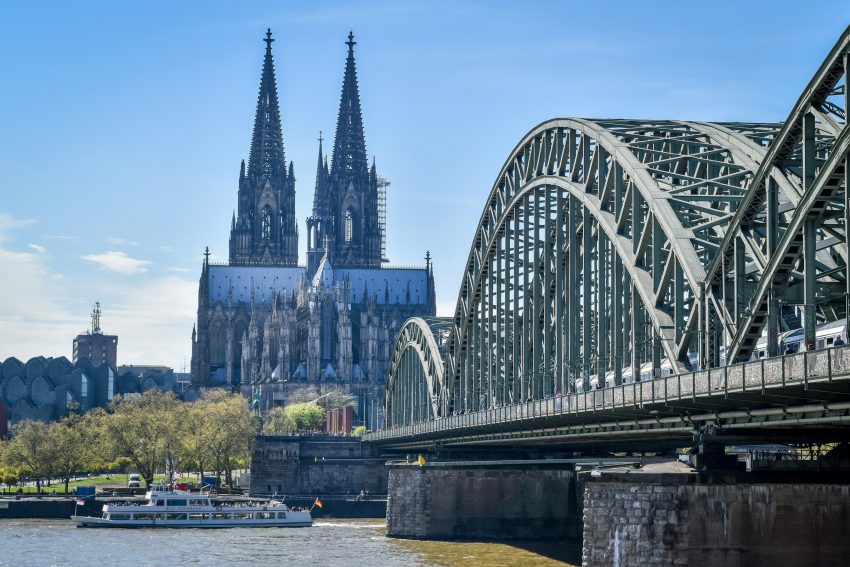
The Hohenzollern Bridge is one of Cologne’s most recognizable river crossings, famous for its dense clusters of love locks and its postcard views toward the cathedral. Walking across is a simple, memorable experience that gives you a strong sense of the city’s relationship with the Rhine.
Go early for quieter photos or later for a more atmospheric feel as trains rumble overhead and the skyline glows. It’s also a practical link between the central station area and the Deutz side for viewpoints and events.
Entry cost & times: Free and open at all times.
5. Cologne Chocolate Museum (Schokoladenmuseum Köln) in Cologne
This museum is a fun, sensory-friendly stop that mixes the story of chocolate with interactive displays and plenty of sweet temptation. It works well for families, couples, and anyone who wants a lighter museum experience between heavier cultural visits.
The highlight for many is the production and tasting element, plus the location right on the waterfront, which makes it easy to combine with a riverside stroll. Expect it to be popular on weekends and during school holidays.
Entry cost & times: Ticketed entry; opening hours vary seasonally—check on the day.
6. Cologne Cable Car (Kölner Seilbahn) and Rhinepark in Cologne
For a different perspective, the Cologne Cable Car offers a scenic ride over the Rhine with wide views of the skyline. It’s a short experience but memorable, especially on clear days when you can see the city’s landmarks laid out along the river.
Pair it with time in Rheinpark, a spacious green area that’s great for picnics, relaxed walks, and a breather from the city center. This combo is ideal if you want a slower-paced afternoon.
Entry cost & times: Cable car is ticketed and operates seasonally with weather-dependent hours; Rheinpark is free and open daily.
7. Cologne Zoo and Aquarium in Cologne
Cologne Zoo is one of the city’s best attractions if you’re traveling with kids or simply want a full half-day activity. The grounds are designed for easy strolling, and there’s enough variety to keep interest high across different habitats and exhibits.
The aquarium and related animal houses add an indoor element, which is useful if the weather turns. Arrive earlier in the day if you want a calmer experience before peak crowds.
Entry cost & times: Ticketed entry; opening hours vary by season—check at the entrance or on the day of your visit.
8. Cologne Botanical Garden (Flora) in Cologne
The Botanical Garden (Flora) is a peaceful, beautifully maintained place to slow down. It’s especially rewarding in spring and summer when planting is at its most vibrant, but it’s pleasant year-round for a quiet walk.
It’s also a great “reset” stop between busier attractions, with photogenic paths and greenhouse areas depending on access and seasonal schedules. If you enjoy gardens, it’s one of the most relaxing corners of Cologne.
Entry cost & times: Generally free to enter; opening times can vary by area and season.
9. Cologne Belgian Quarter (Belgisches Viertel) in Cologne
The Belgian Quarter is one of the best areas to experience Cologne’s modern, stylish side. Think independent boutiques, design shops, casual restaurants, and bars that fill up in the evenings—great for travelers who like neighborhoods with personality.
Spend a few hours browsing, then settle into a café or wine bar and watch the city go by. It’s also a strong place for nightlife without committing to a club-heavy scene.
Entry cost & times: Free to explore; individual shops and venues set their own hours.
10. Cologne Ehrenfeld Street Art and Nightlife in Cologne
Ehrenfeld is a creative district known for street art, music venues, and a more alternative edge than the central tourist areas. A walk here feels like a different Cologne—more industrial textures, more murals, and a strong local scene.
Come in the late afternoon to spot art in good light, then stay into the evening for casual dining or live music. It’s a great choice if you want to see how Cologne’s contemporary culture expresses itself beyond the postcard sights.
Entry cost & times: Free to explore; venues and clubs vary by event and schedule.