Cartagena, Spain: The Ultimate Travel Guide 2026
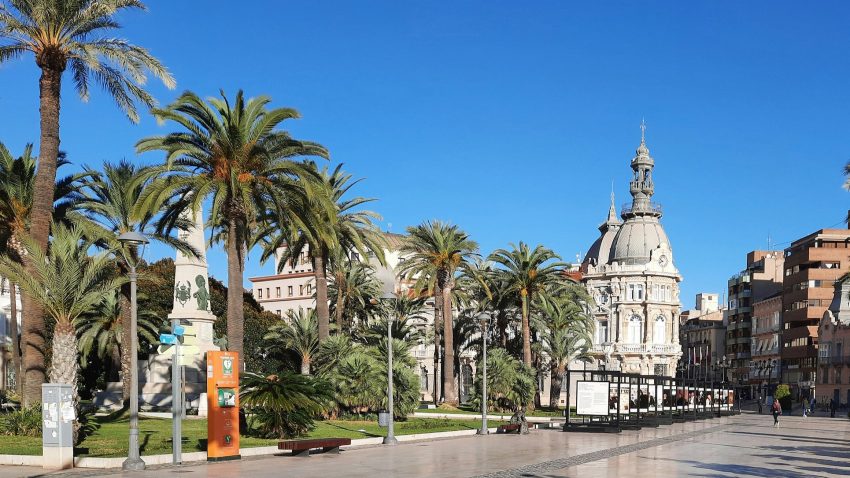
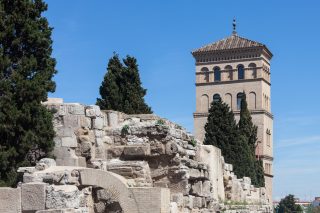
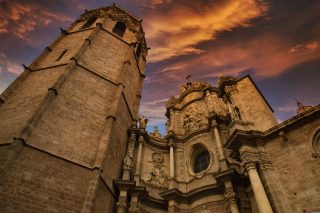
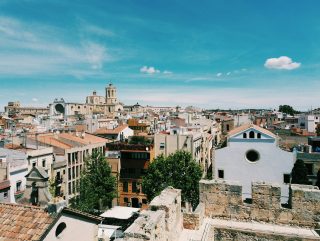
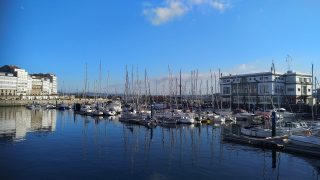
Cartagena, located in the Region of Murcia, is a captivating coastal city offering a blend of stunning Mediterranean views, lively urban culture, and archaeological wonders. Its waterfront promenade, lined with charming cafés and seafood restaurants, provides the perfect setting for a relaxing stroll while taking in the sights of Cartagena’s deep-water port. Visitors can explore the city’s dynamic local scene, where colorful markets and bustling plazas create an inviting atmosphere that reflects Cartagena’s rich maritime heritage.
Beyond its vibrant city streets, Cartagena offers incredible natural surroundings ideal for outdoor enthusiasts. Cala Cortina, a picturesque beach just minutes from the city center, features crystal-clear waters and secluded coves, perfect for sunbathing or a refreshing swim. Meanwhile, the nearby Calblanque Natural Park showcases Murcia's rugged coastal beauty, with dramatic cliffs, unspoiled beaches, and scenic hiking trails. Whether relaxing along the waterfront or discovering breathtaking landscapes, Cartagena provides plenty of opportunities to embrace the Mediterranean lifestyle.
Food lovers will find Cartagena an excellent destination to experience Murcian cuisine, with local restaurants serving specialties such as arroz caldero (a rich seafood rice dish) and pastel de carne (a savory meat pie). The city's numerous tapas bars offer an array of traditional bites, perfect for sampling local flavors while enjoying a lively evening atmosphere. Whether indulging in the regional gastronomy, exploring coastal beauty, or discovering cultural landmarks, Cartagena offers a well-rounded and engaging experience for travelers.
Table of Contents
- History of Cartagena
- 17 Best places to See in Cartagena
- Civil War Shelters Museum
- Cartagena’s Panoramic Elevator
- Castillo de la Concepción
- National Museum of Underwater Archaeology
- House of Fortune
- Augusteum
- The Punic Wall
- Old Cathedral of Cartagena
- Teatro Romano de Cartagena
- Museo del Teatro Romano de Cartagena
- Molinete Roman Forum Museum
- Ayuntamiento Cartagena
- Calle Mayor
- Columnata Romana
- Naval Museum Cartagena
- Fuerte de Navidad
- Municipal Archaeological Museum of Cartagena
- 4 Best Day Trips from Cartagena
- Where to Stay in Cartagena
- Best Time to Visit Cartagena
- How to get to Cartagena
History of Cartagena
Cartagena, located on Spain’s southeastern coast, has a rich history that dates back to ancient times. The area was originally inhabited by the Iberians before becoming a significant settlement for the Carthaginians. In 227 BC, Carthaginian general Hasdrubal the Fair founded the city as Qart Hadasht, meaning “New City,” which later became Cartagena.
Cartagena Under Roman Rule
In 209 BC, during the Second Punic War, the Roman general Scipio Africanus captured Cartagena, renaming it Carthago Nova. Under Roman rule, the city flourished, becoming one of the most important ports and naval bases in the Roman Empire. The Roman Theatre, one of the most notable archaeological sites in Cartagena, was constructed during this period.
Visigothic and Byzantine Cartagena
After the fall of the Roman Empire, Cartagena experienced a period of decline. It was captured by the Visigoths in the 5th century and later became part of the Byzantine Empire in the 6th century. The Byzantines fortified the city and used it as a strategic military base.
Moorish and Christian Cartagena
In the 8th century, Cartagena was conquered by the Moors, who controlled the city until the Reconquista. During Moorish rule, Cartagena became an important trade and military hub. In 1245, King Alfonso X of Castile recaptured Cartagena, integrating it into the Kingdom of Castile. The city then began to recover and develop as a significant port and naval base.
Cartagena in the Age of Discovery
During the Age of Discovery in the 16th century, Cartagena’s strategic location made it a crucial port for Spanish expeditions to the Americas. The city’s naval facilities were expanded, and Cartagena played a vital role in protecting Spanish interests in the Mediterranean and Atlantic.
Modern Era and Industrial Revolution in Cartagena
In the 18th and 19th centuries, Cartagena experienced significant industrial growth, particularly in mining and shipbuilding. The city’s natural harbor was ideal for naval and commercial activities, leading to economic prosperity. Cartagena became one of Spain’s main naval bases, and numerous fortifications were built to defend the city.
Cartagena in the Spanish Civil War
During the Spanish Civil War (1936-1939), Cartagena was a key Republican stronghold due to its naval base. The city endured bombings and blockades but remained a crucial center for the Republican Navy. After the war, Cartagena’s naval and industrial importance continued to grow.
Contemporary Cartagena
Today, Cartagena is a vibrant city that blends its rich historical heritage with modern developments. The city’s archaeological sites, such as the Roman Theatre, the Punic Wall, and the Decumanus, attract tourists from around the world. Cartagena is also a significant naval base and industrial hub, with a bustling port and a thriving cultural scene.

Moira & Andy
Hey! We're Moira & Andy. From hiking the Camino to trips around Europe in Bert our campervan — we've been traveling together since retirement in 2020!
Visiting Cartagena for the first time and wondering what are the top places to see in the city? In this complete guide, I share the best things to do in Cartagena on the first visit. To help you plan your trip, I have also included an interactive map and practical tips for visiting!
This website uses affiliate links which earn a small commission at no additional cost to you.

17 Best places to See in Cartagena
This complete guide to Cartagena not only tells you about the very best sights and tourist attractions for first-time visitors to the city but also provide insights into a few of our personal favorite things to do.
This is a practical guide to visiting the best places to see in Cartagena and is filled with tips and info that should answer all your questions!
1. Civil War Shelters Museum
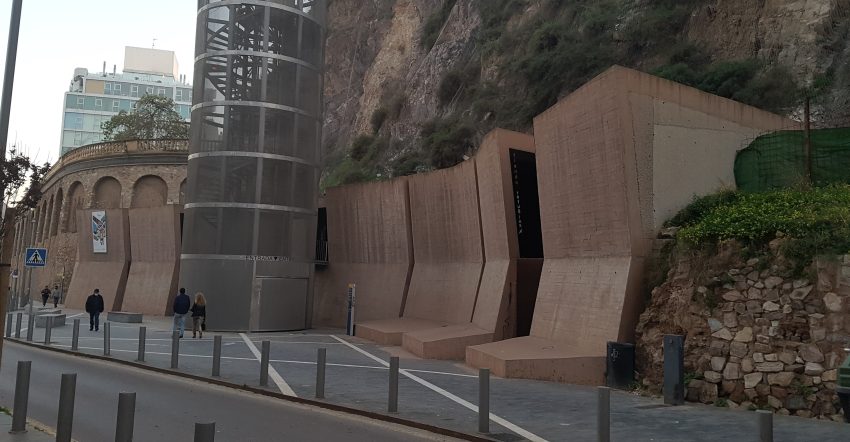
Location: Civil War Museum, Calle Gisbert, Cartagena, Spain | Hours: High season (from July 1 to September 15) From Monday to Sunday from 10:00 a.m. to 8:00 p.m. Medium season (from March 15 to June 30 / from September 16 to November 1) From Tuesday to Sunday from 10:00 a.m. to 7:00 p.m. (Easter from Monday to Sunday) Low season (from November 2 to March 14) From Tuesday to Sunday from 10:00 a.m. to 5:30 p.m. | Price: Adults: €4 | Website | Distance: 0.1km


2. Cartagena’s Panoramic Elevator

Location: Ascensor Panorámico, C. Gisbert, 10 30202 Cartagena, Murcia, Spain | Hours: (Summer) 1 July – 15 September: Monday – Sunday: 10:00–20:00. 15 March – 30 June; 16 September – 1 November: Tuesday – Sunday: 10:00–19:00. (Winter) 2 November – 14 March: Tuesday – Sunday: 10:00–17:30. 5 January; 24 December; 31 December: Daily: 10:00–14:00. | Price: €2 (Panoramic Elevator only); €6 (Castillo de la Concepción + Panoramic Elevator). | Website | Distance: 0.1km
3. Castillo de la Concepción
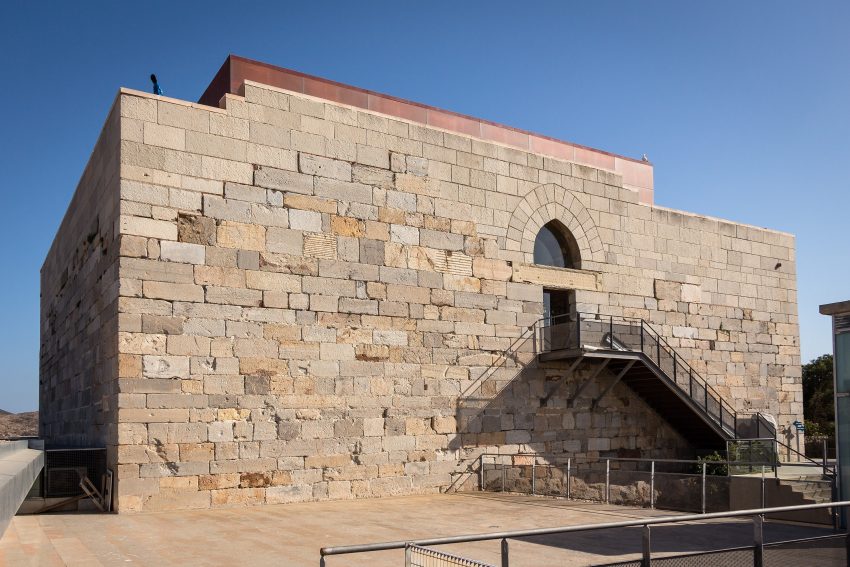
Location: Parque Torres, 30202 Cartagena, Murcia, Spain | Hours: (Summer) July 1 – September 15; Monday – Sunday: 10:00–20:00. (Winter) March 15 – June 30 & September 16 – November 1: Tuesday – Sunday: 10:00–19:00; November 2 – March 14: Tuesday – Sunday: 10:00–17:30. | Price: Adults: €5.00 | Website | Distance: 0.2km
4. National Museum of Underwater Archaeology
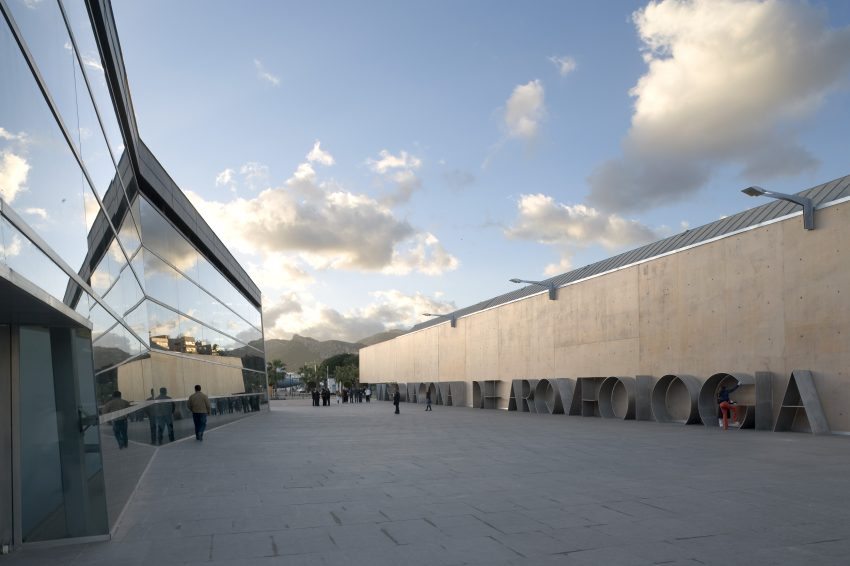
Location: P.º Alfonso XII, 22, 30202 Cartagena, Murcia, Spain | Hours: (Summer) April 15 – October 15; Tuesday – Saturday: 10:00–21:00; Sunday & Public holidays: 10:00–15:00; Closed on Monday. (Winter) October 16 – April 14; Tuesday – Saturday: 10:00–20:00; Sunday & Public holidays: 10:00–15:00; Closed on Monday. | Price: Adults: €3.00 | Website | Distance: 0.3km
5. House of Fortune
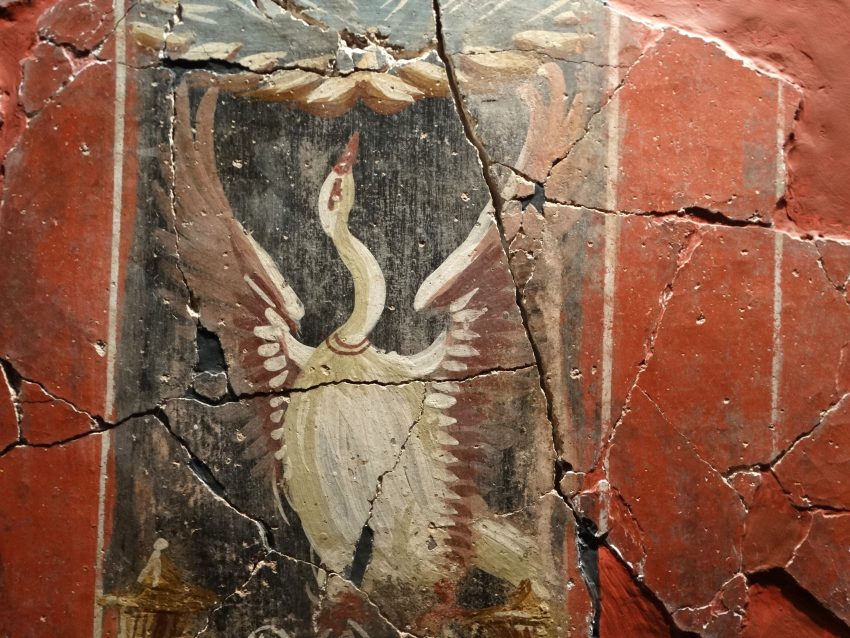
Location: Pl. de Risueño, 14, 30202 Cartagena, Murcia, Spain | Hours: Tuesday – Sunday: 10:00–15:00. Closed on Monday. Closed on January 1, January 6, December 25. Last entry: 15 minutes before closing. | Price: Adults: €4.00 | Website | Distance: 0.3km
6. Augusteum

Location: C. Caballero, 6, 30202 Cartagena, Murcia, Spain | Hours: (High season) Tuesday – Sunday: 10:00–15:00. (July 1 – September 15). | Price: Adults: €4 | Website | Distance: 0.3km
7. The Punic Wall
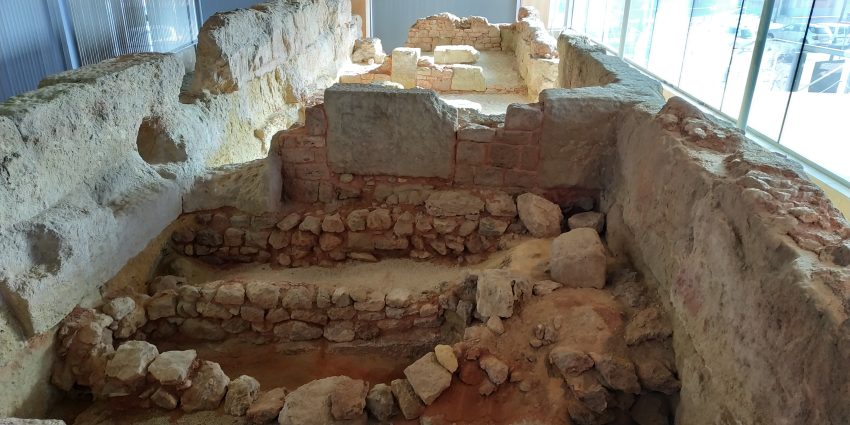
Location: C. San Diego, 25, 30202 Cartagena, Murcia, Spain | Hours: (Summer) July 1 – September 15; Monday – Sunday: 10:00–20:00. (Mid season) March 15 – June 30 & September 16 – November 1; Tuesday – Sunday: 10:00–19:00. (Low season) November 2 – March 14; Tuesday – Sunday: 10:00–17:30. Closed on Monday. | Price: Adults: €4.00 | Website | Distance: 0.4km
8. Old Cathedral of Cartagena
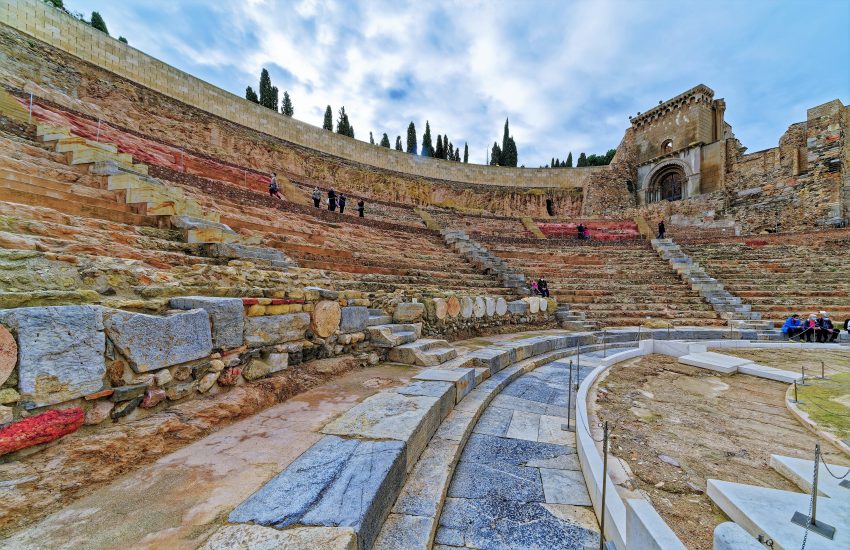
Location: C. Segundilla, 7, 30202 Cartagena, Murcia, Spain | Hours: (Summer) May 1 – September 30; Tuesday – Saturday: 10:00–20:00. Sunday: 10:00–14:00. Closed on Monday. (Winter) October 1 – April 30; Tuesday – Saturday: 10:00–18:00. Sunday: 10:00–14:00. Closed on Monday. | Price: Adults: €7; Concessions: €6; Under 3: free. | Website | Distance: 0.4km
9. Teatro Romano de Cartagena
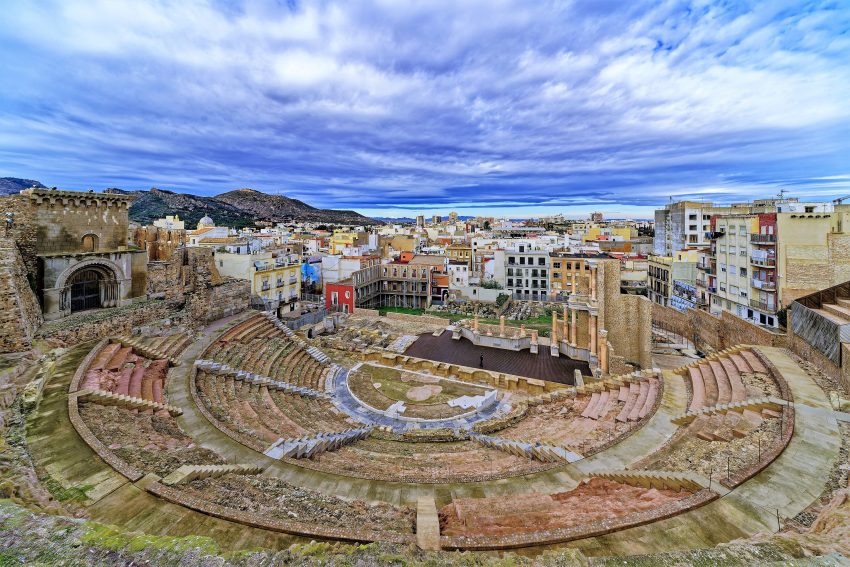
Location: Palacio Pascual del Riquelme, Pl. Ayuntamiento, 9, 30202 Cartagena, Murcia, Spain | Hours: (Summer) May 1 – September 30; Tuesday – Saturday: 10:00–20:00. Sunday: 10:00–14:00. Closed on Monday. (Winter) October 1 – April 30; Tuesday – Saturday: 10:00–18:00. Sunday: 10:00–14:00. Closed on Monday. | Price: Adults: €7 | Website | Distance: 0.4km
10. Museo del Teatro Romano de Cartagena
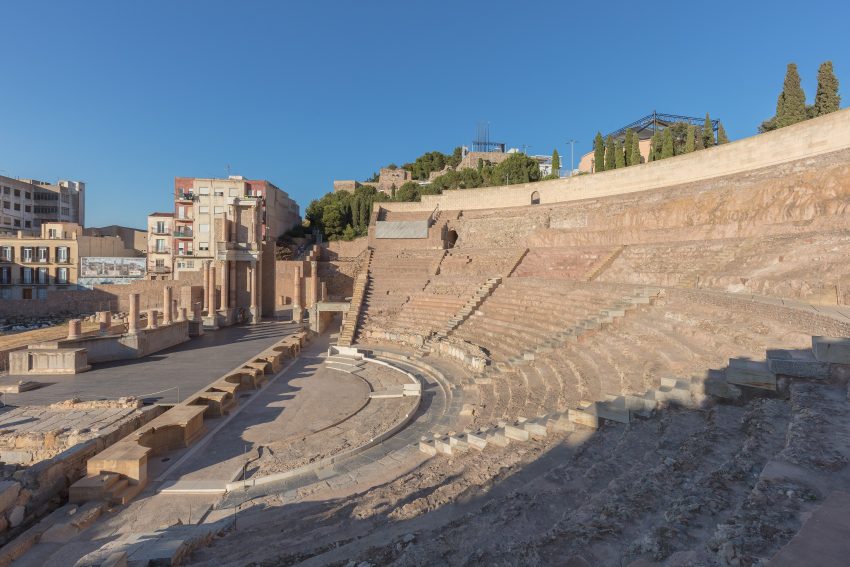
Location: Pl. Ayuntamiento, 9, 30201 Cartagena, Murcia, Spain | Hours: (Summer) May 1 – September 30; Tuesday – Saturday: 10:00–20:00. Sunday: 10:00–14:00. Closed on Monday. (Winter) October 1 – April 30; Tuesday – Saturday: 10:00–18:00. Sunday: 10:00–14:00. Closed on Monday. | Price: Adults: €7 | Website | Distance: 0.5km
11. Molinete Roman Forum Museum
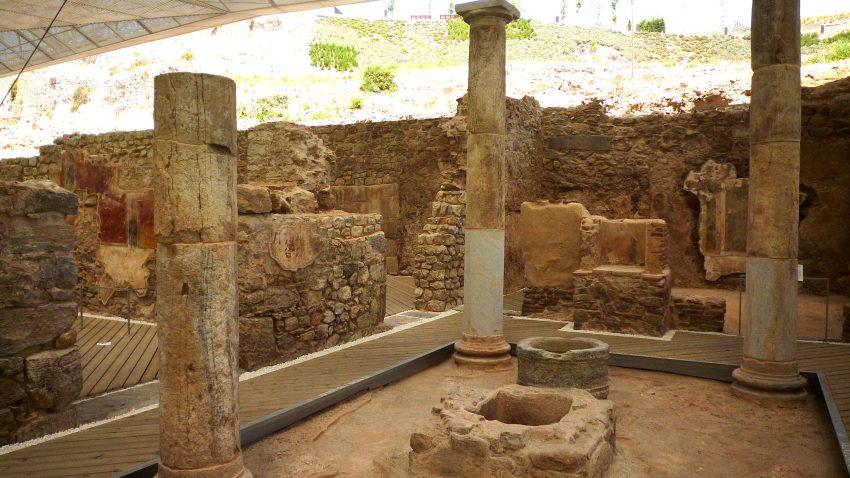
Location: C. Adarve, 6, 30201 Cartagena, Murcia, Spain | Hours: (Summer) July 1 – September 15; Monday – Sunday: 10:00–20:00. (Winter) March 15 – June 30 & September 16 – November 1; Tuesday – Sunday: 10:00–19:00. (Winter) November 2 – March 14; Tuesday – Sunday: 10:00–17:30. | Price: Adults: €7; Reduced: €6; Under 3: free. | Website | Distance: 0.5km
12. Ayuntamiento Cartagena
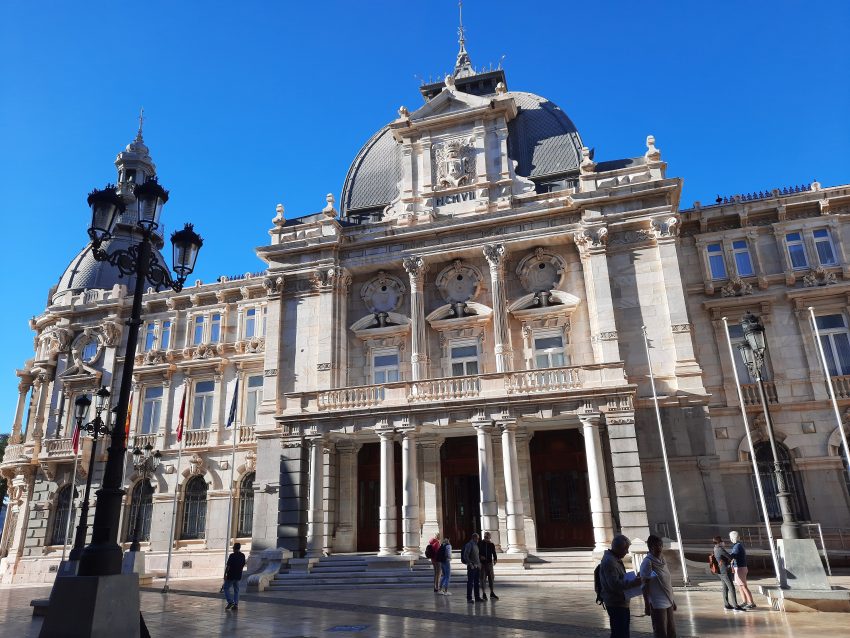
Location: C. San Miguel, 8, 30201 Cartagena, Murcia, Spain | Hours: Monday – Saturday: 10:00–13:30 & 16:30–18:30. Sunday: 10:30–13:30. | Price: Free (exterior viewing; interior access limited). | Website | Distance: 0.5km
13. Calle Mayor
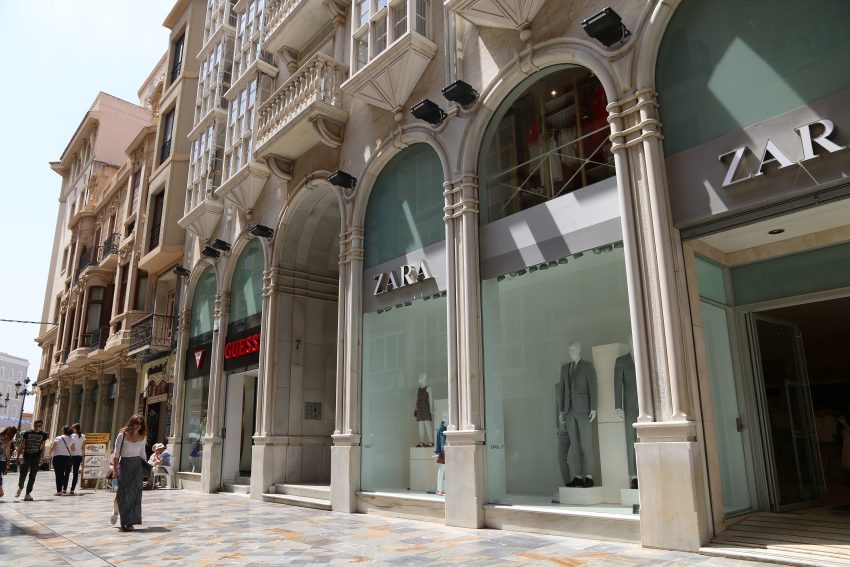
Location: C. Mayor, 30201 Cartagena, Murcia, Spain | Hours: 24 Hours. | Price: Free | Distance: 0.6km
14. Columnata Romana
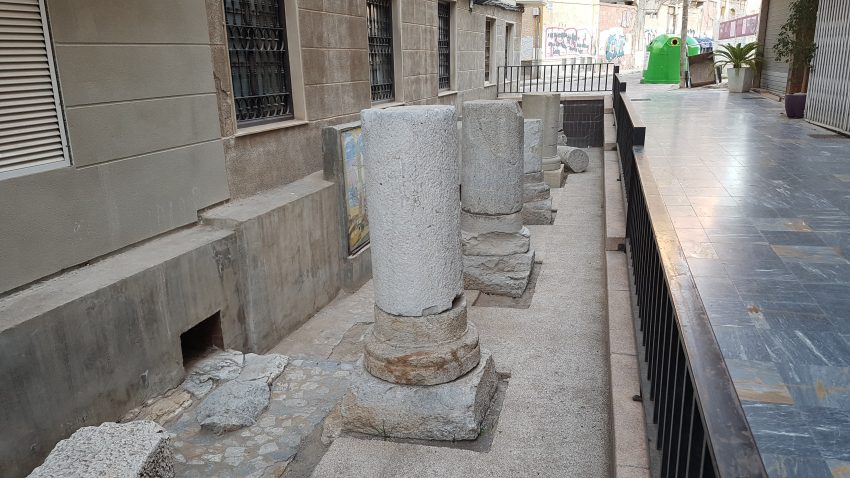
Location: C. Morería Baja, 4, 30201 Cartagena, Murcia, Spain | Hours: 24 Hours. | Price: Free | Distance: 0.7km
15. Naval Museum Cartagena
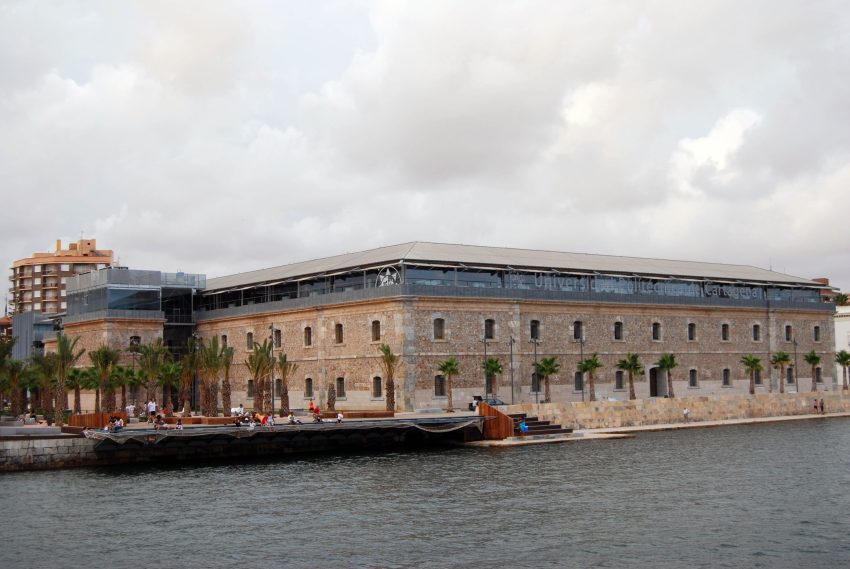
Location: P.º Alfonso XII, s/n, 30201 Cartagena, Murcia, Spain | Hours: (August) Monday – Friday: 09:00–14:00. Closed on Saturday, Sunday. (Remainder of year) Tuesday – Friday: 09:00–14:00. Saturday: 10:00–14:00. Closed on Sunday, Monday. | Price: Free; voluntary contribution of €3 per visitor. | Website | Distance: 0.7km
16. Fuerte de Navidad
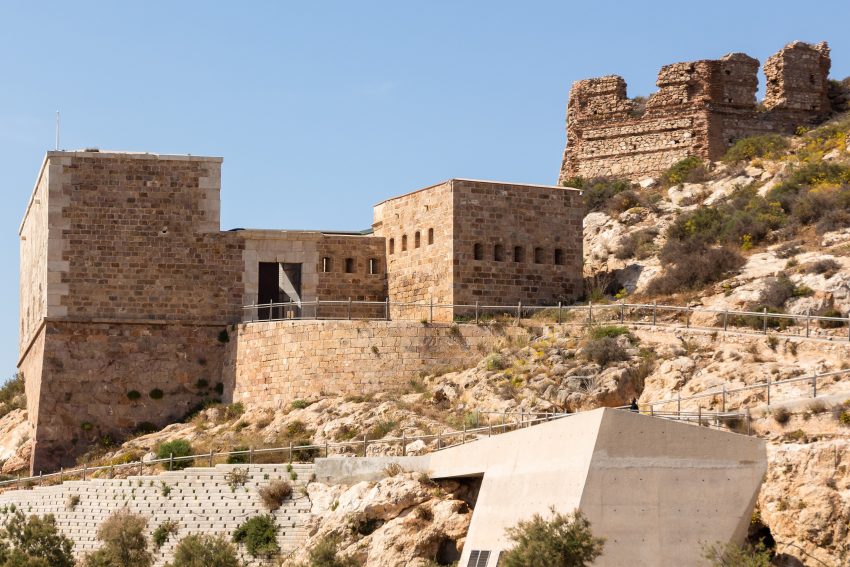
Location: Fuerte de Navidad, Pasaje Faro Navidad, Cartagena, Spain | Hours: High season (1st July to 15th September) Tuesday to Sunday 11.00 to 15.00 and 16.30 to 19.30 Mid-season (from 15th March to 30th June / from 16th September to 1st November) Tuesday to Friday 11.00 to 15.00 Saturday and Sunday 11.00 to 17.30 Low season (2nd November to 7th December): Tuesday to Friday 11.00 to 14.00 Saturday and Sunday 11.00 to 16.00 | Price: €4.00 (standard); €2.50 (reduced). Combined fort + tourist boat ticket: €10 (standard) | Website | Distance: 1.7km
17. Municipal Archaeological Museum of Cartagena
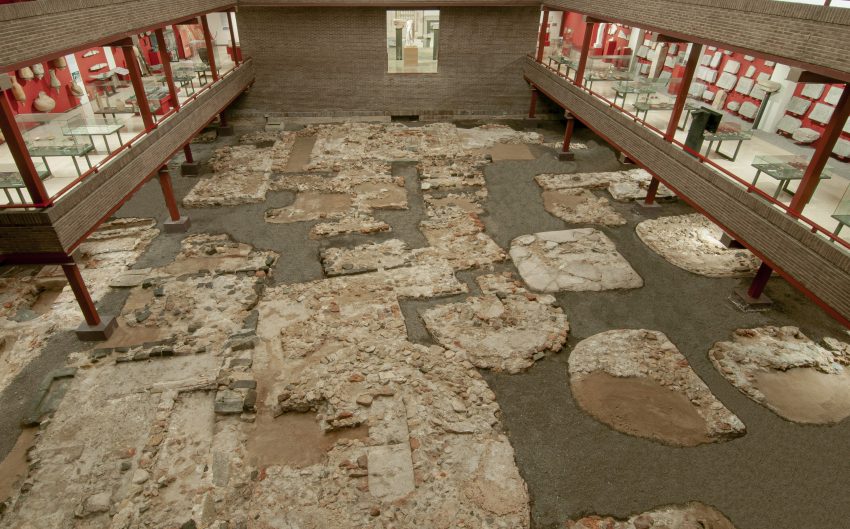
Location: C Santiago Ramón Y Cajal, 45, 30204 Cartagena, Murcia, Spain | Hours: Tuesday – Friday: 09:00–14:00 & 17:00–19:00. Saturday – Sunday: 11:00–14:00. Closed on Monday. Closed on public holidays. (July – August) Tuesday – Sunday: 09:00–13:30. | Price: Free | Website | Distance: 2km
Best Day Trips from Cartagena
A day trip from Cartagena offers the perfect opportunity to escape the urban rhythm and discover the surrounding region's charm. Whether you're drawn to scenic countryside, historic villages, or cultural landmarks, the area around Cartagena provides a variety of easy-to-reach destinations ideal for a one-day itinerary. If you are looking to rent a car in Spain I recommend having a look at Discover Cars, first, as they compare prices and review multiple car rental agencies for you.
1. Murcia
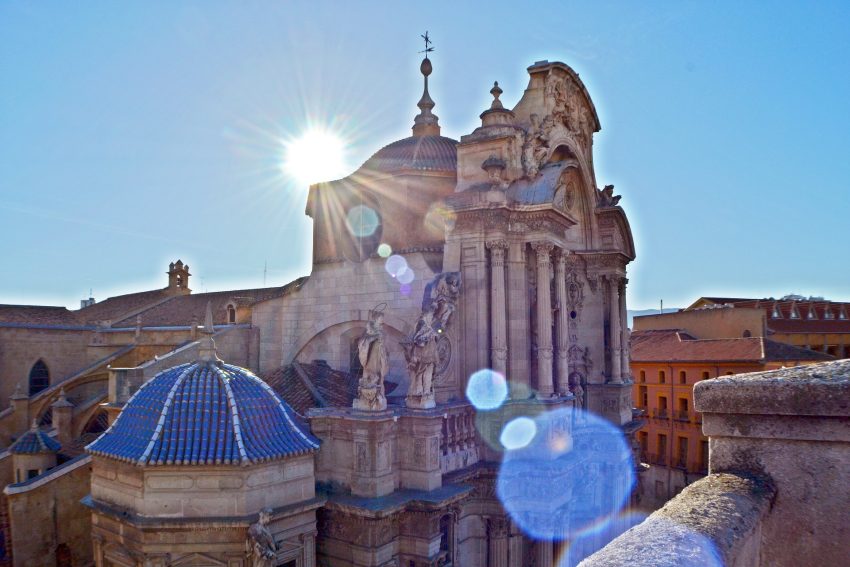
Visiting Murcia
2. Lorca
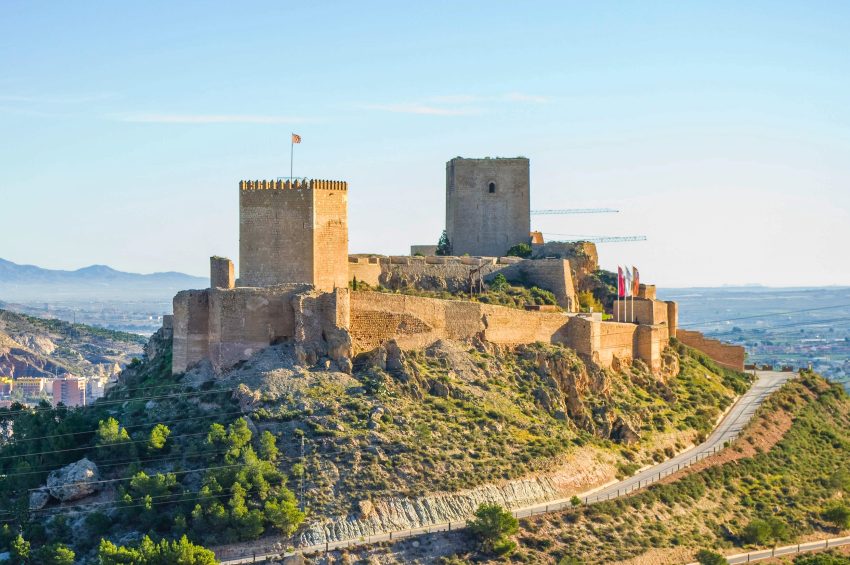
Visiting Lorca
3. Alicante
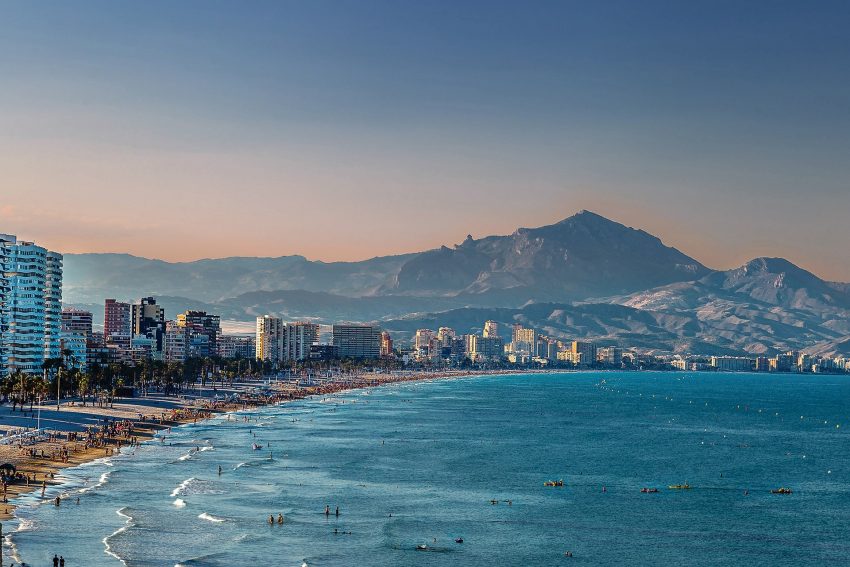
Visiting Alicante
4. Almería
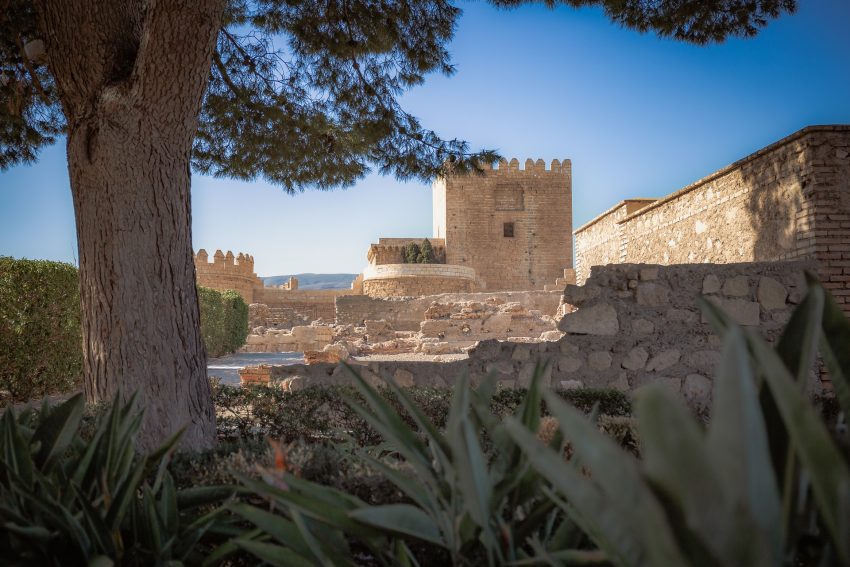
Visiting Almería
Where to Stay in Cartagena
The Historic Center is the ideal choice for visitors who want to be surrounded by Cartagena’s rich cultural landmarks, vibrant streets, and lively atmosphere. Staying here places you close to Plaza del Ayuntamiento, the impressive Roman Theatre, and numerous museums, offering an immersive experience in the city’s heritage. A great hotel in this district is NH Cartagena, providing stylish rooms with easy access to Cartagena’s main attractions.
For those who prefer a scenic retreat by the sea, Cala Cortina and the Waterfront Area offer stunning views and a more relaxing environment while remaining conveniently close to the city center. This area is perfect for visitors who want to enjoy the Mediterranean breeze, explore local seafood restaurants, and unwind at the beach. A fantastic option here is Hotel Los Habaneros, featuring comfortable accommodations with great access to both coastal and urban highlights.
If you’re looking for a quieter escape with easy access to nature, Los Dolores and the Outskirts provide a peaceful setting while still being a short drive from Cartagena’s bustling center. This area is perfect for travelers who want a blend of tranquility and connectivity, with nearby parks and open landscapes adding to its charm. A recommended stay in this district is Posadas de España Cartagena, offering modern amenities in a calm and restful environment. Whether exploring Cartagena’s ancient history, soaking up its coastal beauty, or opting for a serene getaway, the city has accommodations suited to every traveler’s preference.
Using the our Hotel and Accomodation map, you can compare hotels and short-term rental accommodations in Cartagena. Simply insert your travel dates and group size, and you’ll see the best deals for your stay.
Cartagena Accommodation Map
Best Time to Visit Cartagena
Visiting Cartagena in Spring
Spring, from March to May, is one of the best times to visit Cartagena. The weather is mild and pleasant, with temperatures ranging from 15°C to 25°C (59°F to 77°F). The city’s flowers and trees are in full bloom, making it a perfect time for exploring the historic sites, walking along the waterfront, and enjoying outdoor activities. The Cartagena Music Festival in April adds to the vibrant cultural scene.
Visiting Cartagena in Summer
Summer, from June to August, is the peak tourist season in Cartagena. Temperatures can soar above 30°C (86°F), making it ideal for beachgoers and water sports enthusiasts. The city’s beautiful beaches, such as Cala Cortina and La Manga, are perfect for swimming, sunbathing, and sailing. However, it can be quite crowded, so early bookings for accommodations and attractions are recommended.
Visiting Cartagena in Autumn
Autumn, from September to November, is another great time to visit Cartagena. The temperatures are cooler, ranging from 18°C to 28°C (64°F to 82°F), providing a comfortable climate for sightseeing. The crowds start to thin out, making it easier to explore the Roman Theatre, the Cartagena Naval Museum, and other attractions. The Mar de Músicas Festival in July and the Carthaginians and Romans Festival in September offer unique cultural experiences.
Visiting Cartagena in Winter
Winter, from December to February, is mild in Cartagena, with temperatures averaging between 10°C and 18°C (50°F to 64°F). This is the off-peak tourist season, so you can enjoy a quieter and more relaxed atmosphere. It’s a good time to visit indoor attractions such as museums and galleries without the crowds. The festive Christmas decorations and events add a charming touch to the city during this season.
Annual Weather Overview
- January 15°C 63°F
- February 16°C 64°F
- March 18°C 69°F
- April 20°C 72°F
- May 22°C 75°F
- June 27°C 84°F
- July 30°C 89°F
- August 30°C 90°F
- September 27°C 84°F
- October 24°C 79°F
- November 20°C 72°F
- December 17°C 66°F
How to get to Cartagena
By Air to Cartagena
The nearest major airport to Cartagena is Murcia-San Javier Airport (MJV), located about 30 kilometers away. Another option is Alicante-Elche Airport (ALC), which is approximately 100 kilometers from Cartagena. From either airport, you can take a taxi, rent a car, or use shuttle services to reach the city.
By Train to Cartagena
Cartagena is well-connected by train, with regular services from major Spanish cities. The Cartagena Railway Station offers direct trains from Madrid, which take around 4 hours. There are also train connections from other cities like Valencia and Barcelona. The station is conveniently located near the city center, making it easy to access local attractions.
By Bus to Cartagena
Several bus companies operate routes to Cartagena from various parts of Spain. From Madrid, the bus journey takes approximately 5-6 hours. Buses from other cities like Murcia and Alicante also provide convenient access to Cartagena. The main bus station is centrally located, offering easy connections to other parts of the city.
By Car to Cartagena
Driving to Cartagena is a convenient option, especially if you plan to explore the surrounding region. From Madrid, take the A-30 highway, which will take about 4-5 hours. From Alicante, the drive along the AP-7 motorway takes around 1.5 hours. The city's road network is well-maintained, making it easy to navigate by car.
By Ferry to Cartagena
Cartagena has a port that receives ferries from various Mediterranean destinations. While it is not the most common way to reach the city, it is an option for travelers coming from places like the Balearic Islands. The port is close to the city center, providing easy access to accommodations and attractions.