Ayutthaya, Thailand: The Ultimate Travel Guide 2026
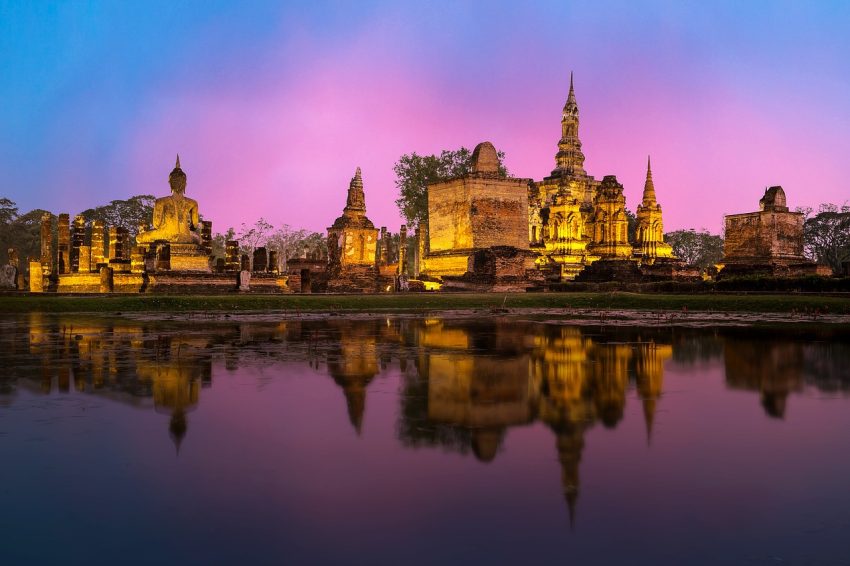
Visiting Ayutthaya is a journey into one of Thailand's most atmospheric regions, located just north of Bangkok in the Central Plains. The city blends serene riverside landscapes with clusters of ancient temples that rise gracefully from the surrounding greenery. Its relaxed pace and compact layout make it easy to explore, whether you're wandering between ruins on foot, cycling past rice fields, or drifting along quiet canals by boat. Ayutthaya is one of the best places to visit in Thailand for travellers who want a rich cultural experience without the intensity of bigger cities.
What makes Ayutthaya so enjoyable is the balance it offers: peaceful neighbourhoods, scenic waterways, lively markets, and a heritage zone filled with open-air temple complexes. You can spend mornings strolling through the Ayutthaya Historical Park, afternoons relaxing in cafés along the Chao Phraya River, and evenings exploring vibrant night markets that showcase the city's local flavours. The atmosphere is welcoming and unhurried, allowing visitors to enjoy each moment without feeling rushed.
Ayutthaya also makes an excellent base for day trips and deeper exploration of Thailand's heartland. The surrounding region includes floating markets, riverside temples, and charming rural areas where life moves at a gentle rhythm. Whether you're staying overnight or visiting on a day trip from Bangkok, the city offers a refreshing blend of culture, beauty, and tranquillity-making it an ideal destination for both first-time visitors and seasoned travellers seeking something timeless and authentic.
History of Ayutthaya
The Founding and Early Years (14th Century)
Ayutthaya was founded in 1350 by King U-Thong (later King Ramathibodi I), who established it as the new capital of the Siamese Kingdom. Strategically built on an island at the confluence of the Chao Phraya, Pa Sak, and Lopburi Rivers, its location offered natural defence and excellent access to regional trade routes. From the beginning, the city was envisioned as a powerful political and cultural centre, blending influences from Khmer, Mon, and early Thai civilisations.
The Golden Age of Trade and Diplomacy (15th–17th Centuries)
Between the 15th and 17th centuries, Ayutthaya became one of Asia’s most prosperous and cosmopolitan cities. Its port welcomed merchants, envoys, and missionaries from China, Japan, India, Persia, Portugal, the Netherlands, and France. The city grew into a thriving hub of global trade, exporting rice, teak, ceramics, and goods that flowed along major maritime routes. Foreign communities settled around the capital, contributing to an environment that was both multicultural and economically dynamic. During this period, Ayutthaya expanded its territory, strengthened royal authority, and developed the grand temple complexes that still define the region.
Height of Power and Cultural Flourishing (17th–18th Centuries)
By the late 17th century, Ayutthaya stood among the world’s most impressive capitals—rich, influential, and architecturally magnificent. Its palaces and temples were adorned with gold, towering prang, and intricate art that symbolised both spiritual devotion and political strength. This was also a period of intense literary, artistic, and architectural development, supported by strong monarchs who maintained international ties. The city’s sophisticated urban planning, canals, and waterways showcased a high level of engineering and artistic ambition.
The Fall of Ayutthaya (1767)
Ayutthaya’s golden age came to a dramatic end in 1767 when Burmese forces invaded the city after a prolonged conflict. The capital fell after a devastating siege, leading to the destruction of palaces, temples, archives, and significant cultural treasures. The city was abandoned, and the kingdom momentarily fragmented until General Taksin unified the realm and established a new capital further south in Thonburi. Later, the Chakri Dynasty moved the capital to Bangkok, shaping the next chapter of Thai history.
Legacy of the Ayutthaya Kingdom
Although much of the ancient city was ruined, Ayutthaya’s legacy remains central to Thai identity. Its architectural styles influenced later temples, including those in Bangkok. The surviving ruins—now a UNESCO World Heritage Site—testify to the kingdom’s power, artistry, and extensive international connections. Today, Ayutthaya stands not only as an archaeological marvel but as a reminder of a kingdom that once flourished as one of Southeast Asia’s most influential civilisations.

Moira & Andy
Hey! We're Moira & Andy. From hiking the Camino to trips around Europe in Bert our campervan — we've been traveling together since retirement in 2020!
Visiting Ayutthaya for the first time and wondering what are the top places to see in the city? In this complete guide, I share the best things to do in Ayutthaya on the first visit. To help you plan your trip, I have also included an interactive map and practical tips for visiting!
This website uses affiliate links which earn a small commission at no additional cost to you.
13 Best places to See in Ayutthaya
This complete guide to Ayutthaya not only tells you about the very best sights and tourist attractions for first-time visitors to the city but also provide insights into a few of our personal favorite things to do.
This is a practical guide to visiting the best places to see in Ayutthaya and is filled with tips and info that should answer all your questions!
1. Wat Mahathat

Location: Wat Mahathat, Tha Wasukri, Phra Nakhon Si Ayutthaya District, Phra Nakhon Si Ayutthaya, Thailand | Hours: 8:30 a.m. to 4:30 p.m. | Price: 50 THB | Distance: 0.0km

2. Wat Ratchaburana

Location: Wat Ratchaburana, Chikun Alley, Tha Wasukri, Phra Nakhon Si Ayutthaya District, Phra Nakhon Si Ayutthaya, Thailand | Hours: 8:00 AM - 5:00 PM | Price: THB 50 | Distance: 0.2km
3. Wat Phra Ram

Location: Wat Phra Ram, Pratu Chai Sub-district, Phra Nakhon Si Ayutthaya District, Phra Nakhon Si Ayutthaya, Thailand | Hours: 8:30 am to 5:00 pm | Price: 50 Baht | Distance: 0.7km
4. Wat Thammikarat

Location: Wat Thammikarat, U Thong Road, Tha Wasukri, Phra Nakhon Si Ayutthaya District, Phra Nakhon Si Ayutthaya, Thailand | Hours: 8.30 am-4.30 pm | Distance: 0.7km
5. Chao Sam Phraya Museum
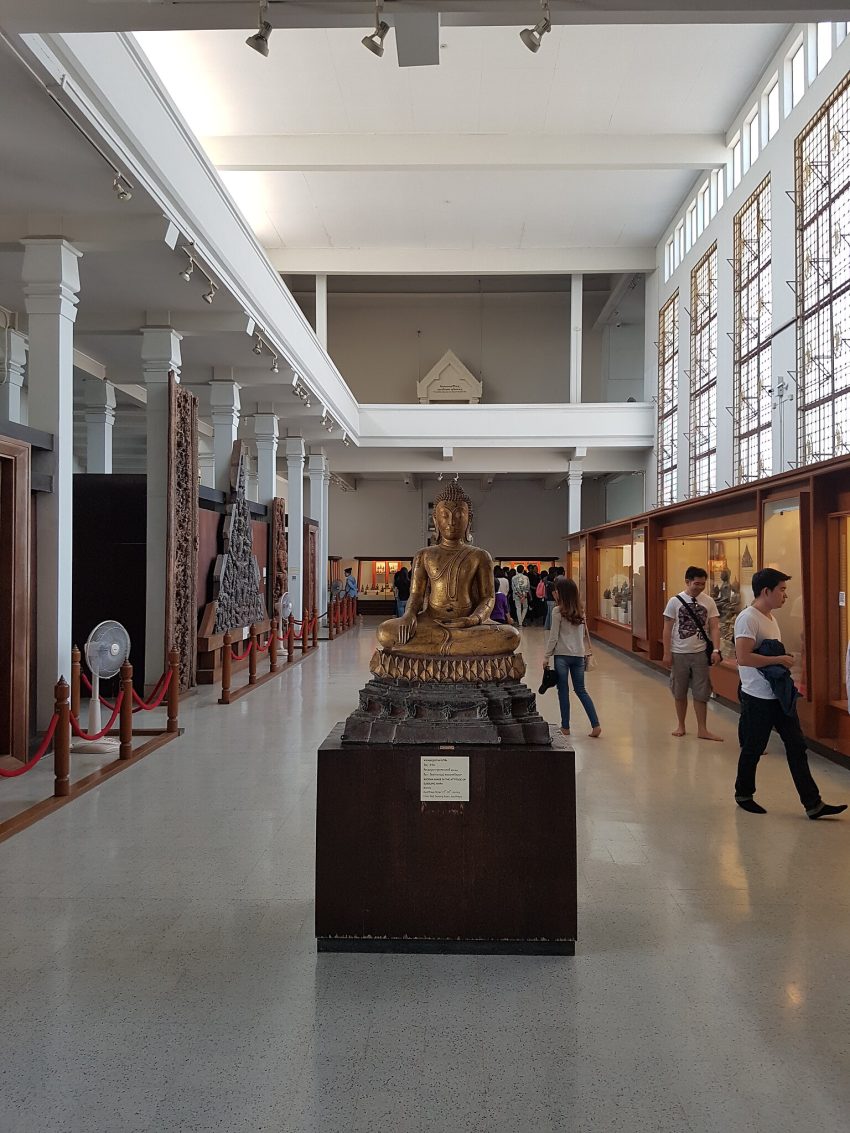
Location: Chao Sam Phraya National Museum, Rochana Rd, Pratu Chai Sub-district, Phra Nakhon Si Ayutthaya District, Phra Nakhon Si Ayutthaya, Thailand | Distance: 0.9km
6. Wat Phra Si Sanphet

Location: Wat Phra Si Sanphet, Pratu Chai Sub-district, Phra Nakhon Si Ayutthaya District, Phra Nakhon Si Ayutthaya, Thailand | Hours: 7:00 a.m. to 6:00 p.m. | Price: 50 baht | Distance: 1.0km
7. Wihan Phra Mongkhon Bophit

Location: Wihan Phra Mongkhon Bophit, Naresuan Road, Pratu Chai Sub-district, Phra Nakhon Si Ayutthaya District, Phra Nakhon Si Ayutthaya, Thailand | Hours: 8 AM to 4:30 PM | Distance: 1.1km
8. Wat Na Phra Men

Location: Wat Na Phra Men, Lum Phli, Phra Nakhon Si Ayutthaya District, Phra Nakhon Si Ayutthaya, Thailand | Hours: 08.00 a.m.-06.00 p.m. | Price: 20 Baht | Distance: 1.1km
9. Wat Suwan Dararam
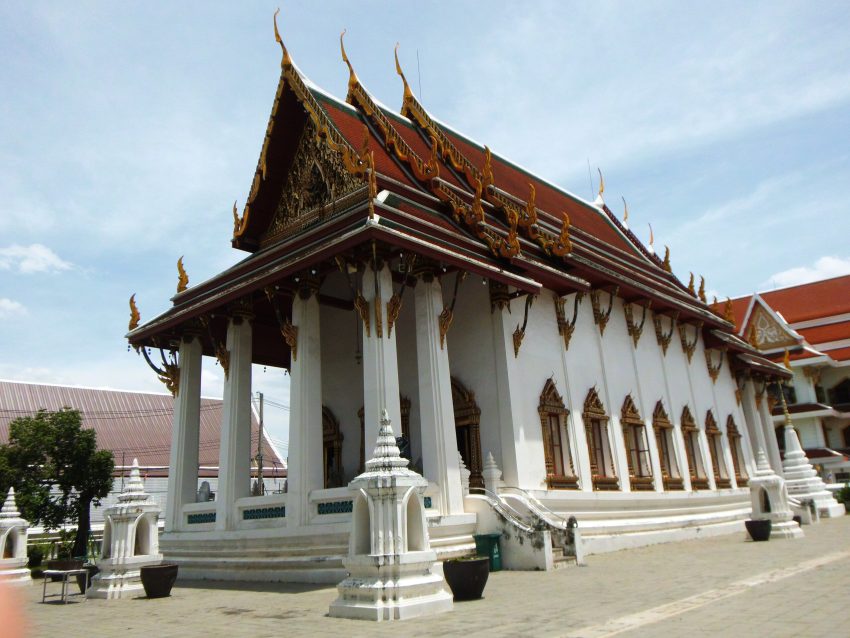
Location: Wat Suwan Dararam, Ho Rattanachai, Phra Nakhon Si Ayutthaya District, Phra Nakhon Si Ayutthaya, Thailand | Hours: 08:00 - 18:00 | Distance: 1.5km
10. Wat Lokaya Sutha

Location: Wat Lokkayasutha, Pratu Chai Sub-district, Phra Nakhon Si Ayutthaya District, Phra Nakhon Si Ayutthaya, Thailand | Hours: Daily 09:00 - 18:00 | Distance: 1.6km
11. Wat Yai Chai Mongkol

Location: Wat Yai Chai Mongkhon, 3 Phai Ling, Phra Nakhon Si Ayutthaya District, Phra Nakhon Si Ayutthaya, Thailand | Hours: 8:30 a.m. to 4:30 p.m. | Price: 20 baht | Distance: 3.0km
12. Wat Chaiwatthanaram

Location: Wat Chaiwatthanaram, Ban Pom, Phra Nakhon Si Ayutthaya District, Phra Nakhon Si Ayutthaya, Thailand | Hours: 8:00 AM - 5:00 PM | Price: THB 50 | Distance: 3.2km
13. Wat Phu Khao Thong
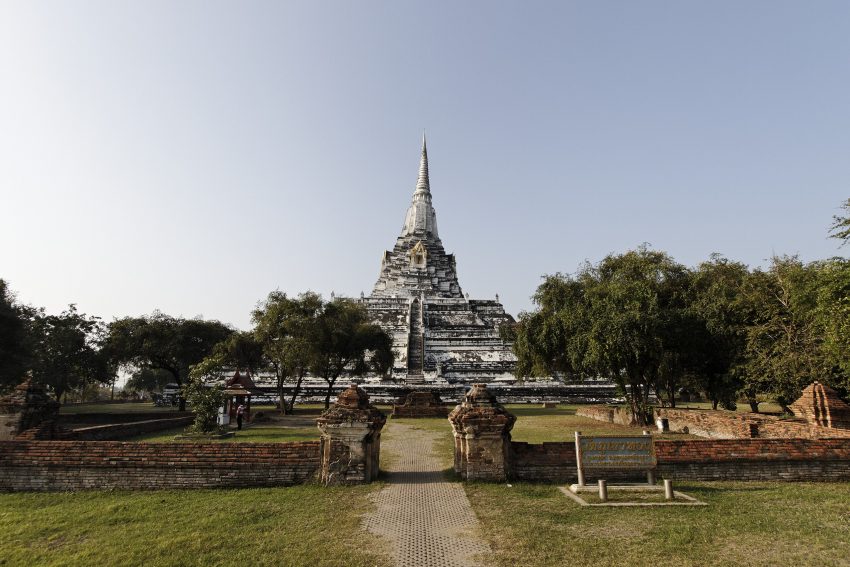
Location: Wat Phu Khao Thong, Phu Khao Thong, Phra Nakhon Si Ayutthaya District, Phra Nakhon Si Ayutthaya, Thailand | Hours: Daily 6 am to 5 pm | Price: Free entry | Distance: 3.3km
Best Day Trips from Ayutthaya
A day trip from Ayutthaya offers the perfect opportunity to escape the urban rhythm and discover the surrounding region's charm. Whether you're drawn to scenic countryside, historic villages, or cultural landmarks, the area around Ayutthaya provides a variety of easy-to-reach destinations ideal for a one-day itinerary.
1. Bang Pa-in Palace
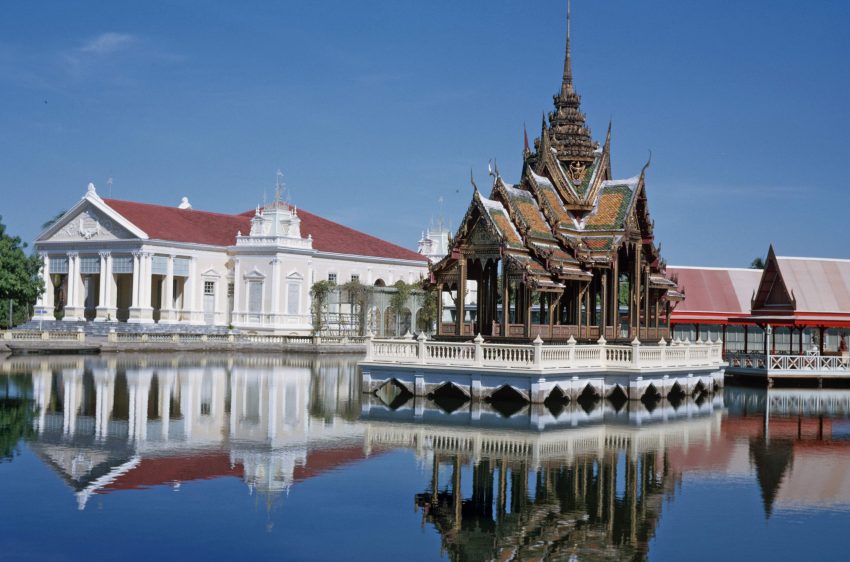
Location: Bang Pa-In Palace, Ban Len, Bang Pa-in District, Phra Nakhon Si Ayutthaya, Thailand | Distance: 13.9km
Visiting Bang Pa-in Palace
2. Bangkok
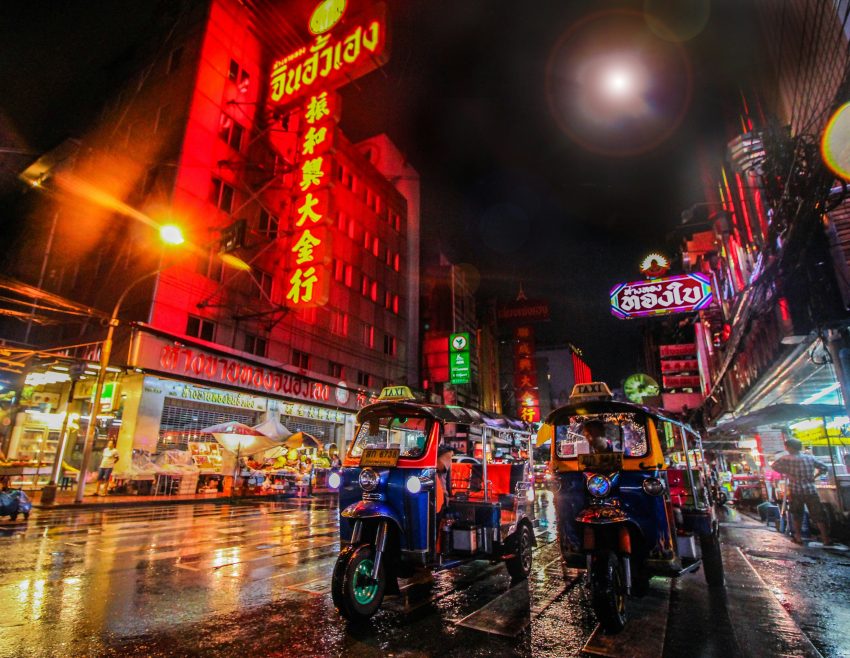
Visiting Bangkok
3. Lopburi
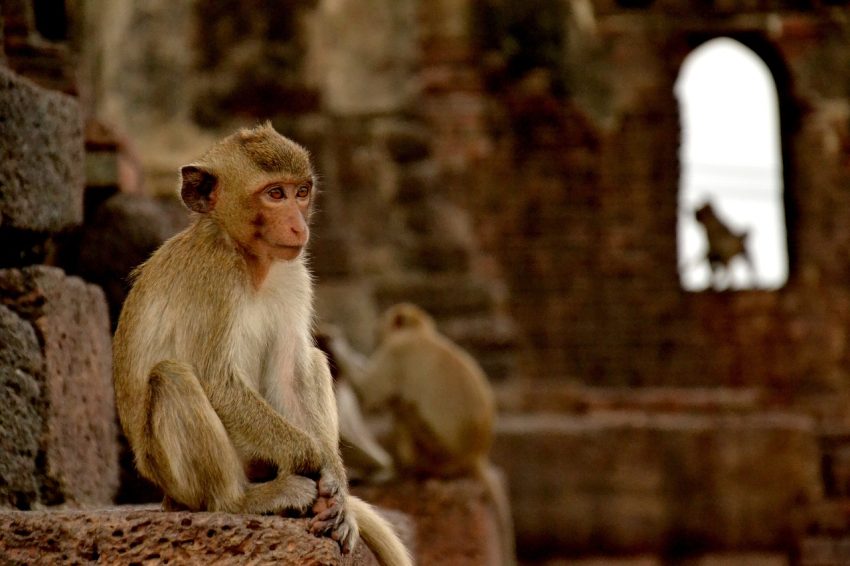
Visiting Lopburi
4. Nakhon Pathom
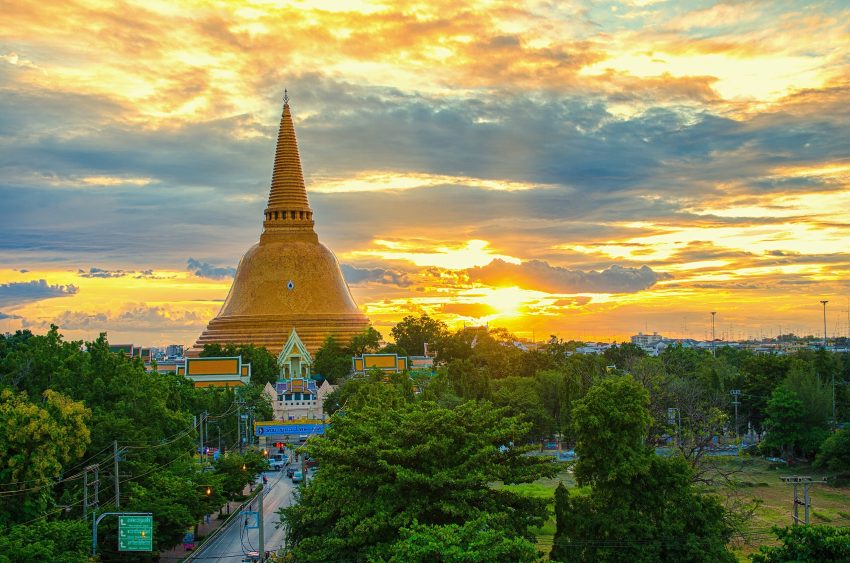
Visiting Nakhon Pathom
5. Ko Si Chang
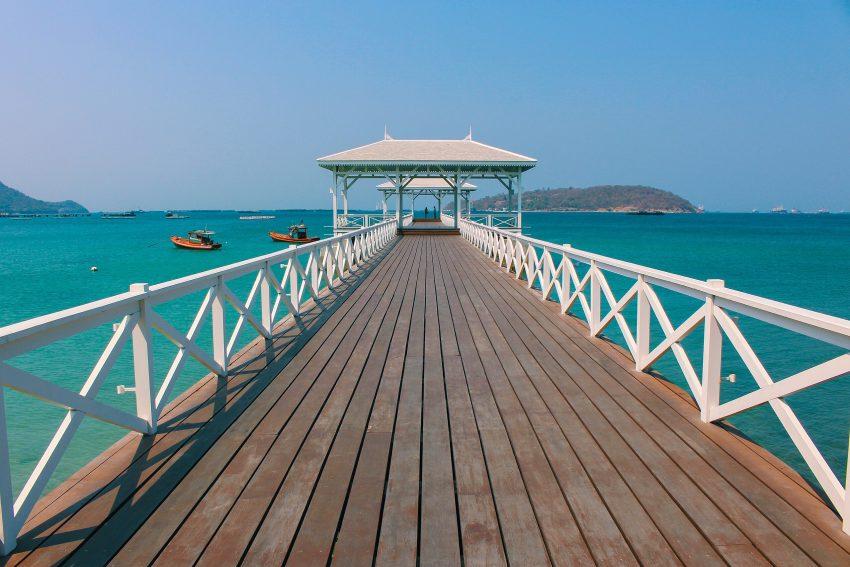
Visiting Ko Si Chang
Where to Stay in Ayutthaya
Ayutthaya offers several appealing areas to stay in, each with its own atmosphere and convenience. The Historical Island is the most popular choice, placing you right in the heart of the ancient capital. Staying here means you can walk or cycle easily between major temples such as Wat Mahathat and Wat Phra Si Sanphet. It’s ideal for travellers who want to maximise sightseeing without relying on transport. Great options in this area include Baan Tye Wang, a peaceful boutique stay surrounded by greenery, and Ayothaya Hotel, which offers comfortable rooms close to the main routes through the park.
Riverside Ayutthaya is another excellent area, especially for travellers who prefer scenic views and a calm atmosphere. Properties along the Chao Phraya River often feature terraces, gardens, and direct water views that create a relaxing end to a busy day of temple hopping. A standout here is Sala Ayutthaya, known for its stylish architecture and stunning riverfront vistas. Another riverside gem is iuDia Hotel, which blends contemporary comfort with beautiful views of nearby monasteries and ruins.
Those travelling on a broader itinerary across central Thailand may prefer staying near Ayutthaya’s modern eastern district, close to railway and highway connections. This area offers larger hotels with more amenities, making it convenient for families and travellers who want easy access to transport. A reliable option here is Kantary Hotel Ayutthaya, which provides spacious rooms, a pool, and modern facilities perfect for longer stays.
Using the our Hotel and Accomodation map, you can compare hotels and short-term rental accommodations in Ayutthaya. Simply insert your travel dates and group size, and you’ll see the best deals for your stay.
Ayutthaya Accommodation Map
Best Time to Visit Ayutthaya
Visiting Ayutthaya in Winter (Best)
Winter, from November to February, is the best time to visit Ayutthaya. The weather is comfortably cool by Thai standards, with lower humidity and clear skies ideal for exploring the historical park and cycling between temples. This is also festival season: Loy Krathong, usually in November, fills the rivers and ponds around Ayutthaya with candlelit floats, creating one of the most atmospheric nights of the year. The Ayutthaya World Heritage Fair in December is another major highlight, featuring cultural shows, food markets, and historical reenactments.
Visiting Ayutthaya in Summer
Summer in Ayutthaya, running from March to May, is the hottest season. Temperatures frequently climb above 35°C, making midday sightseeing challenging, but mornings and late afternoons remain enjoyable. The upside is thinner crowds and quieter temple visits. April brings the Songkran Festival, Thailand’s famous New Year celebration, where water-blessing ceremonies take place at temples across the city—a more traditional alternative to the water fights seen in larger cities.
Visiting Ayutthaya in the Rainy Season
The rainy season typically stretches from June to October and brings short, refreshing downpours rather than all-day rain. The landscape becomes lush and green, and the moats, ponds, and riverbanks around the temples fill out beautifully. Despite the occasional shower, mornings are often dry, making it a surprisingly pleasant time to explore. Visitor numbers are lower, offering quiet moments at major sites like Wat Mahathat and Wat Chaiwatthanaram.
Visiting Ayutthaya in the Shoulder Months
The shoulder period—late October to early November and late February to early March—offers a balance of tolerable heat, fewer crowds, and manageable humidity. These transitional months are ideal for travellers who prefer more space at the monuments without the peak-season bustle. Conditions vary week to week, but overall it’s a rewarding time to experience Ayutthaya’s temples, riverside scenery, and relaxed local lifestyle.
Annual Weather Overview
- January 29°C 94°F
- February 31°C 98°F
- March 35°C 104°F
- April 36°C 106°F
- May 33°C 101°F
- June 30°C 95°F
- July 29°C 93°F
- August 29°C 94°F
- September 31°C 92°F
- October 30°C 90°F
- November 31°C 91°F
- December 31°C 91°F
How to get to Ayutthaya
Getting to Ayutthaya by Air
Nearest airports: The closest major airport to Ayutthaya is Bangkok’s Don Mueang International Airport, located around 50 km away. Suvarnabhumi Airport, Bangkok’s main international hub, is also convenient for travellers arriving from long-haul destinations.
Flight connections: Both airports offer extensive domestic and international connections, making it easy to include Ayutthaya in a wider Thailand itinerary.
For the best deals and a seamless booking experience, check out these flights to Ayutthaya on Booking.com.
Getting to Ayutthaya by Train
Rail connections: Ayutthaya sits on one of Thailand's main northern railway lines, connecting Bangkok to Chiang Mai.
Where trains run from: Trains depart frequently from Bangkok’s Krung Thep Aphiwat Central Terminal (Bang Sue Grand Station) and stop at Ayutthaya Railway Station, located just east of the historical island.
Train types: Options range from budget third-class carriages to air-conditioned express and special express services.
Train schedules and bookings can be found on Omio.
Getting to Ayutthaya by Car
Driving routes: Ayutthaya is an easy drive from Bangkok via Highway 1 and Highway 32, with the journey typically taking around one hour depending on traffic.
Road conditions: Highways are well-maintained, and signage is clear. Parking is available around most major temples, though spaces near the most famous sites can fill up during peak hours.
Travelling Around Ayutthaya
Bicycles: Cycling is one of the most popular ways to explore the city. Many guesthouses and rental shops offer affordable bicycles, perfect for navigating the flat historical island.
Tuk-tuks: Local tuk-tuks can be hired for single trips or half-/full-day temple circuits.
Motorbikes: Scooter rentals are available for travellers comfortable with riding.
Boats: Long-tail boat tours along the rivers offer a scenic alternative way to visit riverside temples.
Walking: Many sites within the historical park are walkable, especially if you focus on one cluster of ruins at a time.