Aarhus, Denmark: The Ultimate Travel Guide 2026

aarhus
aarhus

Aarhus, located on the east coast of the Jutland Peninsula, is Denmark’s second-largest city and a vibrant cultural hub. Visitors are drawn to its lively atmosphere, blending modern architecture with green spaces and a bustling waterfront. The city offers a diverse range of attractions, including art museums, innovative restaurants, and shopping streets that provide a lively urban experience in a compact, walkable area.

The city's harbourfront area has been transformed into a dynamic space where locals and tourists alike enjoy cafes, galleries, and outdoor events. Aarhus is known for its focus on sustainability and creativity, with several public spaces dedicated to green living and community gatherings. The Aarhus Ø district, a redeveloped former industrial zone, showcases cutting-edge design and offers picturesque views of the sea.

For those interested in culture and entertainment, Aarhus hosts numerous festivals and performances year-round. The city's lively nightlife features cozy pubs, cocktail bars, and live music venues. Outdoor lovers can explore the nearby forests, beaches, and parks that surround Aarhus, making it an ideal destination that combines urban excitement with easy access to nature.

History of Aarhus

Prehistoric Aarhus

Archaeological evidence shows that Aarhus was settled during the Viking Age, emerging as a trading post due to its advantageous coastal location. Early inhabitants established a small community focused on trade, fishing, and agriculture, laying the foundations for the town’s future growth.

Medieval Aarhus

During the Middle Ages, Aarhus grew in importance as a market town and ecclesiastical centre. The construction of Aarhus Cathedral began in this period, symbolizing the city’s growing religious and political influence. Trade expanded, and Aarhus became a hub for merchants and craftsmen, fostering economic development.

Early Modern Aarhus

In the 16th and 17th centuries, Aarhus experienced challenges including wars and political upheaval but continued to develop its infrastructure and trade networks. The city adapted to changing economic conditions, with growth in shipbuilding, textiles, and commerce contributing to its prosperity.

Industrial Aarhus

The 19th century brought industrialization, transforming Aarhus into a modern urban centre. The expansion of railways, factories, and port facilities accelerated population growth and economic activity. Aarhus became a key player in Denmark’s industrial economy, with new neighborhoods and cultural institutions emerging.

Contemporary Aarhus

In the 20th and 21st centuries, Aarhus has evolved into a vibrant cultural and educational hub. Investments in the arts, technology, and urban development have shaped the city’s identity. Aarhus hosts international events and festivals, balancing its rich history with a forward-looking spirit and sustainable growth.

Moira & Andy
Moira & Andy

Hey! We're Moira & Andy. From hiking the Camino to trips around Europe in Bert our campervan — we've been traveling together since retirement in 2020!

Read our full story here

Visiting Aarhus for the first time and wondering what are the top places to see in the city? In this complete guide, I share the best things to do in Aarhus on the first visit. To help you plan your trip, I have also included an interactive map and practical tips for visiting!

This website uses affiliate links which earn a small commission at no additional cost to you.

29 Best places to See in Aarhus

This complete guide to Aarhus not only tells you about the very best sights and tourist attractions for first-time visitors to the city but also provide insights into a few of our personal favorite things to do.

This is a practical guide to visiting the best places to see in Aarhus and is filled with tips and info that should answer all your questions!

1. Naturhistorisk Museum Aarhus

Naturhistorisk Museum Aarhus
CC BY-SA 2.0 / RhinoMind
Naturhistorisk Museum Aarhus is a compact natural history museum on the Aarhus University campus in Midtbyen, built into a 1941 C.F. Møller-designed building that links public learning with active research. Founded in 1838 in two rooms at the Aarhus Cathedral School, it later became an independent institution and still reflects the city’s educational roots. Visitors move through four permanent galleries plus rotating exhibitions, with displays drawn from one of Denmark’s largest collections—mammals and birds, skeletons, animal tracks, and cabinets of mollusks and corals. The museum’s science side shows through in topics like freshwater ecology and bioacoustics, while workshops and a café area make it an easy rainy-day stop for families.
Location: Wilhelm Meyers Allé 10, 8000 Aarhus Centrum, Denmark | Hours: Monday: Closed Tuesday: 9:00 AM – 4:00 PM Wednesday: 9:00 AM – 9:00 PM Thursday: 9:00 AM – 4:00 PM Friday: 9:00 AM – 4:00 PM Saturday: 9:00 AM – 4:00 PM Sunday: 9:00 AM – 4:00 PM | Price: Adults: DKK150/€20 | Website | Distance: 0.5km

Here is a complete selection of hotel options in Aarhus. Feel free to review each one and choose the stay that best suits your needs.

2. Our Lady Church

Our Lady Church
Our Lady Church
CC BY-SA 3.0 / Tanya Dedyukhina
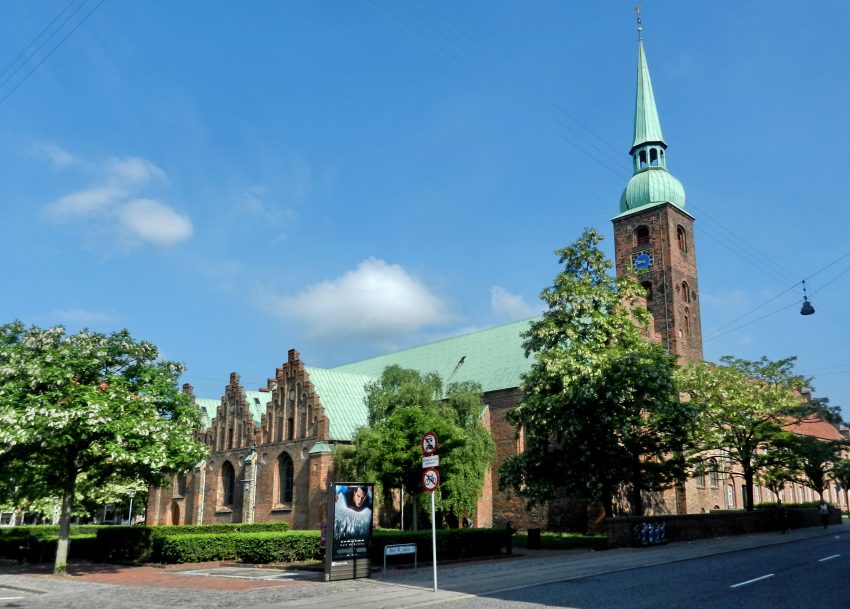
Our Lady Church (Vor Frue Kirke) in central Aarhus is a working city-center church built over an older stone crypt church completed around 1060—among the earliest surviving stone churches in Scandinavia. The most memorable experience is descending into that cool, low-ceilinged crypt, uncovered during 1950s renovations and reopened in 1957, where the atmosphere feels centuries removed from the street above. Above ground, later medieval additions reflect its time as part of a Dominican priory founded in 1240, including a substantial tower added between the 13th and 16th centuries. Excavations also turned up two graves and 23 coins from the 1300s, small finds that make the timeline feel tangible.
Location: Frue Kirkeplads 3, 8000 Aarhus, Denmark | Hours: Monday – Friday: 10:00–16:00. Saturday: 10:00–14:00. Sunday: Closed. | Price: Free; donations appreciated. | Website | Distance: 0.6km

Traveling to a country with a different currency? Avoid ATM transaction fees and pay in local currency with a Wise Card. Having used it for over 5 years, we've saved loads on fees!

3. Latinerkvarteret

Pustervig Torv
Pustervig Torv
CC BY-SA 4.0 / Gardar Rurak
Latinerkvarteret is a compact inner-city neighbourhood in Aarhus, Denmark, where the medieval street layout still shapes how you move—slowly—between tight lanes and small squares. Considered the city’s oldest quarter, its roots reach back to the 14th century, with some of the oldest surviving houses dating from the 1500s, including Juuls Gård. The area clusters around Pustervig Torv and nearby streets, and it was branded “Latin Quarter” in the 1990s for its Paris-like feel. Today you’ll notice a dense mix of small shops, cafés, restaurants, galleries, and evening venues, with live music on tiny stages tucked among storefronts. Reviews often mention cobblestones, old façades, and a lived-in, sometimes graffiti-marked atmosphere.
Location: Latinerkvarteret, 8000 Aarhus, Denmark | Hours: 24 Hours | Price: Free | Website | Distance: 0.6km

Explore Aarhus at your own pace with our self-guided walking tour! Follow our curated route to discover must-see sights and local secrets that makes Aarhus one of the best places to visit in Denmark.

4. Aarhus University

Aarhus University
Aarhus University
CC BY-SA 4.0 / Villy Fink Isaksen
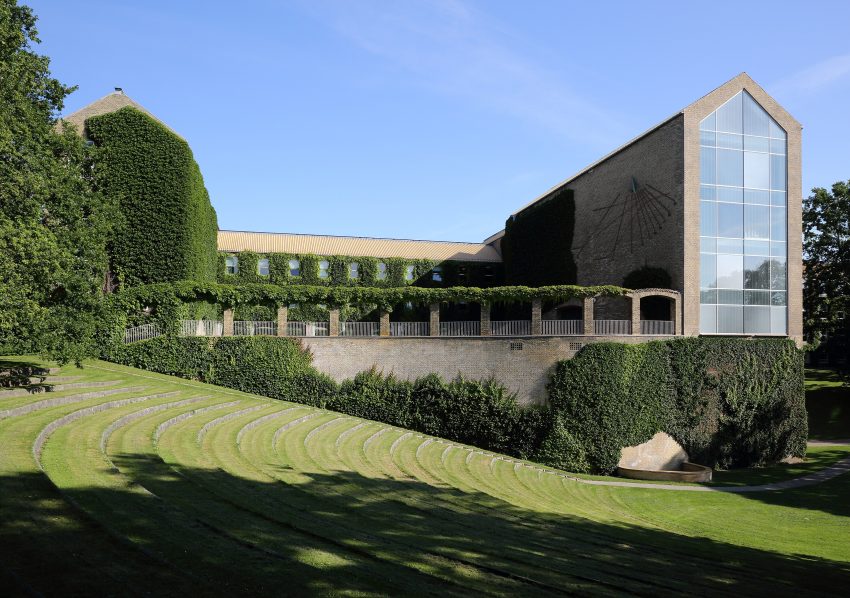
Aarhus University (Aarhus Universitet) is a major public research university in Aarhus, founded in 1928 and now Denmark’s largest and second-oldest. Visitors tend to remember the cohesive yellow-brick modernism set into gentle hills, with paths circling a small campus lake that makes the grounds feel more like a landscaped park than a single monument. The institution’s scale is felt in its five faculties and wide-ranging departments, and its global standing is reinforced by dozens of research centers and multiple Danish National Research Foundation Centres of Excellence. It has produced notable alumni—from Queen Margrethe II to C++ creator Bjarne Stroustrup—and even drew praise for beauty in a Times Higher Education European ranking. Reviews often mention how clean, quiet, and well kept the campus feels.
Location: Nordre Ringgade 1, 8000 Aarhus Centrum, Denmark | Website | Distance: 0.6km

5. Hotel Royal
Hotel Royal
Hotel Royal
CC BY-SA 4.0 / RhinoMind
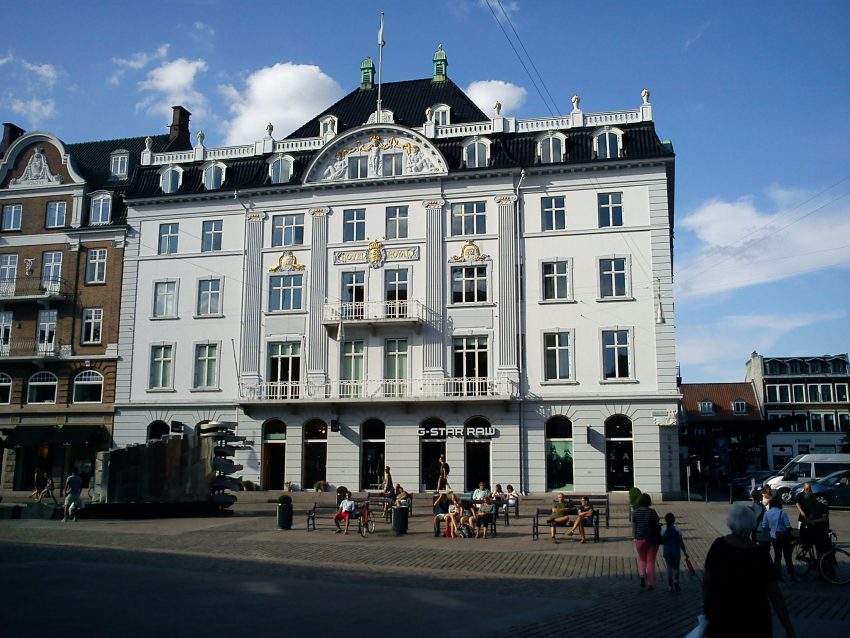
Hotel Royal is a long-running luxury hotel on Store Torv, directly beside Aarhus Cathedral, and it has helped define the city center’s social life since opening in 1838. Its crisp Neoclassical white façade comes from two original buildings (including the former Kongens Gaard), later expanded with a 1902 addition by Eggert Achen and Thorkel Møller. Inside, visitors notice the art: roughly 300 works, from Asger Jorn and Joan Miró to ceiling paintings by Andrzej Kowalczyk, plus portraits of 53 Danish monarchs. The former Marble Room—once home to jazz nights and a cinema—was remade in 1991 as Casino Royale, alongside an art déco entrance inspired by Paris metro styling.
Location: Store Torv 4, 8000 Aarhus, Denmark | Hours: Daily: Open 24 hours. | Price: Check official website. | Website | Distance: 0.7km

6. Åboulevarden
Boulevarden (River Boulevard), Aarhus
CC BY-SA 4.0 / Eduard47
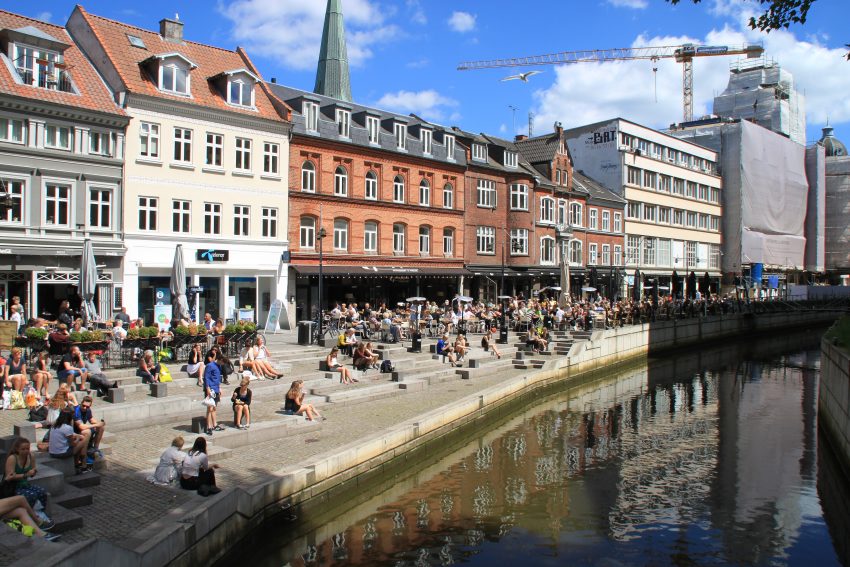
Åboulevarden (River Boulevard) is a street-and-promenade tracing the Aarhus River through central Aarhus, running about 975 meters from Vester Allé to Europaplads. It matters because it shows how the city chose people and public space over traffic: parts of the river were once covered for road width and parking, then reopened in a project that began in 2005 and finished in 2015. As you walk, you’ll notice bridges, steps down to the water, and reflections that make simple, telling photos. The eastern stretch is where the atmosphere concentrates, with tightly packed cafés and bars spilling outdoor seating toward the river, turning an everyday route into a place to linger.
Location: Åboulevarden, 8000 Aarhus, Denmark | Hours: 24 Hours | Price: Free | Website | Distance: 0.7km

7. Møllestien
Arhus Mollestien
Arhus Mollestien
CC BY-SA 2.0 / Anosmoman
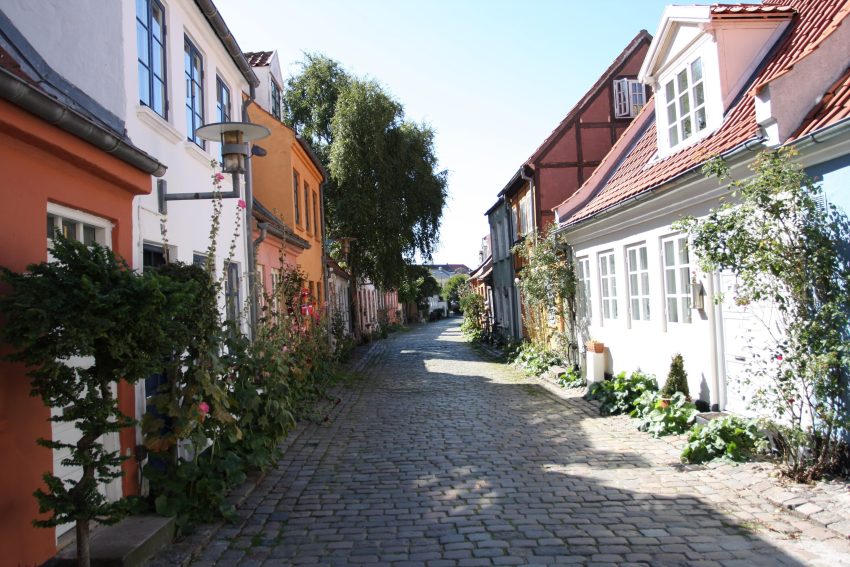
Møllestien is a short cobblestone lane in central Aarhus, lined with small, brightly painted houses that preserve a rare, human-scale slice of the city. The route has existed since the 1200s, and its “Mill Path” name points to the Aarhus Mill, first recorded in 1289, once standing at the street’s western end near the former main library site. Most of the current buildings date from 1870–1885, and after falling into disrepair by the 1920s, the street was revived from the 1960s onward. In the late 20th century, students and artists moved in and added the bold colors visitors photograph today. It’s quiet, quick to walk, and the uneven cobbles and tiny front gardens make the details feel close-up.
Location: Møllestien, 8000 Aarhus, Denmark | Hours: 24 Hours | Price: Free | Distance: 0.7km

8. Aarhus Cathedral
Aarhus Cathedral, Aarhus
CC BY-SA 3.0 / Tanya Dedyukhina
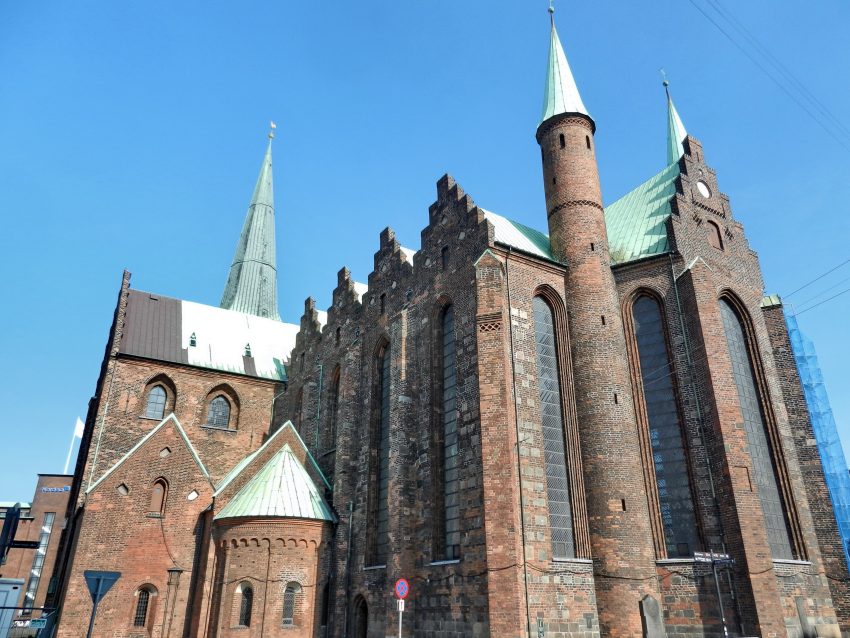
Aarhus Cathedral (Aarhus Domkirke) is the Church of Denmark’s cathedral on Store Torv, built on the site of an earlier timber church and dedicated to Saint Clement, sailors’ patron. Begun around 1190 and completed in 1300, it was badly damaged by a 1330 fire before being rebuilt and expanded from 1449 with soaring Gothic vaults, higher windows, and a lengthened nave. Walking its full 305-foot interior, you feel why it’s Denmark’s longest—and with a tower rising about 315 feet (rebuilt in 1931), it also dominates the skyline. Inside, walls and arches carry the country’s greatest spread of late-medieval frescoes (c. 1470–1520), including towering figures of Saint Christopher and Saint Clement. The single east-window stained glass by Emanuel Vigeland (1926) adds a striking modern glow.
Location: Store Torv, 8000 Aarhus, Denmark | Hours: Opening hours: (Summer) 01 May – 30 September: Monday: 09:30–16:00; Tuesday: 10:30–16:00; Wednesday – Saturday: 09:30–16:00. (Winter) 01 October – 30 April: Monday: 10:00–15:00; Tuesday: 10:30–15:00; Wednesday – Saturday: 10:00–15:00. Closed to visitors on Sunday and public holidays (open for worship only). | Price: Free to enter the cathedral; tower access is 20 DKK for adults and 5 DKK for children. | Website | Distance: 0.7km

9. Aarhus Botanical Gardens

Aarhus Botanical Gardens, Aarhus
CC BY-SA 3.0 / RhinoMind
Aarhus Botanical Gardens (Botanisk Have) is a year-round green refuge in central Aarhus, founded in 1873 as a site for experimental cultivation and still shaped by a practical, educational mission. Outdoors, native Danish plants are arranged by habitat so you can read the country’s landscapes in miniature—moving between theme beds, boggy ground, beech-wood pockets, and dune-like plantings. A medicinal-plant section adds a hands-on link to how herbs have been used, past and present. In the middle, a rockery gathers mountain species from around the world, a sharper, stonier contrast to the local flora. Benches and picnic tables—some with built-in grill plates—make it feel like a shared city backyard, with Hessel Brook threading through the park.
Location: Peter Holms Vej, 8000 Aarhus Centrum, Denmark | Hours: (Summer) 01 July – 31 August; Monday – Friday: 09:00–17:00. Saturday – Sunday & public holidays: 10:00–17:00. (Winter) 01 September – 30 June; Monday – Friday: 09:00–16:00. Saturday – Sunday & public holidays: 10:00–16:00. Closed: 22 December – 02 January. | Price: Free. | Website | Distance: 0.7km

10. The Occupation Museum

The Occupation Museum
CC BY-SA 2.0 / Villy Fink Isaksen
The Occupation Museum in Aarhus is a compact World War II museum set in the former city hall and police station (1856–57), later used as the Gestapo’s Jutland headquarters. It matters because it confronts how occupation shaped ordinary lives—resistance, collaboration, censorship, and the moral compromises people made to get through 1940–45. Visitors move through preserved interrogation cells and torture rooms, where the building itself becomes part of the story. Exhibits draw on local flashpoints such as the Aarhus Air Raid and the 1944 port explosion, alongside artifacts like propaganda, uniforms, weapons, mines, and ID papers. Some guests follow a single citizen’s path via an identity-card narrative, and many note how dense the museum feels for its small size.
Location: Mathilde Fibigers Have 2, 8000 Aarhus, Denmark | Hours: Monday: Closed Tuesday: Closed Wednesday: 1:00 – 5:00 PM Thursday: 1:00 – 5:00 PM Friday: 1:00 – 5:00 PM Saturday: 11:00 AM – 5:00 PM Sunday: 11:00 AM – 5:00 PM | Price: 75,00 DKK | Website | Distance: 0.8km

11. KØN - Gender Museum Denmark
Køn Gender Museum Denmark
CC BY-SA 4.0 / Leif Jørgensen
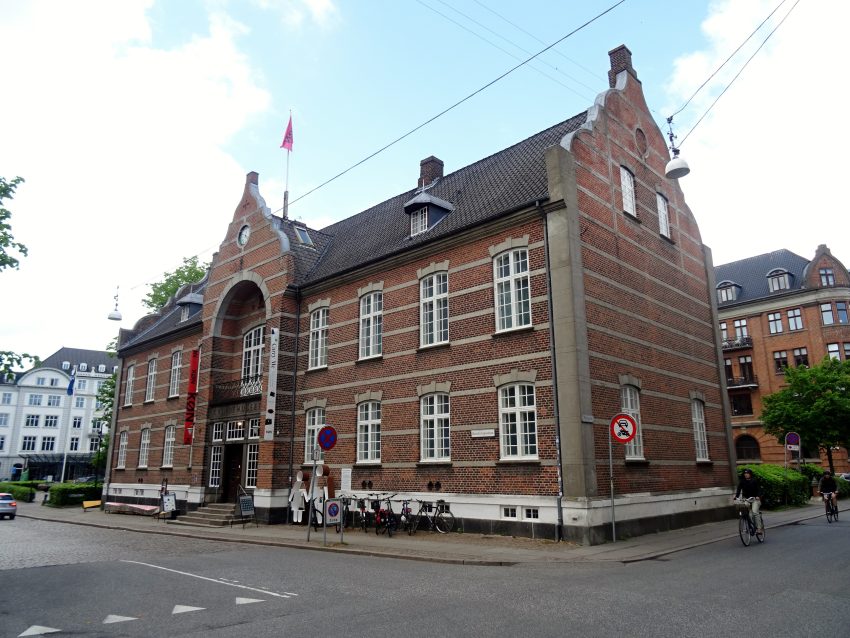
KØN – Gender Museum Denmark in central Aarhus explores how ideas about gender and sexuality have shaped everyday life and public debate in Denmark. Founded in 1982 as the Women’s Museum, it later widened its scope and took the name KØN in 2021, reflecting a broader focus on identities and changing norms. The museum is set in the former Aarhus City Hall (1857) and is deliberately compact, encouraging slow reading and conversation rather than a quick circuit. A standout is the hands-on “History of Girls and Boys,” where visitors climb, draw, and try on period costumes to trace childhood over the last 150 years. There’s also a café and bakery for a quiet pause afterwards.
Location: Domkirkepladsen 5, 8000 Aarhus, Denmark | Hours: Tuesday: 10:00–17:00. Wednesday: 10:00–18:00. Thursday – Saturday: 10:00–17:00. Bank holidays: 10:00–16:00. Closed on Monday & Sunday. Closed on bank holidays that fall on Sunday & Monday. Closed on December 23; December 31; January 1. | Price: Adults: DKK 125; Under 30: DKK 105; Retiree: DKK 105; Under 18: Free. | Website | Distance: 0.8km

12. Viking Museum
Viking Museum
Viking Museum
CC BY-SA 4.0 / Leif Jørgensen
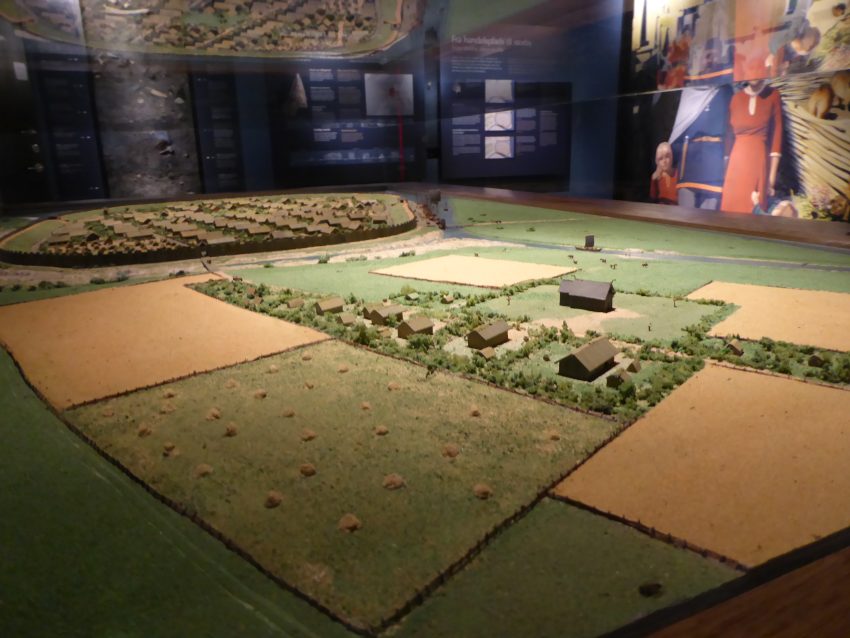
The Viking Museum (Vikingemuseet) is a compact, underground, in-situ museum beneath the Nordea building at Sankt Clemens Torv in central Aarhus, created around excavations from 1963–64 and opened in 1968. It matters because you’re standing over the actual Viking-age layers of Aros, about three metres below today’s street, where structures, everyday objects, and even parts of a human skeleton were uncovered. Exhibits mix original finds with a few replicas and a detailed model of Aarhus around 980 AD, in Harald Bluetooth’s era, to show how the town was laid out. Runic-stone lore appears via a copy of the Hørningstenen, while the original is kept at Moesgaard Museum. Expect a small, self-guided, dim space where the site itself is the main exhibit.
Location: Sankt Clemens Torv 6, 8000 Aarhus Centrum, Denmark | Hours: Monday – Friday: 10:15–18:00. Saturday – Sunday: 10:15–19:00. Closed on bank holidays. | Price: Adults: DKK 30; Under 18: Free. | Website | Distance: 0.8km

13. Bispetorvet
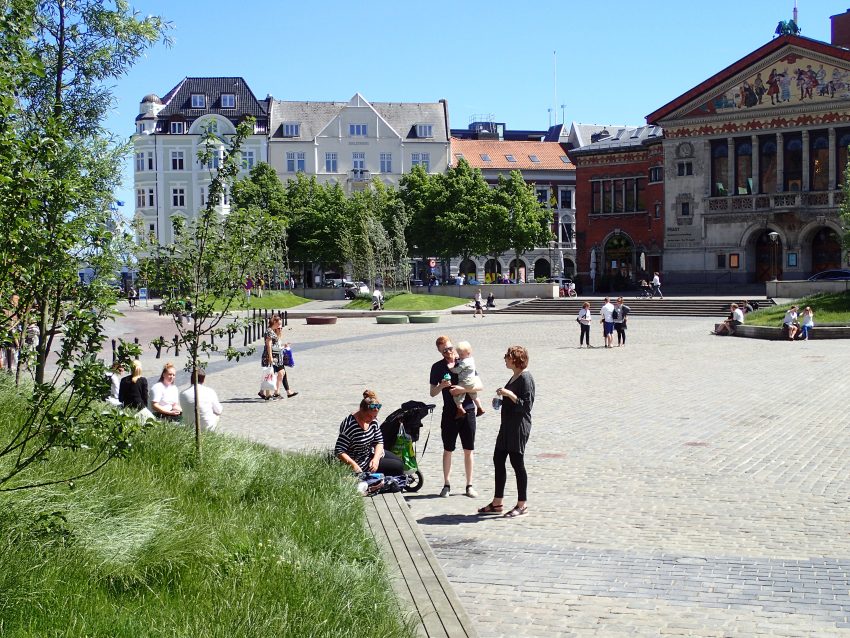
Bispetorvet
Bispetorvet
CC BY-SA 2.0 / RhinoMind
Bispetorvet (Bishop’s Square) is a broad cobbled plaza beside Aarhus Cathedral, rebuilt in 2016 from a former parking lot into a pedestrian space for everyday hangouts and occasional concerts. What looks like a simple pause in the city centre sits on deep layers of the city’s past: the ground was once a pagan burial site, later tied to the Diocese of Aarhus, and a 1960s excavation turned up Viking-age finds now preserved nearby. Trees along the edge give welcome shade, and the openness makes it an easy meeting point. Don’t miss the equestrian statue of King Christian X in the north-west corner, a quiet reminder of Denmark’s 20th-century story.
Location: Bispetorvet, 8000 Aarhus, Denmark | Hours: 24 Hours | Price: Free | Distance: 0.8km

14. Museum of Ancient Art, Aarhus

Museum of Ancient Art, Aarhus
CC BY-SA 2.0 / RhinoMind
The Museum of Ancient Art (Antikmuseet) at Aarhus University is a compact teaching-born museum that brings the ancient Mediterranean into close view, with displays shaped by classical archaeology rather than spectacle. Founded in 1949 from an academic study collection, it now holds about 4,000 objects spanning Ancient Egypt, Greece, Etruria, and Rome, so you’re often inches from everyday items as well as formal art. Visitors tend to remember the mummy of the temple singer Tabast, alongside small-scale pieces like earthenware amulets, clay figurines, and bronze vessels. The Greek rooms reward slow looking, with Mycenaean ceramics and black- and red-figure Athenian pottery, plus a substantial coin collection—around 2,500 Greek and Roman coins—tracing money from early city-states to Constantine.
Location: Victor Albecks Vej 3, 8000 Aarhus, Denmark | Hours: Sunday - Wednesday: 12:00 – 4:00 PM; Thursday: 12:00 – 4:00 PM; Friday - Saturday: Closed | Price: Free | Website | Distance: 0.9km

15. Den Gamle By
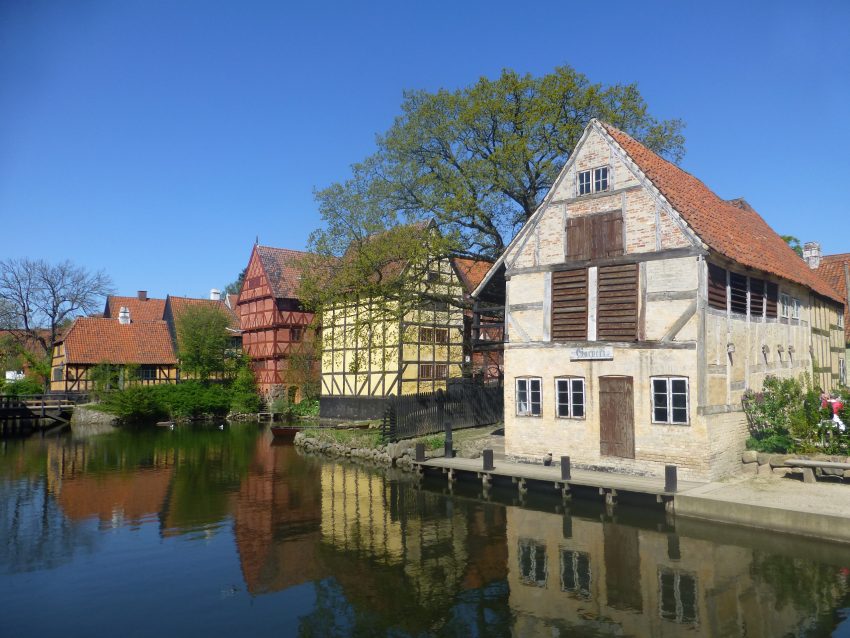
Den gamle - The Old Town
Den gamle – The Old Town
CC BY-SA 2.0 / https://commons.wikimedia.org/wiki/File:Den_gamle_By_-_Havnen_04.jpg
Den Gamle By in Aarhus is an open-air town museum where you wander real streets lined with more than 75 historic buildings relocated from across Denmark and fitted out to match their time. Opened in 1914 as a preservation project, it matters because it rebuilds everyday environments—homes, shops, and civic spaces—so Danish social history is experienced at human scale rather than behind glass. You’ll step into working settings like a grocer, post office, customs office, school, theatre, and traditional workshops staffed by costumed tradespeople such as blacksmiths. Inside, five permanent collections add depth, including the Danish Clock Museum, Toy Museum, Textile Museum, plus pottery and silverware displays. Many visitors linger for hours, especially in the bakery and period cafés.
Location: Viborgvej 2, 8000 Aarhus Centrum, Denmark | Hours: (Winter) 01 January – 27 March: Monday – Friday: 10:00–16:00; Saturday – Sunday: 10:00–17:00; 07 February – 15 February: Daily: 10:00–17:00. (Summer) 28 March – 30 December: Daily: 10:00–17:00; 24 December & 31 December: Daily: 10:00–15:00. | Price: Adults 145 DKK (01 January – 27 March) / 205 DKK (28 March – 31 December). Children 0–17 free. Students 75 DKK / 105 DKK (student tickets sold on-site only, with valid student ID). | Website | Distance: 0.9km

16. Aarhus Theatre
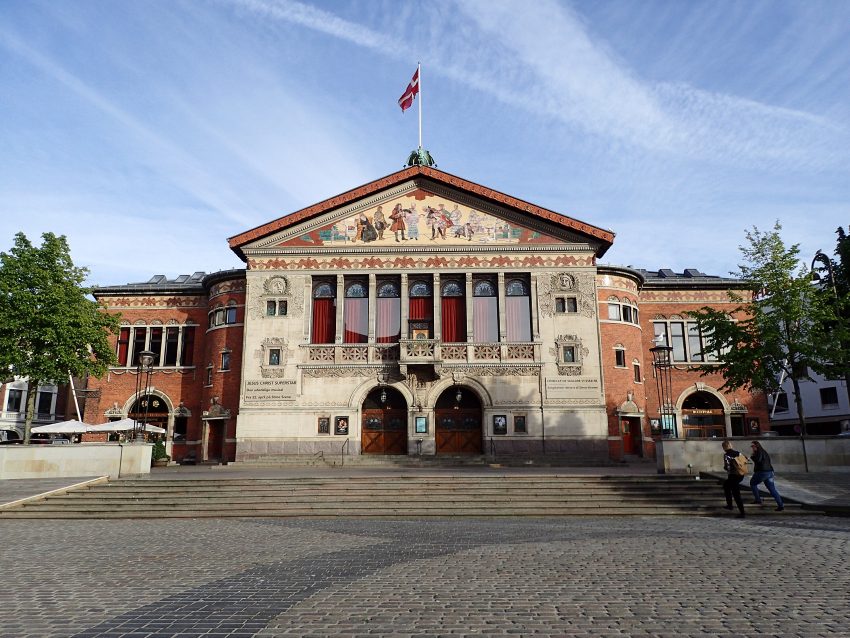
Aarhus Teater
Aarhus Teater
CC BY-SA 2.0 / https://commons.wikimedia.org/wiki/File:Aarhus_Teater.jpg
Aarhus Theatre (Aarhus Teater) is a working Jugendstil playhouse in central Aarhus, designed by Hack Kampmann and inaugurated on 15 September 1900, and it has been protected as a listed landmark since 1990. The first impression is the ornate façade, including a ceramic mosaic by Karl Hansen-Reistrup showing a scene from Ludvig Holberg’s “Maskerade,” plus a much-talked-about gargoyle-like figure over the entrance. Inside, visitors remember the old-world glamour—chandeliers, gilded ceilings, and lavish rooms that still feel intact rather than recreated. With four stages and about 1,200 seats, it’s less a museum piece than a busy cultural machine, and even a quick look in the foyer can feel like stepping into another era.
Location: Teatergaden 1, 8000 Aarhus, Denmark | Hours: Opens around 1 hour before performances (varies by showtime). | Price: Varies (performances typically from 160–525 DKK; public guided tours typically 125 DKK on selected dates). | Website | Distance: 0.9km

17. Salling ROOFTOP
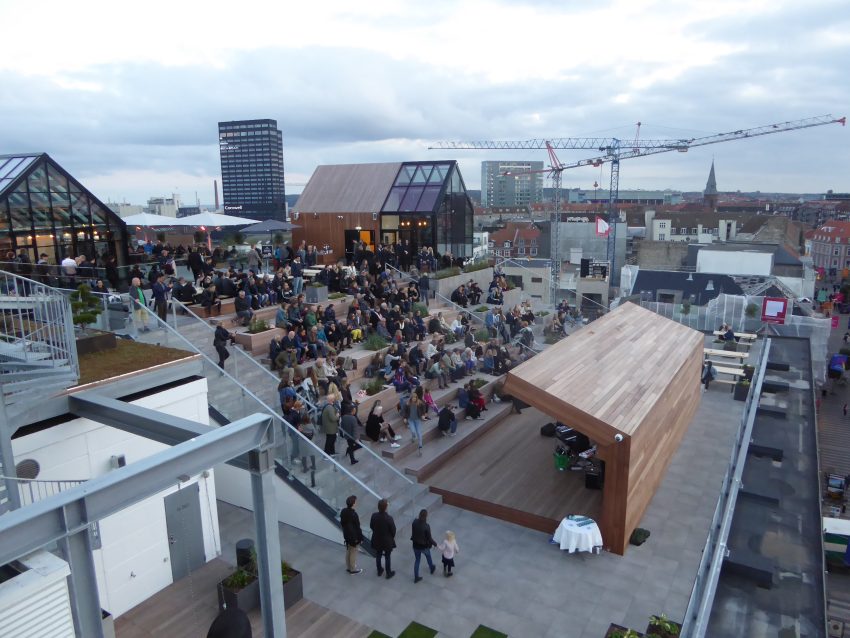
Salling ROOFTOP
Salling ROOFTOP
CC BY-SA 4.0 / Leif Jørgensen
Salling ROOFTOP is a public rooftop garden and viewing terrace on top of the Salling department store in central Aarhus, turning a shopping building into an open-air perch above Strøget. Visitors come for the 360-degree panorama and the Salling Skywalk, a glass walkway that projects outward about 88 feet above the street, adding a small jolt when you look straight down. The space mixes planted “garden” areas—trees, greenery, and art—with plenty of seating across two levels, so it feels like a pocket park in the sky. Inside, it’s also a casual spot for coffee, cocktails, or dining, with occasional events and entertainment.
Location: Søndergade 27, 8000 Aarhus, Denmark | Hours: Monday – Friday: 10:00–20:00. Saturday: 10:00–19:00. Sunday: 10:00–18:00. | Price: Free. | Website | Distance: 1km

18. Aarhus Custom House
Aarhus Custom House
Aarhus Custom House
CC BY-SA 4.0 / Fugit hora
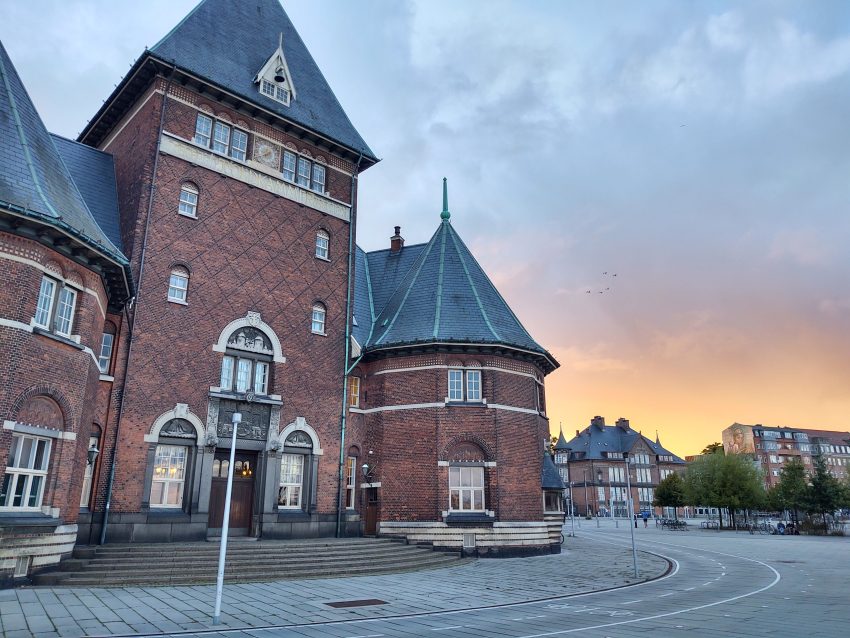
Aarhus Custom House is a 19th-century customs building on the city’s harbour front, built to register cargo and collect duties when the port powered Aarhus’ economy. Completed in 1898 and designed by royal building inspector Hack Kampmann, it’s a strong example of Scandinavian National Romantic style, with a solid, authoritative presence meant to face arriving ships. It was constructed in 1895–97 as the city’s fourth customs house and served the state until the mid-1990s, before periods as an architecture-school space and even a student hostel. After a 2004 purchase and careful renovation with heritage authorities, it now operates as a restaurant, making it mainly an exterior-and-waterfront stop for visitors.
Location: Toldboden, 8000 Aarhus, Denmark | Hours: 24 hours from outside | Price: Free to view from the street. | Website | Distance: 1km

19. ARoS Aarhus Art Museum
ARoS Aarhus Art Museum
CC BY-SA 2.0 / RhinoMind
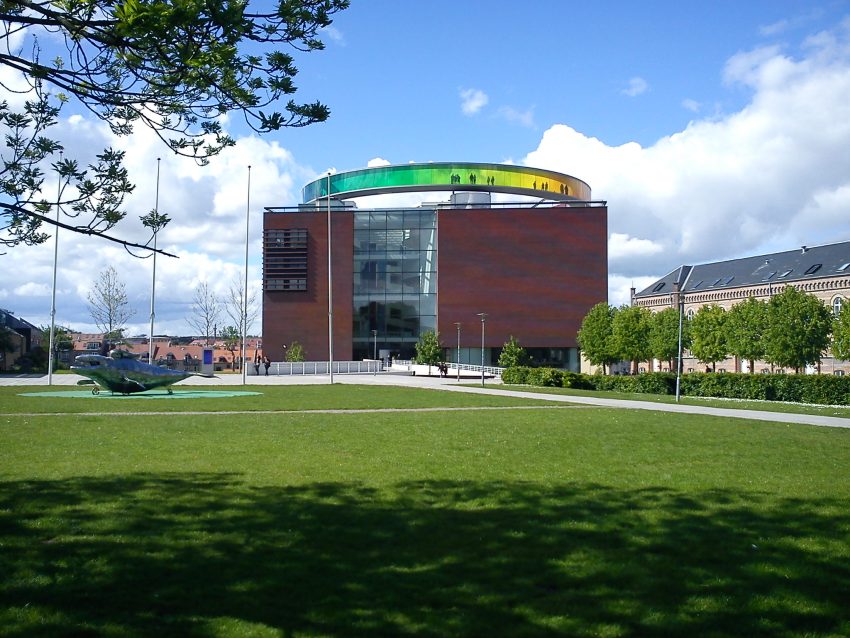
ARoS Aarhus Art Museum is a 10-storey modern art museum in central Aarhus, a major cultural anchor that helped position the city as a contemporary arts destination in Northern Europe. Opened in a purpose-built 2004 building by Schmidt Hammer Lassen (the museum itself dates to 1859), it’s designed for vertical exploration, with changing exhibitions stacked above permanent collections. The experience most visitors remember is Olafur Eliasson’s rooftop skywalk, Your Rainbow Panorama, where you loop through coloured glass for a shifting 360° view over the city. Inside, expect a mix that can jump from Danish Golden Age works to pop-art names like Andy Warhol and Roy Lichtenstein, plus a café, restaurant, and a substantial shop.
Location: Aros Allé 2, 8000 Aarhus, Denmark | Hours: (Summer) 01 June – 30 September: Monday – Friday: 09:00–20:00. Saturday – Sunday: 09:00–17:00. (Winter) 01 October – 31 May: Tuesday – Friday: 10:00–20:00. Saturday – Sunday: 09:00–17:00. Closed on Monday. | Price: Adults €27. Under 31 years / Students €22. Children under 18 free. Groups (min. 20) €25. | Website | Distance: 1km

20. Aarhus City Hall
Aarhus City Hall
Aarhus City Hall
CC BY-SA 1.0 / Leonhard Lenz
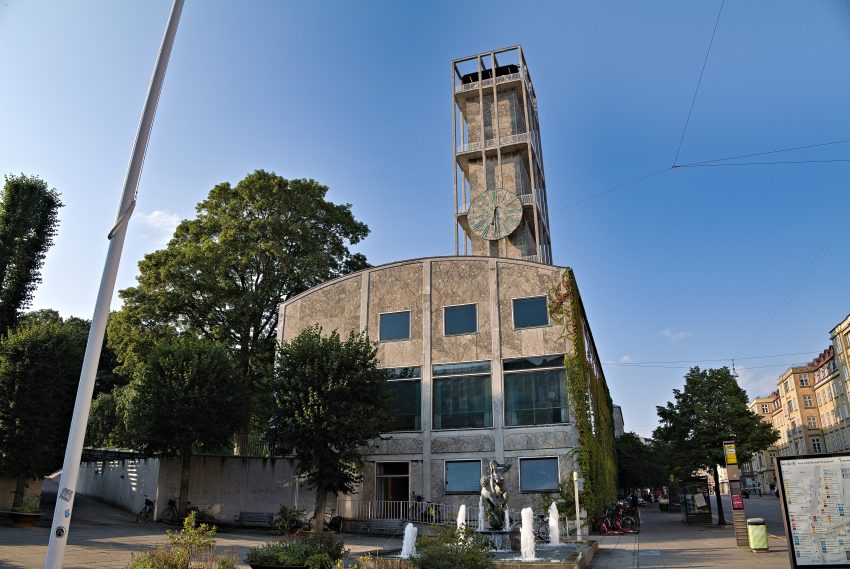
Aarhus City Hall (Aarhus Rådhus) is the city’s working civic headquarters on Rådhuspladsen, completed in 1941 from a design by Arne Jacobsen and Erik Møller and often cited as a key statement of Danish Functionalism. Its concrete structure is clad in grey marble imported from Porsgrunn, Norway, with copper exterior details now turned green with verdigris. The 196-foot tower, topped by a clock face nearly 23 feet wide, is the feature most people remember from a distance. Inside, visitors notice the tactile mix of oak parquet floors, patterned ceramic tiles, glass partitions, and a dense use of brass and bronze accents that makes the modern lines feel warm rather than austere.
Location: Aarhus Rådhus, Rådhuspladsen 2, 8000 Aarhus, Denmark | Hours: Saturday: 09:30–11:00. Friday: 15:30–17:00. Friday (tower climb only): 15:30–16:00. In school holidays: Tuesday: 09:30–11:00. Closed on Sunday. | Price: Adults 125 DKK; children under 18 50 DKK (guided tour including tower). | Website | Distance: 1.1km

21. Dokk1
Dokk1
Dokk1
CC BY-SA 2.0 / RhinoMind
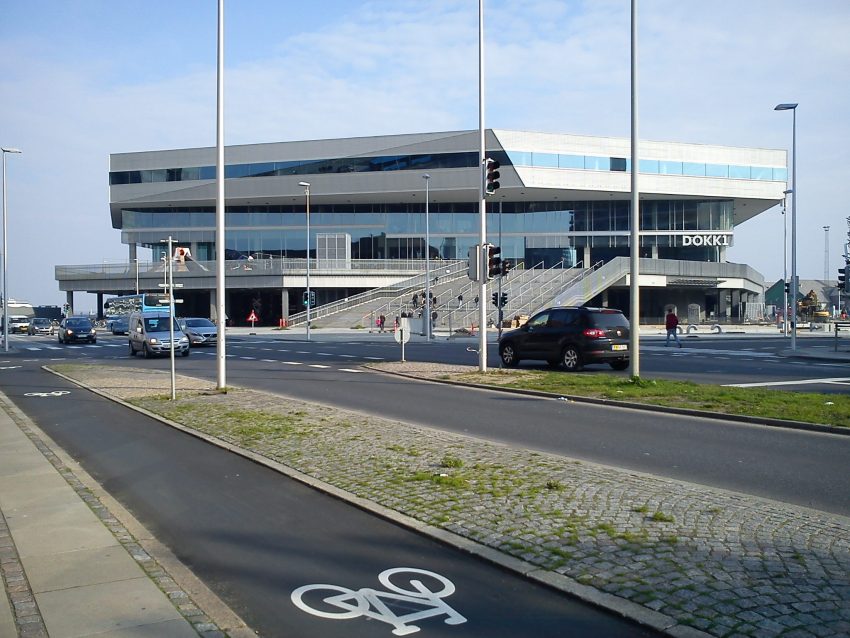
Dokk1 is Aarhus’ main public library and civic culture hub on the inner harbour at Hack Kampmanns Plads, where the city meets the water. Opened in 2015 as part of the Urban Mediaspace Aarhus project, it helped turn the former industrial waterfront into everyday public space. The building’s neo-futurist form—like a faceted metal disk set on a glass base—keeps long sightlines to the harbour and city, making the views part of the visit. Inside, you’ll find generous seating, study corners, children’s play zones, events, and municipal services under one roof. Travelers often linger for hours to work, people-watch, and enjoy the light-filled waterfront setting.
Location: Hack Kampmanns Plads 2, 8000 Aarhus Centrum, Denmark | Hours: Monday – Friday: 08:00–22:00. Saturday – Sunday: 10:00–16:00. Closed on public holidays. | Price: Free. | Website | Distance: 1.2km

22. Agnete og Havmanden
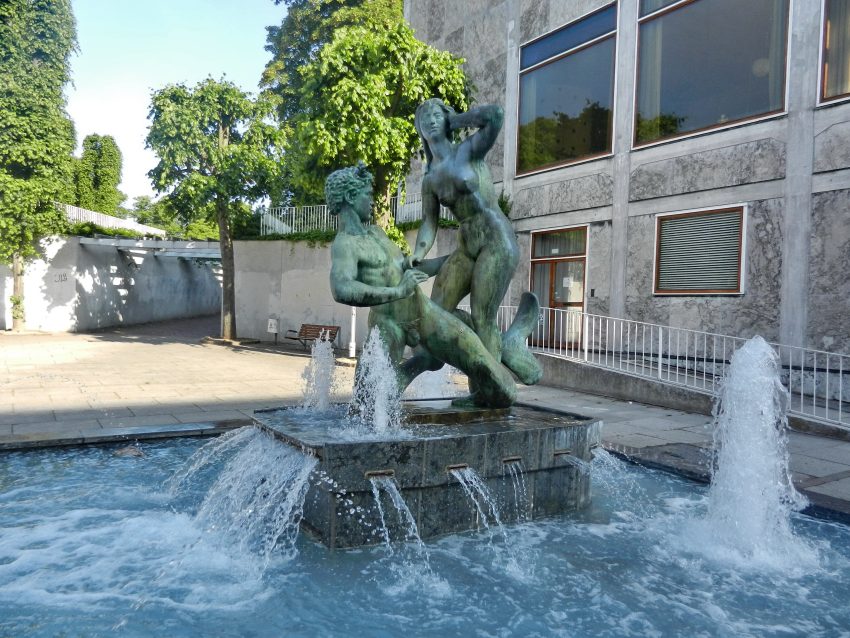
Aarhus panoramio 25
Aarhus panoramio
CC BY-SA 3.0 / Tanya Dedyukhina
Agnete og Havmanden is a bronze sculpture and fountain in Park Allé near Aarhus City Hall, finished in 1940 by Danish sculptor Johannes Clausen Bjerg and unveiled here in 1941. It retells the Danish folk ballad of Agnete, drawn under the sea by a merman and later leaving him and their children—an emotional thread you can sense in the tense, elongated figures. Bjerg’s dramatic proportions nod to El Greco, giving the group a muscular, slightly exaggerated motion as water plays around it. Locals treat it as living public space: on warm days students sometimes climb in to bathe, and pranksters have even turned it into a bubble-filled fountain.
Location: Park Allé 2, 8000 Aarhus, Denmark | Hours: 24 hours | Price: Free | Website | Distance: 1.3km

23. Aarhus Central Station

Aarhus Railway Station
CC BY-SA 3.0 / https://commons.wikimedia.org/wiki/File:Aarhus_Railway_station..JPG
Aarhus Central Station (Aarhus H) is the city’s main rail hub, set right on the edge of Midtbyen and Frederiksbjerg with exits onto Banegårdspladsen, so you step straight into the centre. The current through-station building dates to 1927 and was planned by Danish State Railways architect K.T. Seest as part of a wider redevelopment of the station area. Inside, visitors notice how compact and navigable it is: four platforms, clear wayfinding, and a busy concourse with ticket services, shops, and quick-food stops like McDonald’s and 7‑Eleven. It also links directly into the three-level Bruun’s Galleri mall (93 stores) and connects InterCity routes across Denmark plus international trains toward Hamburg and Berlin.
Location: Banegårdspladsen 1, 8000 Aarhus, Denmark | Hours: Daily (concourse): 00:00–24:00. Monday – Friday (ticket office): 08:00–17:30. Saturday – Sunday (ticket office): 10:00–16:45. | Price: Free. | Website | Distance: 1.4km

24. Tivoli Friheden
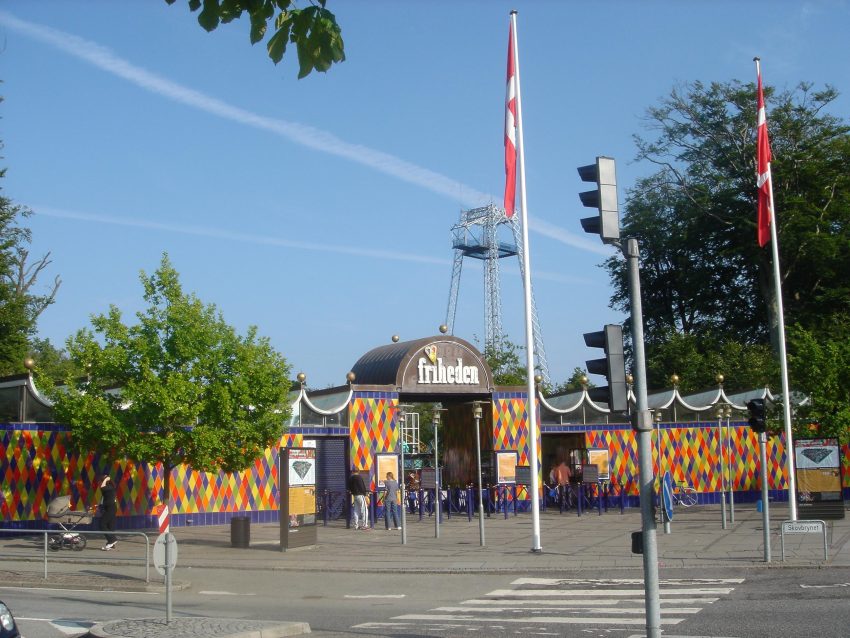
Aarhus Custom House
Aarhus Custom House
CC BY-SA 2.0 / Mokka
Tivoli Friheden is Aarhus’s long-running amusement park, a local tradition for school outings and summer meetups that has grown from an early-1900s pleasure garden into a full ride-and-entertainment complex. Its shift toward a modern park began with Restaurant Terrassen (1904), and today it packs in 40+ attractions, from roller coasters and a Ferris wheel to the 5,000-square-meter Tivoli VanDvittig water area. Between the adrenaline hits, you’ll notice landscaped paths that feel more like a strollable park than a pure fairground. Seasonal evenings—especially Halloween—change the mood with theatrical scares, and visitors often remember the pricey snacks almost as much as the ice cream and views.
Location: Skovbrynet 5, 8000 Aarhus, Denmark | Hours: Daily: 11:00 - 20:00 | Price: Entry: DKK 175.00, xtra charges for some rides. | Website | Distance: 2.9km

25. Marselisborgmonumentet

Marselisborgmonumentet
CC BY-SA 2.0 / Madsfoto
Marselisborgmonumentet in Aarhus is a World War I memorial in Marselisborg Memorial Park, created to remember 4,140 Danes who died—many serving under German command despite Denmark’s neutrality. The design forms a circular courtyard enclosed by a limestone wall made from Euville stone in France, inscribed with the names of the fallen. Four large reliefs set into the circle—The Departure, The War, The Peace, and The Homecoming—guide you through the emotional arc of the conflict as you walk around. Set in open greenery near the palace area, it feels hushed and spacious, the kind of place visitors describe as quiet and peaceful. It’s best experienced slowly, noticing how the narrative changes with each viewpoint.
Location: Mindeparken, Kongevejen 100, 8000 Aarhus, Denmark | Hours: 24 hours | Price: Free | Distance: 3.8km

26. Marselisborg Castle
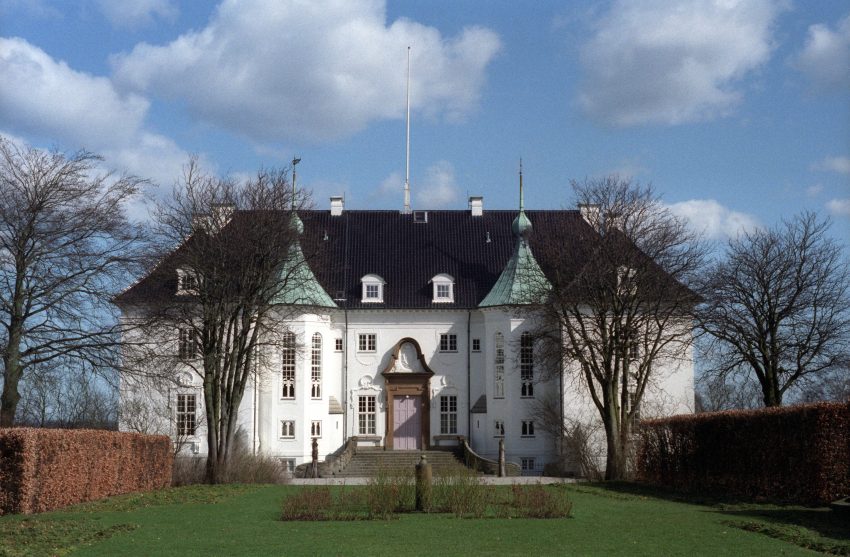
Marselisborg Castle
Marselisborg Castle
CC BY-SA 2.0 / Anosmoman
Marselisborg Castle is the Danish royal family’s summer residence in Aarhus, built in 1899–1902 by architect Hack Kampmann and still used by the monarchy. You can’t tour the interiors, but when the royals aren’t in residence the surrounding Palace Park opens—about 32 acres laid out in an English landscape style with lawns, ponds, mature trees, and a rose and herb garden. Sculptures scattered through the grounds make the walk feel like a quiet outdoor gallery, and visitors often remember the immaculate greenery and calm atmosphere. When the royal family is staying here, you can still watch the changing of the guard at noon at the main gates.
Location: Kongevejen 100, 8000 Aarhus, Denmark | Hours: Palace Garden is open to the public when the royal family is not residing at the palace. April 1st-September 30th (8 AM - 9 PM) and October 1st-March 31st (9 AM - 4 PM) | Price: Free | Website | Distance: 3.9km

27. Fredens Church

Fredenskirken
Fredenskirken
CC BY-SA 4.0 / Gardar Rurak
Fredens Church (Fredenskirken), the “Peace Church,” is a Church of Denmark parish church in Viby, about 3 km south of central Aarhus, built in 1958–60 as the new Fredens Parish was created from Viby Parish. Visitors notice its calm modernism: red-brick walls, clean lines, and a separate, simple tower that keeps the complex feeling open and uncluttered. The layout began with a large main worship space and a perpendicular wing for offices and storage, then evolved through renovations—most visibly a new saddle roof on the wing (1986), a copper-topped tower (1990), and a later wing that frames the tower within a courtyard (1997). It’s a working neighbourhood church with a quietly intentional, postwar sense of hope.
Location: Rosenvangs Allé 51, 8260 Viby J, Denmark | Hours: Monday – Friday: 09:00–13:00. Saturday – Sunday: Open in connection with services and activities. | Price: Free. | Website | Distance: 4km

28. Donbækhaven

Donbaekhaven
Donbaekhaven
CC BY-SA 4.0 / RhinoMind
Donbækhaven’s Donbækhusene are two small, thatched-roof houses tucked into the southern end of Mindeparken in Aarhus, beside the little stream Donbækken. Built in 1828 and 1850, they began as servant housing for the Marselisborg Manor estate (not the nearby palace) and later sheltered forest workers, a reminder that this landscape was shaped by everyday labor as much as grand memorial spaces. The originals were lost in a 1996 fire, and Aarhus Municipality rebuilt them in the same style, keeping their modest proportions and rooflines intact. Visitors mostly remember the quiet paths, lawns, and the slightly “out of place” feel of rural buildings sitting in a city park.
Location: Willemoesgade C, 8200 Aarhus, Denmark | Hours: 24 hours | Price: Free | Website | Distance: 4.1km

29. The Infinite Bridge
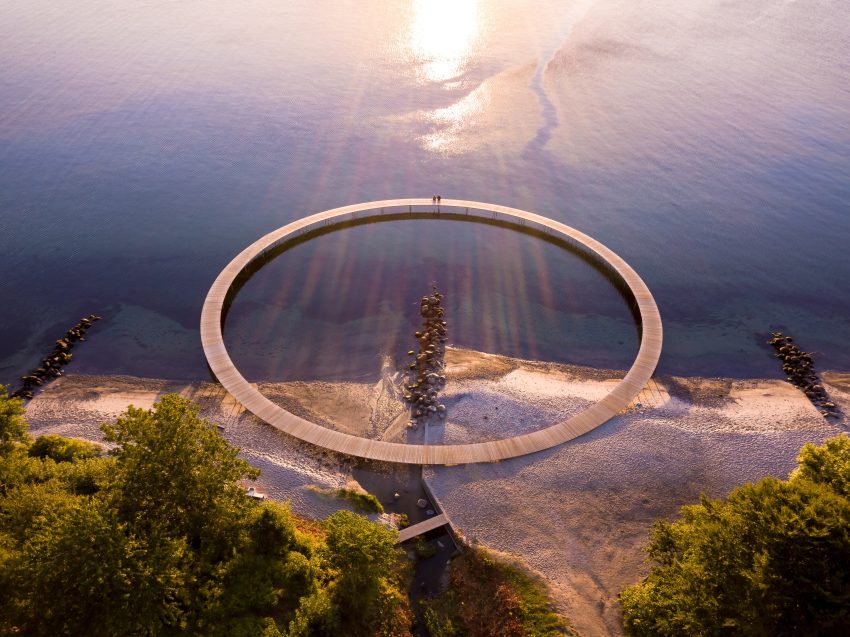
Infinite Bridge, Aarhus from air
Public Domain / SmartDrones Aarhus
The Infinite Bridge (Den Uendelige Bro) in Aarhus is a circular wooden bathing pier and public artwork that loops out into Aarhus Bay from Ballehage Strand near Varna, a few kilometres south of the centre. Built for Sculpture by the Sea in 2015 and rebuilt seasonally after public demand, it turns a simple walk into a constantly shifting panorama as the coastline, forest edge, and city skyline rotate around you. The ring is about 60 metres across (roughly 188 metres around) with a 2.4-metre-wide deck, made from kilometres of larch planks and held above the water on pipes driven into the seabed. On calm days it’s a quiet place for photos, coffee, and quick dips; in wind, the open edges feel exhilarating.
Location: Ørneredevej 3, 8000 Aarhus, Denmark | Hours: (Summer) April – October: Daily: 00:00–24:00. (Winter) November – March: Closed (bridge removed). | Price: Free. | Website | Distance: 4.4km

Best Day Trips from Aarhus

A day trip from Aarhus offers the perfect opportunity to escape the urban rhythm and discover the surrounding region's charm. Whether you're drawn to scenic countryside, historic villages, or cultural landmarks, the area around Aarhus provides a variety of easy-to-reach destinations ideal for a one-day itinerary.

1. Moesgaard Museum

Moesgard Museum photographed by drone
CC BY-SA 2.0 / Nanda Sluijsmans
Moesgaard Museum is the essential museum stop in Aarhus if you want a deep, vivid introduction to Denmark’s past—from prehistory and the Iron Age through the Viking world and beyond. It sits just south of the city in Højbjerg, where forest meets coastline, and its dramatic architecture (a sloping roof you can walk on) makes the building itself part of…
Location: Moesgaard Museum, Moesgård Allé 15, 8270 Højbjerg, Denmark | Hours: Tuesday: 10:00–17:00. Wednesday: 10:00–21:00. Thursday – Sunday: 10:00–17:00. Closed on Monday. Closed on December 24; December 25; December 31; January 1. | Price: Adults: DKK 190 (DKK 180 online); Students: DKK 110; Under 18: Free. | Website | Distance: 8.2km
Visiting Moesgaard Museum

2. Ebeltoft
Ebeltoft
Ebeltoft
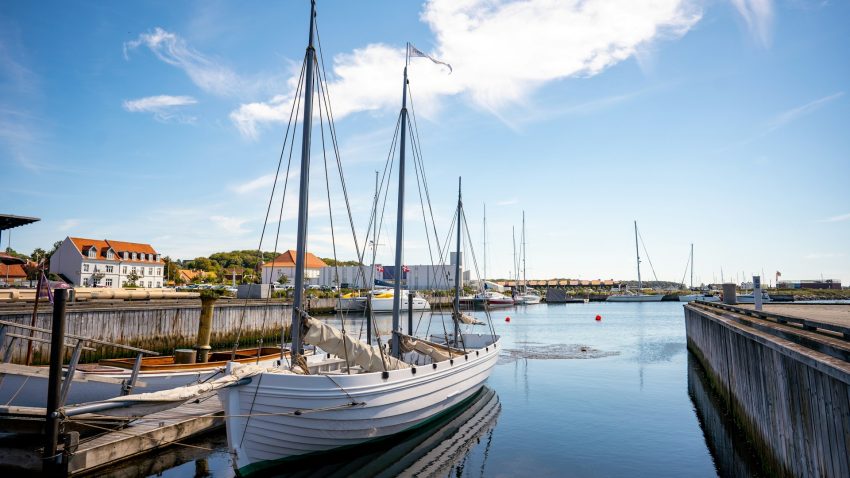
Visiting Ebeltoft offers a charming experience in the Djursland area of Jutland, known for its picturesque cobblestone streets and well-preserved old town atmosphere. The town is small but vibrant, filled with quaint shops, art galleries, and cozy cafés that invite leisurely exploration. Its harbor area adds to the appeal, providing scenic views and a relaxed seaside ambiance perfect for strolling…
Visiting Ebeltoft

3. Randers

Raadhuset, Randers
Raadhuset, Randers
CC BY-SA 3.0 / Rene Jensen
Randers, located in the eastern part of Jutland, is a vibrant town known for its charming blend of urban life and natural beauty. Visitors will appreciate the compact city centre, which features pedestrian streets filled with shops, cafes, and restaurants offering local and international cuisine. The town’s riverside setting adds to its appeal, with pleasant walkways along the Gudenå River…
Visiting Randers

4. Silkeborg

Silkeborg
Silkeborg
CC BY-SA 4.0 / Kim Hedegaard Madsen
Silkeborg, situated in the central part of Jutland, is a picturesque town surrounded by lakes, forests, and rolling hills. Often considered Denmark’s outdoor capital, it offers a perfect blend of natural beauty and relaxed urban charm. Visitors can enjoy lakeside cafés, scenic trails, and the peaceful vibe that defines this part of central Jutland. It’s an ideal destination for those…
Visiting Silkeborg

5. Horsens

Horsens
Horsens
Horsens, located in the eastern part of Jutland, is a lively town known for its cultural vitality and rich event calendar. Visitors can enjoy a blend of historic charm and modern amenities, with a pedestrian-friendly town centre featuring shops, cafes, and restaurants. The waterfront area along Horsens Fjord offers scenic walking paths and outdoor spaces perfect for relaxing or taking…
Visiting Horsens

6. Vejle

Vejle
Vejle
Vejle, located in the southeastern part of Jutland, is a vibrant town known for its unique blend of modern architecture and natural beauty. The town sits at the head of Vejle Fjord, surrounded by rolling hills and lush forests, making it an excellent base for exploring both urban attractions and outdoor activities. Visitors can stroll along the waterfront promenade, enjoying…
Visiting Vejle

7. Bogense

the needle Bogense
the needle Bogense
Visiting Bogense, situated on the scenic northern coast of Funen, brings a delightful blend of coastal charm and small-town warmth. The town's historic harbour is the heart of activity, lined with colorful boats and lively cafes serving fresh seafood. Strolling along the waterfront, you'll find serene views of the Baltic Sea, old wooden piers, and friendly locals enjoying alfresco lunches—making…
Visiting Bogense

8. Kalundborg

Kalundborg church
Kalundborg church
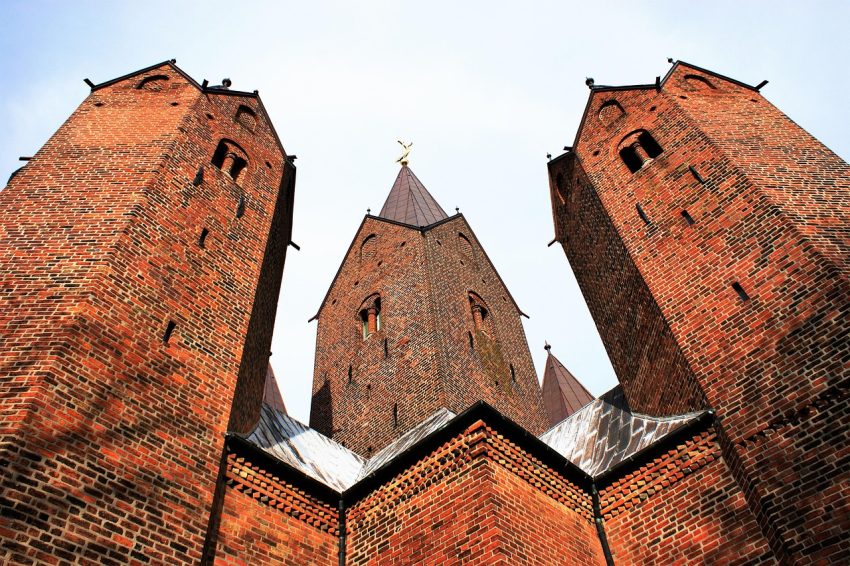
Visiting Kalundborg offers a chance to explore a vibrant town situated in the northwestern part of Zealand. The town combines a lively urban atmosphere with easy access to beautiful coastal scenery. Kalundborg’s harbor area is especially popular for leisurely strolls, where visitors can enjoy views of the sea, local boats, and waterfront cafés that create a relaxed ambiance. Kalundborg is…
Visiting Kalundborg

9. Middelfart

Middelfart
Middelfart
Visiting Middelfart, nestled on the narrow strait between Funen and Jutland, gives you the perfect taste of coastal Danish charm combined with laid-back town life. The town’s scenic waterfront promenade is ideal for leisurely walks, offering stunning views across the Little Belt and of the iconic old bridge. Middelfart’s compact center boasts a selection of cafés, boutiques, and traditional bakeries—perfect…
Visiting Middelfart

10. Billund

Billund Legoland
Billund Legoland
CC BY-SA 4.0 / Andrzej Otrębski
Visiting Billund offers a unique blend of family-friendly attractions and modern amenities in the heart of Jutland. The town is best known as the birthplace of LEGO, which makes it a magnet for fans of all ages eager to explore the imaginative world of the iconic building blocks. Billund’s compact size makes it easy to navigate, with plenty of green…
Visiting Billund

11. Kerteminde

Kerteminde marina
Kerteminde marina
Visiting Kerteminde, located on the northeastern coast of Funen, offers a charming blend of seaside allure and small-town character. The town’s picturesque harbour is a focal point, bustling with fishing boats and lined with inviting cafés and restaurants where you can enjoy fresh local seafood. Strolling along the waterfront provides beautiful views of the Little Belt Strait, and during warmer…
Visiting Kerteminde

Where to Stay in Aarhus

When choosing where to stay in Aarhus, the city centre is a popular area for visitors who want to be close to the main attractions, restaurants, and shopping streets. Here, you’ll find a range of accommodation options from luxury to boutique hotels. For a stylish and comfortable stay, Hotel Royal offers elegant rooms right in the heart of the city. Another great option nearby is Comwell Aarhus, known for its modern design and convenient location close to Aarhus Central Station.

For those who prefer a quieter atmosphere but still want easy access to the city centre, the Latin Quarter provides charming streets filled with cafes and boutiques. The area has several boutique hotels like Wakeup Aarhus, which offers budget-friendly, minimalist rooms perfect for travellers looking for simplicity and style. Another good choice is Scandic Aarhus City, a contemporary hotel featuring spacious rooms and excellent amenities.

If you’re interested in a stay near the waterfront, the Aarhus Ø district is increasingly popular for its modern architecture and scenic harbour views. The area offers stylish apartments and hotels that attract visitors who want a blend of urban life and nature. While hotel options here are growing, it’s a great choice for those who enjoy being close to trendy restaurants and walking paths along the harbour.

For a more traditional and family-friendly environment, the Frederiksbjerg neighbourhood offers a local vibe with parks and shops. It’s just a short walk from the city centre and provides a more relaxed setting. Though fewer hotels are located here, the area is excellent for those wanting to experience Aarhus life like a local while still having convenient access to key sites.

Using the our Hotel and Accomodation map, you can compare hotels and short-term rental accommodations in Aarhus. Simply insert your travel dates and group size, and you’ll see the best deals for your stay.

Aarhus Accommodation Map

Best Time to Visit Aarhus

Visiting Aarhus in Spring

Spring in Aarhus (March to May) brings mild temperatures ranging from around 5°C to 15°C. The city begins to bloom with vibrant parks and outdoor cafés reopening for the season. It’s a great time to explore museums and enjoy outdoor markets before the summer crowds arrive.

Visiting Aarhus in Summer (Best)

Summer (June to August) is the best time to visit Aarhus, with pleasant temperatures between 17°C and 22°C. The city comes alive with festivals such as the Aarhus Festival and NorthSide Music Festival, offering a vibrant mix of music, art, and cultural events. Long daylight hours allow for extended sightseeing and enjoying the city’s waterfront.

Visiting Aarhus in Autumn

Autumn (September to November) sees temperatures cooling from about 15°C in September to 7°C in November. The city’s parks and surrounding forests display stunning fall colors. This season is quieter, making it ideal for museum visits and cozy café experiences.

Visiting Aarhus in Winter

Winter (December to February) is cold, with temperatures typically between -1°C and 4°C. Aarhus offers a festive atmosphere with Christmas markets and holiday events. The season is perfect for enjoying the city’s indoor attractions, including galleries, theatres, and historic sites.

Annual Weather Overview

  • January 5°C
  • February 5°C
  • March 7°C
  • April 11°C
  • May 16°C
  • June 20°C
  • July 22°C
  • August 21°C
  • September 18°C
  • October 13°C
  • November 8°C
  • December 6°C

How to get to Aarhus

Getting to Aarhus by Air

Nearest Airports: The Aarhus Airport (AAR)

Aarhus Airport is the closest airport serving the city, offering domestic and limited international flights. It is located about 36 km from the city centre, with shuttle buses and taxis available for easy transfer. For wider international connections, Copenhagen Airport is also an option, approximately three hours away by train or car.

Getting to Aarhus by Train

Aarhus is well connected by rail, with frequent direct trains from major Danish cities like Copenhagen, Odense, and Aalborg. The city's central station is a major hub on the Danish rail network. Train schedules and bookings can be found on Omio.

Getting to Aarhus by Car

Aarhus is accessible via the E45 motorway, linking the city with other parts of Jutland and Zealand. Well-maintained roads make driving straightforward, and parking facilities are available around the city.

Travelling around Aarhus

Getting around Aarhus is convenient thanks to an efficient network of buses and light rail. The Aarhus Letbane light rail connects suburbs with the city centre, while buses cover other routes. Cycling is also popular, with extensive bike lanes throughout the city. For public transport information, visit Midttrafik.

More from this area