Self-Guided Walking Tour of Messina (2026)
This website uses affiliate links which earn a small commission at no additional cost to you.
Messina is a city of big horizons and layered history, where grand civic spaces and religious landmarks sit a short walk from the Strait. A self-guided route works particularly well here because many of the best things to see in Messina cluster around the centre, with straightforward streets linking the cathedral area, the main squares, and the harbourfront.
This kind of walk is ideal if you want freedom: start early for quieter streets, build in a long coffee stop, or pause at viewpoints when the light is right. You can keep the pace gentle and focus on architecture and atmosphere, or turn it into a purposeful loop that picks up the city’s signature monuments, cultural sites, and seaside promenades.
Over a few hours, you’ll get a solid sense of Messina’s character: resilient, maritime, and proudly monumental. Plan for comfortable shoes, a little flexibility for opening times, and time to linger where the city feels most alive-whether that’s a sunlit piazza, a cathedral precinct, or the edge of the water watching ferries cross the strait.
Table of Contents
- How to Get to Messina
- A Short History of Messina
- Messina in the Ancient Greek Foundations and Early Maritime Growth
- Messina under Rome and Late Antiquity
- Messina in the Medieval Centuries of Change and Continuity
- Messina in the Renaissance and Early Modern Period of Civic Splendour
- Messina in the 1600s to 1700s of Baroque Culture and Unsettled Politics
- Messina after the 1908 Earthquake and the Rebuilding of a Modern City
- Messina in the 20th Century of War, Recovery, and Civic Institutions
- Messina Today of Memory, Monuments, and the Waterfront City
- Where to Stay in Messina
- Your Self-Guided Walking Tour of Messina
- Messina Cruise Port
- Church of Most Holy Annunciation of the Catalans
- Palazzo Cerruti - Bisazza
- Palazzo Calapaj-d'Alcontres
- Duomo di Messina
- The Bell Tower of the Cathedral of Messina
- Fontana di Orione
- Palazzo dei Leoni
- Galleria Vittorio Emanuele III
- Santuario della Madonna di Montalto
- Sacrario di Cristo Re
- Fontana del Nettuno
- Via Giuseppe Garibaldi
- Teatro Vittorio Emanuele
- Sanctuary of Montevergine
- Palazzo Zanca
How to Get to Messina
By Air: The closest airport is Reggio Calabria Airport on the mainland side of the strait, with transfers to the city typically involving a short ferry/hydrofoil hop plus local onward travel. The most common flight gateway for Sicily's east coast is Catania-Fontanarossa Airport, around 90 km away, where you can continue to the centre by coach or by a mix of bus/train. If your first stop on arrival is the waterfront (for example Messina Cruise Port) or the historic core (the Duomo di Messina area), aim to arrive in the city during daylight so you can get your bearings quickly. For the best deals and a seamless booking experience, check out these flights to Messina on Booking.com.
By Train: Messina's main station is Messina Centrale, which is well placed for walking into the centre and linking up with key streets like Via Giuseppe Garibaldi. From elsewhere in Sicily, you'll typically connect via regional services along the coast; from mainland Italy, the classic route funnels through Calabria to Villa San Giovanni, where trains interface with the strait crossing before continuing to Messina. Services between Messina and Villa San Giovanni are frequent and fast in timetable terms, but allow extra time overall for the crossing and any ferry operations. Use Omnio to easily compare schedules, book train tickets, and find the best prices all in one place for a hassle-free journey across Italy.
By Car: Driving is straightforward if you're already touring Sicily: the Autostrada A18 runs south towards Catania, while the Autostrada A20 runs west along the Tyrrhenian side towards the Palermo direction (via its connection onward). If you're arriving from mainland Italy, you'll cross the strait by car ferry from Calabria to Messina and emerge close to the harbour area, convenient for dropping into central sights soon after parking. In the centre, expect tighter streets and limited parking; it's often easiest to park once and then continue on foot through the cathedral zone and main avenues. If you are looking to rent a car in Italy I recommend having a look at Discover Cars, first, as they compare prices and review multiple car rental agencies for you.
By Bus: Long-distance and airport coaches are often the simplest transfer option from Catania-Fontanarossa Airport, with operators such as SAIS Autolinee running direct services into Messina. This can be the best “one-ticket” choice if you want to step off the plane and arrive near the centre without changing trains, especially with luggage. Once you're in town, you can walk into the historic core in a few minutes and begin your route around the cathedral precinct and main squares. [bus]
A Short History of Messina
Messina in the Ancient Greek Foundations and Early Maritime Growth
Messina's earliest urban story is inseparable from the sea: it developed as a strategic harbour city whose fortunes rose with navigation, trade, and control of shipping routes. From the start, maritime traffic shaped the city's identity and economy, a pattern that still reads clearly today in the working rhythms around the Messina Cruise Port.
As the settlement matured, civic life clustered around religion, commerce, and public display. Even in later rebuilding phases, Messina repeatedly returned to the idea of a monumental centre with emblematic landmarks, a tradition that helps explain why the city's key spaces feel designed to be approached on foot, in sequences of squares, churches, and thoroughfares.
Messina under Rome and Late Antiquity
Under Roman influence, Messina remained a port-driven city with a strong link between urban prosperity and maritime throughput. The city's public architecture and street life were tied to the practical needs of movement, storage, and exchange, while religious buildings and civic institutions reinforced local status in the wider imperial system.
In late antiquity, shifting political and religious realities brought cycles of disruption and adaptation. Churches became anchors of continuity, and the urban fabric evolved in response to changing powers, setting the stage for medieval Messina’s layered architectural character and the long pattern of rebuilding that would come to define the city.
Messina in the Medieval Centuries of Change and Continuity
The medieval period brought frequent transitions of rule, but Messina’s core role as a maritime gateway endured. Religious architecture in particular carried the city’s memory across these shifts; the Church of Most Holy Annunciation of the Catalans stands as a powerful reminder of medieval Messina’s architectural language and the persistence of worship sites through political change.
At the same time, Messina’s skyline and hilltop points began to matter as much as its waterfront, reflecting the era’s defensive priorities and the symbolic need to command views over the harbour approaches. Later devotional landmarks, including the Santuario della Madonna di Montalto, also speak to this elevated geography of faith and civic identity.
Messina in the Renaissance and Early Modern Period of Civic Splendour
As Messina grew in wealth and prestige, it expressed itself through urban decoration, palatial residences, and a stronger sense of ceremonial space. The Duomo di Messina became a focal point for both religious and civic life, helping structure the surrounding centre as the city's symbolic heart.
Public monuments reinforced this theatrical approach to urban identity. The Fontana di Orione reflects a tradition of showcasing engineering, artistry, and civic pride in the open air, turning daily movement through the city into an encounter with deliberate statements about power and cultural confidence.
Messina in the 1600s to 1700s of Baroque Culture and Unsettled Politics
In the early modern centuries, Messina’s elites continued to shape the city through prominent residences and institutions. Buildings such as Palazzo Calapaj-d’Alcontres and Palazzo Cerruti – Bisazza evoke a world in which architecture communicated lineage, influence, and taste, even as the city navigated broader political pressures and periodic instability.
This era also deepened the relationship between religious devotion and civic life. The Sanctuary of Montevergine represents the continuing importance of sanctuaries and confraternities, and how Messina’s communities used faith, processions, and patronage to reinforce cohesion in uncertain times.
Messina after the 1908 Earthquake and the Rebuilding of a Modern City
The defining rupture of modern Messina was the catastrophic earthquake of 1908, followed by a vast reconstruction that reshaped streets, squares, and building stock. The rebuild created a more regular, modern plan in many areas, while also provoking a renewed commitment to restoring emblematic sites, especially those tied to identity and continuity.
Messina's cathedral complex became central to this recovery narrative. The Bell Tower of the Cathedral of Messina, famous for its animated clock, reflects a rebuilt city's desire to celebrate ingenuity and communal pride in a highly visible, shared landmark.
Messina in the 20th Century of War, Recovery, and Civic Institutions
World War II brought further damage and disruption, followed by another phase of repair and institutional consolidation. Civic administration and provincial identity gained architectural expression, with Palazzo dei Leoni serving as a marker of modern governance and the city’s role as a regional centre.
Commercial life also found new forms during recovery and modernization. Galleria Vittorio Emanuele III represents the ambition to create refined urban interiors for shopping and social life, linking Messina’s older tradition of civic display with 20th-century notions of progress and public space.
Messina Today of Memory, Monuments, and the Waterfront City
Contemporary Messina is defined by the interplay of resilience and remembrance. The Sacrario di Cristo Re is central to the city's commemorative landscape, tying spiritual symbolism to collective memory and reinforcing how Messina marks loss and continuity in prominent, public-facing ways.
At street level, modern Messina is experienced through its main routes and waterfront monuments. Via Giuseppe Garibaldi continues the tradition of the city's primary axis as a stage for daily life, while the Fontana del Nettuno echoes the older civic language of myth, sea power, and identity-appropriate for a city whose past and present still turn on the harbour.
Where to Stay in Messina
To make the most of visitng Messina and this walking tour then you consider stay overnight at the centre. The most convenient base is around the Duomo and the streets just off Via Giuseppe Garibaldi, where you can walk straight into the historic core for the cathedral complex, fountains, and the main architectural set pieces without relying on taxis. Good, central options here include Jolly Charme Suite and B&B Il Galleone, with Sant'Agostino - Luxury Rooms also well placed if you want something compact and smart for quick returns between stops.
If you want maximum transport convenience, stay between the cruise port and Messina Centrale, which keeps arrival and departure simple and still leaves you within easy walking distance of the route's key sights. This area suits shorter stays and late arrivals, with reliable choices like Hotel Royal Palace, plus smaller properties such as Elysium B&B and Teatro sullo Stretto for a more local, guesthouse-style feel.
For a slightly more residential vibe (and often better value) while still being walkable into the centre, look around the mid-town streets near the university/law-courts side of town and the shopping corridors that feed into the main axis. This works well if you want evening restaurants nearby without feeling right on top of the busiest sightseeing pockets. Consider Hotel Messenion, Hotel La Residenza, or Residence San Martino if you prefer apartment-style flexibility.
If your priority is a quieter stay with easier parking (or you’re breaking up a longer Sicily drive), the southern outskirts can make sense, but you’ll likely taxi or use public transport into the walking-tour start. Two options that suit this style are Villa Pulejo for a more retreat-like feel and Europa Palace Hotel for straightforward road access and an easy in-and-out base.
Your Self-Guided Walking Tour of Messina
1. Messina Cruise Port
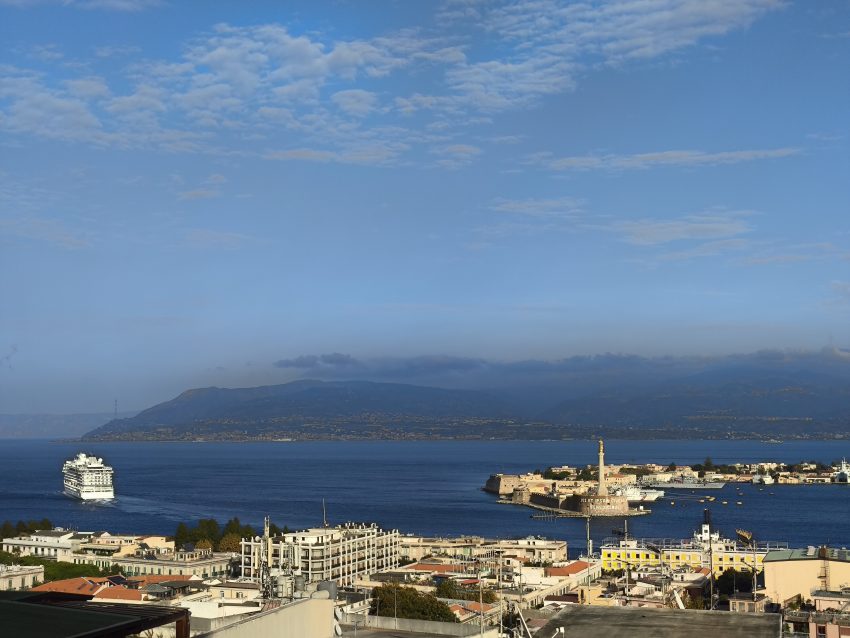
Messina’s port has been the city’s front door since antiquity, valued for its position on the Strait of Messina and used by Greek, Roman, Byzantine, Norman, Spanish, and Bourbon powers as a naval and trading base. The modern cruise facilities sit on a shoreline rebuilt after the devastating 1908 earthquake and tsunami, which levelled much of the city and reshaped its waterfront.
What you see today is a working harbour with ferries, cargo traffic, and cruise berths, framed by the long curve of the strait and the hills rising behind the city. The setting is part of the experience: the constant movement of ships and the close view across to Calabria make it clear why Messina has always mattered strategically.
From the port area, look for the broad sea views, the city’s waterfront monuments and fountains, and the quick access into the historic core. Even a short wander gives you a feel for Messina’s maritime identity: the strait panorama, the rebuilt civic centre nearby, and the steady rhythm of ferries cutting back and forth.
Location: Via Vittorio Emanuele II, 96, 98122 Messina ME, Italy | Hours: 24 Hours. | Price: Free. | Website

2. Church of Most Holy Annunciation of the Catalans
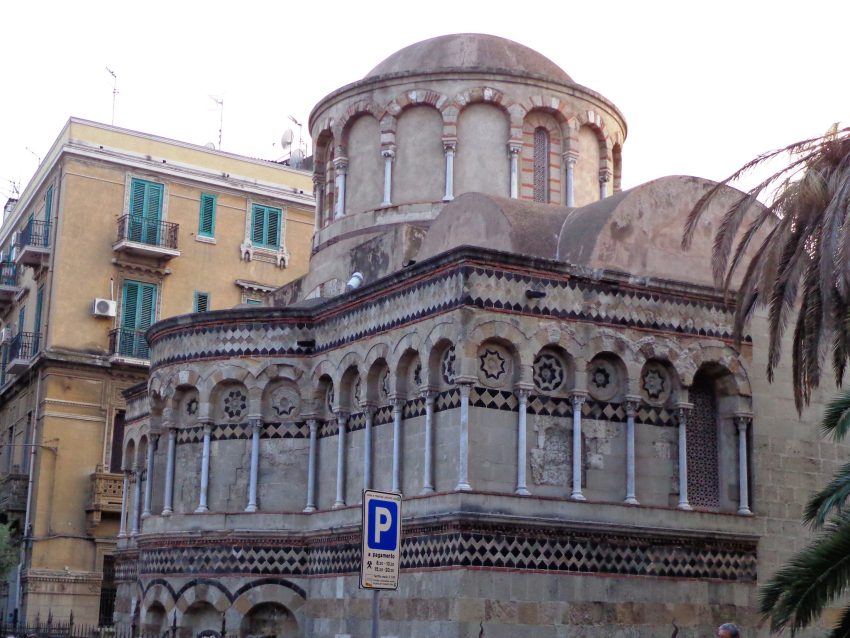
This small medieval church is one of Messina’s most important survivals from before 1908. Often linked to the city’s multi-layered Middle Ages, it reflects a period when Sicily sat at the crossroads of Latin, Byzantine, and Arab artistic traditions, and later came under the influence of Aragonese “Catalan” rule.
Architecturally, it’s compact but unusually rich: look for the blend of Romanesque massing with details that feel Byzantine in spirit, plus carved stonework and a restrained, fortress-like exterior. Its survival makes it a rare window into a Messina that largely disappeared in the early twentieth century.
Inside, focus on the atmosphere and the structural details rather than sheer scale. The appeal is the sense of age, the mingled styles, and the contrast between this intimate building and the grander post-earthquake reconstruction elsewhere in the city.
Location: Via G. Garibaldi, 111, 98122 Messina ME, Italy | Hours: Monday – Saturday: 09:30–16:00. | Price: Free; donations appreciated.
3. Palazzo Cerruti - Bisazza
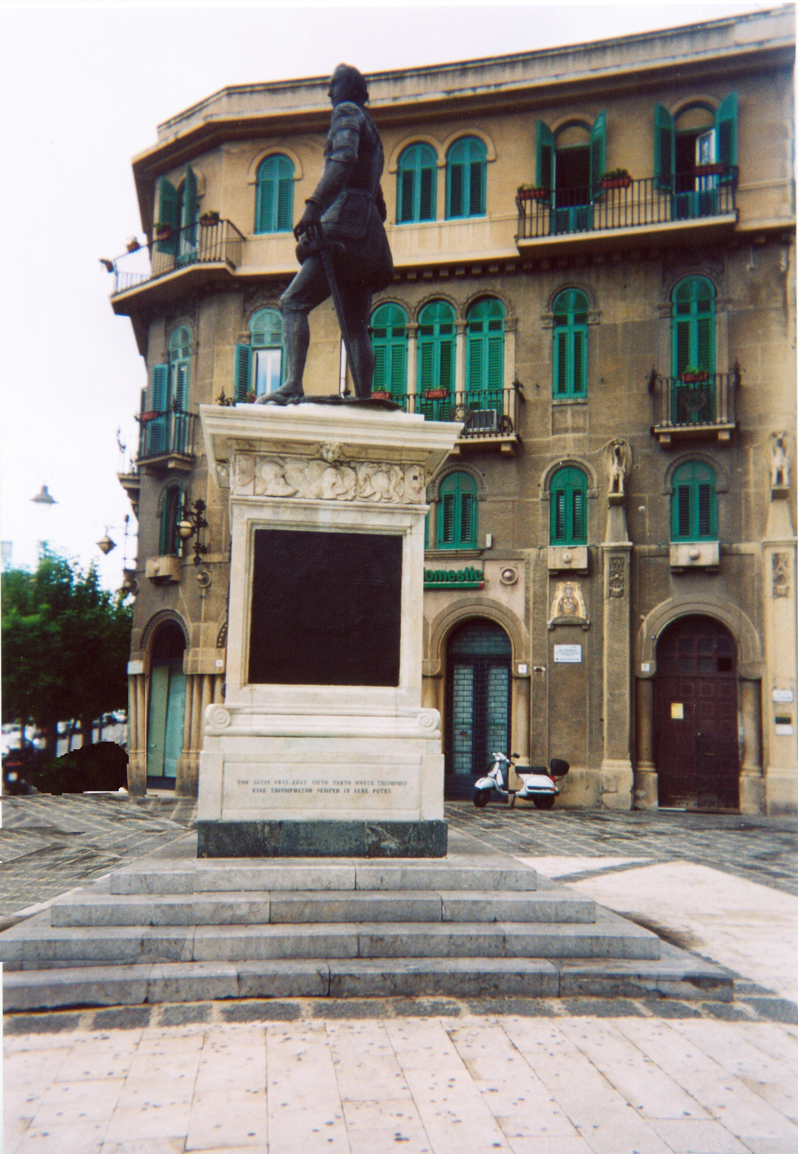
This palace represents the era when Messina’s elite families expressed status through urban palazzi, especially in the centuries when the city prospered as a commercial hub connecting Sicily to mainland Italy and the wider Mediterranean. Many such residences were damaged or lost in 1908, so surviving or reconstructed palazzi help trace how civic life was re-established afterward.
What to look for is the façade language typical of aristocratic city houses: formal symmetry, decorative stonework, and details around portals, balconies, and cornices that signal wealth and taste. Even if you only view it externally, it reads as part of the city’s “public face” architecture—built to be noticed from the street.
When you visit, treat it as an architectural stop: slow down for the craftsmanship, street-level viewpoints, and how it sits in the surrounding urban fabric. Palazzi like this are best appreciated in context, as part of the rebuilt city centre’s rhythm of façades and civic spaces.
Location: Via Lepanto, 1, 98122 Messina ME, Italy | Hours: 24 Hours. | Price: Free.
4. Palazzo Calapaj-d'Alcontres
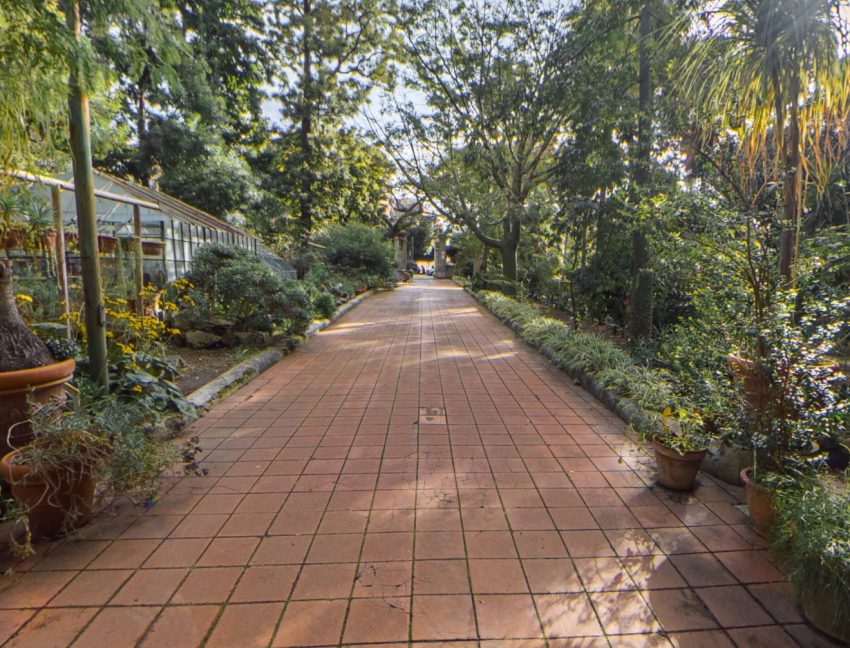
Palazzo Calapaj-d’Alcontres is commonly associated with Messina’s pre-1908 aristocratic landscape and is often cited among the city’s notable historic residences. Its name points to noble lineages that shaped local politics, patronage, and the social life of the city over generations.
The main draw is its architectural character—an urban palace designed to communicate lineage and stability. Look for the formal composition, the framing of windows and balconies, and any heraldic or ornamental elements that hint at family identity and period style.
As a visitor, the most reliable experience is appreciating the exterior and the way the building contributes to Messina’s historical layering. Even without extensive interiors on display, it’s a useful stop for understanding how the city’s elite once lived and how fragments of that world remain visible in the streetscape.
Location: 98122 Messina, Metropolitan City of Messina, Italy | Hours: 24 Hours. | Price: Free.
5. Duomo di Messina
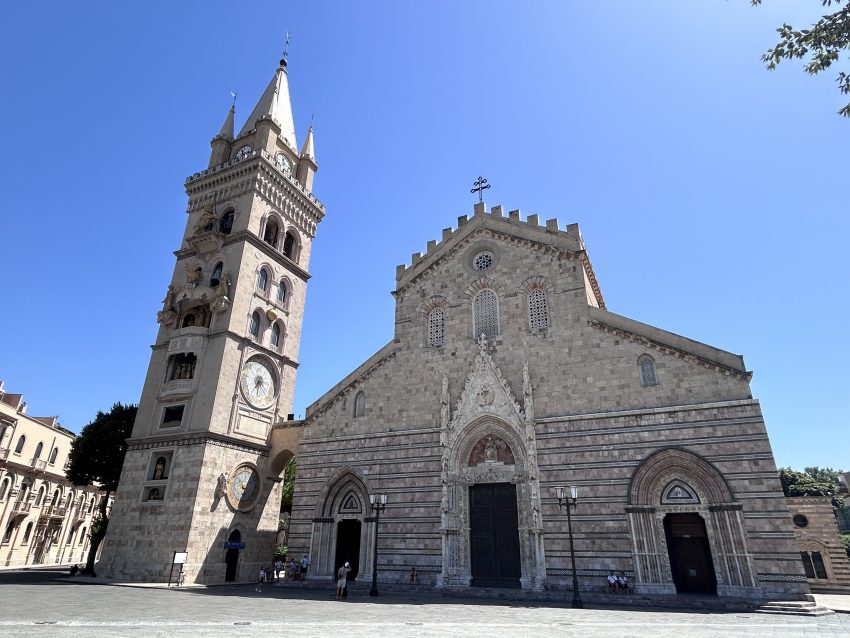
Messina’s cathedral has deep roots, with a long history of rebuilding that mirrors Sicily’s turbulent past. Over centuries it absorbed Norman and later influences, but the 1908 earthquake caused catastrophic destruction, leading to extensive reconstruction that sought to restore the cathedral’s historic presence while using modern methods.
What you see today is a grand landmark with a broad façade and a powerful position in the city’s symbolic geography. Pay attention to the overall massing, the sculptural details, and the sense of a civic heart: this is the anchor for Messina’s main square and one of the clearest statements of the city’s recovery.
Inside, focus on the scale, the restored decorative programme, and the way the space balances reverence with the story of survival. Even if you’re not an architecture specialist, the cathedral communicates Messina’s identity: continuity after disaster, pride in tradition, and a central gathering place for religious and civic life.
Location: P.za Duomo, 98122 Messina ME, Italy | Hours: Check official website. | Price: Free; donations appreciated. | Website
6. The Bell Tower of the Cathedral of Messina
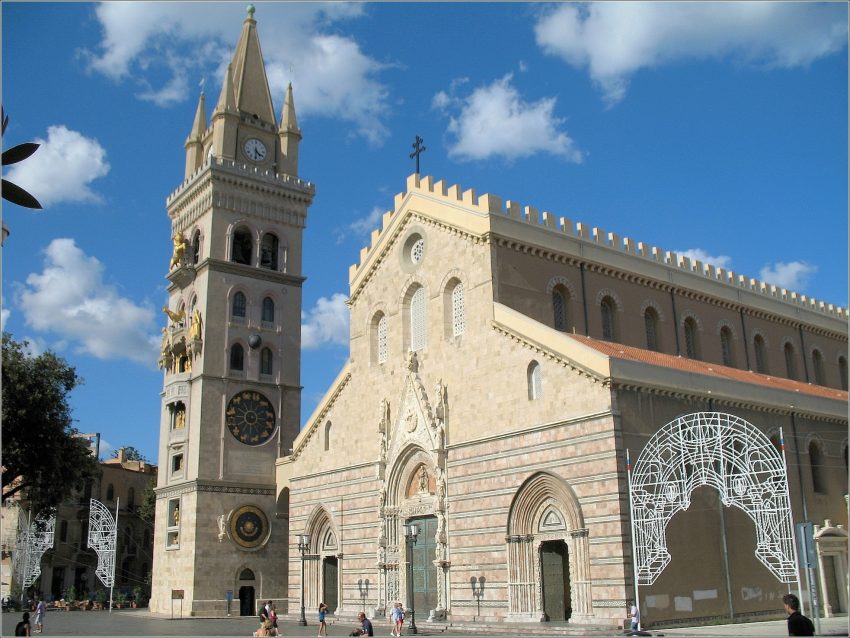
The cathedral’s bell tower is famous for its monumental astronomical clock, a product of the era when European cities showcased modern engineering through public timekeeping. In Messina, the tower and its mechanisms became part of the city’s post-1908 narrative—an emblem of reconstruction and civic confidence.
Visually, the tower is best appreciated from the square, where you can take in its height, proportions, and the clock’s theatrical elements. The animated figures and moving parts are designed for public spectacle, turning time into a performance that draws locals and visitors into the piazza at key moments.
When you’re there, time your visit to watch the clock’s display if possible, then linger to study the details: sculptural groups, symbolic imagery, and the way the tower and cathedral work together as a single civic stage set. It’s one of Messina’s most distinctive “see it to understand it” sights.
Location: Zona pedonale, P.za Duomo, 98122 Messina ME, Italy | Hours: Check official website. | Price: Check official website. | Website
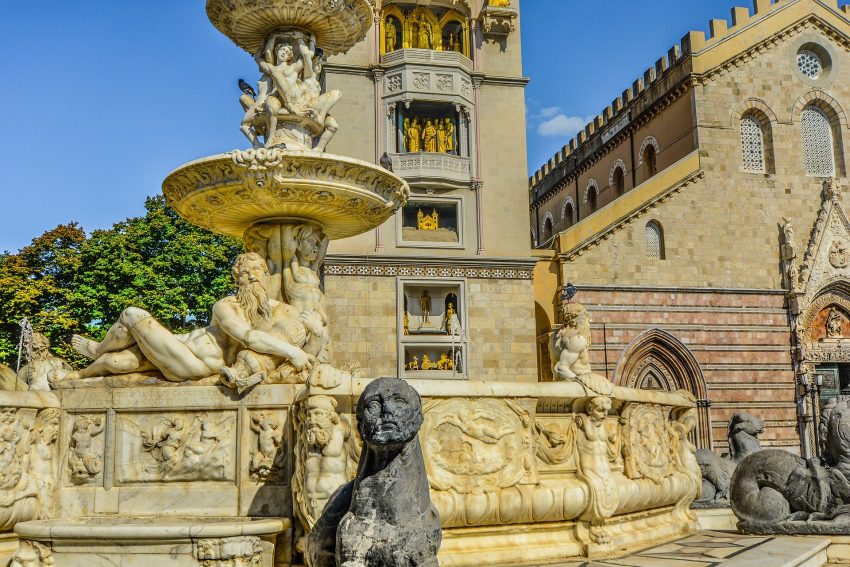
7. Fontana di Orione
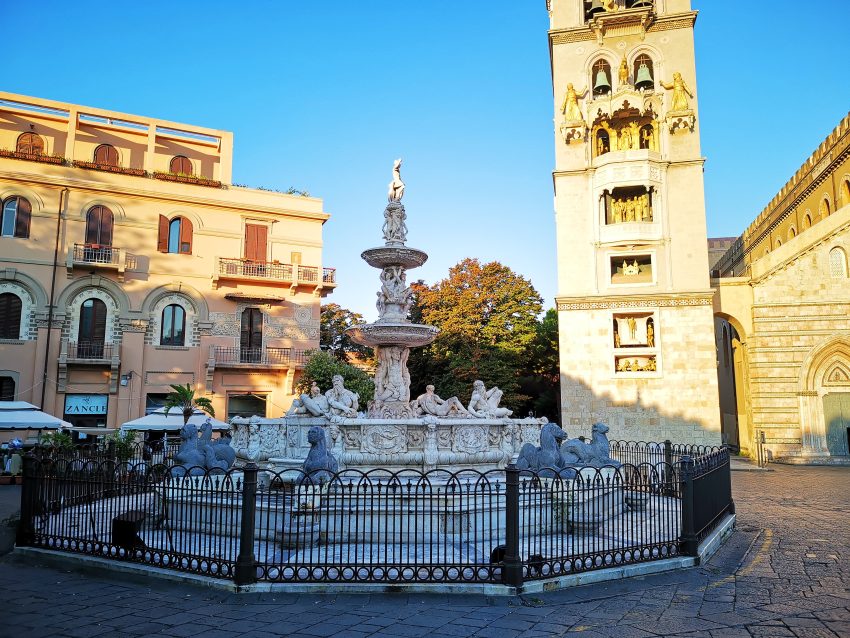
The Fountain of Orion is one of Messina’s great Renaissance monuments, traditionally linked to the city’s pride in its water supply and civic engineering. Its iconography draws on classical mythology, reflecting the humanist taste of the period and the desire to present Messina as a sophisticated, well-ordered city.
Up close, the fountain rewards attention: look for layered basins, carved figures, and the narrative quality of the sculpture. Mythological references, allegorical details, and fine stonework combine to create a piece that is both decorative and symbolic—public art intended to express civic identity.
As a visitor, circle it slowly and view it from multiple angles, since the composition is designed to reveal different groupings and motifs. It also works well as a “centre point” sight because it sits amid major landmarks, making it easy to connect the fountain’s Renaissance confidence to the city’s broader history of resilience.
Location: P.za Duomo, 98122 Messina ME, Italy | Hours: 24 Hours. | Price: Free.
8. Palazzo dei Leoni
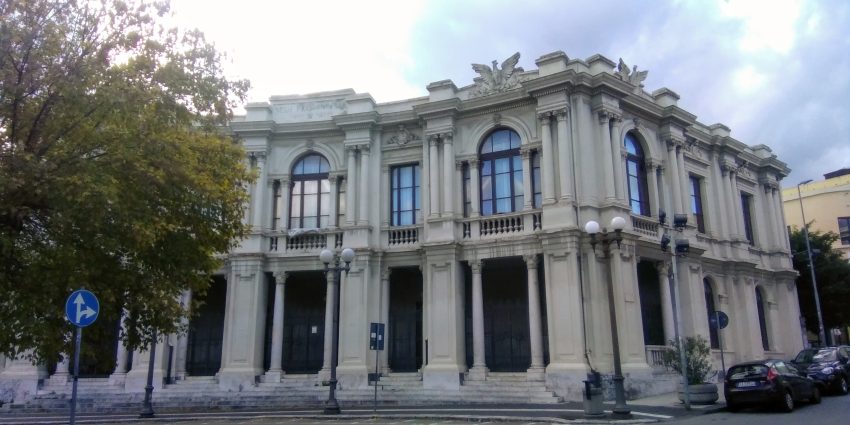
Palazzo dei Leoni is a significant civic building in Messina, associated with the city’s modern administrative identity after the immense disruption of 1908. In a rebuilt city, prominent public buildings helped reassert continuity and provide a visible framework for governance and civic services.
Architecturally, it presents a formal, institutional face, with design choices meant to convey authority and stability. The name and emblematic lion imagery connect to longstanding European civic symbolism—strength, guardianship, and dignity—making the building read as more than just an office block.
When you visit, the main interest is the exterior presence and any accessible public areas. Look for sculptural details, coats of arms or symbolic motifs, and how the building anchors its surroundings, reinforcing the sense of Messina as a functioning civic capital rather than only a port city.
Location: Corso Cavour, 98122 Messina ME, Italy | Hours: Check official website. | Price: Check official website.
9. Galleria Vittorio Emanuele III
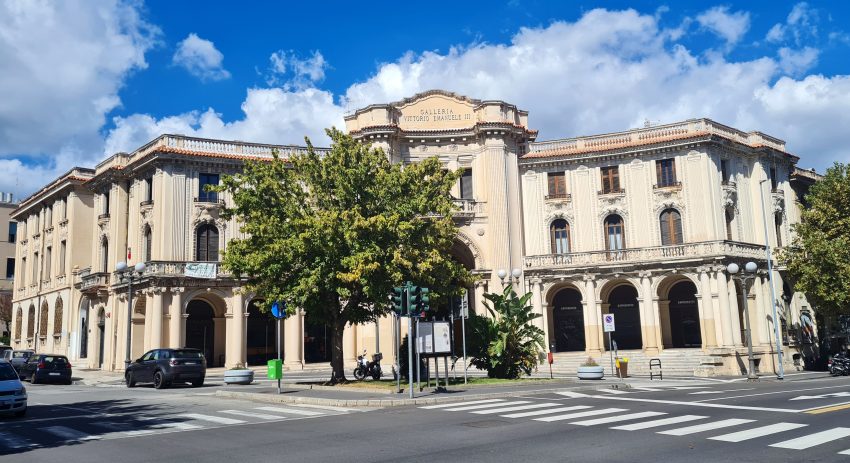
This covered gallery belongs to the tradition of grand Italian commercial arcades built in the late nineteenth and early twentieth centuries, inspired by Milan’s famous model and shaped by the optimism of modern urban life. In Messina, such structures reflect the city’s aspirations toward elegance, commerce, and a cosmopolitan identity.
The appeal is the architecture: a light-filled interior, rhythmic arches, decorative ironwork, and a sense of indoor “street theatre.” Even if you’re not shopping, the space is designed for strolling—an urban living room that turns everyday movement into something a bit ceremonial.
Go for the atmosphere and the details: look up at the roof structure, study the ornamental flourishes, and notice how the gallery frames views outward to the surrounding streets. It’s especially enjoyable at quieter moments when you can hear the echo of footsteps and appreciate the space as a piece of urban design.
Location: Galleria Vittorio Emanuele III, 18, 98122 Messina ME, Italy | Hours: 24 Hours. | Price: Free.
10. Santuario della Madonna di Montalto
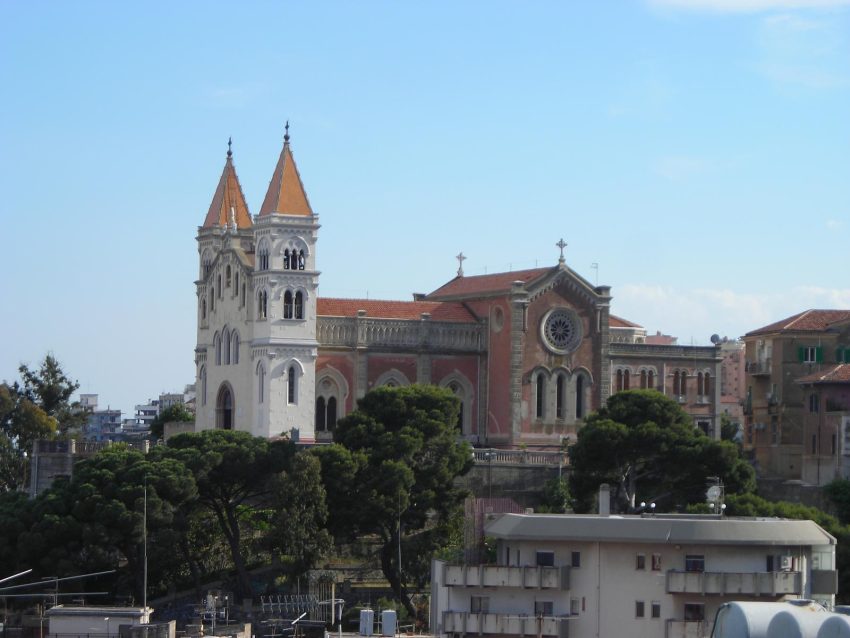
The Sanctuary of Madonna di Montalto is tied to Messina’s devotional traditions and its relationship with the hills above the city. As with many Marian sanctuaries in Italy, its significance blends faith, local identity, and the protective symbolism of a high, watchful site overlooking daily life.
What stands out most is the setting and the views. The climb or approach is part of the experience, and once you arrive you get a strong sense of Messina’s topography: the dense urban grid below, the curve of the waterfront, and the strait beyond.
At the sanctuary, take time for the peaceful interior (when open) and then focus on the panoramic terraces or viewpoints nearby. It’s a place that naturally encourages slowing down—less about ticking off “must-see” objects and more about absorbing Messina as a landscape shaped by sea, hills, and history.
Location: Via Dina e Clarenza, 16, 98122 Messina ME, Italy | Hours: Check official website. | Price: Free; donations appreciated.
11. Sacrario di Cristo Re
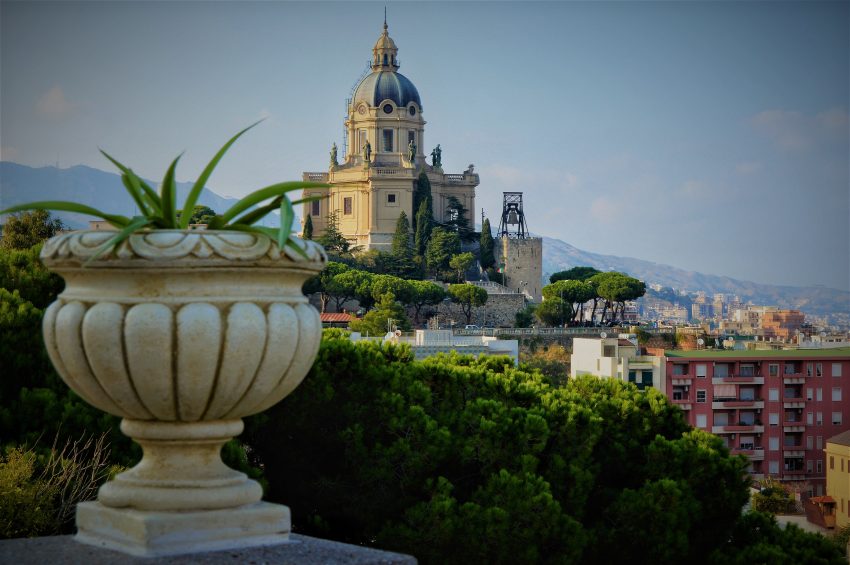
The Shrine of Christ the King is a prominent memorial and religious complex that speaks to the twentieth century’s imprint on Messina. Like other sacrari in Italy, it combines commemoration with sacred architecture, creating a space where civic memory and spiritual reflection meet.
Visually, it’s striking for its scale and its elevated position, which turns the site into both a landmark and a lookout. The architecture tends to emphasise symmetry and monumentality, reinforcing the idea of solemn remembrance and collective identity.
When you visit, expect a quieter, more contemplative atmosphere than the busy central square. The panoramic views are a major highlight, but the deeper experience comes from noticing how the memorial design directs movement and attention, encouraging visitors to consider the city’s losses and resilience in a single, powerful setting.
Location: Sacrario Cristo Re, 98122 Messina ME, Italy | Hours: Monday – Saturday: 09:00–12:30. | Price: Free; donations appreciated.
12. Fontana del Nettuno
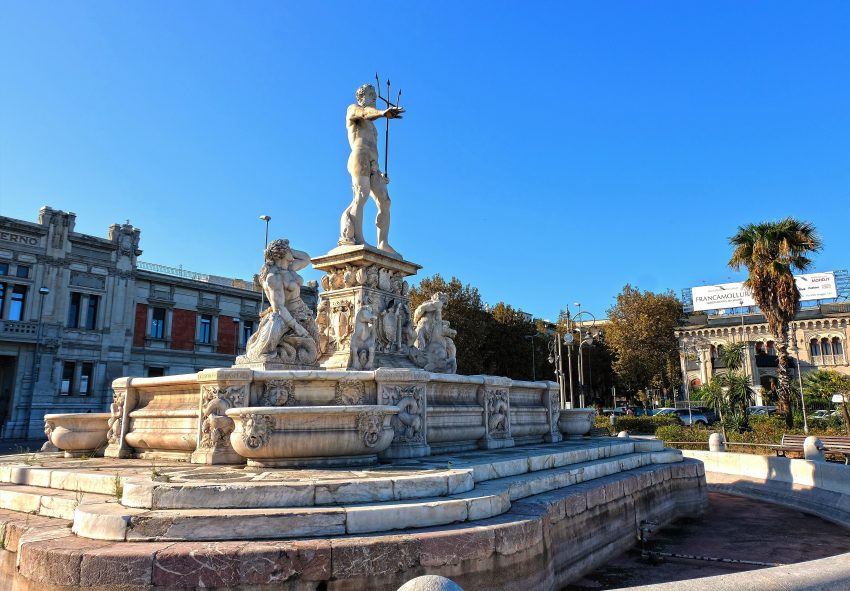
The Fountain of Neptune is a major sculptural landmark on Messina’s waterfront, anchored in the long tradition of using mythological sea imagery to express a city’s maritime power and identity. Neptune, as ruler of the seas, is an obvious symbol for a port defined by the strait and constant ship traffic.
The fountain’s impact is both artistic and geographic: it sits in a setting where the water, the open sky, and the movement of the harbour amplify the sculpture’s meaning. Look for the dynamism in the figures, the compositional drama, and how the fountain is meant to be seen in relation to the sea.
When you visit, take time to view it from multiple distances—close for sculptural detail, farther back for the full silhouette against the waterfront. It’s also a good place to pause and take in the strait itself, because the fountain makes most sense when you connect the mythic imagery to the real maritime landscape in front of you.
Location: Via G. Garibaldi, 98122 Messina ME, Italy | Hours: 24 Hours. | Price: Free.
13. Via Giuseppe Garibaldi
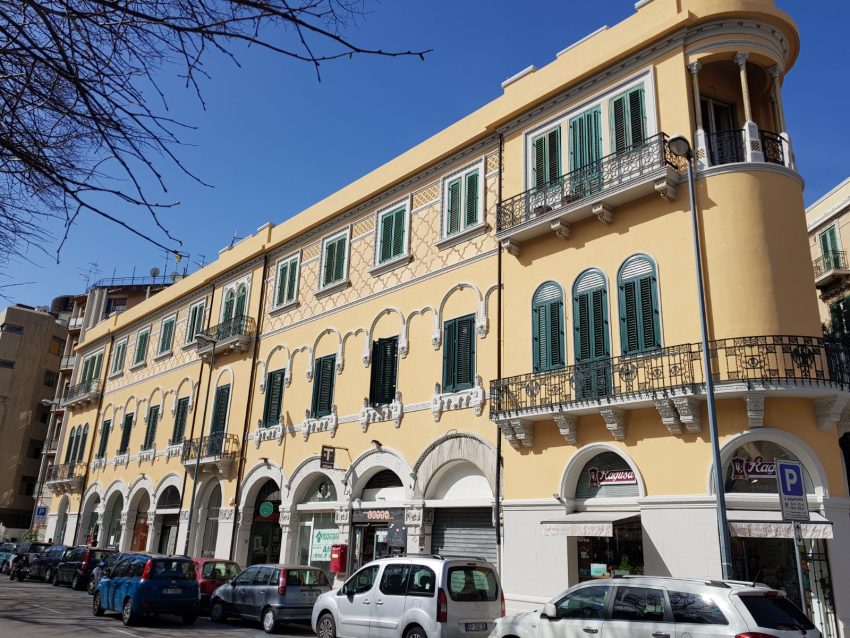
Via Giuseppe Garibaldi is one of Messina’s principal arteries, shaped significantly by the city’s twentieth-century reconstruction. After 1908, Messina was rebuilt with a more rational, ordered street plan in many areas, and major avenues became showcases for civic life, commerce, and architecture designed to project modernity.
Walking along the avenue (without treating it as a “route” or itinerary) is a way to read the rebuilt city: the façades, the spacing of blocks, and the presence of public buildings reflect planning choices made to create a safer, more coherent urban core. It’s a different experience from older Sicilian centres with tightly medieval street patterns.
What to see is the streetscape itself: shopfronts, civic landmarks, and the shifting views toward the cathedral area and the waterfront. Pay attention to architectural details at upper levels—balconies, cornices, and decorative elements—because the avenue is best appreciated by looking beyond ground-floor retail to the city’s reconstructed identity.
Location: Via Giuseppe Garibaldi, Messina ME, Italy | Hours: 24 Hours. | Price: Free.
14. Teatro Vittorio Emanuele
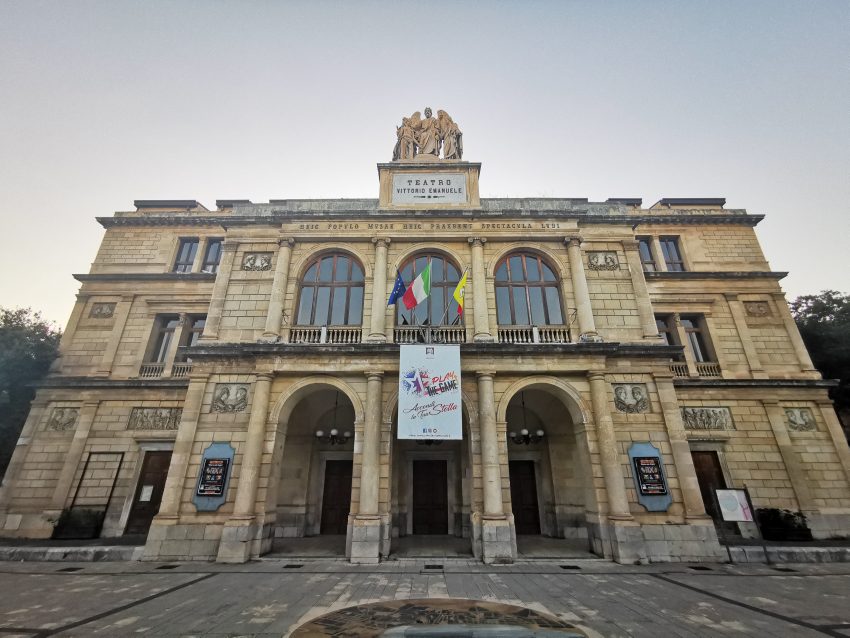
Teatro Vittorio Emanuele in Messina is one of the city’s key cultural institutions, closely tied to the late-19th century moment when Italian cities invested in grand public theatres as symbols of civic pride. Messina’s older urban fabric and many historic buildings were devastated by the 1908 earthquake, and the theatre’s story sits within that broader pattern of loss, reconstruction, and the city’s determination to reassert itself as a serious cultural centre.
From the outside, focus on the building’s formal, “representational” architecture: a façade designed to read as important even at street level, with a sense of symmetry and ceremony that fits its role. The theatre stands as part of Messina’s rebuilt civic core, so it also helps you understand how the city reshaped its public spaces after 1908—more ordered, more monumental, and consciously modern.
If you can go inside, the main draw is the interior volume and performance setting: the auditorium proportions, decorative detailing, and the atmosphere that only working theatres have. Even without seeing a show, it’s worth looking for programme posters, foyer spaces, and any visible historic elements; if you do catch a performance, it’s the best way to experience the building as it was intended—an active piece of living culture, not just an architectural relic.
Location: Via G. Garibaldi, 98122 Messina ME, Italy | Hours: Tuesday – Saturday: 09:00–13:00 & 16:00–18:40. Sunday: Open only on performance days: 16:00–18:40 and/or 1 hour before the show. Closed on Monday. Closed on public holidays (except performance days). | Price: Prices vary by show. | Website
15. Sanctuary of Montevergine
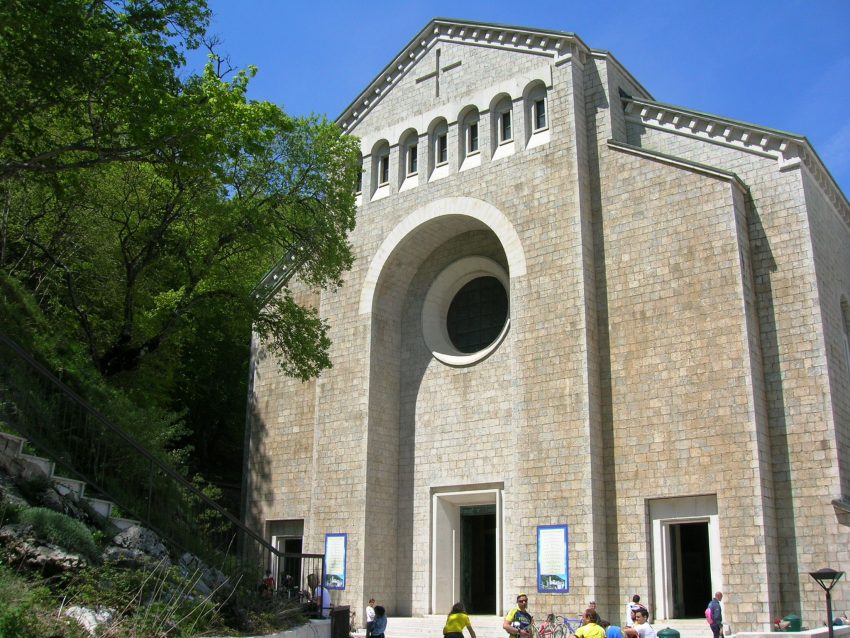
The Sanctuary of Montevergine in Messina reflects the city’s layered religious geography, where shrines and churches often occupy meaningful urban or hillside positions tied to local devotion. The name “Montevergine” connects to a broader Italian tradition of Marian veneration, even when local expressions differ in history and ritual.
What to see depends on access and opening times, but typically the draw is a combination of devotional art, a calm interior, and the sense of being slightly removed from the city’s busiest streets. These sanctuaries often preserve a more intimate scale than the cathedral, which can make the experience feel personal and grounded.
Approach it as a place to absorb atmosphere and detail: altars, iconography, and the way light falls in the interior. If the setting offers any elevated viewpoints or adjacent terraces, those are worth seeking out, since Messina’s sanctuaries often reward visitors with both spiritual and scenic perspective.
Location: Via XXIV Maggio, 161, 98122 Messina ME, Italy | Hours: Thursday: 09:00–12:00 & 16:00–17:30. Sunday: After Mass (10:30). Other days: Check official website. | Price: Free; donations appreciated. | Website
16. Palazzo Zanca
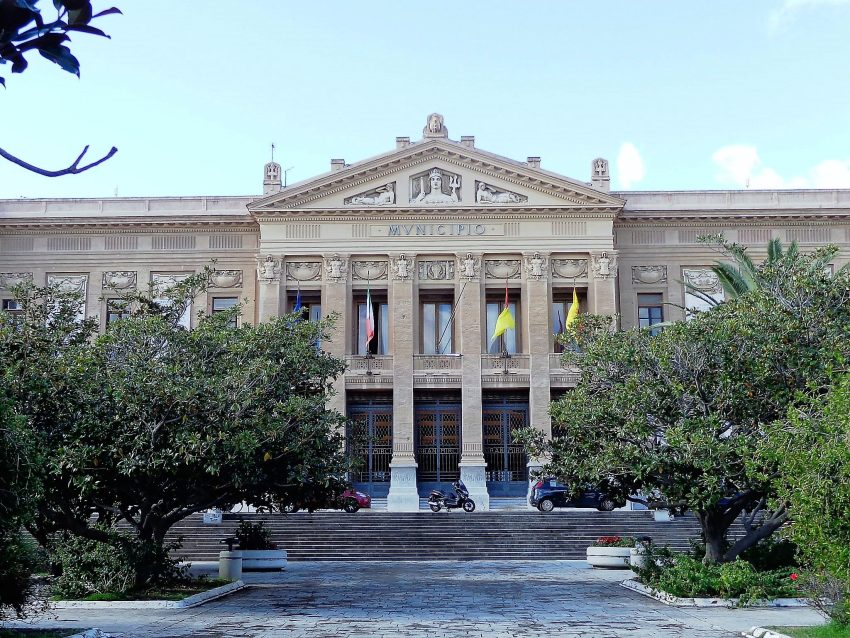
Palazzo Zanca is Messina’s city hall, and its history is inseparable from the disasters that repeatedly reshaped the waterfront. The earlier municipal seat formed part of the monumental Palazzata along the sickle-shaped harbour, a 17th-century frontage associated with Simone Gullì; it was badly damaged in the 1783 earthquake and then obliterated by the 1908 earthquake. The present building is a post-1908 statement of recovery: reconstruction began in December 1914 under the direction of the Palermo architect Antonio Zanca and was completed in 1924, giving the palace its name.
What you see today is a large neoclassical complex on Piazza Unione Europea, designed to project stability and civic authority after the city’s near-total destruction. Spend time on the façades: they’re layered with Messina’s symbols and memory. Look for the pediment sculpture of the “Queen of Peloro” with a trident and flanking sirens, reliefs depicting the legendary heroines Dina and Clarenza, and the many commemorative plaques integrated into the exterior.
If access is possible, the interiors add depth beyond the monumental shell. Sources note surviving archaeological traces inside, including remains of ancient defensive walls, alongside representative rooms used for civic life. Highlights mentioned include the Salone delle Bandiere, the council and administrative spaces, and a dedicated display linked to the Vara tradition; there is also reference to a major canvas of the Last Supper attributed to Alonso Rodriguez in the Sala della Giunta.
Location: Via Argentieri, 30, 98122 Messina ME, Italy | Hours: Monday – Friday: 08:30–12:30. Monday & Wednesday: 14:30–16:30. Closed on Saturday – Sunday. | Price: Free | Website

Moira & Andy
Hey! We're Moira & Andy. From hiking the Camino to trips around Europe in Bert our campervan — we've been traveling together since retirement in 2020!
This website uses affiliate links which earn a small commission at no additional cost to you.
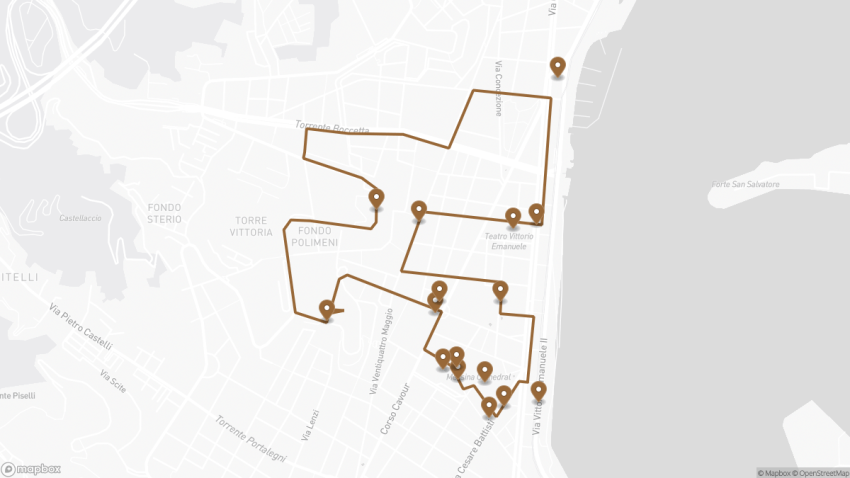
Walking Tour Summary
Distance: 4.5 km
Sites: 16
Walking Tour Map