Self-Guided Walking Tour of Livorno (+Maps)
This website uses affiliate links which earn a small commission at no additional cost to you.
Livorno is a port city with a strong personality: salty air, broad seafront promenades, and a historic centre threaded with canals that feel more “working Tuscany” than postcard-perfect. A self-guided walking tour is ideal here because the city's highlights aren't locked behind a single monument; they're spread across districts, viewpoints, markets, and waterside corners that reward wandering.
This route is built for curiosity and flexibility. You'll move between Livorno's old fortifications, canal-side streets in the Venezia Nuova area, and open waterfront spaces where locals do their evening passeggiata. With maps to keep you oriented between stops, you can take detours when something catches your eye, or shorten the loop if you're using Livorno as a day trip.
If you're deciding what to prioritise, think in layers: canals and fortresses for the “Livorno story,” the central market for everyday life, and the seafront for that classic Tuscany-by-the-water mood. It's one of the best things to see in Livorno because the city makes the walking itself part of the experience.
How to get to Livorno
By Air: The nearest airport for most travellers is Pisa International Airport (Galileo Galilei), which has frequent flights and easy onward connections to Livorno by train or bus, usually in well under an hour depending on your route. For the best deals and a seamless booking experience, check out these flights to Livorno on Booking.com.
By Train: Livorno Centrale is well connected on the Tuscan rail network, with straightforward regional links from Pisa and longer-distance connections via major hubs like Florence (with a change if needed depending on your service). Use Omnio to easily compare schedules, book train tickets, and find the best prices all in one place for a hassle-free journey across Italy.
By Car: Driving can be convenient if you're combining Livorno with coastal stops or hill towns, but plan for city traffic and paid parking, then switch to walking once you're in the centre. If you are looking to rent a car in Italy I recommend having a look at Discover Cars, first, as they compare prices and review multiple car rental agencies for you.
By Bus: Coaches and local buses connect Livorno with nearby Tuscan towns and the wider coastal corridor, and they can be a budget-friendly alternative if you're travelling at off-peak train times.
How to get around the city: The core sights on this walking tour are best on foot, and that's where Livorno shines. For longer hops (or if you're staying outside the centre), local buses and taxis are useful, and the city's layout makes it easy to break the day into walkable “chunks” with short rides in between.
A Short History of Livorno
Medici Livorno and the Making of a Port City
Livorno's rise is closely tied to the Medici era, when the city was developed into a major port with new fortifications and maritime infrastructure. This is the period that shaped much of what visitors still notice today: the defensive mindset of the waterfront, the strategic siting of strongholds, and the idea of Livorno as a gateway city built for ships, trade, and movement.
Livorno’s Cosmopolitan Centuries and Canal Life
As the port grew, Livorno became known for its unusually international character, welcoming different communities who left their mark on the city's culture and architecture. The canal network and warehouse-lined streets around Venezia Nuova reflect this practical, mercantile identity, and walking here still feels like stepping into a living diagram of how goods, people, and ideas moved through the city.
Livorno in the 20th Century and What Survived
The 20th century brought heavy damage, particularly during the Second World War, and parts of Livorno were rebuilt rather than preserved in a storybook way. That context helps explain the city's look and feel: you'll see historic anchors like the Medici fortresses alongside post-war layers, and the most memorable “monuments” are often the fortifications, canals, and waterfront spaces that continued to define the city's rhythm.
Where to Stay in Livorno
To make the most of visiting Livorno and this walking tour, consider staying overnight in or near the centre so you can start early at the canals and finish with an unhurried seafront sunset. The Venezia Nuova area is a strong base if you want atmospheric canal streets and easy access to the old fortresses, with stays like Agave in Città that suit travellers who like being close to restaurants and evening strolls.
If your priority is breezy waterfront walks and classic coastal views, staying along the seafront around Viale Italia makes it easy to dip in and out of the tour while keeping the sea as your constant backdrop. Options like Grand Hotel Palazzo Livorno work well for a “walk, coffee, promenade, repeat” style of day, especially if you want to end your itinerary near Terrazza Mascagni.
For a quieter, more panoramic stay that feels like a retreat after a day on foot, the Montenero hillside gives you elevation, views, and a calmer evening pace, while still being a manageable ride back to the centre. Hotel La Vedetta di Montenero is a good pick if you prefer to sleep away from the port bustle and start your mornings with a wide-angle horizon.
Your Self-Guided Walking Tour of Livorno
Discover Livorno on foot with our walking tour map guiding you between each stop as you explore its canals, Medici-era defenses, lively market culture, and sea-breezy promenades. This route is designed to be intuitive and flexible: follow the mapped sequence for a satisfying city loop, or jump between clusters of sights depending on your time and energy. As this is a self-guided walking tour, you are free to skip places, linger in the canal district, and take coffee stops whenever you want-Livorno's best moments often happen in the pauses between the “must-sees.”
1. Porto Mediceo
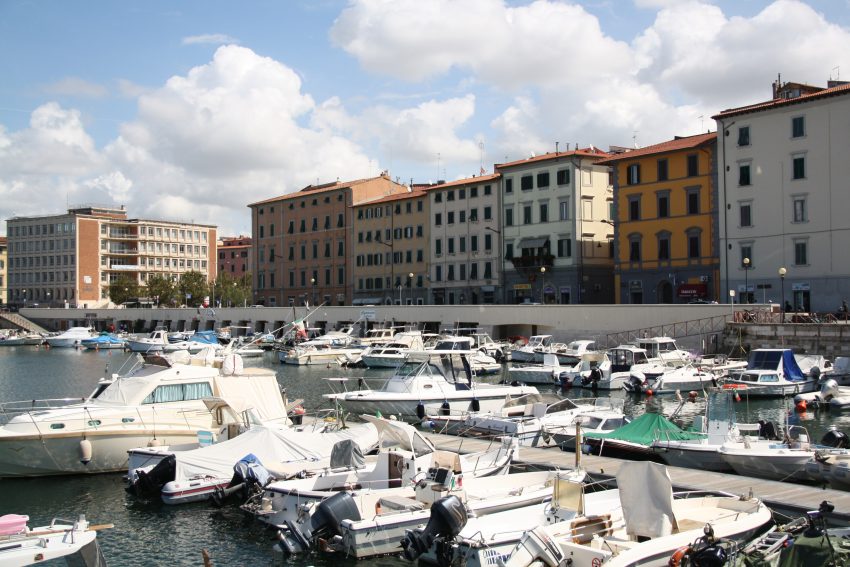
Porto Mediceo is the historic core of Livorno’s port, born from Medici statecraft: the project was ordered by Cosimo I and developed from late-16th-century planning intended to create a fortified maritime hub for the Grand Duchy of Tuscany. In practical terms, it’s the “old port” heart—both an economic engine and a defensive perimeter, conceptually tied to the nearby fortifications.
Its history is not just about docks, but about deliberate urban invention: Livorno was built to function, and the Medici port was the mechanism that made the city matter in Mediterranean trade networks. Over time the wider port expanded into multiple basins and newer infrastructure, but Porto Mediceo remains the reference point for understanding how the city was designed around maritime logistics.
What to see today is the relationship between water, walls, and the fortresses—especially how the harbor spaces sit in dialogue with Fortezza Vecchia. Even without going deep into port operations, the sightlines, the old dock geometry, and the sense of Livorno as a “purpose-built” port city come through strongly here.
Location: Via del Molo Mediceo, 57123 Livorno LI, Italy | Hours: 24 Hours. | Price: Free.

2. Monumento Dei Quattro Mori
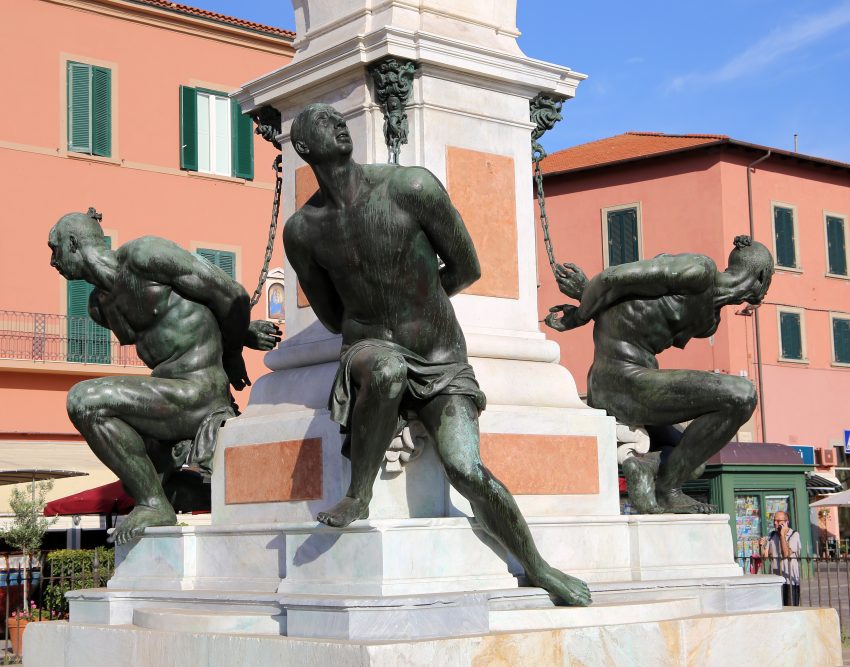
The Monumento Dei Quattro Mori is Livorno’s best-known sculpture ensemble, completed in 1626, and inseparable from the city’s Medici-era maritime ambitions. The monument commemorates Grand Duke Ferdinando I and (more broadly) Tuscan victories against Ottoman and Barbary pirate threats in the Mediterranean world that shaped coastal policy and fortification in the period.
Artistically, it’s compelling because it combines a dignified ducal figure above with four chained captives at the base—bronze figures widely associated with Pietro Tacca’s work and intended to project power, control of the seas, and the ideology of victory. Modern visitors often read it with more complexity, because the monument is also a blunt, unavoidable image of enslavement and the violence embedded in early modern maritime empires.
What to see is in the details: walk around the base and study each figure’s pose and expression, then step back to understand the vertical “message” of the composition from ground to pedestal to statue. It’s also worth viewing it in the broader setting of the historic port-side quarter, where the monument’s original propaganda function makes more sense.
Location: Piazza Giuseppe Micheli, 57123 Livorno LI, Italy | Hours: 24 Hours. | Price: Free.
3. Fortezza Vecchia
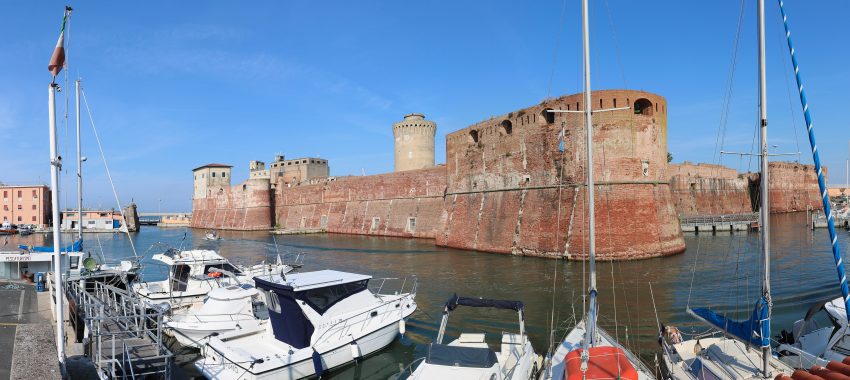
Fortezza Vecchia is the older fortress at the water’s edge, and its history reaches back before the Medici: it succeeds earlier medieval defenses associated with Pisa, incorporating even older elements on the site. In the early modern period it became a potent symbol of “Medicean Livorno,” closely tied to the creation of the Medici dock area and the city’s rise as a strategic port.
The fortress is also wrapped into Livorno’s civic identity in a very literal way: the ceremony proclaiming Livorno a city took place inside the fortress on 19 March 1606. That detail matters because it frames the fort not just as a military structure, but as a ceremonial and administrative nucleus at the moment Livorno’s urban story properly begins.
When you visit, focus on the layered architecture: older towers and fort sections embedded into later Renaissance work, and the relationship with the adjacent port basins. It’s a place to look outward as much as inward—toward docks, waterlines, and the working port—because the views make the fortress’ original purpose immediately obvious
Location: Piazzale dei Marmi, 57126 Livorno LI, Italy | Hours: Check official website. | Price: Free. | Website
4. Museo della Città di Livorno
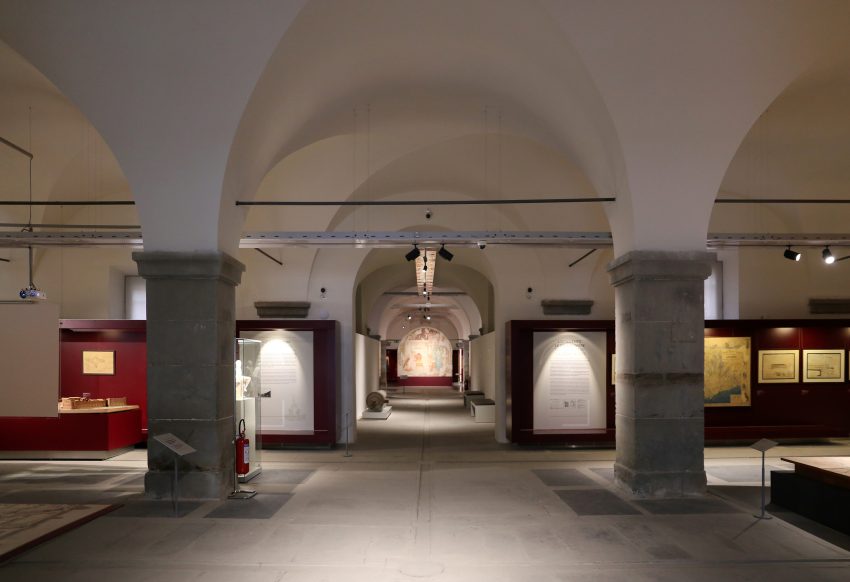
The Museo della Città di Livorno is a relatively new flagship for understanding how the port shaped Livorno’s identity, drawing on civic collections that span archaeology, artworks, photographs, and documentary material. It’s designed as a “city narrative” museum—less a single-theme gallery and more a curated walkthrough of Livorno’s evolution and memory, from origins to the modern era.
A key part of its context is where it sits: it forms part of the Bottini dell’Olio cultural complex in the Venezia Nuova area, and the museum’s modern opening (in 2018) reflects a broader effort to re-anchor cultural life in a city that has experienced major historical disruptions. In other words, the museum is also a statement about present-day Livorno, not only its past.
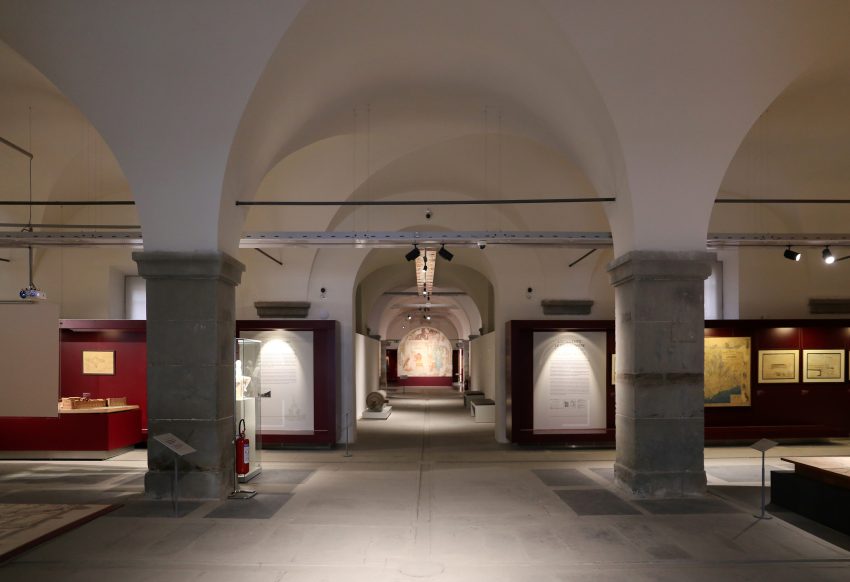
What to see depends on your interests, but the most rewarding approach is to start with the sections that explain the city’s development as a Medici-founded port and its later transformations, then move into the more artistic and photographic material that puts faces and streetscapes to the timeline. If you want one place that helps the rest of Livorno “read” more clearly, this is it.
Location: Piazza del Luogo Pio, 19, 57123 Livorno LI, Italy | Hours: Tuesday – Sunday: 10:00–19:00. Closed on Monday. | Price: Full ticket (Ancient/Medieval/Modern + Contemporary): €8; Reduced: €6. Single section: €5; Reduced: €3. Combined ticket (Museo della Città + Museo Giovanni Fattori): €10; Reduced: €8. | Website
5. Chiesa di Santa Caterina
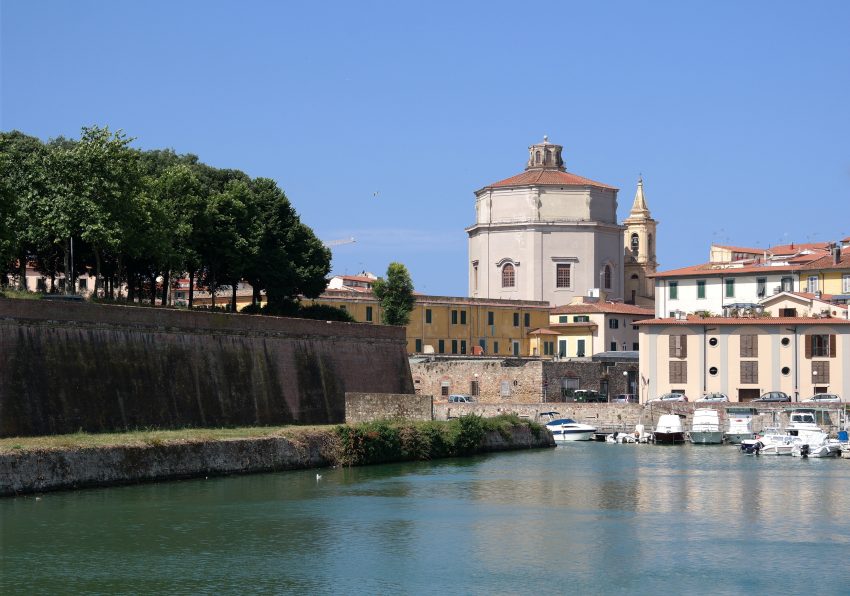
Chiesa di Santa Caterina dominates the Venezia Nuova district with a tall octagonal dome, and it’s one of the clearest expressions of Livorno’s later Baroque phase. Commissioned by the Dominican order, work began in 1720 and the church was finally consecrated in 1753—yet the façade remains famously unfinished, which gives it a slightly austere exterior compared with its ambition.
The building’s design history is layered: initial plans were revised as construction progressed slowly, and the final result emphasizes a bold, centralized interior concept (often compared in spirit to classical models) capped by the striking dome and lantern. That long, interrupted construction timeline is part of the story you feel on-site: the church looks simultaneously monumental and incomplete.
What to see is the interior volume and the chapels opening off the central space, plus the visual drama created as your eye is pulled up into the dome. Even if you’re visiting primarily for architecture rather than religious art, it’s worth spending time in the nave to appreciate how the octagonal geometry and height were used to create presence in a canal-district neighborhood.
Location: Piazza Dei Domenicani, 2, 57123 Livorno LI, Italy | Hours: Check official website. | Price: Free; donations appreciated.
6. Fortezza Nuova
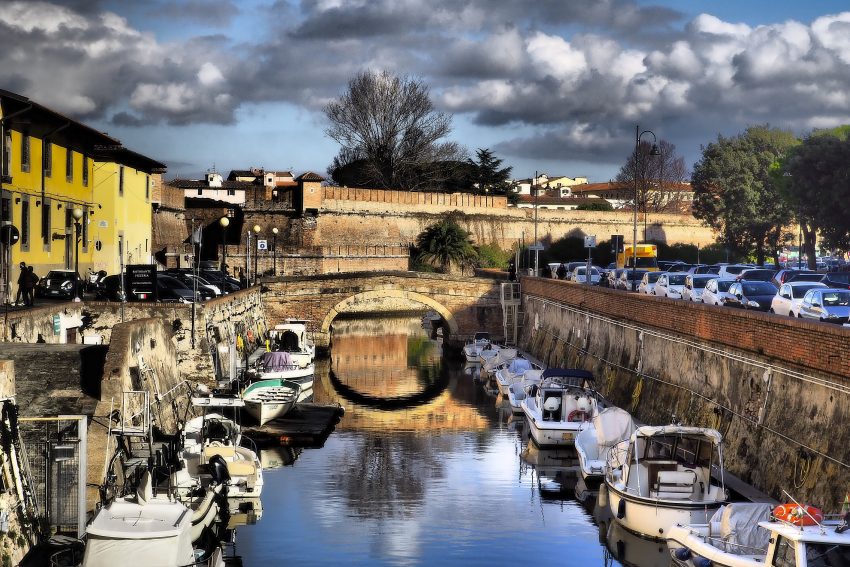
Fortezza Nuova was built in the late 16th century as part of the Medici project to turn Livorno into a heavily defended port city. Construction began in the 1590s under Grand Duke Ferdinando I de’ Medici, reinforcing the city’s defenses at a moment when maritime trade and coastal security mattered as much as grand architecture.
Its form is unmistakably “Renaissance military”: brick ramparts, a strategic relationship to the city’s waterworks, and a footprint that reads as purposeful rather than decorative. Over time, as the defensive role faded, the fortress became less a hard boundary and more a landmark within the urban fabric—still ringed by water, but experienced today as part of the city’s everyday landscape.
When you visit, the main appeal is walking the perimeter and appreciating how the fortress sits like an island within Livorno’s canal system. Inside, it functions largely as open public space/green space, so the experience is about perspectives: the contrast between thick walls and open sky, and the way the surrounding waterways frame the fort as you move around it.
Location: Via Borra, 35, 57123 Livorno LI, Italy | Hours: Monday – Sunday: 08:30–17:00. | Price: Free. | Website
7. Piazza Della Repubblica
Piazza Della Repubblica is one of Livorno’s signature urban set-pieces, created on top of a vast masonry vault that covers a navigable stretch of the Fosso Reale canal. Locals often refer to it as the “Voltone” because the square is, in effect, a monumental bridge built to connect the older Medicean city core with later districts as Livorno expanded.
That hidden engineering is the square’s real history: the canal still runs beneath you, and the scale of the vault is part of what makes the space feel unusually broad and open. It also sits right on the city’s historic axis between the port side and the inland parts of town, which is why it functions as a natural meeting point.
What to see is mostly about atmosphere and context: walk the full length of the square, look for viewpoints toward the canal district, and notice how the space acts as a hinge between Livorno’s waterways and its main commercial streets. It’s also a useful place to pause before heading toward the fortifications and the port area, because it explains how closely the city’s layout is tied to water and defense.
Location: Piazza della Repubblica, 57100 Livorno LI, Italy | Hours: 24 Hours. | Price: Free.
8. Via Grande
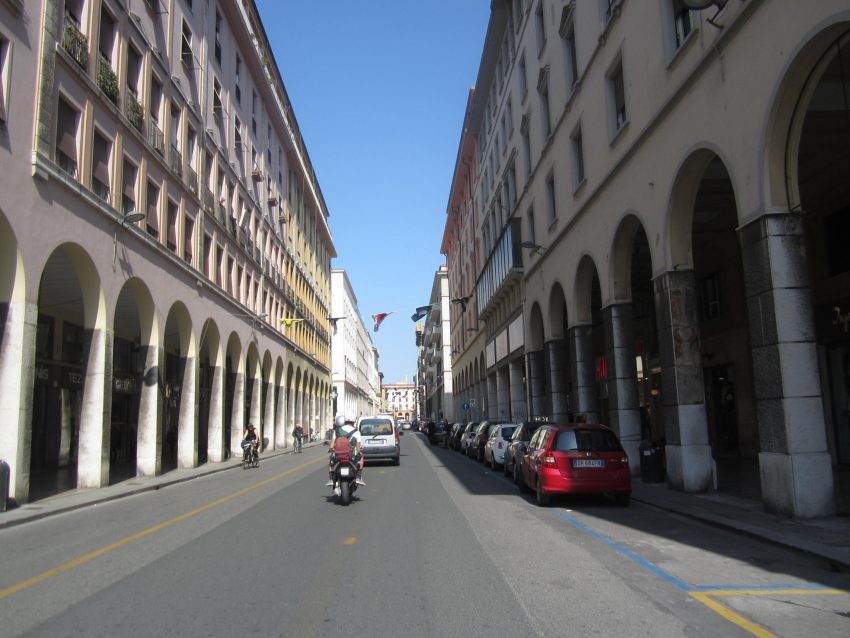
Via Grande is Livorno’s main urban axis, conceived within the Medici “ideal city” plan attributed to Bernardo Buontalenti. Historically, it linked the principal gateways between port and inland approach, becoming the city’s primary straight course and the address along which key civic spaces—most notably the area of Piazza Grande and the cathedral—were organized.
Its name history reflects political shifts: it began as Via Ferdinanda (for Ferdinando I de’ Medici), later carried Napoleonic-era naming, and after Italian unification was associated with Vittorio Emanuele II. In the Second World War, the street and its historic palaces suffered severe bombing damage, and the postwar period reshaped much of the experience of the street you see today.
What to see is the street itself as an urban artifact: the long perspective, the commercial pulse, and the way it stitches together port-side Livorno with the spaces around Piazza Della Repubblica. It’s also worth paying attention to how reconstruction and modern interventions sit alongside the older Medici logic of the grid—because Via Grande is where Livorno’s planned origins and its 20th-century scars meet most plainly.
Location: Via Grande, 57123 Livorno LI, Italy | Hours: 24 Hours. | Price: Free.
9. Mercato Centrale
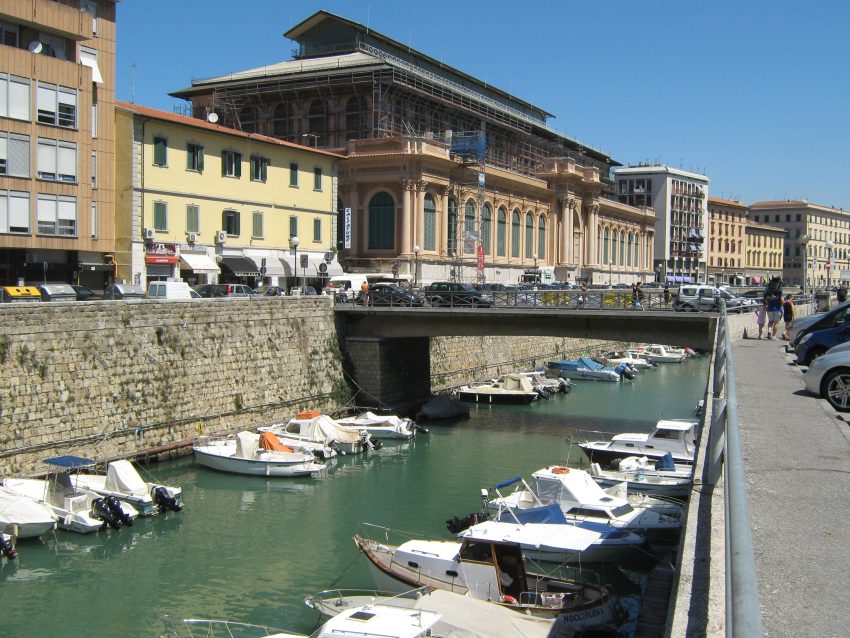
Livorno’s Mercato Centrale, formally known as the Mercato delle Vettovaglie, is a late-19th-century covered market built when the city was modernizing its commercial infrastructure. The building is often singled out for its scale and its iron-and-glass industrial-era character, and it was consciously inspired by grand European market architecture (frequently compared to Parisian models) while serving very practical port-city needs.
Its location by the Fosso Reale canal is historically meaningful: this was a trading city, and the market’s relationship to water wasn’t decorative—goods moved through Livorno via channels and docks, and the covered market became a kind of civic pantry for a place that lived off maritime supply chains. That’s why the market reads as both architecture and logistics: big entrances, a vast hall, and adjacent areas dedicated to key food categories.
What to see is the structure and the sensory detail: look up at the interior volume and the rhythm of stalls, then work your way through the different sections to get a feel for local habits and seasonal produce. Even if you’re not shopping, it’s one of the most direct ways to experience Livorno’s everyday culture, with the canal just outside reinforcing how closely food, trade, and water are linked here.
Location: Via Buontalenti, 57126 Livorno LI, Italy | Hours: Monday – Saturday: 07:30–14:00. Sunday: Closed. | Price: Free. | Website
10. Synagogue of Livorno
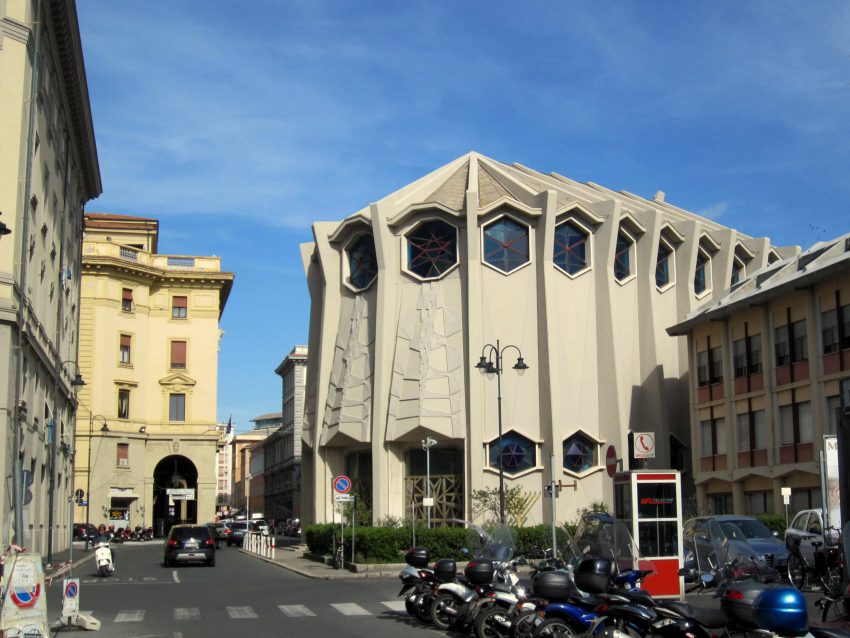
The Synagogue of Livorno usually refers to the New (Great) Synagogue in Piazza Benamozegh. It is the main active synagogue of Livorno’s Jewish community and a notable example of post-war Italian synagogue architecture, built in a Modernist style.
Historically, it replaces Livorno’s much older “Tempio Maggiore” (Old Synagogue), first completed in 1603 and later enlarged; that building was devastated during World War II (1944) and subsequently lost. The community chose not to recreate the old structure exactly, but to build a new landmark that still carried forward continuity through salvaged elements and symbolism.
What you see today was designed by the Roman architect Angelo di Castro, with works beginning in 1958 and the synagogue inaugurated on 23 October 1962. The building’s reinforced-concrete form is often explained as evoking the “Tent of Meeting” from Exodus, and inside you can look for historic furnishings brought in or recovered after the war (including an 18th-century wooden Torah ark and reused marbles).
Location: Synagogue of Livorno, Via del Tempio, Livorno, Province of Livorno, Italy | Hours: By appointment only. | Price: €10.00 per person (guided visit; booking required). | Website
11. Duomo di Livorno
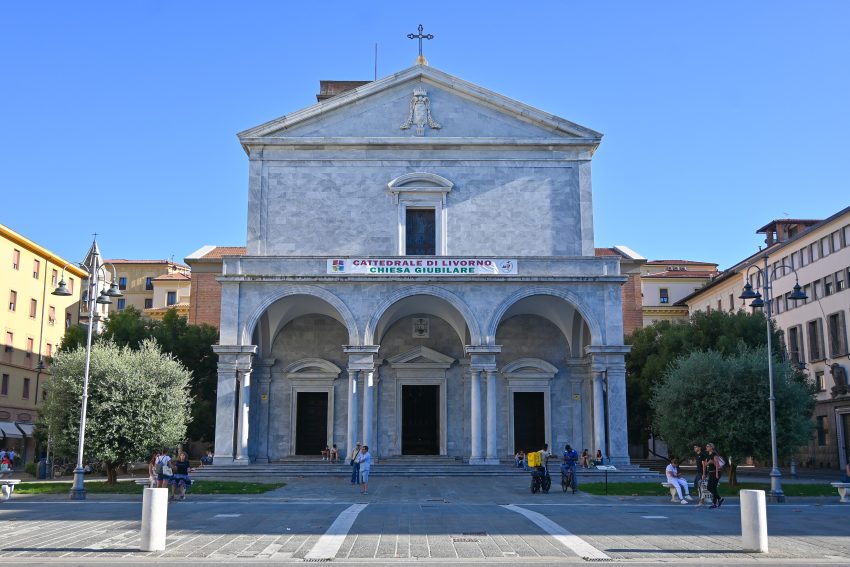
The Duomo di Livorno (Cathedral of San Francesco) was built at the end of the 16th century and consecrated in the early 17th, intended as a centerpiece for the Medici-planned city and its principal square. Its story, however, is inseparable from the 20th century: the cathedral was heavily damaged by World War II bombing and subsequently rebuilt, meaning what you see today blends reconstruction with continuity of plan and function.
That wartime rupture shaped much of central Livorno, and the cathedral is one of the clearest “before and after” markers in the cityscape. The rebuilt façade and structural work represent an attempt to restore civic and religious life after devastation, while acknowledging that the historic interior decoration could not be fully recovered in the same way.
When you visit, anchor your time on the cathedral’s role in the square: step back outside to appreciate how it fronts the open space, then go in to see the scale of the nave and the postwar character of the building. It’s less about a single masterpiece and more about understanding Livorno’s resilience—how a Medici-era foundation was carried through a modern catastrophe.
Location: P.za Grande, 57123 Livorno LI, Italy | Hours: Monday – Sunday: 09:00–12:00 & 16:00–19:00. | Price: Free; donations appreciated. | Website

Moira & Andy
Hey! We're Moira & Andy. From hiking the Camino to trips around Europe in Bert our campervan — we've been traveling together since retirement in 2020!
This website uses affiliate links which earn a small commission at no additional cost to you.
Walking Tour Summary
Distance: 3.5 km
Sites: 11