Self-Guided Walking Tour of Grenoble (2026)
This website uses affiliate links which earn a small commission at no additional cost to you.
Grenoble is one of those cities that feels immediately rewarding to explore on foot. Framed by dramatic mountain scenery and shaped by rivers, it combines a lively urban atmosphere with a strong sense of history. A self-guided walking tour is an ideal way to experience the city at your own pace, whether you want to focus on architecture, local culture, or simply enjoy wandering through its characterful streets and squares.
This route is designed to help you discover the best things to see in Grenoble while giving you the flexibility to stop whenever something catches your eye. You can take breaks in cafés, step into churches and museums, or linger in the old town where narrow lanes open into elegant public spaces. Along the way, you will get a feel for how Grenoble balances its historic core with its modern identity as a vibrant university and cultural city.
What makes Grenoble especially enjoyable for a walking tour is the contrast between intimate city details and the wider Alpine backdrop. One moment you are admiring old façades and bustling markets, and the next you are looking up at cliffs and peaks that define the region. If you enjoy discovering a destination through a mix of landmarks, atmosphere, and local rhythm, this self-guided walk offers a practical and memorable introduction to the city.
Table of Contents
- How to Get to Grenoble
- A Short History of Grenoble
- Ancient Origins of Grenoble
- Medieval Grenoble and the Growth of Civic Life
- Early Modern Grenoble and Parliamentary Power
- Grenoble in the 18th Century and the Road to Revolution
- 19th-Century Grenoble and Urban Modernization
- 20th-Century Grenoble and Cultural Transformation
- Contemporary Grenoble and the Historic Centre Today
- Where to Stay in Grenoble
- Your Self-Guided Walking Tour of Grenoble
- Place Victor Hugo
- Rue Felix Poulat
- Place Grenette
- Rue Lafayette
- Grande Rue
- Ancien Palais du Parlement
- Cafe La Table Ronde
- Jardin de Ville
- Grenoble-Bastille Cable Car
- Fort de la Bastille
- Musée Dauphinois
- Musee de Grenoble
- Musée de l'Ancien Évêché
- Catedral de Notre Dame
- Halle Sainte-Claire
- Roman Walls of Grenoble
- Rue de Bonne
How to Get to Grenoble
By Air: Grenoble is served by several nearby airports, so the best option often depends on your route and budget. Grenoble Alpes-Isère Airport handles some seasonal and regional flights, but many travelers arrive via Lyon-Saint Exupéry Airport, which offers a much wider range of domestic and international connections. Geneva Airport is another popular option, especially for visitors combining Grenoble with Alpine destinations in France or Switzerland. From these airports, you can continue to Grenoble by shuttle bus, train, car hire, or private transfer, with Lyon usually offering the most straightforward onward connections year-round. For the best deals and a seamless booking experience, check out these flights to Grenoble on Booking.com.
By Train: Grenoble is very well connected by rail and is one of the easiest Alpine gateway cities to reach without a car. High-speed and regional services link Grenoble with major French cities, including Paris, Lyon, Valence, and Marseille, and connections from elsewhere in France are usually simple via Lyon or Valence. Trains arrive at Grenoble's main station (Gare de Grenoble), which is conveniently located close to the city centre and within easy reach of trams, buses, and taxis. For many travelers, rail is the most comfortable and efficient way to reach the city, especially if you are planning a walking-focused stay in Grenoble itself. You can use SNCF Connect to check schedules, compare routes, and purchase tickets for National (SNCF ) and regional trains (TER). For a more streamlined experience, we recommend using Omio, which allows you to easily compare prices, schedules, and book tickets for both National and Regional travel across all of Europe, all in one place.
By Car: Driving to Grenoble is a practical option if you want flexibility, especially if you plan to explore the surrounding Alps, regional parks, or nearby villages before or after your city visit. The city is connected by major motorways, including routes from Lyon, Chambéry, Valence, and Geneva, making it accessible from different parts of southeastern France and beyond. Do keep in mind that traffic can be heavier during peak commuting hours and holiday travel periods, and parking in central Grenoble can be limited or more expensive than expected. If you are staying in the historic centre, it is often easier to park once and continue on foot or by public transport. If you are looking to rent a car in France I recommend having a look at Discover Cars, first, as they compare prices and review multiple car rental agencies for you.
By Bus: Long-distance coaches can also be a budget-friendly way to reach Grenoble, with services operating from cities such as Lyon, Paris, and other regional hubs depending on the season and operator. Coaches typically arrive near the main station area, which makes onward travel into the city straightforward. Journey times are usually longer than the train, but fares can be attractive if you book in advance.
A Short History of Grenoble
Ancient Origins of Grenoble
Grenoble's story begins in antiquity, when a settlement grew into an important urban centre under Roman influence. Over time, the town developed a structured street plan, defensive spaces, and civic functions that shaped the historic core still felt today. Although the city has changed dramatically across the centuries, the enduring importance of the old centre can still be sensed when walking routes such as Grande Rue and the area around Grenoble Cathedral, where layers of the city's earliest development remained central to daily life.
In the late Roman period, the city became more strongly fortified and politically significant, and this early urban identity helped it survive periods of instability that affected many towns. Religious institutions also became increasingly important, with the cathedral precinct emerging as a key focus of civic and spiritual life. The long continuity of this area is one reason the historic centre feels so dense with heritage, even when later architecture has replaced earlier buildings.
What survives today is less about seeing Roman ruins on every corner and more about understanding how the historic street network and civic heart evolved from these origins. The old centre’s compact layout, market traditions, and institutional core all have roots in this long early period, setting the foundation for the medieval and early modern city that followed.
Medieval Grenoble and the Growth of Civic Life
During the medieval period, Grenoble developed as a walled town with a stronger commercial and religious identity. Markets, artisan activity, and ecclesiastical institutions shaped the rhythm of urban life, and the city's main streets became increasingly important as places of exchange. Areas associated today with Place Grenette and nearby routes such as Rue Lafayette reflect this long tradition of trade and movement through the historic centre.
The medieval city was also marked by the consolidation of church influence and local power, with Grenoble Cathedral and surrounding religious institutions playing a central role. Streets that are now lively shopping and café areas often trace routes that were important for merchants, clergy, and residents centuries ago. The continuity between medieval circulation and present-day walking routes is one of the most interesting aspects of Grenoble's urban history.
By the end of the Middle Ages, Grenoble had become a more complex regional centre, with a growing civic identity beyond its defensive walls. The groundwork had been laid for the legal, political, and cultural institutions that would define the city in the early modern era, especially the rise of parliamentary authority and a more formal public life.
Early Modern Grenoble and Parliamentary Power
From the Renaissance into the early modern period, Grenoble grew in stature as an administrative and judicial centre. One of the most important symbols of this era is the Ancien Palais du Parlement, which reflects the city's role in regional governance and law. The presence of this institution helped shape Grenoble's social structure, attracting magistrates, officials, and related professions, and giving the city a stronger political presence.
This period also saw the refinement of urban spaces and the growth of elite culture. Streets and squares in the historic centre became more architecturally distinguished, while commerce continued to thrive. Café culture would later take root in these same central districts, and places such as Café La Table Ronde came to symbolize the continuity of social and intellectual life in the city over centuries.
At the same time, Grenoble’s identity was never solely official or aristocratic; markets and everyday trade remained vital. The balance between institutional power and ordinary urban life is still visible in the way grand civic buildings sit within a walkable centre of shops, squares, and traditional market areas.
Grenoble in the 18th Century and the Road to Revolution
The 18th century was a period of intellectual ferment and social change, and Grenoble played a notable role in the tensions that helped lead toward the French Revolution. Civic life became more politically charged, and local institutions increasingly found themselves at the centre of wider debates about royal authority, rights, and governance. The city's established parliamentary traditions gave Grenoble an especially active public culture.
Public spaces in the centre became places where ideas, commerce, and politics mixed. Squares and streets that are now key stops on a walking route-such as Place Grenette and the surrounding commercial arteries-would have been animated by traders, residents, and political discussion. These areas were not just economic centres but stages for the changing relationship between authority and the public.
By the end of the century, revolutionary upheaval reshaped institutions and urban life across France, and Grenoble was no exception. Older structures of power were challenged, yet many of the city's central spaces remained focal points of civic identity, adapting to new political realities while preserving their importance in daily life.
19th-Century Grenoble and Urban Modernization
The 19th century brought major transformation as Grenoble expanded, modernized, and redefined itself through new planning and infrastructure. Streets were widened or reorganized, public squares were redesigned, and a more modern commercial city began to emerge. Place Victor Hugo and Rue Félix Poulat reflect this era of urban ambition, when Grenoble developed more formal boulevards and public spaces suited to a growing bourgeois city.
This was also a period of stronger retail culture and civic amenities. Market traditions continued, but they became increasingly structured through covered halls and organized trading spaces; Halle Sainte-Claire is a good example of this urban modernization, linking older food-market traditions with 19th-century civic planning. Rue de Bonne and other central routes likewise show how Grenoble evolved into a more modern city while retaining a dense, walkable core.
Cultural life also expanded in this period and beyond, laying groundwork for institutions that became central to the city’s identity. The development of public gardens and leisure spaces, including Jardin de Ville, reflects changing ideas about urban life, recreation, and the role of public space in an increasingly modern city.
20th-Century Grenoble and Cultural Transformation
In the 20th century, Grenoble experienced periods of rapid growth, modernization, and cultural reinvention. Public institutions expanded, transport improved, and the city's image evolved from a historic provincial centre into a dynamic modern urban hub. The Musée de Grenoble became one of the major cultural anchors of the city, reflecting both the strength of local civic investment and a wider commitment to the arts.
The city also adapted older spaces to new uses while preserving historic character. Traditional streets such as Grande Rue remained important, but they increasingly coexisted with modern shopping patterns, new civic facilities, and evolving transport networks. This layering is one reason Grenoble’s centre feels historically rich but still practical and lived-in rather than preserved as a static monument.
A particularly iconic symbol of modern Grenoble is the Grenoble-Bastille Cable Car, which transformed how residents and visitors experienced the city's relationship to its surrounding heights. It added a distinctive visual and practical element to Grenoble's identity, connecting historic urban life below with panoramic viewpoints and reinforcing the city's image as both historic and forward-looking.
Contemporary Grenoble and the Historic Centre Today
Today, Grenoble's history is most clearly experienced through the way different eras coexist in the city centre. Medieval street patterns, early modern institutions, 19th-century public spaces, and modern cultural landmarks all sit within a walkable urban fabric. A route that passes from Place Victor Hugo through Rue Félix Poulat, Place Grenette, and Grande Rue toward Grenoble Cathedral and the former parliamentary quarter effectively traces centuries of civic evolution.
Commercial life remains central to the city’s character, just as it was in earlier periods. Areas around Halle Sainte-Claire and the surrounding streets continue the long tradition of market exchange, while cafés and gardens such as Café La Table Ronde and Jardin de Ville preserve the social dimension of Grenoble’s public life. These are not just attractive stops; they represent continuity in how the city has always functioned as a place to trade, meet, debate, and relax.
Grenoble’s history is therefore not confined to a single monument or era. It is written into its squares, streets, institutions, and everyday spaces, making the city especially rewarding to explore on foot when you want to understand how its past still shapes its present.
Where to Stay in Grenoble
To make the most of visiting Grenoble and this walking tour, then you should consider staying overnight in the centre. The most convenient base is the hyper-centre/old town area, where you can walk straight to places like Place Grenette, Place Victor Hugo, Grande Rue, the cathedral quarter, and the Bastille cable car without relying much on transport. Good options here include Hôtel de l'Europe Grenoble Hyper-Centre, which is very well placed for the historic core and pedestrian streets, Le Grand Hôtel Grenoble, BW Premier Collection, a strong choice for a more polished stay in the central shopping/restaurant area, and ibis Grenoble Centre Bastille, which puts you right by one of the key central squares on this walk.
If you want a central stay with a slightly quieter feel while still being close to the walking route, the Victor Hugo / Hoche side of the centre works very well. This area keeps you near the core sights but often feels a little less hectic than the busiest pedestrian streets, and it is still easy to walk to Place Grenette and the old-town lanes. Hôtel d'Angleterre Grenoble Hyper-Centre is an excellent fit for this, especially if you want to be based directly on a handsome central square, while OKKO Hotels Grenoble Centre suits travelers who prefer a more modern style and a comfortable base just a short walk from the historic centre.
For a practical base near transport, the station / Europole area is a smart option, especially if you are arriving by train, planning day trips, or carrying luggage and want an easier arrival and departure. It is still walkable to the centre and to the start of this self-guided route, but the atmosphere is more functional than atmospheric, so it suits convenience-first travelers. Aparthotel Adagio Grenoble Centre is particularly useful for longer stays or anyone wanting apartment-style space, and greet hotel Grenoble Centre Gare is another practical option close to the station and onward transport links.
Your Self-Guided Walking Tour of Grenoble
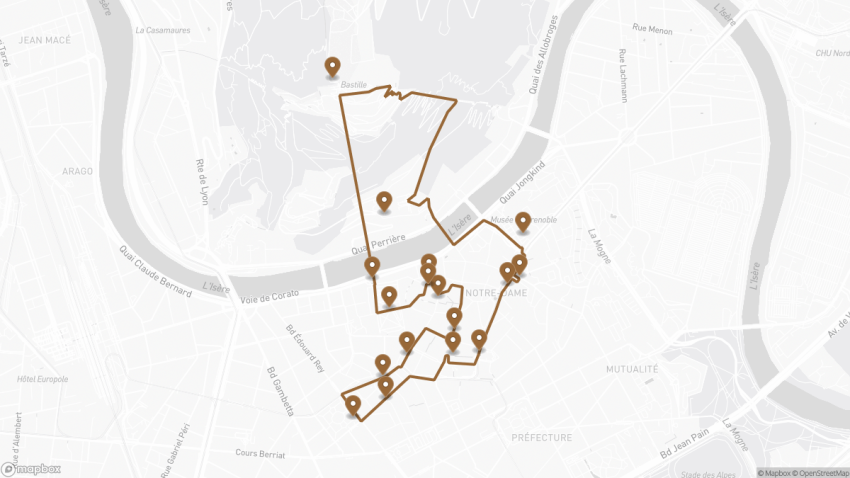
Discover Grenoble on foot with our walking tour map guiding you between each stop as you explore the city at your own pace. Because this is a self-guided walking tour, you're free to skip places that don't interest you and stop for coffee whenever you like.
1. Place Victor Hugo
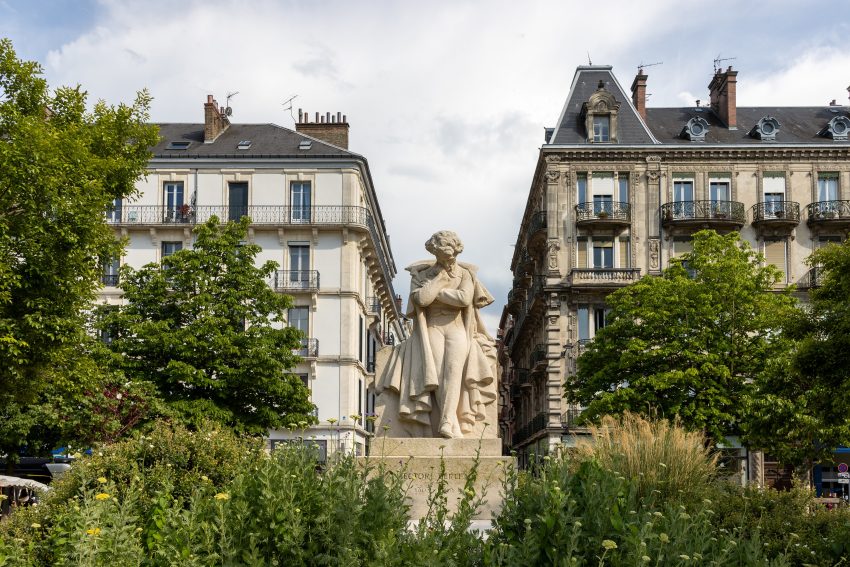
Place Victor Hugo is one of Grenoble’s grand urban squares, laid out during the city’s 19th-century expansion when Grenoble was pushing beyond its older medieval core. Its broad geometry, surrounding façades, and formal planting reflect the period’s preference for elegant public spaces designed for civic life, commerce, and promenading. Named after the celebrated French writer, the square also carries the cultural prestige typical of many French cities that honored major literary figures in their urban planning.
Historically, the square marked a shift in Grenoble’s identity from a tightly enclosed alpine town to a more modern city with boulevards and open gathering spaces. The architecture around it reveals this transition, with handsome apartment buildings and commercial frontages that speak to growing prosperity in the 19th and early 20th centuries. It became a place where everyday city life unfolded in view of the mountains, which gives Grenoble’s public spaces a distinctive character.
When visiting, take time to look at the symmetry of the square, the surrounding façades, and the contrast between the formal city layout and the mountain backdrop. It is a good place to pause at a café terrace and observe local life, especially in the late afternoon when the square feels most animated. Seasonal decorations, markets, or city events can also give it a different atmosphere depending on when you visit.
Location: Pl. Victor Hugo, 38000 Grenoble, France | Hours: 24 Hours. | Price: Free.
2. Rue Felix Poulat
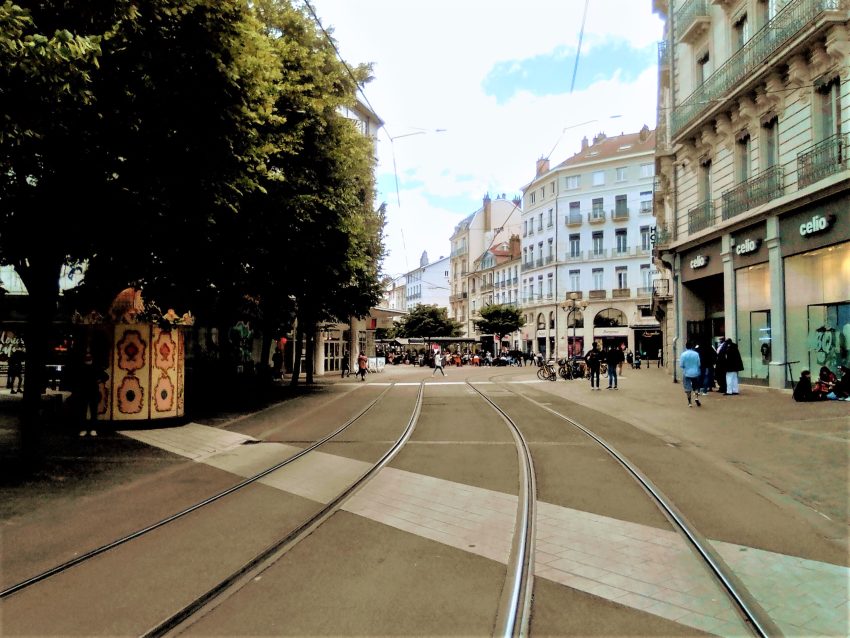
Rue Félix-Poulat is one of Grenoble’s best-known central streets and has long been associated with commerce, social life, and urban movement. It emerged as part of the city’s modernized core, especially as Grenoble developed more structured streets and public spaces during the 19th century. The street’s name honors Félix Poulat, a figure remembered in local history, reflecting how Grenoble’s street names preserve civic memory.
Historically, this street became an important connector between major squares and shopping areas, helping shape the city-center experience for residents and visitors alike. Its broad layout and active frontage distinguish it from the narrower medieval lanes of the old town. As Grenoble grew into a regional capital with stronger commercial and administrative roles, streets like Rue Félix-Poulat became central to that urban identity.
Today, visitors should come for the atmosphere: shops, cafés, and the constant flow of people make it one of the city’s livelier arteries. Look up as you walk, because many façades feature handsome period details that are easy to miss at street level. It is also a good place to appreciate how Grenoble blends a practical modern city center with glimpses of its older architectural heritage.
Location: Rue Félix Poulat, 38000 Grenoble, France | Hours: 24 Hours. | Price: Free.
3. Place Grenette
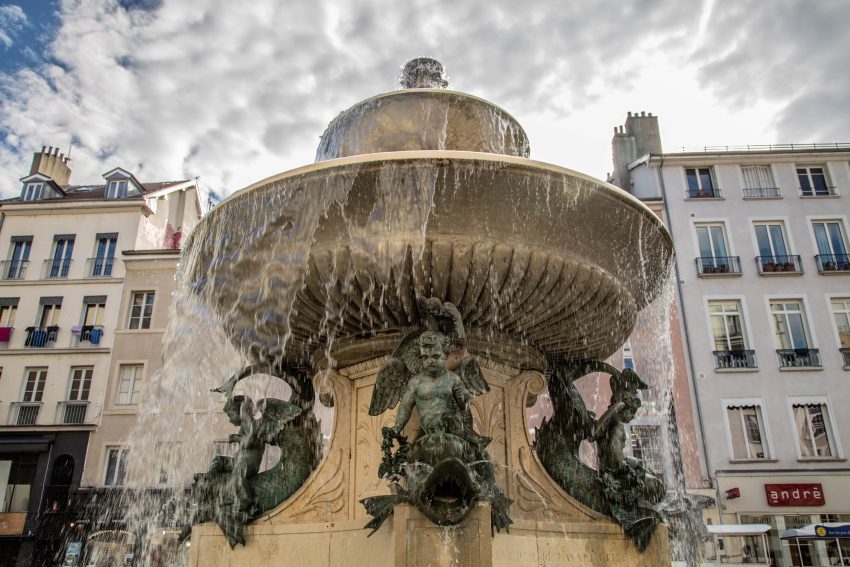
Place Grenette is one of Grenoble’s historic squares and has long served as a focal point of urban life. Its name is often linked to grain and market activity, which points to the square’s commercial roots in earlier centuries when open places in the city center functioned as trading hubs. Like many old French squares, it evolved from a practical marketplace into a civic and social meeting point while retaining traces of its mercantile past.
The square sits at the intersection of different layers of Grenoble’s history, connecting the older city to later urban developments. Over the centuries, its role has shifted with changes in transport, retail, and public life, but it has remained an important gathering place. The surrounding buildings and nearby streets help tell the story of a city that moved from fortified alpine town to modern regional center.
When you visit, look for the square’s lively café culture and the way locals use it as a meeting point. It is a good place to observe the flow between shopping streets and the older quarters, and to enjoy the ambiance of central Grenoble. Depending on the time of day, you may find it bustling with shoppers or pleasantly relaxed, making it a flexible stop for both people-watching and architectural appreciation.
Location: Pl. Grenette, 38000 Grenoble, France | Hours: 24 Hours. | Price: Free.
4. Rue Lafayette
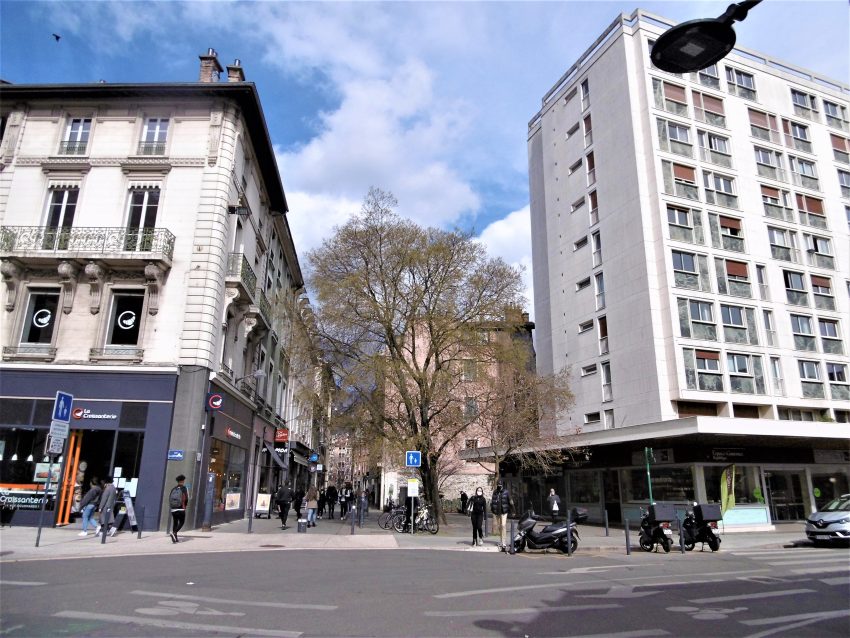
Rue Lafayette is one of central Grenoble’s historic streets, named in honor of the Marquis de Lafayette, whose name appears across France as a symbol of revolutionary-era ideals and national memory. Streets bearing his name often became important urban routes during phases of 19th-century growth, and Grenoble is no exception. The street forms part of the city’s layered center, where medieval patterns and later planning meet.
Over time, Rue Lafayette developed as a practical commercial and circulation street, reflecting Grenoble’s transformation into a more modern and connected city. While not necessarily the site of a single dominant monument, it contributes to the overall historic fabric of the center. Streets like this are important for understanding how Grenoble’s civic life extends beyond major squares and institutions into the texture of everyday urban space.
Visitors should look for architectural details, shopfronts, and the way the street links to nearby landmarks and squares. It is the kind of place where the charm comes from the urban ensemble rather than one headline attraction. Walking along it gives a good sense of Grenoble’s central rhythm and the balance between local life and visitor-friendly areas.
Location: Rue Lafayette, 38000 Grenoble, France | Hours: 24 Hours. | Price: Free.
5. Grande Rue
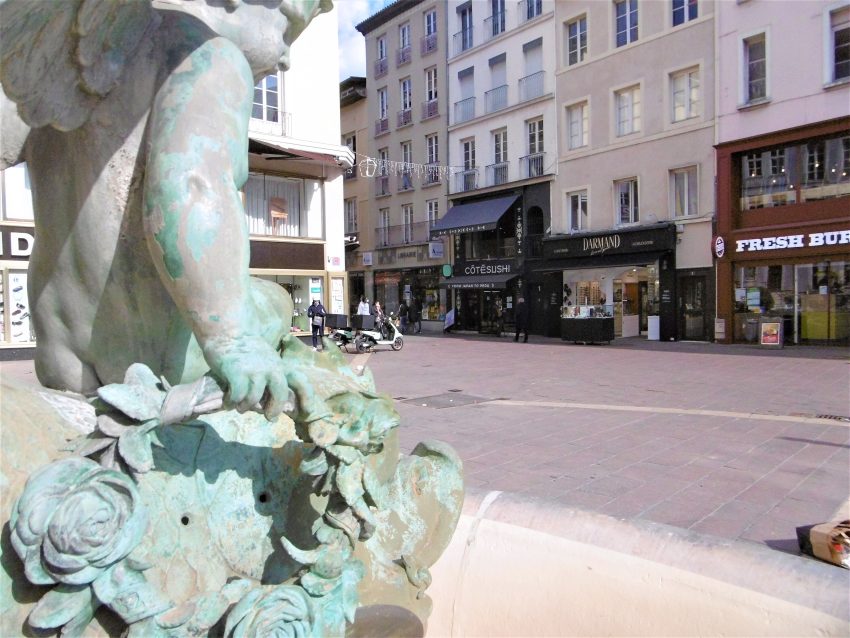
Grande Rue is one of the oldest and most historically significant streets in Grenoble, running through the heart of the old city. As its name suggests, it was traditionally one of the main routes through the historic center, lined with houses, workshops, and shops that supported urban life for centuries. In many French cities, the “Grande Rue” was the commercial backbone of the medieval or early modern town, and Grenoble’s version retains that sense of continuity.
The street preserves the feel of the older city much more than the wider boulevards created later. Its scale, building lines, and lively frontage offer glimpses of Grenoble before modern expansion reshaped large parts of the center. Over generations, it would have seen merchants, clergy, officials, and residents all sharing the same urban corridor, making it a true witness to the city’s social history.
When visiting, pay attention to the narrower proportions, historic façades, and the way the street opens onto key squares and religious sites. It is an excellent place to appreciate the texture of old Grenoble, especially if you enjoy architectural details and traditional urban streetscapes. Shops and cafés add life, but the real appeal is the sense of historical depth underfoot.
Location: Grande Rue, 38000 Grenoble, France | Hours: 24 Hours. | Price: Free.
6. Ancien Palais du Parlement
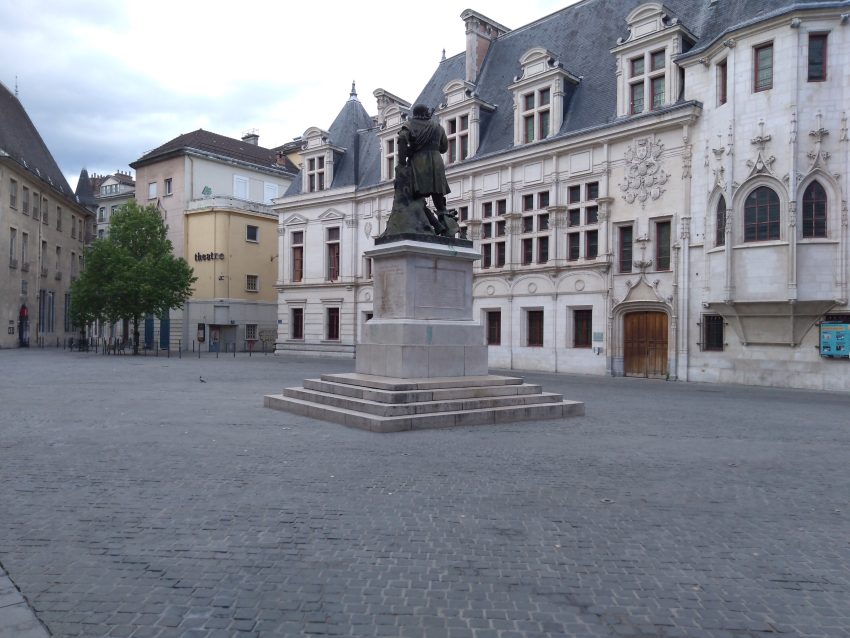
The Ancien Palais du Parlement refers to the former parliamentary palace associated with the Parlement of Dauphiné, one of the key judicial institutions of pre-Revolutionary France. In the ancien régime, regional parlements were high courts with substantial legal and political influence, and Grenoble’s parliament played an important role in the province’s affairs. The building therefore represents not just architectural heritage but also the history of law, governance, and regional identity.
Historically, the Parlement of Dauphiné became especially significant in the turbulent years leading up to the French Revolution, when Grenoble was a center of political agitation and reform-minded activity. The palace would have been a setting for judicial proceedings, elite politics, and administrative life tied to royal authority. Its survival helps connect modern visitors to a period when Grenoble was deeply involved in the constitutional tensions of late 18th-century France.
When visiting, focus on the building’s civic character and any preserved architectural details that signal its former status. Even from the outside, it conveys the authority of a judicial institution embedded in the historic city. It is particularly meaningful when seen in the context of nearby religious and civic sites, which together illustrate Grenoble’s importance in the history of Dauphiné.
Location: 4 Pl. Saint-André, 38000 Grenoble, France | Hours: Visits by guided tour only; hours vary—check official website. | Price: Check official website. | Website

7. Cafe La Table Ronde
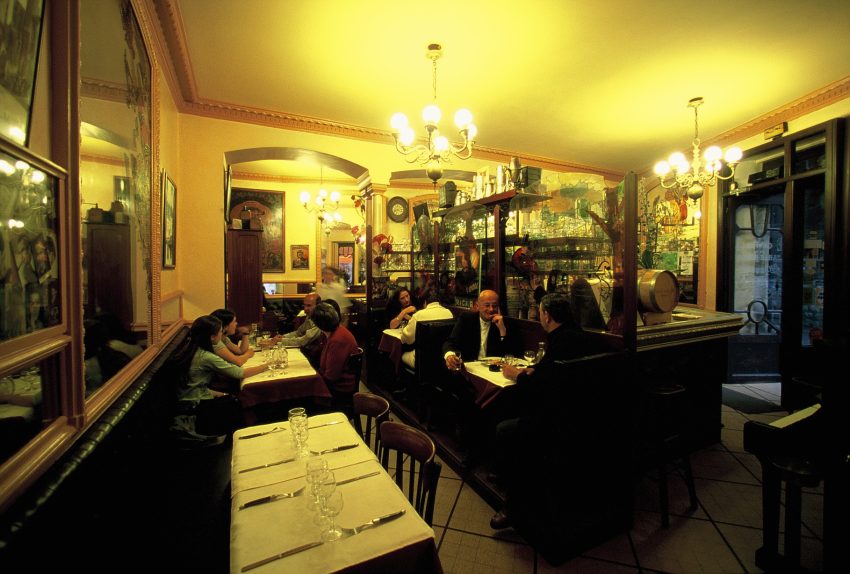
Café La Table Ronde is one of Grenoble’s most storied cafés and is often celebrated as one of the oldest cafés in France. Establishments like this occupy a special place in French urban culture, serving not just food and drink but also conversation, debate, and social exchange across generations. Its long history makes it part of Grenoble’s living heritage rather than simply a place to stop for refreshments.
Over the centuries, cafés in city centers became informal salons where students, writers, professionals, and locals mixed, and La Table Ronde reflects that tradition. In a city with a strong intellectual and civic identity, such spaces helped shape the social life of the center as much as official institutions did. The café’s endurance also speaks to Grenoble’s continuity, surviving changing fashions while retaining historical prestige.
What to see here is the atmosphere and interior character as much as the menu. If possible, sit inside and take in the historic ambiance, then observe the surrounding square or street life from a terrace if available. Visiting La Table Ronde is a good way to experience a more intimate side of Grenoble’s history, where everyday sociability and heritage come together.
Location: 7 Pl. Saint-André, 38000 Grenoble, France | Hours: Monday – Wednesday: 09:00–23:00. Thursday – Saturday: 09:00–23:30. Sunday: 09:00–23:00. | Price: No entry fee; menu prices apply. | Website
8. Jardin de Ville
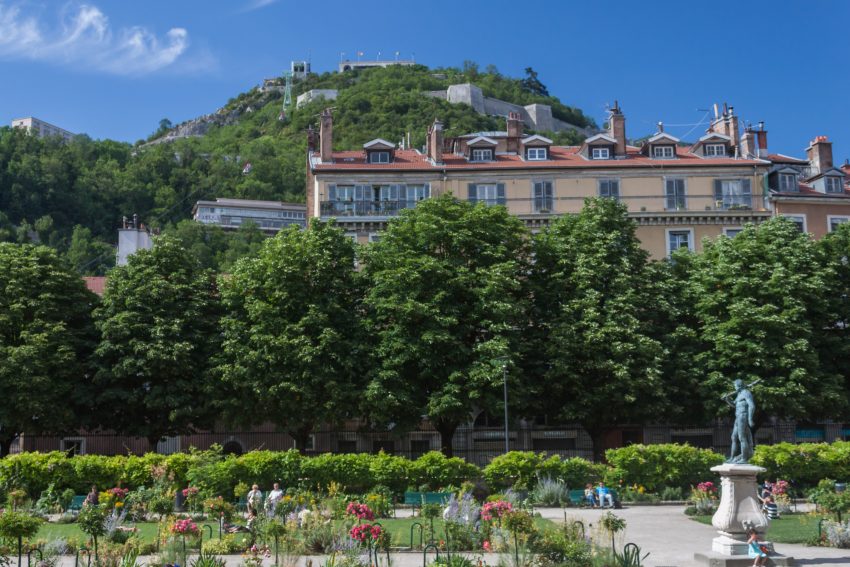
Jardin de Ville is one of Grenoble’s historic public gardens and offers a green pause within the city center. It developed from earlier private or semi-private grounds associated with urban residences and was later opened for public use, following a pattern seen in many European cities as ideas about public leisure and urban health evolved. The garden’s central location gives it lasting importance as a civic space.
Historically, such gardens became places for promenading, concerts, and community gatherings, especially in the 19th century when public parks were increasingly valued as part of modern city life. In Grenoble, the Jardin de Ville also benefits from its relationship to the surrounding historic architecture and mountain views, which create a distinct setting compared with parks in flatter cities. It reflects the city’s habit of combining urban culture with a strong sense of landscape.
Visitors should come for the atmosphere, shaded paths, and the chance to slow down between busier sights. Look for historic features, mature trees, and the way locals use the space throughout the day. It is especially pleasant for a short break, and it gives a softer, more relaxed perspective on central Grenoble’s history.
Location: Jardin de Ville, 38000 Grenoble, France | Hours: 24 Hours. | Price: Free. | Website
9. Grenoble-Bastille Cable Car
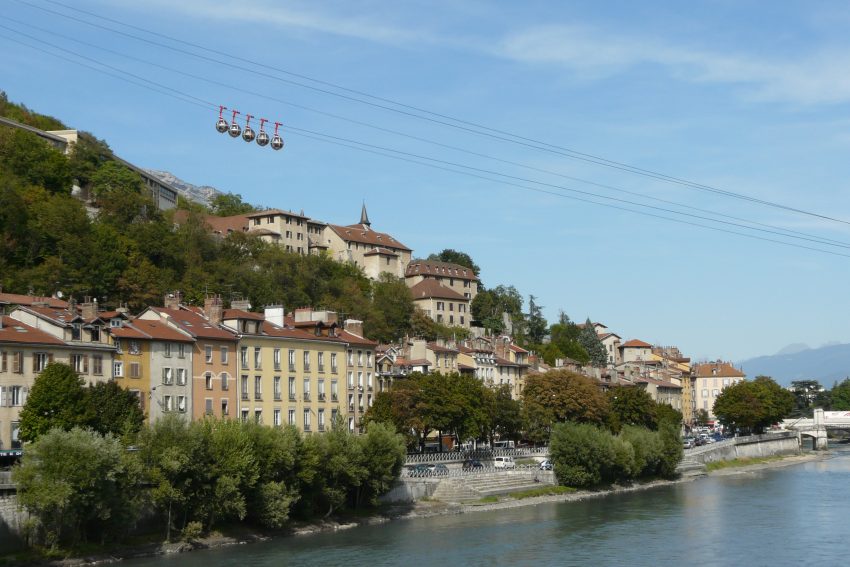
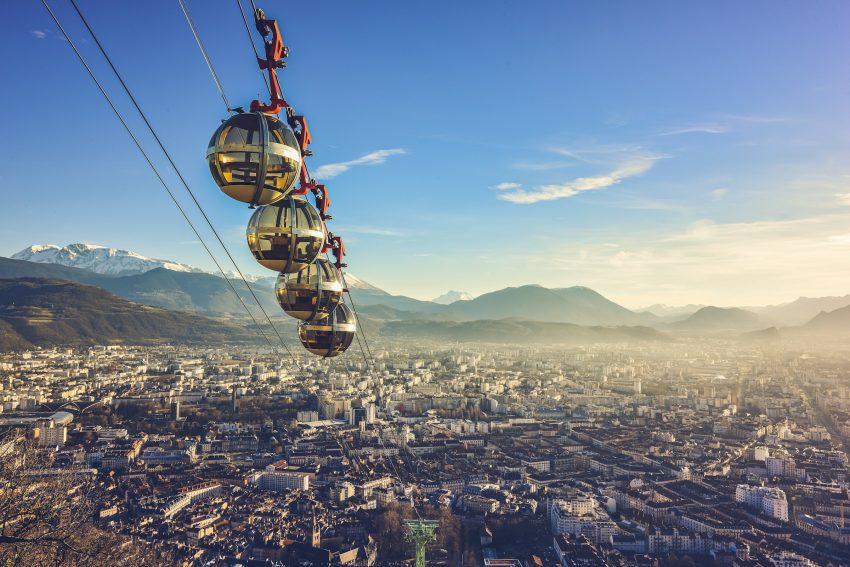
The Grenoble-Bastille Cable Car, often recognized by its distinctive bubble-shaped cabins, is one of the city’s most iconic attractions and a symbol of Grenoble’s relationship with the mountains. Opened in the 20th century and modernized over time, it links the city center with the Bastille hill, where fortifications overlook Grenoble. It represents both engineering ambition and the city’s long-standing effort to connect urban life with the surrounding alpine terrain.
The Bastille itself has military roots, with defensive structures developed and expanded over centuries to protect this strategic position above the city. The cable car transformed access to the site, making what was once a more demanding ascent available to a much wider public. In doing so, it helped turn the Bastille into a major leisure and viewpoint destination, not just a historical military site.
What to see is the full experience: the ascent, the changing views over rooftops and rivers, and the dramatic panorama once you reach the top. From the Bastille area, you can explore fortification remains, viewpoints, and mountain scenery that make Grenoble’s geography instantly clear. Even if you are not usually drawn to cable cars, this one is worth it for the combination of city history, landscape, and visual impact.
Location: 3 Quai Stéphane Jay, 38000 Grenoble, France | Hours: Check official website. | Price: Adults: €9.80 (round trip) or €6.60 (one way). Children (5–15): €5.10 (round trip) or €3.70 (one way); under 5: free (family trip). | Website
10. Fort de la Bastille
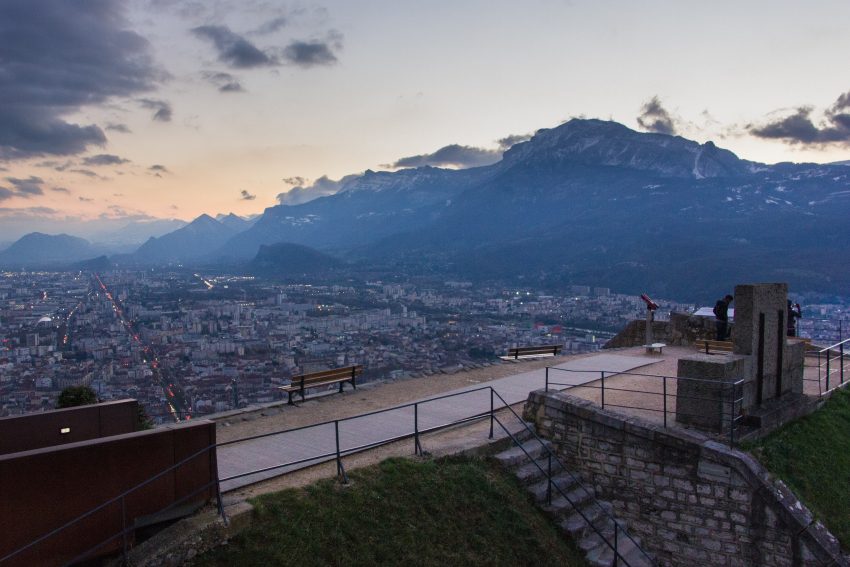
Fort de la Bastille is the hilltop fortress that dominates Grenoble and gives the city one of its most recognizable silhouettes. Although the site had defensive importance much earlier, the fortifications visible today are mainly linked to military works developed between the 16th and 19th centuries, with major strengthening in the 19th century as Grenoble remained a strategic gateway between Alpine routes and the Rhône valley. Perched high above the city, the Bastille was designed to control approaches and provide a powerful defensive position, while also visually asserting state authority over the region.
Its history reflects changing military priorities over time. Earlier defenses on the hill were adapted and expanded as artillery and fortification design evolved, and the Bastille became part of a broader defensive system around Grenoble. Even after its military role declined, the site remained important because of its commanding location and strong identity in local memory. In the 20th century, improved access transformed it from a military stronghold into one of Grenoble’s best-known heritage and leisure sites, while preserving much of its historic character.
When visiting, the main attraction is the combination of fortification architecture and panoramic views. You can explore ramparts, walls, terraces, and pathways that reveal how the site was built into the mountainside, while viewpoints open across Grenoble, the Isère valley, and surrounding mountain ranges. Take time to look at both the engineered military structures and the landscape they were designed to control, because that contrast is what makes Fort de la Bastille such a memorable place.
Location: Quai Stéphane Jay, 38000 Grenoble, France | Hours: Daily: 24 Hours. | Price: Free. | Website
11. Musée Dauphinois
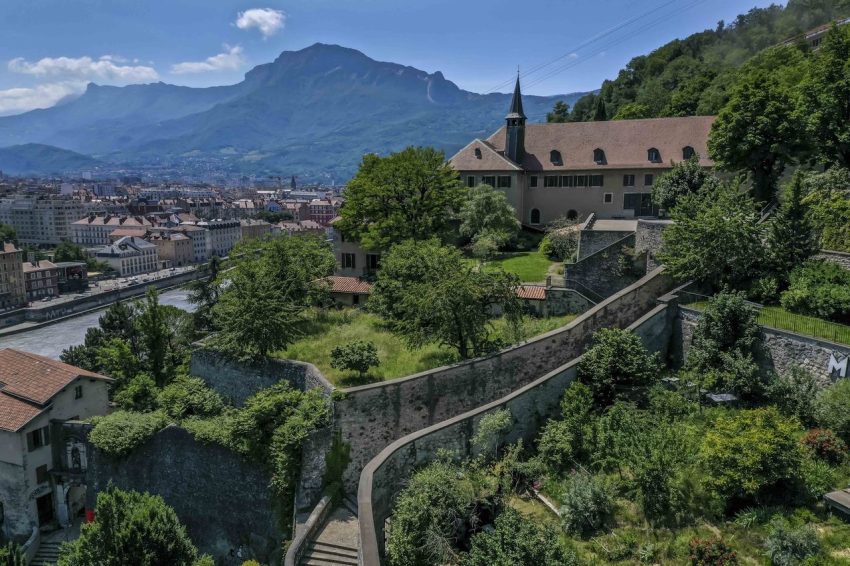
Musée Dauphinois is one of Grenoble’s most important cultural institutions, housed in a historic hillside setting below the Bastille and closely tied to the identity of the Dauphiné region. The museum is installed in the former convent of Sainte-Marie-d’en-Haut, a site with religious origins dating back to the 17th century, which already gives it a strong historical character before you even enter the exhibitions. Over time, the building evolved from a convent complex into a museum space, allowing Grenoble to preserve both an important monument and a place dedicated to regional history and culture.
Unlike an art museum focused mainly on paintings or sculpture, the Musée Dauphinois is especially known for interpreting everyday life, traditions, landscapes, and social history in the Dauphiné and Alpine world. Its collections and exhibitions often explore themes such as mountain communities, local crafts, migration, religion, and changing ways of life, making it a very good place to understand the human history behind the region’s scenery. This regional focus gives the museum a distinctive personality and makes it especially valuable for visitors who want context, not just isolated objects.
When visiting, look for both the exhibitions and the building itself. The convent architecture, chapel spaces, terraces, and hillside views are part of the experience, and they create a strong sense of place that complements the displays. Take time to move through the galleries slowly, then step outside to appreciate the views over Grenoble, because the museum’s setting helps connect the city, the mountains, and the regional history the museum is there to explain.
Location: 30 Rue Maurice Gignoux, 38000 Grenoble, France | Hours: (October – May) Tuesday – Sunday: 10:00–18:00; Closed on Monday. (Closed January 1, May 1, December 25). (June – September) Tuesday – Friday: 10:00–18:00; Saturday – Sunday: 10:00–19:00; Closed on Monday. (Closed January 1, May 1, December 25). | Price: Free. | Website
12. Musee de Grenoble
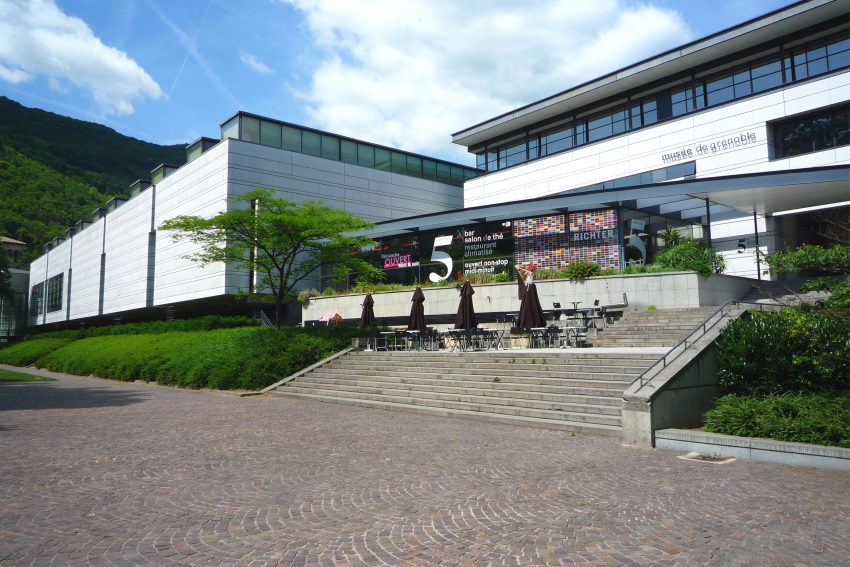
The Musée de Grenoble is one of France’s leading provincial art museums, with a history that reflects the city’s intellectual and cultural ambitions. Founded in the late 18th century during a period of revolutionary change, it grew through public collecting, donations, and state support. Over time, it developed into a museum of national importance, especially known for the strength of its modern and contemporary art collections.
Its evolution mirrors broader shifts in French museum culture, from Enlightenment-era civic collections to more specialized and internationally engaged institutions. Grenoble’s museum benefited from the city’s educated middle class and civic pride, which helped sustain collecting and exhibition programs. The current museum setting presents this heritage in a modern framework, allowing visitors to move across centuries of artistic production in a coherent way.
What to see depends on your interests, but the museum is particularly rewarding for its range: old masters, modern art, and 20th-century works are all represented. Take time with the sculpture garden and the overall layout, which gives the visit a calm, spacious feel. Even travelers who do not usually prioritize art museums often find this one a standout because of the quality of the collection and presentation.
Location: 5 Pl. de Lavalette, 38000 Grenoble, France | Hours: Monday: 10:00–18:30. Tuesday: Closed. Wednesday: 10:00–18:30. Thursday: 10:00–18:30. Friday: 10:00–18:30. Saturday: 10:00–18:30. Sunday: 10:00–18:30. | Price: Permanent collection: Free. Main temporary exhibition: Adults €14; Reduced €7. | Website
13. Musée de l'Ancien Évêché
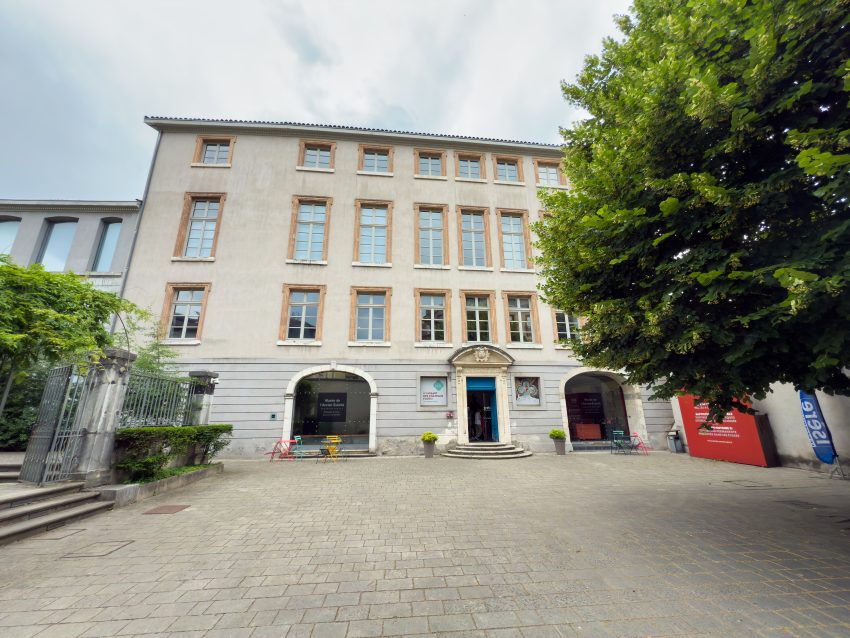
Musée de l’Ancien Évêché is one of Grenoble’s most rewarding history museums, set in the former bishop’s palace beside the cathedral in the old city. The building’s origins are closely tied to Grenoble’s role as an episcopal seat, and its location shows how central religious institutions were to the development of the medieval city. Over the centuries, the palace served both as a residence and an administrative center, and the museum today preserves that long institutional history within the fabric of the site itself.
What makes this museum especially important is the way it combines architecture, archaeology, and regional history in one place. Excavations on the site revealed earlier remains that help trace Grenoble’s development from antiquity through the medieval period, turning the museum into a key reference point for understanding the city’s historical layers. Its exhibitions also place Grenoble within the wider story of the Isère and Dauphiné region, so the visit gives context that goes beyond a single monument.
When visiting, pay attention to both the displayed collections and the building’s interior spaces, since the former episcopal palace is part of the experience. The archaeological remains are often the highlight, offering a direct link to earlier phases of Grenoble’s history, while the upper galleries help explain the region’s identity and evolution. Because it sits next to the cathedral, it is an excellent place to appreciate how religious power, urban growth, and local history all intersected in the heart of Grenoble.
Location: 2 Rue Très Cloîtres, 38000 Grenoble, France | Hours: Tuesday – Friday: 10:00–18:00. Saturday – Sunday: 10:00–18:00. Closed on Monday. Closed on January 1, May 1, December 25. | Price: Free. | Website
14. Catedral de Notre Dame
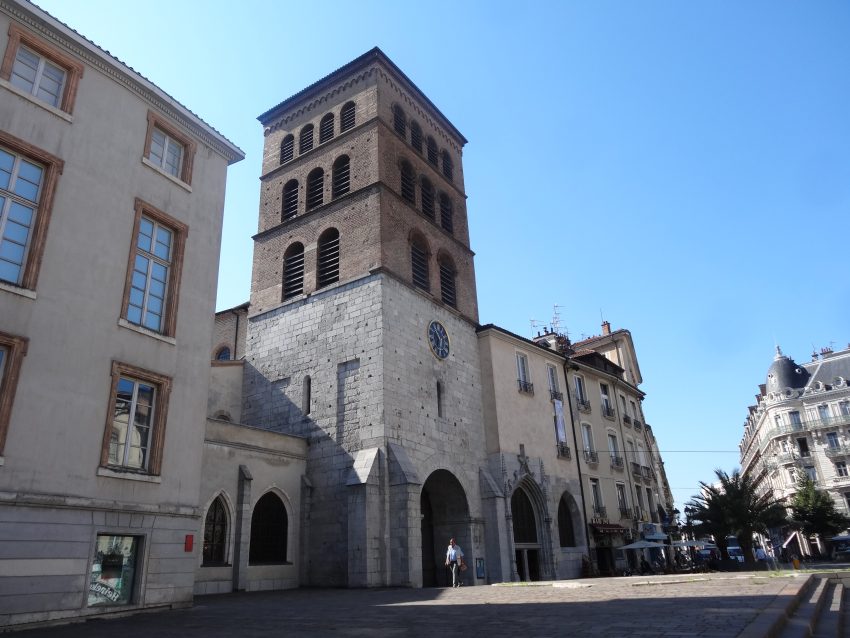
Grenoble Cathedral, commonly known as Cathédrale Notre-Dame de Grenoble, is one of the city’s most important religious monuments and has roots stretching back to the early Christian period. The site has been occupied by religious buildings for many centuries, and the current cathedral reflects layers of rebuilding and modification over time. Like many French cathedrals outside the most famous national examples, it is especially interesting for how it records local history in its fabric rather than presenting a single uniform style.
The cathedral’s history is closely tied to Grenoble’s role as an episcopal seat and to the development of the city around its religious and administrative institutions. Over the centuries, political change, liturgical reforms, and restoration campaigns shaped its appearance. The surrounding area, including traces of older urban and ecclesiastical structures, helps place the cathedral in the broader story of Grenoble’s medieval and early modern core.
Inside, visitors can look for the contrast between different architectural periods, as well as the atmosphere of a church that remains part of local life. The exterior is also worth examining carefully, especially in relation to neighboring buildings and the old street pattern. Even if you are not a specialist in religious architecture, the cathedral offers a strong sense of Grenoble’s long historical continuity.
Location: Place Notre Dame, 38000 Grenoble, France | Hours: Monday – Tuesday: 14:00–19:00. Wednesday – Friday: 10:00–19:00. Saturday – Sunday: 09:30–19:00. | Price: Free; donations appreciated. | Website
15. Halle Sainte-Claire
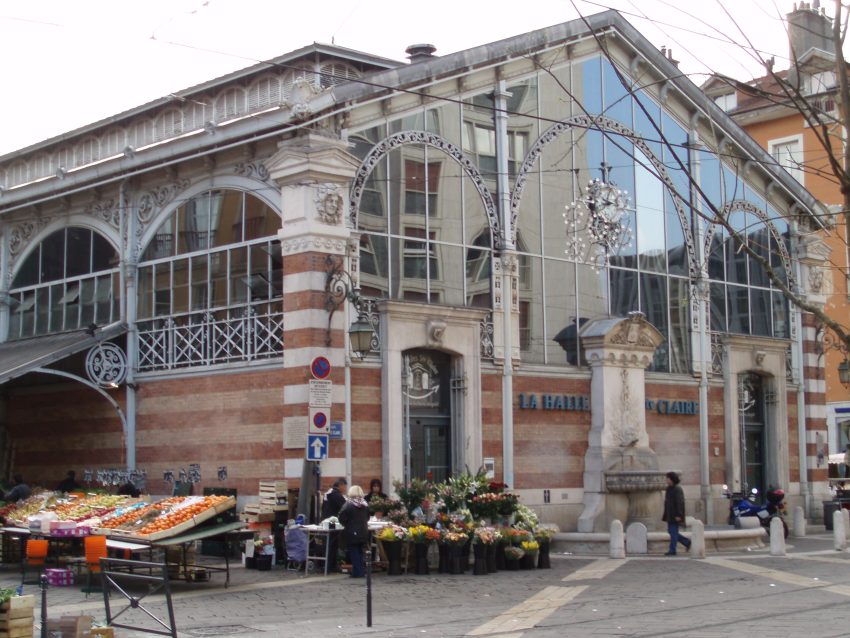
Halle Sainte-Claire is one of Grenoble’s traditional market halls, a type of building that became especially important in French cities in the 19th century as food markets were increasingly brought under covered structures for hygiene and organization. The hall reflects Grenoble’s long commercial traditions and the importance of local produce in daily life. Even where markets changed over time, covered halls like this remained strong symbols of neighborhood identity.
Historically, market halls played a central role in connecting rural producers with urban consumers, and in a city like Grenoble this relationship was shaped by both mountain and valley agriculture. Halle Sainte-Claire would have been part of the rhythm of daily and weekly provisioning, with traders, residents, and restaurateurs passing through. Its continued presence helps preserve that sense of continuity in the city center.
What to see here is the atmosphere as much as the structure itself. Visit to admire the market setting, browse stalls if open, and notice the mix of local ingredients and regional specialties that reflect the wider Isère and Alpine region. The hall and its surroundings also offer a more grounded, everyday experience of Grenoble than the city’s better-known monuments.
Location: 19 Pl. Sainte-Claire, 38000 Grenoble, France | Hours: Monday: Closed. Tuesday – Friday: 07:00–13:00 & 15:30–19:00. Saturday – Sunday: 07:00–13:30. | Price: Free.
16. Roman Walls of Grenoble
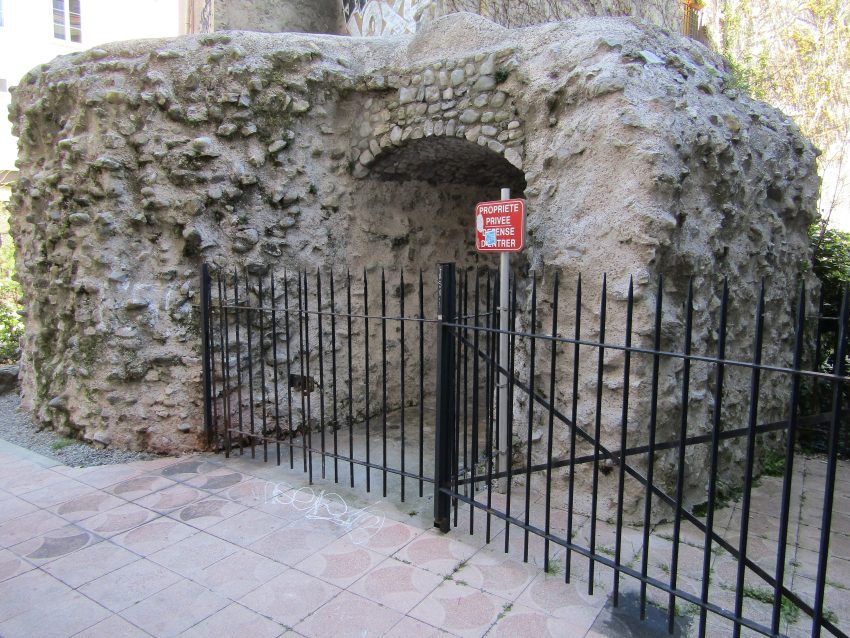
The Roman Walls of Grenoble are among the most important surviving traces of the city’s ancient past, when Grenoble was known as Cularo, a settlement of the late Roman Empire. Built in the 3rd century CE, the walls were part of a wider pattern of urban fortification seen across the empire during a period of increasing instability, when towns strengthened their defenses against invasion and unrest. In Grenoble, these fortifications marked the transformation of Cularo into a protected urban center and remain a key reminder that the city’s history stretches back far beyond its medieval and modern landmarks.
Historically, the walls enclosed a relatively small area compared with the later city, defining the core of Roman Grenoble and shaping the early urban layout. They were built using stone and re-used materials in the practical Roman manner of late imperial fortification, and would have included gates and towers controlling access. Although much of the wall system has disappeared or survives only in fragments, the remains are crucial for understanding how Grenoble developed from a Roman settlement into a medieval episcopal and commercial town.
When visiting, what you see will usually be sections and archaeological traces rather than a continuous wall circuit, so it helps to approach the site as a historical puzzle rather than a single monument. Look for preserved masonry, interpretive panels (where present), and how the remains relate to the cathedral and old city area, since this is where Grenoble’s earliest fortified core took shape. The real appeal is the sense of depth: standing near these fragments, you are looking at the defensive edge of Roman Cularo embedded within the later city.
Location: Remparts romains de Grenoble, Rue Lafayette, Grenoble, France | Hours: Daily: Open access (all year round). | Price: Free access. | Website
17. Rue de Bonne
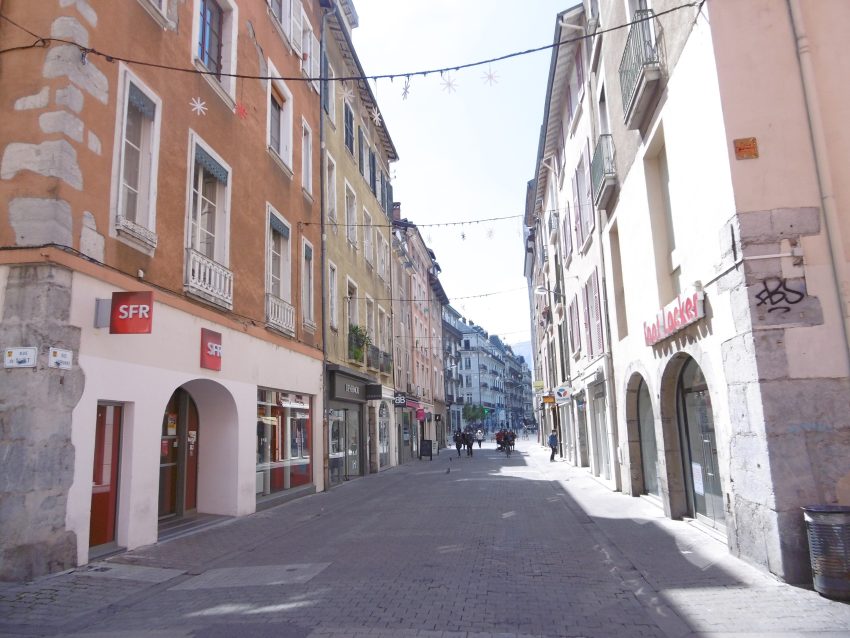
Rue de Bonne is one of central Grenoble’s key streets, linking important parts of the modern city center and reflecting the city’s expansion beyond its medieval lanes. Like many streets developed or reshaped in the 19th century, it became part of a more regular urban network intended to improve circulation and commercial activity. Its name recalls the historical layering of Grenoble, where streets often preserve echoes of local institutions, families, or landmarks.
Over time, Rue de Bonne evolved into a practical and lively thoroughfare with shops, services, and everyday traffic rather than a purely monumental street. This makes it valuable for visitors interested in seeing how Grenoble functions as a real city and not just a collection of historic monuments. The street also helps illustrate the contrast between Grenoble’s older quarters and its later, more spacious urban planning.
What to see here is less about one single monument and more about the street experience itself: the rhythm of storefronts, local businesses, and the way the avenue connects you to nearby squares and landmarks. Pay attention to the architectural details on upper floors, which often preserve decorative elements from earlier periods. It is also a useful route for exploring the center while getting a feel for the city’s everyday pace.
Location: Rue de Bonne, 38000 Grenoble, France | Hours: 24 Hours. | Price: Free.

Moira & Andy
Hey! We're Moira & Andy. From hiking the Camino to trips around Europe in Bert our campervan — we've been traveling together since retirement in 2020!
This website uses affiliate links which earn a small commission at no additional cost to you.
Walking Tour Summary
Distance: 4.5 km
Sites: 17
Walking Tour Map