Complete Guide to Mediterranean Türkiye (2026)
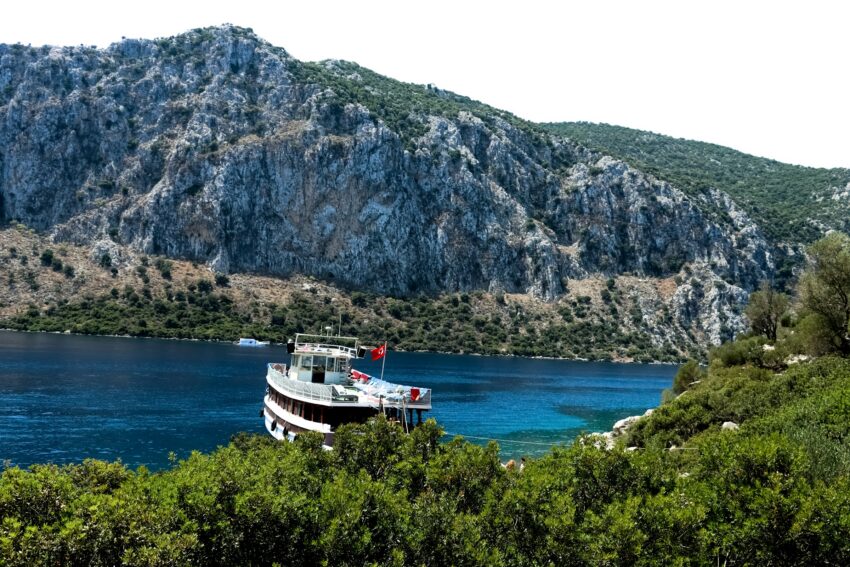
Mediterranean Türkiye is one of the country's most varied travel regions, combining long beaches, dramatic mountain backdrops, Roman and Lycian ruins, marina towns, and major resort centres. It can feel like several destinations in one: the polished holiday belt around Antalya and Belek, the old port cities and citrus-growing plains around Mersin and Adana, and the smaller coastal towns such as Kaş, Kalkan, Side, Finike, Anamur, and Silifke that give the region much of its personality.
What makes the region especially appealing is the contrast between coast and interior. You can spend the morning in a Roman theatre or Crusader-era castle, the afternoon on a beach or boat trip, and the evening in an old harbour district or modern city neighbourhood. Around Antalya, places such as Side, Kemer, Kaş, and Alanya are the best-known bases, while the eastern side of the region has a more urban and local rhythm in cities such as Mersin, Adana, Tarsus, and İskenderun.
It is also a region that rewards slow travel. Beyond the headline resorts, Mediterranean Türkiye is full of older market towns, mountain routes, archaeological sites, and agricultural landscapes shaped by olive groves, citrus orchards, and greenhouses. That mix gives it wider appeal than a simple beach destination: it works for history-focused trips, scenic road journeys, food-led travel, hiking, and classic summer sun holidays alike.
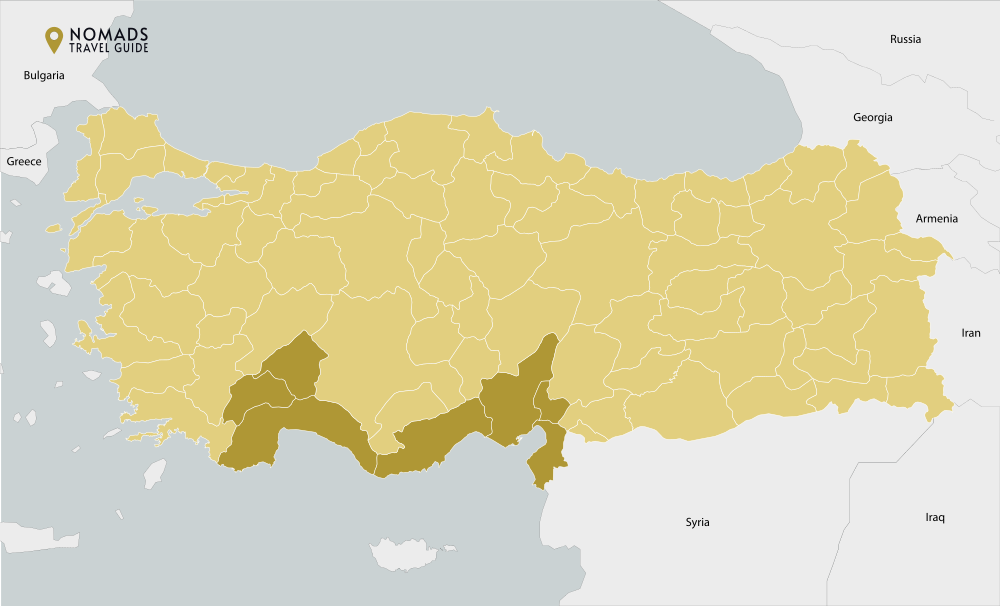
Cities of Mediterranean Türkiye
Bodrum

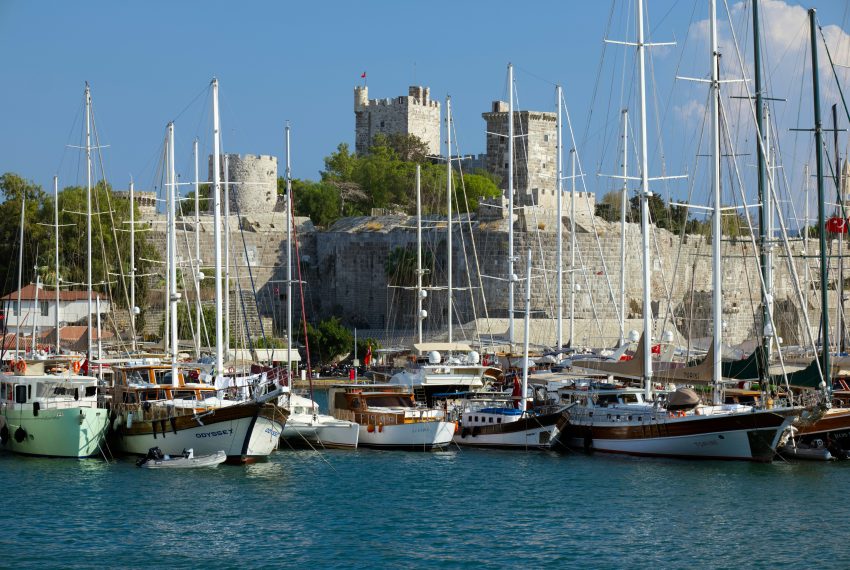
Set along the sun-drenched coast of southwestern Türkiye, Bodrum is the Aegean at its most captivating - a place where ancient history meets cosmopolitan seaside living. Known for its sparkling marinas, whitewashed streets, and a lively yet laid-back atmosphere, this coastal gem has long been a favorite for both travelers and locals. Nestled within the Muğla Province, Bodrum offers the perfect mix of beach bliss, cultural discovery, and world-class dining. With its striking views of the Aegean Sea and a castle that watches over the harbor, Bodrum is one of the best places to visit in Türkiye for those seeking both elegance and authenticity.
Visiting Bodrum is all about balance - mornings spent wandering cobbled alleys and ancient ruins, afternoons on hidden coves or sleek beach clubs, and evenings alive with music, mezze, and Mediterranean charm. The city’s centerpiece, Bodrum Castle, overlooks a bustling marina lined with yachts and seafood restaurants, while nearby beaches like Bitez, Gümüşlük, and Türkbükü offer endless ways to unwind. Whether you’re diving into turquoise waters, shopping for handmade ceramics, or watching the sunset over Bodrum Bay, every moment here feels effortlessly cinematic.
Beyond its postcard beauty, Bodrum thrives as a cultural hub. The town hosts the Bodrum International Ballet Festival each summer, transforming its ancient castle into a stage under the stars. Art galleries, boutique hotels, and rooftop bars give it a sophisticated edge, while traditional gulet cruises offer a timeless connection to the sea. Whether you come for the history, the nightlife, or the tranquility of the Aegean breeze, Bodrum invites you to experience Türkiye’s coast at its most alluring.
View our Bodrum Guide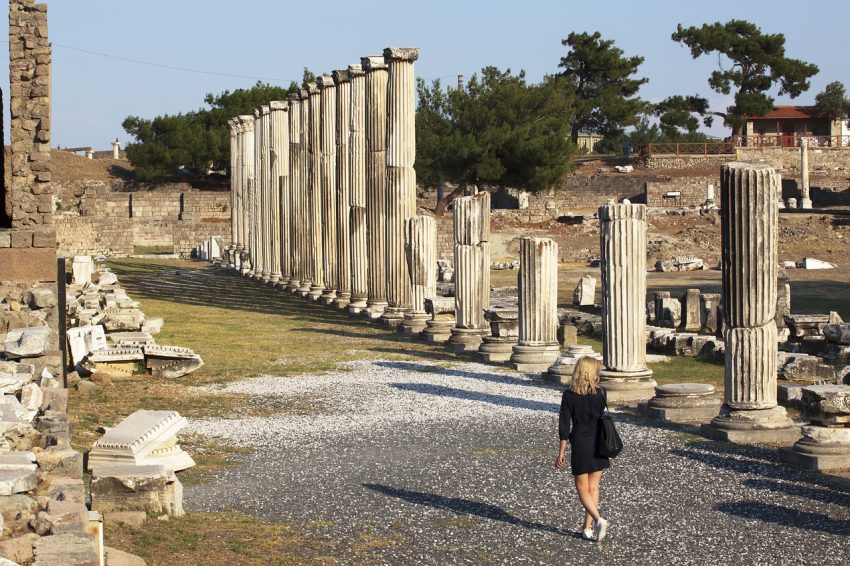

Marmaris
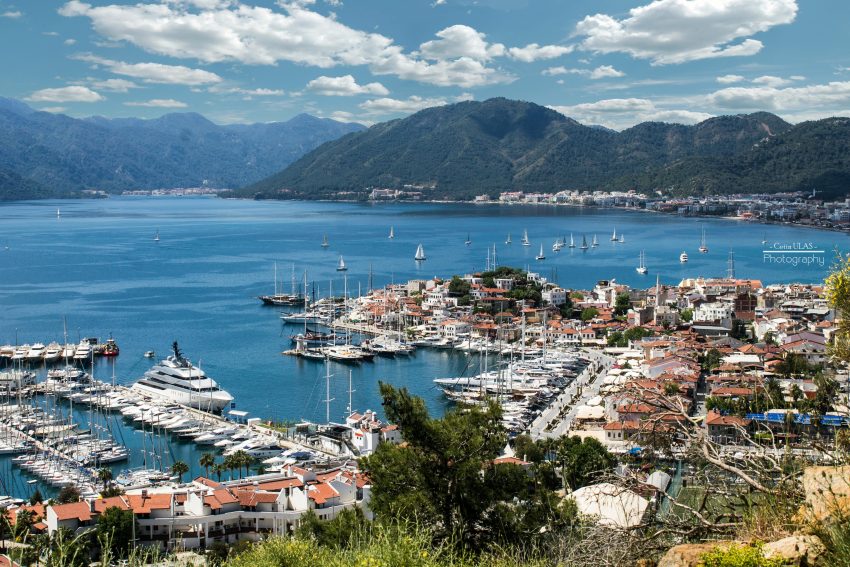
Set along Türkiye’s spectacular Turquoise Coast in the southwest, Marmaris is a favorite for travelers seeking sun, sea, and a touch of glamour. The town is cradled between pine-clad mountains and crystal-blue bays, creating one of the most scenic settings in the country. Its marina buzzes with life - from sleek yachts to traditional wooden gulets - while the promenade stretches for miles, lined with cafés, beach clubs, and palm trees swaying in the breeze. Days in Marmaris are made for swimming, sailing, and strolling along the waterfront, where the Aegean light shimmers like glass.
Beyond its natural beauty, Marmaris is a place that knows how to enjoy life. You can spend the morning lounging on the beach, explore the lively bazaar in the afternoon, and end your day dining at a seaside restaurant with views of the harbor lights reflecting on the water. From relaxed mornings to lively evenings, the town’s easy rhythm and warm hospitality capture the best of coastal Türkiye. It’s no surprise that Marmaris is one of the best places to visit in Türkiye, appealing to everyone from families and couples to solo travelers looking for a mix of adventure and tranquility.
For those exploring the region, Marmaris also serves as a convenient hub for day trips and sailing excursions. Regular boat tours venture to hidden coves, nearby islands, and the picturesque Dalyan Delta, where visitors can spot loggerhead turtles or bathe in mineral-rich mud baths. Whether you arrive by sea, ferry, or scenic coastal road, Marmaris offers that unmistakable Aegean allure - a place where the water is impossibly blue, the nights are warm, and life feels just a little bit brighter.
View our Marmaris Guide


Side

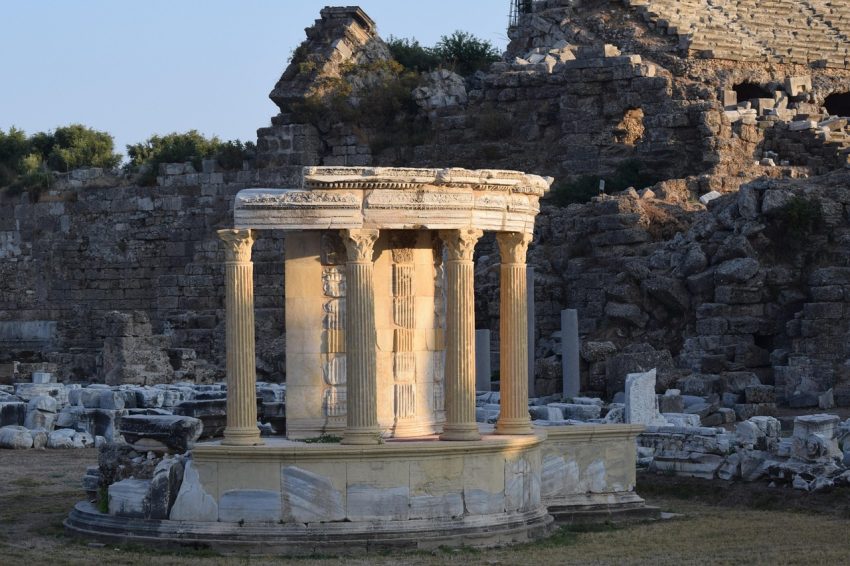
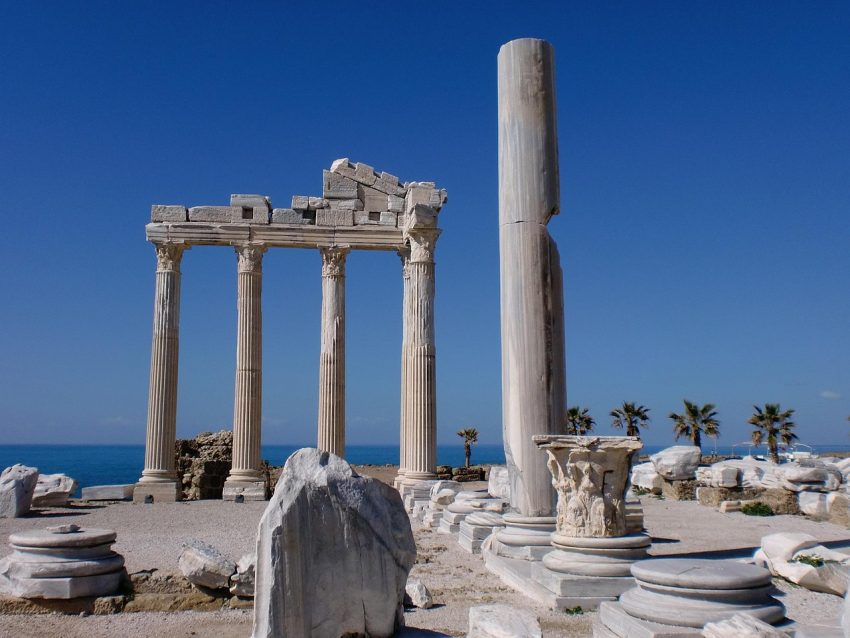
Side, located on Türkiye’s southern Mediterranean coast in the Antalya Province, is a charming seaside resort known for its beautiful beaches and relaxed atmosphere. The town sits on a small peninsula that offers stunning views of the turquoise sea, with long stretches of golden sand on either side. Visitors can stroll along the waterfront, enjoy the warm weather, and take in the blend of modern amenities with an old-town feel.
This picturesque destination combines vibrant coastal life with a sense of intimacy that makes it appealing for travelers seeking both relaxation and exploration. The compact town center is filled with cafes, shops, and restaurants, many of which overlook the sea. Side also offers opportunities for boat trips, water sports, and leisurely walks through its lively markets.
Side is one of the best places to visit in Türkiye, attracting visitors from around the world for its mix of natural beauty and welcoming atmosphere. Whether you’re lounging by the beach or exploring its scenic surroundings, the town offers a perfect balance between coastal leisure and cultural charm, making it an unforgettable stop on any trip through the Mediterranean region.
View our Side Guide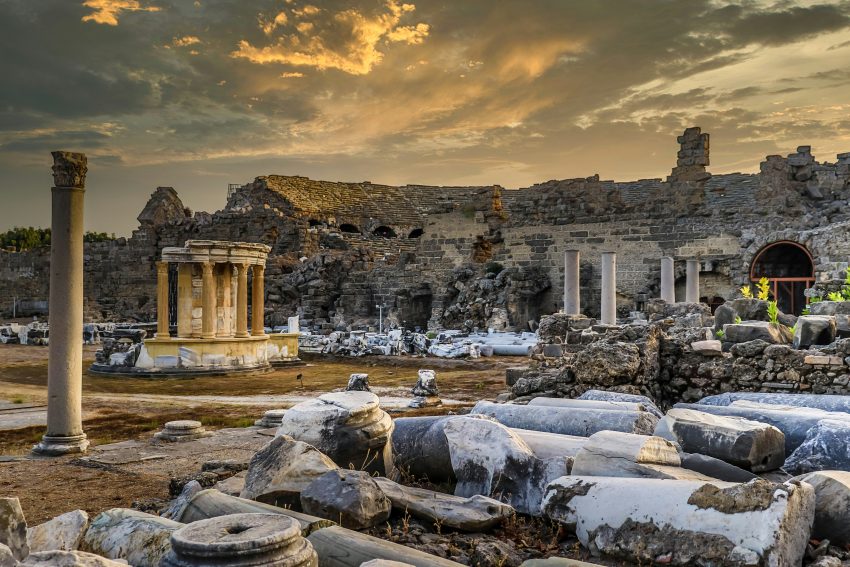
Alanya

Alanya sits proudly on Türkiye’s southern coast, part of the Antalya Province on the country’s famed Turquoise Coast. Framed by the Taurus Mountains on one side and the glittering Mediterranean Sea on the other, it’s a destination that seems made for both relaxation and exploration. The city’s lively harbor, long sandy beaches, and dramatic clifftop fortress create a setting that’s as cinematic as it is inviting. Whether you’re here for the sun, sea, or a touch of adventure, Alanya delivers a taste of the Mediterranean at its finest.
Visiting Alanya offers travelers a perfect blend of natural beauty and modern energy. You can spend your mornings strolling the palm-lined promenade or sipping Turkish coffee by the marina, then head up to the iconic Alanya Castle for panoramic views across the coastline. Below, Cleopatra Beach stretches for kilometers, its soft sand and clear blue waters making it one of Türkiye’s most beloved seaside spots. From scenic cable car rides to cliffside caves, every corner of Alanya exudes that effortless holiday charm.
Alanya is one of the best places to visit in Türkiye, especially for those who want to experience the Riviera lifestyle without losing touch with authentic Turkish culture. The old town’s winding streets are lined with Ottoman houses and local shops, while beach clubs, open-air restaurants, and sunset terraces bring the evenings to life. Whether you stay a few days or longer, Alanya rewards every visitor with its warm hospitality, captivating views, and endless sunshine.
View our Alanya GuideAntalya

Antalya sits on Türkiye’s stunning Mediterranean coast, in the region known as the **Turkish Riviera** or **Turquoise Coast**. This sun-soaked area is famous for its mix of dramatic mountain backdrops, golden beaches, and the glittering blue waters of the Mediterranean Sea. The city itself blends modern energy with a resort-town atmosphere, offering visitors everything from vibrant marinas and boutique-lined boulevards to peaceful coves and lush green parks. Antalya is one of the best places to visit in Türkiye, drawing travelers who want a balance of seaside relaxation, outdoor adventure, and urban charm.
The city’s coastal setting gives it a unique rhythm. Days often begin with a swim or a walk along the palm-fringed promenade before exploring the maze-like streets of the old town. Cafés spill out onto cobblestone alleys, yachts glide in and out of the harbour, and mountains rise dramatically in the distance. The atmosphere is relaxed but full of life, with a cosmopolitan feel shaped by both locals and international visitors.
Beyond the city, the surrounding area offers endless opportunities for exploration. The beaches stretch for miles along the coast, while nearby villages and mountain valleys showcase a more tranquil side of Mediterranean Türkiye. Whether you stay near the seafront, in the atmospheric old town, or at a luxury resort along Lara or Konyaaltı Beach, Antalya captures the essence of the Mediterranean lifestyle - warm, welcoming, and effortlessly beautiful.
View our Antalya Guide


History of Mediterranean Türkiye
Ancient Mediterranean Türkiye
The deep history of Mediterranean Türkiye is tied to a mosaic of ancient regions rather than a single identity. Lycia in the southwest, Pamphylia around the Antalya plain, and Cilicia farther east each developed distinct political and cultural traditions, shaped by seafaring trade, mountain barriers, and contact with Anatolian, Greek, and Near Eastern powers. These old regional identities still help explain why the coast feels so diverse from one stretch to another.
Hellenistic and Roman Mediterranean Türkiye
After the conquests of Alexander and the struggles of the Hellenistic kingdoms, much of Mediterranean Türkiye was drawn into the Roman world. Cities and ports expanded, roads linked coast and interior, and major settlements flourished around trade, agriculture, and administration. The ruins that define the region today, including places such as Perge, Aspendos, Side, and many Lycian sites, largely reflect this long period of classical prosperity.
Byzantine and Medieval Mediterranean Türkiye
In late antiquity and the medieval period, the region remained important but became more contested. Parts of Cilicia sat on the frontier between major powers, Christian communities remained influential, and coastal towns rose or declined according to trade and military pressure. In the east, Cilicia also became associated with the Armenian kingdom that emerged there in the Middle Ages, while elsewhere Seljuk influence increasingly reshaped the political landscape.
Ottoman Mediterranean Türkiye
Ottoman control arrived at different times across the region and gradually brought the coast and its inland plains into a more unified imperial system. Adana became an important provincial centre, Antalya was integrated into the empire after a more unsettled late medieval period, and the fertile lowlands of Cilicia gained commercial significance, especially in agriculture and trade. Ports, caravan routes, and later railways helped tie the region more closely to wider Ottoman economic life.
Modern Mediterranean Türkiye
The modern era brought occupation, war, republican state-building, and eventually a powerful tourism boom, especially in the Antalya area. Over time, the western and central coast became one of Türkiye's most important visitor regions, while eastern Mediterranean cities such as Adana and Mersin developed as major commercial and transport hubs. Today the region balances resort infrastructure, expanding airports, cultural festivals, and living urban centres with a landscape still filled with very old historical layers.
Best Time to Visit Mediterranean Türkiye
Visiting Mediterranean Türkiye in Spring (Best)
Spring is one of the strongest times to visit because temperatures are generally comfortable, the coast is greener, and sightseeing is easier than in the height of summer. It is especially good for combining towns and ruins, with places such as Antalya, Side, Perge, Termessos, Kaş, Tarsus, and Mersin all feeling more manageable. Spring also lines up well with the Orange Blossom Carnival in Adana, Runtalya, Antalya Foodfest, and the Alanya and Mersin festival calendar.
Visiting Mediterranean Türkiye in Summer
Summer is ideal for travellers focused on beach time, boat trips, and resort life, especially around Antalya, Belek, Kemer, Side, Kaş, and Alanya. The trade-off is heat, heavier traffic, and a more crowded atmosphere in the best-known coastal towns. It is still a strong season for cultural travel if you balance the coast with evening events such as the Aspendos performances or city festivals in Antalya.
Visiting Mediterranean Türkiye in Autumn
Autumn is excellent for travellers who want warm sea conditions but a more relaxed pace than midsummer. September and October are particularly attractive because the coast remains lively, the water is still warm, and the cultural calendar strengthens again with events such as the Elmalı Oil Wrestling Festival and the Antalya Golden Orange Film Festival. It is also a good season for longer drives between towns without the peak-season pressure of July and August.
Visiting Mediterranean Türkiye in Winter
Winter works best for city breaks, archaeology, food trips, and quieter coastal stays rather than classic beach holidays. Antalya, Adana, Mersin, and Tarsus remain worthwhile, and you get a more local feel in many towns, but swimming and resort-style travel are far less predictable. For travellers more interested in old cities, museums, ruined sites, and regional cuisine than in sunbeds, winter can still be very rewarding.
Annual Weather Overview
- January 14°C 61°F
- February 15°C 63°F
- March 16°C 65°F
- April 21°C 74°F
- May 25°C 80°F
- June 31°C 91°F
- July 31°C 98°F
- August 30°C 94°F
- September 29°C 88°F
- October 25°C 81°F
- November 20°C 72°F
- December 16°C 64°F
How to get to Mediterranean Türkiye
Getting to Mediterranean Türkiye by Air
The main international gateway is Antalya Airport, which is the obvious arrival point for Antalya city, Belek, Side, Kemer, Kaş, and much of the central and western coast. For the eastern side of the Antalya coast, especially Alanya and nearby resorts, Gazipaşa-Alanya Airport is often more convenient. Farther east, Çukurova Airport serves the Adana–Mersin area and is the most practical airport for Mersin, Tarsus, and Adana, while Isparta Süleyman Demirel Airport can also be useful for some inland approaches.
Getting to Mediterranean Türkiye by Road
Driving is one of the best ways to approach the region because it gives you far more flexibility than rail once you reach the coast. The Antalya side works well as a classic road-trip region, with routes linking Antalya, Kemer, Phaselis, Olympos, Demre, Kaş, and Kalkan, while the eastern side is easier for journeys between Adana, Tarsus, Mersin, Silifke, Anamur, and İskenderun. If you want to combine beach towns with archaeological sites and mountain scenery, a car is usually the most efficient option.
Getting to Mediterranean Türkiye by Train
Rail travel is most useful on the eastern side of Mediterranean Türkiye rather than the Antalya resort belt. The Adana–Mersin corridor has established passenger rail connections, and Mersin–İskenderun services also help for the wider eastern Mediterranean stretch. For train planning and tickets, the national operator is TCDD Taşımacılık [trains].
Getting around Mediterranean Türkiye
Getting around depends heavily on which part of the region you are visiting. Around Antalya, resort transfers, intercity coaches, local buses, and car hire are all common, but coastal distances can be longer than they look on a map, especially if you are moving between towns such as Kaş, Demre, Side, and Alanya. Antalya Airport also notes municipal bus service and terminal shuttles, which help for the city itself, but a car remains the most practical choice for wider exploration.
Getting around Mediterranean Türkiye from town to town
For city-based travel, Antalya, Adana, and Mersin work well as transport anchors. Antalya is the best hub for Side, Belek, Kemer, and the western coast; Alanya is more useful for the eastern Antalya shoreline; and Adana or Mersin are better bases for Tarsus, Silifke, and the Cilician plain. Buses and coaches cover most intercity travel, but train use is concentrated mainly between Adana, Mersin, Tarsus, and İskenderun, not along the main Antalya holiday coast.
Festivals in Mediterranean Türkiye
- International Orange Blossom Carnival, Adana
Held in April, this is one of the liveliest regional events, turning Adana into a huge street celebration with parades, performances, and a festive spring atmosphere. It is one of the clearest cultural reasons to visit the eastern side of Mediterranean Türkiye in spring. - Runtalya, Antalya
Usually associated with April, Runtalya is far more than a race weekend. It brings a major international sports atmosphere to Antalya and gives the city a busy, upbeat shoulder-season feel. - Antalya Foodfest, Antalya
Usually held in May, this is one of the region’s strongest food-focused events and a good reflection of how important culinary tourism has become on the coast. It is especially appealing if you want something more local and seasonal than a standard resort holiday. - International Alanya Culture, Art and Tourism Festival, Alanya
Held in May, this is one of Alanya’s signature civic festivals and brings concerts, performances, and a more public-facing local atmosphere to the resort city. It is a good month to see Alanya at its livelier but not yet peak-summer stage. - Mersin International Music Festival, Mersin
Typically associated with May, this is one of the major arts events on the eastern Mediterranean coast. It gives Mersin a stronger cultural profile and is a good reason to include the city in a spring itinerary. - Aspendos International Opera and Ballet Festival, Aspendos
This is one of the region’s most distinctive cultural events, using the ancient theatre at Aspendos as its stage. It is closely linked with early summer and, in some editions, with September, and it remains one of the most memorable high-culture experiences in the region. - Kaleiçi Oldtown Festival, Antalya
Usually held in summer, this festival turns Antalya’s historic old quarter into a busier cultural space with performances, exhibitions, and street life. It suits travellers who prefer city atmosphere over resort entertainment. - Antalya Culture Route Festival, Antalya
This is one of the larger multi-venue cultural events in the city, bringing concerts, exhibitions, and performances into public spaces. It helps show that Antalya is more than a beach destination and has become a stronger year-round cultural centre. - Elmalı Yeşilyayla Oil Wrestling Festival, Elmalı
Held in September, this is one of the region’s most traditional events and one of the best ways to experience an older, more local side of Antalya Province beyond the coast. It is especially valuable for travellers interested in heritage rather than resort nightlife. - Antalya Golden Orange Film Festival, Antalya
Usually held in October, this is one of Türkiye’s most prominent film festivals and a major cultural fixture in Antalya. It adds a more serious arts calendar to the autumn season and gives the city a distinctly different feel from its summer beach identity.