Wynard’s Almshouses, Exeter
Historic Building in Exeter
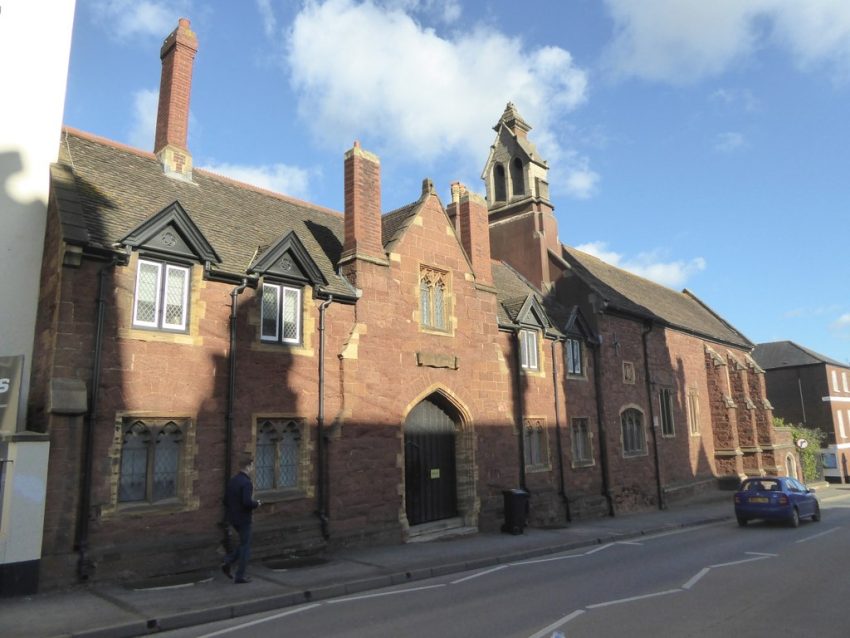
Wynard's Almshouses offer one of the quietest yet most evocative historic corners of Exeter. Founded in 1435 by William Wynard, a wealthy civic official and recorder of the city, these medieval almshouses were created to house twelve infirm people at a time when care for the sick and elderly was provided mainly by the church or generous merchants. Their survival makes them one of the best places to visit in Exeter for travellers who appreciate small, characterful heritage sites.
The almshouses sit tucked behind modern streets, their centuries-old stonework and serene courtyard offering a glimpse into a world where charity and community shaped everyday life. Though modest in scale, the complex remains a highlight of any walking tour of Exeter, revealing the city's long-standing commitment to social care long before the rise of modern welfare.
Table of Contents
- History and Significance of Wynard’s Almshouses
- Things to See and Do in Wynard’s Almshouses
- How to Get to Wynard’s Almshouses
- Practical Tips on Visiting Wynard’s Almshouses
- Where to Stay close to Wynard’s Almshouses
- Add a Is Wynard’s Almshouses Worth Visiting?
- FAQs for Visiting Wynard’s Almshouses
- Nearby Attractions to Wynard’s Almshouses
History and Significance of Wynard’s Almshouses
Built in 1435, Wynard's Almshouses stand as a rare and remarkably well-preserved example of medieval charity housing. William Wynard, one of Exeter's most influential civic figures, established the almshouses to provide permanent shelter for twelve elderly or infirm residents. Their creation reflects both the religious spirit of the time and the responsibility felt by wealthy townspeople toward the vulnerable.
In the Middle Ages, almshouses played an essential social role. Without state-funded care, the elderly, widowed, or sick depended on religious institutions or wealthy benefactors for support. Wynard’s foundation ensured that its residents received not only shelter but also spiritual guidance and community, with rules governing their daily routines and prayers.
Over the centuries the almshouses were maintained, adapted, and preserved. Their simple yet elegant medieval design, including original stonework and courtyard layout, gives visitors a direct connection to Exeter's social history. As one of the top attractions in Exeter for those interested in medieval life, the site embodies the city's long-standing traditions of charity and civic responsibility.
Things to See and Do in Wynard’s Almshouses
Visitors can admire the beautifully maintained courtyard and the surrounding historic buildings, which retain much of their medieval form. The stone façades, traditional windows, and peaceful enclosed space create an atmosphere that feels far removed from the bustle of the modern city.
Interpretation signs help explain the building's history, its founder, and the rules that once governed daily life. This insight into medieval charitable housing is both humble and compelling, revealing how Exeter supported its most vulnerable citizens centuries before organised welfare systems.
While the interior is not generally open to the public, the exterior alone is well worth visiting as part of a wider exploration of Exeter's historic streets. The quiet setting and timeless architecture make it one of the top attractions in Exeter for photographers and history lovers alike.
How to Get to Wynard’s Almshouses
Wynard's Almshouses are located within Exeter's historic centre, making them easy to reach on foot from most central attractions. The nearest airports are Exeter Airport and Bristol Airport, both offering convenient access. For the best deals and a seamless booking experience, check out these flights to Exeter on Booking.com.
For rail travellers, Exeter Central and Exeter St David's railway stations are within walking distance, with frequent train services from London, Bristol, Plymouth, and beyond. Train schedules and bookings can be found on Omio.
Travelling by car is straightforward, with several nearby city-centre car parks. From these, it is only a short walk through Exeter’s historic lanes to reach the almshouses.
Practical Tips on Visiting Wynard’s Almshouses
- Best time to visit Wynard’s Almshouses: Visit during daylight hours to appreciate the stonework and peaceful courtyard.
- Entrance fee in Euros: Free to view from the outside.
- Opening hours: The exterior can be viewed year-round; interiors are not generally open to visitors.
- Official website: Information is often available through Exeter heritage listings.
- How long to spend: Around 10-15 minutes is enough for a quiet visit.
- Accessibility: The surrounding paths are generally level, though some surfaces may be uneven.
- Facilities: No on-site facilities; cafés and shops are nearby in the city centre.
- Photography tip: Capture the courtyard from the entrance to frame the medieval buildings symmetrically.
- Guided tours: Occasionally included in themed heritage walks.
- Nearby food options: Numerous cafés and restaurants are a short walk away in central Exeter.
Where to Stay close to Wynard’s Almshouses
Staying in central Exeter allows easy access to Wynard's Almshouses and the surrounding historic streets. A convenient choice is Mercure Exeter Rougemont Hotel, close to Northernhay Gardens and several heritage sites. For a boutique stay with plenty of charm, Hotel du Vin Exeter provides elegant rooms and tranquil gardens. A modern option is Leonardo Hotel Exeter, offering reliable comfort just a short walk from the city’s medieval lanes.
Add a Is Wynard’s Almshouses Worth Visiting?
Yes, Wynard's Almshouses are definitely worth visiting, especially if you enjoy discovering smaller historic gems that tell powerful stories about everyday life in the past. Their beautifully preserved medieval architecture and deep social significance make them one of the things to do in Exeter for travellers seeking quiet, meaningful heritage experiences.
What Other Travellers Say...

St Catherines Almshouses, at 17 Catherine St, Exeter EX1 1EU, is the ruined remains of a 15th-century charitable housing site where parts of the original walls and chapel survive; visitors find it a compact, free-to-visit spot just off the high street with informational signage and some preserved finds displayed in acrylic, though parts are cordoned off for safety and some reviewers note occasional littering.


FAQs for Visiting Wynard’s Almshouses
Nearby Attractions to Wynard’s Almshouses
- Exeter Cathedral - A magnificent Gothic landmark at the heart of the city.
- Exeter City Wall - Surviving Roman and medieval defences encircling the old town.
- St Nicholas Priory - Exeter's oldest building with immersive Tudor exhibits.
- Royal Albert Memorial Museum - Exeter's main museum with extensive collections.
- Underground Passages - Unique medieval tunnels beneath the city streets.
The Wynard’s Almshouses appears in our Complete Guide to Visiting Exeter!

Moira & Andy
Hey! We're Moira & Andy. From hiking the Camino to trips around Europe in Bert our campervan — we've been traveling together since retirement in 2020!
This website uses affiliate links which may earn a commission at no additional cost to you!
Planning Your Visit
Nearby Attractions
- Exeter Cathedral (0.4) km
Cathedral - Exeter Ship Canal (0.4) km
Canal - Exeter Customs House (0.4) km
Historic Building and Tourist Office - Exeter Guildhall (0.5) km
Historic Building - Underground Passages (0.5) km
Museum and Tunnel - Cricklepit Mill (0.5) km
Mill - Exeter Castle (Rougemont Castle) (0.6) km
Castle - Tuckers Hall (0.6) km
Historic Building - St Nicholas Priory (0.7) km
Historic Building, Historic Site and Museum - Royal Albert Memorial Museum (0.7) km
Museum