Villa Comunale di Salerno
Gardens in Salerno
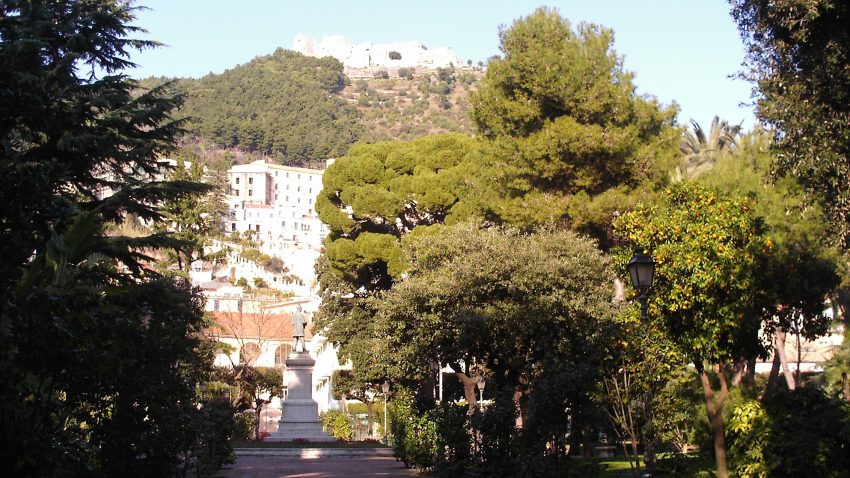
Villa Comunale di Salerno is the city's classic “pause button” park: a green pocket of shade, paths, and fountains that sits perfectly between the historic center and the Lungomare. It feels like a small botanical garden as much as a public garden, with the kind of calm you appreciate after a morning of stone streets, museums, and church interiors, and it's an easy place to slow down without leaving the heart of town.
What makes it special is how naturally it fits into a day in Salerno. You can drift in for ten minutes or stay an hour, and either way it delivers that gentle, coastal-city rhythm-people strolling, kids running ahead, locals lingering on benches. This spot is one of the things to do in Salerno when you want something simple but memorable, and it slides neatly into a walking tour of Salerno as the most relaxing stretch between bigger landmarks.
Table of Contents
- History and Significance of the Villa Comunale di Salerno
- Things to See and Do in the Villa Comunale di Salerno
- Practical Tips on Visiting the Villa Comunale di Salerno
- Where to Stay Close to the Villa Comunale di Salerno
- Is the Villa Comunale di Salerno Worth Visiting?
- For Different Travelers
- FAQs for Visiting Villa Comunale di Salerno
- Nearby Attractions to the Villa Comunale di Salerno
History and Significance of the Villa Comunale di Salerno
The garden you see today has roots in Salerno’s post-unification era, created as a civic space for leisure and social life as the city expanded beyond older boundaries. The municipal site describes it as a kind of botanical garden with rare plants, designed to keep the dignified, tranquil feel of the late 19th century when it took shape as a public “salon” in the open air.
A key landmark within the garden’s story is the Fontana di “don Tullio” (also known as the Fontana di Esculapio), linked to an 18th-century donation and later used as a focal point for the garden’s layout. The wider plan that defines the villa-triangular in feel, with avenues and ornamental features-was developed in the 1870s and then reshaped again through later restorations, including major requalification work that reinforced its botanical identity and refreshed its monuments. (comune.salerno.it)
The villa also has a strong “living calendar” role in Salerno. In April it hosts the Mostra della Minerva, a market-exhibition focused on rare plants and garden culture, and in winter it becomes the Giardino Incantato during Luci d'Artista, when light installations transform the paths into an evening attraction.
Things to See and Do in the Villa Comunale di Salerno
Start with a slow lap rather than a straight-line walk. The best experience here is meandering-following curved paths, ducking into pockets of shade, and letting the garden reveal its fountains, statues, and little sightlines toward the sea. It’s a particularly good stop if you’ve been doing “big history” all day and want somewhere that still feels rooted in the city’s character, just in a softer way.
Make time for the fountains and monuments, because they’re what give the villa its personality beyond “nice park.” The central areas are ideal for a short rest with a takeaway coffee, while the edges work better for a quieter stroll. If you’re visiting in April, the Mostra della Minerva adds a festive, local energy; if you’re here in winter, come after dark for the Giardino Incantato effect, when the park becomes part of the city’s evening scene.
Practical Tips on Visiting the Villa Comunale di Salerno
- Entrance fee: Free.
- Opening hours: Monday–Sunday; April–September 08:00–24:00, November–March 08:00–20:00 (last entry 30 minutes before closing).
- Official website: https://www.comune.salerno.it/luogo/villa-comunale
- Best time to visit: Late afternoon is perfect for softer light and a breezier feel, and winter evenings are ideal if you want to see the seasonal illuminations.
- How long to spend: 20-40 minutes is plenty for a pleasant loop, or up to 90 minutes if you want a proper unwind with stops by the fountains and monuments.
- Accessibility: Paths are generally easy-going for a city park, though the surrounding streets can have uneven paving depending on which side you enter from.
- Facilities: Treat it as a “bring-your-own break” spot-pick up a coffee or snack nearby, then enjoy benches and shade inside the garden.
Where to Stay Close to the Villa Comunale di Salerno
For a culture-heavy itinerary, base yourself in the Centro Storico so you can walk to Salerno’s churches, lanes, and museums early and return easily for breaks; if your trip is focused on transport links and day trips, staying around the station area makes departures to the wider region far simpler.
If you want a practical, well-connected base that still keeps the garden within an easy stroll, Hotel Montestella works well for a walkable city stay with plenty of cafés and evening atmosphere nearby. For maximum convenience with trains and arrivals, Hotel Plaza is ideal, and you can still reach the villa on foot for a daily reset between excursions. If you like being close to the seafront for long evening walks, Grand Hotel Salerno puts you near the water and within easy reach of the garden and the old town.
Is the Villa Comunale di Salerno Worth Visiting?
Yes, especially if you want Salerno to feel like a place you've lived in for a day rather than simply toured. The villa is where the city's pace becomes visible: locals walking, small ceremonies and seasonal events, and the simple pleasure of greenery a few steps from the sea.
It’s also a smart “connector” stop. Even if you don’t schedule it, you’ll likely pass nearby as you move between the historic center and the Lungomare, and it’s exactly the kind of place that turns a functional walk into a highlight.
What Other Travellers Say...

Villa Comunale di Salerno, on Via Roma near the seafront and old town, is a well maintained, peaceful municipal garden with shaded pathways, palm trees, exotic and rare plants, classic fountains including the Fontana del Tullio (1790), statues and busts, a central bandstand, benches and a small turtle pond; visitors praise its calm, family-friendly atmosphere, cleanliness, free (though sometimes not pristine) toilets, and the park's magical feel when lit up during the Luci d'Artista festival.


For Different Travelers
Families with Kids
This is one of the easiest wins in Salerno with children because it's low-pressure and flexible: you can let kids roam along the paths, pause at fountains, and reset everyone's mood after more structured sightseeing. It also works well as a reward stop-promise park time after a church or museum and the day runs more smoothly.
If you’re visiting in winter, the light installations can feel like a mini event without needing a big plan. Keep the visit short and upbeat, then continue on to the seafront for even more space to move.
Couples & Romantic Getaways
For couples, the villa is best as a slow interlude: a calm walk, a bench stop, and an easy transition into a sunset promenade on the Lungomare. It’s a quietly romantic setting because it feels local rather than staged, with that mix of greenery, sea air, and evening light.
If you're in Salerno during Luci d'Artista season, come after dinner and treat it as a gentle night walk. It's one of those simple moments that can end up feeling like the most memorable part of the day.
Budget Travelers
Budget travelers should treat this as a high-quality free stop that adds real texture to a day. You can build an excellent Salerno itinerary around walking: old town lanes, a couple of key monuments, the waterfront, and the villa as your shaded break point.
It’s also a good place to “stretch” your day without spending money-pick up a bakery snack or takeaway coffee and enjoy it in the garden rather than paying for a longer sit-down break.
FAQs for Visiting Villa Comunale di Salerno
Getting There
Visiting Experience
Photography
Accessibility & Facilities
Nearby Attractions to the Villa Comunale di Salerno
- Lungomare Trieste: Salerno's signature seafront promenade, perfect for an easy coastal walk before or after the garden.
- Teatro Giuseppe Verdi: A handsome historic theatre near the waterfront that adds a cultural note to an evening route.
- Centro Storico di Salerno: A dense web of lanes and small squares where you can feel the city's everyday rhythm among historic façades.
- Duomo di Salerno (Cattedrale di San Matteo): The city's main cathedral complex, rich in atmosphere and one of the most rewarding historic stops.
- Giardino della Minerva: A terraced botanical garden on the hillside that offers a quieter, more panoramic green escape.
The Villa Comunale di Salerno appears in our Complete Guide to Visiting Salerno!

Moira & Andy
Hey! We're Moira & Andy. From hiking the Camino to trips around Europe in Bert our campervan — we've been traveling together since retirement in 2020!
This website uses affiliate links which may earn a commission at no additional cost to you!
Planning Your Visit
Monday-Sunday; April-September 08:00-24:00, November-March 08:00-20:00 (last entry 30 minutes before closing).
Free.
Nearby Attractions
- Chiesa della Santissima Annunziata (0.1) km
Church - Giardino della Minerva (0.2) km
Gardens - Piazza della Liberta (0.2) km
Square - Complesso Monumentale di San Pietro a Corte (0.3) km
Palace and Roman Site - Complesso Monumentale di Santa Sofia (0.4) km
Church - Lungomare Trieste (0.4) km
Park - Chiesa di San Giorgio (0.5) km
Church - Stazione Marittima di Salerno (0.5) km
Port - Duomo di Salerno (0.5) km
Cathedral - Museo Diocesano San Matteo di Salerno (0.6) km
Museum