Theth Village, Shkodër
Village near Shkodër

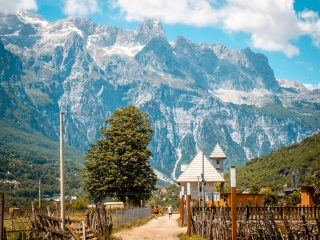
Theth National Park is the kind of place that resets your sense of scale. Set high in Albania's northern mountains, it's a landscape of steep limestone walls, cold-clear streams, and green pastures that feel almost too pristine to be real. The park wraps around the Theth valley near the village of Theth, where stone houses scatter across the basin beneath sharp ridgelines-quiet, rural, and beautifully dramatic.
What makes Theth special isn't just the scenery, but how naturally life and landscape fit together here. You can spend a morning following footpaths between meadows and traditional homesteads, then be hiking toward waterfalls or springs by lunchtime. If you're building an itinerary in northern Albania, this is one of the must-see places in Theth, and it's an easy highlight to weave into a walking tour of Theth that strings together the church, the tower, and a few valley viewpoints before you head out on longer trails.
Table of Contents
- History and Significance of the Theth National Park
- Things to See and Do in the Theth National Park
- How to Get to the Theth National Park
- Practical Tips on Visiting the Theth National Park
- Where to Stay Close to the Theth National Park
- Is the Theth National Park Worth Visiting?
- For Different Travelers
- FAQs for Visiting the Theth National Park
- Nearby Attractions to the Theth National Park
History and Significance of the Theth National Park
Theth’s story sits at the crossroads of nature, faith, and highland tradition. The area is widely associated with the northern customary code known as the Kanun, which historically shaped everything from hospitality to conflict resolution. The “lock-in” or reconciliation tower (kulla e ngujimit) stands as a stark reminder of how communities once managed blood feuds-today it’s more reflective than frightening, a place to understand the region’s past rather than relive it.
The village's Catholic heritage is equally tangible, centred on the Church of Theth, built in 1892, which feels intentionally modest against the enormous mountains behind it. Together, the tower and church make Theth more than a hiking base: they give the valley cultural weight, turning a beautiful landscape into a living, layered destination.
Administratively, the area is commonly referred to as Theth National Park, and it is also presented within the broader protected landscape of the Albanian Alps. For travellers, the naming matters less than the experience: a protected mountain valley where nature and heritage are part of the same day out.
Things to See and Do in the Theth National Park
Start in Theth village with a slow wander-this is where the park's “everyday beauty” is most obvious: stone walls, small bridges, gardens, and wide views up-valley. The Church of Theth is an unmissable photo stop, especially when the light is soft and the peaks look close enough to touch. Nearby, the lock-in tower adds context to the stories you'll hear from guesthouse owners about family history, local customs, and how the valley has changed with tourism.
For nature, Theth is packed with satisfying half-day and full-day walks. Grunas Waterfall and Grunas Canyon are classic, relatively approachable outings that still feel wild once you're on the trail. If you want a bigger “reward hike,” the Blue Eye (Syri i Kaltër) is the one people remember-icy water, vivid colour, and a sense that you've reached a hidden pocket of the Alps.
If you're here for serious hiking, Theth is also a launch point for high passes and long mountain routes, and that's where the park becomes an adventure destination rather than a scenic retreat. Even if you're not doing the biggest treks, it's worth taking at least one walk that climbs above the valley floor-Theth looks completely different once you gain a little height.
How to Get to the Theth National Park
Most travellers approach Theth via Shkodër, the main gateway city for the northern Alps, then continue into the mountains by shared minivan (furgon) or private transfer. In peak season, furgons and transfers are generally straightforward to arrange through guesthouses or local operators in Shkodër; outside summer, options thin out and planning ahead matters more.
The nearest major airport is Tirana International Airport (TIA), and some travellers also route via Podgorica Airport (TGD) depending on where they're coming from and how they're combining the Balkans. For the best deals and a seamless booking experience, check out these flights to Shkodër on Booking.com.
Driving gives the most flexibility, but treat the mountain approach as part of the experience: the road climbs into the Albanian Alps and access can be seasonal, with winter conditions sometimes cutting the valley off. If you are looking to rent a car in Albania I recommend having a look at Discover Cars, first, as they compare prices and review multiple car rental agencies for you.
Practical Tips on Visiting the Theth National Park
- Entrance fee: Free (no official park gate fee)
- Opening hours: 24 Hours
- Best time to visit: Aim for a clear-weather window so you can safely enjoy viewpoints and longer trails; mountain conditions change quickly here.
- How long to spend: A full day shows you the village highlights, but an overnight (or two) makes the hikes feel relaxed rather than rushed.
- Accessibility: Expect uneven paths, steep gradients, and limited step-free access; this is a remote mountain valley, not a paved park.
- Facilities: Facilities are concentrated in the village (guesthouses, small cafés, basic supplies); once you’re on trails, you’re largely self-reliant.
Where to Stay Close to the Theth National Park
For early trail starts and the full alpine atmosphere, base yourself in Theth village; if you prioritise transport links, more dining choice, and an easier arrival, stay in Shkodër and treat Theth as an overnight or long day-trip.
In Theth itself, Bujtina Polia is a strong, central pick if you want to be near the village landmarks and have a comfortable base for day hikes. For a more traditional mountain-stay feel with the convenience of a well-known property, Villa Gjecaj is a reliable option that’s well placed for exploring the valley. If you prefer a quieter, homier guesthouse style near the river, Guesthouse Marashi is worth considering for its relaxed setting.
Is the Theth National Park Worth Visiting?
Yes-especially if you want Albania at its most raw and memorable. Theth delivers that rare mix of big-mountain scenery and a village that still feels genuinely lived-in, where culture isn't staged and the landscape is the main event.
It's also one of those places where the journey shapes the payoff. Because getting here takes effort, Theth tends to attract travellers who value quiet trails, simple comforts, and places that feel a little removed from the modern rush.
What Other Travellers Say...
Reviews Summary
Theth is a mountain village in Albania offering a scenic, rural escape; visitors describe it as a tranquil base for hiking and exploring the surrounding peaks and valleys, with a small cluster of traditional guesthouses and local eateries where hosts are welcoming and helpful, and the village atmosphere is peaceful and suited to nature-focused stays.
For Different Travelers
Families with Kids
If you're travelling with kids, treat Theth as a “nature village” rather than a box-ticking hike destination. Pick shorter walks with clear turning points (a waterfall, a viewpoint, a picnic meadow) and build in plenty of downtime back at the guesthouse.
Bring layers and a warm backup set even in summer-mountain evenings can feel surprisingly cool. It also helps to plan meals around guesthouse schedules, since options can be limited once the day’s hikers return.
Couples & Romantic Getaways
Theth is ideal for couples who like romance with a rugged edge: long walks, quiet mornings, and big skies at night. Choose a guesthouse with outdoor seating so you can linger over breakfast and watch the valley change colour as the light moves.
For a memorable day, pair a gentle village loop (church, tower, riverside paths) with one “wow” hike, then come back for a slow evening meal. The contrast-effort and reward-is what makes Theth feel special together.
Budget Travelers
Theth can be surprisingly budget-friendly if you plan like a hiker: stay in a guesthouse that includes meals, travel by shared van in season, and focus on free natural sights rather than paid activities. Your biggest “cost” is usually logistics-so lock in transport and accommodation early in peak months.
Carry cash, pack snacks, and don’t assume you’ll find ATMs or reliable card payments in the valley. A small amount of self-sufficiency goes a long way here, and it keeps the trip simple and affordable.
FAQs for Visiting the Theth National Park
Getting There
Tickets and Entry
Visiting Experience
Tours, Context, and Itineraries
Photography
Accessibility and Facilities
Food and Breaks Nearby
Safety and Timing
Nearby Attractions to the Theth National Park
- Blue Eye of Theth (Syri i Kaltër): A striking spring with vivid colour and icy water, reached by a rewarding walk through the valley.
- Grunas Waterfall: A classic Theth hike with a dramatic cascade and great picnic spots along the approach.
- Grunas Canyon: A rugged gorge that adds a wilder edge to the valley scenery, often paired with the waterfall in one outing.
- Lock-in Tower (Kulla e Ngujimit): A powerful cultural stop that explains local history and the legacy of the Kanun in the highlands.
- Valbona Pass route: A famed mountain crossing that links Theth with Valbona for travellers who want a full-day trek and epic views.
The Theth Village appears in our Complete Guide to Visiting Shkodër!

Moira & Andy
Hey! We're Moira & Andy. From hiking the Camino to trips around Europe in Bert our campervan — we've been traveling together since retirement in 2020!
This website uses affiliate links which may earn a commission at no additional cost to you!
Planning Your Visit
24 Hours
Free (no official park gate fee)
Nearby Attractions
- Theth Church (2.0) km
Church - Ethnographic Museum of Dukagjini (2.3) km
Museum - Theth Lock-in Tower (2.4) km
Tower - Grunas Canyon (3.5) km
Natural Phenomenon - Theth Waterfall (3.9) km
Waterfalls - Valbona Pass (4.1) km
Hike - Blue Eye of Theth (4.8) km
Pool - Nderlysa Village (5.5) km
Village - Valbonë Valley National Park (14.0) km
National Park - Lake Koman Ferry (33.2) km
Lake