The Punic Wall, Cartagena
City Walls, Historic Site and Museum in Cartagena
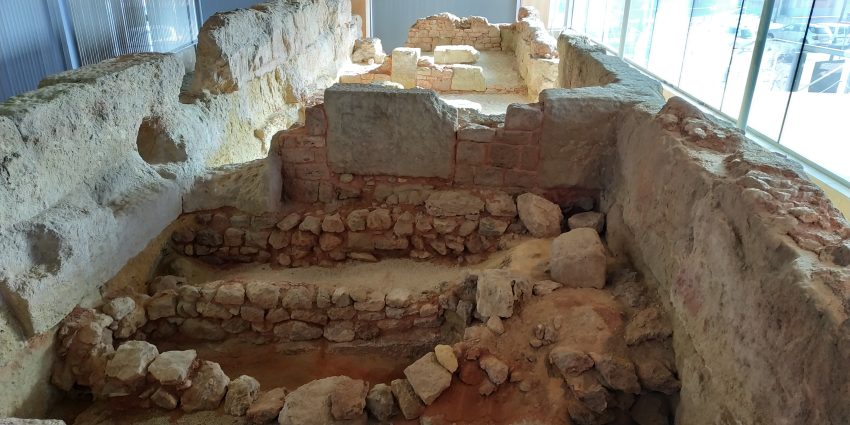
The Punic Wall (Muralla Púnica) in Cartagena is a small but memorable archaeological stop where you can see rare Carthaginian-era defensive remains right in the city center. The site is presented like a mini museum, with modern walkways and glass floor panels that let you look down onto the ancient masonry.
Because it's close to other headline sights, The Punic Wall works especially well as a quick visit on a self-guided walking tour of Cartagena's historic core, or as a first stop to get context before you explore the Roman Theatre area and nearby museums. For the best views, take your time at the glass sections and the atmospheric underground spaces.
Table of Contents
- History and Significance of the The Punic Wall
- Things to See and Do in the The Punic Wall
- How to Get to the The Punic Wall
- Practical Tips on Visiting the The Punic Wall
- Where to Stay Close to the The Punic Wall
- Is the The Punic Wall Worth Visiting?
- For Different Travelers
- FAQs for Visiting The Punic Wall
- Nearby Attractions to the The Punic Wall
History and Significance of the The Punic Wall
Cartagena’s Punic Wall is tied to the city’s Carthaginian chapter, when the settlement known as Qart-Hadast became a strategic stronghold in the western Mediterranean. The surviving section dates to the 3rd century BC, making it one of the few Punic defensive structures you can still visit in Spain.
What makes the visit especially rewarding is how the site connects big-history themes to a very tangible fragment of the past: you’re not looking at a reconstructed “idea” of a wall, but at authentic stonework that once formed part of the city’s defenses.
The interpretation also broadens the story beyond the wall itself, helping you understand how Cartagena’s layers of history stack up over time. That context is useful if you’re planning to visit other archaeological sites in town, because you’ll start recognizing how different eras reused and built over earlier structures.
Things to See and Do in the The Punic Wall
The highlight is the preserved wall segment viewed through glass floor panels and along elevated walkways, which makes it easy to appreciate the scale and construction without damaging the remains. The layout is compact, so it’s ideal when you want a meaningful history stop without committing half a day.
Many visitors enjoy starting with the introductory video, which quickly frames the Punic period and makes the ruins more understandable. If you've already visited other Cartagena museums, you'll likely find the narrative clicks into place even more.
Don’t miss the crypt area, which adds a moody, unexpected contrast to the ancient military remains. It’s one of those spaces that tends to stick in your memory long after you’ve moved on to bigger-ticket attractions.
How to Get to the The Punic Wall
The nearest airports are Región de Murcia International Airport (Corvera) and Alicante-Elche Airport, both with onward connections to Cartagena. For the best deals and a seamless booking experience, check out these flights to Cartagena on Booking.com.
Cartagena is well connected by rail, and arriving by train is a convenient option if you're coming from Murcia or other major cities in the region. Train schedules and bookings can be found on Omio..
If you're driving, Cartagena is straightforward to reach via the regional motorway network, and parking is easiest in paid garages on the edge of the center before walking in. If you are looking to rent a car in Spain I recommend having a look at Discover Cars, first, as they compare prices and review multiple car rental agencies for you.
Practical Tips on Visiting the The Punic Wall
- Entrance fee: Adults: €4.00
- Opening hours: (Summer) July 1 – September 15; Monday – Sunday: 10:00–20:00. (Mid season) March 15 – June 30 & September 16 – November 1; Tuesday – Sunday: 10:00–19:00. (Low season) November 2 – March 14; Tuesday – Sunday: 10:00–17:30. Closed on Monday.
- Official website: https://puertodeculturas.cartagena.es/ficha_muralla_punica.asp
- Best time to visit: Go early in the day for a calmer, more contemplative visit, especially if you want time with the glass-floor viewpoints.
- How long to spend: Plan 30-60 minutes; add a little extra if you watch the intro video and linger in the crypt.
- Accessibility: The museum is partially wheelchair accessible, but expect some limitations due to the historic, multi-level nature of the site.
- Facilities: Expect a small, museum-style setup with staff on site; it’s comfortable in warm weather thanks to air conditioning.
Where to Stay Close to the The Punic Wall
Base yourself in central Cartagena (Old Town) so you can walk to the Punic Wall and most major sights without relying on taxis or buses.
Sercotel Alfonso XIII A reliable, comfortable option close to the center and transport links, making it easy to balance sightseeing with day trips.
NH Campo Cartagena A practical choice with a businesslike feel, good for travelers who want quiet nights and an easy walk or short ride into the historic core.
Hotel Los Habaneros A convenient, no-fuss stay near the old town streets, ideal if you want to be close to museums and walking routes.
Hotel Cartagena Puerto Great for harbor vibes and quick access to waterfront strolls, while still being within easy reach of the Punic Wall on foot.
Hotel Sercotel Carlos III A solid mid-range base that works well for travelers who want good value and a straightforward walk into the center.
Is the The Punic Wall Worth Visiting?
Yes, especially if you enjoy archaeology presented in a clear, modern way. It’s a compact visit with a strong “wow” factor thanks to the glass-floor viewing and the feeling of standing directly over 3rd-century-BC remains, plus the added atmosphere of the crypt.
Honest Pivot: If you're short on time and only want one ancient-history stop in Cartagena, you might prioritize the Roman Theatre complex and choose this only if you're doing a broader museum circuit. It's also not the best fit if you dislike small indoor museums or prefer large-scale ruins you can wander through for hours.
What Other Travellers Say...

Reviews are strongly positive overall, with travelers describing it as an interesting, well-presented small museum that's easy to fit into a day in Cartagena. Common highlights include the glass floor panels for viewing the ruins, the short introductory video that adds context, and friendly, knowledgeable staff; several visitors also mention the atmospheric crypt and welcome air conditioning. The main drawbacks are that it's a compact visit and can feel brief if you're expecting a large site, and accessibility is only partial for wheelchair users.


For Different Travelers
The Punic Wall is easy to slot into a day because it's central, short, and information-rich. It works best when you treat it as part of a wider Cartagena itinerary rather than a standalone “big attraction.”
Families with Kids
Kids who like “secret” underground spaces often enjoy the crypt and the sense of discovery as you move through the exhibits. The short format helps keep attention spans intact.
To make it smoother, pair it with an outdoor break afterward (a plaza stop or waterfront walk) so the day doesn’t feel like back-to-back museums. If your family enjoys stories, the intro video can help everyone follow what they’re seeing.
Couples & Romantic Getaways
For couples, this is a quick, interesting stop that adds depth to a romantic day wandering Cartagena’s lanes. The lighting and underground sections feel a bit cinematic, especially if you visit at a quieter hour.
Follow it with a slow stroll toward the harbor for sunset, or plan it as a “warm-up” before a longer, more iconic site. It’s the kind of place that sparks conversation without taking over your whole day.
Budget Travelers
The visit is short, so it’s good value when you’re building a day around walkable sights and free viewpoints. Because it’s central, you can avoid transport costs by staying in or near the old town.
If you're watching spending, consider grouping it with other nearby attractions so your day feels fuller. A self-guided walking route through the historic center pairs perfectly with this stop.
History Buffs
History lovers will appreciate that Punic-era remains are relatively rare to see in Spain, and the site makes the Carthaginian layer of Cartagena feel real. The interpretive approach helps connect the wall to the broader Punic Wars context.
To get the most from it, visit early in your trip so you can keep spotting references and layers as you move through the city’s Roman and later landmarks. It’s a strong “foundation” stop for understanding Cartagena’s timeline.
FAQs for Visiting The Punic Wall
Getting There
Tickets & Entry
Visiting Experience
Tours, Context & Itineraries
Photography
Accessibility & Facilities
Food & Breaks Nearby
Safety & Timing
Nearby Attractions to the The Punic Wall
- Roman Theatre Museum and Theatre: Cartagena's flagship ancient site with a dramatic amphitheatre-style setting and excellent interpretation.
- Refugios de la Guerra Civil (Civil War Shelters): A powerful underground visit that adds 20th-century context to the city's layered history.
- Castillo de la Concepción: A hilltop castle with panoramic views and a great way to orient yourself in Cartagena.
- Museo Foro Romano Molinete: A broader archaeological complex that helps you visualize daily life in Roman Carthago Nova.
- Casa de la Fortuna: A compact Roman house museum that pairs well with the Punic Wall for a quick, history-focused circuit.
The The Punic Wall appears in our Complete Guide to Visiting Cartagena!

Moira & Andy
Hey! We're Moira & Andy. From hiking the Camino to trips around Europe in Bert our campervan — we've been traveling together since retirement in 2020!
This website uses affiliate links which may earn a commission at no additional cost to you!
Planning Your Visit
(Summer) July 1 - September 15; Monday - Sunday: 10:00-20:00.
(Mid season) March 15 - June 30 & September 16 - November 1; Tuesday - Sunday: 10:00-19:00.
(Low season) November 2 - March 14; Tuesday - Sunday: 10:00-17:30.
Closed on Monday.
Adults: €4.00
Nearby Attractions
- House of Fortune (0.4) km
Historic Site, Museum and Roman Site - Augusteum (0.4) km
Historic Site, Museum and Roman Site - Cartagena’s Panoramic Elevator (0.5) km
Viewing Point - Civil War Shelters Museum (0.5) km
Museum - Molinete Roman Forum Museum (0.5) km
Historic Site, Museum and Roman Site - Castillo de la Concepción (0.5) km
Castle, Museum and Viewing Point - Teatro Romano de Cartagena (0.7) km
Museum, Roman Site and Theatre - National Museum of Underwater Archaeology (0.7) km
Attraction and Museum - Old Cathedral of Cartagena (0.7) km
Cathedral, Historic Site and Ruins - Calle Mayor (0.8) km
Area and Street