Tempio Malatestiano, Rimini
Church in Rimini
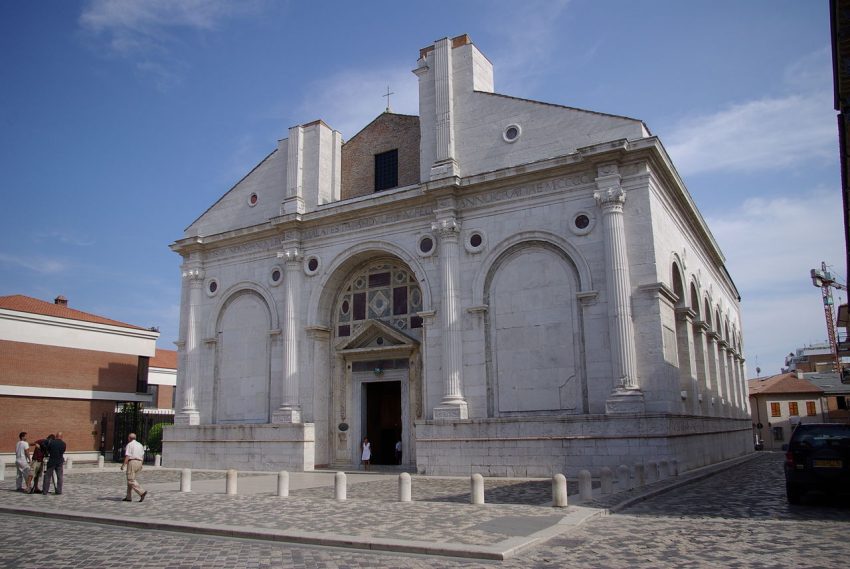
Tempio Malatestiano sits right in Rimini's historic centre, a short, easy stroll from the city's main squares and Roman landmarks. From the outside, it's the calm, pale façade that stops you in your tracks-Leon Battista Alberti's Renaissance vision wrapped around an older church, creating a building that feels both classical and quietly daring. It's one of the must-see places in Rimini, especially if you like your sightseeing to combine architecture, local history, and a sense of how ambitious city-states once were.
Step inside and the mood shifts from street-life to hush: chapels, reliefs, and artworks pull you into the Malatesta era, when Rimini was punching above its weight culturally. This spot is often visited on walking tours of Rimini because it's a natural “pause point” where the city's story becomes tangible-patronage, politics, faith, and art all sharing the same space in a way that feels surprisingly intimate.
Table of Contents
- History and Significance of the Tempio Malatestiano
- Things to See and Do in the Tempio Malatestiano
- How to Get to the Tempio Malatestiano
- Practical Tips on Visiting the Tempio Malatestiano
- Where to Stay close to the Tempio Malatestiano
- Is the Tempio Malatestiano Worth Visiting?
- For Different Travelers
- FAQs for Visiting Tempio Malatestiano
- Nearby Attractions to the Tempio Malatestiano
History and Significance of the Tempio Malatestiano
The Tempio Malatestiano is Rimini's most important Renaissance monument, commissioned in 1447 by Sigismondo Pandolfo Malatesta during a period when the city was thriving as a centre of art and learning. What makes it unusual is the scale of the ambition: this wasn't just a church upgrade, but a statement project-part devotional space, part dynastic showcase-meant to signal sophistication, power, and cultural confidence.
Leon Battista Alberti designed the exterior, bringing a new Renaissance language to Rimini with clean classical forms and a façade that feels like it belongs to a Roman monument as much as a Christian building. Inside, the decoration was shaped by Matteo de' Pasti and enriched by works and details that art lovers come specifically to see, including reliefs by Agostino di Duccio and major paintings associated with the period's most celebrated names.
The building also carries a visible “unfinished” chapter. Construction halted around 1460 as Sigismondo’s fortunes declined, and you can still sense where the original plan outpaced reality. Much later, in 1809, the church’s role shifted again when it was dedicated to St. Columba and elevated to cathedral status-another reminder that in Italy, the same walls often serve different eras without ever losing their personality.
Things to See and Do in the Tempio Malatestiano
Even if you’re not an architecture specialist, take a moment outside to read the façade as a piece of design: it’s measured, classical, and surprisingly modern in its restraint. The best experience is to do a slow approach-stand across the street, then move closer-so you notice how the proportions and details guide your eye rather than overwhelm it.
Inside, focus on the chapels and sculpted reliefs first, then work your way to the headline artworks. If you enjoy connecting art to its patrons, this is a particularly rewarding place, because the building itself is part of the story: what was commissioned, what was completed, and what was left behind all tell you something about the politics and pressures of the time.
Finally, give yourself five minutes to simply sit quietly. Churches like this are not only about what you see, but how the space feels-cooler air, softer sound, and that gentle sense of stepping out of modern pace. It’s the kind of stop that can reset your day before you head back to Rimini’s lively streets.
How to Get to the Tempio Malatestiano
If you're flying in, Federico Fellini International Airport (Rimini) is the closest, and from there it's a simple transfer into the centre by taxi or local bus. For the best deals and a seamless booking experience, check out these flights to Rimini on Booking.com. Bologna Airport is a common alternative with more routes, and it connects well onwards to Rimini by rail and coach. For the best deals and a seamless booking experience, check out these flights to Rimini on Booking.com.
Rimini Railway Station is an easy arrival point for visitors coming from Bologna, Ancona, or other cities along the Adriatic line, and from the station you can reach the cathedral area on foot or by a short local bus ride. Use Omnio to easily compare schedules, book train tickets, and find the best prices all in one place for a hassle-free journey across Italy. If you prefer buses, Rimini’s local network and regional coaches make it straightforward to get into the centre and finish the final stretch on foot.
Driving can work well if you’re staying outside the centre, but the historic core has restricted-traffic zones and limited parking, so it’s usually best to park on the edge and walk in. If you are looking to rent a car in Italy I recommend having a look at Discover Cars, first, as they compare prices and review multiple car rental agencies for you.
Practical Tips on Visiting the Tempio Malatestiano
- Entrance fee: Free
- Opening hours: Weekday hours: 8.30 am - 12.00 am; 3.30 pm - 6.30 pm Holiday Hours: 9.00 am - 1.00 pm; 3.30 pm - 7.00 pm
- Official website: https://www.diocesi.rimini.it/
- Best time to visit: Late morning on a weekday is a sweet spot for a calm visit, while early evening can feel especially atmospheric if you’re pairing it with a stroll through the old town.
- How long to spend: 30-60 minutes is ideal for a relaxed look at the architecture and key artworks without rushing.
- Accessibility: Expect a historic building with some uneven surfaces; most visitors can see the main interior comfortably, but step-free access may depend on the entrance in use.
- Facilities: Limited on-site facilities, but you’re surrounded by cafés, gelaterias, and amenities within a few minutes’ walk.
Where to Stay close to the Tempio Malatestiano
For the most convenient stay, choose somewhere in Rimini's historic centre so you can visit the Tempio Malatestiano early, return later when it's quieter, and explore the surrounding streets without relying on transport. A popular central choice is DuoMo hotel, well placed for walking routes that link the cathedral with the city’s main squares.
If you want easy train connections for day trips while still being close to the old town, Hotel Card International is a practical base near the station. For travellers who want a slightly more modern, comfortable feel while remaining well connected to central sights, Erbavoglio Hotel is another solid option.
Is the Tempio Malatestiano Worth Visiting?
Yes-especially if you enjoy places where architecture, art, and local identity are tightly interwoven. The Tempio Malatestiano isn't just “a nice church”; it's a defining Rimini landmark that tells you how the city saw itself during the Renaissance, and how one patron tried to leave a lasting cultural imprint.
It also fits neatly into a day of sightseeing because it's central, walkable, and pairs well with nearby Roman and medieval sites. Even a short visit adds depth to your time in Rimini, giving context that makes the rest of the historic centre feel more meaningful.
What Other Travellers Say...

Malatesta Temple on Via IV Novembre in Rimini is a striking Renaissance-era church rebuilt as a mausoleum for Sigismondo Pandolfo Malatesta: its marble triumphal-arch façade and arcade-like features give a Roman monument feel while the interior retains the Gothic Franciscan structure cloaked in a classical skin. Inside, visitors encounter chapels rich in reliefs, emblems and zodiac motifs, notable frescoes and paintings including a Crucifixion attributed to Giotto, ornate marble columns with carved details such as elephant bases and angels, and a relic of St Nicholas. The building can be especially impressive both outside and within; note that access may be restricted at times and a modest dress code is requested.


For Different Travelers
Families with Kids
For families, the key is making it a short, story-led visit rather than a long, detail-heavy one. Kids often respond well to the idea of a powerful local ruler commissioning a grand “statement building,” and you can turn the visit into a quick scavenger hunt for carvings, patterns, and chapels.
Pair it with something more active immediately after-like a walk to a nearby square for a snack-so the day stays balanced. If your children are sensitive to quiet indoor spaces, aim for a less busy time and keep the pace gentle.
Couples & Romantic Getaways
For couples, this is a lovely slow-travel stop: you can share the quiet atmosphere, take your time with the details, and then step straight back into the rhythm of the old town. It’s particularly good if you like building a day around walkable, characterful sights rather than scheduled attractions.
Consider visiting as part of an evening stroll, when the city feels calmer and you can follow it with an aperitivo nearby. The contrast between the serene interior and Rimini’s lively streets is part of what makes it memorable.
Budget Travelers
Budget travellers will appreciate that this is a high-impact cultural stop that doesn’t require much time or extra logistics. You can build an excellent self-guided route around it on foot, linking it with nearby landmarks and saving money on transport.
If you’re watching spending, treat the cathedral as your “anchor sight” and plan the rest of the day as a walking loop with low-cost breaks-espresso, a pastry, and people-watching in a nearby piazza-rather than paid activities.
FAQs for Visiting Tempio Malatestiano
Nearby Attractions to the Tempio Malatestiano
- Arco di Augusto: Rimini's iconic Roman arch and a natural companion stop for a quick “ancient to Renaissance” contrast.
- Piazza Cavour: The city's main historic square, great for atmosphere, architecture, and an easy café break.
- Castel Sismondo: A fortress linked to Rimini's medieval power, offering a dramatic change of pace from church interiors.
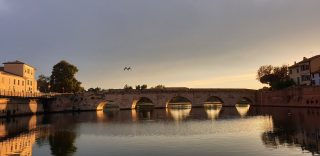
- Ponte di Tiberio: A remarkably preserved Roman bridge that's especially rewarding at sunset or when the water is calm.
- Domus del Chirurgo: An archaeological site with Roman remains that adds depth if you want more history beyond the headline monuments.
The Tempio Malatestiano appears in our Complete Guide to Visiting Rimini!

Moira & Andy
Hey! We're Moira & Andy. From hiking the Camino to trips around Europe in Bert our campervan — we've been traveling together since retirement in 2020!
This website uses affiliate links which may earn a commission at no additional cost to you!
Planning Your Visit
Weekday hours: 8.30 am – 12.00 am; 3.30 pm – 6.30 pm
Holiday Hours: 9.00 am – 1.00 pm; 3.30 pm – 7.00 pm
Free
Nearby Attractions
- Piazza Tre Martiri (0.1) km
Historic Site and Square - Arch of Augustus (0.3) km
Historic Site - Domus del Chirurgo (0.3) km
Historic Site - Palazzo Garampi (0.4) km
Palace - Piazza Cavour (0.4) km
Square - Palazzo del Fulgor (0.4) km
Museum - Museo della Città di Rimini (0.4) km
Historic Building and Museum - Rimini Roman Amphitheatre (0.4) km
Amphitheatre - Porta Montanara di Rimini (0.5) km
City Gate - Rimini Caput Viarum (0.5) km
Visitor Centre