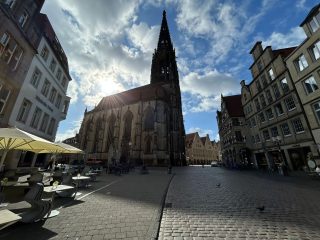
St. Annen Museum, Lübeck
Museum in Lübeck

The St. Annen Museum is one of the best places to visit in Lübeck if you want to dive deep into the city's religious, artistic, and everyday history in a single, atmospheric setting. Housed in a former Poor Clare convent dating back to the early 16th century, it combines cloisters, chapels, and vaulted corridors with a remarkable collection of medieval and Renaissance art. As you wander through its quiet courtyards and galleries, you move from richly painted altarpieces to sculpted figures and devotional objects that once stood in Lübeck's churches and homes.
What makes the museum especially memorable is the way the Gothic architecture and the collections echo each other. Altarpieces and sculptures are displayed in rooms that feel made for them, while small details in the brickwork, arches, and beams remind you that this was once a working convent. It is often visited on walking tours of Lübeck as a place where you can slow down, let your eyes adjust to the soft light, and really take in the craftsmanship and faith that shaped the Hanseatic city's visual culture.
Table of Contents
- History and Significance of the St. Annen Museum
- Things to See and Do in the St. Annen Museum
- How to Get to the St. Annen Museum
- Practical Tips on Visiting the St. Annen Museum
- Where to Stay close to the St. Annen Museum
- Is the St. Annen Museum Worth Visiting?
- FAQs for Visiting the St. Annen Museum
- Nearby Attractions to the St. Annen Museum
History and Significance of the St. Annen Museum
The St. Annen complex began life in the early 16th century as a convent for the Poor Clares, an order known for its contemplative, enclosed lifestyle and dedication to prayer and simplicity. The convent's Gothic architecture, from its cloisters to its vaulted ceilings, was designed to support this rhythm of life, providing quiet spaces for worship, work, and reflection. Even after the Reformation and the gradual decline of monastic life in Lübeck, the buildings remained an important part of the city's religious and architectural landscape.
In time, the convent buildings were repurposed and eventually transformed into a museum, allowing Lübeck to preserve both the structure and its growing collection of religious and historical artworks. This decision turned St. Annen into a kind of memory palace for the city, gathering altarpieces, sculptures, and objects from churches and institutions that might otherwise have been lost or dispersed. The result is a collection that not only displays beautiful pieces, but also tells a coherent story about the faith and artistic expression of the Hanseatic period.
Today, the St. Annen Museum is a cornerstone of Lübeck's cultural identity. It offers an unparalleled window into how the city saw itself and its place in the world, from the grandeur of multi-panel altars to the intimate detail of small devotional carvings and everyday objects. The museum's setting within the convent adds an extra layer of meaning, letting visitors experience the artworks in spaces that still carry the quiet, contemplative atmosphere of their original context.
Things to See and Do in the St. Annen Museum
A visit to the St. Annen Museum usually begins in the former convent's cloisters, where brick arcades and small garden spaces set the tone for a slower, reflective pace. From there, you move into galleries that house one of northern Germany's most important collections of medieval and Renaissance religious art. The highlight for many is the St. Annen Altar, a late Gothic polyptych whose vivid colours, intricate figures, and carefully crafted narrative scenes reward close, patient looking.
Beyond the famous altar, the museum’s rooms are filled with altarpieces, sculptures, and paintings that once stood in Lübeck’s churches and chapels. Here you can trace how styles and themes evolved over time, from earlier Gothic forms to more expressive Renaissance works. Look out for carved wooden figures that still carry traces of their original paint, or for panels where the faces, fabrics, and landscapes show the growing sophistication of Lübeck’s artists and patrons.
The museum also opens a window on everyday life through its decorative arts collections. Textiles, metalwork, household items, and small devotional objects reveal how faith and status expressed themselves in the home as well as in church. Exhibits are often arranged to highlight connections between trade, craftsmanship, and social structures, showing how Lübeck’s wealth as a Hanseatic city translated into rich artistic production. As you move through the convent’s chapels and vaulted rooms, you can enjoy the interplay between architecture and object, each enhancing the other.
How to Get to the St. Annen Museum
Most visitors from abroad will arrive via Hamburg Airport (HAM), which offers frequent European and some long-haul connections; from there, Lübeck is around an hour away by onward train or car, making it an easy cultural side trip. For the best deals and a seamless booking experience, check out these flights to Lübeck on Booking.com.
From Hamburg, regular regional trains run to Lübeck Hauptbahnhof in roughly 45-60 minutes; from the station, it's about a 15-20 minute walk through the Old Town to the St. Annen Museum, or you can take a short bus ride towards stops near the southern part of the historic centre. Train schedules and bookings can be found on Omio.
Intercity and regional buses also serve Lübeck from other northern German cities, usually arriving near the main station or bus terminals close to the Old Town, from where you can walk through cobbled streets and past churches to reach the museum.
If you are travelling by car, follow the A1 motorway to Lübeck and then signs for Lübeck-Zentrum and the Altstadt; park in one of the central car parks and continue on foot, heading towards the southern Old Town where the St. Annen Museum lies only a few minutes' walk from Lübeck Cathedral and other nearby landmarks. If you are looking to rent a car in Germany I recommend having a look at Discover Cars, first, as they compare prices and review multiple car rental agencies for you.
Practical Tips on Visiting the St. Annen Museum
- Suggested tips: Give yourself enough time to wander slowly; the detail in the altarpieces and the convent architecture rewards unhurried exploration.
- Best time to visit: Late morning or early afternoon is ideal, when the natural light in the cloisters and galleries is at its best and the museum is usually calm.
- Entrance fee: Lübeck Day Pass is available at €12 for a single day or €16 for two consecutive days.
- Opening hours: Tuesday to Sunday, 10:00 AM to 5:00 PM
- Official website: https://st-annen-museum.de/english-information
- How long to spend: Plan on 1.5-2 hours to explore the main collections and convent spaces, longer if you are particularly interested in medieval art or a temporary exhibition.
- Accessibility: Some areas involve stairs and uneven floors due to the historic building, but key galleries are usually accessible; check accessibility information in advance if needed.
- Facilities: Toilets, cloakroom areas, and often a small shop or information point are available on site, with cafés and restaurants a short walk away in the Old Town.
- Photography tip: Look for angles that combine altarpieces or sculptures with Gothic arches or vaulted ceilings to capture both art and architecture in a single frame; respect any restrictions on flash.
- Guided tours: Guided or audio tours can greatly enrich your understanding of the collections, especially the major altarpieces and the convent’s history.
- Nearby food options: The surrounding streets offer cafés and restaurants where you can reflect on what you’ve seen over coffee, cake, or a light meal.
Where to Stay close to the St. Annen Museum
Staying in the southern part of Lübeck's Old Town puts you very close to the St. Annen Museum as well as to Lübeck Cathedral and the Mühlenteich. A convenient choice is Hotel an der Marienkirche, which offers a central base within walking distance of both the museum and the main market square. For a boutique-style stay with a quiet, slightly tucked-away feel, Hotel Die Reederin combines characterful interiors with easy access to the southern Old Town. If you prefer a more contemporary hotel close to shops and major churches, Motel One Lübeck provides modern comfort while keeping the St. Annen Museum within a pleasant stroll.
Is the St. Annen Museum Worth Visiting?
The St. Annen Museum is absolutely worth visiting, especially if you are interested in medieval and Renaissance art or in understanding Lübeck beyond its famous gates and skyline views. Few places bring together such a strong combination of setting and collection: Gothic convent architecture, major altarpieces, expressive sculptures, and carefully curated decorative arts all come together to tell a rich story. It is not just a gallery of beautiful objects, but a window into how people believed, worked, and lived in a Hanseatic city.
For many travelers, the museum becomes a highlight because it offers a quieter, more introspective experience than some of Lübeck's busier sights. Moving through its cloisters and chapels, you get a sense of continuity between the nuns who once lived there and the artworks that now fill the rooms. If you enjoy places where history feels close and tangible, the St. Annen Museum deserves a firm place on your Lübeck itinerary.
What Other Travellers Say...

Museumsquartier St. Annen, at St.-Annen-Straße 15 in Lübeck, presents medieval religious art in a 15th‑century Gothic monastery setting alongside contemporary photography and modern exhibits; the historic cloister houses an extensive collection of medieval sculpture, altarpieces and religious artifacts on the ground floor, while the upper rooms offer a larger, sometimes maze‑like display that can take hours to explore. Visitors note the museum is larger than it appears, with clear English labels, a modern building for contemporary works, a café, shop and clean facilities, and friendly staff.


FAQs for Visiting the St. Annen Museum
Nearby Attractions to the St. Annen Museum
- Lübeck Cathedral (Lübecker Dom) - A Romanesque-Gothic cathedral with a peaceful setting and important artworks, just a short walk away.
- Mühlenteich - A tranquil lake near the southern Old Town, offering waterside paths and views back towards the cathedral and historic streets.
- Heiligen-Geist-Hospital - A former medieval hospital and almshouse that illustrates Lübeck's long tradition of social care and Brick Gothic architecture.
- Old Market Square (Marktplatz) - The lively heart of the Old Town, framed by the Town Hall and merchant houses, perfect for cafés and people-watching.
- Schiffergesellschaft - The historic sailors' guild house, now an atmospheric restaurant where Lübeck's maritime heritage and traditional cuisine meet.
The St. Annen Museum appears in our Complete Guide to Visiting Lübeck!

Moira & Andy
Hey! We're Moira & Andy. From hiking the Camino to trips around Europe in Bert our campervan — we've been traveling together since retirement in 2020!
This website uses affiliate links which may earn a commission at no additional cost to you!
Planning Your Visit
Tuesday to Sunday, 10:00 AM to 5:00 PM
Lübeck Day Pass is available at €12 for a single day or €16 for two consecutive days.
Nearby Attractions
- Half-Tower (Halbenturm) in Lübeck (0.1) km
Historic Building - Lübeck Cathedral (Lübecker Dom) (0.3) km
Cathedral - Café Niederegger (0.5) km
Historic Building - Lübeck Town Hall (0.5) km
Town Hall - Lübeck’s Old Market Square (Marktplatz) (0.5) km
Market - St. Peter’s Church (St. Petri-Kirche) (0.5) km
Church - Devil Statue at St. Marien-Kirche (0.6) km
Sculpture - St. Marien-Kirche (0.6) km
Church - Salzspeicher (0.7) km
Historic Building - Holstentor (0.7) km
City Gate