Segedunum, Newcastle upon Tyne
Roman Site in Newcastle upon Tyne
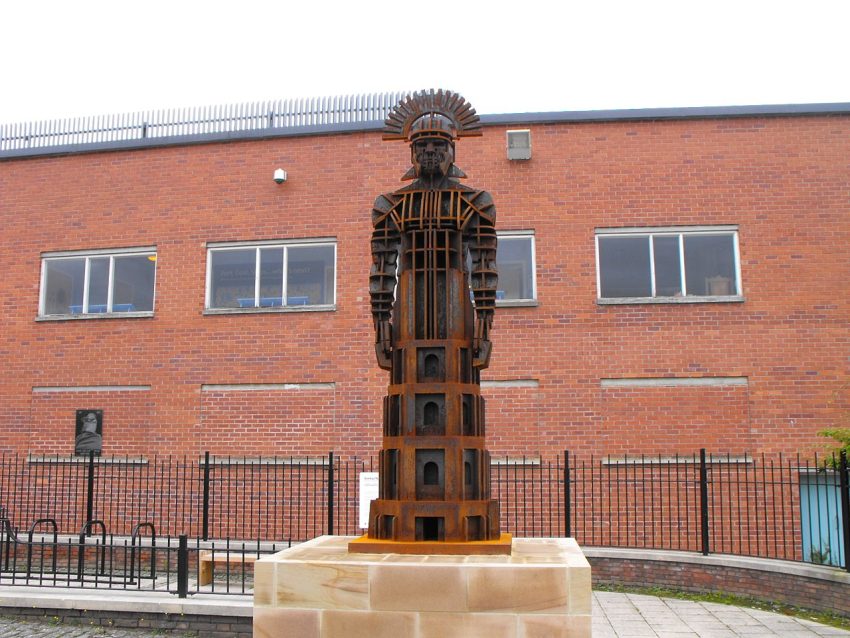
At the eastern end of Hadrians Wall, Segedunum Roman Fort in Wallsend offers one of the most vivid windows into life on the Roman frontier. Built around AD 127, about five years after the main construction of the Wall began, it guarded the point where the frontier finally met the River Tyne, replacing the earlier terminus at Pons Aelius in what is now central Newcastle. Today, its excavated foundations, reconstructed bathhouse, museum and 35-metre viewing tower make it one of the must-see places in Newcastle upon Tyne for anyone interested in Roman history.
Segedunum was an active garrison for roughly 300 years, until around AD 400, and walking the site you can almost feel the layers of routine, boredom and occasional tension that defined life for soldiers at the very edge of the empire. From the top of the tower you get a superb overview of the fort's layout, the line of the Wall and the surrounding modern landscape, while the reconstructed bathhouse with its steaming pools and frescoed walls lets you step into the rhythms of Roman daily life. It is often visited on walking tours of Newcastle upon Tyne and the Tyne Valley, especially by those tracing Hadrians Wall from end to end.
Table of Contents
- History and Significance of the Segedunum Roman Fort
- Things to See and Do in the Segedunum Roman Fort
- How to Get to the Segedunum Roman Fort
- Practical Tips on Visiting the Segedunum Roman Fort
- Where to Stay close to the Segedunum Roman Fort
- Is the Segedunum Roman Fort Worth Visiting?
- FAQs for Visiting Segedunum Roman Fort
- Nearby Attractions to the Segedunum Roman Fort
History and Significance of the Segedunum Roman Fort
Segedunum was built in AD 127 as part of a second phase of construction on Hadrians Wall, extending the frontier line eastwards from the earlier terminus at Pons Aelius. Its name is usually translated as something like “strong place” or “victory fort”, a fitting title for a garrison tasked with guarding the point where land, wall and river met. For around three centuries, up to about AD 400, soldiers from different auxiliary units were stationed here, policing movement, monitoring the river and supporting the wider frontier system.
The fort's position at the extreme eastern end of the Wall gives it special significance. While the Wall is often imagined running straight from coast to coast, in reality its terminus shifted over time as the military situation and strategic thinking evolved. Segedunum represents the culmination of that process, an anchor point where the Wall's linear defences met the natural barrier and transport route of the Tyne. From here, troops and supplies could move inland or seaward, and the fort became a key node in the wider network of roads and forts across Roman Britain.
What makes Segedunum particularly important today is how thoroughly it has been excavated and interpreted. Industrial development once covered much of the site, but as those buildings disappeared archaeologists were able to uncover fort structures in remarkable detail. The result is a place where you can clearly read the outlines of barracks, headquarters and defences on the ground, complementing the reconstructed bathhouse and museum displays. Together, they make Segedunum one of the most informative and accessible Roman forts on Hadrians Wall.
Things to See and Do in the Segedunum Roman Fort
The 35-metre viewing tower is the perfect place to start a visit. From the top, large windows and interpretive panels help you see how the fort was laid out, where Hadrians Wall ran and how the modern town of Wallsend has grown around it. It is one of the best vantage points anywhere along the Wall for understanding the relationship between fort, frontier and landscape.
Down at ground level, you can walk along paths that trace the outlines of the fort’s buildings, using plans and signage to imagine the barracks blocks, headquarters, granaries and defences that once filled this compact space. Even though only the foundations remain, the regular Roman geometry and the sense of order are still very clear. It is easy to picture the steady rhythm of soldiers’ lives here, from drill and patrols to meal times and guard duty.
One of the highlights is the reconstructed Roman bathhouse, built at full scale based on archaeological evidence. Stepping inside, you move through sequences of hot and cold rooms, with steaming pools, painted frescos and details that evoke the smells and sounds of bathing rituals that were central to Roman social life. The museum itself rounds out the experience with artefacts, models and interactive displays that explore everything from military equipment to everyday objects, giving a human face to the soldiers and civilians who lived around the fort.
How to Get to the Segedunum Roman Fort
If you are arriving from further afield, the nearest major gateway is Newcastle International Airport, which has regular domestic and European flights and good public transport connections into the city. For the best deals and a seamless booking experience, check out these flights to Newcastle upon Tyne on Booking.com. From the airport you can take the Metro into central Newcastle and then continue eastwards towards Wallsend on the same system.
By train, most long-distance services bring you into Newcastle Central Station, a major stop on the East Coast Main Line.Train schedules and bookings can be found on Omio. From there, the simplest option is usually to transfer to the Tyne and Wear Metro and ride out to Wallsend station, which is a short walk from Segedunum. Buses also run between central Newcastle and Wallsend, offering an alternative for those who prefer to stay above ground.
If you choose to drive, follow signs from the A19 or A1058 towards Wallsend and Hadrians Wall, where local signs will guide you to Segedunum’s car park. Once parked, everything on site is within easy walking distance, and you can combine your visit with a stroll through the town or along local walking routes that pick up the line of the ancient frontier.
Practical Tips on Visiting the Segedunum Roman Fort
- Suggested tips: Start your visit in the viewing tower to get an overview of the fort’s layout, then move on to the outdoor remains before finishing in the reconstructed bathhouse and museum.
- Best time to visit: Spring and summer offer the most pleasant conditions for exploring the outdoor sections of the fort, but the museum and bathhouse make Segedunum a good option year-round, even on rainy days.
- Entrance fee: Adults: £7.75
- Opening hours: 10am-5pm Jun–mid-Sep, to 4pm Easter-May & mid-Sep–early Nov, to 2.30pm Mon-Fri early Nov-Easter
- Official website: https://segedunumromanfort.org.uk/
- How long to spend: Allow at least 2-3 hours to climb the tower, explore the fort remains, visit the bathhouse and browse the museum without rushing.
- Accessibility: The museum and viewing tower have step-free access via lifts, but some of the outdoor fort remains involve uneven ground; check ahead if you have specific mobility needs.
- Facilities: On site you will find toilets, a small shop and usually a café or refreshment options, with additional services available in nearby Wallsend.
- Photography tip: Capture wide shots from the tower to show the full fort outline, then move in for details in the bathhouse, such as frescos and architectural features that bring Roman daily life to life.
- Guided tours: Look out for guided tours, talks or living history events, which can add extra colour to the site and help you interpret what you are seeing on the ground.
- Nearby food options: Wallsend has a selection of cafés, pubs and takeaways within walking distance, ideal for a pre- or post-visit meal or snack.
Where to Stay close to the Segedunum Roman Fort
While Wallsend itself has limited accommodation, staying in Newcastle gives you plenty of options within easy reach of Segedunum by Metro or car. A convenient base near the river is INNSiDE by Meliá Newcastle, which combines modern rooms with quick access to transport links heading east. If you prefer to be close to Newcastle Central Station for trains and Metro connections, Hampton by Hilton Newcastle offers contemporary comfort just a short walk from platforms and city-centre attractions. For something more traditional, Royal Station Hotel provides classic character and an easy jump-off point for day trips along Hadrians Wall, including Segedunum.
Is the Segedunum Roman Fort Worth Visiting?
If you are interested in Hadrians Wall or Roman Britain, Segedunum is absolutely worth the journey to Wallsend. Its position at the eastern end of the Wall, combined with the thorough excavation of the fort, the reconstructed bathhouse and the commanding views from the tower, make it one of the most informative and engaging Roman sites in the region. Even if you have already visited forts further west, Segedunum offers a different perspective on how the frontier functioned where land meets river, and it slots neatly into a wider exploration of Newcastle, the Tyne and the Wall's many stories.
What Other Travellers Say...

Segedunum Roman Fort & Museum on Buddle Street in Wallsend offers an interactive museum and access to the excavated Roman fort and Hadrian's Wall remains, with a 35‑metre viewing tower and a platform overlooking the site; visitors praise clear galleries, engaging hands‑on activities, friendly staff and easy access from the nearby metro, while noting parts of the site and some exhibits have been temporarily closed or under renovation, and some find exterior maintenance, signage and interpretation could be improved.


FAQs for Visiting Segedunum Roman Fort
Nearby Attractions to the Segedunum Roman Fort
- The Quayside Newcastle and Gateshead: Head back towards the city for riverside walks, Tyne Bridge views and a mix of historic buildings and modern bars and restaurants.
- Great North Museum Hancock: Explore natural history, Ancient Egypt and an excellent Hadrians Wall gallery that adds context to what you have seen at Segedunum.
- Newcastle Castle: Discover the medieval fortress that gave Newcastle its name, with atmospheric interiors and rooftop views of the city and river.
- Victoria Tunnel: Take a guided tour through this 19th-century coal waggonway turned Second World War air-raid shelter beneath the streets of Newcastle.
- Arbeia Roman Fort South Shields: Visit this reconstructed supply fort further down the Tyne to see another side of the frontier system that supported Hadrians Wall and the coastal defences.
The Segedunum appears in our Complete Guide to Visiting Newcastle upon Tyne!

Moira & Andy
Hey! We're Moira & Andy. From hiking the Camino to trips around Europe in Bert our campervan — we've been traveling together since retirement in 2020!
This website uses affiliate links which may earn a commission at no additional cost to you!
Planning Your Visit
10am-5pm Jun-mid-Sep, to 4pm Easter-May & mid-Sep-early Nov, to 2.30pm Mon-Fri early Nov-Easter
Adults: £7.75
Nearby Attractions
- Jarrow Hall Anglo-Saxon Farm Village and Bede (3.7) km
Museum - Jesmond Dene Park (3.8) km
Park - Seven Stories – The Centre for Children's Books (4.2) km
Museum - Victoria Tunnel (4.2) km
Tunnel - Biscuit Factory (4.4) km
Gallery - BALTIC – Centre for Contemporary Art (4.8) km
Gallery - Sage Gateshead (5.1) km
Arts Venue - Laing Art Gallery (5.2) km
Gallery - Great North Museum: Hancock (5.3) km
Museum - The Tyne Bridges (5.3) km
Bridge