The Quayside, Newcastle upon Tyne
Area in Newcastle upon Tyne
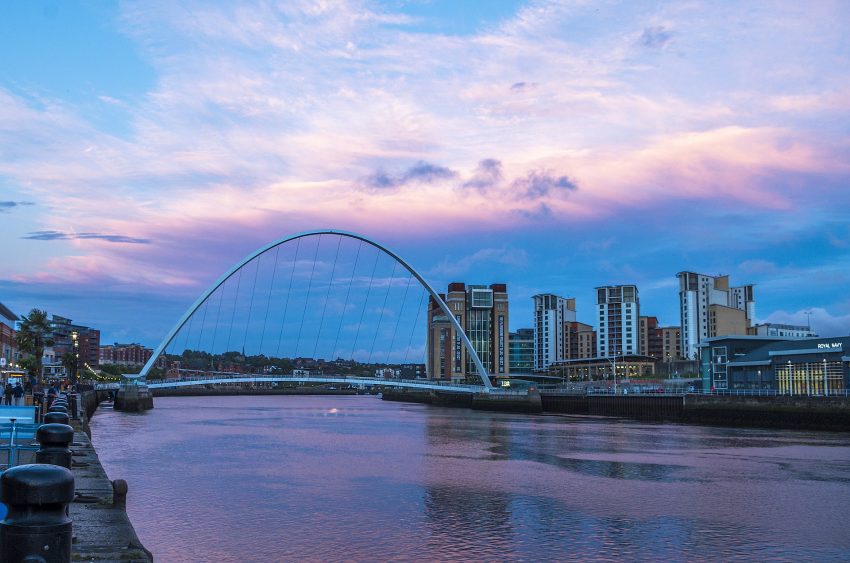
The Quayside in Newcastle upon Tyne is the city's riverside district, stretching along both banks of the River Tyne between Newcastle and Gateshead. It combines former dockside streets, restored merchant buildings, and modern riverfront developments in one walkable area. Visitors can move between Sandhill, the bridge crossings, and the open promenade along the water, with views constantly changing as you cross from one bank to the other.
The Quayside matters because it brings together the city's working past and its present-day leisure use in a single stretch of waterfront. People come here for the river views, the older buildings around Sandhill, the public spaces near the bridges, and the cafés and bars that line the promenade. It works well for visitors who want an easy walk, a place to sit by the river, or a clear sense of how Newcastle's waterfront has changed over time.
History and Significance of Newcastle Quayside
For much of Newcastle's history, The Quayside was the city's beating commercial heart. Ships once crowded the river here, loading and unloading goods that tied Tyneside into wider networks of trade. Coal from inland mines was ferried down to the river via the Victoria Tunnel, a remarkable 2.5-mile underground waggonway running from the Town Moor to the Tyne, before being shipped out around the country and beyond. The sounds, smells and bustle of a working port would have dominated this riverfront for generations.
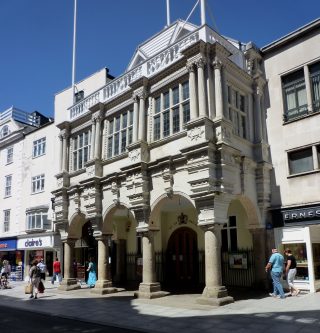
Sandhill, one of the most historic stretches of The Quayside, reveals that older world in its surviving buildings. The Guildhall, built in 1658, and the Merchants' Court remind you that this was once a place of civic power and merchant wealth, where deals were struck and local governance played out. Nearby, Bessie Surtees House preserves two merchants' houses from the 16th and 17th centuries, their beautifully restored timber-and-brick façade a rare survivor of Newcastle's earlier streetscape and a vivid reminder of the people who once lived and worked here.
As Newcastle's traditional industries declined in the 20th century, The Quayside fell quiet, with many warehouses and factories becoming underused or derelict. The late 20th and early 21st centuries brought a new wave of investment and imagination, transforming the area into a mixed-use waterfront district. Former industrial buildings like the Baltic Flour Mill and Hoults Yard pottery have been reinvented as cultural and creative spaces, while new bars, hotels and apartment buildings have grown up alongside them. Today The Quayside stands as a symbol of Tyneside's ability to reinvent itself while still honouring its working past.
Things to See and Do in Newcastle Quayside
One of the simplest pleasures of The Quayside is just walking along the river, soaking up views of the Tyne Bridges and watching how the light and reflections change through the day. You can start near the Swing Bridge or Tyne Bridge and follow the riverside paths on both the Newcastle and Gateshead banks, stopping to admire the engineering details of each crossing and the way the skyline shifts around every bend. Early mornings and evenings are especially atmospheric, when the water is calmer and the bridges and buildings begin to glow.
History lovers will want to explore Sandhill and its landmarks in more detail. The Guildhall and Merchants' Court anchor this stretch of the riverfront, while the carefully restored Bessie Surtees House offers a glimpse into merchant life in the 16th and 17th centuries. Its Jacobean façade, mullioned windows and timber detail stand out amid the more modern buildings and tell their own quieter story of domestic life above the bustling quays below. It is easy to picture the narrow streets once crowded with traders and sailors from all over the world.
On the Gateshead side, the towering Baltic Flour Mill has been reborn as a contemporary art centre, while Hoults Yard further along the river has shifted from pottery works to creative hub, echoing the broader transformation of the whole waterfront from industry to culture. Between the bridges you will find markets on certain days, public art, and a long run of bars, cafés and restaurants that make The Quayside a favourite for brunch, drinks or dinner with a view. Whether you are here for a quiet daytime wander or a livelier evening out, there is always another corner to discover.
How to Get to Newcastle Quayside
If you are coming from further afield, Newcastle International Airport is your main gateway, with regular flights from other UK cities and parts of Europe and an easy Metro link into the city centre. For the best deals and a seamless booking experience, check out these flights to Newcastle upon Tyne on Booking.com. From the airport, you can ride the Metro to Central Station, Monument or Gateshead and then either walk downhill or hop on a local bus to reach the riverfront.
By train, head to Newcastle Central Station, which sits on the East Coast Main Line and is well connected to London, Edinburgh and many other major cities.Train schedules and bookings can be found on Omio. From the station it is a straightforward 10-15 minute walk down to The Quayside, following signs or maps towards the river; if you prefer, local buses and occasional QuayLink services can drop you closer to the waterfront. Coach services also arrive near the city centre, making it simple to combine a river walk with a day trip by bus.
If you choose to drive, follow signs into Newcastle or Gateshead and then towards The Quayside, where you will find multi-storey and surface car parks on both banks of the Tyne. Once you have parked, the best way to enjoy the area is very much on foot, allowing you to wander freely between bridges, dip into side streets and pause wherever the views catch your eye.
Practical Tips on Visiting Newcastle Quayside
- Suggested tips: Plan a loop that takes in both sides of the river so you can see The Quayside and the bridges from multiple angles, and bring a light jacket as the wind can pick up along the water even on sunny days.
- Best time to visit: Late afternoon into evening is ideal, when you can enjoy a daylight stroll, sunset over the Tyne and the night-time glow of bars, restaurants and the illuminated bridges.
- Entrance fee: Free
- Opening hours: 24 Hours
- How long to spend: Allow at least 1-2 hours for a relaxed walk, photos and a drink by the river, or half a day if you plan to visit galleries, markets and historic buildings along the way.
- Accessibility: Much of The Quayside is step-free with paved paths, though some inclines, cobbles and older buildings may be challenging; look for ramps and lifts around newer developments and bridges.
- Facilities: You will find plenty of toilets, benches, bars, cafés and restaurants on both sides of the river, making it easy to break your walk into short sections.
- Photography tip: For classic views, shoot along the curve of the river with multiple bridges in frame, and experiment with reflections on the water at dawn or dusk when the light is softer.
- Guided tours: Consider joining a guided walking tour focusing on The Quayside and bridges to hear stories about coal exports, the Victoria Tunnel, merchant houses and modern regeneration that you might otherwise miss.
- Nearby food options: From casual coffee spots and street food stalls to smart restaurants with upstairs river views, you will find a good range of places to eat and drink scattered along the Newcastle and Gateshead banks.
Where to Stay close to Newcastle Quayside
Staying near The Quayside lets you enjoy the river at its quietest times, from early-morning misty views to late-night reflections of the bridges. On the Newcastle side, Malmaison Newcastle offers stylish rooms right on the waterfront, ideal if you like to step straight out onto the promenade. Across the river, Hilton Newcastle Gateshead sits just above the Tyne Bridge with sweeping views over The Quayside and easy access to both banks via nearby crossings. For a more contemporary feel, INNSiDE by Meliá Newcastle combines modern design with river-facing rooms and a convenient location between the bridges and the city centre.
Is Newcastle Quayside Worth Visiting
If you want to understand Newcastle and Gateshead, The Quayside is an easy yes. It is where the area's industrial past, maritime story and modern cultural scene all collide, and you can feel that history under your feet as you wander past old guildhalls, merchant houses and repurposed mills. At the same time it is an incredibly liveable, sociable space, with locals using it for runs, dog walks, nights out and lazy weekend brunches. Whether you are in the city for a few hours or a few days, a riverside walk here will leave you with some of your strongest memories of Tyneside.
What Other Travellers Say...
Quayside Sunday Market sits on the riverside in Newcastle upon Tyne and offers a lively weekly bazaar of street food, produce and sweets alongside small artisanal and secondhand stalls; visitors praise the wide food choices, friendly long-standing traders (including a leather smith), good finds like affordable leather pouches and paintings, and a pleasant setting for a morning or afternoon out, though some stall layouts can obstruct bus access at times.


FAQs for Visiting Newcastle Quayside
The The Quayside appears in our Complete Guide to Visiting Newcastle upon Tyne!

Moira & Andy
Hey! We're Moira & Andy. From hiking the Camino to trips around Europe in Bert our campervan — we've been traveling together since retirement in 2020!
This website uses affiliate links which may earn a commission at no additional cost to you!
Planning Your Visit
24 Hours
Free
Nearby Attractions
- Newcastle Castle (0.1) km
Castle - Pons Aelius (0.2) km
Roman Site - Bessie Surtees House (0.2) km
Historic Building - The Tyne Bridges (0.3) km
Bridge - St Nicholas Cathedral (0.3) km
Cathedral - Literary and Philosophical Society of Newcastle upon Tyne (0.3) km
Historic Building - Sage Gateshead (0.5) km
Arts Venue - Theatre Royal (0.6) km
Theatre - Edwardian Central Arcade (0.6) km
Historic Site - Grainger Market (0.6) km
Market