San Giacomo dall'Orio, Venice
Church in Venice
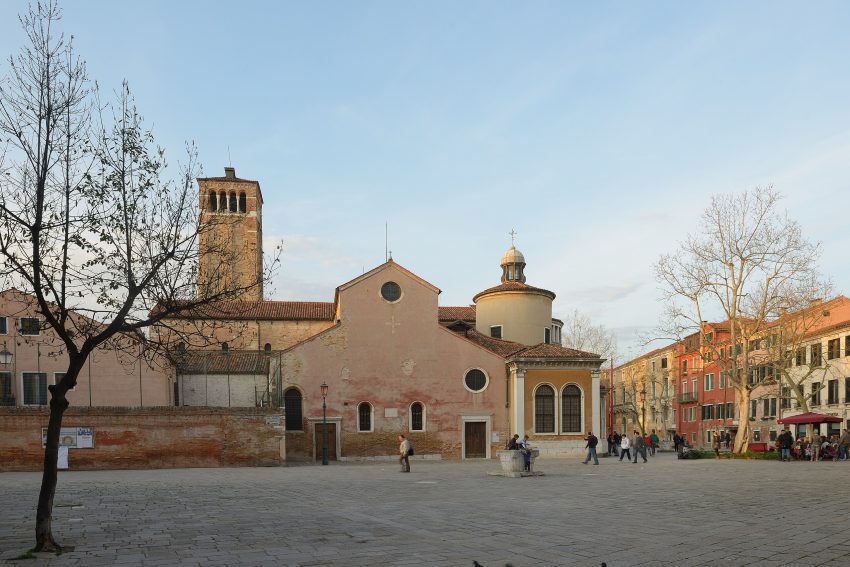
Tucked into the Santa Croce sestiere, Chiesa di San Giacomo dall'Orio is the kind of Venice landmark you find by wandering rather than ticking boxes. It sits beside Campo San Giacomo dell'Orio, a genuinely local-feeling square where kids play, neighbours pause for a chat, and Venice feels less like a stage set and more like a living city.
Inside, the mood shifts immediately: warm timber, soft light, and a sense of age that feels earned rather than curated. If you're building a walking tour of Venice that balances icons with quieter corners, this church is one of the must-see places in Venice for anyone who likes art, architecture, and authentic neighbourhood atmosphere.
Table of Contents
- History and Significance of the Chiesa di San Giacomo dall’Orio
- Things to See and Do in the Chiesa di San Giacomo dall’Orio
- How to Get to the Chiesa di San Giacomo dall’Orio
- Practical Tips on Visiting the Chiesa di San Giacomo dall’Orio
- Where to Stay Close to the Chiesa di San Giacomo dall’Orio
- Is the Chiesa di San Giacomo dall’Orio Worth Visiting?
- For Different Travelers
- FAQs for Visiting Chiesa di San Giacomo dall’Orio
- Nearby Attractions to the Chiesa di San Giacomo dall’Orio
History and Significance of the Chiesa di San Giacomo dall’Orio
Founded in the 9th century and rebuilt in 1225, San Giacomo dall'Orio is one of Venice's oldest parish churches, shaped by centuries of practical rebuilding rather than a single grand “finished” design. The campanile dates from the medieval phase, and later renovations, including a major 16th-century intervention, layered new tastes onto an already ancient footprint.
One of the church's most distinctive features is its ship-keel roof, a dramatic wooden structure that gives the interior a warm, almost maritime character. Add in columns brought back from the Fourth Crusade, and you get a space that quietly tells the story of Venice as a trading power, a crossroads of cultures, and a city that recycled history into everyday life.
This is also a true parish church, not a museum in disguise, and it has long been part of the neighbourhood’s rhythm. Giambattista Pittoni, an important Venetian painter, was buried here in 1767, which adds a personal, local art-history thread to a building already packed with visual interest.
Things to See and Do in the Chiesa di San Giacomo dall’Orio
Start by simply looking up. The wooden ceiling is the headliner, and it changes the acoustics and atmosphere in a way you feel more than you analyse. Move slowly through the space and notice how the church opens and shifts, with chapels and altars revealing themselves gradually rather than presenting one big “wow” moment at the door.
Art lovers should keep an eye out for major Renaissance and late-Renaissance works associated with the church, including altarpieces and paintings that reward a second look once your eyes adjust to the softer interior light. If you enjoy the quieter side of Venice’s art scene, this is a satisfying place to linger without the pressure of constant crowds.
Before you leave, step back out into the campo and take a minute to absorb the setting. This square is part of the experience: it’s an ideal spot for a short pause, a quick coffee nearby, and a reset before you dive back toward the Grand Canal and the busier routes.
How to Get to the Chiesa di San Giacomo dall’Orio
San Giacomo dall'Orio is in Santa Croce, a little inland from the Grand Canal and easiest to reach by a mix of vaporetto plus a short walk through backstreets. The nearest airports are Venice Marco Polo (VCE) and Treviso (TSF), both with bus and shuttle links into Venice via Piazzale Roma. For the best deals and a seamless booking experience, check out these flights to Venice on Booking.com.
From Venezia Santa Lucia train station, you can walk in around 15-20 minutes depending on your route, or take a vaporetto along the Grand Canal and then walk in from the nearest stop. Use Omnio to easily compare schedules, book train tickets, and find the best prices all in one place for a hassle-free journey across Italy..
Useful vaporetto stops for this area include Riva di Biasio and San Stae on the Grand Canal, both followed by a short, map-friendly walk to Campo San Giacomo dell’Orio.
If you’re arriving by bus, you’ll come into Piazzale Roma and can either walk from there or take a quick vaporetto hop before cutting inland. If you’re travelling by car, park at Piazzale Roma or Tronchetto and continue on foot or by vaporetto, as cars do not enter Venice’s historic centre. If you are looking to rent a car in Italy I recommend having a look at Discover Cars, first, as they compare prices and review multiple car rental agencies for you.
Practical Tips on Visiting the Chiesa di San Giacomo dall’Orio
- Entrance fee: Adult: €3.50 (single church ticket) or Chorus Pass €15.00 (reduced €10.00; family €30.00).
- Opening hours: Monday – Saturday: 10:30–17:00. Closed on Sunday (except for services).
- Official website: https://chorusvenezia.org/en/visita/church-of-san-giacomo-dallorio/
- Best time to visit: Go mid-morning for the best balance of open doors and calmer interiors, or in late afternoon when the campo outside feels especially local and relaxed.
- How long to spend: 30-60 minutes works well for most visitors, with extra time if you like reading the space slowly and focusing on the ceiling and key artworks.
- Accessibility: Venice’s bridges and uneven paving are the main obstacles, so plan the most direct route from a Grand Canal vaporetto stop and allow a little extra time for navigation.
- Facilities: Treat this as a quiet, respectful church visit rather than a full-service museum stop, and plan your restrooms and longer breaks around cafés and bars near the campo.
Where to Stay Close to the Chiesa di San Giacomo dall’Orio
For a culture-heavy itinerary, base yourself in Santa Croce or San Polo for easy walks to major sights without living in the busiest part of San Marco.
If you want to stay right in the neighbourhood atmosphere, Hotel Aquarius Venice puts you steps from the campo and makes early and late walks feel effortless. For a classic Venetian feel with strong access to vaporetto links on the Grand Canal, Hotel Al Ponte Mocenigo is a smart base that keeps you well connected without feeling hectic. If you like a more polished boutique stay that still feels authentically Venetian, Santa Croce Boutique Hotel offers a quieter, elegant setting while staying within easy reach of the same district.
Is the Chiesa di San Giacomo dall’Orio Worth Visiting?
Yes, especially if you want Venice at a human scale. The combination of the ship-keel wooden roof, the layered medieval-to-Renaissance history, and the calm local square outside makes this a memorable stop that feels distinct from the city's headline attractions.
It is also a rewarding “between sights” visit: you can fold it into a broader Santa Croce and San Polo wander, and it often becomes one of those places people remember precisely because it was unhurried.
What Other Travellers Say...

Chiesa di San Giacomo di Rialto sits on Campo San Giacomo beside the Rialto Bridge and is celebrated by locals as one of Venice's oldest churches; its compact Gothic façade features a distinctive 15th‑century clock and an elegant Gothic portico, and the interior houses a museum of musical instruments with rare stringed pieces and a striking black marble altar. The small square around the church is lively, with bars, a central fountain and a popular meeting spot for shopping or dining, yet the church itself can feel surprisingly uncrowded.


For Different Travelers
Families with Kids
This church works best with kids when you make it visual and brief: the wooden ceiling is an easy hook, and you can turn it into a simple “spot the ship” moment. Keep the visit short, then reward everyone with a break in the campo where there’s space to decompress.
Because it’s a functioning church, the key is setting expectations about quiet voices and slow walking before you go in. If you frame it as a quick, calm “inside stop” between bigger activities, it tends to land well.
Couples & Romantic Getaways
For couples, San Giacomo dall'Orio is a strong antidote to the high-intensity sightseeing circuit. The interior feels intimate and atmospheric, and the surrounding streets are ideal for getting pleasantly lost without feeling overwhelmed.
Make it part of a slower neighbourhood loop: church, campo pause, then a meander toward the Grand Canal for views. It's a gentle rhythm that feels very Venice, without the constant shoulder-to-shoulder pressure.
Budget Travelers
This is a good budget stop if you’re using the Chorus Pass strategically across multiple churches, because it adds real value with a distinctive interior and important artworks. If you’re not using the pass, it’s still a relatively low-cost entry compared with many big-ticket attractions in the city.
The surrounding area also suits budget-friendly pacing: you can build a full half-day around Santa Croce and San Polo mostly on foot, saving vaporetto rides for when they truly add convenience rather than just novelty.
FAQs for Visiting Chiesa di San Giacomo dall’Orio
Getting There
Tickets & Entry
Visiting Experience
Tours, Context & Itineraries
Photography
Accessibility & Facilities
Food & Breaks Nearby
Safety & Timing
Nearby Attractions to the Chiesa di San Giacomo dall’Orio
- Basilica di Santa Maria Gloriosa dei Frari - A major Venetian church packed with masterpieces and a powerful sense of scale.
- Scuola Grande di San Rocco - A Tintoretto-heavy treasure house that feels like stepping into a painted world.
- Campo Santa Margherita - One of Venice’s most lively squares, ideal for people-watching and casual bars.
- Rialto Market - A classic Venice food-market experience, best in the morning when locals are shopping.
- Ca’ Pesaro - A grand-palazzo museum with modern art and strong views over the Grand Canal.
The San Giacomo dall'Orio appears in our Complete Guide to Visiting Venice!

Moira & Andy
Hey! We're Moira & Andy. From hiking the Camino to trips around Europe in Bert our campervan — we've been traveling together since retirement in 2020!
This website uses affiliate links which may earn a commission at no additional cost to you!
Planning Your Visit
Monday - Saturday: 10:30-17:00.
Closed on Sunday (except for services).
Adult: €3.50 (single church ticket) or Chorus Pass €15.00 (reduced €10.00; family €30.00).
Nearby Attractions
- Museo di Storia Naturale di Venezia (0.2) km
Museum - Chiesa dei Santi Geremia e Lucia (0.3) km
Church - Basilica S.Maria Gloriosa dei Frari (0.4) km
Church - Mercato di Rialto (Rialto Market) (0.4) km
Market - Ca' d'Oro (0.4) km
Arts Venue and Historic Building - Leonardo da Vinci Museum (0.4) km
Museum - Scuola Grande di San Rocco (0.5) km
Arts Venue and Historic Building - Jewish Museum of Venice (0.5) km
Museum - Museo Fortuny (0.7) km
Museum - Rialto Bridge (0.7) km
Bridge


