Riviera del Brenta, Padova
Waterway in Padova
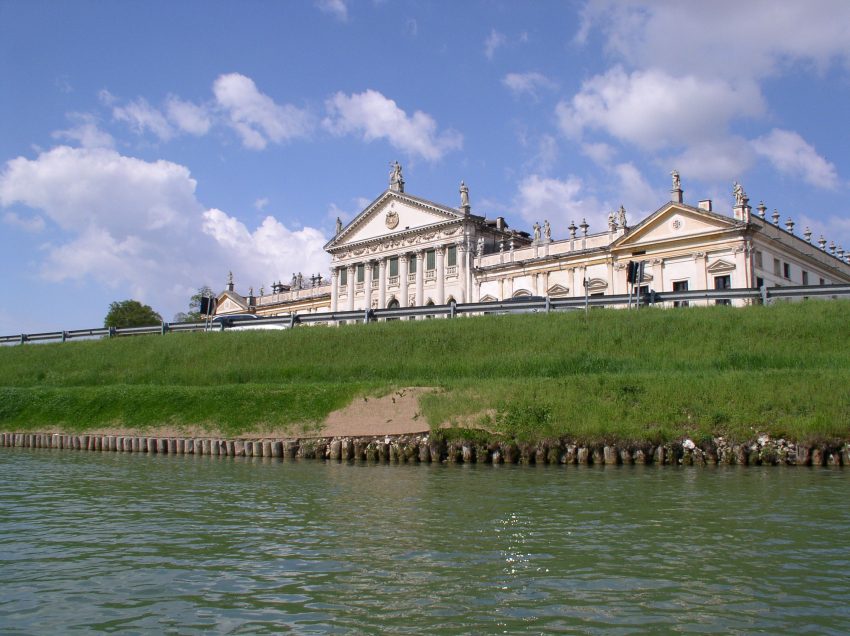
The Riviera del Brenta stretches between Venice and Padua along the old Brenta Canal, where for centuries the Venetian nobility built their summer villas to escape the city heat. Today, this ribbon of water is framed by elegant estates, sleepy towns, and riverside paths, making it one of the best places to visit in Venice if you want to combine culture with slow travel. Instead of gondolas and lagoon traffic, you glide past gardens, vineyards, and pastel façades, with the silhouettes of villas like Villa Pisani, Villa Widmann, and Villa Foscari appearing at the bends in the canal.
What makes the Riviera del Brenta so appealing is its blend of history and everyday life. You can drift down the canal on a traditional-style Burchiello cruise, stopping to explore frescoed ballrooms and manicured parks, then wander into a local trattoria for lunch with the boat moored outside. Small towns such as Stra, Mira, and Dolo feel wonderfully local, yet the canal-side promenade is a great place to visit on a walking tour of Padua or Venice, giving you a completely different perspective on the region than the crowded historic centres.
Table of Contents
- History and Significance of the Riviera del Brenta
- Things to See and Do in the Riviera del Brenta
- How to Get to the Riviera del Brenta
- Practical Tips on Visiting the Riviera del Brenta
- Where to Stay close to the Riviera del Brenta
- Is the Riviera del Brenta Worth Visiting
- FAQs for Visiting Riviera del Brenta
- Nearby Attractions to the Riviera del Brenta
History and Significance of the Riviera del Brenta
The story of the Riviera del Brenta begins in the 15th century, when engineers diverted and canalised sections of the Brenta River to improve navigation between Venice and Padua. This artificial waterway quickly became a vital commercial route, linking the lagoon to inland markets and workshops. Where trade went, nobility followed: Venetian patrician families began building grand villas along the banks, turning what had been rural farmland into a prestigious “water boulevard” lined with country residences that mirrored the palazzi of the Grand Canal.
By the 16th to 18th centuries, the Riviera del Brenta had become a symbol of power and taste. Families like the Pisani, Widmann, and Foscari commissioned leading architects and artists to create elaborate façades, formal gardens, frescoed interiors, and chapel-lined courtyards. These villas were not just holiday homes; they were functioning estates with farms, vineyards, and production buildings attached, supporting a lifestyle of refined leisure, political entertaining, and discreet diplomacy away from the scrutiny of Venice itself.
The canal also played a key role in culture and mobility. The Burchiello barges that carried nobles out from Venice were finely decorated and towed by horses along the towpath, transforming the journey into a moving salon. Over time, the same route was used by writers, musicians, and visitors on the Grand Tour, and today the Riviera del Brenta retains that sense of elegant escape. Although some villas are now hotels or private homes, many have been restored and opened to the public, and the canal remains a living artery connecting past and present.
Things to See and Do in the Riviera del Brenta
A classic experience on the Riviera del Brenta is a full- or half-day cruise on a modern Burchiello boat. These vessels follow the historic route between Padua and Venice, passing through locks, under low bridges, and alongside stately villas. Many itineraries include guided stops at key properties such as Villa Pisani at Stra, with its monumental façade and formal gardens; Villa Widmann Rezzonico Foscari, known for its rococo interiors and intimate park; and Villa Foscari “La Malcontenta”, a Palladian masterpiece right on the water. Along the way you learn how the canal reshaped trade routes and aristocratic life across the Veneto.
If you prefer to explore independently, the canal-side towns make easy bases for leisurely walks and bike rides. You can stroll sections of the old towpath, pause at small riverside chapels, and detour into village centres with their cafés, bakeries, and weekly markets. Each town has its own character: Stra is dominated by Villa Pisani, Mira strings out along the water with views of multiple villas, while Dolo has a photogenic old mill and little bridges that once served river commerce. It is easy to put together your own itinerary of villa visits, garden stops, and riverside picnics.
For those who like to mix culture with food, the Riviera del Brenta is also known for canal-side dining, with trattorie and restaurants serving classic Venetian and Veneto dishes such as seafood risotto, sarde in saor, and seasonal specialties from the surrounding countryside. Some villas now host exhibitions and cultural events, from art shows to concerts, particularly in the warmer months. Between the slow rhythm of the water, the architecture, and the food, a day on the Riviera feels both relaxing and richly textured, one of the must-see places in this corner of the Veneto.
How to Get to the Riviera del Brenta
Most visitors start from Venice or Padua, both of which are well connected to the rest of Italy and Europe. Venice Marco Polo and Treviso airports are the main gateways, with frequent flights and onward buses or boats into Venice, as well as direct bus and shuttle services towards Mestre and Padua. From these hubs it is straightforward to connect to the Riviera del Brenta area by train, bus, or car. For the best deals and a seamless booking experience, check out these flights to Padova on Booking.com.
By train, you will usually travel to Padova, Venezia Santa Lucia, or Venezia Mestre on the main line, then transfer to local buses or taxis to reach canal-side towns such as Stra, Mira, Oriago, or Dolo. While there is no dedicated “Riviera del Brenta” station, these hubs put you within a short ride of the villas and embarkation points for Burchiello cruises, and many visitors choose a mix of rail and bus to keep travel stress-free and flexible. Use Omnio to easily compare schedules, book train tickets, and find the best prices all in one place for a hassle-free journey across Italy.
If you are driving, the Riviera del Brenta is parallel to the A4 motorway and runs broadly along the SR11 and local roads between Padua and Venice. You can follow signs for Stra, Dolo, Mira, or Oriago and then use local signage for individual villas or boat piers. Parking is usually available in town centres or near villa entrances, and having a car gives you maximum freedom to stop at different estates, viewpoints, and restaurants along the way. If you are looking to rent a car in Italy I recommend having a look at Discover Cars, first, as they compare prices and review multiple car rental agencies for you.
Practical Tips on Visiting the Riviera del Brenta
- Suggested tips: Combine a Burchiello cruise with independent time in one or two canal towns so you see both the grand villas and the quieter local side streets and cafés.
- Best time to visit: Late spring and early autumn are ideal, with comfortable temperatures and lush greenery; July and August can be hot and busy, while winter offers a calmer, more atmospheric experience with fewer cruises.
- Entrance fee: Exploring the Riviera itself is free; Cruise: From €100
- Opening hours: Canal paths and towns are always accessible; individual villas and cruise companies have their own seasonal timetables, so check times in advance.
- Official website: Website
- How long to spend: A full day allows time for a classic Padua-Venice or Venice-Padua mini-cruise with villa stops; staying one or two nights along the canal lets you explore at a slower pace.
- Accessibility: The towns and some riverside paths are quite flat, but historic villas may have steps and limited lifts; check accessibility information and be prepared for uneven surfaces in older buildings and gardens.
- Facilities: Expect cafés, restaurants, banks, and small shops in Stra, Mira, and Dolo, plus ticket offices and waiting areas at cruise embarkation points; larger services are available in Padua and Mestre.
- Photography tip: For classic shots, frame villas from the water if you are on a cruise, or from the opposite bank at bends in the canal; early morning and late afternoon give the best light and reflections.
- Guided tours: Consider booking a Burchiello cruise with commentary or a guided villa tour to make sense of the history, architecture, and families behind each property.
- Nearby food options: Look for canal-side trattorie specialising in local seafood and Veneto cuisine, or head into the centres of Mira, Dolo, or Stra for simple osterie and pizzerias popular with locals.
Where to Stay close to the Riviera del Brenta
To immerse yourself in the villa atmosphere, consider staying in one of the historic residences along the canal itself. Romantik Hotel Villa Margherita sits in a 17th-century villa overlooking the Brenta, with a large park and easy access to both Venice and Padua, making it ideal if you want a peaceful base with plenty of character. For a more intimate stay right in the heart of the Riviera, Relais Alcova del Doge offers charming rooms in a restored 19th-century palazzo, within walking distance of the canal and local bus stops. Another excellent option is Hotel Villa Alberti, an 18th-century villa set in a quiet park near the river, perfect if you are exploring several villas by car or bicycle and want space to relax at the end of the day.
Is the Riviera del Brenta Worth Visiting
The Riviera del Brenta is absolutely worth visiting, especially if you are already planning time in Venice or Padua and want to see a more relaxed, countryside side of the Veneto. It offers a rare combination: grand architecture on the scale of a royal court, but set against a backdrop of fields, vineyards, and small towns rather than crowded city streets. Cruising past the villas on a Burchiello, watching the towpath and gardens slip by, gives you a sense of the slow, elegant pace that once defined life for Venetian nobles.
Even if you are not normally a “villa person”, the variety of experiences along the canal makes the area engaging: you can focus on art and interiors, enjoy long riverside walks or bike rides, or simply treat it as a scenic route between Venice and Padua. For travellers who appreciate history, architecture, and gentle landscapes, the Riviera del Brenta quickly becomes one of the top attractions in Venice and the wider region, and a stretch of water you will remember long after your trip ends.
FAQs for Visiting Riviera del Brenta
Nearby Attractions to the Riviera del Brenta
- Historic centre of Padua: A lively university city with medieval streets, arcaded piazzas, and major sights such as the Basilica of Saint Anthony and the Scrovegni Chapel.
- Venice: The iconic lagoon city is an easy trip away, perfect for combining canal-side villa life with classic sights like St Mark's Square and the Rialto Bridge.
- Villa Pisani at Stra: One of the grandest Venetian villas on the Brenta, with an immense Baroque façade, Tiepolo frescoes and a famous garden maze.
- Villa Widmann Rezzonico Foscari: A smaller but elegant villa with rococo interiors and a charming park, often included in guided canal itineraries.
- Villa Foscari “La Malcontenta”: A Palladian villa on the lower Brenta, admired for its harmonious proportions and riverside setting, close to the Venetian lagoon.
The Riviera del Brenta appears in our Complete Guide to Visiting Padova!

Moira & Andy
Hey! We're Moira & Andy. From hiking the Camino to trips around Europe in Bert our campervan — we've been traveling together since retirement in 2020!
This website uses affiliate links which may earn a commission at no additional cost to you!
Planning Your Visit
Canal paths and towns are always accessible; individual villas and cruise companies have their own seasonal timetables, so check times in advance.
Exploring the Riviera itself is free; Cruise: From €100
Nearby Attractions
- Musei Civici di Padova (1.1) km
Historic Building and Museum - Giardini dell’Arena (1.1) km
Gardens - Chiesa degli Eremitani (1.1) km
Church - Cappella degli Scrovegni (1.1) km
Church - MUSME - Museum of the History of Medicine (1.1) km
Museum - Roman Arena of Padua (1.1) km
Amphitheatre - Palazzo Zuckermann (1.2) km
Historic Building and Museum - Cafe Pedrocchi (1.3) km
Historic Building - Palazzo Bo (1.3) km
Historic Building and Palace - Basilica di Sant'Antonio (1.4) km
Basilica