Pointe Saint-Mathieu, Brest
Abbey, Lighthouse and Viewing Point near Brest
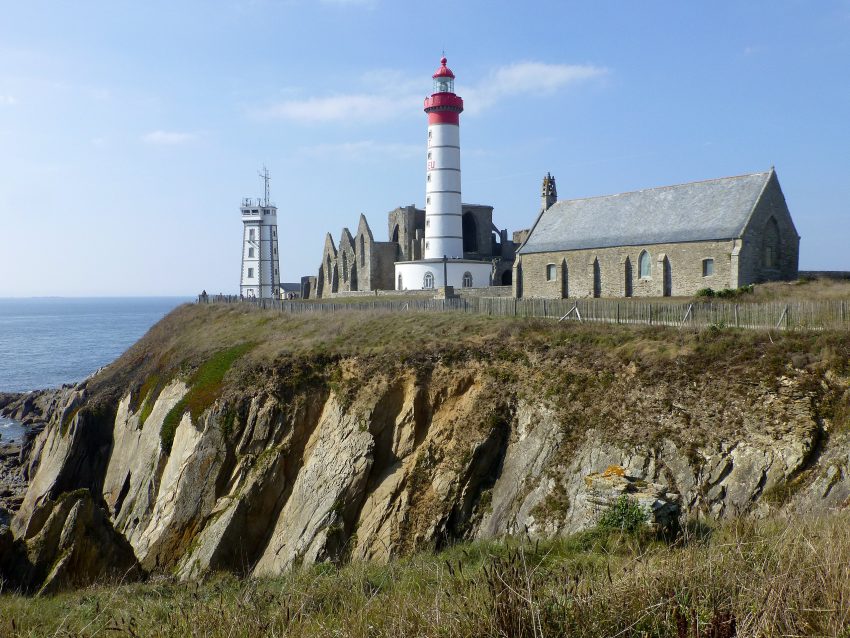
Pointe Saint-Mathieu is one of the top sights in Plougonvelin, a windswept headland where dramatic cliffs meet centuries of maritime history. Situated at the westernmost tip of mainland France, it offers panoramic vistas of the Iroise Sea and serves as a powerful symbol of Brittany's connection to the ocean. The combination of rugged coastline, historic ruins, and a gleaming lighthouse makes it a destination that captures both the wild spirit and deep heritage of the region.
From the 1835 Phare de Saint-Mathieu to the haunting remnants of the medieval Abbaye Saint-Mathieu, the site weaves together stories of monastic life, maritime navigation, and coastal defense. Its cliff-top paths place you face to face with the Atlantic, making it a highlight of any walking tour of Plougonvelin for travelers drawn to dramatic landscapes and coastal history.
Table of Contents
- History and Significance of Pointe Saint-Mathieu
- Things to See and Do in Pointe Saint-Mathieu
- How to Get There
- Practical Tips on Visiting Pointe Saint-Mathieu
- Where to Stay close to Pointe Saint-Mathieu
- Is Pointe Saint-Mathieu Worth Visiting?
- FAQs for Visiting Pointe Saint-Mathieu
- Nearby Attractions to Pointe Saint-Mathieu
History and Significance of Pointe Saint-Mathieu
Pointe Saint-Mathieu has been an important lookout point for centuries. Long before the construction of the lighthouse, monks from the nearby abbey maintained an early beacon to guide ships navigating the powerful currents of the Iroise Sea. This tradition of safeguarding sailors reflects the deep maritime identity of Brittany, where coastal communities were tied to fishing, trade, and seafaring.
The abbey itself dates back to the 6th century and grew into a prominent monastic center during the Middle Ages. Though now partially in ruins, its imposing stone arches and walls convey the spiritual and cultural significance it once held. Over time, storms, conflict, and changing tides of history diminished its influence, but the silhouette of the abbey continues to dominate the headland.
The Phare de Saint-Mathieu, built in 1835, replaced the monastic beacon and became an essential landmark for ships navigating the western approaches to Brest. Alongside it stands the Mémorial des Marins Disparus, a moving tribute to sailors lost at sea. Together, these landmarks tell a story of faith, exploration, peril, and remembrance.
Things to See and Do in Pointe Saint-Mathieu
Begin your visit at the Phare de Saint-Mathieu, whose white and red tower rises 37 meters above the headland. Climbing to the top (when open) rewards you with sweeping views of the Iroise Sea and the cliffs stretching toward the horizon. From here, the ruins of the Abbaye Saint-Mathieu create a striking contrast between ancient stone and the open sky.
Wander through the abbey’s vaulted remnants to appreciate its medieval architecture and the dramatic way it frames the surrounding landscape. Nearby, the Mémorial des Marins Disparus honors countless sailors who lost their lives at sea, offering a quiet place for reflection amid the roar of the waves.
Hikers will find the GR34 coastal trail especially rewarding. This path winds around the headland, providing breathtaking perspectives of the lighthouse, cliffs, and wild Atlantic. Birdwatchers, photographers, and nature lovers will appreciate the rugged scenery, ever-changing ocean light, and the feeling of standing at the edge of France.
How to Get There
Pointe Saint-Mathieu is located near Plougonvelin, about a 30-minute drive from Brest. Visitors arriving by air can reach the headland from Brest Bretagne Airport in roughly 35 minutes. For the best deals and a seamless booking experience, check out these flights to Brest on Booking.com.
Traveling by car is the most convenient option, with parking available near the lighthouse and abbey area. If you are looking to rent a car in France I recommend having a look at Discover Cars, first, as they compare prices and review multiple car rental agencies for you.
If you’re arriving by train, Brest station connects to regional buses toward Plougonvelin, though schedules may vary seasonally. You can use SNCF Connect to check schedules, compare routes, and purchase tickets for National (SNCF ) and regional trains (TER). For a more streamlined experience, we recommend using Omio, which allows you to easily compare prices, schedules, and book tickets for both National and Regional travel across all of Europe, all in one place.
Practical Tips on Visiting Pointe Saint-Mathieu
- Best time to visit Pointe Saint-Mathieu: Late spring to early autumn for comfortable weather and clear views.
- Entrance fee in Euros: Access to the site is free; lighthouse entry may have a small fee.
- Opening hours: The headland is accessible year-round; lighthouse openings vary.
- Official website: Search for Pointe Saint-Mathieu or Phare de Saint-Mathieu for details.
- How long to spend: One to two hours, longer if hiking the GR34.
- Accessibility: The terrain is uneven in places; limited accessibility near cliff paths.
- Facilities: Restrooms, a small museum, and cafés nearby.
- Photography tip: Visit at sunset for vivid colors over the lighthouse and cliffs.
- Guided-tours: Occasionally offered at the lighthouse and abbey ruins.
- Nearby food options: Restaurants in Plougonvelin feature seafood and coastal cuisine.
Where to Stay close to Pointe Saint-Mathieu
To fully enjoy the headland’s beauty, consider staying nearby. Hôtel Center Brest offers convenient access to the wider region while remaining a short drive from Plougonvelin. For a central option in Brest, Oceania Brest Centre provides comfort and easy transport connections. Travelers seeking quieter surroundings may prefer Hôtel l'Amirauté, which serves as a practical base for coastal excursions.
Is Pointe Saint-Mathieu Worth Visiting?
Yes, Pointe Saint-Mathieu is absolutely worth visiting. Its combination of dramatic cliffs, centuries-old architecture, and poignant maritime monuments makes it one of the most memorable places in Brittany. Whether you're hiking, photographing, or exploring history, the headland offers a powerful sense of place at the edge of the Atlantic.
What Other Travellers Say...

Pointe Saint Mathieu, at 48 Pl. Saint-Tanguy in Plougonvelin, is praised for sweeping coastal views, pleasant walks and hiking trails that loop around dramatic landscapes; visitors note an attractive ruined church set among newer monuments and describe the site as bucolic and ideal for enjoying Brittany’s seascapes.


FAQs for Visiting Pointe Saint-Mathieu
Nearby Attractions to Pointe Saint-Mathieu
- Fort de Bertheaume: A dramatic coastal fortress with adventure activities.
- Plougonvelin Beaches: Scenic sandy shorelines ideal for walks.
- Pointe de Kermorvan: A wild headland with a lighthouse and coastal trails.
- Musée National de la Marine: Naval history museum housed in the Château de Brest.
- Océanopolis: A major marine discovery center with interactive exhibits.
The Pointe Saint-Mathieu appears in our Complete Guide to Visiting Brest!

Moira & Andy
Hey! We're Moira & Andy. From hiking the Camino to trips around Europe in Bert our campervan — we've been traveling together since retirement in 2020!
This website uses affiliate links which may earn a commission at no additional cost to you!
Nearby Attractions
- Fort de Bertheaume (5.4) km
Castle - Phare du Petit Minou (11.5) km
Lighthouse - Maison de la Fontaine-Brest (20.8) km
Arts Venue - Maison de la Fontaine (20.8) km
Historic Building - Tour Tanguy (21.0) km
Tower - Pont de Recouvrance (21.1) km
Bridge - Musée National de la Marine (21.1) km
Museum - Château de Brest (21.1) km
Castle - Capucins Cable Car (21.3) km
Cable Car - Musée des Beaux-Arts de Brest (21.5) km
Gallery