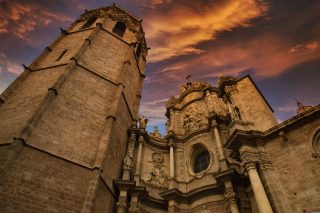
Plaza de Toros, Valencia
Attraction, Bullring and Historic Building in Valencia
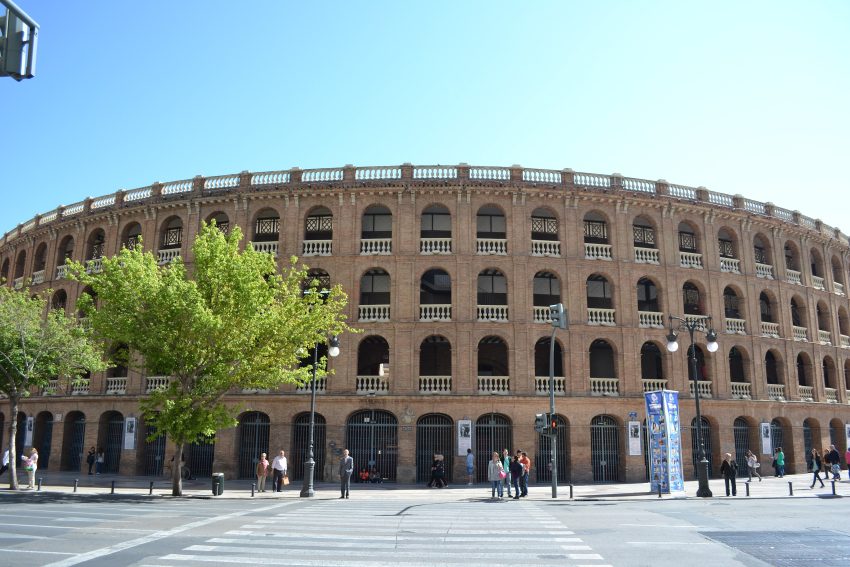
Valencia's Plaza de Toros (Plaça de Bous de València) is one of the city's most recognizable landmarks: a huge, circular, brick bullring with stacked arches that feels more like a Roman amphitheatre than a modern venue. It sits right in the center of town on Carrer de Xàtiva, next to Estación del Norte, making it an easy stop even if you only have a few hours in Valencia.
Whether you're interested in architecture, local traditions, or simply want a memorable photo spot, the bullring is a natural add-on to a walking tour of central Valencia. The best views are from the surrounding streets and the open plaza areas around the façade, and if the interior is open you can pair it with the adjacent Bullfighting Museum for context.
Table of Contents
- History and Significance of the Plaza de Toros
- Things to See and Do in the Plaza de Toros
- How to Get to the Plaza de Toros
- Practical Tips on Visiting the Plaza de Toros
- Where to Stay Close to the Plaza de Toros
- Is the Plaza de Toros Worth Visiting?
- For Different Travelers
- FAQs for Visiting Plaza de Toros
- Nearby Attractions to the Plaza de Toros
History and Significance of the Plaza de Toros
The Plaza de Toros de València was inaugurated in 1859 and designed by architect Sebastián Monleón Estellés. Its clean neoclassical lines and repetitive arches were inspired by ancient amphitheatres, giving the building a monumental, almost timeless presence in the city's streetscape.
For generations, the bullring has been tied to Valencia’s festival calendar, especially the Fallas season, when the city’s celebrations spill into every neighborhood. Even if you never attend an event, understanding the plaza’s role helps explain why it remains such a prominent civic space.
Today, the building’s significance is also part of a broader conversation: bullfighting is controversial and increasingly debated, and many visitors approach the site as cultural heritage and architecture rather than entertainment. Visiting with that awareness makes the experience more thoughtful and, for many travelers, more meaningful.
Things to See and Do in the Plaza de Toros
Start outside. Walk the full perimeter to appreciate the scale and symmetry of the exterior arches, then step back across the street for wide-angle photos that capture the entire curve of the façade. Because it’s so central, it’s also a great “orientation point” when you’re navigating between the Old Town, Ruzafa, and the main shopping streets.
If the interior is open, the most memorable moment is stepping into the arena itself and seeing how steeply the seating rises. Look for the contrast between the warm brick exterior and the bright, open bowl inside, and pay attention to the architectural rhythm of the arcades from within.
For deeper context, combine your visit with the nearby Bullfighting Museum (Museo Taurino), which helps explain the rituals, clothing, and symbolism tied to the plaza. Even if you're not a fan of the tradition, the museum can frame the site historically so you're not just looking at a beautiful shell.
How to Get to the Plaza de Toros
Valencia Airport (VLC) is the closest airport for most travelers, with frequent connections into the city center by metro, taxi, or rideshare. For the best deals and a seamless booking experience, check out these flights to Valencia on Booking.com.
Valencia is also very easy to reach by train, and the plaza is next to Estación del Norte (València Nord), so you can practically walk from the platforms to the bullring in minutes.Train schedules and bookings can be found on Omio.
If you’re traveling by car, consider parking outside the very center and using public transport for the final stretch, as central traffic and parking can be slow and limited.If you are looking to rent a car in Spain I recommend having a look at Discover Cars, first, as they compare prices and review multiple car rental agencies for you.
Practical Tips on Visiting the Plaza de Toros
- Official website: https://www.museotaurinovalencia.es/
- Entrance fee: Adults: €2; Concessions: €1; Sundays & public holidays: free.
- Opening hours: Tuesday – Saturday: 10:00–19:00. Sunday: 10:00–14:00. Closed on Monday.
- Best time to visit: Go in the morning for softer light on the brick arches and fewer crowds around the station area. If there’s an event day, arrive earlier than you think to avoid closures and security perimeters.
- How long to spend: Plan 20–30 minutes for the exterior and photos. If you’re adding the museum/interior visit, budget 60–90 minutes total.
- Accessibility: The area around the plaza is flat and easy to reach from major sidewalks and transit stops. Interior access can vary by route and event setup, so confirm on the official site before you go.
- Facilities: Nearby you’ll find plenty of cafés, restrooms in major transit hubs, and lots of places to take a break thanks to the central location.
Where to Stay Close to the Plaza de Toros
Base yourself in central Valencia (around Xàtiva/Colón and the edge of the Old Town) for the easiest walk to the Plaza de Toros, the main train station, and many top sights.
Only YOU Hotel Valencia A stylish, design-forward pick that’s ideal if you want a polished stay within an easy walk of the bullring, shopping streets, and the Old Town.
Vincci Lys A reliable, comfortable option close to Estación del Norte—great for travelers arriving by train who want minimal luggage-hauling.
Zenit Valencia Perfect for early departures or late arrivals thanks to its station-side location, while still being close enough to walk to the plaza in minutes.
Hotel Dimar A strong mid-range choice on the edge of the center, convenient for walking both to the bullring area and toward the Turia Gardens.
Caro Hotel A splurge-worthy boutique stay in the historic core, chosen for travelers who want a memorable, atmospheric base and don’t mind a longer (but pleasant) walk to the plaza.
Is the Plaza de Toros Worth Visiting?
Yes—especially if you enjoy architecture and want to understand Valencia’s festival culture. The exterior alone is impressive, and its location beside the train station makes it one of the easiest “big landmark” stops in the city.
Honest Pivot: If you're strongly opposed to bullfighting, you may prefer to treat this as a quick exterior photo stop (or skip it entirely) and spend your time in places like the Turia Gardens, the Central Market area, or the City of Arts and Sciences instead.
What Other Travellers Say...

Overall reviews are positive, with visitors praising the Plaza de Toros as an impressive, beautiful landmark and a standout example of historic architecture in central Valencia. Many mention its huge scale and how easy it is to visit from the nearby main train station. The most common downside is access: several reviewers report arriving to find it closed or being unsure when interior visits or events are available, so checking hours and schedules ahead is recommended.


For Different Travelers
The Plaza de Toros can fit into many Valencia itineraries because it's central and visually striking, but the experience you'll enjoy most depends on what you want from the visit. Think of it as either a quick architectural landmark or a deeper cultural stop if you add the museum/interior.
Families with Kids
For families, the easiest win is a short stop to see the building from outside and talk about how arenas were used historically. It’s close to the station, so it can be a convenient “stretch your legs” break between activities.
If you choose to visit the museum/interior, consider your kids’ sensitivity: the topic can be intense. A quick, parent-led visit focused on architecture and history (rather than spectacle) usually works best.
Couples & Romantic Getaways
Couples will appreciate how photogenic the plaza is, especially in the morning or around golden hour when the brick glows. Pair it with a stroll to nearby streets for tapas or a café stop for an easy, low-effort date moment.
If you like guided experiences, timing your day around an interior visit can add a “behind-the-scenes” feel without committing to an event. It's a good way to add depth to a central Valencia walking day.
Budget Travelers
Budget travelers can get a lot out of the plaza just by enjoying the exterior and the surrounding neighborhood on foot. Because it’s near major transit, you can fold it into your route without extra transport costs.
If you want to go inside, look for low-cost museum entry options and plan around free-entry times when available. Even a short paid visit can be good value if you’re interested in architecture and local history.
History Buffs
History buffs will enjoy the plaza as a 19th-century civic monument that reflects Valencia’s growth and public life. The neoclassical design choices are a story in themselves, echoing older amphitheatre traditions.
To go beyond the façade, add the museum for objects and narratives that place the building in a wider social timeline. It’s one of the most direct ways to understand how tradition, politics, and public entertainment intersected in Spain.
FAQs for Visiting Plaza de Toros
Getting There
Tickets & Entry
Visiting Experience
Tours, Context & Itineraries
Photography
Accessibility & Facilities
Food & Breaks Nearby
Safety & Timing
Nearby Attractions to the Plaza de Toros
- Estación del Norte: Valencia's historic main station building, known for its beautiful façade and interior details.
- Plaza del Ayuntamiento: The city's central square, great for people-watching and a key Fallas focal point.
- Mercado Central: A landmark food market where you can browse local produce and grab a quick bite.
- La Lonja de la Seda: A UNESCO-listed Gothic building that showcases Valencia's mercantile history.
- Turia Gardens (Jardín del Turia): A long, green park corridor ideal for walking or cycling away from traffic.
The Plaza de Toros appears in our Complete Guide to Visiting Valencia!

Moira & Andy
Hey! We're Moira & Andy. From hiking the Camino to trips around Europe in Bert our campervan — we've been traveling together since retirement in 2020!
This website uses affiliate links which may earn a commission at no additional cost to you!
Planning Your Visit
Tuesday - Saturday: 10:00-19:00.
Sunday: 10:00-14:00.
Closed on Monday.
Adults: €2; Concessions: €1; Sundays & public holidays: free.
Nearby Attractions
- Estacion del Norte (0.1) km
Historic Building, Railway and Train Station - Taurino (0.1) km
Bullring, Historic Building and Museum - Casa Judía (0.3) km
Attraction, Historic Building and Notable Building - Edificio de Correos y Telegrafos (0.3) km
Attraction and Historic Building - Ayuntamiento (0.3) km
Attraction, Historic Building and Town Hall - Plaza del Ayuntamiento (0.4) km
Area, Square and Town Hall - Centro de Artesania (0.5) km
Arts Venue, Museum and Shop - Iglesia de San Juan de la Cruz (0.6) km
Church, Historic Building and Religious Building - Mercadillo de Ruzafa (0.7) km
Bazaar and Market - Mercado de Colon (0.7) km
Historic Building and Market