Passeig de Gràcia, Barcelona
Area, Promenade and Street in Barcelona
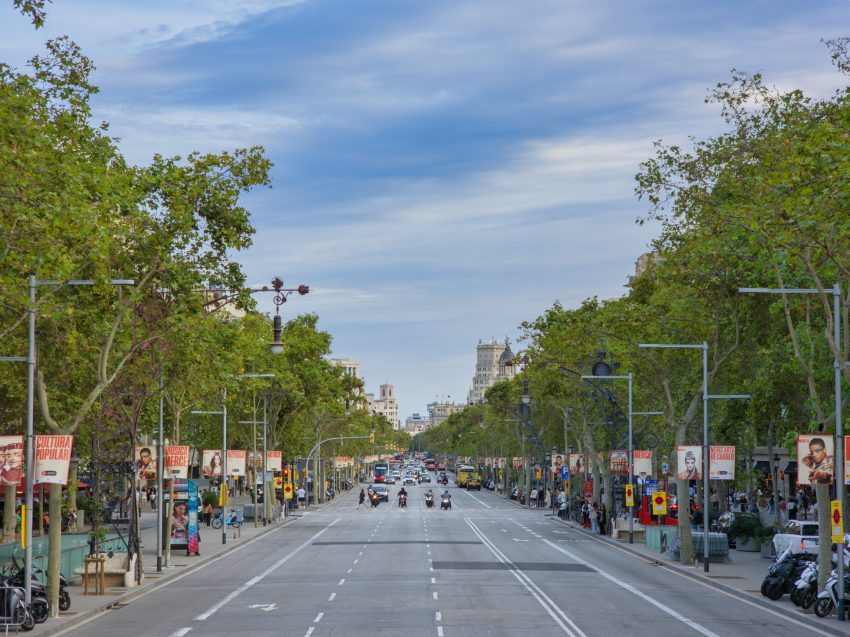
Passeig de Gràcia is Barcelona's grand boulevard connecting Plaça de Catalunya with the Gràcia neighborhood, famous for its wide sidewalks, elegant buildings, and a mix of luxury boutiques and everyday city life. It's one of the best places in town to simply walk, people-watch, and spot Modernisme details without needing a ticket.
If you're short on time, it's ideal as part of a walking tour that links the Eixample district's architecture highlights, especially around the “Block of Discord” and the Gaudí icons nearby. For the best views, stroll both sides of the avenue and look up often-many of the most impressive details are above street level.
Table of Contents
- History and Significance of the Passeig de Gràcia
- Things to See and Do in the Passeig de Gràcia
- How to Get to the Passeig de Gràcia
- Practical Tips on Visiting the Passeig de Gràcia
- Where to Stay Close to the Passeig de Gràcia
- Is the Passeig de Gràcia Worth Visiting?
- For Different Travelers
- FAQs for Visiting Passeig de Gràcia
History and Significance of the Passeig de Gràcia
Passeig de Gràcia began as a route that connected the old city with the then-separate village of Gràcia, later transforming into a prestigious avenue as Barcelona expanded in the 19th century. Its growth is tightly linked to the Eixample plan and the city's ambition to create broad, airy streets that contrasted with the dense medieval core.
In the late 1800s and early 1900s, the boulevard became a showcase for Catalan Modernisme, when wealthy families commissioned bold, inventive façades and interiors. That legacy is still visible today in the concentration of landmark buildings and the distinctive street furniture and paving that make the avenue feel like an outdoor design gallery.
Beyond architecture, Passeig de Gràcia is significant as a social and commercial spine of Barcelona: a place where locals commute, shop, meet for coffee, and celebrate the city's style. It's both a practical thoroughfare and a symbol of Barcelona's modern identity.
Things to See and Do in the Passeig de Gràcia
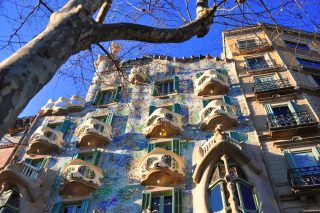
Start with the architectural heavy-hitters: Casa Batlló and Casa Milà (La Pedrera) sit right on or just off the boulevard and are among the most rewarding stops if you want to go inside a Gaudí building. Even if you don't enter, the façades are worth lingering over-especially in softer morning or late-afternoon light.
A classic Passeig de Gràcia walk is to focus on the “Block of Discord,” where several standout Modernisme buildings sit close together, making it easy to compare styles in a single stretch. Take time to notice balconies, ironwork, mosaics, and sculptural stone details; the street-level storefronts can distract you from the real show above.
For a more relaxed visit, treat the boulevard as a city stroll: browse flagship shops, pause at a café terrace, and detour onto nearby Eixample streets for quieter photo angles. If you like urban design, keep an eye out for the patterned pavement and decorative elements that give the avenue its signature look.
How to Get to the Passeig de Gràcia
The nearest major airport is Barcelona-El Prat Airport (BCN), about 12-15 km from central Barcelona. For the best deals and a seamless booking experience, check out these flights to Barcelona on Booking.com.
If you're arriving by train, Barcelona Sants is the main long-distance station, and from there you can connect by metro or taxi to Passeig de Gràcia and Plaça de Catalunya. Train schedules and bookings can be found on Omio.
If you’re traveling by car, expect limited street parking and heavy traffic, and consider using a paid garage near Eixample instead of circling for a spot. If you are looking to rent a car in Spain I recommend having a look at Discover Cars, first, as they compare prices and review multiple car rental agencies for you.
Practical Tips on Visiting the Passeig de Gràcia
- Entrance fee: Free.
- Opening hours: 24 Hours.
- Best time to visit: Go early morning for calmer sidewalks and cleaner photos, or early evening for lively street energy and golden light on façades.
- How long to spend: Plan 45-90 minutes for a focused walk, or 2-4 hours if you’re pairing it with a Gaudí interior visit and a long café break.
- Accessibility: Sidewalks are wide and generally smooth with curb cuts at crossings, making it manageable for wheelchairs and strollers, though it can get crowded at peak times.
- Facilities: You’ll find abundant cafés, restaurants, and shops along the route; public toilets are easiest to access inside museums, department stores, or cafés with a purchase.
Where to Stay Close to the Passeig de Gràcia
Base yourself in Eixample (around Passeig de Gràcia and Plaça de Catalunya) for the easiest walkable access to architecture sights, shopping, and multiple metro lines.
Majestic Hotel & Spa Barcelona A classic splurge choice right on the boulevard, ideal if you want a polished, old-Barcelona feel with top-tier service and an unbeatable location.
Hotel Casa Fuster A memorable stay in a Modernisme building at the upper end of the avenue, great for travelers who want architecture baked into the hotel experience.
Alma Barcelona A quiet, design-forward option just off Passeig de Gràcia, chosen for its calm atmosphere when you want a break from the street's buzz.
Hotel Condes de Barcelona Well-placed for Gaudí sightseeing and shopping, with a strong rooftop scene that’s especially appealing for evening downtime.
Praktik Garden A more budget-friendly, no-fuss base within an easy walk of the boulevard, included for value and a convenient Eixample location.
Is the Passeig de Gràcia Worth Visiting?
Yes-Passeig de Gràcia is one of Barcelona's most rewarding “free” experiences because it combines iconic architecture, a beautiful urban promenade, and the city's everyday rhythm in one walk. Even if you're not shopping, the avenue is a highlight for design lovers and first-timers who want a high-impact route between major sights.
Honest Pivot: If luxury retail doesn't interest you and you're trying to avoid crowds, you might prefer spending your limited time in the Gothic Quarter's lanes, El Born's smaller streets, or on a neighborhood-focused walk in Gràcia. Passeig de Gràcia is at its best when you treat it as an architecture-and-city-life stroll rather than a shopping mission.
What Other Travellers Say...

Reviews are overwhelmingly positive, with travelers praising the avenue as a beautiful, pedestrian-friendly boulevard lined with trees, standout architecture, and lively street atmosphere. Many highlight the mix of Modernisme landmarks (including Gaudí nearby), elegant façades, and the sheer pleasure of walking and people-watching, with plenty of shopping and food options along the way. The main downsides implied by the experience are that it can feel oriented toward luxury retail and can get busy in popular stretches, which may reduce the relaxed strolling vibe at peak times.


For Different Travelers
Passeig de Gràcia works well as a flexible “build-your-own” stop: you can keep it quick and scenic, or turn it into a half-day with museum entries, cafés, and detours. The key is timing-visit when the sidewalks match your preferred pace.
Families with Kids
For families, the wide sidewalks make it easier to move with strollers, and the walk can be broken up with snack stops and quick detours into calmer side streets. Kids often enjoy spotting the wavy lines, balconies, and playful shapes on Modernisme façades.
If you plan to enter a Gaudí site nearby, consider booking a timed entry that avoids midday crowds and reduces waiting. A short, goal-based walk (one landmark, one treat, one photo stop) usually works better than trying to “do the whole avenue.”
Couples & Romantic Getaways
Passeig de Gràcia is a strong couples' pick for an elegant, unhurried stroll with plenty of options for coffee, cocktails, or a nice dinner nearby. The architecture feels especially cinematic at dusk when streetlights come on and the façades soften in warm light.
For a romantic plan, pair the walk with one interior visit (like a Gaudí house) and finish with a rooftop drink in Eixample. It’s a simple itinerary that feels special without requiring lots of logistics.
Budget Travelers
You can enjoy Passeig de Gràcia on a tight budget by treating it as an outdoor architecture route: the best views are free, and the people-watching is part of the experience. Bring a snack or grab something from a bakery on a side street to avoid pricier boulevard cafés.
If you want context without paying for a museum ticket, consider a self-guided walk using a map and focusing on a few key façades rather than trying to cover everything. Early morning is also better for photos without needing to pay to access viewpoints.
FAQs for Visiting Passeig de Gràcia
Getting There
Tickets & Entry
Visiting Experience
Tours, Context & Itineraries
Photography
Accessibility & Facilities
Food & Breaks Nearby
Safety & Timing
The Passeig de Gràcia appears in our Complete Guide to Visiting Barcelona!

Moira & Andy
Hey! We're Moira & Andy. From hiking the Camino to trips around Europe in Bert our campervan — we've been traveling together since retirement in 2020!
This website uses affiliate links which may earn a commission at no additional cost to you!
Planning Your Visit
24 Hours.
Free.
Nearby Attractions
- Plaça de Catalunya (0.1) km
Square - Santa Anna Church (0.3) km
Church - Casa Calvet (0.4) km
Attraction, Historic Building and Notable Building - Els Quatre Gats (0.4) km
Arts Venue, Café and Historic Building - Palau de la Música Catalana (0.5) km
Arts Venue, Historic Building and Theatre - Casa Lleó Morera (0.5) km
Attraction, Historic Building and Notable Building - Parròquia de Sant Pere Nolasc Mercedaris (0.5) km
Church and Religious Building - Església de Santa Maria de Montalegre de Barcelona (0.6) km
Church, Historic Building and Religious Building - Casa Amatller (0.6) km
Attraction, Historic Building and Museum - Museu d’Art Contemporani de Barcelona (0.6) km
Arts Venue, Attraction and Museum