Palazzo Vecchio de Palazzo Medici, Pisa
Historic Building and Palace in Pisa
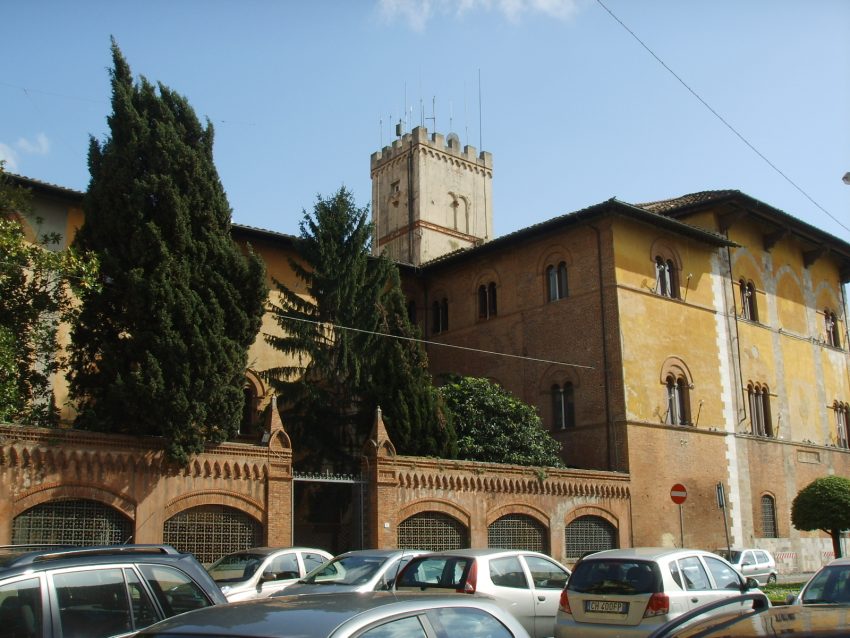
Palazzo Vecchio de' Medici, once known as Palazzo Appiano, sits in a prime position along the Lungarno Mediceo, a dignified presence facing the Arno that quietly tells the story of Pisa's shifting power and prestige. Built in the 13th century over an even older 11th century structure, the palace has passed through the hands of ruling families, exiled princes and royal favourites, all the way to its current role as the seat of the Prefecture. For visitors, it offers a fascinating glimpse of how politics, architecture and family fortunes shaped Pisa long after the glory days of the Maritime Republic, and it is one of the top attractions in Pisa if you enjoy buildings with layered stories.
Staying on the river rather than in the shadow of the Leaning Tower, you see a different side of the city here: one of renaissance diplomacy, French kings on the move, Medici strategies and 19th century royal connections. The palace stands close to Palazzo Toscanelli and other aristocratic homes, so a simple stroll along the Lungarno Mediceo lets you read Pisa's history in stone. Even if you only admire the façade and its Gothic revival tower from outside, this is a great place to visit on a walking tour of Pisa that links the riverfront with the more famous sights further north.
Table of Contents
- History and Significance of the Palazzo Vecchio de’ Medici
- Things to See and Do in the Palazzo Vecchio de’ Medici
- How to Get to the Palazzo Vecchio de’ Medici
- Practical Tips on Visiting the Palazzo Vecchio de’ Medici
- Where to Stay close to the Palazzo Vecchio de’ Medici
- Is the Palazzo Vecchio de’ Medici Worth Visiting
- FAQs for Visiting Palazzo Vecchio de’ Medici
- Nearby Attractions to the Palazzo Vecchio de’ Medici
History and Significance of the Palazzo Vecchio de’ Medici
The story of Palazzo Vecchio de' Medici begins in the Middle Ages, when a first building rose here in the 11th century on the riverbank, followed in the 13th century by the palace whose core still survives. In the 14th century it became the residence of the Appiani family, who briefly ruled Pisa between 1392 and 1398; their name gave the palace its original title, Palazzo Appiano. For several decades it stood as a symbol of their short lived power, anchored in a district that mixed noble residences with mercantile activity along the Arno.
In 1446 the Medici acquired the property, marking the start of a new phase. Members of the family, including Lorenzo de' Medici, “il Magnifico,” used the palace as a retreat from Florence, coming here to rest and recover from health issues in a milder, maritime climate. The palace also played host to major political theatre: in 1494 King Charles VIII of France stayed here as a guest of Piero di Lorenzo de' Medici, just as Florentines rebelled and forced Piero into exile. The building thus witnessed the swirl of alliances and crises that defined late 15th century Italian politics.
In the 16th century, Cosimo I de’ Medici made the palace his Pisan residence from 1539, but the family’s ambitions soon demanded something grander. In 1574, Francesco I commissioned the new Palazzo Reale, and the earlier Medici residence was sold to Jacopo Finocchietti. The story did not end there: in 1871, Vittoria Spinola, the morganatic daughter of King Vittorio Emanuele II, commissioned architect Ranieri Simonelli to transform the building. Simonelli reshaped the medieval structure in a Neo Gothic style, replacing its ancient windows with elegant mullioned openings and adding a crenellated brick tower, giving the palace its romantic, castle like profile. Over time it hosted figures such as the king’s morganatic wife and the journalist and senator Alessandro D’Ancona, before finally becoming the seat of the Prefecture, tying this once private residence into the fabric of public administration.
Things to See and Do in the Palazzo Vecchio de’ Medici
Most visits to Palazzo Vecchio de’ Medici focus on the exterior, using the Lungarno Mediceo as a viewing platform. Stand back and you can appreciate the overall composition: the historic core wrapped in 19th century Neo Gothic detailing, the rhythm of mullioned windows and the distinctive crenellated brick tower that Simonelli added to accentuate its medieval character. The contrast between rusticated ground floors, refined upper storeys and the vertical thrust of the tower makes it a rewarding subject for photos, especially in early morning or late afternoon light when the Arno reflects the façades.
As you walk along the Lungarno, try to picture the building in its earlier guises: first as the Appiani stronghold, then as a Medici retreat that hosted royal guests and delicate diplomatic manoeuvres. Knowing that Lorenzo the Magnificent recuperated here and that Charles VIII stayed within these walls gives the palace an extra charge of historical imagination. Look for neighbouring palazzi, such as Palazzo Toscanelli, to understand how this stretch of river became a preferred address for powerful families and, later, for royal and imperial representatives.
Although today the interior serves as the Prefecture and is not always accessible for casual visitors, the palace still works well as a stop on a wider Lungarno walk. Combine a pause here with nearby churches, bridges and viewpoints, building a mental map of Pisa that goes beyond the famous tower to include its riverfront aristocratic quarter. This spot is one of the best places to see in Pisa if you like to connect architecture with the lives and intrigues of the people who once lived behind its windows.
How to Get to the Palazzo Vecchio de’ Medici
If you arrive by air, fly into Pisa International Airport Galileo Galilei; from the terminal you can take the people mover or a taxi to Pisa Centrale railway station, then continue on foot or by local bus towards the Lungarno Mediceo, where the palace stands facing the river. For the best deals and a seamless booking experience, check out these flights to Pisa on Booking.com.
By train, travel to Pisa Centrale, the city's main station, then walk towards the Arno along Corso Italia or nearby streets, cross to the Lungarno Mediceo and follow the embankment until you reach the stretch lined with historic palaces, including Palazzo Vecchio de' Medici. Use Omnio to easily compare schedules, book train tickets, and find the best prices all in one place for a hassle-free journey across Italy.
If you are travelling by car, follow signs into Pisa and towards the centre, then park in one of the public car parks or on street spaces outside the restricted traffic zone; from there, it is a short walk to the Arno and along the Lungarno Mediceo to the palace. If you are looking to rent a car in Italy I recommend having a look at Discover Cars, first, as they compare prices and review multiple car rental agencies for you.
Practical Tips on Visiting the Palazzo Vecchio de’ Medici
- Suggested tips: Use the palace as a focal point on a Lungarno Mediceo stroll, pairing it with nearby palazzi and bridge views for a compact introduction to Pisa’s riverside nobility.
- Best time to visit: Visit in the late afternoon or early evening when the façades glow in warm light and reflections on the Arno enhance your photos.
- Entrance fee: There is no fee to admire the palace from outside.
- Opening hours: As a functioning Prefecture, interior hours follow office schedules.
- How long to spend: Around 15-20 minutes is usually enough to view the façade, take photos and link the stop into a wider riverside walk.
- Accessibility: The Lungarno pavements are mostly level and suitable for wheelchairs and strollers, though kerbs and occasional uneven stones may require extra care.
- Facilities: There are no dedicated visitor facilities at the palace itself; rely on cafés, bars and services in the surrounding streets and along the Lungarno.
- Photography tip: Step back across the street or to a river viewpoint to include the tower, mullioned windows and riverfront in one frame, then come closer for details of the Gothic revival brickwork.
- Guided tours: Some guided walks of Pisa include this palace as part of an exploration of the Lungarno Mediceo, giving more context about Medici politics and 19th century transformations.
- Nearby food options: The Lungarno Mediceo and adjacent streets offer several cafés, wine bars and restaurants where you can pause before continuing towards the historic core.
Where to Stay close to the Palazzo Vecchio de’ Medici
To stay near Palazzo Vecchio de’ Medici and enjoy easy access to the Lungarno Mediceo, look for accommodation along or just behind the riverfront. A good option within walking distance is Hotel Bologna Pisa, which offers quick access to both the embankments and the main shopping streets leading towards the station. For a more historic atmosphere closer to the medieval core, Grand Hotel Duomo places you near the Campo dei Miracoli, with a pleasant riverside walk bringing you down to the palace and other Lungarno sights. Travellers who prioritise transport links may prefer NH Pisa, opposite Pisa Centrale, from where you can reach Palazzo Vecchio de' Medici in a short stroll via Corso Italia and the riverfront.
Is the Palazzo Vecchio de’ Medici Worth Visiting
Palazzo Vecchio de' Medici is well worth a stop if you are exploring Pisa beyond its most famous monuments. Even if you only see it from the outside, the building condenses several centuries of history: from its 13th century roots and Appiani rule, through Medici residency and royal visits, to its 19th century Gothic revival makeover and present role as the Prefecture. Standing on the Lungarno Mediceo and looking up at its crenellated tower, you are not just admiring a pretty façade; you are seeing the backdrop to episodes of Italian politics, family intrigue and royal presence. For travellers who enjoy connecting stories to streets, it is an easy and rewarding addition to any Pisa itinerary.
What Other Travellers Say...

Palazzo Medici on Piazza Giuseppe Mazzini sits near the Arno and now houses the city’s prefecture; visitors note its historic origins and old architecture, praise views from the tower after climbing despite possible queues and a modest fee, and describe it as a pleasant sight on a walk though not necessarily a must-see for everyone.


FAQs for Visiting Palazzo Vecchio de’ Medici
Nearby Attractions to the Palazzo Vecchio de’ Medici
- Palazzo Toscanelli: Another distinguished riverside palace on the Lungarno Mediceo, helping to illustrate the aristocratic character of this stretch of the river.
- Lungarni of Pisa: The scenic embankments along the Arno, perfect for a relaxed stroll linking Palazzo Vecchio de' Medici with other neighbourhoods and viewpoints.
- Logge di Banchi: The historic arcaded loggia that once housed markets for cloth and cereals, now an atmospheric stop at the end of Corso Italia near the river.
- Narrow Street (Borgo Stretto): A medieval shopping street with arcades, boutiques and cafés, easily reached with a short walk from the Lungarno.
- Campo dei Miracoli: Pisa's famous square with the Leaning Tower, cathedral, baptistery and Camposanto, reachable on foot for a classic contrast between riverside palaces and marble monuments.
The Palazzo Vecchio de Palazzo Medici appears in our Complete Guide to Visiting Pisa!

Moira & Andy
Hey! We're Moira & Andy. From hiking the Camino to trips around Europe in Bert our campervan — we've been traveling together since retirement in 2020!
This website uses affiliate links which may earn a commission at no additional cost to you!
Planning Your Visit
As a functioning Prefecture, interior hours follow office schedules.
There is no fee to admire the palace from outside.
Nearby Attractions
- Museo Nazionale di San Matteo (0.0) km
Museum - Church of Santa Maria della Spina (0.3) km
Church - Logge di Banchi (0.5) km
Historic Building - Borgo Stretto (0.5) km
Street - Palazzo Blu (0.6) km
Gallery and Palace - Corso Italia (0.7) km
Street - Santo Stefano dei Cavalieri (0.7) km
Church - Palazzo dei Cavalieri (0.8) km
Palace - Piazza Vittorio Emanuele II (0.8) km
Square - Murale Tuttomondo (0.8) km
Historic Site