Palazzo dei Leoni, Messina
Historic Building, Historic Site and Palace in Messina
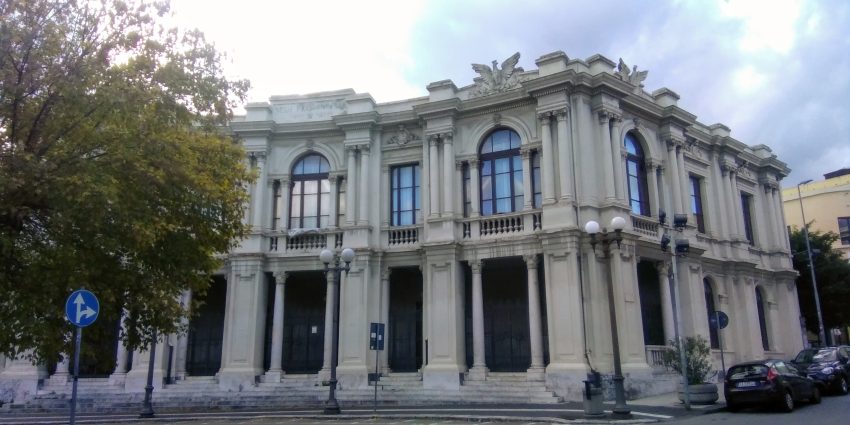
Palazzo dei Leoni is one of Messina's most recognizable civic buildings, set right in the city center near Piazza Antonello da Messina. Built in the early 20th century, it's best known for its grand street-facing portico and its role as the institutional home of the area's metropolitan administration.
Even if you don't go inside, it's an easy, worthwhile stop on a walking tour of central Messina: you can admire the architecture from the square, pair it with nearby landmarks, and use it as a convenient “anchor point” for exploring the historic core on foot.
Table of Contents
- History and Significance of the Palazzo dei Leoni
- Things to See and Do in the Palazzo dei Leoni
- How to Get to the Palazzo dei Leoni
- Practical Tips on Visiting the Palazzo dei Leoni
- Where to Stay Close to the Palazzo dei Leoni
- Is the Palazzo dei Leoni Worth Visiting?
- For Different Travelers
- FAQs for Visiting Palazzo dei Leoni
- Nearby Attractions to the Palazzo dei Leoni
History and Significance of the Palazzo dei Leoni
Palazzo dei Leoni was constructed in the years following the catastrophic 1908 earthquake that reshaped Messina. The building rose between 1915 and 1918 on a site tied to the city's earlier institutional and religious history, symbolizing Messina's reconstruction and civic continuity.
Architecturally, it reflects the early-20th-century taste for elegant public buildings: a Liberty-era sensibility blended with more classical, official-looking elements. That mix is part of what makes it feel both decorative and authoritative, a “statement building” meant to project stability after a period of upheaval.
Today, its significance is twofold: it remains a working seat of local government, and it also functions as a cultural backdrop for public life in Messina, occasionally hosting events in its most notable interior spaces.
Things to See and Do in the Palazzo dei Leoni
Start outside, where the portico and façade details are the main draw. The building’s presence on the square makes it especially photogenic in the softer light of morning or late afternoon, when shadows emphasize the rhythm of arches and columns.
If you're able to enter during an event or an open-day initiative, the highlight is typically the Salone degli Specchi (Hall of Mirrors), an elegant ceremonial room that's often referenced as the building's showpiece. When access is limited, you can still appreciate the palace as a key stop in a central Messina architecture walk.
For a satisfying mini-itinerary, combine Palazzo dei Leoni with a stroll through nearby streets for classic post-earthquake urban planning, then continue toward the waterfront for views across the Strait of Messina.
How to Get to the Palazzo dei Leoni
The nearest major airports are Catania Fontanarossa (CTA) and Reggio Calabria (REG), both commonly used for reaching Messina via onward ground transport. For the best deals and a seamless booking experience, check out these flights to Messina on Booking.com.
Messina is well-connected by rail, and arriving at Messina Centrale makes it straightforward to continue by taxi, bus, or a walk into the center depending on your luggage and timing. Use Omnio to easily compare schedules, book train tickets, and find the best prices all in one place for a hassle-free journey across Italy..
If you’re traveling by car, expect central-city traffic patterns and limited parking near the core; it’s often easiest to park once and explore the center on foot. If you are looking to rent a car in Italy I recommend having a look at Discover Cars, first, as they compare prices and review multiple car rental agencies for you..
Practical Tips on Visiting the Palazzo dei Leoni
- Entrance fee: Check official website.
- Opening hours: Check official website.
- Best time to visit: Aim for weekday mornings if you’re hoping for a quieter look at the exterior and a smoother experience around nearby offices and streets.
- How long to spend: 10–20 minutes is enough for photos and a quick architectural stop; allow longer only if you’re attending a scheduled event inside.
- Accessibility: The area around the palace is central and generally walkable, but curb cuts, paving, and entry conditions can vary; confirm access details if you need step-free entry.
- Facilities: As a working civic building, visitor services are not guaranteed; plan on using nearby cafés and public facilities in the surrounding center.
Where to Stay Close to the Palazzo dei Leoni
Base yourself in central Messina so you can reach Palazzo dei Leoni and the city's main sights on foot.
Hotel Royal Palace A practical, central choice with an easy walk to the historic core—ideal if you want convenience and a straightforward city stay.
Hotel Messenion A comfortable option close to transport links, making it a good pick if you’re balancing sightseeing with day trips.
Elysium B&B A smaller-scale stay that suits travelers who prefer a more local feel while remaining close to central landmarks.
B&B Liberty A fitting choice for architecture lovers, pairing well with a Liberty-era walking theme around the center.
Town House Cavour A location-forward pick that keeps you near the palace area and makes early-morning exploring especially easy.
Is the Palazzo dei Leoni Worth Visiting?
Yes—especially if you enjoy civic architecture, post-1908 reconstruction history, or you're already exploring central Messina on foot. It's a quick, high-context stop that helps the city's modern story make sense, and the exterior is rewarding even without interior access.
Honest Pivot: if you're short on time and prefer attractions with guaranteed interior visiting hours (museums, churches, viewpoints), you can treat Palazzo dei Leoni as a “walk-by” photo stop and prioritize places with more consistent visitor access.
What Other Travellers Say...


For Different Travelers
Palazzo dei Leoni works best as a flexible stop: it can be a quick exterior look, a photography pause, or a deeper cultural moment if you catch an open-day or event. Your experience will depend on timing and whether interior spaces are accessible.
Families with Kids
For families, the palace is easiest as a short stop: a quick look at the arches and the grand scale, then move on before attention spans run out. Pair it with a nearby gelato break and a simple scavenger-hunt idea like spotting decorative details on the façade.
If you happen to visit during a special opening, keep expectations light and focus on the “wow” factor of big rooms rather than long explanations. The central location makes it easy to pivot to parks, the waterfront, or kid-friendly snacks.
Couples & Romantic Getaways
Couples will appreciate Palazzo dei Leoni as part of an unhurried city-center stroll, especially in golden-hour light when the portico photographs beautifully. It's a calm, elegant backdrop for travel photos without needing a long time commitment.
Make it more romantic by building a walking route that continues toward the waterfront for Strait views, then back into the center for an aperitivo. The palace works best as a scenic waypoint rather than the entire plan.
Budget Travelers
Budget travelers can enjoy Palazzo dei Leoni as a free-feeling highlight: the exterior is the main attraction, and it fits naturally into a self-guided walking tour. It's also a good “orientation stop” for understanding where you are in the city center.
To keep costs down, combine it with other nearby walkable sights and plan meals around casual cafés rather than sit-down restaurants. If you’re hoping for interior access, look for public events or open-day programs during your travel dates.
History Buffs
History buffs will find Palazzo dei Leoni meaningful as a post-1908 reconstruction landmark, tied to the city's effort to rebuild its identity and institutions. The timeline—early 20th century, civic purpose, and symbolic placement—adds depth to a Messina visit.
To enrich the experience, connect it with other earthquake-era and reconstruction sites in the center, and consider reading up on Messina’s urban transformation before you arrive. If you can access the Salone degli Specchi during an event, it adds a satisfying “inside the institution” layer.
FAQs for Visiting Palazzo dei Leoni
Getting There
Tickets & Entry
Visiting Experience
Tours, Context & Itineraries
Photography
Accessibility & Facilities
Food & Breaks Nearby
Safety & Timing
Nearby Attractions to the Palazzo dei Leoni
- Piazza Antonello da Messina, a central square that's ideal for a quick pause and people-watching while you orient yourself in the city.
- Messina Cathedral (Duomo di Messina), the city's headline landmark with a dramatic history and a must-see presence in the center.
- The waterfront promenade, perfect for a scenic walk with views across the Strait of Messina.
- Galleria Vittorio Emanuele III, a photogenic covered arcade that adds Belle Époque atmosphere to a central stroll.
- Fontana di Orione, a celebrated fountain and an easy add-on if you're exploring Messina's main squares.
The Palazzo dei Leoni appears in our Complete Guide to Visiting Messina!

Moira & Andy
Hey! We're Moira & Andy. From hiking the Camino to trips around Europe in Bert our campervan — we've been traveling together since retirement in 2020!
This website uses affiliate links which may earn a commission at no additional cost to you!
Planning Your Visit
Check official website.
Check official website.
Nearby Attractions
- Galleria Vittorio Emanuele III (0.0) km
Attraction, Historic Building and Shopping Centre - Fontana di Orione (0.2) km
Attraction and Fountain - The Bell Tower of the Cathedral of Messina (0.2) km
Attraction, Cathedral and Tower - Palazzo Zanca (0.2) km
- Duomo di Messina (0.2) km
Cathedral and Religious Building - Palazzo Calapaj-d'Alcontres (0.2) km
Historic Building, Historic Site and Palace - Sanctuary of Montevergine (0.3) km
Church, Monastery and Religious Building - Santuario della Madonna di Montalto (0.3) km
Church, Religious Building and Viewing Point - Teatro Vittorio Emanuele II (0.3) km
Arts Venue, Opera House and Theatre - Church of Most Holy Annunciation of the Catalans (0.3) km
Church, Historic Building and Religious Building