Naval Museum Cartagena
Museum in Cartagena
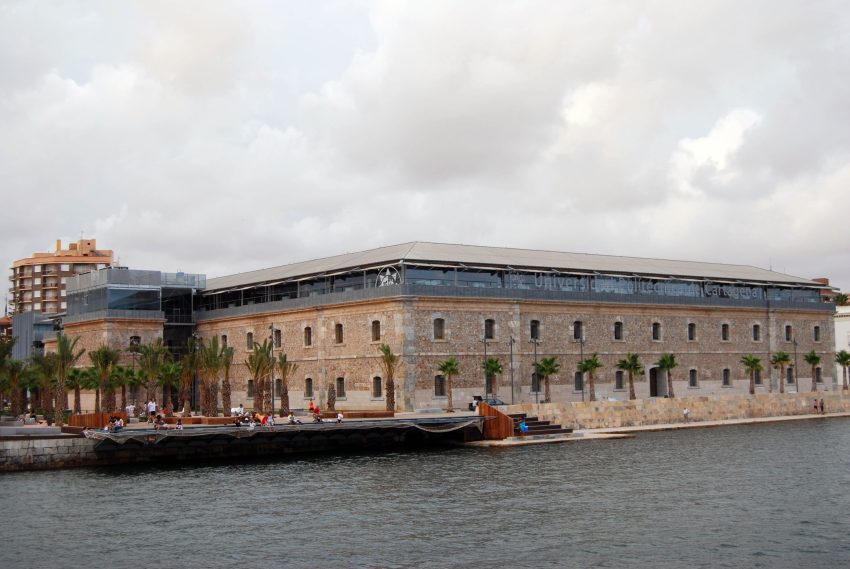
Naval Museum Cartagena is one of the city's most rewarding cultural stops, set right by the waterfront on Paseo Alfonso XII near the port. It's a compact, well-laid-out museum that blends Cartagena's seafaring identity with hands-on displays, model ships, naval technology, and stories that connect directly to Spain's modern maritime history.
It also fits beautifully into a walking tour of Cartagena's harborfront and historic center: pair it with a stroll along the promenade, viewpoints over the docks, and nearby Roman-era and modernist landmarks. If you're deciding where to focus your time, the museum's submarine-related exhibits and ship-model galleries are the standout “don't miss” areas.
Table of Contents
- History and Significance of the Naval Museum Cartagena
- Things to See and Do in the Naval Museum Cartagena
- How to Get to the Naval Museum Cartagena
- Practical Tips on Visiting the Naval Museum Cartagena
- Where to Stay Close to the Naval Museum Cartagena
- Is the Naval Museum Cartagena Worth Visiting?
- For Different Travelers
- FAQs for Visiting Naval Museum Cartagena
- Nearby Attractions to the Naval Museum Cartagena
History and Significance of the Naval Museum Cartagena
Cartagena has been a strategic naval city for centuries thanks to its natural harbor and military infrastructure, and the Naval Museum helps explain why the port has mattered to Spain from the age of sail through the modern era. Rather than feeling like a generic collection, the exhibits tie directly to the city's identity as a working naval hub.
A major thread running through the museum is the story of Spanish naval innovation, especially submarine development associated with Cartagena. The museum's focus on figures like Isaac Peral gives context to why Cartagena is often linked with early submarine history and why the city continues to celebrate that legacy.
Beyond the headline stories, the museum also preserves the everyday realities of naval life: navigation, shipbuilding, uniforms, weaponry, and the evolution of maritime technology. It’s a place where Cartagena’s waterfront stops being just scenic and starts making historical sense.
Things to See and Do in the Naval Museum Cartagena
Start with the ship models: many visitors highlight the breadth of model vessels spanning multiple centuries, and it’s easy to lose track of time comparing hull shapes, rigging styles, and how ship design changes as technology advances. Even if you’re not a naval specialist, the craftsmanship makes this section surprisingly approachable.
Next, prioritize the submarine-focused displays, which are frequently mentioned as a highlight. The museum experience often extends beyond a single room, so look out for separate areas or adjacent sections dedicated to submarine history and related artifacts; this is where the visit tends to feel most uniquely “Cartagena.”
Finally, give yourself time for the military-technology side: artillery and naval equipment displays add weight to the story and help connect the models to real-world maritime defense. If you’re short on time, do a quick loop of the models and submarine exhibits first, then circle back for the deeper reading panels.
How to Get to the Naval Museum Cartagena
The nearest major airports are Región de Murcia International Airport (RMU) and Alicante-Elche Airport (ALC), both offering onward connections to Cartagena by public transport or car. For the best deals and a seamless booking experience, check out these flights to Cartagena on Booking.com.
Cartagena is well connected by rail, and arriving by train is one of the easiest ways to start a car-free visit since you can continue on foot, by taxi, or by local bus to the port area. Train schedules and bookings can be found on Omio.
If you're driving, Cartagena is straightforward to reach via regional highways, and parking is generally easiest in paid garages or designated lots near the center before walking down to the waterfront. If you are looking to rent a car in Spain I recommend having a look at Discover Cars, first, as they compare prices and review multiple car rental agencies for you.
Practical Tips on Visiting the Naval Museum Cartagena
- Entrance fee: Free; voluntary contribution of €3 per visitor.
- Opening hours: (August) Monday – Friday: 09:00–14:00. Closed on Saturday, Sunday. (Remainder of year) Tuesday – Friday: 09:00–14:00. Saturday: 10:00–14:00. Closed on Sunday, Monday.
- Official website: https://armada.defensa.gob.es/ArmadaPortal/page/Portal/ArmadaEspannola/cienciaorgano/prefLang-en/01cienciamuseo--09museosfiliales--02museocartagena--01informacion-general
- Best time to visit: Go early in the day for a quieter, more relaxed circuit, especially if you want time to read the interpretive panels. Weekdays are typically calmer than Saturdays.
- How long to spend: Plan 60-90 minutes for a solid visit, or 2 hours if you like detailed exhibits and want to see every section without rushing.
- Accessibility: The museum is spacious and generally easy to navigate, but some exhibit areas may involve thresholds or older-building layouts; ask staff at entry about step-free routing.
- Facilities: Expect basic visitor amenities rather than a full-service complex; plan a café stop nearby along the port if you want a longer break.
Where to Stay Close to the Naval Museum Cartagena
Base yourself in Cartagena’s historic center/port area for the easiest walk to the museum, restaurants, and the city’s main sights.
Sercotel Alfonso XIII A reliable, comfortable option with an easy route into the center; great if you want a classic full-service hotel feel.
NH Campo Cartagena A practical choice for travelers who prioritize quiet nights and straightforward logistics while staying close to the action.
Hotel Los Habaneros Well located for walking to the waterfront and old town, with a good balance of value and convenience.
Hotel Sercotel Carlos III A smart pick for short stays and city breaks, especially if you want a central base without paying premium waterfront rates.
Hotel Boutique La Posada de la Sillería A characterful boutique option in the historic fabric of the city, ideal if you want a more local, intimate stay.
Is the Naval Museum Cartagena Worth Visiting?
Yes, especially if you want a high-value cultural stop that’s genuinely tied to Cartagena’s identity. The combination of ship models, naval technology, and the submarine story makes it more distinctive than many small city museums, and the donation-based entry makes it an easy “why not?” addition to a waterfront day.
Honest Pivot: If you’re not interested in military or maritime history and you’re trying to keep your itinerary ultra-light, you may prefer to spend your limited time on Cartagena’s Roman sites, viewpoints, or a long lunch by the port instead. It’s also not ideal as a last-minute dash before closing, because the best parts reward unhurried browsing.
What Other Travellers Say...

Reviews are overwhelmingly positive, with visitors describing the museum as engaging and well organized and noting that it offers excellent value. Common highlights include the extensive ship-model collections, submarine-related exhibits tied to Isaac Peral, and informative displays of naval equipment and artillery. The main drawback mentioned is timing: some visitors felt rushed when arriving close to closing, and a few note that entry may be donation-based with payment methods that can vary.


For Different Travelers
Naval Museum Cartagena is flexible: you can do a quick highlights loop or settle in for a slower, detail-rich visit. Here's how it tends to land depending on your travel style.
Families with Kids
Kids who like vehicles, engineering, or “real objects” tend to engage quickly here, especially around submarine-related displays and larger artifacts. It’s also a good rainy-day plan because it doesn’t require long outdoor walks once you’re inside.
To keep it fun, turn the ship-model galleries into a simple scavenger hunt (oldest ship, strangest shape, most cannons). If your family is museum-fatigued, aim for a focused 45-60 minutes and leave on a high note.
Couples & Romantic Getaways
For couples, this works best as a low-key daytime activity between port walks, cafés, and sunset viewpoints. The museum’s calm pace makes it a nice contrast to busier sightseeing stops.
If one of you is more into history than the other, the donation-based entry makes it easy to compromise: do the highlights together, then let the enthusiast linger while the other enjoys a coffee nearby on the waterfront.
Budget Travelers
This is one of the best-value attractions in Cartagena thanks to free entry with an optional contribution. You can build a full, affordable day by combining it with a self-guided walk along the harbor and through the old town.
Arrive early, bring water, and plan your meal around the many reasonably priced options in the center rather than paying for tourist-trap waterfront menus. If you’re traveling off-season, you’ll often get a quieter experience without paying anything extra.
History Buffs
If you like naval history, this is a must, particularly for the Cartagena-linked submarine narrative and the way the museum connects local maritime infrastructure to broader Spanish history. The ship models alone can justify the visit if you're interested in design evolution.
To deepen the context, pair the museum with a port-area walk where you can see the harbor geography that shaped Cartagena’s military importance. Give yourself time to read the panels rather than treating it as a quick photo stop.
FAQs for Visiting Naval Museum Cartagena
Getting There
Tickets & Entry
Visiting Experience
Tours, Context & Itineraries
Photography
Accessibility & Facilities
Food & Breaks Nearby
Safety & Timing
Nearby Attractions to the Naval Museum Cartagena
- Cartagena Port Promenade: A scenic waterfront walk with harbor views and an easy link between major city-center sights.
- Isaac Peral-related sights: Cartagena’s submarine heritage is celebrated in multiple spots, making a great thematic mini-itinerary.
- Roman Theatre Museum: A flagship archaeological site that showcases Cartagena's Roman past in a dramatic setting.
- Calle Mayor: The city's main historic street for architecture spotting, shopping, and café stops.
- Castillo de la Concepción viewpoint area: A rewarding place to climb for panoramic views over the city and port.
The Naval Museum Cartagena appears in our Complete Guide to Visiting Cartagena!

Moira & Andy
Hey! We're Moira & Andy. From hiking the Camino to trips around Europe in Bert our campervan — we've been traveling together since retirement in 2020!
This website uses affiliate links which may earn a commission at no additional cost to you!
Planning Your Visit
(August) Monday - Friday: 09:00-14:00. Closed on Saturday, Sunday.
(Remainder of year) Tuesday - Friday: 09:00-14:00. Saturday: 10:00-14:00. Closed on Sunday, Monday.
Free; voluntary contribution of €3 per visitor.
Nearby Attractions
- Ayuntamiento Cartagena (0.2) km
Attraction, Historic Building and Town Hall - Museo del Teatro Romano de Cartagena (0.2) km
Museum, Roman Site and Theatre - Old Cathedral of Cartagena (0.3) km
Cathedral, Historic Site and Ruins - Calle Mayor (0.3) km
Area and Street - Teatro Romano de Cartagena (0.3) km
Museum, Roman Site and Theatre - Castillo de la Concepción (0.5) km
Castle, Museum and Viewing Point - Columnata Romana (0.5) km
Historic Site, Roman Site and Street - Augusteum (0.6) km
Historic Site, Museum and Roman Site - National Museum of Underwater Archaeology (0.6) km
Attraction and Museum - Civil War Shelters Museum (0.6) km
Museum