National Museum of Underwater Archaeology, Cartagena
Attraction and Museum in Cartagena
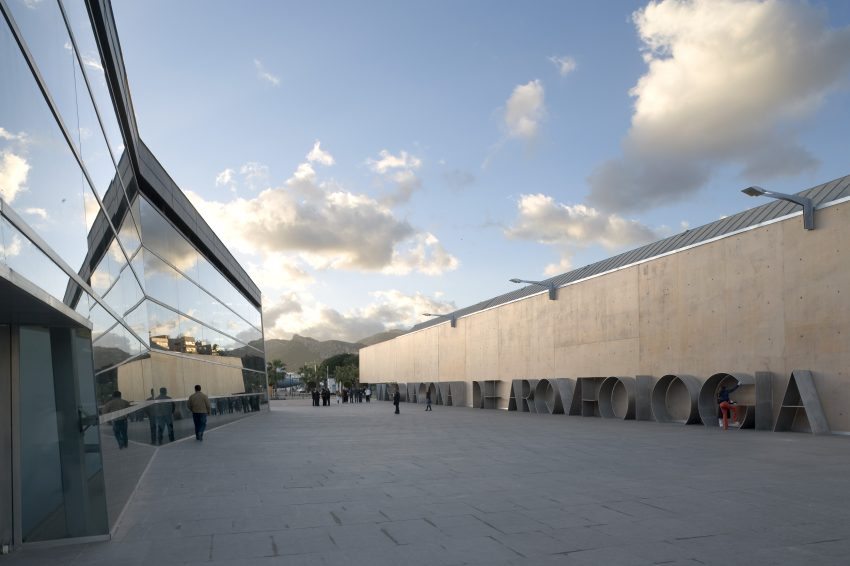
The National Museum of Underwater Archaeology (ARQVA) sits right on Cartagena's waterfront, just steps from the port and an easy walk from the city's historic core. It's a modern, light-filled museum dedicated to Spain's underwater cultural heritage, turning shipwrecks, trade routes, and maritime technology into a clear, engaging story.
Because it's so central, ARQVA fits perfectly into a walking tour that also includes the Roman Theatre, the old town viewpoints, and a stroll along the harbour promenade. If you're arriving by cruise ship, it's one of the most convenient “walk-off-the-ship” museums in Cartagena, and it's also a great indoor break on hot or windy coastal days.
Table of Contents
- History and Significance of the National Museum of Underwater Archaeology
- Things to See and Do in the National Museum of Underwater Archaeology
- How to Get to the National Museum of Underwater Archaeology
- Practical Tips on Visiting the National Museum of Underwater Archaeology
- Where to Stay Close to the National Museum of Underwater Archaeology
- Is the National Museum of Underwater Archaeology Worth Visiting?
- For Different Travelers
- FAQs for Visiting National Museum of Underwater Archaeology
- Nearby Attractions to the National Museum of Underwater Archaeology
History and Significance of the National Museum of Underwater Archaeology
ARQVA was created to study, conserve, and share Spain's underwater archaeological heritage, with a strong focus on responsible recovery and protection of finds from the sea. Cartagena is a fitting home base: it has been a strategic Mediterranean port for centuries, and the surrounding coastline has seen intense maritime traffic, trade, and conflict.
What makes the museum especially significant is how it connects beautiful objects to the ethics and science of underwater archaeology. Rather than presenting “treasure” in isolation, ARQVA explains how shipwrecks become time capsules, how materials are stabilized after centuries underwater, and why looting and uncontrolled salvage can permanently destroy historical context.
A major highlight in the museum’s narrative is the material recovered from famous wrecks, including cargoes that illuminate Mediterranean commerce and naval history. The result is a museum that feels both scholarly and visitor-friendly, with a clear storyline from ancient seafaring through the early modern era.
Things to See and Do in the National Museum of Underwater Archaeology
Start with the galleries that introduce Mediterranean navigation and shipbuilding, then move into the shipwreck sections where the museum shines. You’ll see artifacts that help you picture daily life at sea: amphorae and trade goods, tools, and objects that survived because they were sealed away underwater.
Don’t miss the Phoenician-era material, which many visitors single out as a standout for its rarity and storytelling power. The museum also does a strong job with interactive and hands-on elements, making it easy to learn even if you’re not a specialist.
Another crowd-pleaser is the display of recovered coins and precious cargo linked to high-profile maritime cases. Even if you come for the “wow” factor, you’ll leave with a better understanding of how underwater archaeology works and why conservation is as important as discovery.
How to Get to the National Museum of Underwater Archaeology
The nearest airports are Región de Murcia International Airport (Corvera, RMU) and Alicante-Elche Airport (ALC), both of which can work depending on flight prices and schedules. From either airport, you'll continue onward to Cartagena by bus, taxi, or car depending on your itinerary and arrival time. For the best deals and a seamless booking experience, check out these flights to Cartagena on Booking.com.
Cartagena is well connected by rail within the region, and arriving by train is a practical option if you're coming from Murcia or other nearby cities; from the station, you can reach the waterfront area by taxi or local bus, or walk if you're traveling light.Train schedules and bookings can be found on Omio.
If you’re driving, aim for public parking near the port/harbour area and then finish on foot, since the museum is in a very walkable part of the city.If you are looking to rent a car in Spain I recommend having a look at Discover Cars, first, as they compare prices and review multiple car rental agencies for you.
Practical Tips on Visiting the National Museum of Underwater Archaeology
- Entrance fee: Adults: €3.00
- Opening hours: (Summer) April 15 – October 15; Tuesday – Saturday: 10:00–21:00; Sunday & Public holidays: 10:00–15:00; Closed on Monday. (Winter) October 16 – April 14; Tuesday – Saturday: 10:00–20:00; Sunday & Public holidays: 10:00–15:00; Closed on Monday.
- Official website: https://www.cultura.gob.es/mnarqua/home.html
- Best time to visit: Late morning on a weekday is ideal for a calmer experience; in summer, visiting earlier helps you avoid the hottest part of the day outside.
- How long to spend: Plan 1-2 hours for a solid visit, or closer to 2-3 hours if you like reading exhibits and trying the interactives.
- Accessibility: The museum is widely considered easy to navigate, with a modern layout that suits visitors with mobility needs.
- Facilities: Expect standard museum amenities such as restrooms and visitor services, plus a location that makes it easy to pair your visit with nearby cafés along the port.
Where to Stay Close to the National Museum of Underwater Archaeology
Base yourself in central Cartagena near the harbour and old town so you can walk to ARQVA, the Roman Theatre, and most evening dining spots without needing transport.
For a polished, central stay with an easy walk to the waterfront, consider Hotel Sercotel Alfonso XIII, a reliable choice for comfort and convenience. If you want a modern hotel right in the historic center for quick access to sights and restaurants, NH Cartagena is a strong pick.
If you prefer a smaller, characterful option close to the old town atmosphere, Hotel Los Habaneros is a practical base that keeps you near the action. For a boutique-leaning stay with a more intimate feel, Hotel Boutique La Posada works well for couples who want something quieter.
And if you’re looking for a straightforward, good-value option that still keeps you within easy reach of the port area, Hotel Manolo is worth considering for its practicality and typically competitive rates.
Is the National Museum of Underwater Archaeology Worth Visiting?
Yes, it's worth visiting, especially if you want a high-quality museum that's easy to fit into a Cartagena day. The exhibits are well presented, the location is extremely convenient, and the collection balances headline-grabbing finds with clear explanations of underwater archaeology and conservation.
Honest Pivot: If you’re short on time and only want big, monumental ruins, you might prioritize Cartagena’s Roman Theatre and viewpoints instead, since ARQVA is more about curated objects and interpretation than dramatic architecture. It’s also not huge, so travelers expecting an all-day museum may find it better as a focused 1-2 hour stop.
What Other Travellers Say...

Travelers rate the museum very highly overall (4.4/5 from thousands of reviews) and frequently describe it as modern, bright, and beautifully presented despite being relatively compact. Visitors often praise the engaging, interactive displays, standout shipwreck artifacts (including Phoenician-era material), and the impressive recovered coin collections, plus the convenient location near the port and cruise pier. Common drawbacks mentioned are that it can feel small if you expect a large museum, and some visitors may wish for even more depth or time with certain exhibits when it’s busy.


For Different Travelers
ARQVA is flexible: it can be a quick, rainy-day museum, a deep-dive for maritime history fans, or a smart stop between outdoor sights. Because it’s central and well organized, it’s also easy to combine with a harbour walk, tapas nearby, or a broader old-town itinerary.
Families with Kids
Interactive elements and clear visual storytelling make this museum easier for kids than many traditional archaeology collections. The shipwreck theme naturally sparks curiosity, and the waterfront setting helps break up the day with outdoor time.
For younger children, keep the visit short and focus on the most visual sections (boats, cargo, and “how it was found” explanations). For older kids and teens, the conservation and recovery stories add a real-world science angle.
Couples & Romantic Getaways
For couples, ARQVA is a relaxed, low-stress cultural stop that doesn’t require a big time commitment. It’s especially nice as part of a harbour-front stroll, followed by a long lunch or sunset drinks nearby.
If you like museums that feel modern and thoughtfully designed, this one delivers. It’s also a good choice when you want something meaningful that isn’t overly crowded or exhausting.
Budget Travelers
ARQVA is budget-friendly compared with many major-city museums, and its location means you can reach it on foot from much of central Cartagena. If you plan your timing well, you may be able to take advantage of free-entry periods.
To keep costs down, pair the museum with free nearby sights like harbour walks and viewpoints. It's an easy way to build a full day in Cartagena without stacking up ticket expenses.
History Buffs
History lovers will appreciate how ARQVA connects artifacts to trade networks, naval conflict, and everyday life at sea across centuries. The museum’s strength is context: it explains why objects matter, not just what they are.
If you’re especially interested in ancient Mediterranean cultures, prioritize the early shipwreck material and the sections on navigation and shipbuilding. Give yourself extra time for labels and the broader story of underwater heritage protection.
FAQs for Visiting National Museum of Underwater Archaeology
Getting There
Tickets & Entry
Visiting Experience
Tours, Context & Itineraries
Photography
Accessibility & Facilities
Food & Breaks Nearby
Safety & Timing
Nearby Attractions to the National Museum of Underwater Archaeology
- Roman Theatre of Cartagena, a beautifully preserved ancient venue and one of the city's must-see archaeological sites.
- Cartagena Harbour Promenade, an easy waterfront walk with views, cafés, and a relaxed local feel.
- Castillo de la Concepción, a hilltop castle area with panoramic viewpoints over the city and port.
- Muralla Púnica (Punic Wall), a compact but fascinating look at Cartagena's ancient defensive history.
- Calle Mayor, the main pedestrian street for architecture spotting, shopping, and classic Cartagena atmosphere.
The National Museum of Underwater Archaeology appears in our Complete Guide to Visiting Cartagena!

Moira & Andy
Hey! We're Moira & Andy. From hiking the Camino to trips around Europe in Bert our campervan — we've been traveling together since retirement in 2020!
This website uses affiliate links which may earn a commission at no additional cost to you!
Planning Your Visit
(Summer) April 15 - October 15; Tuesday - Saturday: 10:00-21:00; Sunday & Public holidays: 10:00-15:00; Closed on Monday.
(Winter) October 16 - April 14; Tuesday - Saturday: 10:00-20:00; Sunday & Public holidays: 10:00-15:00; Closed on Monday.
Adults: €3.00
Nearby Attractions
- Cartagena’s Panoramic Elevator (0.3) km
Viewing Point - Civil War Shelters Museum (0.3) km
Museum - Castillo de la Concepción (0.4) km
Castle, Museum and Viewing Point - Teatro Romano de Cartagena (0.4) km
Museum, Roman Site and Theatre - Old Cathedral of Cartagena (0.4) km
Cathedral, Historic Site and Ruins - Museo del Teatro Romano de Cartagena (0.5) km
Museum, Roman Site and Theatre - Ayuntamiento Cartagena (0.5) km
Attraction, Historic Building and Town Hall - House of Fortune (0.5) km
Historic Site, Museum and Roman Site - Augusteum (0.6) km
Historic Site, Museum and Roman Site - Naval Museum Cartagena (0.6) km
Museum