National Museum of Independence, Vlorë
Museum in Vlorë
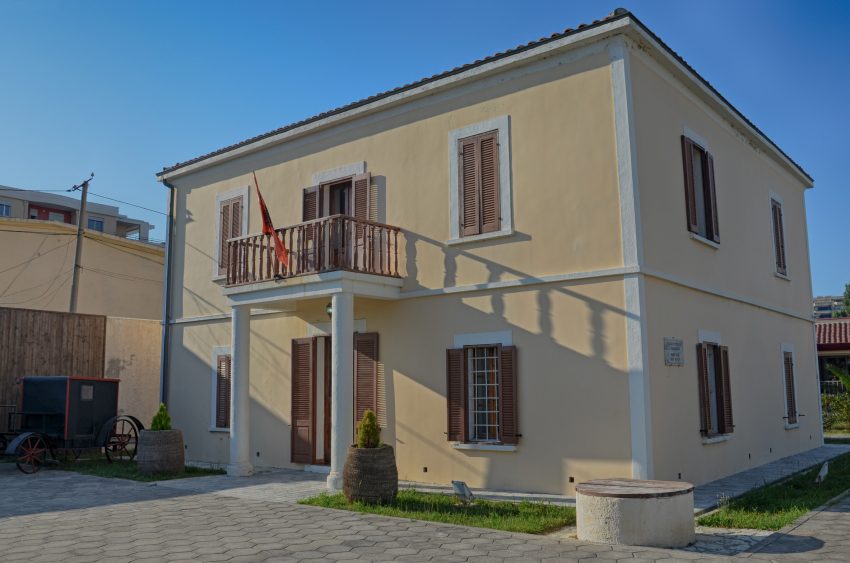
The National Museum of Independence sits near Vlorë's waterfront in the Skelë area, housed in the historic building where Albania's Provisional Government worked after the declaration of independence on November 28, 1912. It's a modest, atmospheric museum, but the setting carries real weight: you're walking through the same rooms where decisions were made that shaped the country's modern identity.
Even if you're not usually a “museum person,” this one feels immediate because it's anchored to a single, defining moment, with the balcony and interior spaces acting like living props in a national story. For many visitors it becomes one of the must-see places in Vlorë, and it's easy to fold into a walking tour of Vlorë alongside the seafront and the city's central monuments.
Table of Contents
- History and Significance of the National Museum of Independence
- Things to See and Do in the National Museum of Independence
- How to Get to the National Museum of Independence
- Practical Tips on Visiting the National Museum of Independence
- Where to Stay Close to the National Museum of Independence
- Is the National Museum of Independence Worth Visiting?
- For Different Travelers
- FAQs for Visiting National Museum of Independence
- Nearby Attractions to the National Museum of Independence
History and Significance of the National Museum of Independence
This building is closely tied to Albania’s break from Ottoman rule, marking the point where national aspirations became a functioning government. The museum’s significance isn’t only what it displays, but what it is: the former seat of the Provisional Government led by Ismail Qemali, associated with the raising of the Albanian flag as a public declaration of sovereignty.
The museum was established in the interwar period and later elevated in status as independence anniversaries reinforced its symbolic role in public memory. Over time, restorations and updates have focused on preserving the building’s character while keeping the narrative accessible for visitors who may be encountering Albanian history for the first time.
Visiting adds useful context to Vlorë as a destination. Beyond beaches and promenades, the city's identity is rooted in civic history, and this museum explains why Vlorë is often described as the birthplace of Albanian statehood.
Things to See and Do in the National Museum of Independence
Start with the most evocative spaces: the preserved working rooms associated with the early government, including areas arranged to reflect how meetings and administration were conducted. These rooms create a “close-up” experience of history, where everyday objects and layouts make the past feel less abstract.
Move through the displays of archival material, where documents, photographs, and personal items help build a clear timeline of the independence movement and the personalities involved. The strongest exhibits are often the simplest: originals and facsimiles that show how official decisions were recorded, communicated, and remembered.
Before you leave, take a moment to connect the museum to the city outside. Stepping back onto the street near the sea, it's easy to imagine why this location mattered politically and symbolically, with Vlorë positioned as both a coastal gateway and a civic stage.
How to Get to the National Museum of Independence
The nearest major international gateway is Tirana International Airport (TIA), with frequent onward travel to Vlorë by road, and some itineraries also connect via Corfu Airport (CFU) if you are combining the Albanian Riviera with Greek island travel. For the best deals and a seamless booking experience, check out these flights to Vlorë on Booking.com.
Albania's passenger rail network is limited and there is no practical passenger train service to Vlorë for most travelers.
From within Vlorë, the museum is easiest to reach on foot from the central waterfront areas, or by a short taxi ride if you are staying farther along the Lungomare. City buses and shared minibuses also run along the main corridors and can drop you within a short walk.
If you are driving, it’s a straightforward city approach with the flexibility to combine the museum with stops along the seafront and nearby viewpoints in the same outing. If you are looking to rent a car in Albania I recommend having a look at Discover Cars, first, as they compare prices and review multiple car rental agencies for you.
Practical Tips on Visiting the National Museum of Independence
- Entrance fee: 300 Leke
- Opening hours: Tuesday – Saturday: 09:00–17:00. Sunday: 10:00–14:00. Closed on Monday.
- Official website: https://www.instagram.com/muzeukombetaripavaresise/
- Best time to visit: Go earlier in the day for a quieter, more reflective visit, then continue to the seafront when the city is livelier.
- How long to spend: Plan 45-90 minutes for the museum itself, and add extra time if you like reading displays closely and photographing architectural details.
- Accessibility: Expect a historic layout with steps and narrower circulation in places; if you have mobility concerns, it’s worth checking access conditions before you arrive.
- Facilities: This is a focused, historic-house style museum rather than a large complex, so plan cafés and rest breaks around the waterfront nearby.
Where to Stay Close to the National Museum of Independence
For a culture-heavy itinerary, base yourself centrally near the port and main city sights so you can walk between museums, monuments, and the seafront; if your trip is more about beach time and evening atmosphere, the Lungomare is the best all-round base with the widest choice of restaurants and bars.
For a convenient, central stay close to the museum and the port area, Hotel Vlora International keeps you within easy reach of both the historic core and the promenade. If you want a higher-end resort feel a short drive from the city, Maritim Resort Marina Bay is a strong option for downtime, sea views, and full facilities. For a quieter, adults-oriented stay along the same coastal stretch, Hotel Liro - Adults Only suits travelers who want a calmer base away from the busiest evening strip.
Is the National Museum of Independence Worth Visiting?
Yes, particularly if you want one stop in Vlorë that explains why the city matters beyond the coastline. The museum is compact, but the authenticity of the setting gives it impact, and it adds depth to the rest of your time in town.
It’s also an easy visit to fit into a busy day. You can pair it with waterfront walks and nearby monuments without complicated planning, making it a high-context stop with a low time cost.
What Other Travellers Say...

National Museum of Independence, located on SH8 in Vlorë, is a small museum housed in an old building offering displays about Albania's struggle for independence; visitors report a modest number of rooms filled mainly with photographs and brief captions about key figures, a friendly curator and low admission, though some find the presentation lacking narrative depth and occasional opening-hour inconsistencies.


For Different Travelers
Families with Kids
This museum works best for families when you frame it as a short, story-led visit rather than a long, reading-heavy one. Focus on the “big idea” of independence, point out the preserved rooms, and keep the pace brisk so it stays engaging.
Afterwards, the waterfront nearby is ideal for resetting attention spans with open space and snacks. It’s a good combination of “learn something meaningful” and “get outside” without overloading the day.
Couples & Romantic Getaways
For couples, the appeal is in the atmosphere: a historic building, a concentrated narrative, and a sense of stepping into a pivotal moment together. It’s a thoughtful counterbalance to beach time, especially if you like trips that mix scenery with substance.
A good pairing is an unhurried museum visit followed by a long walk along the seafront and a relaxed meal nearby. The contrast between civic history and coastal ease is part of what makes Vlorë feel rounded as a destination.
Budget Travelers
This is a budget-friendly cultural stop that adds real context to the city without demanding a big time or money commitment. If you plan your day around walkable sights, you can keep transport costs close to zero and still build a satisfying itinerary.
Combine it with free highlights like the waterfront, public squares, and viewpoints to get maximum value. It’s the kind of museum that improves everything you see afterwards because you understand the story behind the place.
History Buffs
If you care about state formation, symbolism, and the mechanics of political change, this museum is a must. The strength here is the direct link between a specific building, specific people, and a specific date that shaped national identity.
Go slowly through the documentary displays and preserved rooms, then connect what you've seen to monuments and civic spaces in the city. Vlorë becomes far more legible when you treat it as a historical capital, not only a coastal hub.
FAQs for Visiting National Museum of Independence
Getting There
Tickets & Entry
Visiting Experience
Tours, Context & Itineraries
Photography
Accessibility & Facilities
Food & Breaks Nearby
Safety & Timing
Nearby Attractions to the National Museum of Independence
- Vlorë Lungomare: The city's signature seafront promenade for long walks, cafés, and sunset atmosphere.
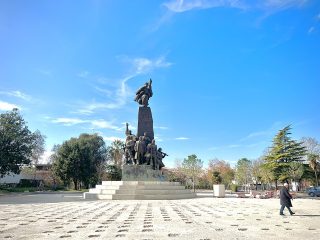
- Flag Square (Sheshi i Flamurit): A central civic space tied to Vlorë's independence story, with monuments and a strong sense of place.
- Muradie Mosque: A small but important Ottoman-era monument that adds architectural contrast to the city's modern rhythm.
- Kuzum Baba Viewpoint: A hilltop lookout with sweeping views over Vlorë and the bay, especially good in late afternoon light.
- Karaburun-Sazan Marine Park: A classic boat-trip option from Vlorë for clear water, coastal scenery, and a change of pace from city sightseeing.
The National Museum of Independence appears in our Complete Guide to Visiting Vlorë!

Moira & Andy
Hey! We're Moira & Andy. From hiking the Camino to trips around Europe in Bert our campervan — we've been traveling together since retirement in 2020!
This website uses affiliate links which may earn a commission at no additional cost to you!
Planning Your Visit
Tuesday - Saturday: 09:00-17:00.
Sunday: 10:00-14:00.
Closed on Monday.
300 Leke
Nearby Attractions
- Vlorë Museum of National Independence (0.0) km
Museum - Teatri “Petro Marko” (1.5) km
Theatre - Plazhi i Ri (1.8) km
Beach - Kuzum Baba Hill (1.9) km
Religious Building and Viewing Point - Muradie Mosque (Lead Mosque) (1.9) km
Mosque - Muradie Mosque (1.9) km
Mosque - Sheshi i Flamurit (2.1) km
Monument - Tomb of Ismail Qemali (2.2) km
Tomb - Vlorë Ethnographic Museum (2.3) km
Museum - Muzeu Historik, Vlorë (2.3) km
Museum