Muséum d’Histoire Naturelle, La Rochelle
Museum in La Rochelle
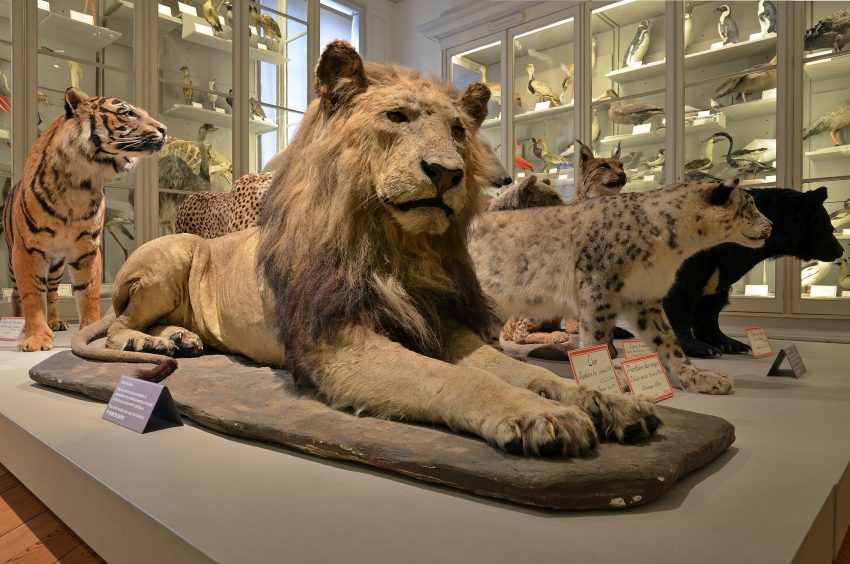
The Muséum d'Histoire Naturelle de La Rochelle is one of the best places to visit in La Rochelle for travellers interested in natural sciences, world cultures, and beautifully preserved historic interiors. Housed in the former palace of the Governors of Aunis, this elegant 18th-century building provides a stunning backdrop to more than 10,000 specimens and objects displayed across four floors. From taxidermy giraffes to minerals, fossils, and ethnographic artefacts brought back by explorers, the museum offers an experience that blends curiosity, discovery, and reflection.
Its central location makes it a great place to visit on a walking tour of La Rochelle, especially for those who enjoy cultural institutions with character. The galleries, with their wooden cabinets, ornate staircases, and tall windows, feel like stepping into a 19th-century world of scientific adventure. The adjoining Jardin des Plantes adds a peaceful botanical extension to the visit, offering natural beauty amid the bustle of the city.
Table of Contents
- History and Significance of Muséum d’Histoire Naturelle de La Rochelle
- Things to See and Do in Muséum d’Histoire Naturelle de La Rochelle
- How to Get to Muséum d’Histoire Naturelle de La Rochelle
- Practical Tips on Visiting Muséum d’Histoire Naturelle de La Rochelle
- Where to Stay close to Muséum d’Histoire Naturelle de La Rochelle
- Is Muséum d’Histoire Naturelle de La Rochelle Worth Visiting?
- FAQs for Visiting Muséum d’Histoire Naturelle de La Rochelle
- Nearby Attractions to Muséum d’Histoire Naturelle de La Rochelle
History and Significance of Muséum d’Histoire Naturelle de La Rochelle
The museum’s origins date to the early 19th century, when local naturalist Clément Lafaille began assembling and exhibiting natural specimens for the public. Over time, the institution expanded, eventually occupying the former palace of the Governors of Aunis-an 18th-century building that lends grandeur and historical depth to the collections. Its mission evolved as well, encompassing not only natural sciences but also ethnography, archaeology, and educational outreach.
The museum is notable for its age: it is one of the oldest museums in France outside Paris. Its collections reflect centuries of scientific curiosity, global exploration, and cultural exchange. Among its most iconic pieces is the giraffe gifted to King Charles X in 1827, one of the first giraffes ever brought to France. This specimen, together with the extensive zoological displays, highlights the period's fascination with exotic species and global biodiversity.
Equally significant is the museum’s ethnographic material, gathered during colonial expeditions, missionary journeys, and scientific voyages. Items from Oceania, Africa, Asia, and the Americas illustrate the broad scope of 19th-century exploration while also prompting contemporary reflection on the contexts in which these objects were collected.
Things to See and Do in Muséum d’Histoire Naturelle de La Rochelle
Visitors can explore four floors of beautifully arranged collections. The zoological galleries feature mammals, birds, reptiles, and marine species from across the world, displayed in classic wooden cases that evoke an old-world museum atmosphere. The giraffe of Charles X is a memorable highlight and one of the most photographed specimens.
The mineralogy and paleontology sections offer another layer of fascination, showcasing crystals, meteorites, fossils, and prehistoric remains. These collections help illustrate the natural processes that shaped Earth over millions of years. This spot is one of the best places to see in the museum for those who enjoy geology and ancient life.
The ethnographic collections include ceremonial masks, tools, textiles, carvings, and artefacts brought back by explorers and missionaries. Exhibits are presented with contextual information that acknowledges the colonial history surrounding many of the items. Temporary exhibitions, children’s workshops, and family trails enrich the visit for all ages.
Outside, the Jardin des Plantes offers a serene complement to the museum experience. Created as a teaching garden in the early 19th century, it features medicinal plants, specimen trees, and seasonal flowers. It’s an ideal place to sit, reflect, or enjoy a quiet walk after exploring the galleries.
How to Get to Muséum d’Histoire Naturelle de La Rochelle
The museum is located close to the centre of La Rochelle and is easily accessible on foot from major city landmarks. The nearest airport is La Rochelle-Île de Ré Airport, a short taxi or bus ride from the city centre. For the best deals and a seamless booking experience, check out these flights to La Rochelle on Booking.com.
La Rochelle's main railway station offers direct connections to Paris, Nantes, Bordeaux, and other regional destinations, placing the museum within walking distance of rail travellers. You can use SNCF Connect to check schedules, compare routes, and purchase tickets for National (SNCF ) and regional trains (TER). For a more streamlined experience, we recommend using Omio, which allows you to easily compare prices, schedules, and book tickets for both National and Regional travel across all of Europe, all in one place.
Traveling by car is straightforward, with parking areas available around the edges of the old town. Visitors can then walk through pedestrian-friendly streets to the museum and the adjacent garden. If you are looking to rent a car in France I recommend having a look at Discover Cars, first, as they compare prices and review multiple car rental agencies for you.
Practical Tips on Visiting Muséum d’Histoire Naturelle de La Rochelle
- Suggested tips: Don’t miss the giraffe and take time to explore the ethnographic sections, which offer rare and thought-provoking objects.
- Best time to visit: Weekday mornings or off-season afternoons for quieter galleries.
- Entrance fee: €8
- Opening hours: Summer: Sunday, Tuesday, Wednesday, Thursday, Friday 10am-6pm, Saturdays 2 p.m. - 6 p.m. Winter: Sundays, Tuesdays, Wednesdays, Thursdays, Fridays 10am-12:30pm / 1:30pm-5:30pm, Saturdays 1:30 p.m. - 5:30 p.m. Mondays closed
- Official website: https://museum.larochelle.fr/
- How long to spend: 1 to 1.5 hours, more if visiting the Jardin des Plantes.
- Accessibility: Most areas accessible; some upper floors may have limited elevator access.
- Facilities: Restrooms, small shop, and access to the Jardin des Plantes.
- Photography tip: Use natural window light to photograph specimens without glare.
- Guided tours: Sometimes offered during special exhibitions or events.
- Nearby food options: Numerous cafés and bistros in the surrounding streets.
Where to Stay close to Muséum d’Histoire Naturelle de La Rochelle
Staying nearby places you within easy reach of La Rochelle’s museums, historic streets, and harbour. Hôtel Saint Nicolas offers a stylish and comfortable base near the Old Port. Boutique lovers may enjoy Un Hôtel En Ville, known for its charm and central location. For modern comfort with harbour views, consider Mercure La Rochelle Vieux-Port.
Is Muséum d’Histoire Naturelle de La Rochelle Worth Visiting?
Yes, the museum is absolutely worth visiting. Its combination of zoological, geological, and ethnographic collections-displayed in a beautiful historic building-makes it one of the top sights in La Rochelle. Whether you're a science enthusiast, a history lover, or simply curious, the museum offers a memorable and enriching experience.
What Other Travellers Say...

Muséum d'Histoire naturelle de La Rochelle, at 28 Rue Albert 1er, offers interactive displays across zoology, geology and ethnography along with archaeological material; visitors praise its impressive permanent and temporary exhibitions, enjoy specific special exhibitions, and many highlight the attractive gardens behind the museum and that admission is free on the first Sunday of the month.


FAQs for Visiting Muséum d’Histoire Naturelle de La Rochelle
Nearby Attractions to Muséum d’Histoire Naturelle de La Rochelle
- Jardin des Plantes: A serene botanical garden adjacent to the museum.
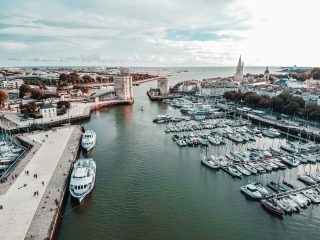
- Vieux Port: La Rochelle's historic harbour with its iconic towers.
- Tour Saint-Nicolas: The city's largest medieval defensive tower.
- Tour de la Chaîne: The historic chain tower guarding the harbour entrance.
- Tour de la Lanterne: A medieval lighthouse with remarkable prisoner graffiti.
The Muséum d’Histoire Naturelle appears in our Complete Guide to Visiting La Rochelle!

Moira & Andy
Hey! We're Moira & Andy. From hiking the Camino to trips around Europe in Bert our campervan — we've been traveling together since retirement in 2020!
This website uses affiliate links which may earn a commission at no additional cost to you!
Planning Your Visit
Summer: Sunday, Tuesday, Wednesday, Thursday, Friday 10am-6pm, Saturdays 2 p.m. – 6 p.m.
Winter: Sundays, Tuesdays, Wednesdays, Thursdays, Fridays 10am-12:30pm / 1:30pm-5:30pm, Saturdays 1:30 p.m. – 5:30 p.m.
Mondays closed
€8
Nearby Attractions
- Musée du Nouveau Monde (0.4) km
Museum - Cathédrale Saint-Louis (0.4) km
Cathedral - Marché Central (0.4) km
Market - Le Bunker de La Rochelle (0.5) km
Museum - Maison Henri II (0.5) km
Historic Building - Hôtel de Ville (0.6) km
Town Hall - Cloître des Dames Blanches (0.6) km
Church - Musée Rochelais d’Histoire Protestante (0.6) km
Museum - Rue des Templiers (0.7) km
Historic Site - Porte de la Grosse-Horloge (0.8) km
City Gate