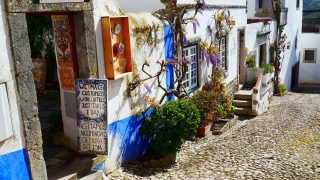
Museu Municipal de Óbidos
Museum in Óbidos
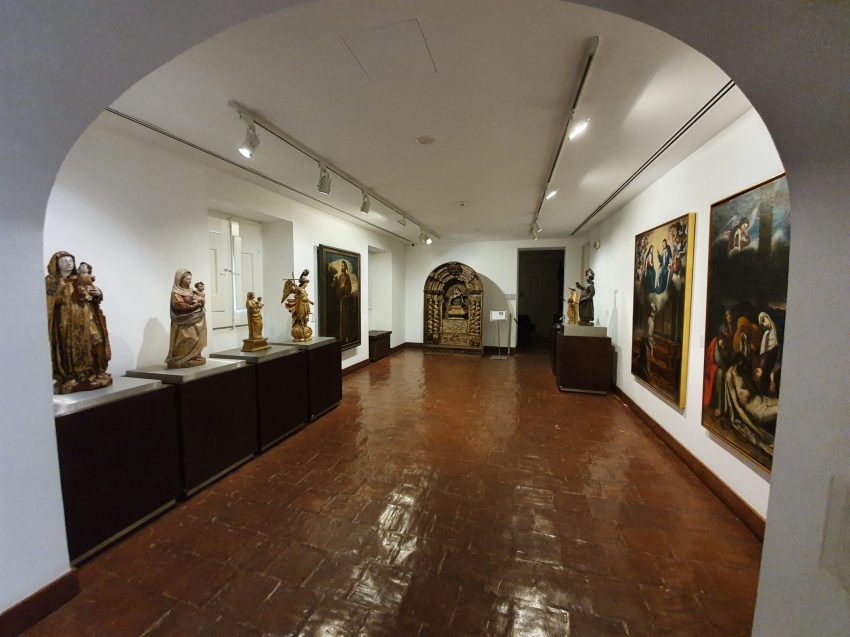
Tucked along Rua Direita inside Óbidos' walled centre, the Museu Municipal de Óbidos is one of those small museums that quietly improves your whole day. It's housed in a historic building and focuses on the town's artistic and religious heritage, so you're not just seeing “pretty objects” but the story of how Óbidos lived, worshipped, and commissioned art over centuries.
If you're planning a walking tour of Óbidos, this is an ideal mid-route stop: you can dip in for atmosphere, detail, and a slower pace away from the busiest street corners. It also earns its place as one of the top sights in Óbidos because the collection feels genuinely rooted in the town, rather than a generic overview you could see anywhere else.
Table of Contents
- History and Significance of the Museu Municipal de Óbidos
- Things to See and Do in the Museu Municipal de Óbidos
- How to Get to the Museu Municipal de Óbidos
- Practical Tips on Visiting the Museu Municipal de Óbidos
- Where to Stay Close to the Museu Municipal de Óbidos
- Is the Museu Municipal de Óbidos Worth Visiting?
- For Different Travelers
- FAQs for Visiting Museu Municipal de Óbidos
- Nearby Attractions to the Museu Municipal de Óbidos
History and Significance of the Museu Municipal de Óbidos
Óbidos has long punched above its weight culturally, and the museum is a good reminder that this little hilltop town wasn't only about walls and battles. Local churches, brotherhoods, and patrons shaped a strong tradition of religious art, and the museum gathers together pieces that reflect that civic and spiritual life across the late medieval and early modern periods.
A key thread is how Óbidos connected to wider Portuguese artistic currents while keeping its own identity. Works associated with Josefa de Óbidos are often the name visitors recognise, but the broader collection helps you see the context: the workshops, devotions, and local commissions that made art part of daily life, not just something reserved for grand cathedrals.
Things to See and Do in the Museu Municipal de Óbidos
Start by taking the museum slowly, room by room, because the strength here is detail: devotional sculpture, painting, and objects that feel intimate rather than monumental. Look for pieces that show everyday faith, such as smaller-scale works made for chapels and confraternities, which often carry more personality than grand altarpieces.
If you enjoy textiles and narrative art, keep an eye out for historic tapestries when they’re on display, and treat them like you would a painting: step back for the scene, then move in to appreciate the craft. Even if you’re not an art specialist, it’s surprisingly satisfying to spot recurring symbols and themes and then notice them again later in nearby churches around town.
Pair the visit with a gentle loop through the surrounding streets afterwards. The museum works best when it’s part of a mini-route: museum first for context, then head out to see how Óbidos’ churches, lanes, and viewpoints echo the same history in real space.
How to Get to the Museu Municipal de Óbidos
Óbidos is easiest to reach via Lisbon, with Lisbon Humberto Delgado Airport (LIS) the most convenient arrival point for most travellers. For the best deals and a seamless booking experience, check out these flights to Óbidos on Booking.com. From there, you can continue by bus, train, or car depending on whether you’re visiting as a day trip or staying overnight.
By bus, there are frequent services from Lisbon's Campo Grande area to Óbidos, typically dropping you close to the historic entrance so you can walk up into the walled town. Once inside, the museum is a simple walk along Rua Direita, and the whole approach feels like part of the experience rather than a chore.
By train, services to Óbidos can be slower and less frequent than the bus, and the station is not right in the middle of the sights, so check timings carefully and be prepared for a short walk or taxi at the Óbidos end. Train schedules and bookings can be found on Omio. If trains don’t line up well, a common workaround is training to Caldas da Rainha and connecting onwards locally.
By car, Óbidos is straightforward from Lisbon on the A8, and driving can be the most time-efficient option if you're combining the town with beaches or nearby monasteries. If you are looking to rent a car in Portugal I recommend having a look at Discover Cars, first, as they compare prices and review multiple car rental agencies for you.
Practical Tips on Visiting the Museu Municipal de Óbidos
- Entrance fee: €2 standard; €1 reduced (ages 12–16, youth card holders, retirees & 65+).
- Opening hours: Tuesday – Sunday: 09:30–13:00 & 14:00–17:30. Closed on Monday.
- Official website: https://www.cm-obidos.pt/viver/cultura-e-patrimonio/museus/poi/museu-municipal-de-obidos
- Best time to visit: Late morning before lunch or mid-afternoon after the day-trippers have surged through the main street tends to feel calmer and more contemplative.
- How long to spend: Plan for 30-60 minutes for a relaxed visit, longer if you like reading labels and spotting iconography across multiple rooms.
- Accessibility: Expect historic-building quirks such as steps and tight corners; if mobility is a concern, it’s worth checking access details on https://www.cm-obidos.pt/viver/cultura-e-patrimonio/museus/poi/museu-municipal-de-obidos before you go.
- Facilities: Facilities are limited on-site, so treat this as a short, focused stop and plan cafés and restrooms around the centre of town.
Where to Stay Close to the Museu Municipal de Óbidos
For a culture-heavy itinerary, base yourself inside the walled town so you can walk everywhere; if your trip prioritises quick road access for day trips and beaches, stay just outside the walls for easier parking and in-and-out logistics.
If you want the most atmospheric stay, sleeping inside the walls makes the evenings feel special once the day visitors leave, and you’ll be a few minutes from the museum door. For a memorable splurge, Pousada Castelo Óbidos puts you in the castle setting itself, which turns your overnight into part of the story. For boutique comfort with a great location near the ramparts, Casa das Senhoras Rainhas is a reliable, well-placed option.
If you prefer a slightly easier arrival with straightforward access while still staying close to the old town, Hotel Real D'Óbidos is a practical base that keeps you within a short walk of the main sights without sacrificing convenience.
Is the Museu Municipal de Óbidos Worth Visiting?
Yes, especially if you like small museums that add texture to a place rather than trying to overwhelm you. Óbidos is often visited for its walls, views, and photogenic streets, but the museum gives you the “why” behind the town's religious art and civic identity, which makes the rest of your wander feel more meaningful.
It's also a strong option when you want a quieter, indoor stop to balance out a walking-heavy day. Even if you're only in Óbidos for a short time, this is an efficient visit: central location, manageable size, and a collection that genuinely belongs to the town.
What Other Travellers Say...

Municipal Museum of Óbidos at R. Direita 97 is a small, welcoming museum focused on Christian art with sculptures and paintings; visitors note a compact, easily walked-through collection that includes a floor dedicated to the painter Josefa of Óbidos and praise the friendly reception from staff.


For Different Travelers
Families with Kids
This works well as a short, contained cultural stop if you keep it brisk and treat it like a scavenger hunt. Pick a few “spot the detail” challenges (angels, ships, animals, repeating symbols) and let kids lead the search.
Pair it with something active immediately after, like a gentle walk to viewpoints or a quick stretch along the walls, so the day stays balanced. Timing matters here: quieter moments make it easier to move through without stress.
Couples & Romantic Getaways
The museum is a good “slow travel” pause in the middle of a day that might otherwise be all photos and crowds. It’s intimate, reflective, and a nice contrast to the high-energy feel of Rua Direita.
Follow it with a relaxed drink or late lunch, and you'll get that satisfying rhythm of culture-then-comfort that makes a romantic day in Óbidos feel layered. Even 30 minutes inside can shift the tone of the whole afternoon.
Budget Travelers
This is a strong-value museum stop because it’s compact, central, and easy to fit between free highlights like viewpoints and wandering the lanes. If you’re watching spending, it’s a smart “one paid stop” that still feels worthwhile.
Build a budget-friendly loop: museum for context, then free exterior sights and scenic streets, and finish with a simple picnic-style snack rather than a sit-down meal. Óbidos is easy to enjoy without constant ticketing if you plan the day well.
History Buffs
Treat the museum as a key that unlocks the town rather than a standalone attraction. The objects here help you read Óbidos’ churches and chapels with a more informed eye, especially when you start recognising styles, saints, and devotional themes.
If you like connecting dots, make notes on anything that stands out, then look for echoes of it in nearby religious spaces and architectural details around town. It’s a satisfying way to turn a pretty visit into a more historically grounded one.
FAQs for Visiting Museu Municipal de Óbidos
Getting There
Tickets & Entry
Visiting Experience
Tours, Context & Itineraries
Photography
Accessibility & Facilities
Food & Breaks Nearby
Safety & Timing
Nearby Attractions to the Museu Municipal de Óbidos
- Castelo de Óbidos: The town's headline landmark, with fortress views and a classic medieval silhouette that defines the skyline.
- Porta da Vila: The iconic main gate, a perfect first photo stop and a natural starting point for exploring inside the walls.
- Rua Direita: The central street of Óbidos, lined with shops and small surprises, ideal for a slow wander before or after the museum.
- Igreja de Santa Maria: A beautiful church near the town’s core, offering a strong sense of local devotion and artistic tradition.
- Lagoa de Óbidos: A scenic lagoon just outside town, great for a calmer nature break if you want to balance culture with fresh air.
The Museu Municipal de Óbidos appears in our Complete Guide to Visiting Óbidos!

Moira & Andy
Hey! We're Moira & Andy. From hiking the Camino to trips around Europe in Bert our campervan — we've been traveling together since retirement in 2020!
This website uses affiliate links which may earn a commission at no additional cost to you!
Planning Your Visit
Tuesday - Sunday: 09:30-13:00 & 14:00-17:30.
Closed on Monday.
€2 standard; €1 reduced (ages 12-16, youth card holders, retirees & 65+).
Nearby Attractions
- Praça de Santa Maria (0.0) km
Square - Castelo de Óbidos (0.2) km
Castle - Porta da Vila (0.2) km
Church and City Gate - Aqueduto de Óbidos (0.5) km
Aqueduct - Santuário do Senhor Jesus da Pedra (0.7) km
Church - Fort of São João Batista de Esposende (30.8) km
Historic Building and Lighthouse - Sintra National Palace (65.9) km
Palace - Palácio e Quinta da Regaleira (66.2) km
Palace - Castelo dos Mouros (66.4) km
Castle - Pena Palace (66.9) km
Palace