Museu Faller de Valencia
Attraction and Museum in Valencia
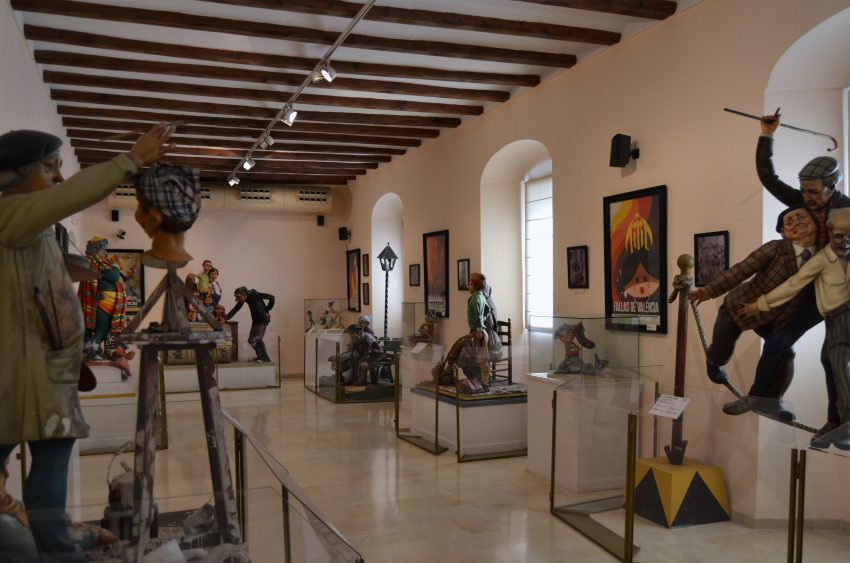
Museu Faller de Valencia is one of the most characterful museums in Valencia, dedicated to the city's famous Las Fallas festival and the artistry behind it. Set near the Turia Gardens and within easy reach of the City of Arts and Sciences, it's a compact, high-impact stop that explains why Valencia's biggest celebration is equal parts craft, satire, and community pride.
Even if you're only in town for a short stay, this museum fits beautifully into a walking tour that links the Turia riverbed park, nearby neighborhoods, and the modern landmarks around the City of Arts and Sciences. It's also a great “context stop” before you go hunting for the best places to see Fallas-related street art, workshops, and festival sites around the city.
Table of Contents
- History and Significance of the Museu Faller de Valencia
- Things to See and Do in the Museu Faller de Valencia
- How to Get to the Museu Faller de Valencia
- Practical Tips on Visiting the Museu Faller de Valencia
- Where to Stay Close to the Museu Faller de Valencia
- Is the Museu Faller de Valencia Worth Visiting?
- For Different Travelers
- FAQs for Visiting Museu Faller de Valencia
- Nearby Attractions to the Museu Faller de Valencia
History and Significance of the Museu Faller de Valencia
Las Fallas is more than a festival of giant sculptures and fireworks: it's a living tradition of social commentary, neighborhood identity, and craftsmanship. The Museu Faller de Valencia exists to preserve what would otherwise disappear each year when the monuments are burned at the end of the celebrations.
At the heart of the museum are the ninots indultats, the figures that are “pardoned” from the flames by popular vote. These pieces capture the humor and sharp observation that define Fallas, ranging from playful caricature to pointed satire, and they offer a surprisingly clear window into changing tastes, politics, and everyday life across decades.
The museum also highlights the broader ecosystem of the festival: the poster art that announces each year’s events, the ceremonial side of Fallas, and the way the tradition has evolved into a UNESCO-recognized form of intangible cultural heritage. Visiting helps you understand why Fallas is so beloved locally, even if you’re visiting outside festival season.
Things to See and Do in the Museu Faller de Valencia
Start with the ninots indultats collection. These are the stars of the museum: expressive, detailed figures saved from the annual burn, often with exaggerated features and visual jokes that reward slow looking. If you enjoy illustration, cartoons, or political satire, you’ll likely find yourself lingering longer than expected.
Next, spend time with the Fallas poster displays and the visual history of the festival. The graphic design alone is worth the visit, and it’s one of the easiest ways to see how Valencia’s cultural style has shifted over time. Look for recurring symbols, changing color palettes, and the way the city presents itself to visitors.
Finally, treat the museum as a primer for the real city outside. After your visit, it's easy to continue on foot toward the Turia Gardens for a stroll, or pair the museum with nearby modern icons like the City of Arts and Sciences for a satisfying “traditional Valencia meets contemporary Valencia” day.
How to Get to the Museu Faller de Valencia
Valencia Airport (VLC) is the closest airport for most travelers, with Alicante–Elche Airport (ALC) as a common alternative if you're combining destinations along the coast. For the best deals and a seamless booking experience, check out these flights to Valencia on Booking.com.
Valencia is well connected by rail, and arriving at Valencia Joaquín Sorolla (high-speed) or Valencia Nord makes it straightforward to continue by taxi, bus, or metro to the museum area. Train schedules and bookings can be found on Omio.
If you're driving, Valencia is reached easily via major highways, but parking can be limited in central areas, so consider using a paid garage and finishing the last stretch on foot or by public transport. If you are looking to rent a car in Spain I recommend having a look at Discover Cars, first, as they compare prices and review multiple car rental agencies for you.
Practical Tips on Visiting the Museu Faller de Valencia
- Official website: https://cultural.valencia.es/museu/museu-faller/
- Entrance fee: Adults: €2; Reduced: €1; Sundays & holidays: free.
- Opening hours: Tuesday – Saturday: 10:00–18:00. Sunday: 10:00–14:00. Closed on Monday.
- Best time to visit: Go on a weekday morning for a calmer experience and more time to read the displays without feeling rushed. If you want to save money, Sundays and holidays can be free, but they may be busier.
- How long to spend: Plan for 45–90 minutes, depending on how much you enjoy the posters and the details in the ninots. It's an easy add-on to a Turia Gardens walk or a City of Arts and Sciences day.
- Accessibility: Expect an indoor museum environment with staff on site; if you have specific mobility needs, it’s worth confirming current access details before you go. The exhibits are generally easy to take at your own pace.
- Facilities: Look for basic visitor amenities like restrooms and a staffed entrance; bring a small bottle of water, especially if you're pairing the visit with a longer walk in the Turia Gardens.
Where to Stay Close to the Museu Faller de Valencia
For the best all-around Valencia base, stay in or near the historic center so you can walk to major sights and still reach the museum area quickly.
If you want classic, polished comfort with a central address, consider: Only YOU Hotel Valencia It’s a stylish, high-service option that makes it easy to combine Old Town sightseeing with quick trips toward the Turia and museum district.
For a boutique feel right in the heart of the city: Caro Hotel This is a memorable stay with design-forward interiors, ideal if you want your hotel to feel like part of the cultural experience.
For a dependable, well-located upscale chain hotel near transport links: Westin Valencia Great if you value spacious rooms and a calmer atmosphere while still being close to the Turia Gardens.
If you prefer a modern, practical base near the City of Arts and Sciences: Barceló Valencia A strong pick for pairing the museum with Valencia’s contemporary architecture and easy taxi/bus connections.
For a comfortable mid-range option with a central, walkable location: Vincci Lys It’s a solid choice for travelers who want convenience, good value, and quick access to both the center and the museum area.
Is the Museu Faller de Valencia Worth Visiting?
Yes, especially if you want to understand Valencia beyond the headline attractions. The museum is affordable, genuinely entertaining, and packed with local personality, with exhibits that are both artistic and funny in a way that feels uniquely Valencian.
Honest Pivot: If you're only interested in “big landmark” sightseeing and you're not curious about local festivals, satire, or craft traditions, you might prefer to prioritize the Cathedral area, the Central Market, or the City of Arts and Sciences instead. But if you have even a mild interest in culture, this is one of the easiest wins in the city.
What Other Travellers Say...

Reviews are strongly positive, with many travelers calling it an underrated gem and one of Valencia’s most enjoyable small museums. Visitors consistently praise the witty, sometimes satirical character of the ninot figures, the strong sense of local culture, and the well-curated displays of posters and festival history across two floors. Common upsides include the low price and friendly staff; the main drawbacks mentioned are that it’s relatively small and may not be a top priority if you’re focused only on Valencia’s headline sights.


For Different Travelers
Museu Faller de Valencia works well as a short, high-value cultural stop, and it's flexible enough to fit many itineraries. The key is matching it to your travel style: it can be a quick curiosity visit or a deeper dive into the city's most defining tradition.
Families with Kids
Kids often respond well to the bold colors, expressive faces, and larger-than-life characters in the ninots. It’s a museum where visual storytelling does a lot of the work, even if younger visitors don’t read every label.
To keep it fun, turn the visit into a simple scavenger hunt: find the funniest face, the most surprising detail, and the “silliest” character. Pair it with outdoor time afterward in the Turia Gardens so everyone gets a reset.
Couples & Romantic Getaways
For couples, this museum is a great way to share something distinctly local without committing to a long, formal museum day. The humor and craft details give you plenty to talk about, and it’s easy to combine with a scenic walk.
Make it part of a relaxed date route: museum first, then a stroll through the Turia Gardens, and finish with dinner in the center or around Ruzafa. It's a low-stress plan that still feels culturally rich.
Budget Travelers
This is one of the best-value cultural attractions in Valencia, and it's easy to fit into a day built around walking. If you time it for a free-entry window (often Sundays/holidays), it becomes an even stronger budget pick.
Budget travelers will also like that it’s close to areas where you can build a full day without paying for constant transport. Walk the Turia, enjoy viewpoints and architecture outside, and use the museum as your paid “anchor” stop.
History Buffs
History buffs will appreciate how the museum preserves a year-by-year record of social mood through satire, design, and popular voting. The ninots and posters can be read like a visual archive of what the city cared about, laughed at, or criticized.
To get more from the visit, look for patterns across decades: recurring themes, changing artistic styles, and how public humor shifts with time. It’s not “ancient history,” but it is a surprisingly sharp lens on modern cultural history.
FAQs for Visiting Museu Faller de Valencia
Getting There
Tickets & Entry
Visiting Experience
Tours, Context & Itineraries
Photography
Accessibility & Facilities
Food & Breaks Nearby
Safety & Timing
Nearby Attractions to the Museu Faller de Valencia
- Turia Gardens (Jardín del Turia): A long, green park in the old riverbed that's perfect for walking or cycling between major sights.
- City of Arts and Sciences (Ciutat de les Arts i les Ciències): Valencia's iconic modern complex for architecture lovers and big-ticket attractions.
- L'Oceanogràfic: A major aquarium within the City of Arts and Sciences area, great for families and marine-life fans.
- Ruzafa (Russafa) neighborhood: A lively district known for cafés, dining, and an easy-going evening atmosphere.
- Gulliver Park (Parc Gulliver): A playful, climbable sculpture-park that's a fun stop if you're exploring the Turia Gardens route.
The Museu Faller de Valencia appears in our Complete Guide to Visiting Valencia!

Moira & Andy
Hey! We're Moira & Andy. From hiking the Camino to trips around Europe in Bert our campervan — we've been traveling together since retirement in 2020!
This website uses affiliate links which may earn a commission at no additional cost to you!
Planning Your Visit
Tuesday - Saturday: 10:00-18:00.
Sunday: 10:00-14:00.
Closed on Monday.
Adults: €2; Reduced: €1; Sundays & holidays: free.
Nearby Attractions
- City of the Arts and Sciences (0.2) km
Aquarium, Attraction and Museum - Gulliver Park (0.4) km
Attraction and Park - L'Hemisfèric Building (0.6) km
Arts Venue, Attraction and Notable Building - L'Umbracle Sculpture Garden (0.6) km
Attraction, Gardens and Sculpture - Prince Philip Science Museum (0.6) km
Museum - Assut de l'Or Bridge (0.9) km
Bridge - L'Àgora (1) km
Arts Venue, Museum and Notable Building - Mercadillo de Ruzafa (1.2) km
Bazaar and Market - L'Oceanogràfic (1.2) km
Aquarium and Attraction - Mercado de Colon (1.4) km
Historic Building and Market