Museu Etnològic de Barcelona
Attraction and Museum in Barcelona
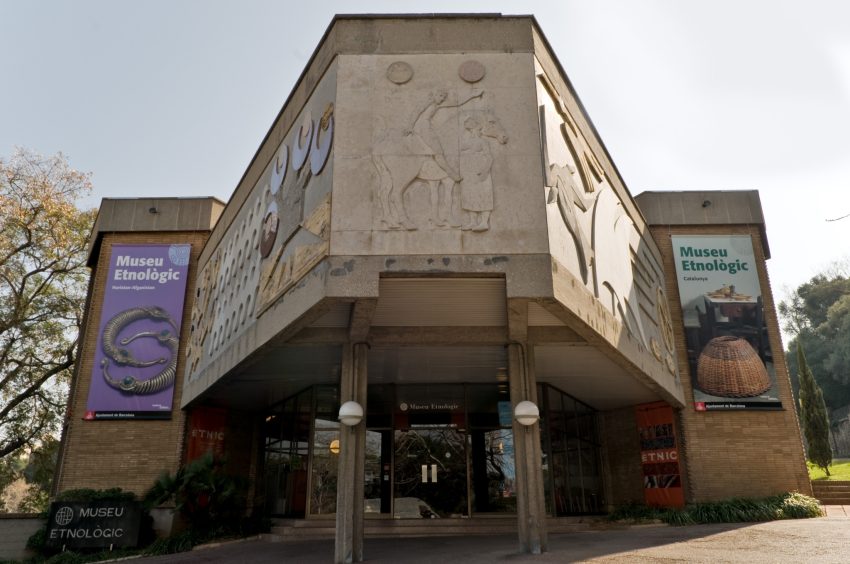
Tucked into Montjuïc, the Museu Etnològic de Barcelona is one of the city's most rewarding “if you know, you know” museums, focusing on everyday life, traditions, and material culture in Catalonia and beyond. It's the kind of place where fishing tools, festival figures, textiles, and small objects tell big stories about how people lived, worked, celebrated, and made meaning.
Because it sits slightly off the main tourist circuit, it's easy to pair with a walking tour of Montjuïc's viewpoints, gardens, and cultural venues, or to slot into a museum-hopping day between Poble-sec and Plaça d'Espanya. If you're looking for a calmer alternative to Barcelona's blockbuster attractions, this museum is a smart, atmospheric choice.
Table of Contents
- History and Significance of the Museu Etnològic de Barcelona
- Things to See and Do in the Museu Etnològic de Barcelona
- How to Get to the Museu Etnològic de Barcelona
- Practical Tips on Visiting the Museu Etnològic de Barcelona
- Where to Stay Close to the Museu Etnològic de Barcelona
- Is the Museu Etnològic de Barcelona Worth Visiting?
- For Different Travelers
- FAQs for Visiting Museu Etnològic de Barcelona
History and Significance of the Museu Etnològic de Barcelona
The museum’s roots are tied to Barcelona’s long-running interest in documenting traditional societies and local heritage, with collections that grew through research, collecting campaigns, and changing ideas about how to present culture in a public institution. Over time, it evolved from earlier ethnological displays into a more contemporary museum that aims to contextualize objects rather than simply showcase them.
Its significance today is twofold: it preserves Catalan cultural memory (from rural crafts to urban traditions) while also placing Barcelona in conversation with global cultures through ethnographic collections. That mix makes it especially valuable if you want to understand the city beyond architecture and food-through the rituals, objects, and identities that shaped daily life.
The setting on Montjuïc also matters. Visiting here feels like stepping into a quieter layer of Barcelona’s cultural landscape, where you can slow down and engage with exhibits at your own pace.
Things to See and Do in the Museu Etnològic de Barcelona
Start by scanning the Catalonia-focused sections: objects tied to work and home life (tools, household items, furnishings), and displays that connect to regional traditions. Look for pieces that relate to festivals and popular culture-these help decode what you'll see in the streets during local celebrations.
Don’t miss the lower-level displays that many visitors single out as a highlight. This area often feels like a compact “world cultures” cabinet-small-scale objects, figurines, toys, miniatures, and artifacts that reward close looking. If you enjoy anthropology, design, or craft, you can easily spend longer here than you planned.
Finally, take time with the interpretive labels. Travelers consistently note that the descriptions are accessible and helpful (often available in multiple languages), which makes the museum feel welcoming even if you’re not an expert in ethnography.
How to Get to the Museu Etnològic de Barcelona
Most international visitors arrive via Barcelona-El Prat Airport (BCN), with Girona-Costa Brava Airport (GRO) and Reus Airport (REU) sometimes used by low-cost carriers depending on season. For the best deals and a seamless booking experience, check out these flights to Barcelona on Booking.com.
If you're coming from elsewhere in Spain or southern France, Barcelona is extremely well connected by rail, and arriving at Barcelona Sants makes it easy to continue by Metro, taxi, or bus toward Montjuïc and Poble-sec. Train schedules and bookings can be found on Omio.
Driving into Barcelona is possible, but traffic and parking can be challenging; if you do come by car, consider using a paid garage near Plaça d'Espanya and continuing on foot or by public transport. If you are looking to rent a car in Spain I recommend having a look at Discover Cars, first, as they compare prices and review multiple car rental agencies for you.
Practical Tips on Visiting the Museu Etnològic de Barcelona
- Official website: https://www.barcelona.cat/museu-etnologic-culturesmon/
- Entrance fee: Adults: €5.20; Reduced: €3.70; Under 16: free.
- Opening hours: (Summer) May 1 – September 30; Tuesday – Sunday: 10:00–20:00. Closed on Monday. (Winter) October 1 – April 30; Tuesday – Saturday: 10:00–19:00. Sunday: 10:00–20:00. Closed on Monday.
- Best time to visit: Go on a weekday morning for the quietest galleries, or pair it with a late-afternoon Montjuïc stroll when the light is best for viewpoints.
- How long to spend: Plan 60-90 minutes for a focused visit, or 2 hours if you like reading labels and lingering in the downstairs collections.
- Accessibility: Expect an indoor museum setup with lifts and smooth flooring in most areas; if you have specific mobility needs, it’s worth confirming access details before you go.
- Facilities: Look for basic visitor amenities like restrooms and a reception area; bring a water bottle if you’re combining the visit with walking around Montjuïc.
Where to Stay Close to the Museu Etnològic de Barcelona
Base yourself in Poble-sec if you want the best balance of quick access to Montjuïc, easy transport links, and a local dining scene without the heaviest tourist crowds.
InterContinental Barcelona A polished, upscale option near Plaça d’Espanya that’s ideal if you want comfort, strong amenities, and a short hop to Montjuïc’s museums.
Hotel Brummell A stylish boutique stay in Poble-sec with a relaxed vibe-great for travelers who want design-forward rooms and a neighborhood feel.
INNSiDE by Meliá Barcelona Apolo Excellent for transport: you're right by Paral·lel Metro, making it easy to reach Montjuïc, the Gothic Quarter, and the beach areas.
Hotel Concordia Barcelona A dependable mid-range pick with straightforward comfort, convenient for getting around, and well placed for a museum-and-tapas itinerary.
Hostal Apolo A budget-friendly base that keeps you close to Montjuïc and public transport-best for travelers who prioritize location over extras.
Is the Museu Etnològic de Barcelona Worth Visiting?
Yes-especially if you want a quieter, more reflective Barcelona experience that goes beyond the headline sights. The museum shines when you're curious about how culture shows up in everyday objects, and it's a refreshing break from the city's busiest attractions.
Honest Pivot: if you’re short on time and only want “must-see” icons, or if ethnography isn’t your thing, you may find the collection modest compared with larger museums. In that case, you’re better off spending your limited hours on Montjuïc viewpoints, a major art museum, or a neighborhood food crawl.
What Other Travellers Say...
Reviewers describe the museum as an underrated, low-crowd stop with thoughtfully presented exhibits and helpful multilingual labels. Common highlights include the downstairs collections with small objects and global artifacts, plus Catalonia-focused displays that feel authentic and informative. A recurring downside is that some visitors find parts of the paid areas modest in size or impact for the price, especially compared with larger museums.





For Different Travelers
This museum works best for travelers who enjoy slower, detail-rich visits and like connecting what they see indoors to what they experience on the streets of Barcelona.
Families with Kids
Kids who like “treasure hunt” museums-small objects, unusual tools, and colorful cultural items-can have a great time here, especially in the sections with miniatures and varied artifacts. It’s also a good option when you need an indoor break from walking and sun.
That said, it’s not an interactive science museum, so very young children may lose interest if they’re not into looking closely at displays. A simple plan helps: pick a few themes (festivals, toys, masks, tools) and keep the visit short and upbeat.
Couples & Romantic Getaways
For couples, the biggest win is the calm atmosphere: you can browse without feeling rushed, then step back outside to continue a Montjuïc walk with viewpoints and gardens. It’s a nice “shared discovery” stop-lots of conversation starters without the crowds.
If your trip is centered on big-ticket architecture and nightlife, this may feel too low-key. But if you like thoughtful museums and slow travel, it’s a strong addition to a romantic itinerary.
Budget Travelers
This is a smart budget choice because it’s often less crowded than major museums, and it can deliver a lot of value if you enjoy reading and taking your time. It also pairs well with low-cost Montjuïc activities like scenic walks and outdoor viewpoints.
To keep spending down, plan your route using public transport and combine the museum with nearby free sights rather than bouncing across the city by taxi. If you’re using city passes, check whether your entry is included.
History Buffs
History-minded travelers will appreciate how the museum uses objects to tell stories about social change-work life, domestic life, and traditions across the 18th to 20th centuries and beyond. It’s less about kings and battles and more about how people actually lived.
If you like connecting micro-histories to place, visit after spending time in older neighborhoods like El Raval or the Gothic Quarter; you'll notice more details in the city once you've seen the cultural context.
FAQs for Visiting Museu Etnològic de Barcelona
Getting There
Tickets & Entry
Visiting Experience
Tours, Context & Itineraries
Photography
Accessibility & Facilities
Food & Breaks Nearby
Safety & Timing
The Museu Etnològic de Barcelona appears in our Complete Guide to Visiting Barcelona!

Moira & Andy
Hey! We're Moira & Andy. From hiking the Camino to trips around Europe in Bert our campervan — we've been traveling together since retirement in 2020!
This website uses affiliate links which may earn a commission at no additional cost to you!
Planning Your Visit
(Summer) May 1 - September 30; Tuesday - Sunday: 10:00-20:00. Closed on Monday.
(Winter) October 1 - April 30; Tuesday - Saturday: 10:00-19:00. Sunday: 10:00-20:00. Closed on Monday.
Adults: €5.20; Reduced: €3.70; Under 16: free.
Nearby Attractions
- Catalan Museum of Archaeology (0.2) km
Museum - Palauet Albéniz (0.2) km
Palace - Museu Nacional d'Art de Catalunya (0.2) km
Historic Building, Museum and Viewing Point - Consorci Mercat de les Flors - Centre de les Arts en Moviment (0.2) km
Arts Venue and Theatre - Teatre Grec (0.3) km
Theatre - Museu Olímpic i de l'Esport Joan Antoni Samaranch (0.3) km
Museum - Lluís Companys Olympic Stadium (0.3) km
Attraction, Historic Site and Notable Building - Fundació Joan Miró (0.4) km
Arts Venue, Gallery and Museum - Palau de Congressos de Barcelona (0.5) km
Attraction, Historic Building and Notable Building - Mies van der Rohe Pavilion (0.5) km
Historic Building