Museu do Douro, Peso da Régua
Museum in Peso da Régua

Set right beside the River Douro in Peso da Régua, the Douro Museum is where the valley's past and present come together under one roof. Housed in the restored Casa da Companhia Velha, an emblematic building for the world's oldest demarcated wine region, it celebrates the memory, culture and identity of the Douro, from terraced vineyards and Port wine estates to the people who have shaped this landscape. It is one of the top attractions in Peso da Régua if you want to understand the region rather than just taste its wines.
Inside, the museum blends traditional architecture with contemporary displays, using multimedia, objects and atmosphere rather than dry panels alone. You can explore the main exhibition area, relax in the “A Companhia” restaurant, browse the library and reading room and sip a glass in the wine bar overlooking the river. Just a few metres away, the permanent exhibition in the former Armazém 43 digs even deeper into vine growing and winemaking, making the Douro Museum a great place to visit on a walking tour of Peso da Régua before or after a boat trip or quinta visit.
Table of Contents
History and Significance of the Douro Museum
The Douro Museum exists because the Douro Valley is not just a beautiful wine region but a World Heritage landscape with a long, fiercely protected identity. The demarcated Douro wine region is the oldest regulated wine region in the world, and Casa da Companhia Velha, where the museum is based, is closely tied to that history. Fully restored, the building itself is part of the story, representing the commercial and administrative backbone that supported Port wine’s rise to international fame.
The museum was created as a regional institution with a clear mission: to represent the memory, culture and identity of the Douro as a living, working landscape. Rather than focusing solely on wine as a finished product, it explores how terraced vineyards were carved into steep slopes, how rabelos once carried barrels downriver and how the region’s geology, climate, flora and fauna all contribute to the character of its wines. In doing so, it anchors the World Heritage designation in real, tangible details.
Armazém 43, a former warehouse just a short walk away, adds another layer to this narrative. Its permanent exhibition covers vine growing and wine production as an “essential feature of identity” for the Douro, looking at everything from the construction of the landscape to harvest traditions, tools and the branding of famous Port houses. Together, Casa da Companhia Velha and Armazém 43 form a single, coherent storytelling space, ensuring that visitors leave with a rounded picture of why this valley matters.
Things to See and Do in the Douro Museum
The heart of the museum is its main exhibition area in Casa da Companhia Velha. Here, you move through rooms that explain how the Douro was shaped: the steep relief, schist soils, terraced vineyards and the human labour behind them. Displays highlight the key stages of wine production, from tending vines on vertiginous slopes to fermentation, ageing and shipping, alongside references to the Port wine estates that line the river and have been active for centuries.
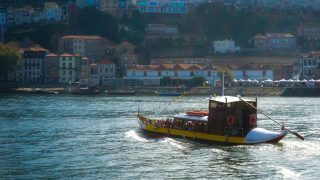
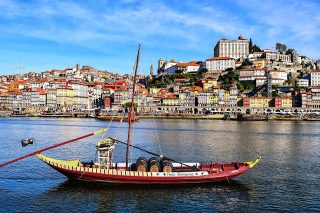
One of the museum’s strengths is how it weaves in broader cultural threads. Panels and objects introduce the region’s fauna and flora, photographs and models show rabelos - the traditional boats that once transported Port downriver - and historical material evokes the estates, harvest rituals and social life of the valley. This contextual approach makes it easier to connect what you see later in the landscape with what you have learned inside.
After exploring the core exhibitions, take time to enjoy the building’s other spaces. The “A Companhia” restaurant and wine bar overlook the River Douro, making them ideal spots to pause with a glass and watch boats go by while you digest what you have seen. The library and reading room are perfect if you want to delve deeper into books, maps and documents about the region. Then, head over to Armazém 43 for the permanent exhibition that gives a more technical, production-focused overview of vine growing, winemaking processes, tools, labels and imagery associated with famous Port houses. This spot is one of the best places to see in Douro Museum if you are particularly interested in the practical side of wine.
How to Get to the Douro Museum
Peso da Régua is well placed as a gateway to the Douro Valley and is reachable by road, rail and river. The nearest major airports are in Porto and, further away, Lisbon, both of which offer good onward connections by train, coach or hire car to the Douro. For the best deals and a seamless booking experience, check out these flights to Peso da Régua on Booking.com. From Porto in particular, you can combine a city stay with a day or overnight trip to Régua and the museum.
One of the classic ways to arrive is by train along the Douro line, which winds from Porto's São Bento or Campanhã stations through the valley to Peso da Régua and beyond.Train schedules and bookings can be found on Omio. The railway journey itself is scenic, tracing the river in places and giving you glimpses of vineyards and quintas as you go; from Régua station it is a short walk to the museum along the riverside and through the town centre.
If you are travelling by car, you can drive from Porto, Vila Real or other Douro towns via well signed roads, following the river valley in parts and climbing through hills in others.If you are looking to rent a car in Portugal I recommend having a look at Discover Cars, first, as they compare prices and review multiple car rental agencies for you. Peso da Régua has parking areas near the river and within walking distance of the museum; having a car makes it easier to combine your visit with stops at viewpoints or nearby wine estates.
Practical Tips on Visiting the Douro Museum
- Suggested tips: Start your Douro visit at the museum to get a solid overview of the region’s history and winemaking before touring estates or taking a boat cruise.
- Best time to visit: Spring and autumn offer pleasant temperatures and vivid colours in the vineyards; on hot summer days, the museum’s interiors provide a welcome cool break in the middle of your itinerary.
- Entrance fee: Museum with Port Wine tasting: €10.00
- Opening hours: Summer (March to October): Daily, 10:00 - 18:00. Winter Opening Hours (Novemberto February): Daily, 10:00 - 17:30.
- Official website: http://www.museudodouro.pt/
- How long to spend: Plan 1-2 hours for the main building and wine bar, and add another hour if you intend to visit the permanent exhibition at Armazém 43 in detail.
- Accessibility: The restored buildings have been adapted for visitors, but some areas may still involve steps or uneven floors; check accessibility information in advance if you have mobility needs.
- Facilities: On site you will find a restaurant, wine bar, library and reading room, as well as standard visitor services such as information desks and restrooms.
- Photography tip: Capture the contrast between exhibition spaces and the river outside, and look for displays of rabelos, old tools and vineyard terraces that visually explain how the landscape and wine are intertwined.
- Guided tours: Ask about guided visits or audio guides, which can be particularly helpful in Armazém 43 if you are keen to understand the technical side of vine growing and production.
- Nearby food options: Beyond the “A Companhia” restaurant, Peso da Régua offers plenty of riverside restaurants and cafés where you can continue tasting Douro wines and regional dishes after your museum visit.
Where to Stay close to the Douro Museum
Staying in or near Peso da Régua makes visiting the Douro Museum effortless and gives you a convenient base for exploring the valley. For a riverside setting close to both the station and the museum, Hotel Régua Douro is a practical choice with easy access to boats, trains and town. If you prefer something stylish and intimate in the historic centre, Original Douro Hotel places you within walking distance of the museum, riverside promenade and local restaurants. For a more resort-like stay just across the river, Vila Galé Collection Douro offers spa facilities and broad river views, while still being only a short drive or taxi ride from the museum doors.
Is the Douro Museum Worth Visiting
If you are coming to the Douro for more than just a quick tasting, the Douro Museum is very much worth visiting. It gives you the context that vineyards and cellar tours alone cannot provide, explaining why the valley looks the way it does, how its wines developed and what makes this World Heritage landscape so distinctive. By the time you step back outside to board a boat, drive to a quinta or simply stroll along the riverside, you will be seeing the terraces, estates and river traffic with much more informed eyes, which is exactly what a good regional museum should do.
What Other Travellers Say...

Douro Museum, housed in the Edifício Museu do Douro at R. do Marquês de Pombal in Peso da Régua, is a modern, high‑ceilinged museum focused on the Douro region's wine culture and history; visitors praise its informative, carefully curated displays, occasional local art exhibitions, and a pleasant café where many end the visit with a glass of Port overlooking the Douro, though some note it could be more interactive and that guided or audio tours are not always available.


FAQs for Visiting Douro Museum
Nearby Attractions to the Douro Museum
- Douro riverfront promenade in Peso da Régua: A pleasant riverside walk with views of bridges, boats and vineyards on the surrounding hills.
- Rabelo boat cruises on the Douro: Short and half day trips departing from Régua, offering a water level perspective on the terraced valley.
- Local quintas around Peso da Régua: Nearby wine estates where you can tour vineyards and cellars and taste Port and table wines in situ.
- Miradouro de São Leonardo da Galafura: A classic viewpoint above the valley, reachable by car from Régua, with sweeping panoramas over the Douro’s bends.
- Douro Line railway journey: The stretch of train route between Peso da Régua and Pinhão or Porto, renowned for its scenic views along the river and vineyards.
The Museu do Douro appears in our Complete Guide to Visiting Peso da Régua!

Moira & Andy
Hey! We're Moira & Andy. From hiking the Camino to trips around Europe in Bert our campervan — we've been traveling together since retirement in 2020!
This website uses affiliate links which may earn a commission at no additional cost to you!
Planning Your Visit
Summer (March to October): Daily, 10:00 – 18:00.
Winter Opening Hours (Novemberto February): Daily, 10:00 – 17:30.
Museum with Port Wine tasting: €10.00
Nearby Attractions
- Capela de São Pedro de Balsemão (6.1) km
Church - Castelo de Lamego (7.1) km
Castle - Museu de Lamego (7.3) km
Museum - Lamego Cathedral (7.3) km
Cathedral - Santuário de Nossa Senhora dos Remédios (8.1) km
Church - Mosteiro de Santa Maria de Salzedas (13.1) km
Monastery - Casa de Mateus (16.4) km
Palace - Castelo de Numão (42.3) km
Castle - Monte da Penha (50.0) km
Religious Building and Viewing Point - Nossa Senhora da Consolação (52.0) km
Church