Museu de Artes Decorativas, Viana do Castelo
Historic Building and Museum in Viana do Castelo
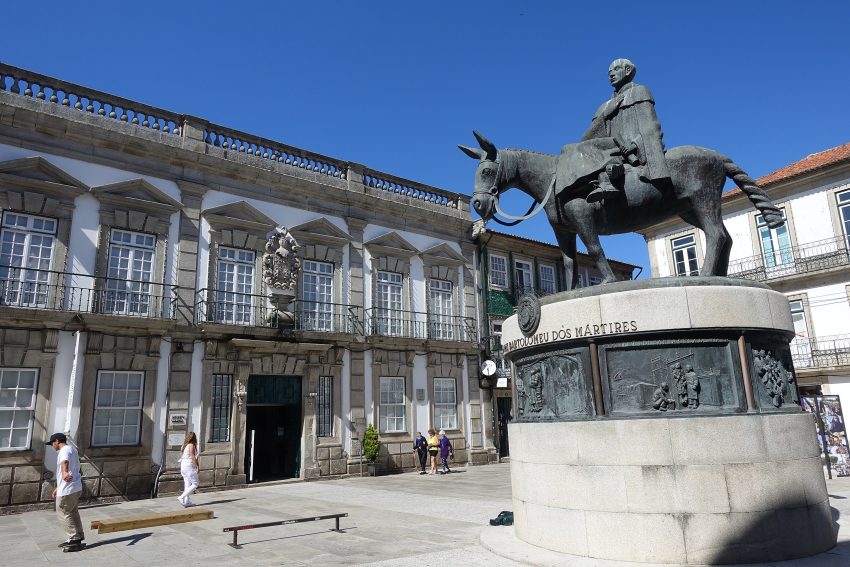
The Museu de Artes Decorativas sits in the heart of Viana do Castelo on Largo de São Domingos, housed in a noble town mansion that wears its history openly, right down to the Teixeira Barbosa Maciel family coat of arms on the façade. It's the kind of museum that feels intimate rather than expansive, where you move room by room through a lived-in setting, noticing how decorative arts once shaped everyday life as much as they showcased status.
Inside, the focus is on the craftsmanship Viana does so well: gleaming Portuguese faience from the 17th to 19th centuries (including local factory pieces with striking blue-and-red character), richly carved Indo-Portuguese furniture, and tile panels that stop you mid-step. If you're planning a walking tour of Viana do Castelo, this is one of the top attractions in Viana do Castelo to fold in for a calm, culture-rich pause between churches, squares, and riverfront strolls.
Table of Contents
- History and Significance of the Museu de Artes Decorativas
- Things to See and Do in the Museu de Artes Decorativas
- How to Get to the Museu de Artes Decorativas
- Practical Tips on Visiting the Museu de Artes Decorativas
- Where to Stay Close to the Museu de Artes Decorativas
- Is the Museu de Artes Decorativas Worth Visiting?
- For Different Travelers
- FAQs for Visiting Museu de Artes Decorativas
- Nearby Attractions to the Museu de Artes Decorativas
History and Significance of the Museu de Artes Decorativas
Viana do Castelo’s wealth and identity have long been tied to the sea, trade, and the flow of ideas through the city’s port, and the museum’s collections reflect that wider story in tangible form. Decorative arts are often the best “everyday evidence” of a place’s past: what people used at the table, how they furnished their homes, and which motifs they chose to display in ceramics and tiles.
The museum’s Indo-Portuguese furniture is especially telling, shaped by Portugal’s global connections and the exchange of materials, techniques, and tastes. Pair that with the building itself, a historic urban mansion, and the visit becomes as much about setting as objects: you’re not only looking at art, you’re stepping into the kind of interiors where these pieces once made sense.
Things to See and Do in the Museu de Artes Decorativas
Start by taking in the façade and its heraldic details before you go inside; it’s a quick moment that helps you read the museum as a home with a story, not just a container for exhibits. Once indoors, move slowly through the rooms and let the house guide your pace, because the atmosphere is part of the appeal.
The Portuguese faience displays are a highlight, particularly if you enjoy patterns, glazing, and the small design choices that separate everyday wares from showpieces. Look out for the local Viana tradition in the ceramics, then shift your attention to the tilework, where Portuguese and Hispanic-Arab influences create bold visual rhythm across walls and corners. The paintings and drawings add depth to the visit, giving you a sense of the artistic world that surrounded these decorative objects rather than treating them as isolated “antiques.”
How to Get to the Museu de Artes Decorativas
The easiest airport gateway is Porto Airport (Francisco Sá Carneiro), with onward connections to Viana do Castelo by train via Porto or by road if you're heading straight north. For the best deals and a seamless booking experience, check out these flights to Viana do Castelo on Booking.com. From Porto, Braga, and the wider Minho region, regional rail services make the city an easy hop for a day trip or a longer stay, and the station is walkable to the historic centre for most travelers. Train schedules and bookings can be found on Omio. If you’re coming locally, buses and taxis drop you close to the centre, and the final approach is best done on foot through the old streets around Largo de São Domingos. Driving is straightforward via the A28, but aim for a central garage or signed public parking and then walk, as the historic core can be narrow and slow for through-traffic. If you are looking to rent a car in Portugal I recommend having a look at Discover Cars, first, as they compare prices and review multiple car rental agencies for you.
Practical Tips on Visiting the Museu de Artes Decorativas
- Entrance fee: €2.40 (combined ticket also valid for the Museu do Traje).
- Opening hours: Tuesday – Friday: 10:00–18:00. Saturday – Sunday: 10:00–13:00 & 15:00–18:00. Closed on Monday.
- Official website: https://www.cm-viana-castelo.pt/pt/mad-apresentacao
- Best time to visit: Late morning on a weekday is ideal for a quieter, unhurried look at the ceramics and tile rooms, while weekends can feel livelier in the surrounding centre.
- How long to spend: Plan for 45-75 minutes for a relaxed visit, longer if you enjoy reading labels closely and lingering in the tilework rooms.
- Accessibility: The building is historic, so expect some constraints; check https://www.cm-viana-castelo.pt/pt/mad-apresentacao for the most current access details and any step-free routing.
- Facilities: Facilities are simple and museum-focused; combine your visit with nearby cafés and rest stops in the centre for breaks.
Where to Stay Close to the Museu de Artes Decorativas
For a culture-heavy itinerary, base yourself in the central historic area near Praça da República and the old streets, but if your trip prioritizes parking, spa time, and quick road access, a modern property on the edges of the centre can be the better fit.
If you want to be able to walk everywhere, a central stay keeps the museum, churches, and restaurants within easy reach; Hotel Laranjeira is a reliable, no-fuss option right in town. For a more characterful stay that matches the city’s heritage vibe, Casa Melo Alvim Suites & Apartments puts you in a historic setting that feels aligned with the day’s museum-hopping. If you’d rather have a spa, easier parking, and quick access from the main roads, Axis Viana Business & SPA Hotel is a practical base with a more contemporary feel.
Is the Museu de Artes Decorativas Worth Visiting?
Yes, especially if you like places where the building and the collection work together. The museum is compact, but it delivers a distinctly “Viana” mix of ceramics, tilework, and global-influence craftsmanship that you won’t get from simply wandering the streets.
It’s also an excellent counterbalance to bigger, busier attractions: a quiet, detail-rich stop that adds texture to your understanding of the city. Even if you’re not a museum-first traveler, the visual impact of the tilework and the atmosphere of the historic house make it an easy win.
What Other Travellers Say...

Museu de Artes Decorativas sits in Viana do Castelo's city centre at Largo de São Domingos and offers a bright, spacious presentation of Portuguese and local decorative arts housed in an old palace; visitors praise its varied, detailed displays—particularly the painted tiles—and note there's plenty to see that can easily fill an hour, with combined-ticket options available for the nearby Costume Museum and occasional hands-on workshops where you can paint your own tile.


For Different Travelers
Families with Kids
This museum works best for families with kids who enjoy visual “treasure hunts,” like spotting patterns, animals, and repeated motifs in tiles and ceramics. Turning the visit into a game of noticing colors and shapes keeps it engaging without needing a long attention span.
Because it’s a smaller museum, it’s easier to manage than large galleries, but the objects are delicate and the rooms can be quiet. A short, focused visit paired with an outdoor break in the centre usually lands better than trying to do every label.
Couples & Romantic Getaways
For couples, the charm is in the mood: historic rooms, soft light on tilework, and the sense of stepping into an older Viana do Castelo. It's a slow-travel stop that feels thoughtful rather than checklist-driven.
Pair it with a café nearby, then continue into the old streets for an easy, unhurried afternoon. It’s particularly good on days when you want culture without the intensity of a major museum marathon.
Budget Travelers
With a modest entry fee and a central location, this is a high-value cultural stop that doesn’t demand a big time or money commitment. It’s the kind of place where you can get a meaningful slice of local identity in under an hour.
To stretch your day, cluster this museum with nearby churches, squares, and viewpoints that cost little or nothing. The city centre is very walkable, so you can keep transport costs low once you arrive.
History Buffs
History-minded travelers will appreciate how the collections reflect Viana’s social and economic story, from maritime prosperity to global connections expressed through Indo-Portuguese furniture. The objects aren’t just decorative; they map trade routes, taste, and changing domestic life.
Pay attention to how the house itself frames the collection, because the “where” is as instructive as the “what.” The combination of architecture, tiles, and household arts gives a more grounded view of the past than a purely political timeline.
FAQs for Visiting Museu de Artes Decorativas
Getting There
Tickets & Entry
Visiting Experience
Tours, Context & Itineraries
Photography
Accessibility & Facilities
Nearby Attractions to the Museu de Artes Decorativas
- Praça da República: The city's main square, perfect for people-watching, cafés, and getting your bearings in the historic centre.
- Museu do Traje: A great companion visit for understanding Viana’s iconic costumes and regional identity.
- Sé Catedral de Viana do Castelo: A central cathedral stop that adds architectural contrast to your museum day.
- Gil Eannes Hospital Ship: A memorable floating museum that connects Viana’s maritime story with real, walk-through spaces.
- Santuário de Santa Luzia: The hilltop basilica with sweeping views over the city, river, and Atlantic horizon.
The Museu de Artes Decorativas appears in our Complete Guide to Visiting Viana do Castelo!

Moira & Andy
Hey! We're Moira & Andy. From hiking the Camino to trips around Europe in Bert our campervan — we've been traveling together since retirement in 2020!
This website uses affiliate links which may earn a commission at no additional cost to you!
Planning Your Visit
Tuesday - Friday: 10:00-18:00.
Saturday - Sunday: 10:00-13:00 & 15:00-18:00.
Closed on Monday.
€2.40 (combined ticket also valid for the Museu do Traje).
Nearby Attractions
- Navio Hospital Gil Eannes (0.3) km
Museum - Forte de Santiago da Barra (0.5) km
Castle - Praça da República (0.5) km
Square - Casa dos Nichos (0.5) km
Historic Site and Museum - Igreja da Misericórdia de Viana do Castelo (0.5) km
Church - Sé Catedral de Viana do Castelo (0.6) km
Cathedral - Elevador de Santa Luzia (0.6) km
Railway - Santuário de Santa Luzia (1.1) km
Basilica - Citania de Santa Luzia (1.5) km
Historic Site - Castro de S. Lourenço (16.1) km
Historic Site